
Product Specification Guidance: How to Align Supplier Requirements with Purchase Needs
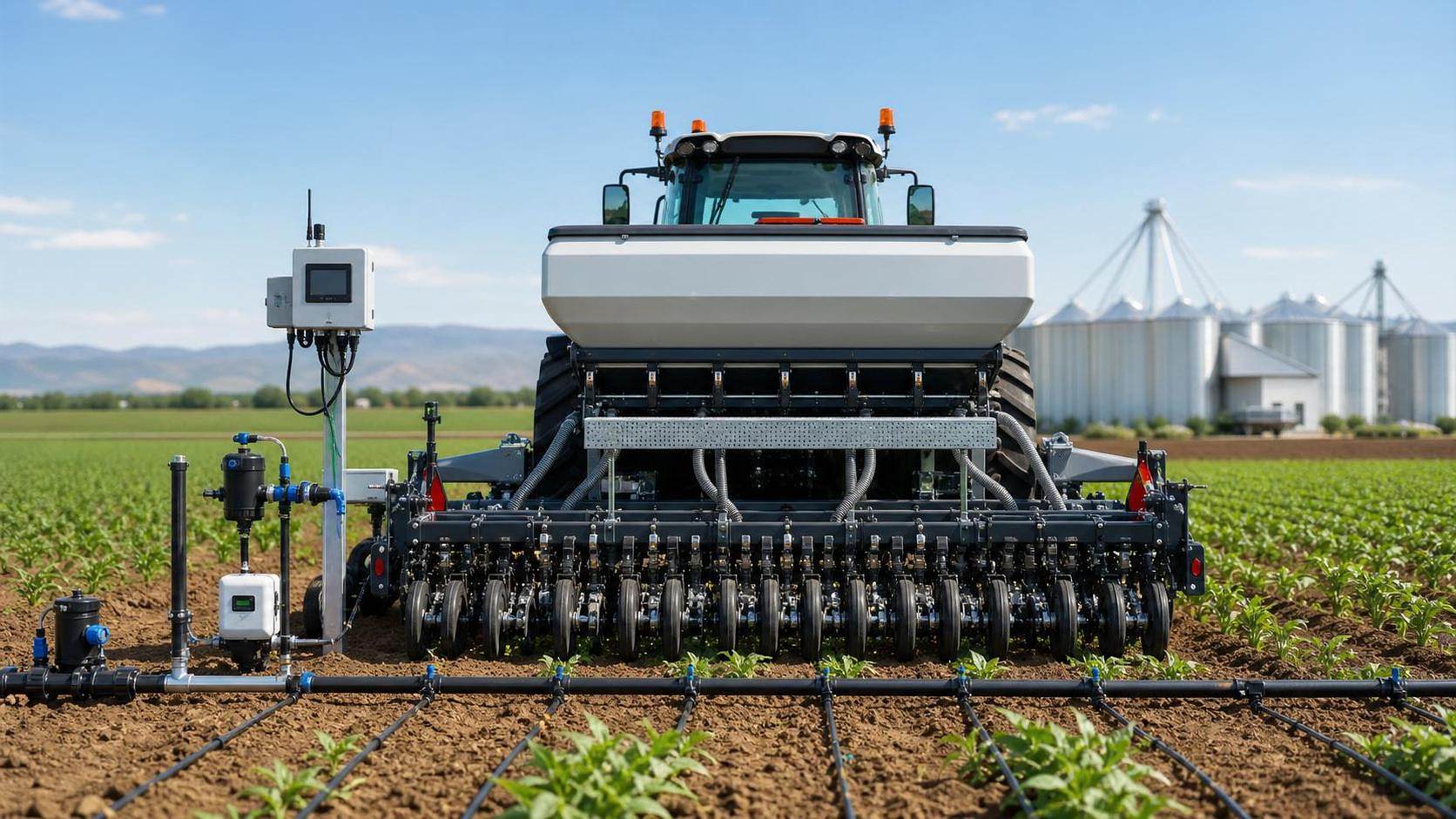




In agri-equipment procurement, product specification guidance supplier requirements sit at the point where engineering intent meets commercial reality. A machine may look suitable on paper, yet fail in field conditions if duty cycles, interface logic, or service expectations were never translated into purchase language. That is why alignment matters: better specification discipline lowers sourcing risk, protects lifecycle value, and keeps performance targets realistic across large machinery, harvesting platforms, tractor systems, and intelligent irrigation networks.
Where specification guidance really begins
A useful specification is not a product brochure rewritten as a tender document. It is a decision framework.
In practice, product specification guidance supplier requirements define what the equipment must do, under which conditions, and with what acceptable limits.
That sounds obvious, but the gap usually appears between desired outcomes and measurable criteria.
For example, “high efficiency” means little unless throughput, loss rate, fuel use, uptime, and maintenance interval are clearly stated.
The same applies to irrigation systems, sensor-enabled tools, and power chassis. Performance claims only become actionable when linked to workload, climate, terrain, and integration needs.
This is where many procurement efforts become expensive. Requirements are written too broadly, suppliers respond too loosely, and comparison becomes subjective.
Why the issue matters more in Agriculture 4.0
Agriculture 4.0 has changed the meaning of a specification. A machine is no longer only a mechanical asset.
It is also a data source, a control node, and often a platform expected to fit wider farm management systems.
AP-Strategy tracks this shift across large-scale machinery, combine harvesters, tractor chassis, intelligent farm tools, and water-saving irrigation systems.
Across these categories, supplier selection increasingly depends on mixed criteria: mechanical durability, software reliability, interoperability, energy efficiency, and long-term service support.
A combine harvester, for instance, cannot be judged only by engine power or tank size. Cleaning-loss feedback, crop adaptability, moisture response, and spare-part access may matter more.
Likewise, an irrigation network is not simply a flow-capacity purchase. It involves control precision, sensor calibration stability, water recovery efficiency, and future expansion logic.
In this environment, product specification guidance supplier requirements help turn complexity into a comparable structure.
From purchase intent to supplier language
The strongest procurement documents start from operational intent, not from catalog terminology.
A buyer may need stable harvesting under uneven crop density. A supplier may describe rotor design, separator geometry, and sensor-assisted adjustments.
Alignment happens when the purchase need is translated into testable supplier requirements.
Core translation points
- Operational target: expected output, duty cycle, seasonal load, and working hours.
- Environment: soil condition, slope, crop type, weather variability, and water quality.
- Interface: hydraulic, electrical, software, telemetry, and implement compatibility.
- Service model: maintenance interval, local parts support, training, and diagnostic response.
- Risk tolerance: acceptable downtime, loss range, deviation limits, and upgrade dependency.
Without these layers, product specification guidance supplier requirements tend to stay generic and invite mismatched bids.
What should be specified, and what should be verified
A common problem is overloading the document with descriptive details while missing the parameters that actually affect field outcomes.
Usually, the better approach is to separate required characteristics from verification criteria.
This distinction improves supplier comparison because it prevents vague promises from carrying the same weight as proven capability.
Typical alignment challenges across agri-equipment categories
Different equipment classes create different specification risks. A single template rarely works well across the full procurement portfolio.
Large-scale machinery and tractor chassis
The main issue is often underdefining workload reality. Transmission design, hydraulic response, and chassis resilience depend on actual operating stress.
If those loads are generalized, supplier proposals may look compliant while remaining operationally weak.
Combine harvesters
Here, harvest loss, crop adaptability, and cleaning performance deserve closer attention than headline capacity alone.
AP-Strategy’s intelligence focus on dynamic cleaning-loss feedback reflects this shift toward performance under variable field conditions.
Intelligent farm tools
Precision tools fail most often at the interface level. Positioning accuracy, sensor consistency, and prescription-task execution must be specified together.
Otherwise, the tool may work independently while delivering poor value in the actual workflow.
Water-saving irrigation systems
The hidden risk is lifecycle drift. Initial flow control may perform well, but long-term emitter stability, clogging tolerance, and algorithm response can erode efficiency.
Product specification guidance supplier requirements should therefore include service life assumptions and performance retention thresholds.
How to read supplier responses more critically
Not every compliant response is equivalent. Some suppliers answer the wording. Others answer the operational problem.
A stronger review process looks for evidence beneath the statement.
- Check whether performance values are tied to realistic field conditions.
- Look for exclusions hidden in footnotes, reference cases, or software dependencies.
- Separate standard features from paid options that affect core functionality.
- Confirm whether integration support is contractual or merely advisory.
- Review the service footprint, not only the equipment specification sheet.
This is especially important in long-cycle agri-trade, where operational interruption can cost more than an initial pricing gap.
A practical framework for better purchase decisions
A clear path usually starts with internal discipline before supplier engagement begins.
Build the requirement in three layers
First, define non-negotiable outcomes. These include throughput, compatibility, reliability, and safety thresholds.
Next, define preferred technical paths. This leaves room for innovation while protecting essential needs.
Then, define validation rules. If a claim cannot be tested, compared, or audited, it should not drive selection.
Keep market intelligence close to the specification process
AP-Strategy’s value model is relevant here because procurement quality improves when technical requirements are informed by trend intelligence.
Signals around autonomous machinery, precision fertilization, hybrid chassis technology, or irrigation prediction models can change what “future-ready” should mean in current specifications.
That prevents buying for yesterday’s compatibility assumptions.
What to do next
The most useful next step is to review existing procurement documents against real operating conditions, not against internal formatting habits.
Map each major purchase need to measurable outcomes, interface constraints, support expectations, and verification methods.
Where product specification guidance supplier requirements remain broad, narrow them with field data, service assumptions, and integration checkpoints.
For high-value agri-equipment and smart farming systems, alignment is less about writing longer specifications and more about writing sharper ones.
That is usually where better supplier collaboration, stronger asset performance, and more defensible purchase decisions begin.
Related News
How Sensor Feedback Enables Accurate Variable-Rate Fertilization in Field Conditions
Precision fertilization systems with sensor feedback improve variable-rate accuracy by verifying flow, managing latency, and ensuring reliable field application.
How to Select Precision Crop Protection Equipment for Variable Field Conditions
Precision crop protection equipment selection made simple: compare terrain, canopy, weather, control accuracy, and data workflows for reliable applications.
When Does Agricultural Machinery Leasing Cost Less Than Owning Equipment?
Agricultural machinery leasing can lower farm costs when use is seasonal or uncertain. Compare utilization, maintenance, cash flow, and risk to make a smarter equipment decision.
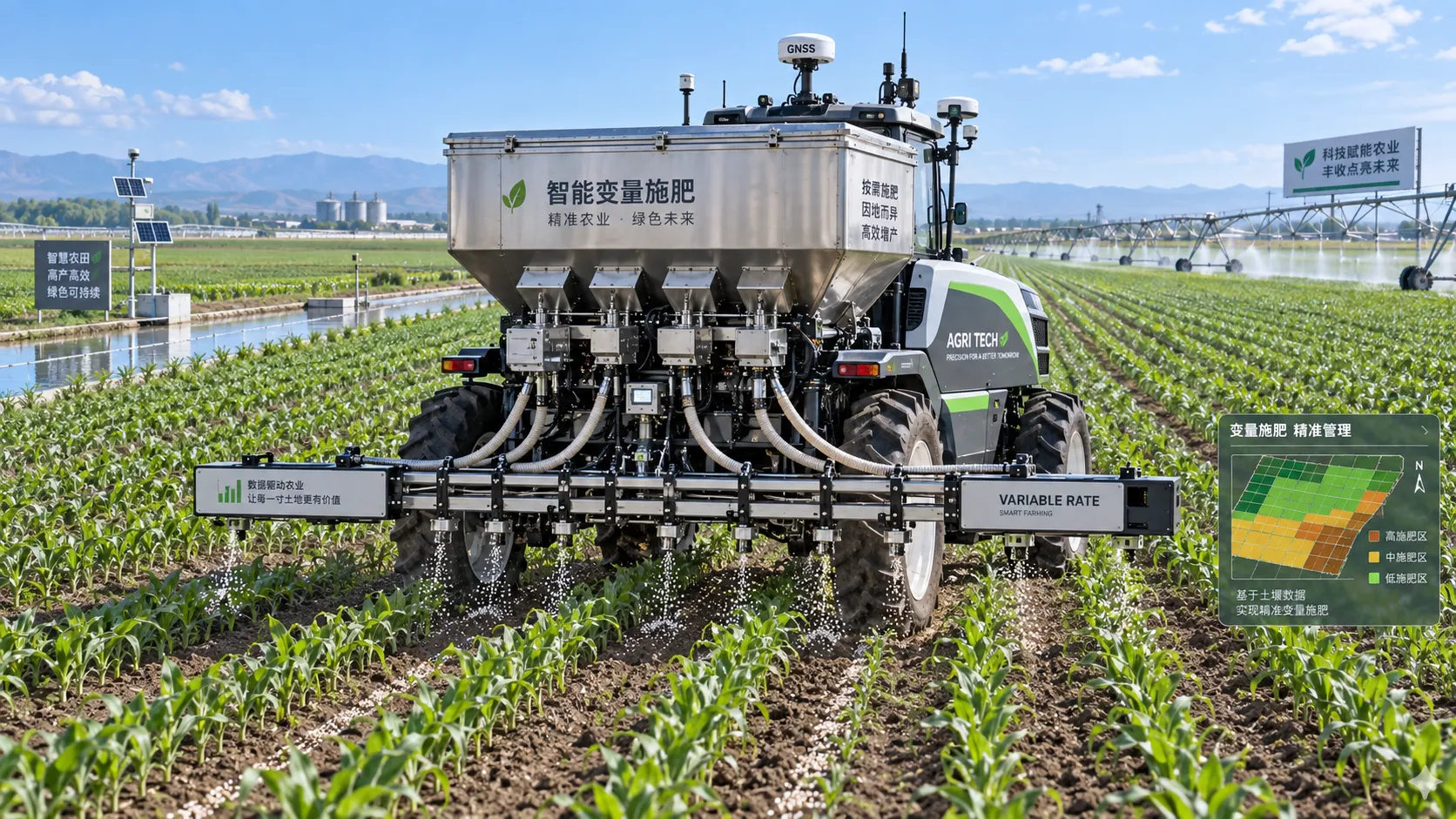
How to Evaluate Precision Fertilization System Suppliers for Farm-Scale Deployment
Precision fertilization systems suppliers: learn how to compare accuracy, integration, uptime, service, and total cost for confident farm-scale deployment.
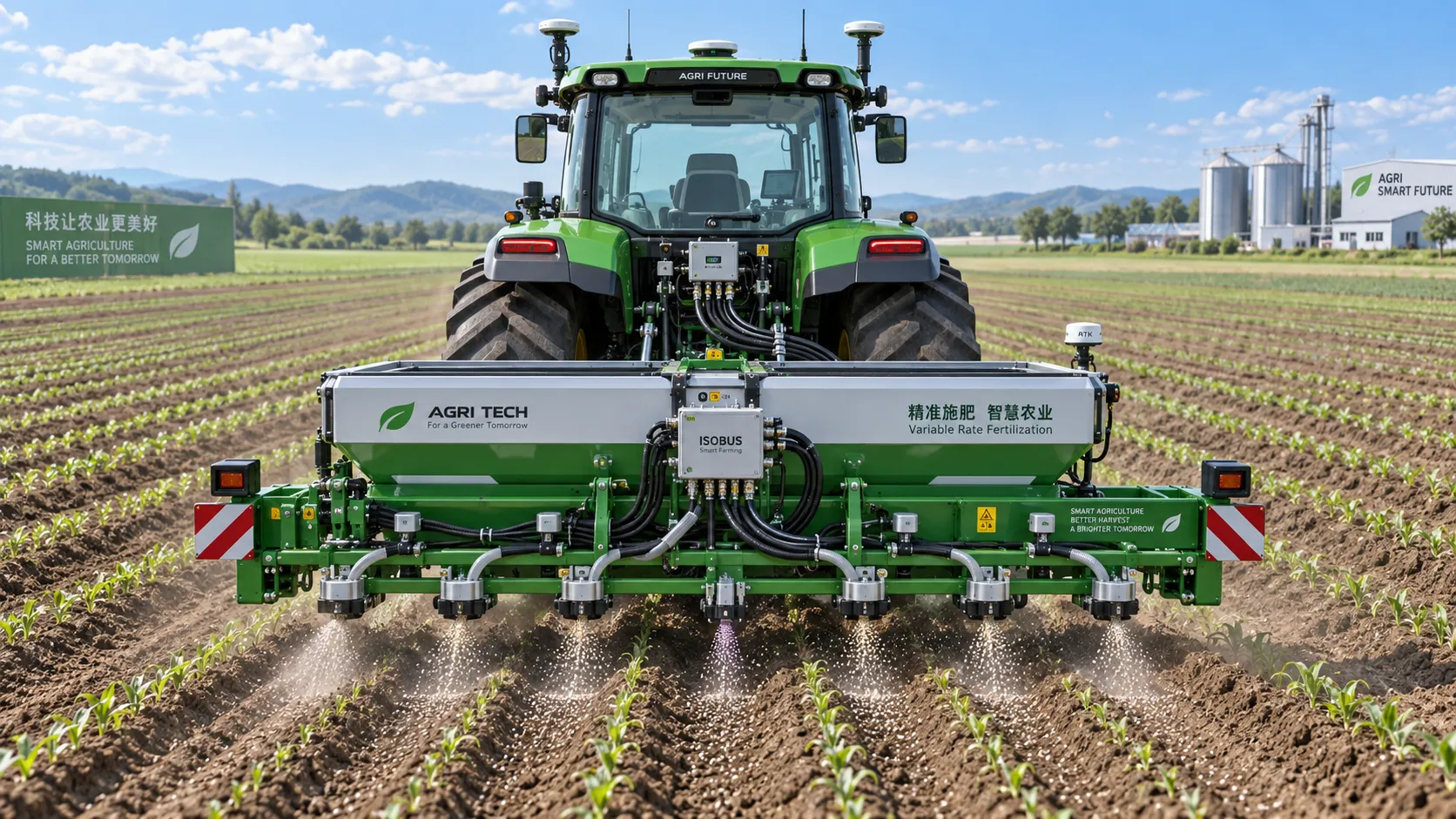
ISOBUS for Smart Agriculture: How It Connects Tractors, Implements, and Farm Data
ISOBUS for smart agriculture connects tractors, implements, terminals, and farm data—helping growers improve precision, documentation, and smarter field decisions.
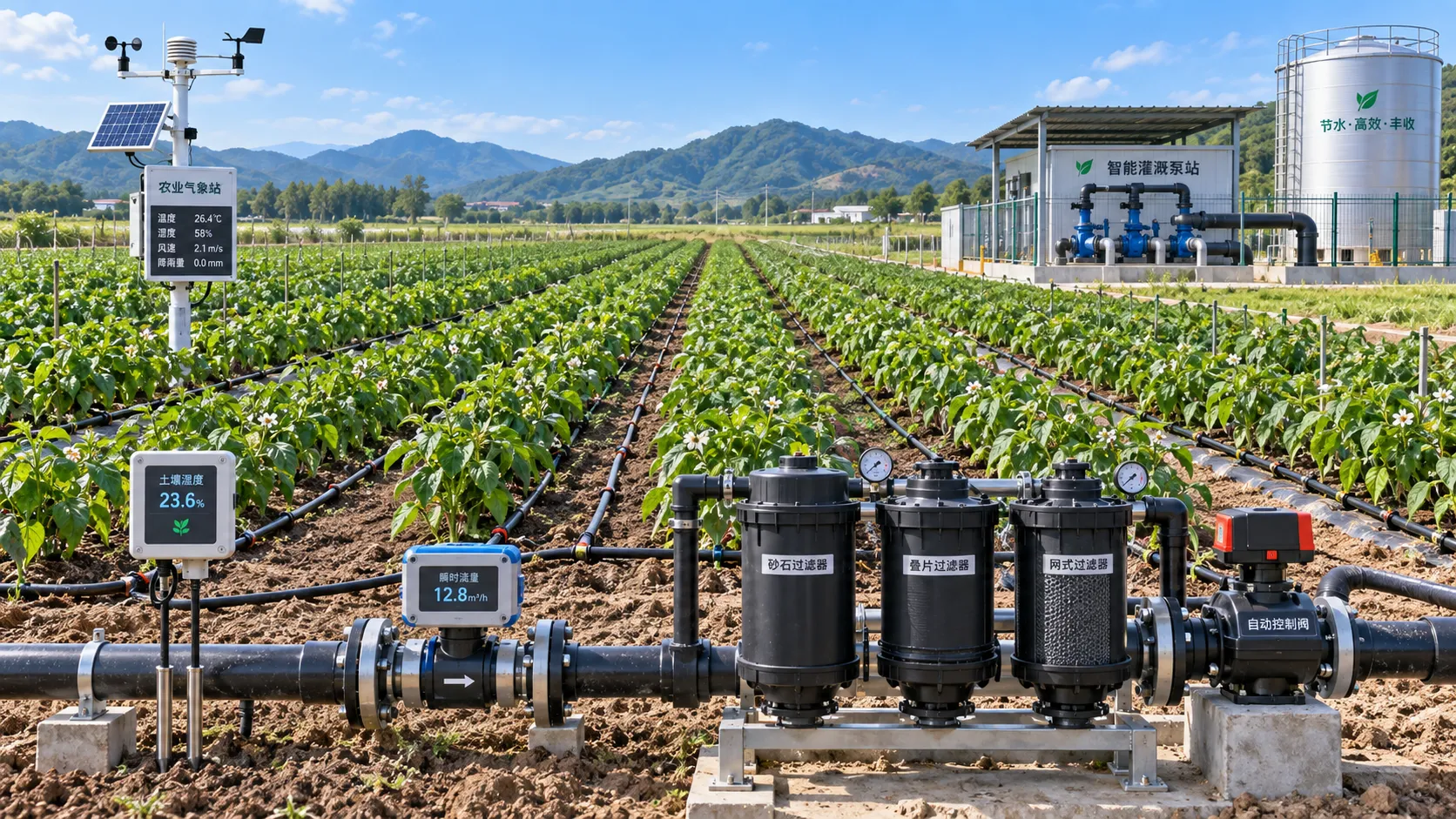
Automated Water-Saving Irrigation: How to Cut Water Use Without Reducing Crop Yields
Automated water-saving irrigation helps farms cut water use, protect crop yields, improve scheduling, and gain reliable control with sensors, flow monitoring, and smart zones.
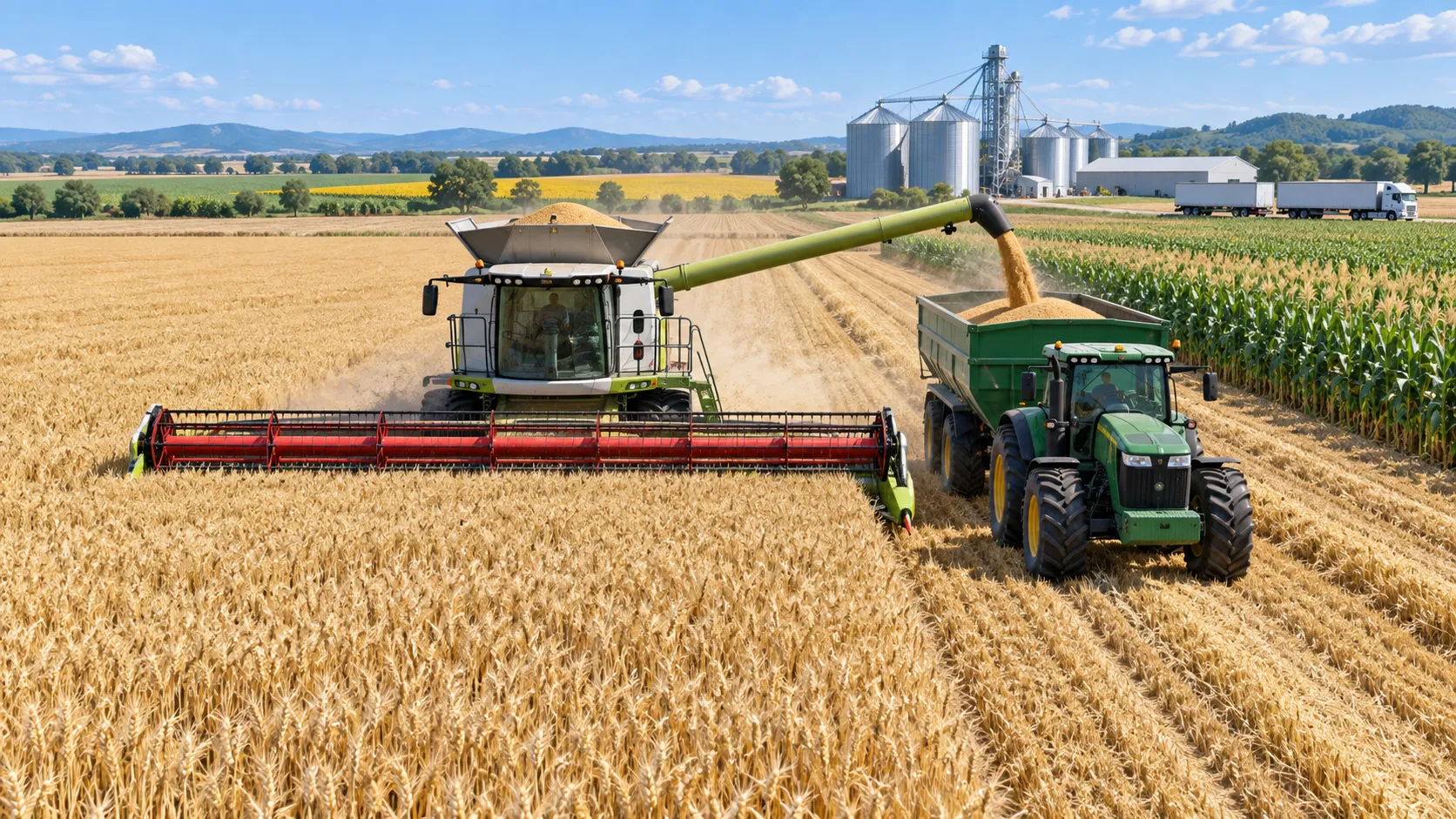
Selecting Grain Farm Equipment by Acreage, Crop Mix, and Harvest Window
Agricultural equipment selection for grain farming: match machinery to acreage, crop mix, and harvest windows to improve uptime, efficiency, and returns.
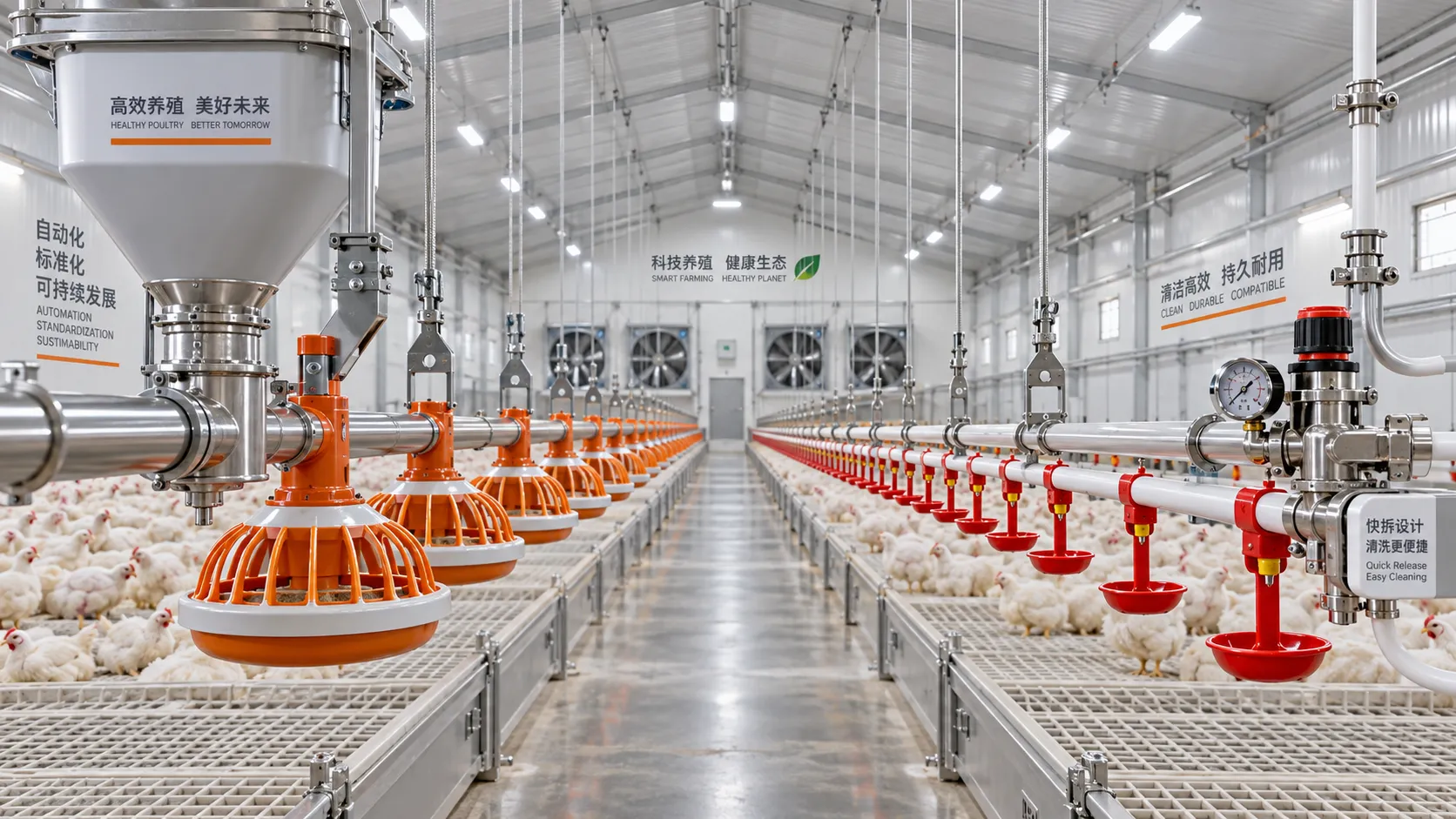
Poultry Equipment Selection: Evaluating Durability, Cleaning, and Compatibility
Poultry equipments selection guide: evaluate durability, cleaning access, and system compatibility to improve hygiene, reduce downtime, and support efficient flock management.
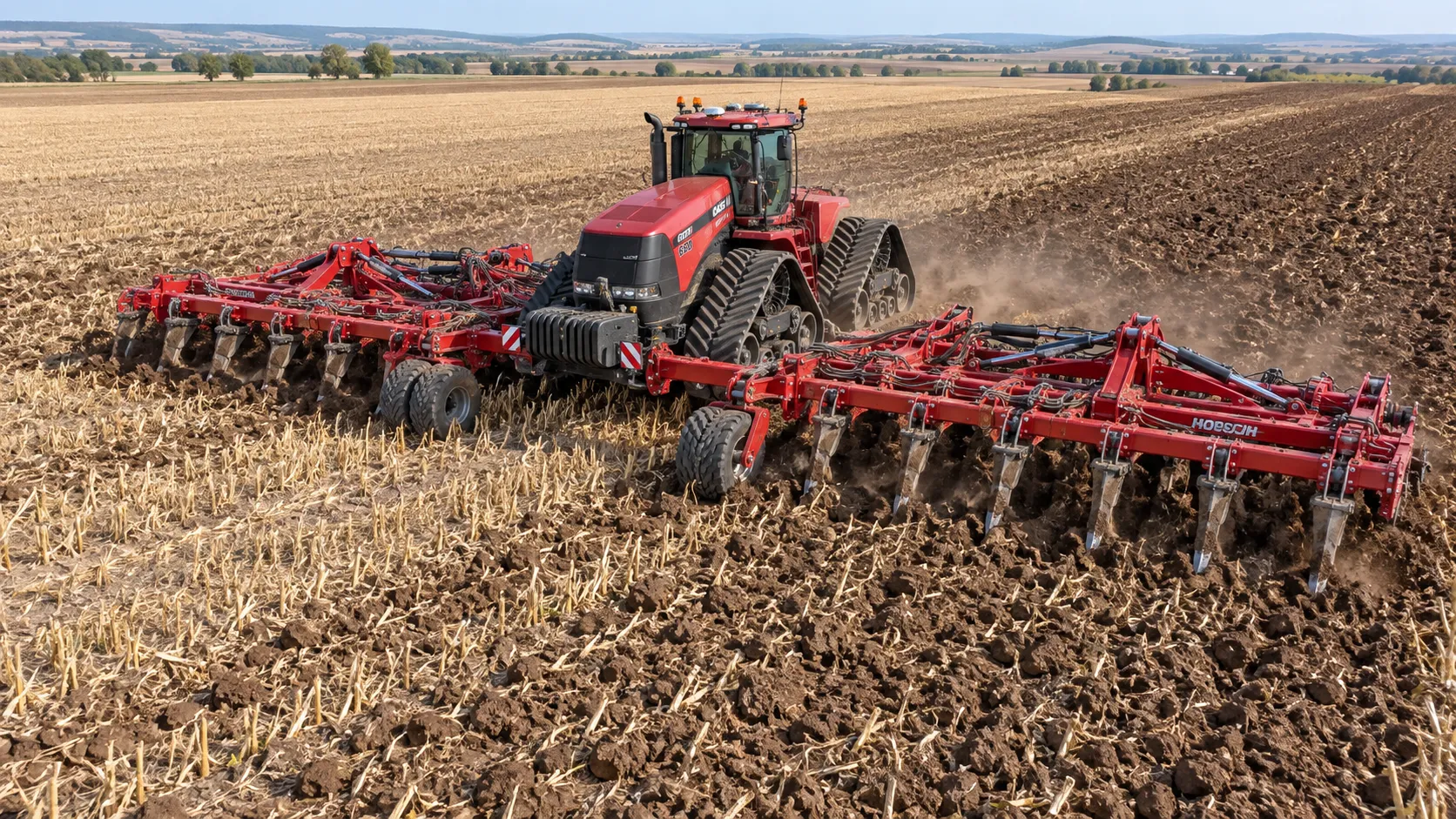
How to Select Heavy-Duty Farm Implements for High-Acreage, High-Horsepower Operations
Heavy duty farm implements: learn how to match draft, hydraulics, hitch capacity, frame strength, and field conditions for reliable high-acreage performance.
Related News
- 00
0000-00
When Does Agricultural Machinery Leasing Cost Less Than Owning Equipment? - 00
0000-00
Selecting Grain Farm Equipment by Acreage, Crop Mix, and Harvest Window - 00
0000-00
Poultry Equipment Selection: Evaluating Durability, Cleaning, and Compatibility - 00
0000-00
How to Select Heavy-Duty Farm Implements for High-Acreage, High-Horsepower Operations - 00
0000-00
Smart Farming Technology for Dairy Farms: Where Automation Delivers Measurable ROI
Popular Tags
Ms. Elena Rodriguez
Weekly Insights
Stay ahead with our curated technology reports delivered every Monday.