
Supplier and Solution Reference List: What to Verify Before Shortlisting Vendors
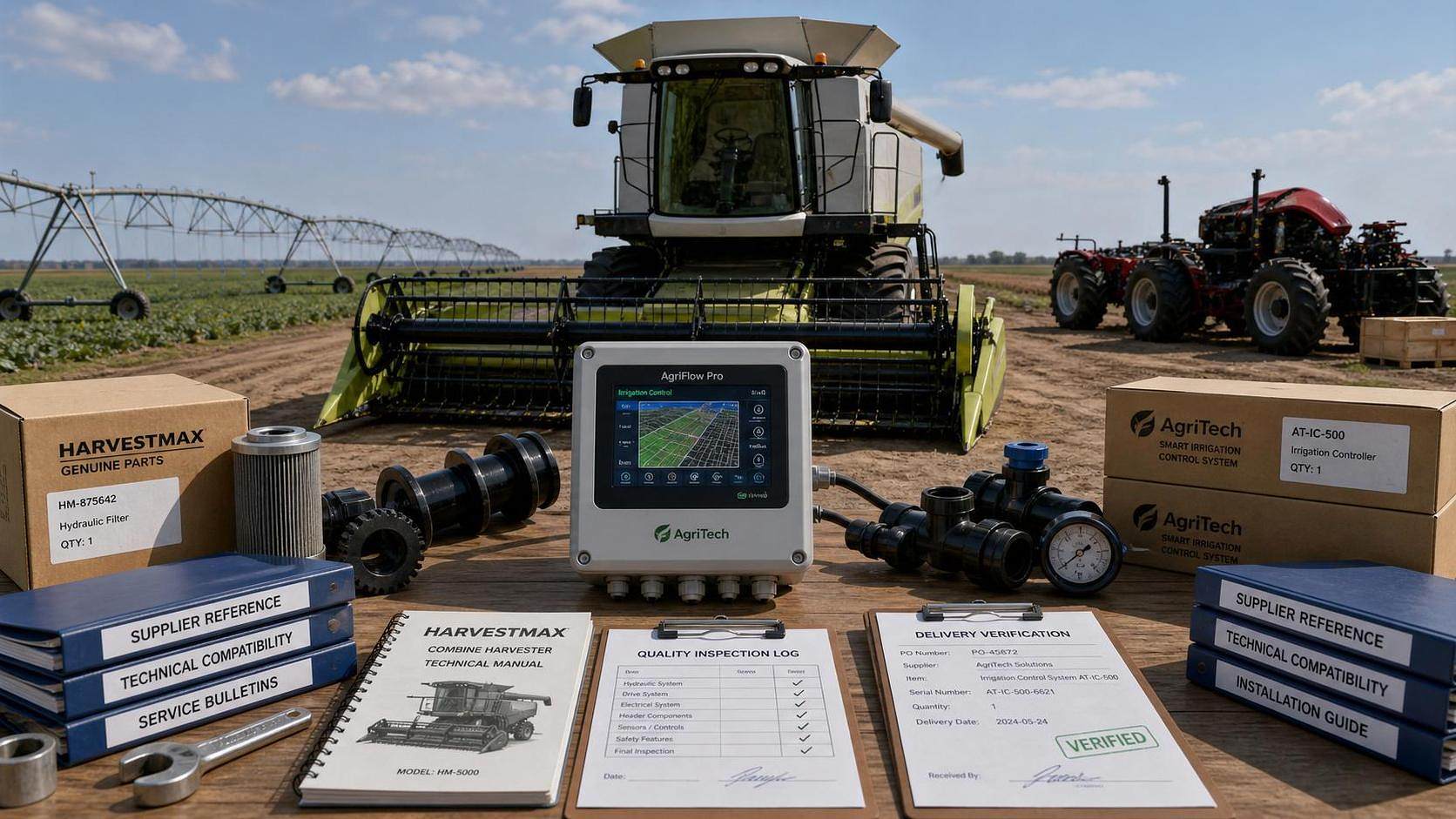




Supplier and Solution Reference List: What to Verify Before Shortlisting Vendors
For procurement teams evaluating agri-equipment partners, a strong supplier and solution reference list is more than a credibility check. It is a practical risk-control tool.
Before any shortlist is created, buyers need evidence that a vendor can deliver in real operating conditions. That means checking relevance, technical fit, delivery stability, and service quality.
In agriculture, this matters even more. Large machinery, combine systems, tractor chassis, smart tools, and irrigation networks all depend on local conditions, uptime, and field performance.
A supplier and solution reference list helps separate polished sales claims from proven execution. It also gives a clearer view of operational risk before time is spent on detailed negotiation.
For buyers working in the Agriculture 4.0 environment, the real question is simple. Has this vendor solved a similar problem, at a similar scale, under similar field constraints?
Why the supplier and solution reference list matters early
Many sourcing teams review references too late. By then, internal time is already invested, and weak vendors can stay in the process longer than they should.
A well-checked supplier and solution reference list improves shortlist quality from the start. It reduces avoidable meetings, weak comparisons, and misleading pricing discussions.
This is especially relevant when comparing combine harvesting technology, intelligent irrigation systems, or integrated precision farming tools. These categories involve installation, calibration, training, and lifecycle support.
In practical terms, the reference list should confirm not only who bought from the vendor, but also what was delivered, how it performed, and what happened after commissioning.
What to verify before shortlisting vendors
1. Project relevance, not just brand visibility
A long customer list can look impressive. It does not automatically prove fit for the current requirement.
The supplier and solution reference list should show projects close to your own use case. Crop type, terrain, climate, farm size, labor model, and mechanization level all matter.
For example, a supplier strong in broadacre grain harvesting may not be equally capable in high-moisture crop conditions or fragmented land structures.
- Check region, crop, operating season, and field conditions.
- Ask whether the reference includes similar capacity and working hours.
- Confirm whether the delivered solution was standard or heavily customized.
2. Technical fit at system level
A useful supplier and solution reference list should connect references to actual technical requirements. Product brochures alone are not enough.
In agri-equipment sourcing, system compatibility often determines success. Power matching, hydraulic response, software interface, sensor accuracy, and water distribution consistency need verification.
This becomes critical when tractors, harvesting modules, telemetry, and irrigation controls must work together in one operating environment.
- Request reference cases with comparable integrations.
- Review actual performance indicators, not only rated specifications.
- Verify field outcomes such as loss rates, fuel use, throughput, or irrigation uniformity.
3. Delivery consistency and execution discipline
A supplier and solution reference list should also expose delivery behavior. Even technically strong vendors can fail on schedule, documentation, or installation quality.
This is where many shortlist decisions improve. A vendor with average marketing but strong execution may be less risky than a famous name with unstable delivery records.
Reference checks should cover the full path from order confirmation to handover. Delays in spare parts, field setup, or operator training often become expensive later.
- Compare promised lead times with actual delivery dates.
- Ask whether acceptance testing was completed on time.
- Check if manuals, parts lists, and training materials were complete.
4. After-sales support and parts responsiveness
For heavy agricultural assets, support quality often matters as much as purchase price. A weak service network can erase any savings made during sourcing.
That is why the supplier and solution reference list must include post-sale evidence. Buyers should ask what happened during peak season, not only during installation.
In harvest windows or irrigation cycles, downtime carries direct productivity loss. The key issue is response speed, diagnosis quality, and parts availability.
- Verify local service coverage and escalation contacts.
- Ask about mean response time during critical season periods.
- Check whether software updates and calibration support were included.
How to read a supplier and solution reference list critically
Not every reference list is equally useful. Some are designed to impress, while others genuinely support vendor evaluation.
A credible supplier and solution reference list should be specific. It should include project type, scope, year, geography, and measurable outcomes.
Be careful with vague statements like “served leading farms” or “installed across multiple markets.” Those claims say little about performance or relevance.
More useful signals include repeat orders, long-term service contracts, and references from similar operating environments. These usually indicate trust earned through execution.
Questions that improve vendor shortlisting decisions
When reviewing a supplier and solution reference list, the quality of questions often matters more than the volume of documents.
From recent market shifts, a more obvious signal is that buyers need stronger validation around lifecycle performance, not just first-year delivery.
These questions usually sharpen the shortlist quickly:
- Which reference projects most closely match the target operating environment?
- What measurable results were achieved after one full season?
- What modifications were required after initial deployment?
- How did the supplier handle breakdowns, delays, or operator issues?
- What percentage of promised features was delivered without change requests?
In real procurement work, these answers often reveal whether a vendor is ready for shortlisting, conditional review, or early elimination.
Common warning signs in a supplier and solution reference list
Some warning signs appear repeatedly across industrial sourcing. Agriculture is no exception.
- References are old and disconnected from the current product generation.
- The supplier and solution reference list shows volume but no technical detail.
- Projects are concentrated in unrelated markets or very different conditions.
- No evidence is provided for uptime, service, or replacement parts support.
- Every case appears perfect, with no lessons, adjustments, or constraints mentioned.
That last point matters. Real projects usually involve tuning, training, and adaptation. A flawless reference narrative can be less credible than a balanced one.
This also means buyers should value transparency. Vendors who clearly explain field limits are often easier to work with after award.
Turning reference checks into a stronger shortlist
A supplier and solution reference list becomes useful only when it feeds a decision framework. It should support scoring, comparison, and risk judgment.
One practical approach is to score each vendor across four areas: relevance, technical fit, delivery reliability, and after-sales capability.
This works well for sourcing combine systems, tractor platforms, intelligent farm tools, and water-saving irrigation networks. The categories remain stable even when product details change.
For organizations following market intelligence from AP-Strategy, this method also aligns with broader agricultural shifts. Mechanization efficiency, precision control, and resource resilience are now central buying filters.
The bottom line is straightforward. A strong supplier and solution reference list should help buyers reduce uncertainty before shortlisting vendors, not after problems appear.
Use reference checks early. Keep them specific. Match them to field reality, system demands, and service expectations.
When those checks are done well, shortlists become tighter, negotiations become cleaner, and final supplier choices become easier to defend internally.
That is the real value of a supplier and solution reference list in modern agri-equipment procurement.
Related News
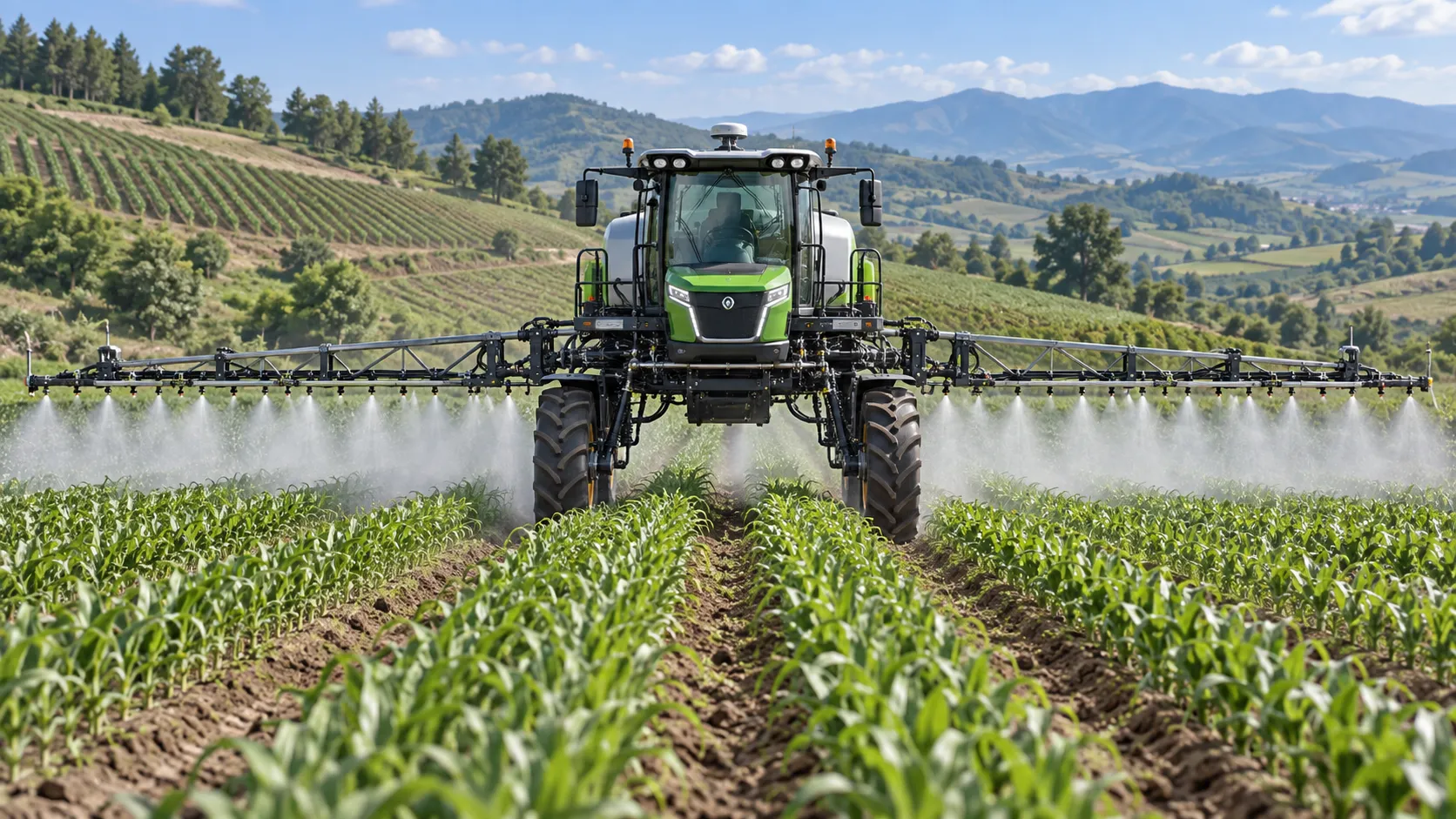
How to Select Precision Crop Protection Equipment for Variable Field Conditions
Precision crop protection equipment selection made simple: compare terrain, canopy, weather, control accuracy, and data workflows for reliable applications.

When Does Agricultural Machinery Leasing Cost Less Than Owning Equipment?
Agricultural machinery leasing can lower farm costs when use is seasonal or uncertain. Compare utilization, maintenance, cash flow, and risk to make a smarter equipment decision.
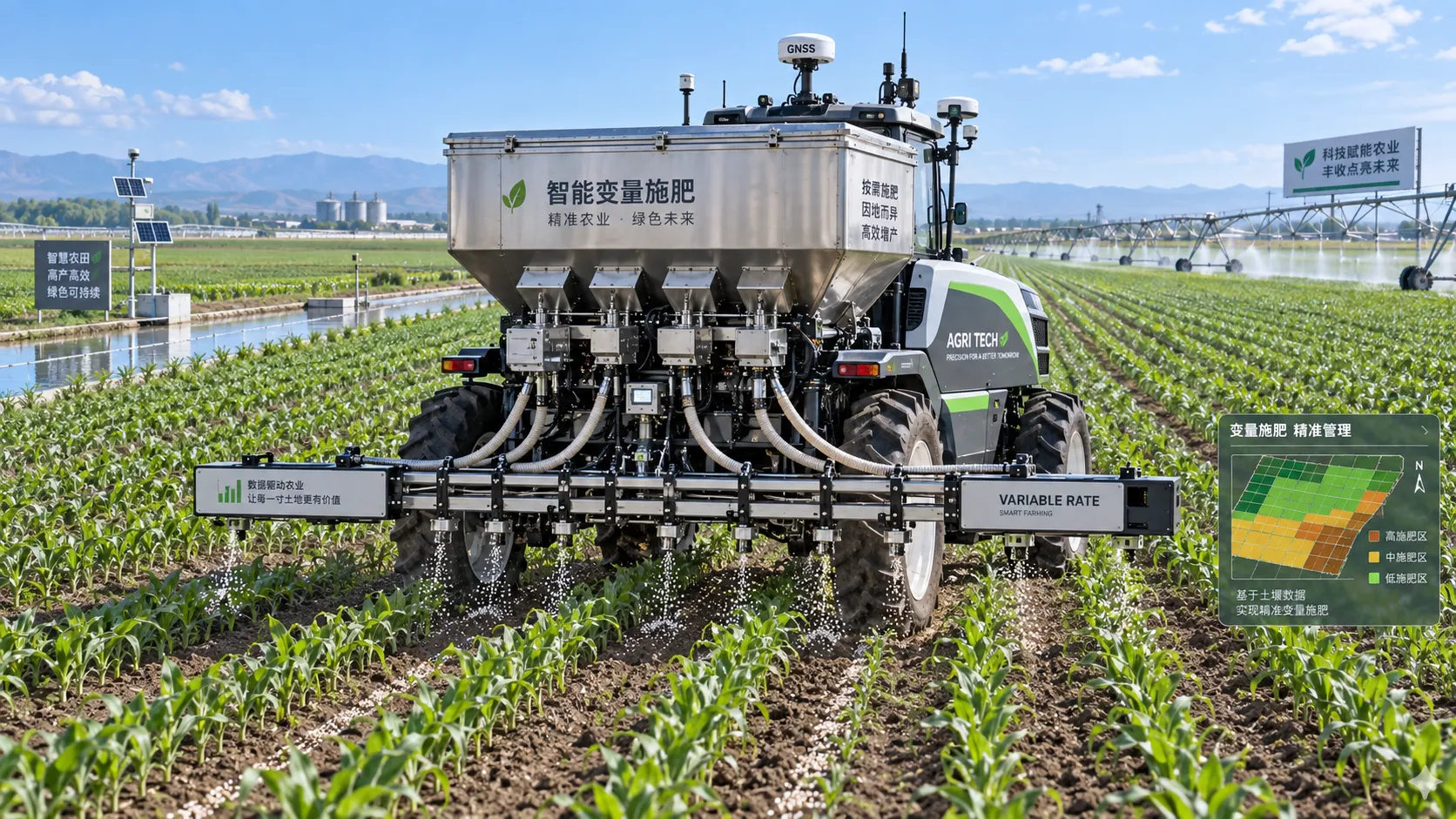
How to Evaluate Precision Fertilization System Suppliers for Farm-Scale Deployment
Precision fertilization systems suppliers: learn how to compare accuracy, integration, uptime, service, and total cost for confident farm-scale deployment.
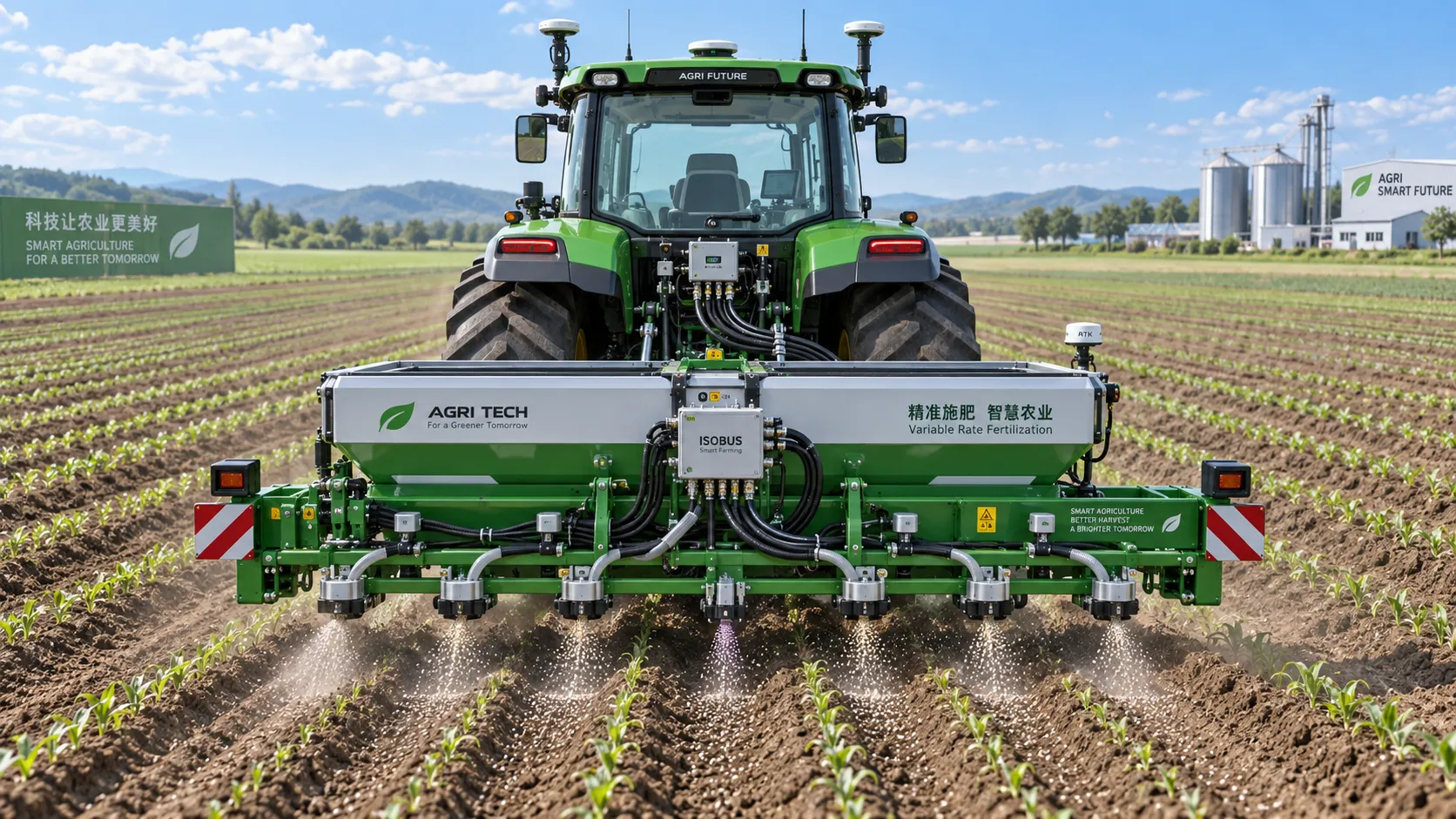
ISOBUS for Smart Agriculture: How It Connects Tractors, Implements, and Farm Data
ISOBUS for smart agriculture connects tractors, implements, terminals, and farm data—helping growers improve precision, documentation, and smarter field decisions.
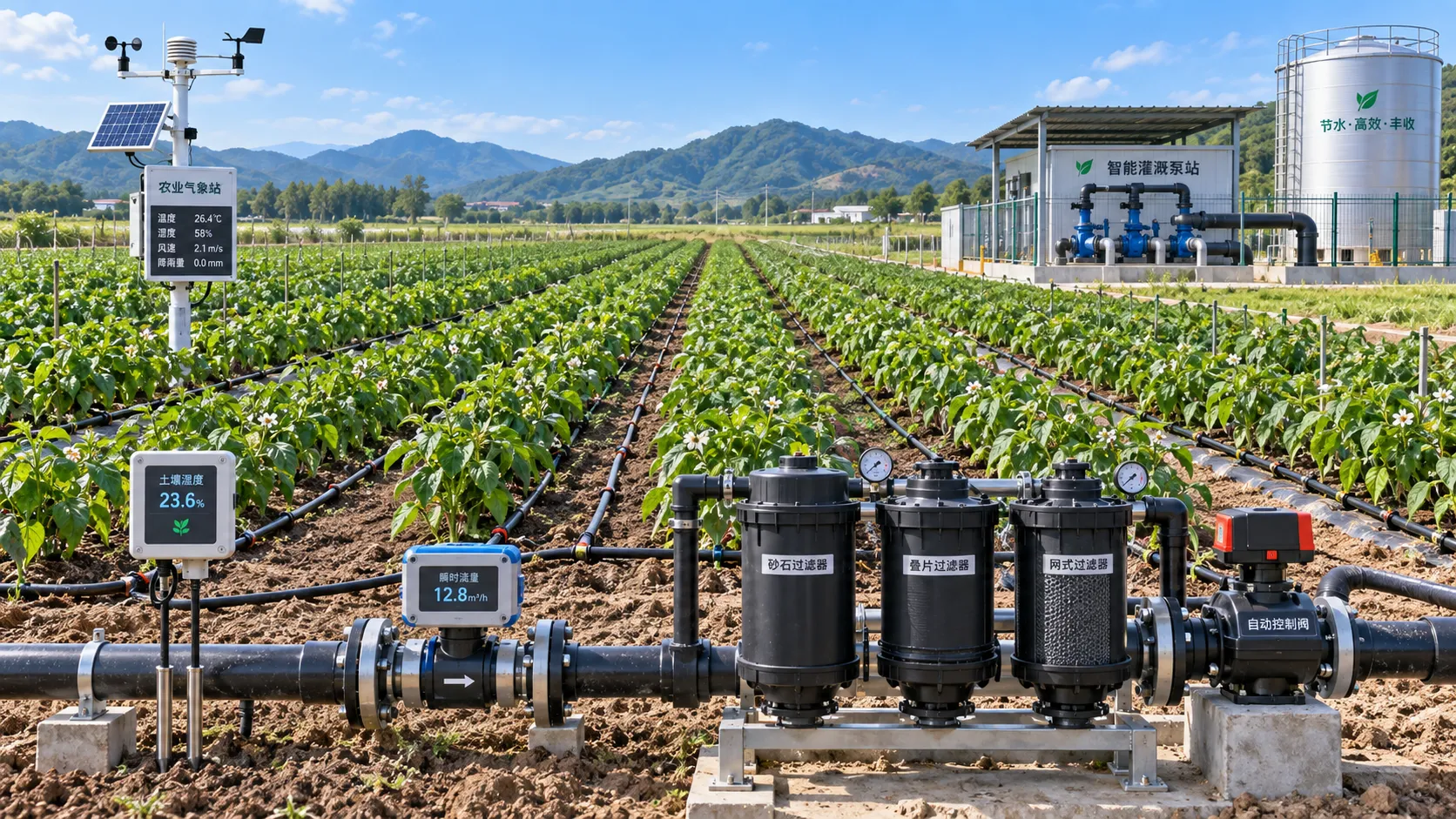
Automated Water-Saving Irrigation: How to Cut Water Use Without Reducing Crop Yields
Automated water-saving irrigation helps farms cut water use, protect crop yields, improve scheduling, and gain reliable control with sensors, flow monitoring, and smart zones.
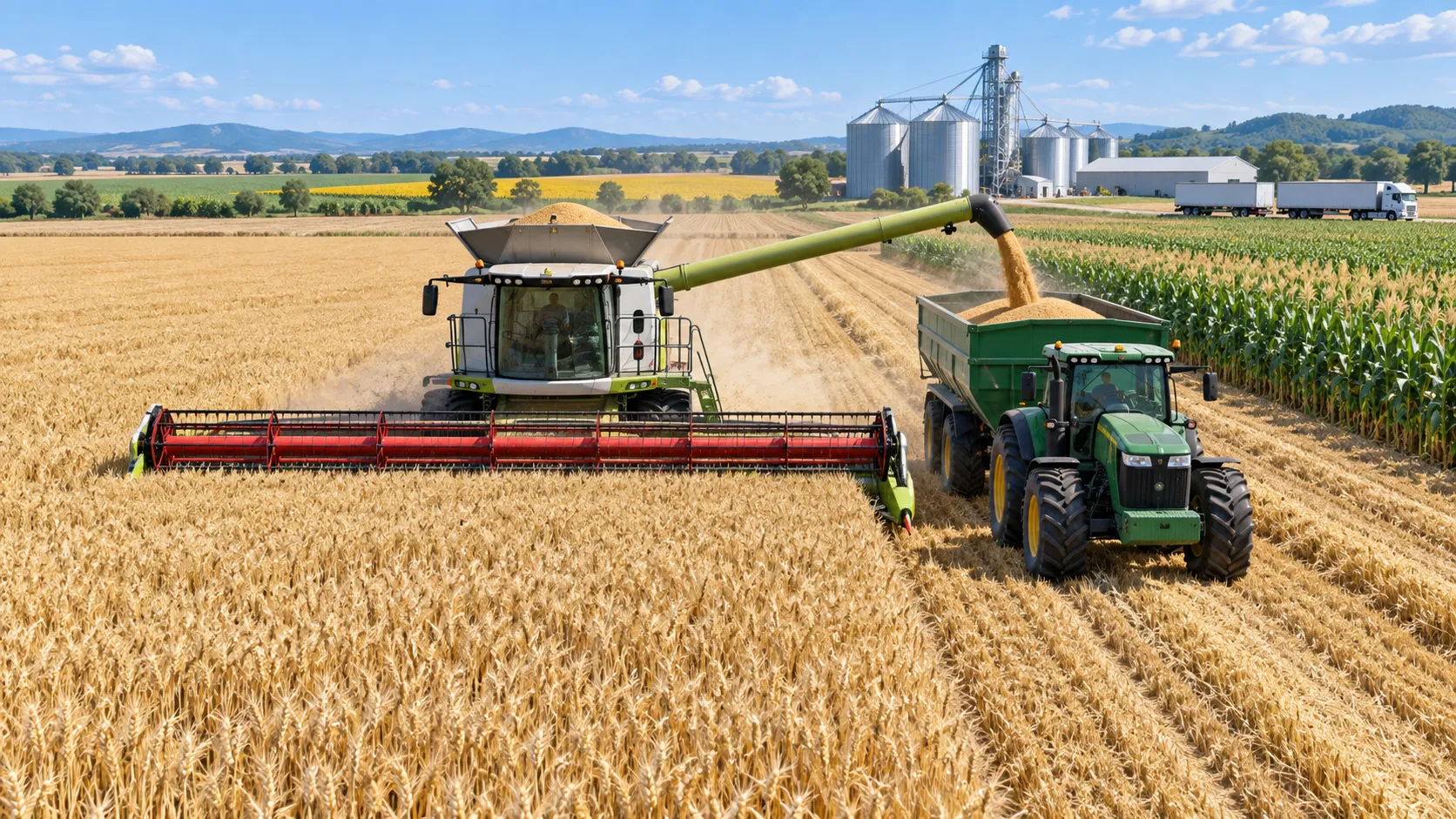
Selecting Grain Farm Equipment by Acreage, Crop Mix, and Harvest Window
Agricultural equipment selection for grain farming: match machinery to acreage, crop mix, and harvest windows to improve uptime, efficiency, and returns.
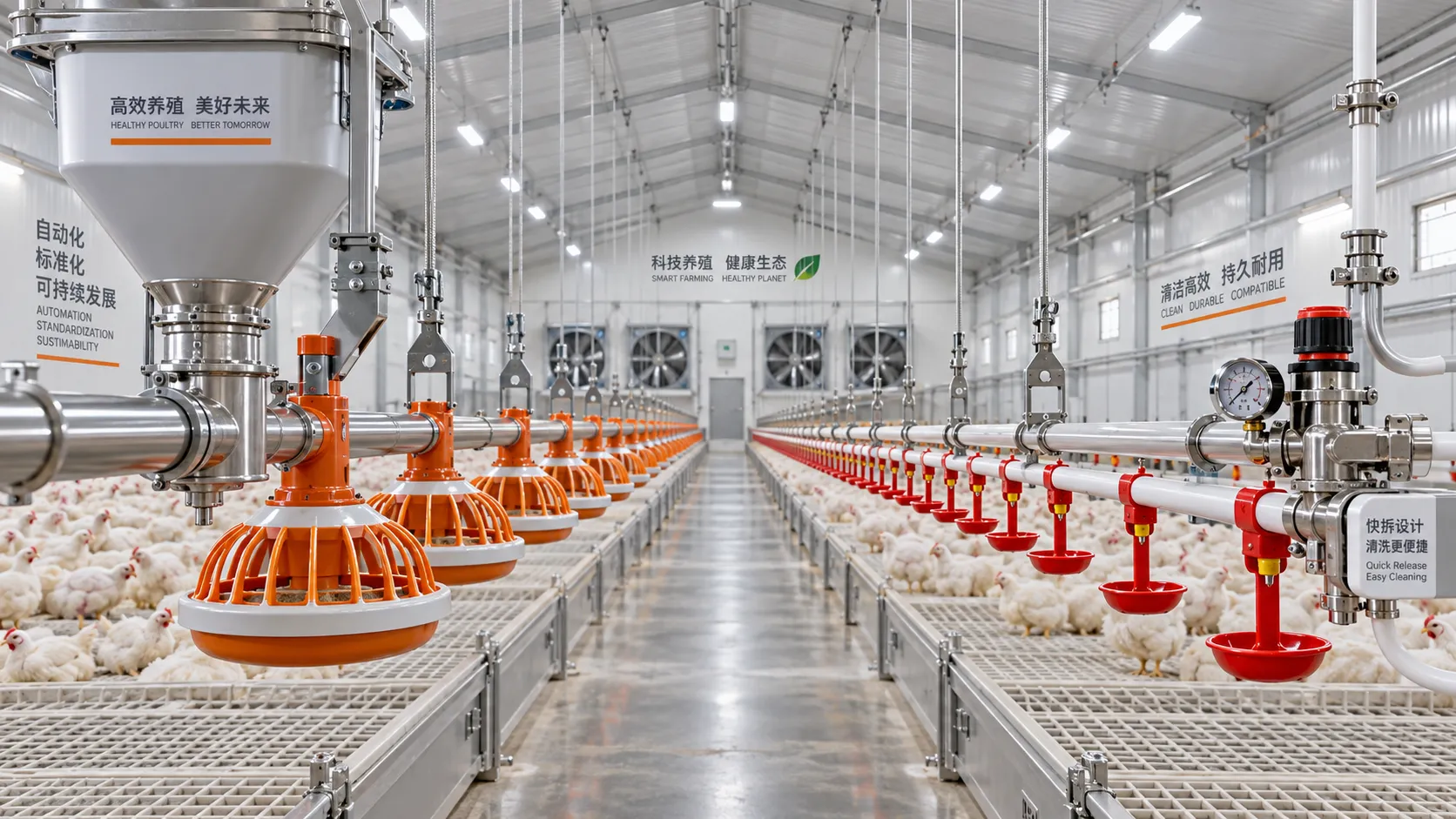
Poultry Equipment Selection: Evaluating Durability, Cleaning, and Compatibility
Poultry equipments selection guide: evaluate durability, cleaning access, and system compatibility to improve hygiene, reduce downtime, and support efficient flock management.
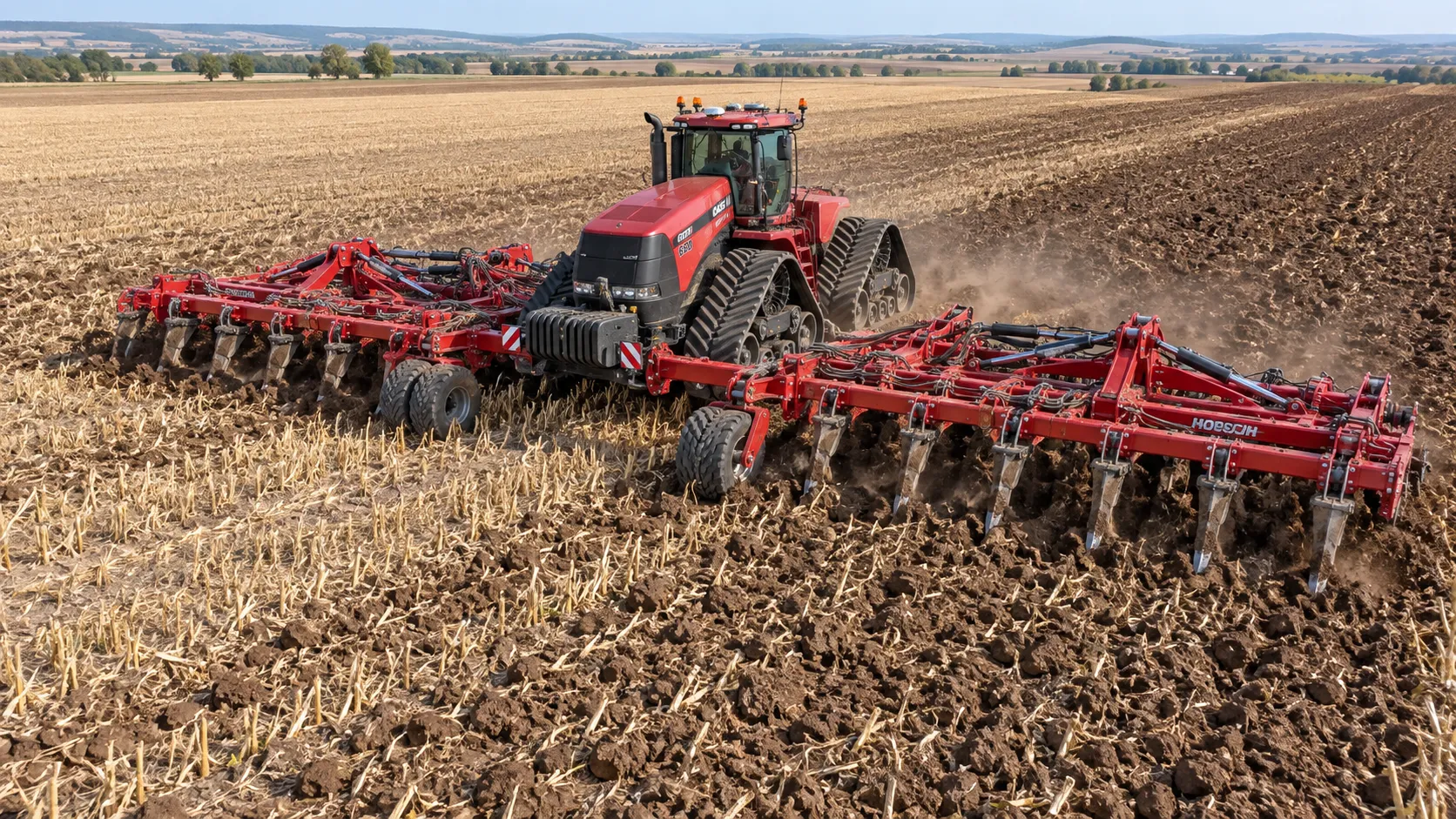
How to Select Heavy-Duty Farm Implements for High-Acreage, High-Horsepower Operations
Heavy duty farm implements: learn how to match draft, hydraulics, hitch capacity, frame strength, and field conditions for reliable high-acreage performance.
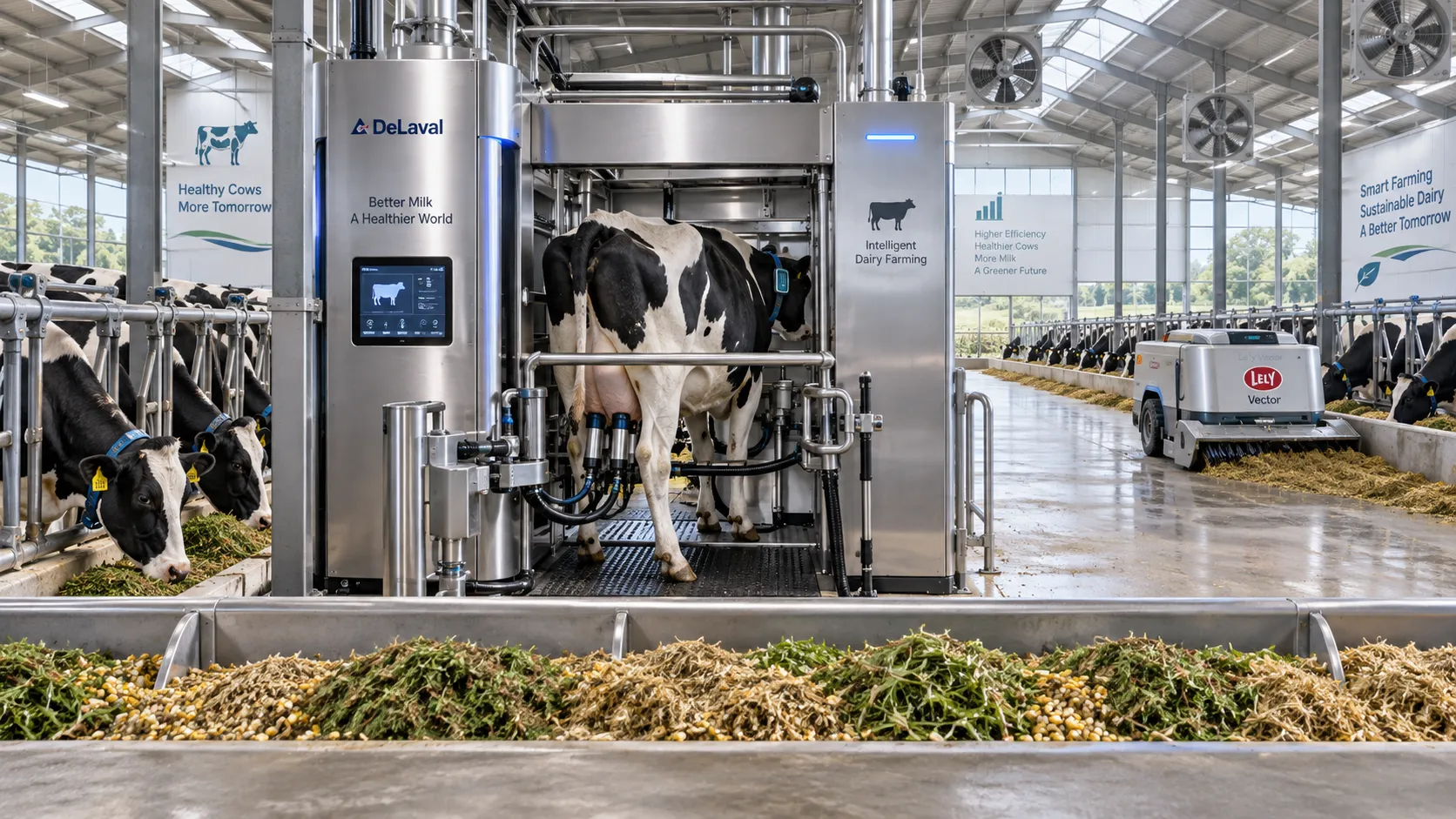
Smart Farming Technology for Dairy Farms: Where Automation Delivers Measurable ROI
Smart farming technology for dairy farms delivers measurable ROI through automation, precision feeding, health monitoring, and data-driven cost control.
Related News
- 00
0000-00
When Does Agricultural Machinery Leasing Cost Less Than Owning Equipment? - 00
0000-00
Selecting Grain Farm Equipment by Acreage, Crop Mix, and Harvest Window - 00
0000-00
Poultry Equipment Selection: Evaluating Durability, Cleaning, and Compatibility - 00
0000-00
How to Select Heavy-Duty Farm Implements for High-Acreage, High-Horsepower Operations - 00
0000-00
Smart Farming Technology for Dairy Farms: Where Automation Delivers Measurable ROI
Popular Tags
Ms. Elena Rodriguez
Weekly Insights
Stay ahead with our curated technology reports delivered every Monday.