
Digital Farming Platforms Pricing Explained: Cost Models, Hidden Fees, and ROI Checks
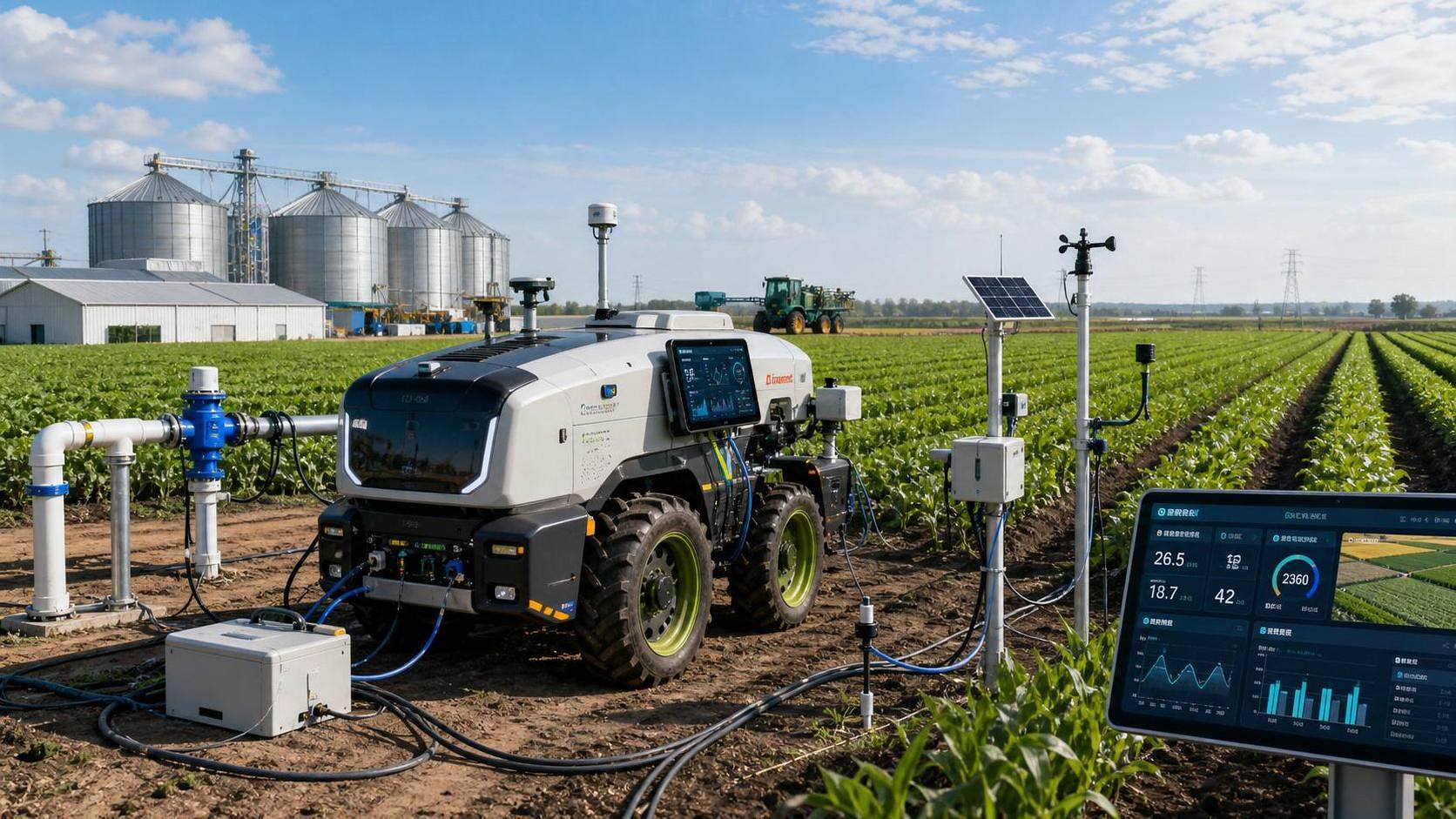




Digital Farming Platforms Pricing Explained: Cost Models, Hidden Fees, and ROI Checks
Digital farming platforms pricing can look simple on a sales page.
The real budget picture usually appears later.
That is when integration work, data access, user expansion, and support tiers begin to shape total cost.
For procurement decisions, pricing is not only about software.
It is about how a platform supports operating discipline across machinery, harvesting, irrigation, and field intelligence.
This matters even more in Agriculture 4.0 environments, where data must connect with equipment performance and resource efficiency.
AP-Strategy tracks this shift closely.
From large-scale agri-machinery to intelligent irrigation systems, investment value depends on measurable field outcomes, not feature lists alone.
A careful review of digital farming platforms pricing helps protect budgets while keeping room for scale.
Why Digital Farming Platforms Pricing Often Feels Unclear
Most vendors present a clean entry price.
In practice, digital farming platforms pricing usually combines several charging layers.
One fee may cover agronomic dashboards.
Another may cover machine telematics, satellite data, prescription mapping, or irrigation controls.
That split makes comparison harder across suppliers.
It also hides the difference between entry cost and operating cost.
More importantly, platform value depends on fit.
A grower focused on water-saving irrigation needs different economics than a fleet-heavy harvesting operation.
This is why pricing review must start with the operating model, not the vendor brochure.
The Main Cost Models Behind Digital Farming Platforms Pricing
Most digital farming platforms pricing follows five common models.
1. Per Acre or Per Hectare Pricing
This model is common in crop planning and agronomy software.
It looks predictable when land area stays stable.
Costs rise fast during seasonal expansion, leased ground growth, or multi-region operations.
2. Per Equipment Unit Pricing
This model appears in fleet telematics and machine monitoring platforms.
It aligns well with tractors, combines, sprayers, and connected tools.
It can become expensive when inactive units still require licenses.
3. User-Based Subscription Pricing
This is familiar to finance teams because it resembles standard SaaS purchasing.
The problem is role sprawl.
Seasonal staff, advisors, dealers, and service partners may all need access.
4. Module-Based Pricing
Many vendors bundle a basic core, then charge extra for advanced analytics.
Add-ons may include variable-rate prescriptions, weather intelligence, yield benchmarking, or irrigation automation.
This model rewards disciplined scope control.
5. Enterprise Contract Pricing
Larger operations often receive custom pricing.
This can improve unit economics, but only if usage assumptions are realistic.
Without usage guardrails, custom contracts can lock in underused capacity.
The Hidden Fees That Change the Budget
This is where digital farming platforms pricing often shifts from manageable to frustrating.
Several charges may sit outside the quoted subscription.
- Implementation fees for setup, onboarding, and workflow mapping.
- API or integration fees for connecting ERP, telematics, sensors, and weather data.
- Historical data migration fees for yield, maintenance, and field records.
- Hardware gateway costs for older machinery or irrigation systems.
- Premium support fees for faster response windows during planting or harvest.
- Training fees for extra sessions, multilingual support, or field team certification.
- Storage or data volume charges tied to imagery, sensor streams, or machine logs.
- Renewal uplifts that exceed general software inflation assumptions.
In actual buying cycles, integration and support fees usually create the biggest budget gap.
That is especially true when platforms must connect tractors, harvesters, irrigation networks, and external intelligence feeds.
A low headline price can become a high operating burden within one season.
What Finance Reviews Should Check First
A useful review process starts with a few clear questions.
- What is the full first-year cost, including implementation and training?
- Which modules are mandatory for usable workflows?
- How does pricing change when acreage, machines, or users increase?
- Which third-party data sources require separate payment?
- What support level is included during peak operational periods?
- Are there exit fees, data export costs, or auto-renewal escalators?
These checks turn digital farming platforms pricing into a comparable business case.
They also prevent procurement teams from approving a system that becomes costly once field adoption grows.
How to Run a Practical ROI Check
The best ROI review is operational, not theoretical.
Digital farming platforms pricing only makes sense when tied to measurable gains.
Start with three categories.
Direct Cost Reduction
Track lower fuel use, reduced overlap, fewer machine idle hours, and lower water or input waste.
Output Protection
Measure reduced harvesting losses, better irrigation timing, improved uptime, and fewer missed treatment windows.
Decision-Speed Improvement
Estimate labor hours saved in reporting, planning, compliance, and dealer coordination.
A simple ROI formula works well at first.
Annual benefit minus annual total cost, divided by annual total cost.
However, the stronger test is payback timing.
Can the platform recover first-year cost within one or two operating cycles?
If not, the business case needs tighter assumptions.
A Simple Comparison Framework for Vendors
This structure makes digital farming platforms pricing easier to compare across proposals.
It also creates a cleaner record for approval discussions and vendor negotiation.
Where Strategic Value Can Justify Higher Pricing
Not every premium quote is overpriced.
In some cases, higher digital farming platforms pricing reflects stronger operational depth.
That may include better combine loss analytics, smarter irrigation recommendations, or tighter chassis and implement data integration.
For organizations following Agriculture 4.0 strategy, those capabilities may reduce decision lag across the season.
They can also support sustainability reporting, resource efficiency, and cross-border equipment planning.
The key is to separate strategic value from vague innovation claims.
Final Buying Discipline
Digital farming platforms pricing should be reviewed as a full operating system cost.
That means subscription, implementation, integration, support, data access, and renewal exposure.
The strongest approvals usually follow a simple rule.
Only fund platforms that show a clear link between field performance and financial return.
At AP-Strategy, that is the lens used to assess intelligent farming investments across machinery, harvesting, and water systems.
Recent market changes make this discipline even more important.
Vendors are expanding feature sets quickly, but pricing complexity is growing at the same pace.
A structured review keeps investment decisions grounded.
Ask for the full cost path, test the ROI assumptions, and compare contracts against actual field workflows.
That is how digital farming platforms pricing becomes a controllable decision instead of a budget surprise.
Related News
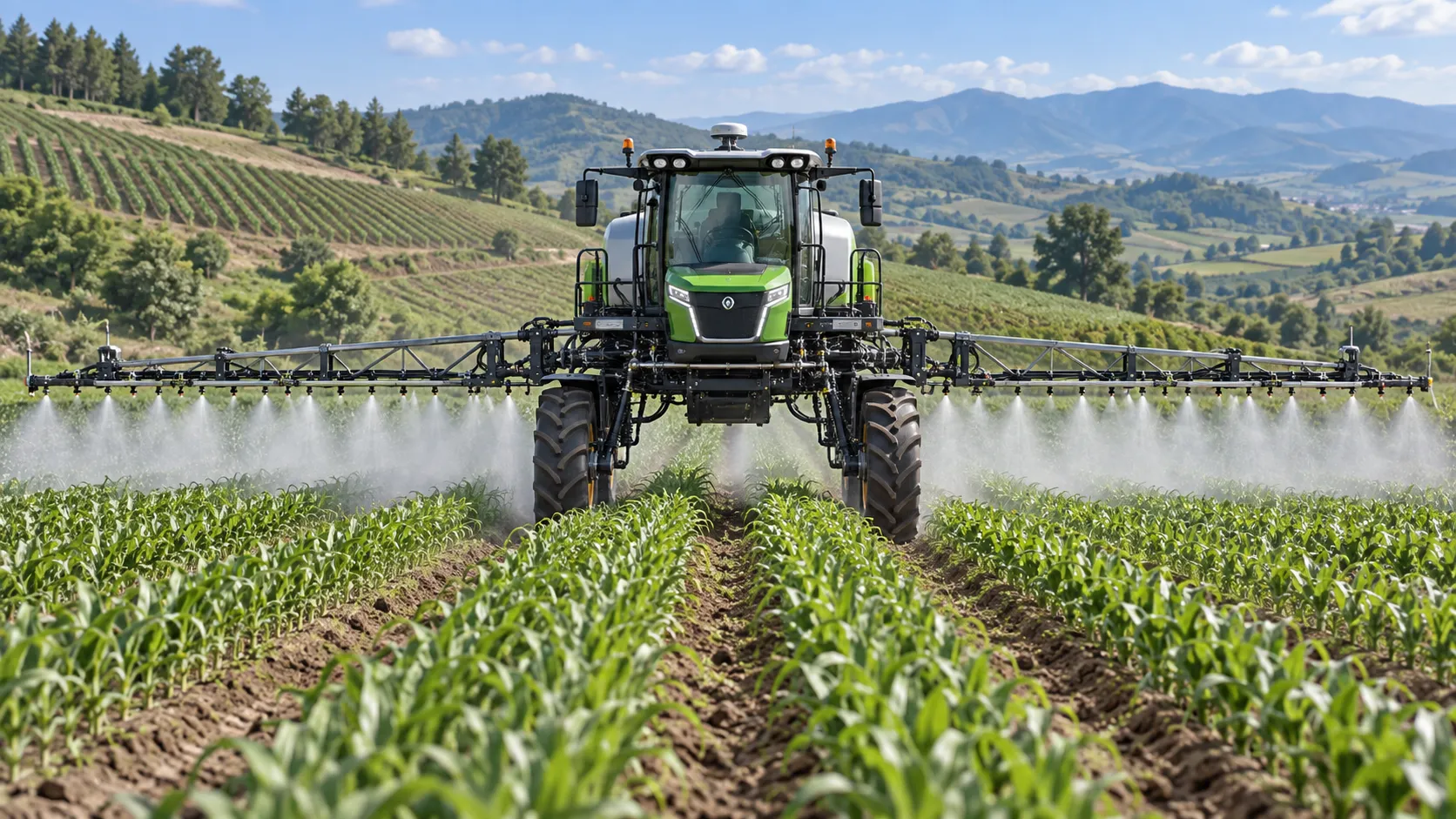
How to Select Precision Crop Protection Equipment for Variable Field Conditions
Precision crop protection equipment selection made simple: compare terrain, canopy, weather, control accuracy, and data workflows for reliable applications.

When Does Agricultural Machinery Leasing Cost Less Than Owning Equipment?
Agricultural machinery leasing can lower farm costs when use is seasonal or uncertain. Compare utilization, maintenance, cash flow, and risk to make a smarter equipment decision.

How to Evaluate Precision Fertilization System Suppliers for Farm-Scale Deployment
Precision fertilization systems suppliers: learn how to compare accuracy, integration, uptime, service, and total cost for confident farm-scale deployment.
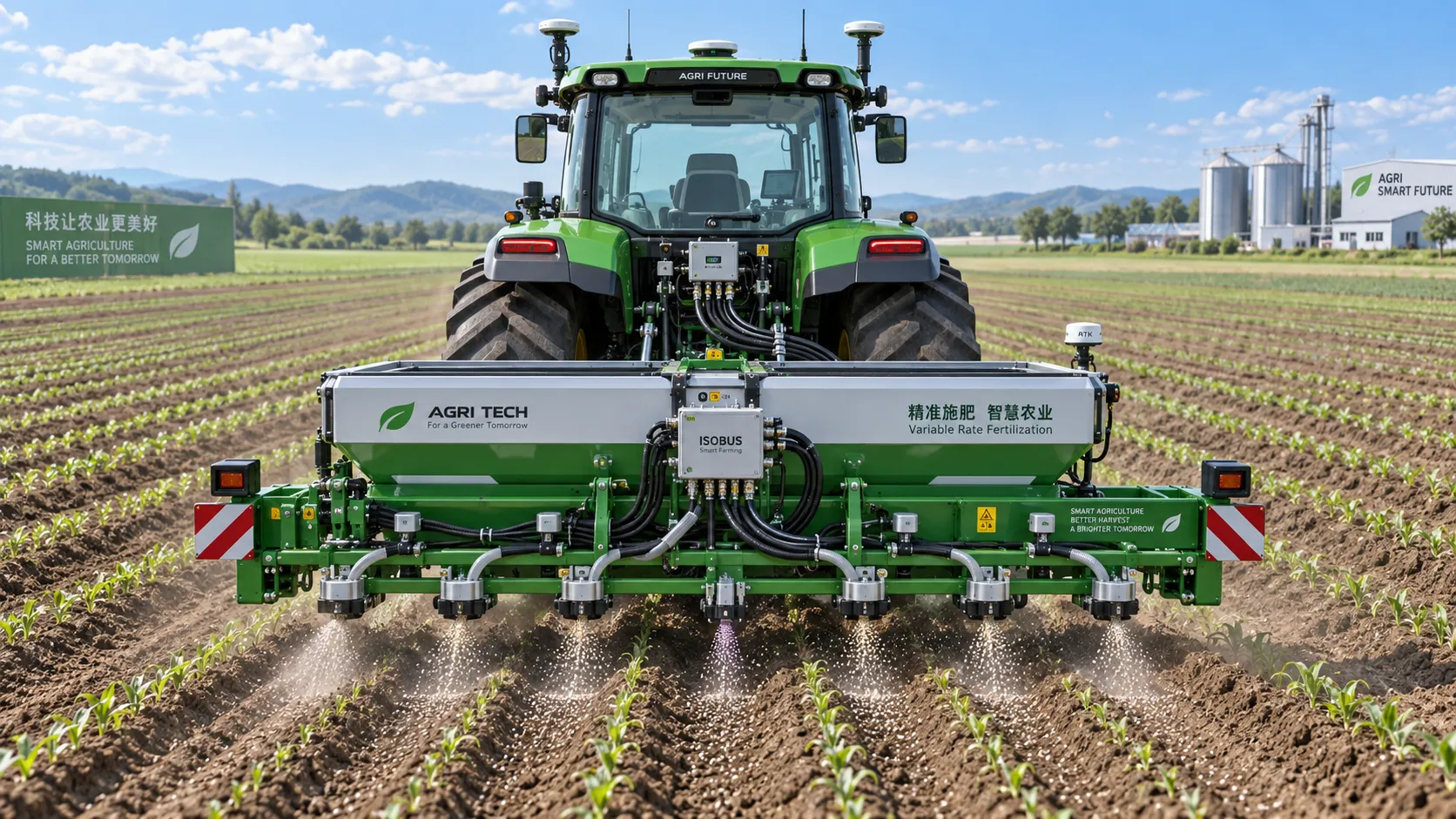
ISOBUS for Smart Agriculture: How It Connects Tractors, Implements, and Farm Data
ISOBUS for smart agriculture connects tractors, implements, terminals, and farm data—helping growers improve precision, documentation, and smarter field decisions.
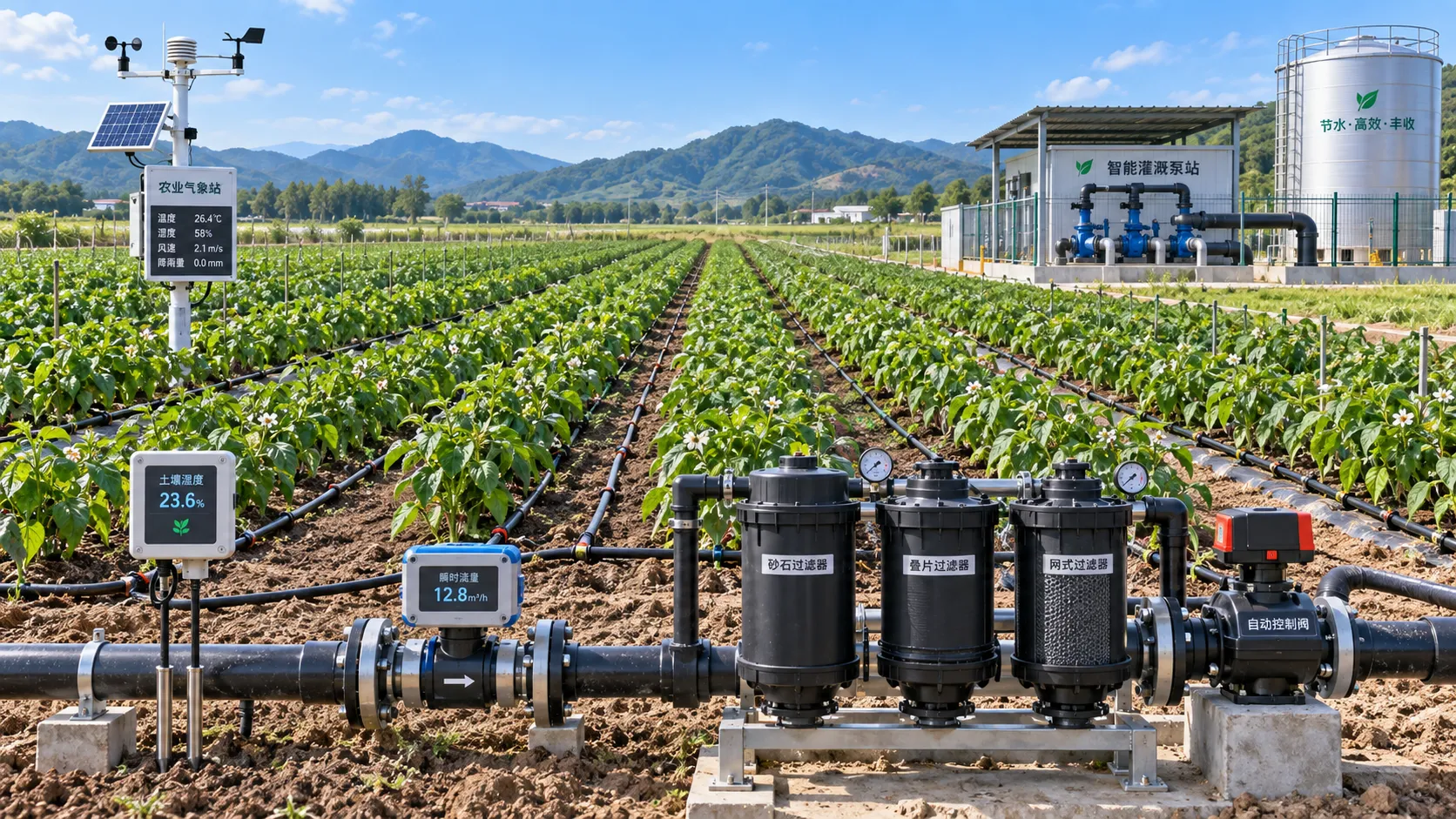
Automated Water-Saving Irrigation: How to Cut Water Use Without Reducing Crop Yields
Automated water-saving irrigation helps farms cut water use, protect crop yields, improve scheduling, and gain reliable control with sensors, flow monitoring, and smart zones.
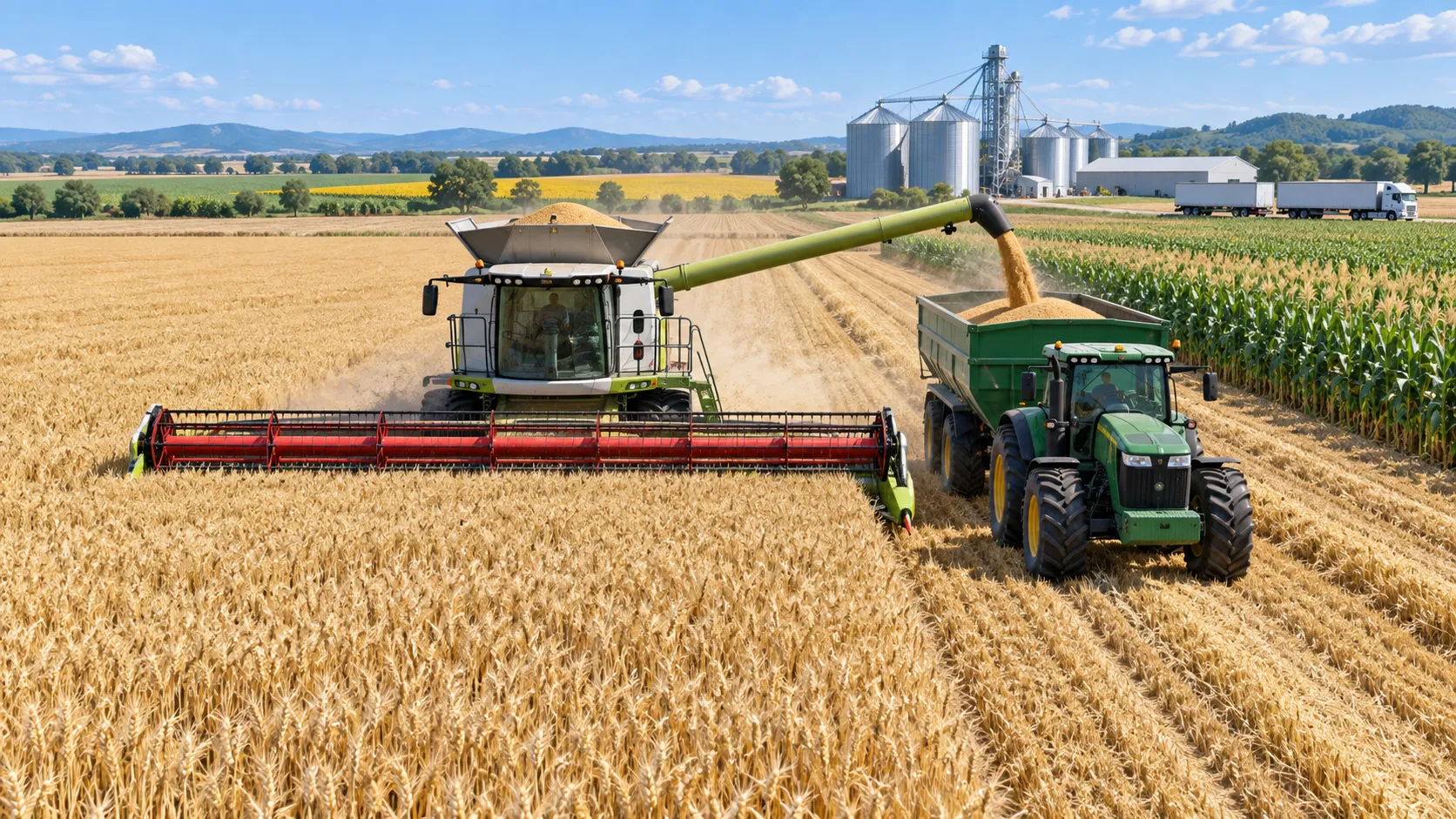
Selecting Grain Farm Equipment by Acreage, Crop Mix, and Harvest Window
Agricultural equipment selection for grain farming: match machinery to acreage, crop mix, and harvest windows to improve uptime, efficiency, and returns.
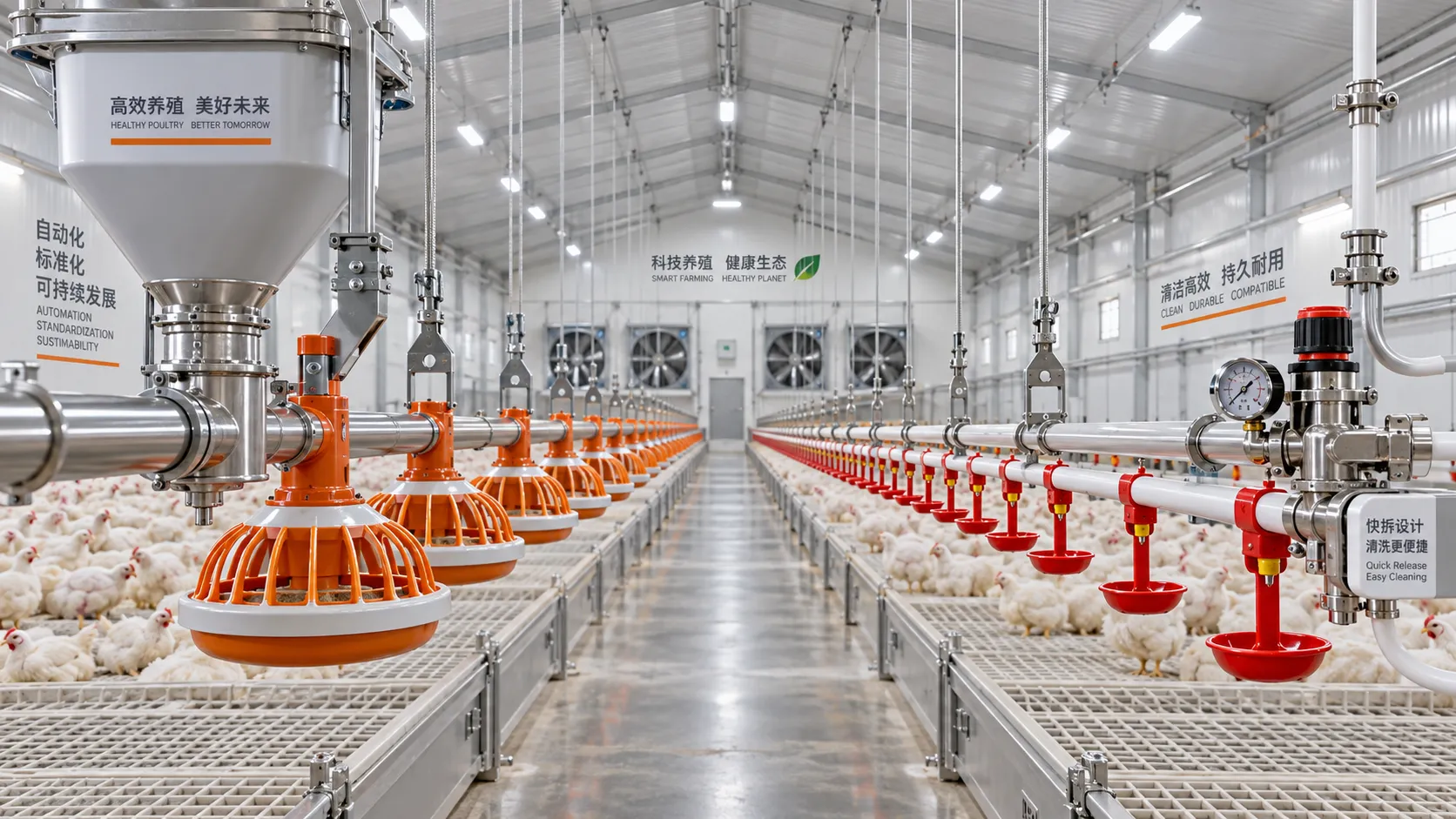
Poultry Equipment Selection: Evaluating Durability, Cleaning, and Compatibility
Poultry equipments selection guide: evaluate durability, cleaning access, and system compatibility to improve hygiene, reduce downtime, and support efficient flock management.
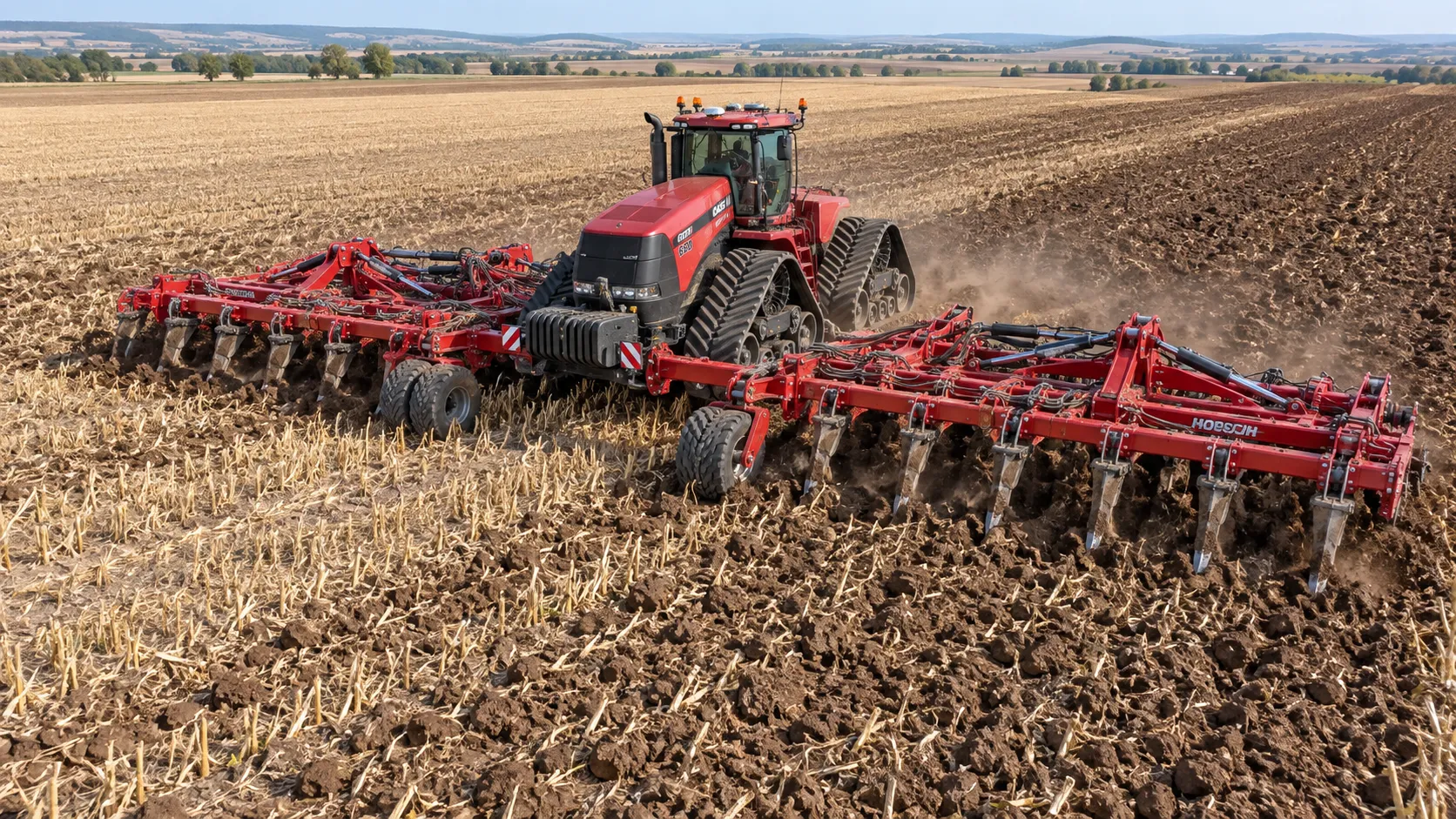
How to Select Heavy-Duty Farm Implements for High-Acreage, High-Horsepower Operations
Heavy duty farm implements: learn how to match draft, hydraulics, hitch capacity, frame strength, and field conditions for reliable high-acreage performance.
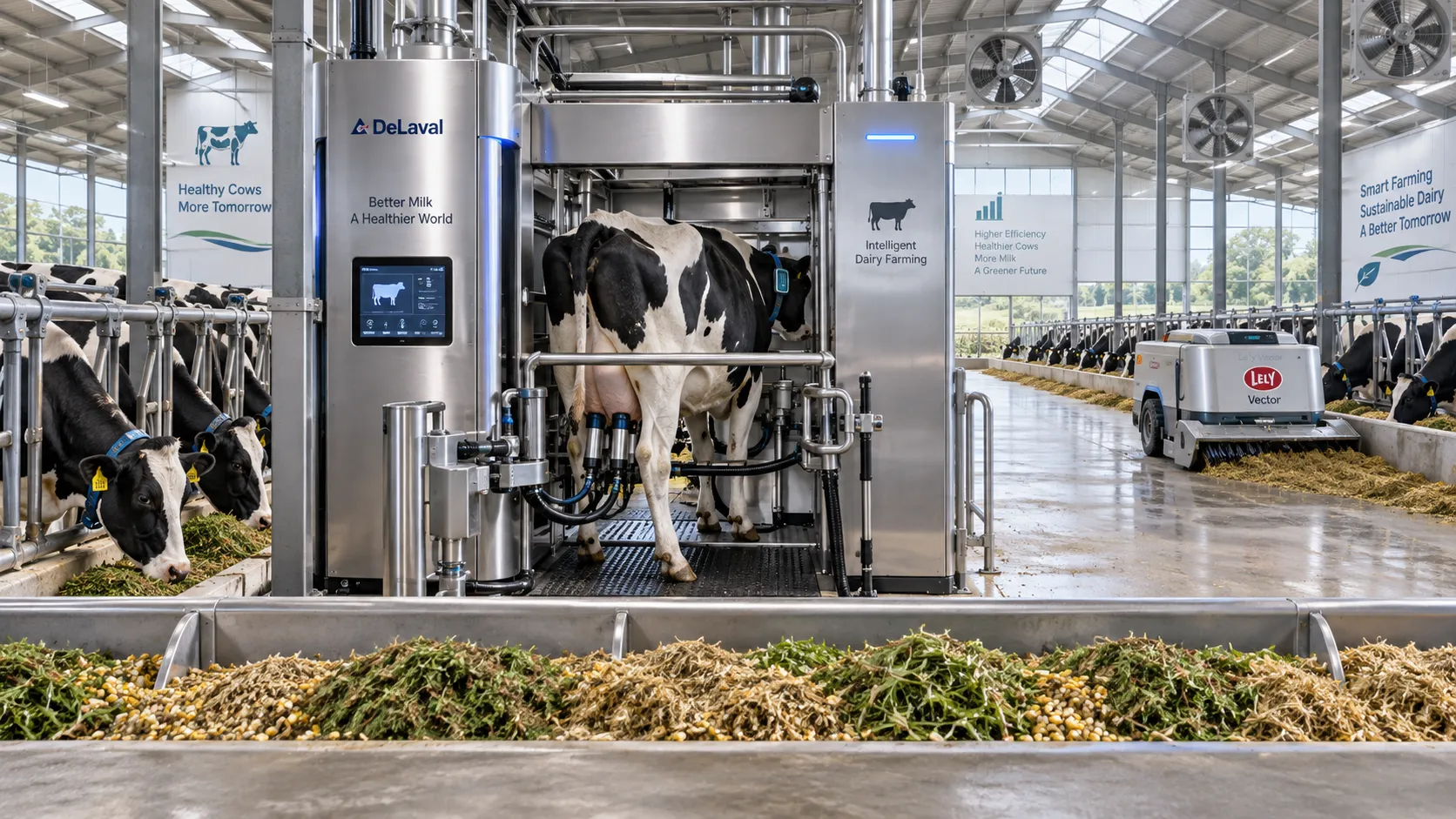
Smart Farming Technology for Dairy Farms: Where Automation Delivers Measurable ROI
Smart farming technology for dairy farms delivers measurable ROI through automation, precision feeding, health monitoring, and data-driven cost control.
Related News
- 00
0000-00
When Does Agricultural Machinery Leasing Cost Less Than Owning Equipment? - 00
0000-00
Selecting Grain Farm Equipment by Acreage, Crop Mix, and Harvest Window - 00
0000-00
Poultry Equipment Selection: Evaluating Durability, Cleaning, and Compatibility - 00
0000-00
How to Select Heavy-Duty Farm Implements for High-Acreage, High-Horsepower Operations - 00
0000-00
Smart Farming Technology for Dairy Farms: Where Automation Delivers Measurable ROI
Popular Tags
Ms. Elena Rodriguez
Weekly Insights
Stay ahead with our curated technology reports delivered every Monday.