
Temperature Control Specification Guide: How to Compare Range, Accuracy, and Stability
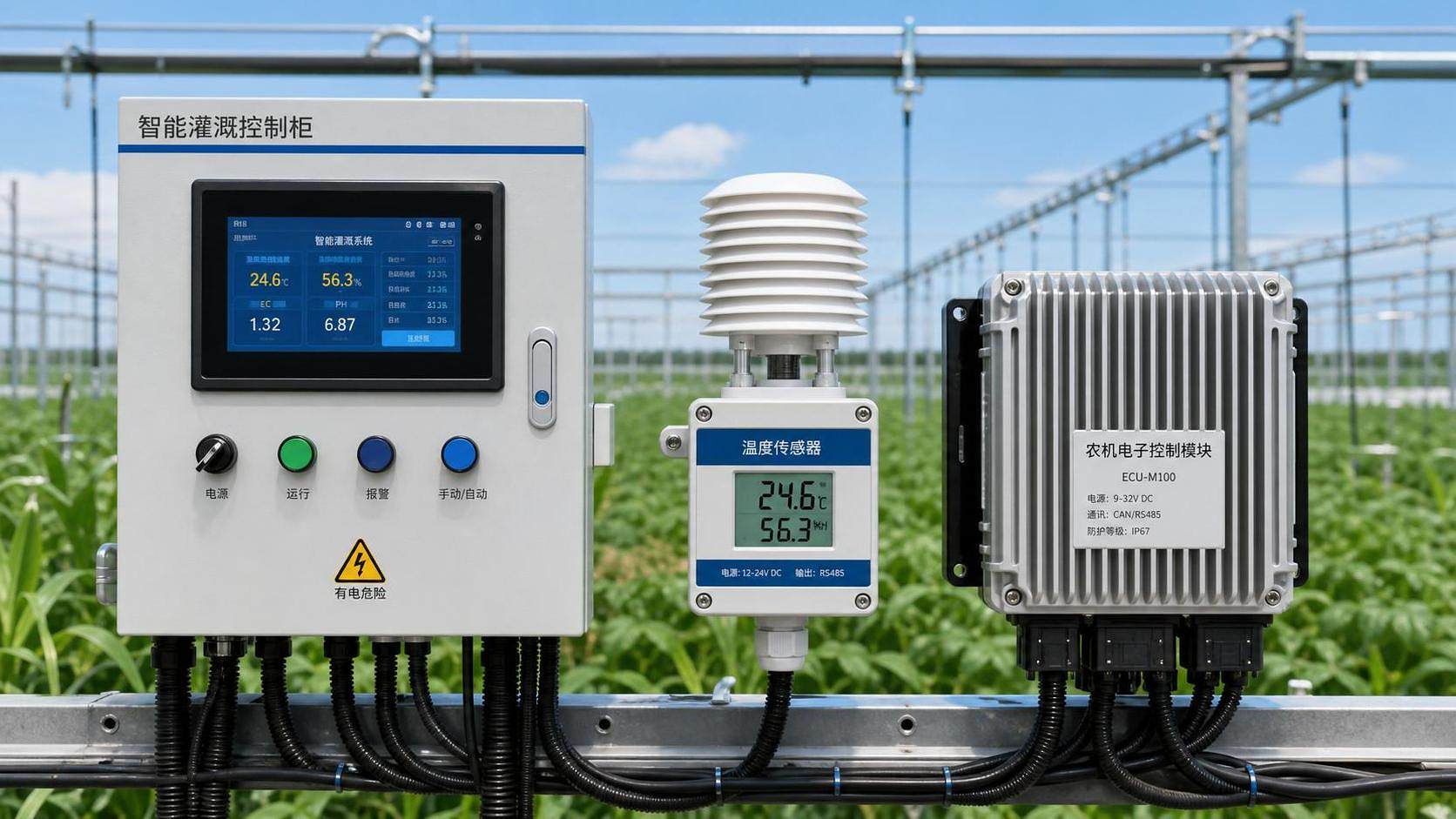




Temperature Control Specification Guide: How to Compare Range, Accuracy, and Stability
For technical evaluators comparing temperature control systems in agriculture-related equipment, product specification guidance temperature control starts with three core metrics: range, accuracy, and stability.
This guide explains how those metrics shape real performance, compliance, and operating reliability across intelligent irrigation, machinery control, and precision farming applications.
In practice, many specification sheets look comparable at first glance.
The bigger difference appears when operating cycles, ambient conditions, and control logic start stressing the system.
That is why strong product specification guidance temperature control should move beyond headline numbers and test how each claim behaves in field-like conditions.
Why Temperature Control Matters in Agriculture Equipment
Temperature control affects far more than heating or cooling performance.
It directly shapes sensor accuracy, hydraulic behavior, battery life, electronic durability, and water management consistency.
In irrigation control cabinets, poor thermal management can distort readings and trigger mistimed valve actions.
In combine harvesters or tractor chassis systems, overheating can reduce control reliability and accelerate component aging.
For that reason, product specification guidance temperature control is now part of broader equipment risk evaluation, not a narrow component check.
A strong decision process should connect thermal metrics with uptime targets, maintenance intervals, and environmental exposure.
Start with Range, but Read It Carefully
Range defines the minimum and maximum temperatures a system can measure, regulate, or withstand.
This sounds simple, but datasheets often mix operating range, storage range, and compensation range.
Those are not interchangeable.
A controller may survive a wide storage range while maintaining reliable regulation only within a much narrower operating window.
Product specification guidance temperature control should therefore confirm four points before range is accepted as usable.
- Whether the stated range applies to sensing, control, or component survival.
- Whether full performance is maintained across the entire range.
- Whether humidity, dust, and enclosure heat reduce usable range.
- Whether peak loads create short-term thermal spikes beyond the nominal range.
This is especially relevant in agriculture, where outdoor equipment faces cold starts, direct sun, engine heat, and seasonal transitions.
A broad range looks attractive, but only if the control system remains usable inside real duty cycles.
What to Ask About Range
- Was the range validated under load or only in static lab conditions?
- What derating occurs at high ambient temperature?
- Does airflow, mounting position, or enclosure rating change performance?
Accuracy Is More Than a Single Number
Accuracy is often the most visible specification, yet also the most misunderstood.
A quoted value such as plus or minus 0.5 degrees may refer only to a narrow reference point.
It may not represent field accuracy across the full range.
Good product specification guidance temperature control checks how accuracy is defined, measured, and sustained over time.
For evaluators, there are three layers to review.
- Sensor accuracy: how close the reading is to the true temperature.
- Control accuracy: how closely the system holds the target setpoint.
- System accuracy: the total effect of sensor, wiring, drift, and controller logic.
In irrigation systems, minor sensor error can lead to repeated overcorrection.
In electronics cooling, that same error may shorten component life without triggering alarms.
More importantly, accuracy should be reviewed together with calibration needs.
A precise system that drifts quickly may create higher lifetime cost than a slightly less precise but more stable design.
How to Verify Accuracy Claims
- Check the reference temperature where accuracy was tested.
- Confirm whether the value includes controller and sensor together.
- Review drift tolerance over operating hours and seasonal cycles.
- Look for calibration intervals, field adjustment options, and diagnostic alerts.
Stability Often Decides Long-Term Value
Stability receives less attention than range or accuracy, but it often decides whether a specification works in service.
A temperature control system can be accurate at one moment and unstable across repeated cycles.
That instability may appear as oscillation, slow settling, signal noise, or drift after thermal shock.
Within product specification guidance temperature control, stability should be treated as the metric that protects consistency.
For agricultural applications, consistency matters because the operating environment rarely stays still.
Ambient swings, vibration, dust loading, and uneven workloads all challenge control stability.
More evaluators are now prioritizing this parameter because unstable systems create hidden downtime and troubleshooting effort.
Key Signs of Good Stability
- Minimal overshoot after setpoint changes.
- Predictable recovery after load spikes.
- Low drift during extended operation.
- Stable readings despite vibration or enclosure heating.
These signals are often more useful than broad marketing claims about intelligent control.
Compare Specifications in a Decision Framework
A practical comparison model keeps decisions clear when multiple vendors publish similar data.
Instead of treating all metrics equally, assign weight based on application risk.
This kind of matrix makes product specification guidance temperature control easier to defend during procurement or technical review.
It also reduces the chance of choosing a system that looks strong on paper but weak in the target environment.
Common Evaluation Mistakes
Several mistakes appear repeatedly in temperature control selection.
- Comparing nominal values without checking test conditions.
- Ignoring enclosure heat buildup in outdoor installations.
- Treating initial accuracy as equal to long-term accuracy.
- Overlooking maintenance burden, recalibration, and sensor replacement cycles.
- Skipping transient response data during startup or peak workload changes.
From a risk perspective, the most costly mistake is separating specification review from real operating context.
A field-exposed controller and a climate-controlled indoor panel should never be evaluated with the same assumptions.
A Practical Checklist for Faster Selection
When time is limited, a short checklist keeps product specification guidance temperature control focused on decision-quality evidence.
- Define the real operating temperature profile, not just regional weather data.
- Separate required range from survival range.
- Verify whether published accuracy holds across the needed range.
- Request drift, repeatability, and settling-time information.
- Review calibration method and maintenance frequency.
- Test performance under vibration, dust, and peak thermal load where relevant.
- Score specifications against application impact, not catalog appearance.
This process supports clearer procurement decisions and more stable lifecycle cost planning.
Final Decision Guidance
The best product specification guidance temperature control does not chase the largest numbers.
It identifies the most relevant numbers for the equipment, environment, and control risk involved.
Range tells you where the system can operate.
Accuracy tells you how close it stays to the truth.
Stability tells you whether that performance can be trusted over time.
In agriculture-related systems, where operating conditions shift quickly, that combined view is what produces reliable technical decisions.
Use this framework to compare vendors, challenge weak datasheet claims, and select temperature control solutions that hold up in real service, not just in specification tables.
Related News
How to Select Precision Crop Protection Equipment for Variable Field Conditions
Precision crop protection equipment selection made simple: compare terrain, canopy, weather, control accuracy, and data workflows for reliable applications.
When Does Agricultural Machinery Leasing Cost Less Than Owning Equipment?
Agricultural machinery leasing can lower farm costs when use is seasonal or uncertain. Compare utilization, maintenance, cash flow, and risk to make a smarter equipment decision.
How to Evaluate Precision Fertilization System Suppliers for Farm-Scale Deployment
Precision fertilization systems suppliers: learn how to compare accuracy, integration, uptime, service, and total cost for confident farm-scale deployment.
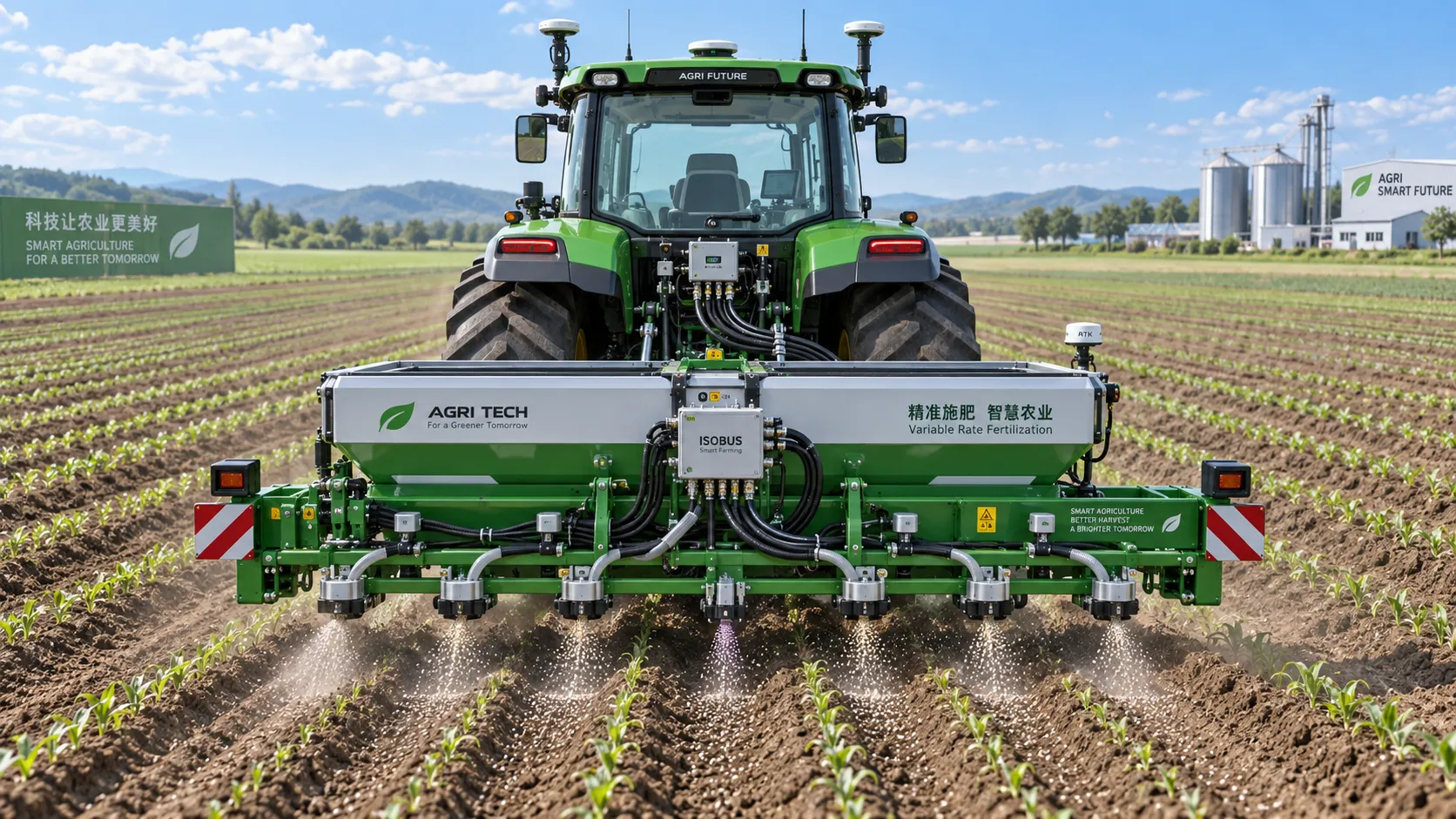
ISOBUS for Smart Agriculture: How It Connects Tractors, Implements, and Farm Data
ISOBUS for smart agriculture connects tractors, implements, terminals, and farm data—helping growers improve precision, documentation, and smarter field decisions.
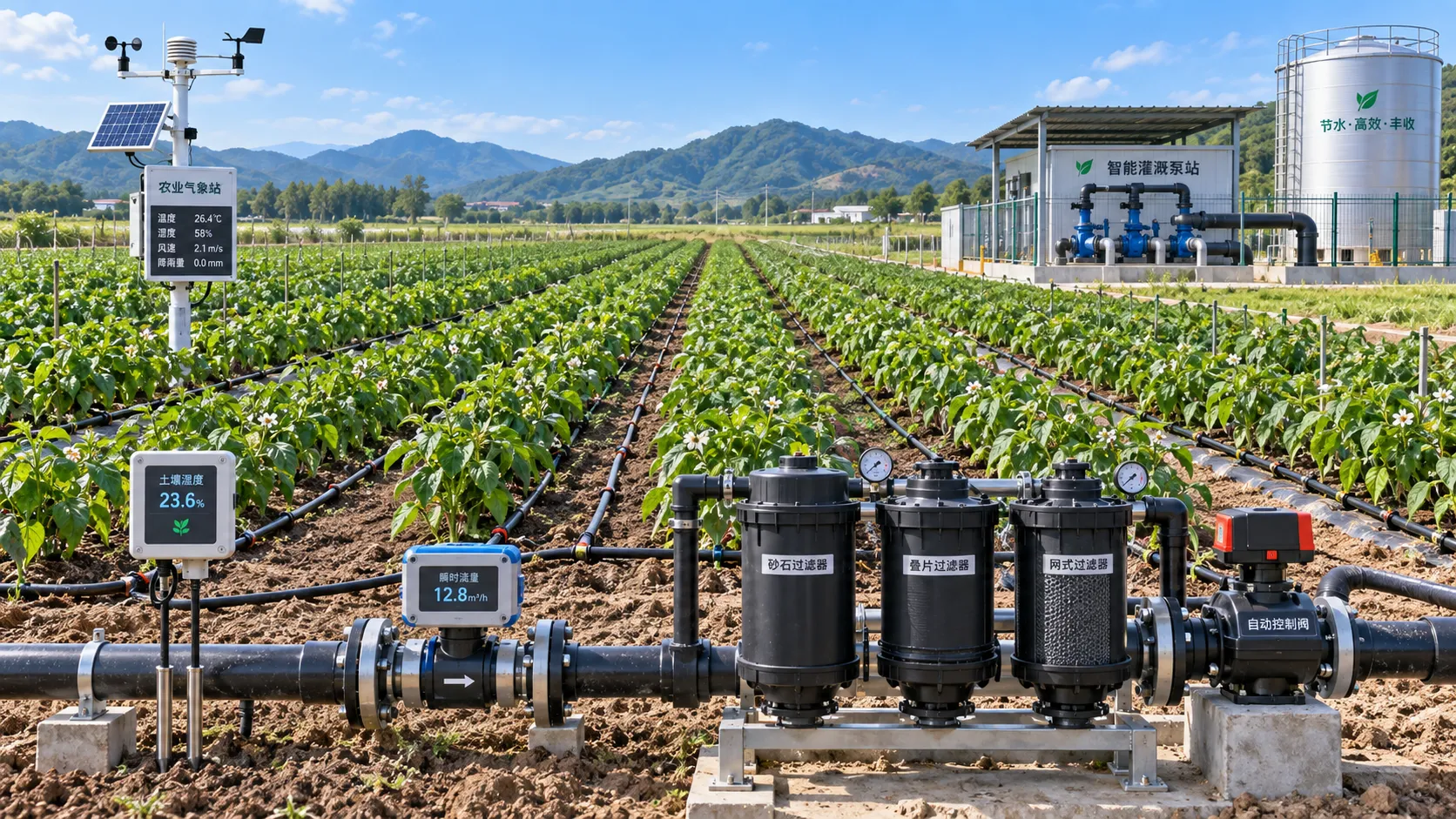
Automated Water-Saving Irrigation: How to Cut Water Use Without Reducing Crop Yields
Automated water-saving irrigation helps farms cut water use, protect crop yields, improve scheduling, and gain reliable control with sensors, flow monitoring, and smart zones.
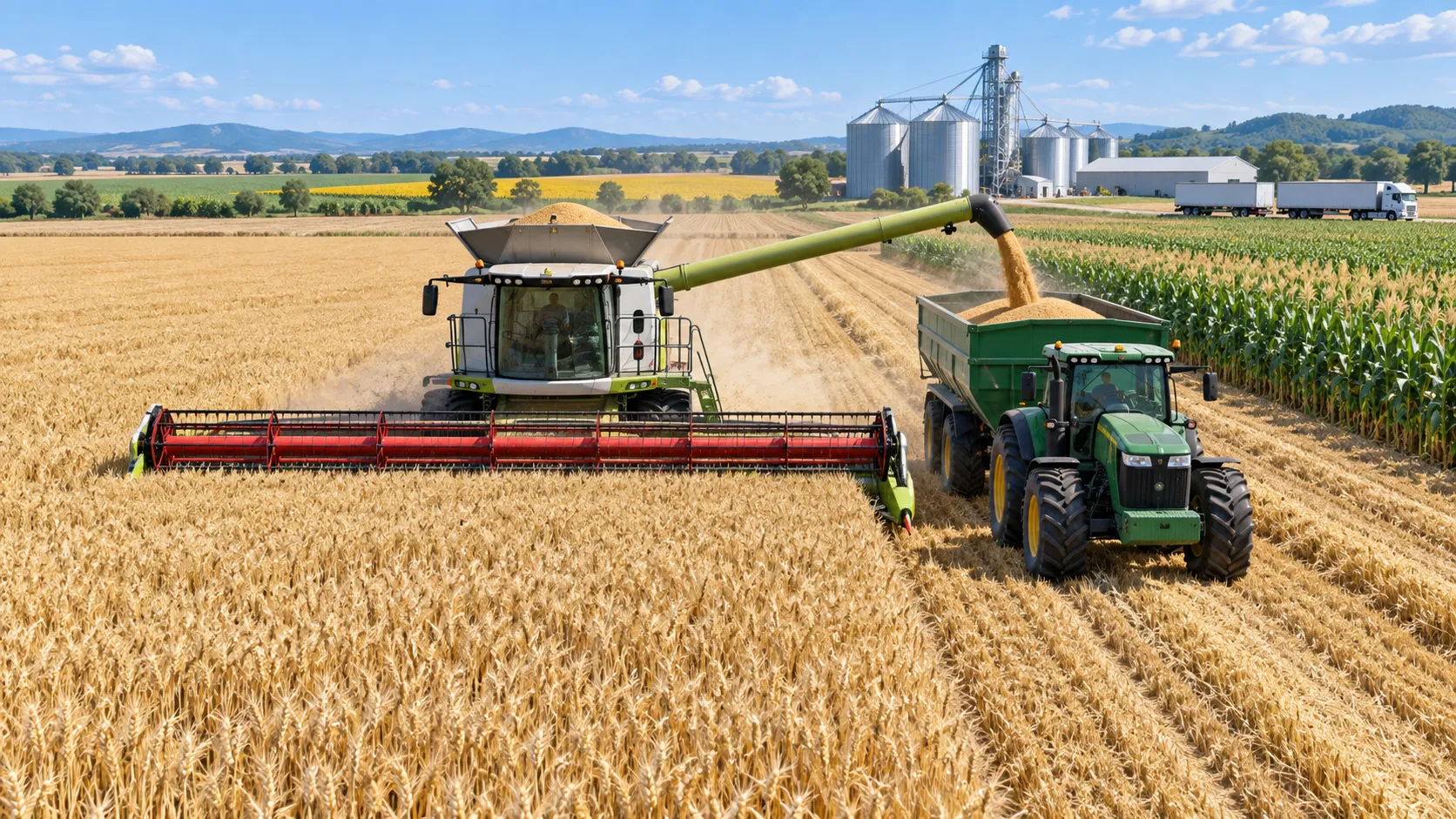
Selecting Grain Farm Equipment by Acreage, Crop Mix, and Harvest Window
Agricultural equipment selection for grain farming: match machinery to acreage, crop mix, and harvest windows to improve uptime, efficiency, and returns.
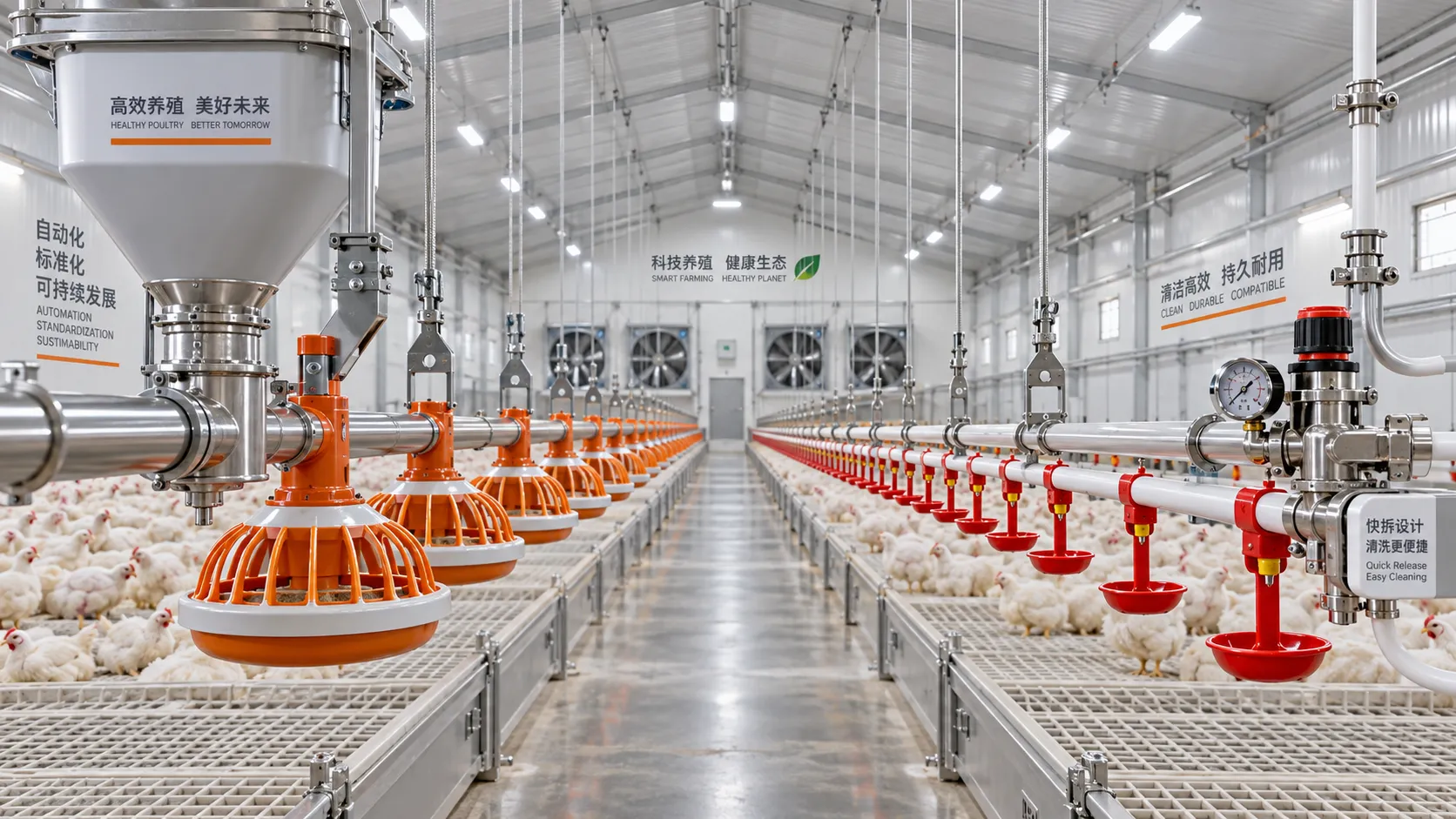
Poultry Equipment Selection: Evaluating Durability, Cleaning, and Compatibility
Poultry equipments selection guide: evaluate durability, cleaning access, and system compatibility to improve hygiene, reduce downtime, and support efficient flock management.
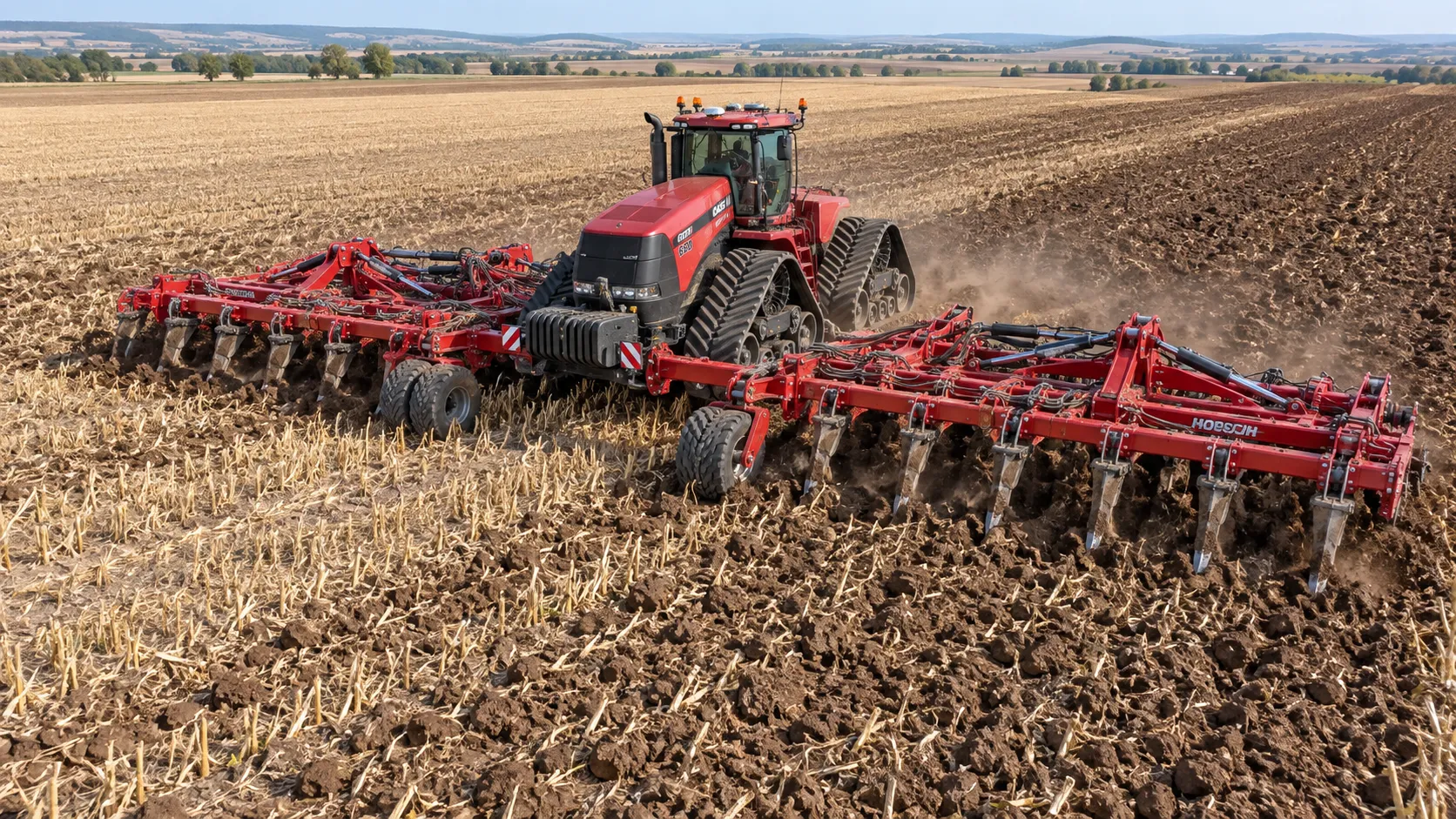
How to Select Heavy-Duty Farm Implements for High-Acreage, High-Horsepower Operations
Heavy duty farm implements: learn how to match draft, hydraulics, hitch capacity, frame strength, and field conditions for reliable high-acreage performance.
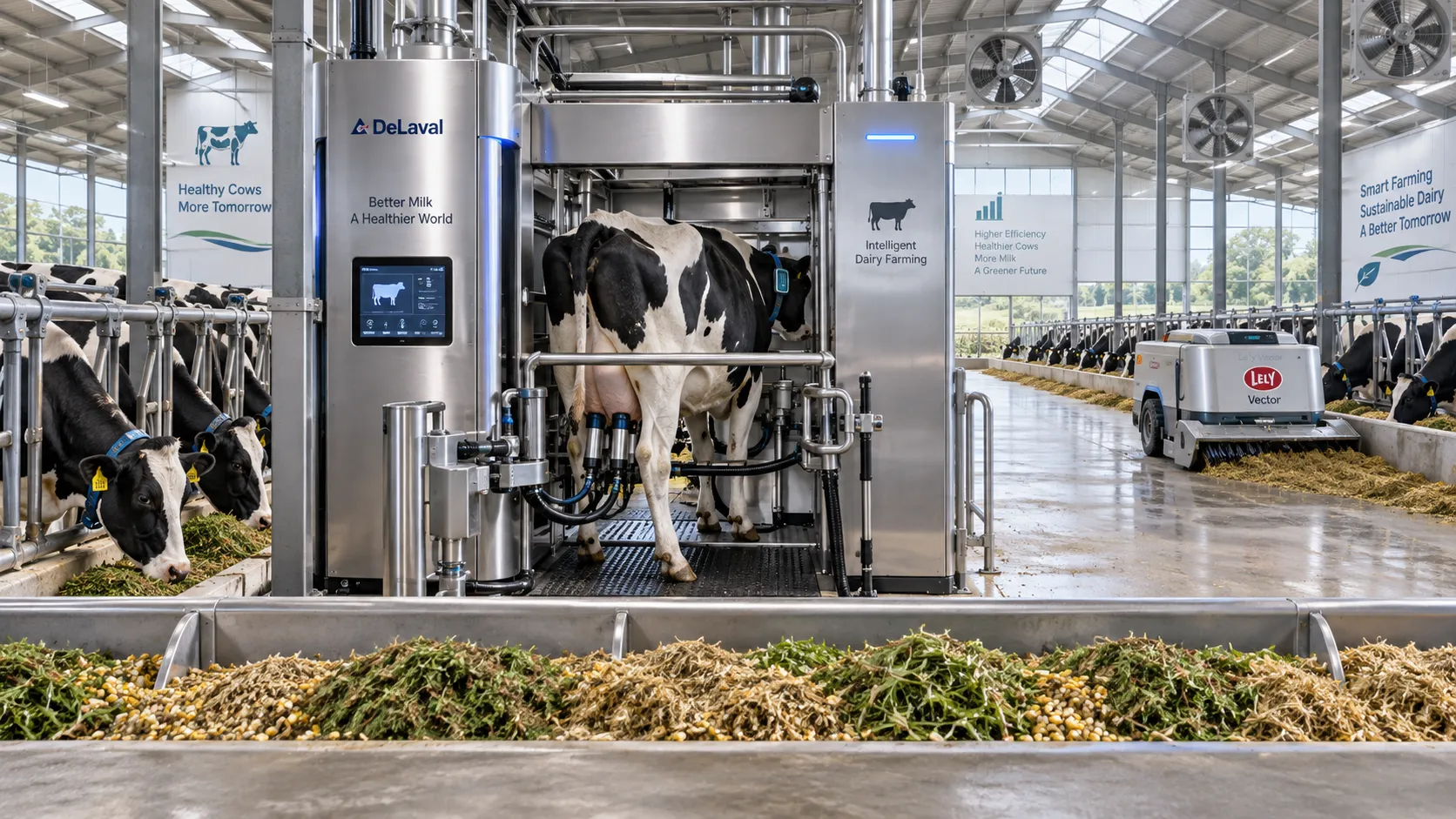
Smart Farming Technology for Dairy Farms: Where Automation Delivers Measurable ROI
Smart farming technology for dairy farms delivers measurable ROI through automation, precision feeding, health monitoring, and data-driven cost control.
Related News
- 00
0000-00
When Does Agricultural Machinery Leasing Cost Less Than Owning Equipment? - 00
0000-00
Selecting Grain Farm Equipment by Acreage, Crop Mix, and Harvest Window - 00
0000-00
Poultry Equipment Selection: Evaluating Durability, Cleaning, and Compatibility - 00
0000-00
How to Select Heavy-Duty Farm Implements for High-Acreage, High-Horsepower Operations - 00
0000-00
Smart Farming Technology for Dairy Farms: Where Automation Delivers Measurable ROI
Popular Tags
Ms. Elena Rodriguez
Weekly Insights
Stay ahead with our curated technology reports delivered every Monday.