
Agricultural Mechanization Price Trends: What Drives Equipment Costs and Budget Timing?
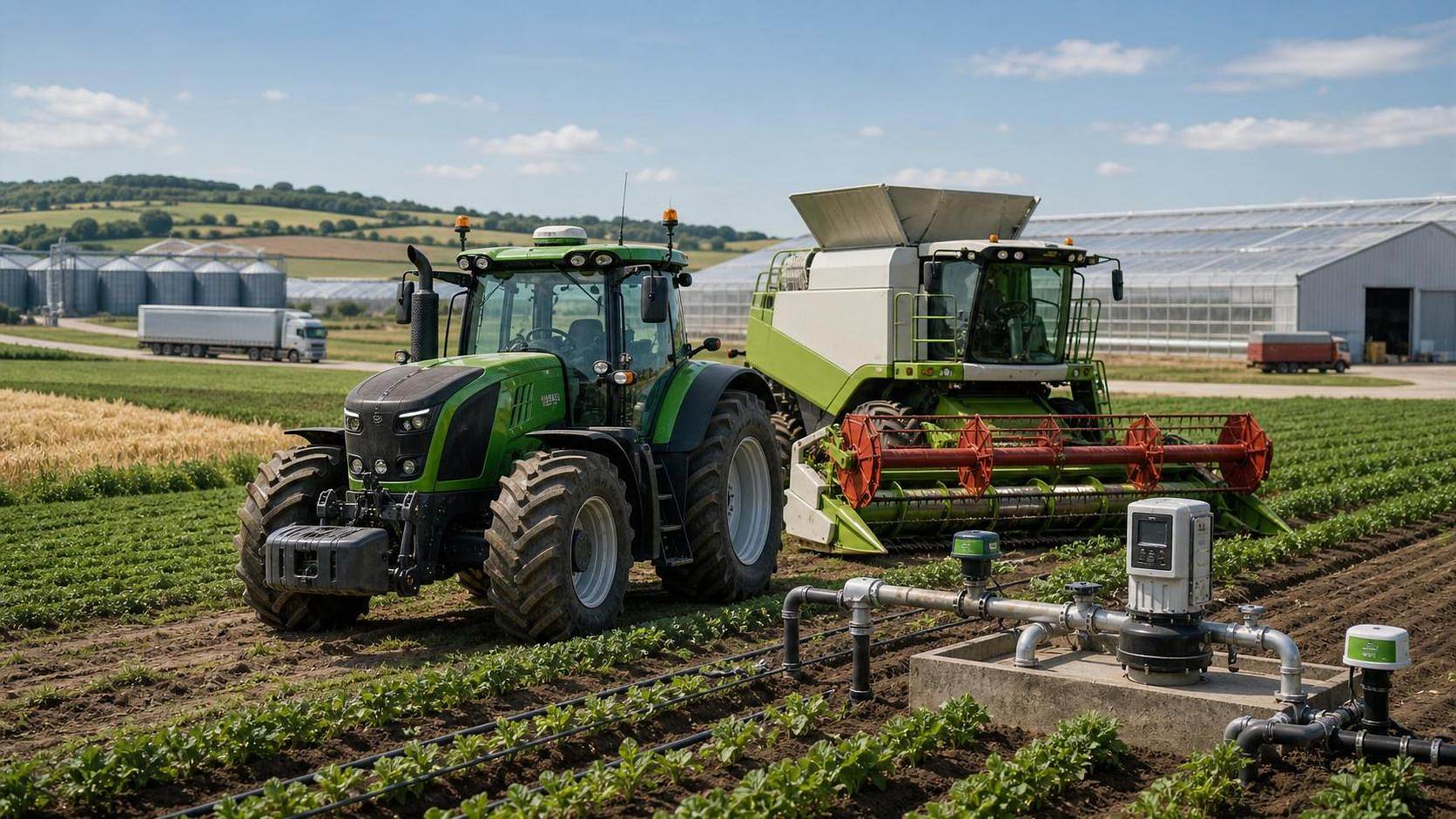




Agricultural mechanization price trends are being reshaped by more than factory quotes
Agricultural mechanization price trends now move with a wider set of signals than many budgets assumed a few seasons ago.
Steel, energy, freight, electronics, and financing costs all reach the final equipment number, often at different times and with different intensity.
That shift matters because large-scale machinery decisions are no longer just about comparing dealer offers near planting or harvest.
In the Agriculture 4.0 cycle, pricing also reflects sensor packages, precision control systems, emissions standards, and software-linked performance gains.
From AP-Strategy’s view across combines, tractor chassis, intelligent farm tools, and water-saving irrigation systems, the market is becoming structurally more layered.
The practical question is not whether prices fluctuate. It is which cost layer is moving, how long it lasts, and when budget timing creates leverage.
The current signal is less about one spike and more about persistent cost complexity
Recent agricultural mechanization price trends suggest the market has moved away from short-lived disruption toward uneven but recurring pressure.
Base machines still depend heavily on metal and drivetrain inputs. Yet premium models increasingly carry the cost profile of industrial electronics.
This is especially visible in high-capacity harvesters, advanced tractor platforms, guidance-enabled implements, and smart irrigation control units.
Another clear signal is that model-year differences now matter more. Two machines with similar horsepower can show very different value logic.
One may carry a higher sticker price but lower fuel use, reduced field loss, and stronger data integration over several seasons.
That is why agricultural mechanization price trends should be read as total cost behavior, not only purchase price movement.
What has become more visible in the last buying cycles
- Price revisions are smaller than crisis peaks, but they arrive more frequently.
- Lead times influence quotes, especially for imported components or specialist attachments.
- Technology bundles are harder to separate from the core machine than before.
- Financing terms increasingly decide whether a moderate quote is truly competitive.
Why equipment costs keep moving even when demand looks stable
The drivers behind agricultural mechanization price trends do not move in the same direction, which is why pricing often feels inconsistent.
Some cost pressures are global commodities. Others come from regulation, production planning, or equipment architecture.
More worth noting is the interaction between these drivers. A modest rise in factory cost can become a larger landed-cost increase after freight and financing.
The reverse is also true. A higher specification machine can look expensive upfront but stabilize operating cost through efficiency and better uptime.
Technology upgrades are changing the meaning of price
A major reason agricultural mechanization price trends are difficult to read is that equipment is no longer priced only as hardware.
In combines, cleaning-loss feedback systems, yield monitoring, and automation modules shift the cost discussion toward field performance consistency.
In tractor chassis, hybrid transmission design, hydraulic precision, and power management increasingly shape both price and residual value.
For intelligent farm tools, satellite positioning and prescription capability can raise acquisition cost while reducing overlap, input waste, and operator variability.
Water-saving irrigation adds another layer. Sensors, valves, controllers, and predictive irrigation logic often pay back through resource efficiency rather than labor savings alone.
This is where AP-Strategy’s intelligence approach becomes useful. Mechanical performance, algorithm quality, and sustainability pressure now intersect in one budget line.
The budget question is shifting
Instead of asking whether a machine is simply expensive, a more accurate question is whether the added system value is measurable within the operating cycle.
That distinction explains why agricultural mechanization price trends can look inflationary in one segment and rational in another.
Budget timing now matters almost as much as model selection
In actual purchasing practice, timing errors often destroy more value than small differences in quoted unit price.
Agricultural mechanization price trends tend to reward planning that starts before peak field demand, transport congestion, or financing resets appear.
Pre-season buying can improve availability and configuration choice. Off-cycle negotiation can also reveal flexibility on attachments, software packages, or service support.
Late-cycle buying sometimes works for in-stock units, but it reduces room to compare fit-for-use economics across brands and specifications.
- Watch grain price direction alongside machinery demand sentiment.
- Track interest-rate expectations before locking financing windows.
- Review component-dependent models earlier than standard mechanical platforms.
- Separate urgent replacement needs from strategic capacity expansion.
The key point is simple. Budget timing should follow cost signals and operational windows together, not either one in isolation.
The impact does not stop at the equipment line item
Agricultural mechanization price trends affect more than acquisition budgets. They also reshape maintenance planning, fleet age strategy, and upgrade sequencing.
For high-use combine fleets, delayed replacement can raise repair exposure during narrow harvest windows. That risk may outweigh apparent savings from waiting.
For tractor platforms, a lower entry price may still lead to weaker hydraulic compatibility or reduced precision performance with newer implements.
In irrigation, postponing smart control investment can preserve short-term cash but increase water, energy, and compliance pressure over time.
This broader effect is why cost analysis should cover three layers: acquisition, operating efficiency, and strategic adaptability.
Where closer attention pays off fastest
- Machines with high annual utilization and narrow seasonal downtime tolerance
- Equipment categories exposed to electronics or import-dependent parts
- Systems where data integration changes agronomic or water-use outcomes
- Assets expected to retain value in a tightening resale environment
The next phase will likely reward disciplined comparison, not reactive buying
Looking ahead, agricultural mechanization price trends are unlikely to return to a simple low-volatility pattern across every category.
Commodity swings may ease for a period, but automation, sustainability standards, and software-linked functionality will keep cost structures uneven.
That means the strongest budget decisions will come from staged evaluation rather than one-time price chasing.
A practical next step is to build a review grid for machine class, utilization rate, input savings potential, financing exposure, and expected replacement window.
It also helps to monitor the same market through several lenses: crop economics, freight movement, technology refresh cycles, and policy-driven equipment standards.
For organizations following AP-Strategy’s global intelligence view, the advantage comes from linking mechanical specifications with broader agri-trade and resource-efficiency signals.
Agricultural mechanization price trends will continue to move, but the real edge lies in knowing which signals deserve action now and which can be watched a little longer.
The immediate priority is to reassess budget timing, compare lifecycle cost against technical capability, and keep a structured watchlist for the next buying window.
Related News
How to Select Precision Crop Protection Equipment for Variable Field Conditions
Precision crop protection equipment selection made simple: compare terrain, canopy, weather, control accuracy, and data workflows for reliable applications.
When Does Agricultural Machinery Leasing Cost Less Than Owning Equipment?
Agricultural machinery leasing can lower farm costs when use is seasonal or uncertain. Compare utilization, maintenance, cash flow, and risk to make a smarter equipment decision.
How to Evaluate Precision Fertilization System Suppliers for Farm-Scale Deployment
Precision fertilization systems suppliers: learn how to compare accuracy, integration, uptime, service, and total cost for confident farm-scale deployment.
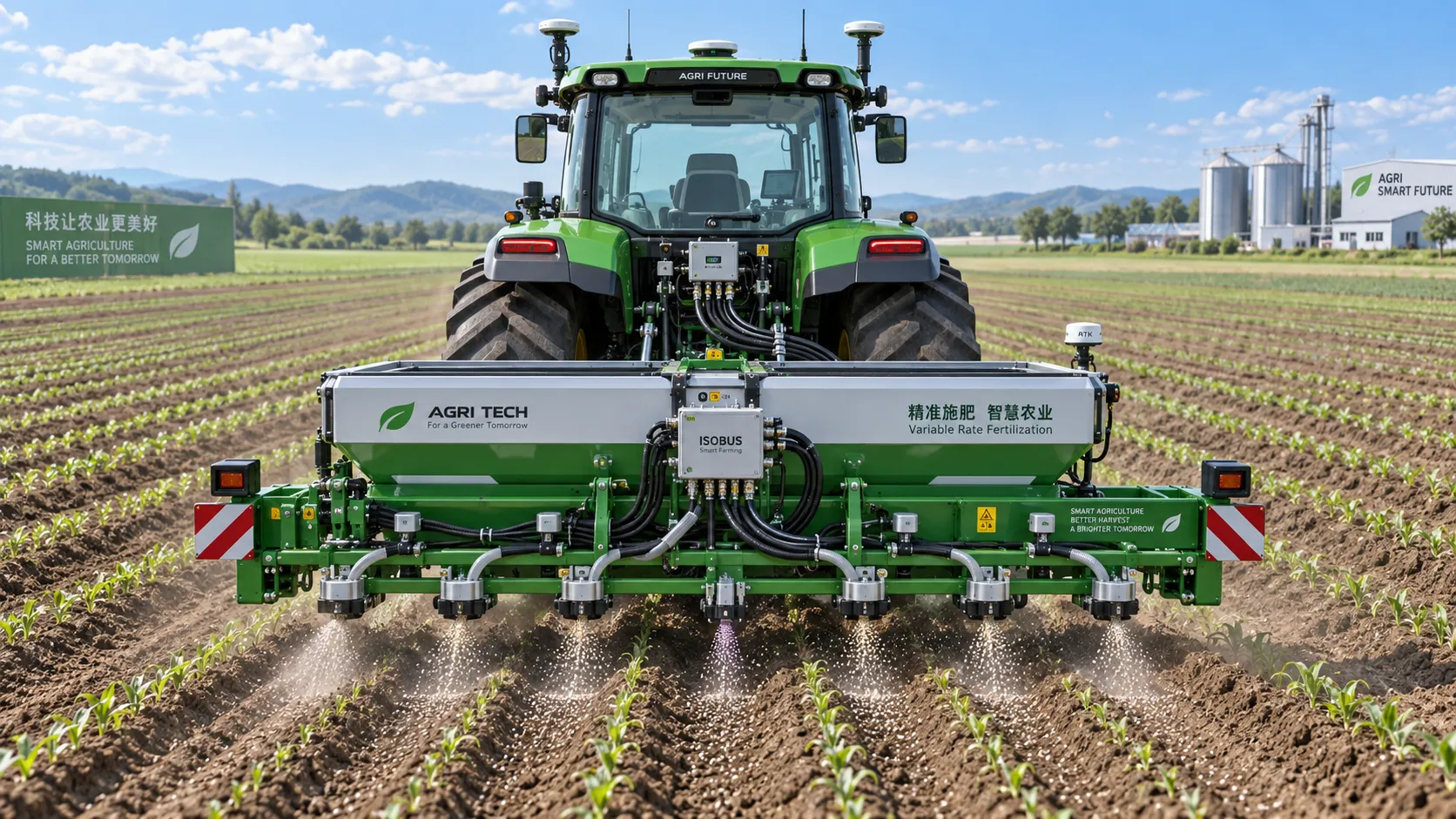
ISOBUS for Smart Agriculture: How It Connects Tractors, Implements, and Farm Data
ISOBUS for smart agriculture connects tractors, implements, terminals, and farm data—helping growers improve precision, documentation, and smarter field decisions.
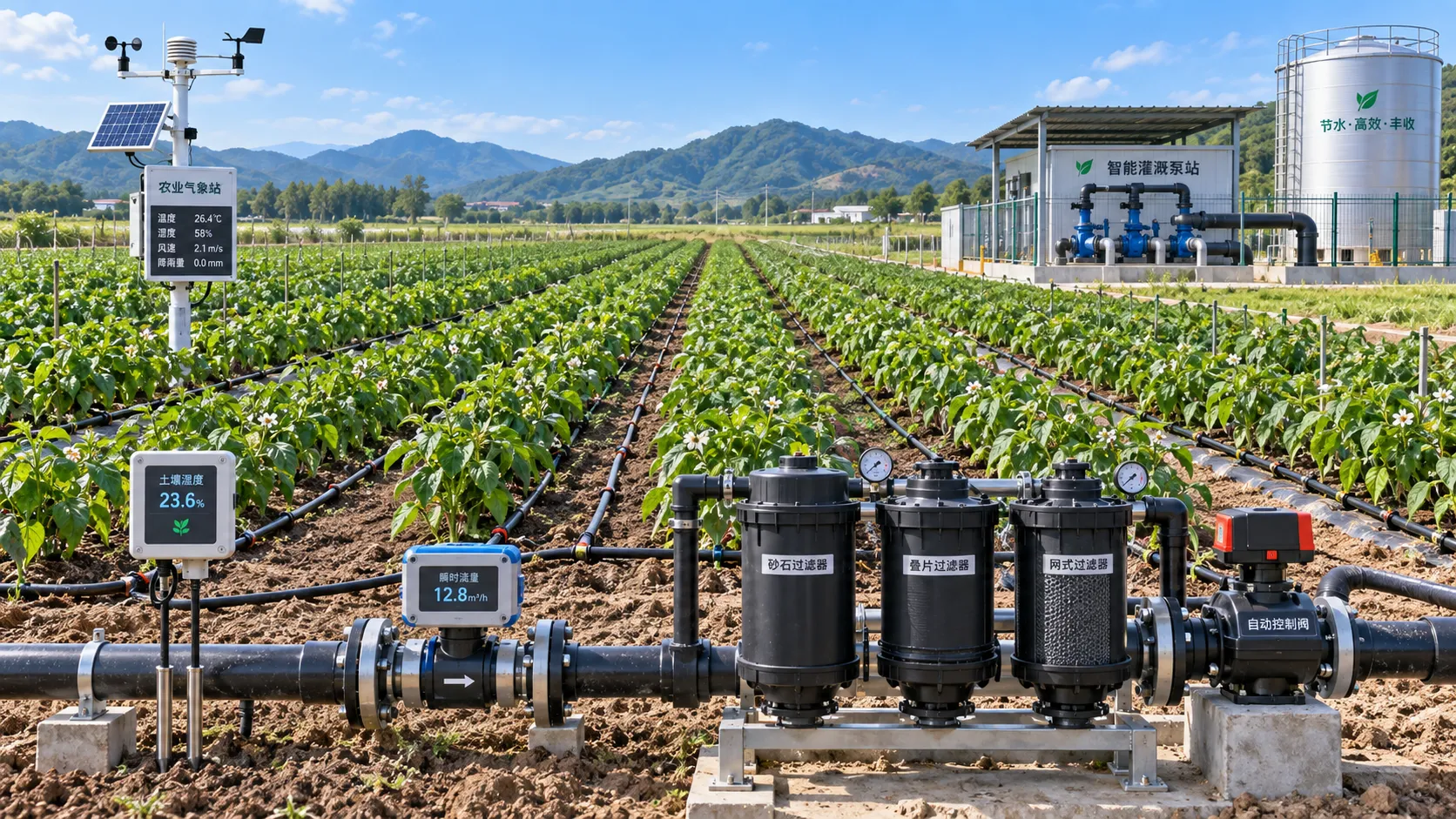
Automated Water-Saving Irrigation: How to Cut Water Use Without Reducing Crop Yields
Automated water-saving irrigation helps farms cut water use, protect crop yields, improve scheduling, and gain reliable control with sensors, flow monitoring, and smart zones.
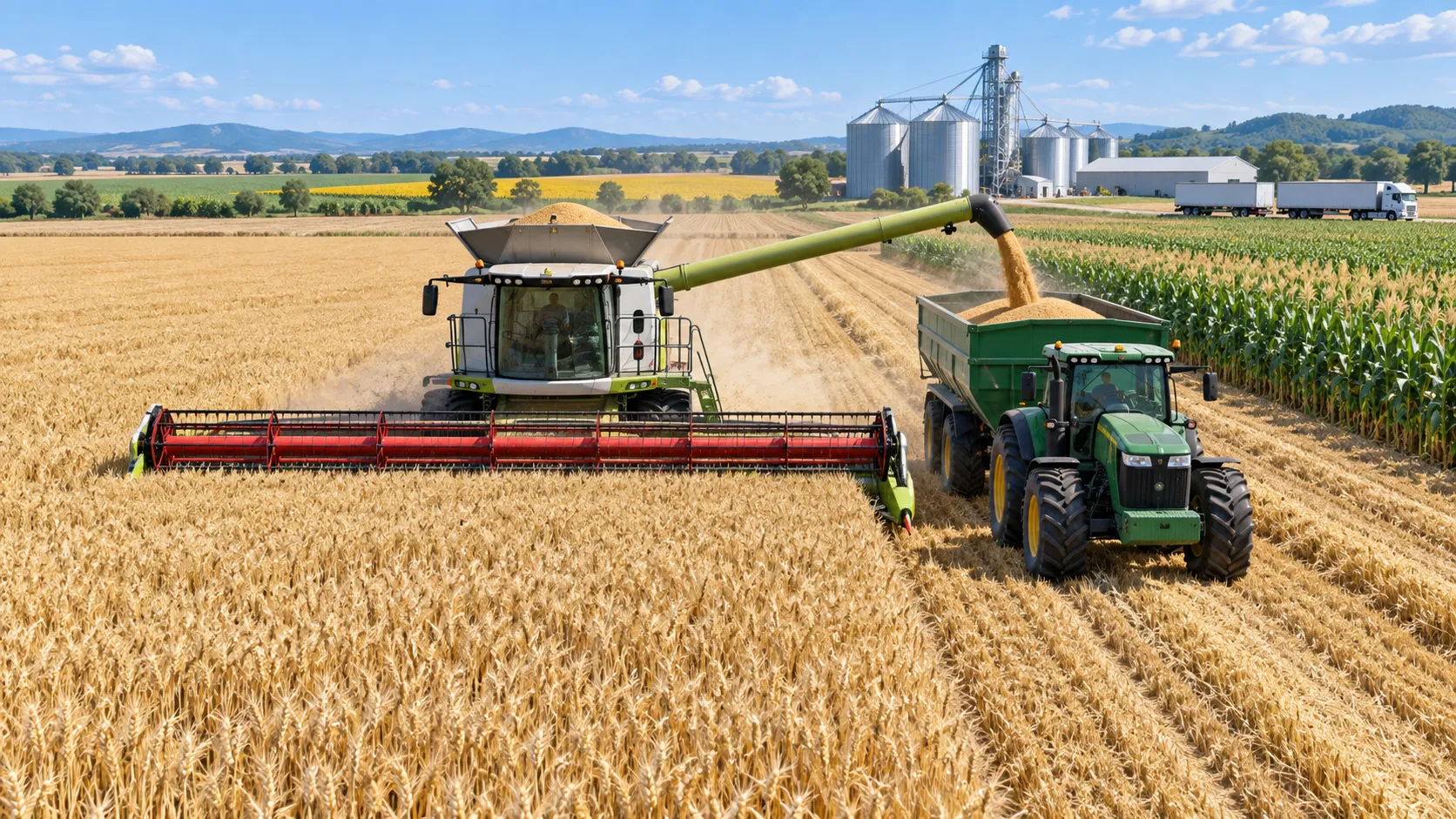
Selecting Grain Farm Equipment by Acreage, Crop Mix, and Harvest Window
Agricultural equipment selection for grain farming: match machinery to acreage, crop mix, and harvest windows to improve uptime, efficiency, and returns.
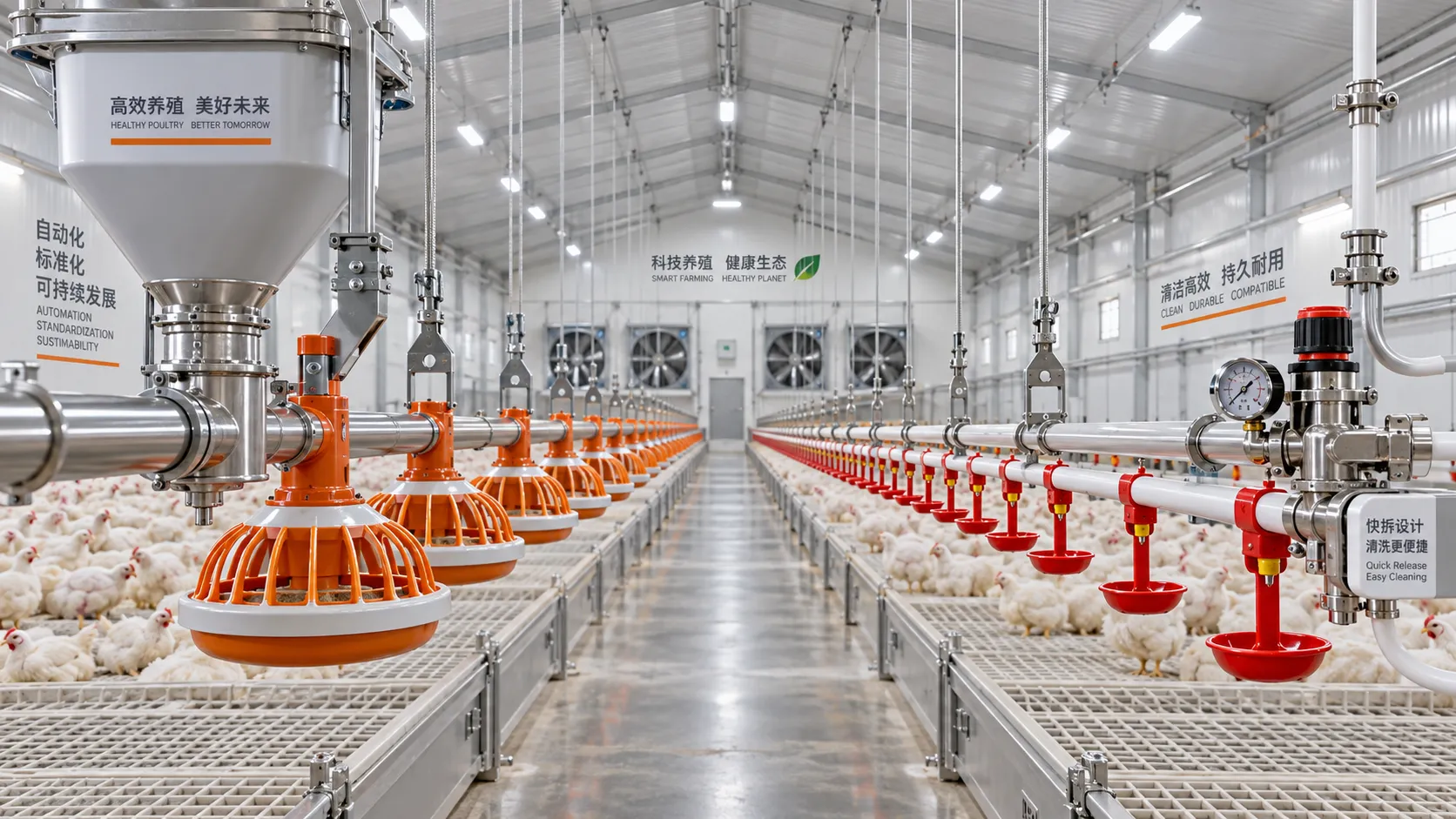
Poultry Equipment Selection: Evaluating Durability, Cleaning, and Compatibility
Poultry equipments selection guide: evaluate durability, cleaning access, and system compatibility to improve hygiene, reduce downtime, and support efficient flock management.
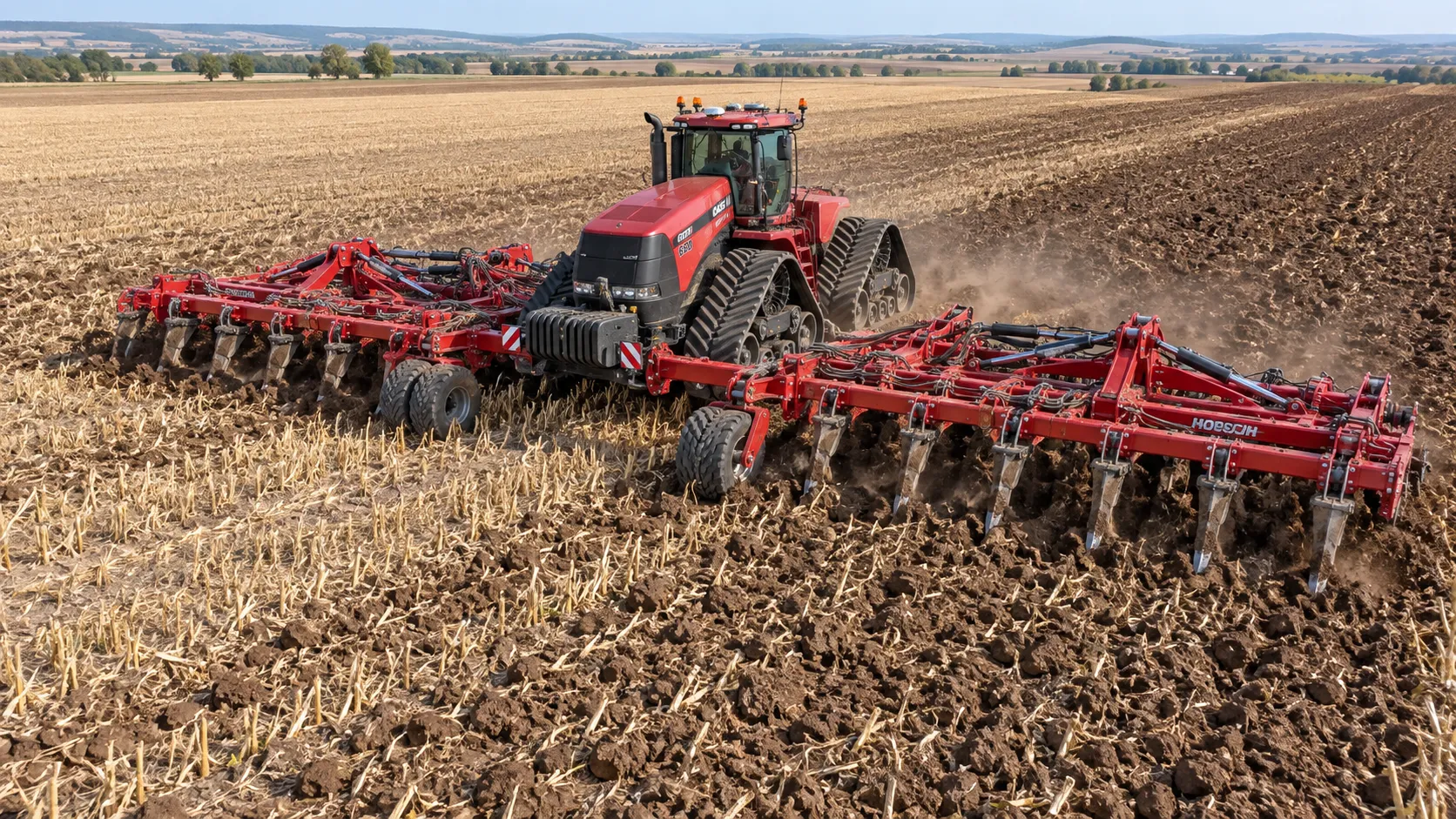
How to Select Heavy-Duty Farm Implements for High-Acreage, High-Horsepower Operations
Heavy duty farm implements: learn how to match draft, hydraulics, hitch capacity, frame strength, and field conditions for reliable high-acreage performance.
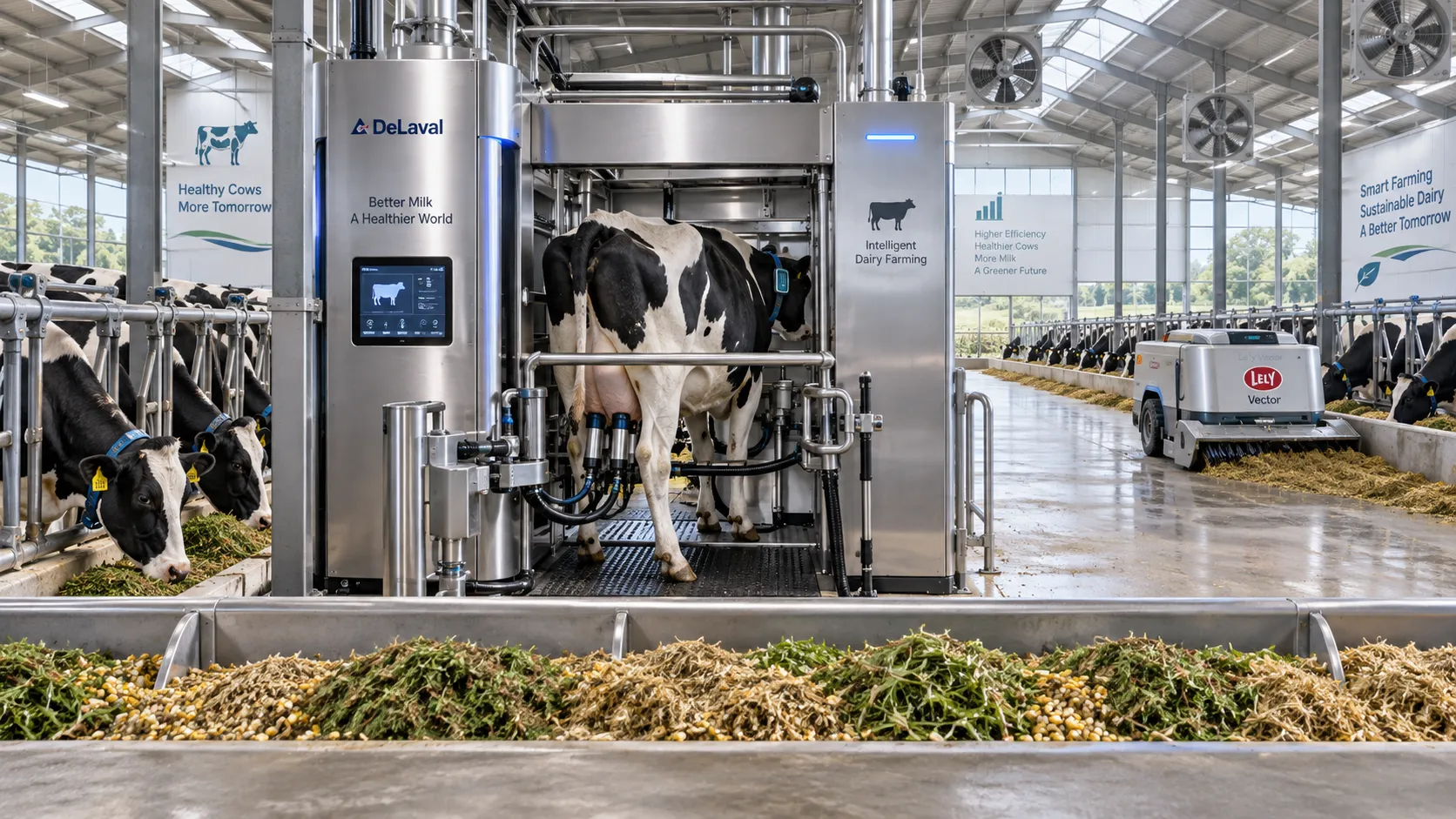
Smart Farming Technology for Dairy Farms: Where Automation Delivers Measurable ROI
Smart farming technology for dairy farms delivers measurable ROI through automation, precision feeding, health monitoring, and data-driven cost control.
Related News
- 00
0000-00
When Does Agricultural Machinery Leasing Cost Less Than Owning Equipment? - 00
0000-00
Selecting Grain Farm Equipment by Acreage, Crop Mix, and Harvest Window - 00
0000-00
Poultry Equipment Selection: Evaluating Durability, Cleaning, and Compatibility - 00
0000-00
How to Select Heavy-Duty Farm Implements for High-Acreage, High-Horsepower Operations - 00
0000-00
Smart Farming Technology for Dairy Farms: Where Automation Delivers Measurable ROI
Popular Tags
Ms. Elena Rodriguez
Weekly Insights
Stay ahead with our curated technology reports delivered every Monday.