
Climate-Smart Farming Strategies for Large Farms Facing Water Stress and Yield Volatility
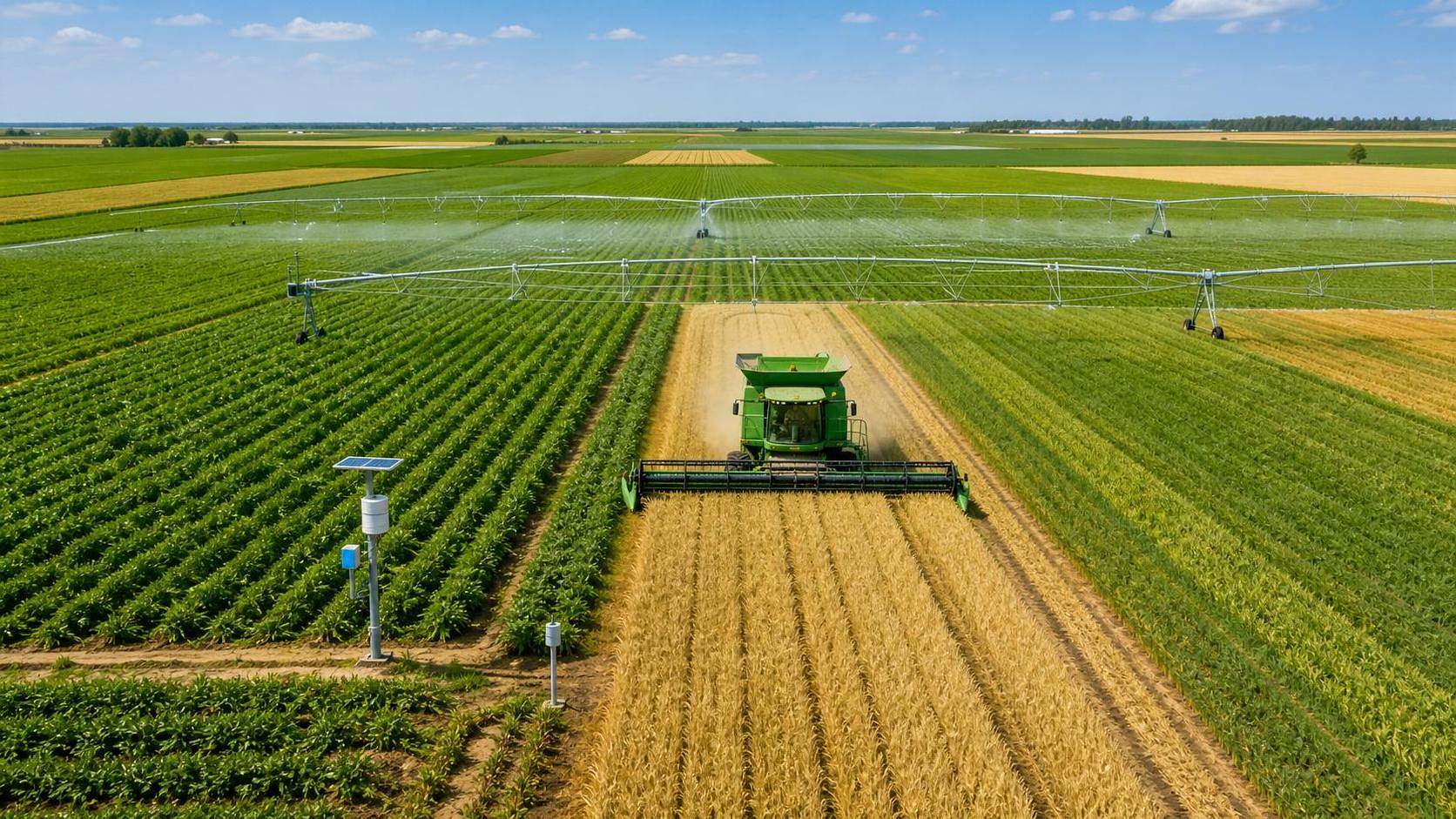




Why Climate-Smart Farming Now Shapes Large-Farm Resilience
Climate-smart farming has moved from sustainability language into operational strategy for large farms under water stress and unstable yields.
The pressure is no longer limited to dry seasons. It now includes erratic rainfall, heat spikes, pumping costs, input volatility, and tighter environmental compliance.
For broad-acre operations, the real issue is not whether to modernize. It is where climate-smart farming creates the strongest protection for output and asset value.
That is why field decisions increasingly connect machinery performance, irrigation intelligence, crop timing, and data interpretation rather than treating them as separate upgrades.
Across the Agriculture 4.0 landscape, AP-Strategy follows this intersection closely, especially where large-scale machinery, combine harvesting, and smart irrigation must work as one system.
Actual Field Conditions Change What Climate-Smart Farming Should Look Like
Large farms often face the same headline risks, yet the right climate-smart farming response differs sharply by water source, crop type, soil profile, and machinery intensity.
A farm drawing from declining aquifers has a different decision path than one managing seasonal surface allocations. Both face water stress, but not the same constraint.
Yield volatility also has multiple causes. In some regions, it comes from moisture gaps during vegetative growth. Elsewhere, harvest losses rise because weather windows shrink.
In practical terms, climate-smart farming should be judged by where variability starts: irrigation timing, soil infiltration, machine pass efficiency, harvest recovery, or field-level decision latency.
The more complex the operation becomes, the less useful single-point metrics become. Water savings alone do not guarantee stable output, and yield gains alone may hide rising operating risk.
A quick comparison before choosing priorities
Where Intelligent Irrigation Becomes the First Line of Defense
On farms where water allocations are tightening, climate-smart farming usually starts with irrigation control rather than full equipment replacement.
The reason is straightforward. Water stress affects planting confidence, nutrient movement, canopy development, and final grain fill long before harvest decisions appear.
In these settings, the strongest gains often come from better timing, not only lower water volume. A delayed irrigation pass can erase the value of efficient hardware.
More effective climate-smart farming programs pair soil moisture sensing with evapotranspiration modeling and pressure-stable delivery networks. This reduces both overwatering and reactive scheduling.
There is also a difference between farms needing drought survival and those pursuing water productivity. The first protects crop continuity. The second protects return per unit of water.
That distinction matters when evaluating drip retrofits, pivot upgrades, pumping controls, and field segmentation. Similar systems can produce very different business results.
In High-Mechanization Operations, Equipment Choices Influence Climate Outcomes
Climate-smart farming on large farms is often discussed through agronomy, yet machinery decisions can determine whether climate adaptation works at operational scale.
Heavy chassis, poor traction matching, and repeated field passes can worsen compaction, reduce infiltration, and limit root access to water even when irrigation plans look correct.
In drier environments, that means climate-smart farming should include pass reduction, axle load review, hydraulic efficiency, and guidance accuracy as part of water strategy.
The same logic applies at harvest. When weather volatility compresses the harvest window, combine losses become part of climate risk, not just machine tuning.
AP-Strategy’s coverage of harvester cleaning loss algorithms and tractor transmission evolution is relevant here because resilience depends on field-ready performance, not theoretical capacity.
A climate-smart farming plan that ignores machine-field interaction can save water on paper while losing grain, fuel, and time in practice.
Common machine-related judgment points
- Whether soil moisture conditions support current axle loads without long-term compaction.
- Whether guidance and section control reduce overlap enough to justify digital subscriptions.
- Whether combine settings can adapt quickly to uneven crop moisture during compressed harvest periods.
- Whether hydraulic and powertrain efficiency lowers field-hour energy intensity under stress conditions.
The More Variable the Field, the More Valuable Zone-Based Decisions Become
Many large farms do not fail because average field strategy is wrong. They lose margin because field averages hide strong internal variation.
This is where climate-smart farming shifts from broad conservation ideas into prescription-level management. Not every hectare should receive the same water, seed, or nitrogen response.
More variable land typically benefits from satellite imagery, sensor feedback, yield mapping, and machine-linked application records that can identify repeat stress zones.
Still, the value does not come from data volume. It comes from linking field signals to actions that operators can execute within normal work rhythms.
A useful climate-smart farming workflow asks three practical questions: where stress appears first, how often it repeats, and which intervention changes economics rather than just maps.
That is why intelligent farm tools matter most when they support prescription decisions with direct machine compatibility and measurable field response.
What Gets Misjudged Before Climate-Smart Farming Delivers Results
The most common mistake is treating similar water-stressed farms as operationally identical. Source reliability, soil depth, and crop timing quickly break that assumption.
Another weak point is focusing on acquisition cost while underestimating integration cost. Sensors, controllers, software, and machine interfaces do not create value automatically.
Climate-smart farming can also disappoint when teams chase a single headline metric. Lower water use may reduce yield if root-zone timing and fertility balance are ignored.
On the machinery side, large capacity is often mistaken for resilience. In volatile seasons, controllability, service response, and calibration discipline may matter more than peak throughput.
A quieter risk involves policy change. Water reporting rules, carbon standards, and nutrient restrictions can shift project value, especially for long-cycle equipment investments.
Checks worth making before rollout
- Map water source reliability by season, not only by annual availability.
- Review machine compatibility with guidance, sensors, and variable-rate control.
- Estimate maintenance intervals, spare part exposure, and service lead time.
- Test whether field data can produce action within the operating calendar.
- Compare savings under both normal seasons and stress seasons.
A Practical Direction for the Next Decision Cycle
Effective climate-smart farming on large farms is rarely a single technology purchase. It is a sequence of fit decisions shaped by field variability and operational constraints.
A sensible next step is to sort fields by water exposure, machinery intensity, and harvest risk instead of applying one modernization logic everywhere.
Then compare which combination of irrigation intelligence, machine optimization, and prescription tools can stabilize output with the lowest implementation friction.
That approach fits the kind of strategic intelligence AP-Strategy tracks across equipment evolution, hydrological pressure, and precision agriculture performance.
The strongest climate-smart farming decisions usually come from matching technology depth to actual field stress, service capacity, and the economics of long-term resilience.
Related News
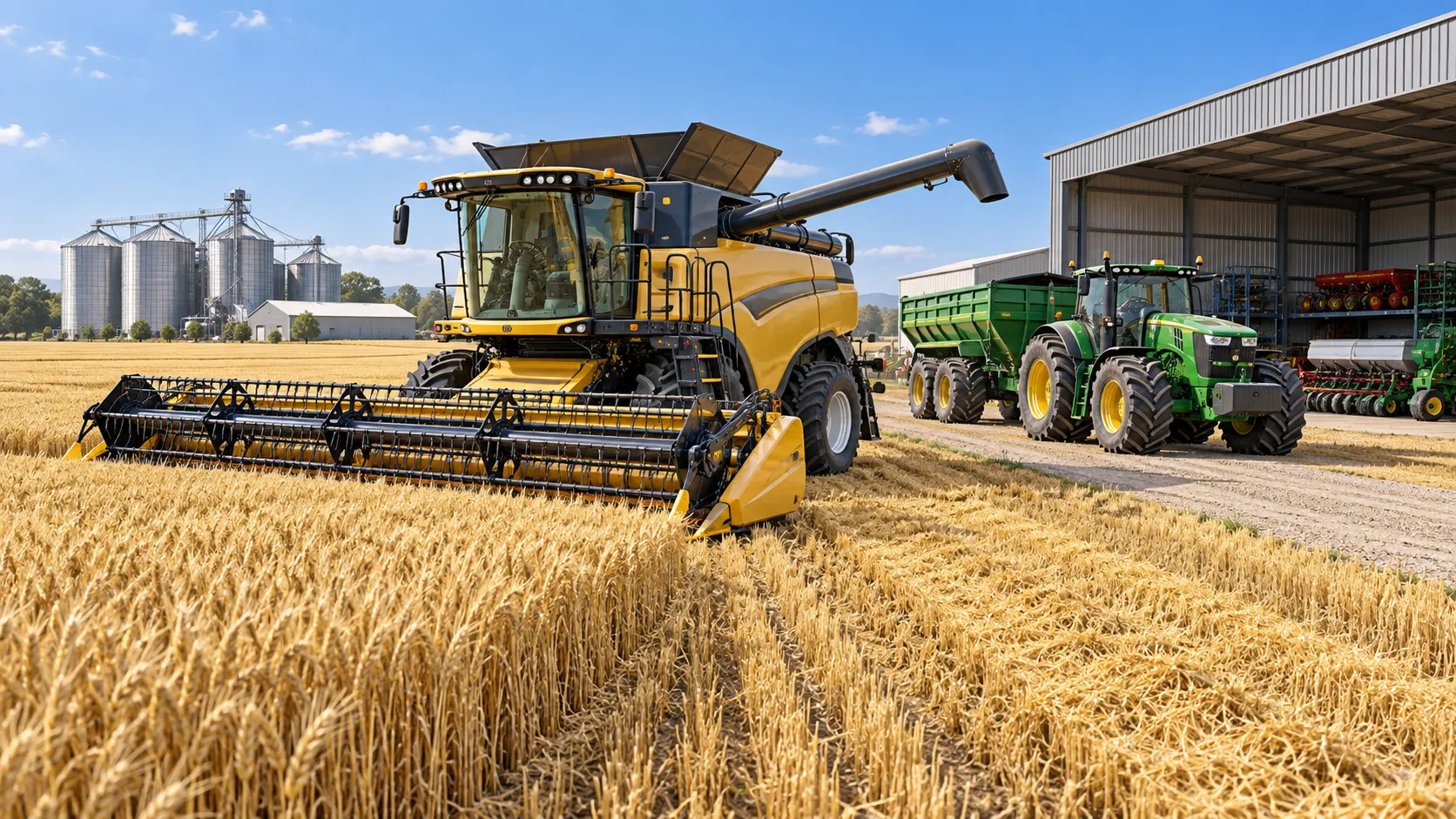
When Does Agricultural Machinery Leasing Cost Less Than Owning Equipment?
Agricultural machinery leasing can lower farm costs when use is seasonal or uncertain. Compare utilization, maintenance, cash flow, and risk to make a smarter equipment decision.
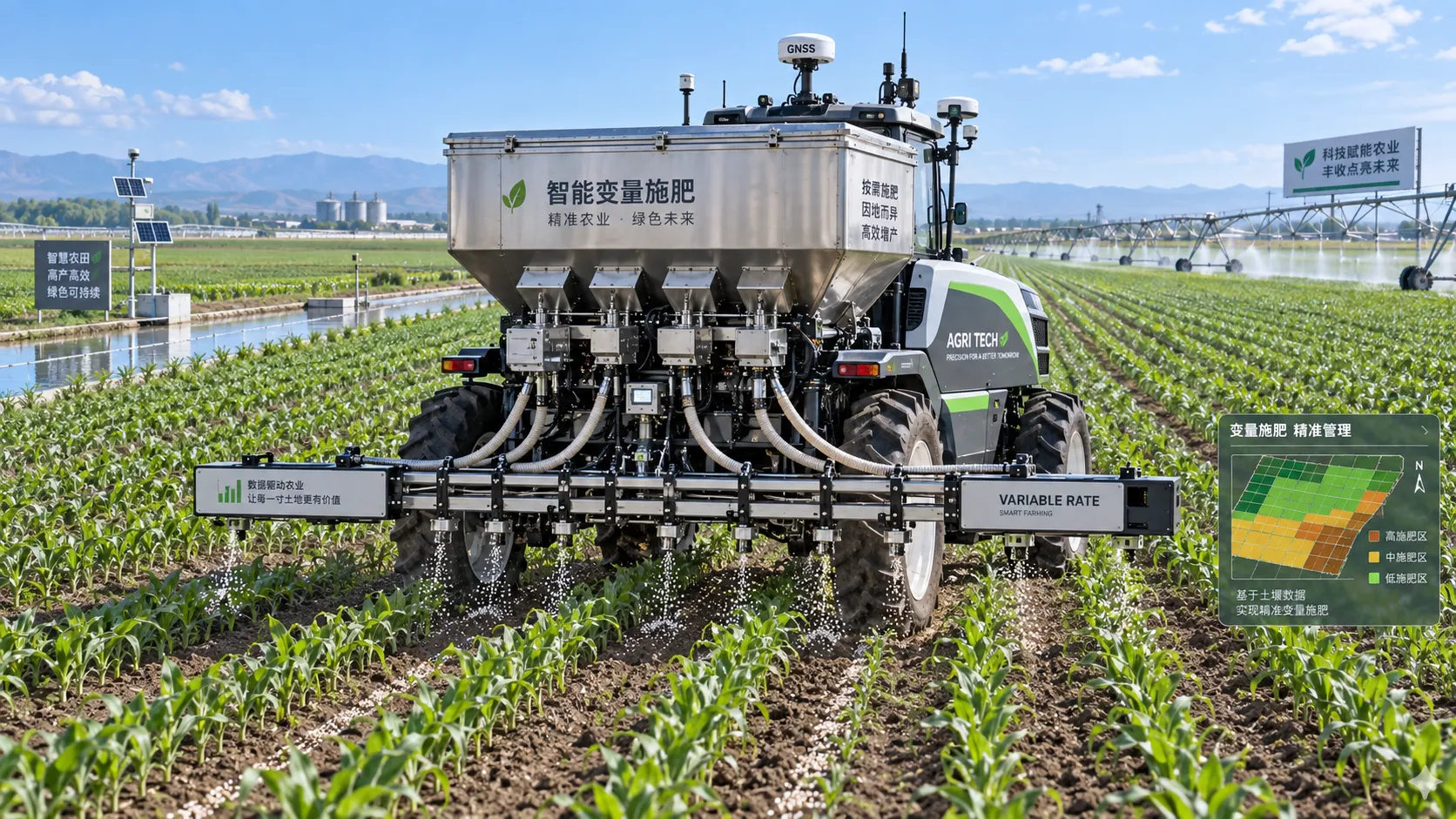
How to Evaluate Precision Fertilization System Suppliers for Farm-Scale Deployment
Precision fertilization systems suppliers: learn how to compare accuracy, integration, uptime, service, and total cost for confident farm-scale deployment.
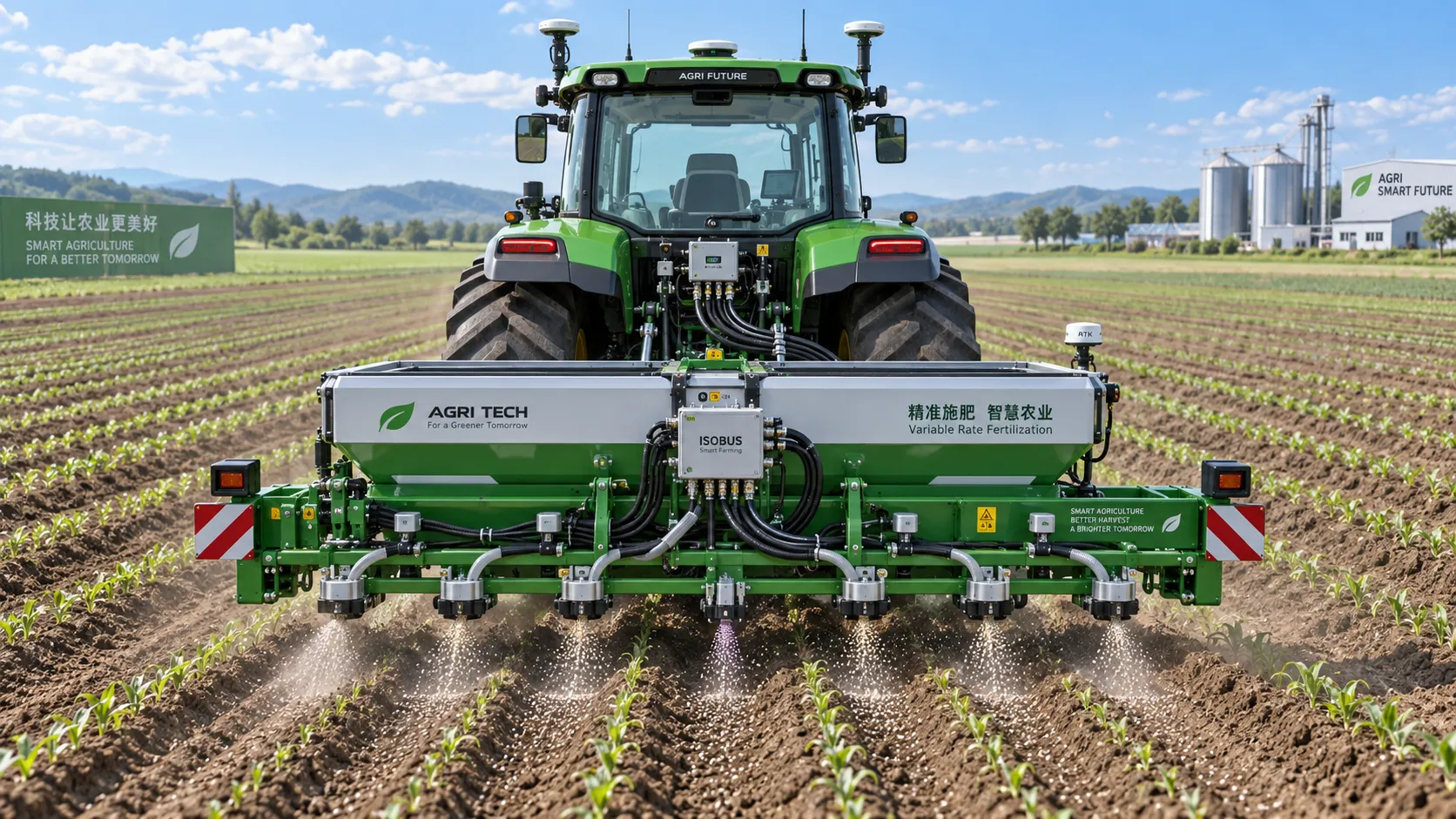
ISOBUS for Smart Agriculture: How It Connects Tractors, Implements, and Farm Data
ISOBUS for smart agriculture connects tractors, implements, terminals, and farm data—helping growers improve precision, documentation, and smarter field decisions.
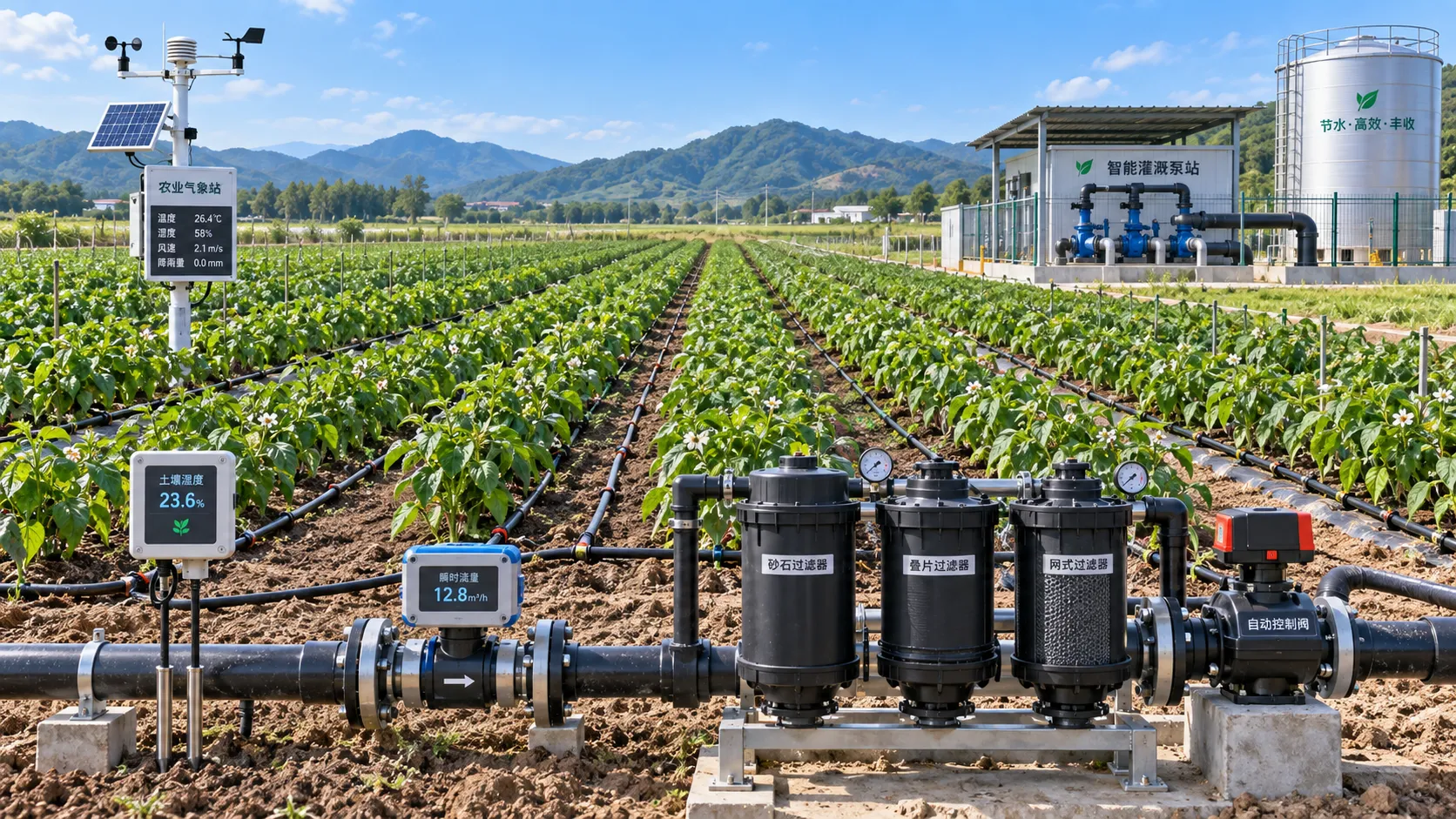
Automated Water-Saving Irrigation: How to Cut Water Use Without Reducing Crop Yields
Automated water-saving irrigation helps farms cut water use, protect crop yields, improve scheduling, and gain reliable control with sensors, flow monitoring, and smart zones.
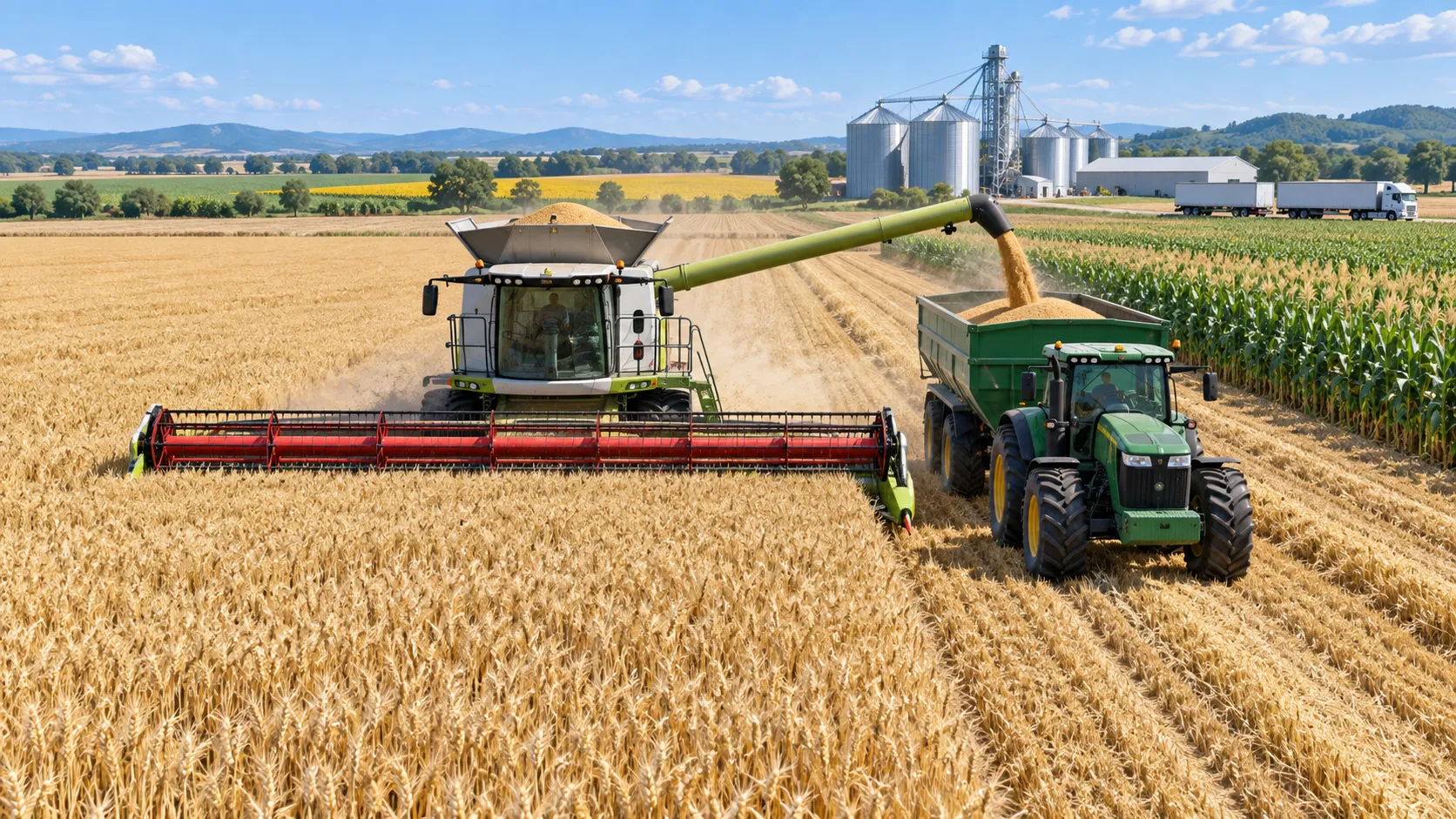
Selecting Grain Farm Equipment by Acreage, Crop Mix, and Harvest Window
Agricultural equipment selection for grain farming: match machinery to acreage, crop mix, and harvest windows to improve uptime, efficiency, and returns.
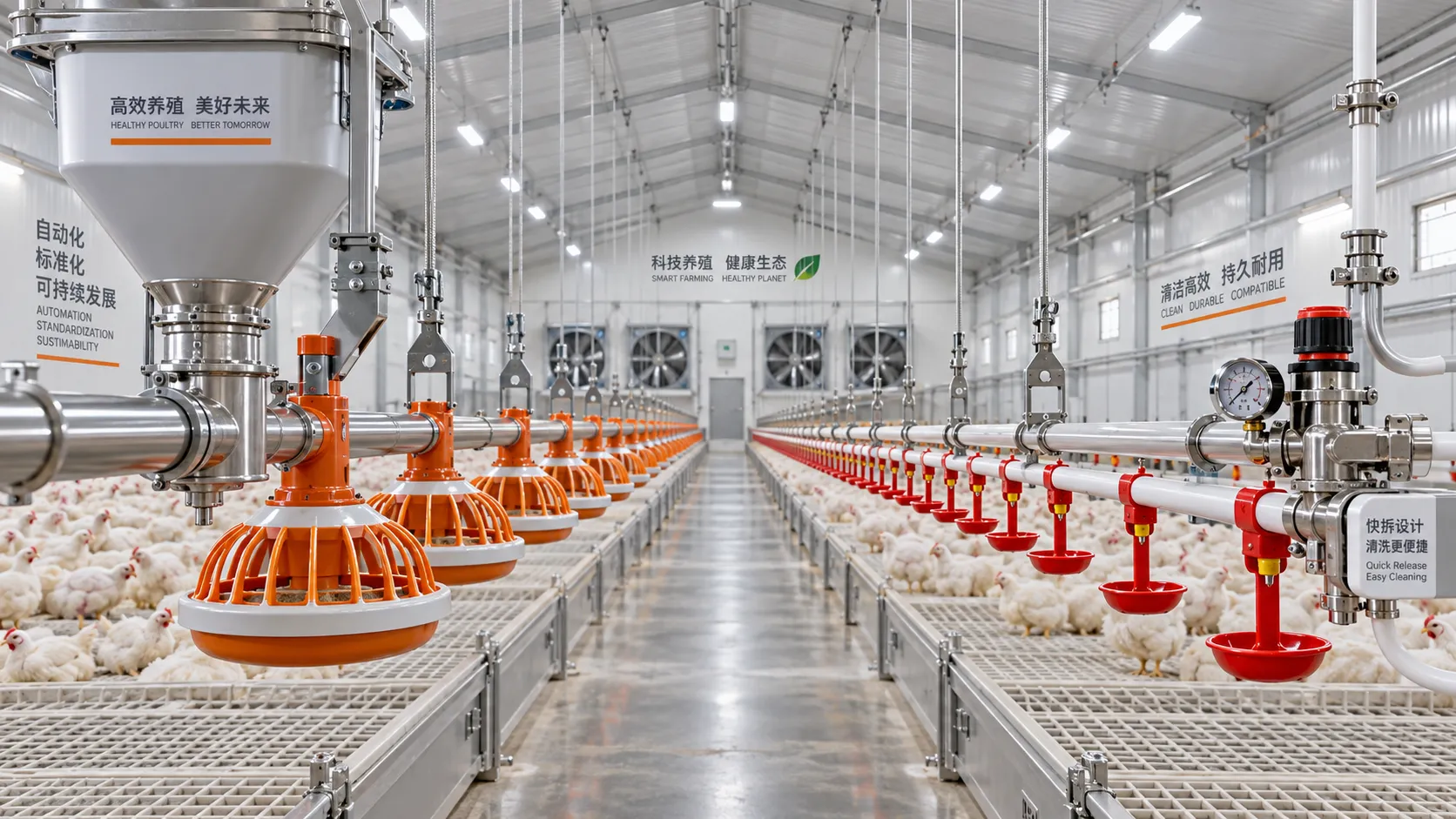
Poultry Equipment Selection: Evaluating Durability, Cleaning, and Compatibility
Poultry equipments selection guide: evaluate durability, cleaning access, and system compatibility to improve hygiene, reduce downtime, and support efficient flock management.
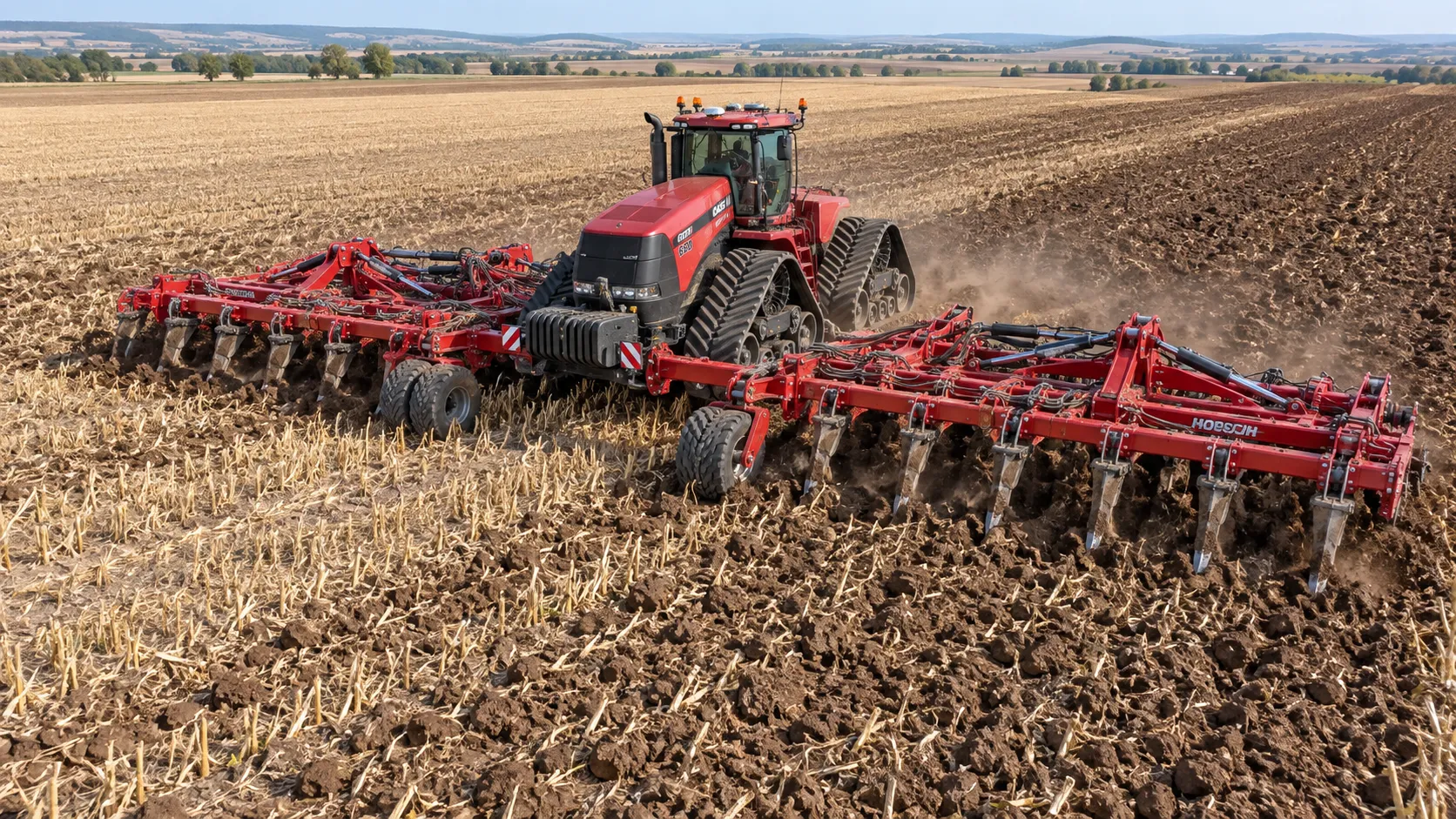
How to Select Heavy-Duty Farm Implements for High-Acreage, High-Horsepower Operations
Heavy duty farm implements: learn how to match draft, hydraulics, hitch capacity, frame strength, and field conditions for reliable high-acreage performance.
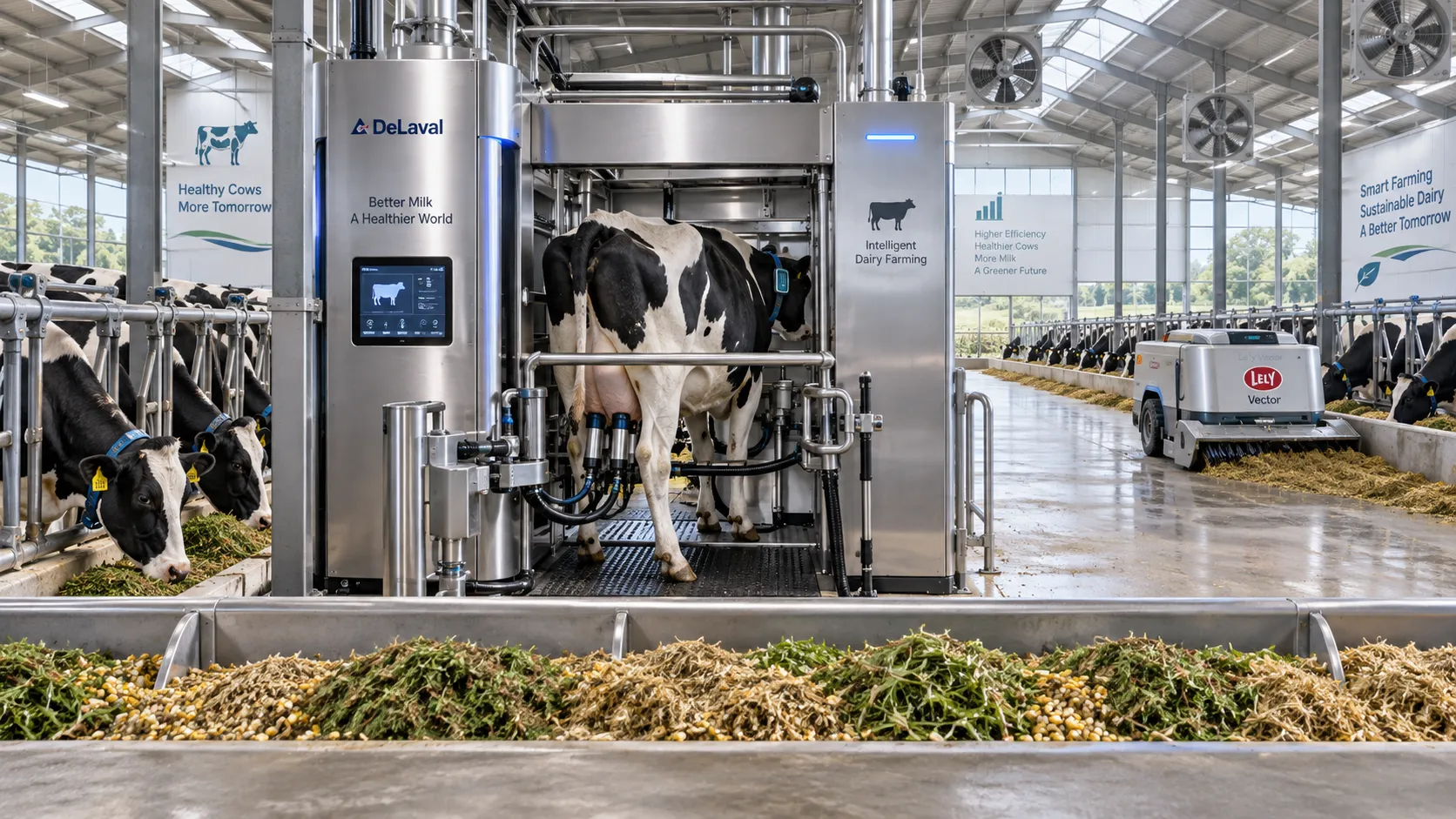
Smart Farming Technology for Dairy Farms: Where Automation Delivers Measurable ROI
Smart farming technology for dairy farms delivers measurable ROI through automation, precision feeding, health monitoring, and data-driven cost control.
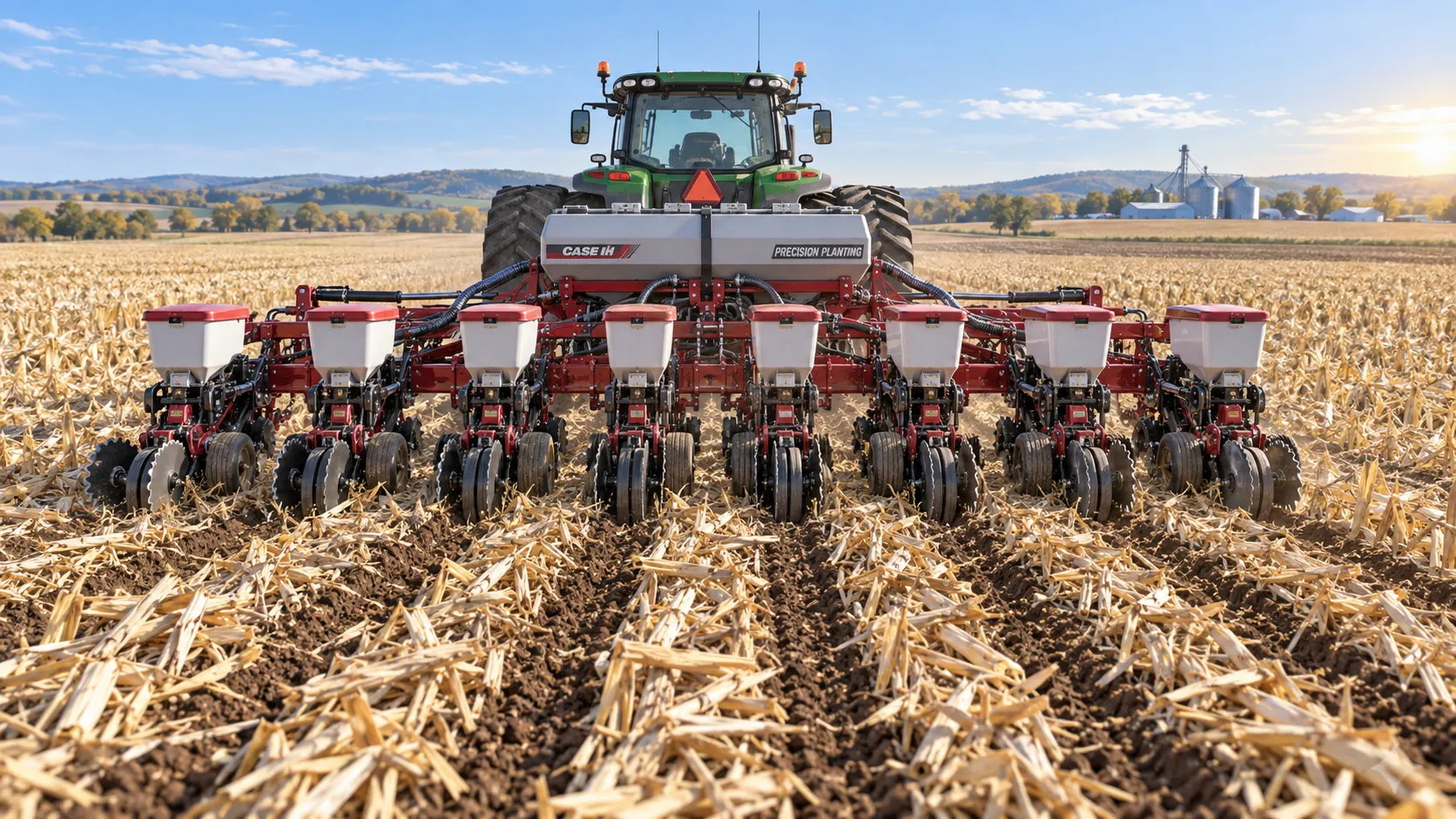
How to Select a Heavy-Duty Seeder for Large Acreage and High-Residue Fields
Heavy duty seeders for large acreage: compare residue handling, depth control, downforce, metering accuracy, and precision features to select the right model.
Related News
- 00
0000-00
When Does Agricultural Machinery Leasing Cost Less Than Owning Equipment? - 00
0000-00
Selecting Grain Farm Equipment by Acreage, Crop Mix, and Harvest Window - 00
0000-00
Poultry Equipment Selection: Evaluating Durability, Cleaning, and Compatibility - 00
0000-00
How to Select Heavy-Duty Farm Implements for High-Acreage, High-Horsepower Operations - 00
0000-00
Smart Farming Technology for Dairy Farms: Where Automation Delivers Measurable ROI
Popular Tags
Ms. Elena Rodriguez
Weekly Insights
Stay ahead with our curated technology reports delivered every Monday.