
What Is Climate-Smart Agriculture and Which Farm Risks Can It Reduce?
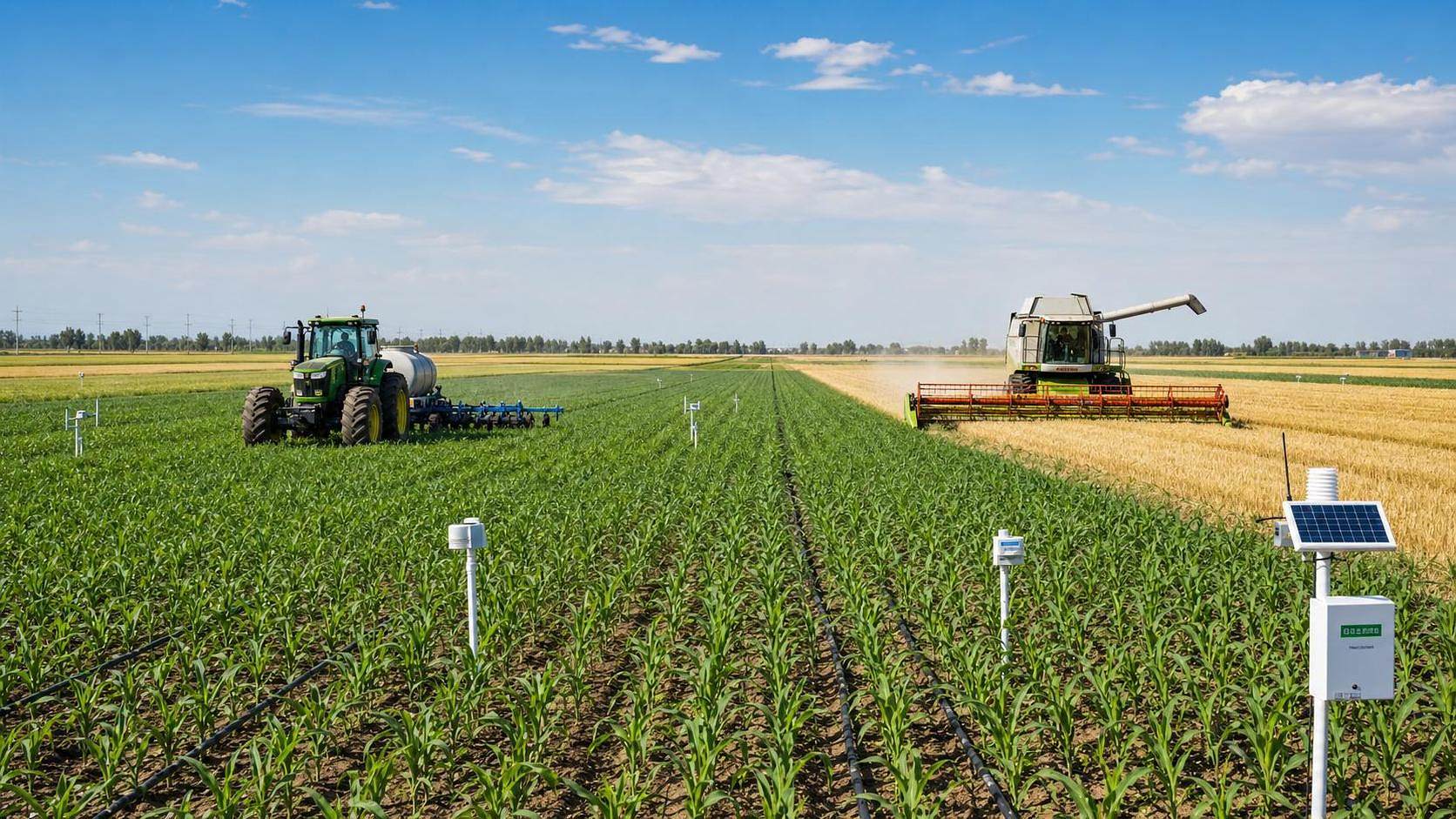




Climate-smart agriculture has moved from policy language into day-to-day farm strategy. It matters because weather volatility, water pressure, and input costs now affect yield decisions as much as seed genetics or market timing.
At its core, climate-smart agriculture is an approach that helps farms stay productive, adapt to climate stress, and reduce resource waste. In practice, that links agronomy with machinery, irrigation control, field data, and operational planning.
That is why the topic sits close to the Agriculture 4.0 conversation followed by AP-Strategy. Large-scale machinery, combine harvesting systems, intelligent farm tools, and water-saving irrigation are no longer separate upgrades. They increasingly work as one risk-management system.
A practical meaning behind the term
Climate-smart agriculture is often described through three goals: maintain productivity, strengthen resilience, and improve environmental performance. That summary is useful, but it can sound abstract unless it is tied to field conditions.
On a commercial farm, the idea usually shows up as better timing, better targeting, and better recovery from disruption. A farm applies water more precisely, protects soil structure, reduces harvest loss, and adjusts inputs according to measured need.
So climate-smart agriculture is not one machine, one software package, or one certification. It is a management framework built from agronomic practices, engineering choices, and decision support tools.
Why it now commands wider industry attention
The pressure behind climate-smart agriculture comes from several directions at once. Rainfall is less predictable, heat events are more damaging, and groundwater restrictions are tighter in many producing regions.
At the same time, farms are expected to deliver higher output with fewer wasted inputs. Fuel, fertilizer, labor, and replacement parts all have cost implications that make inefficiency harder to absorb.
There is also a strategic dimension. Grain markets, sustainability reporting, environmental policy, and equipment investment cycles increasingly intersect. A farm that cannot manage climate variability may also struggle with asset utilization and commercial competitiveness.
This is where intelligence platforms such as AP-Strategy become relevant. The value is not only in sector news, but in connecting agronomic risk with machinery evolution, irrigation science, and longer-cycle investment judgment.
Which farm risks can climate-smart agriculture reduce?
The approach does not remove risk entirely. What it can do is reduce exposure, improve response speed, and narrow avoidable losses. The most important risk areas are usually the following.
Drought and water stress
Water scarcity is one of the clearest targets of climate-smart agriculture. Precision irrigation, soil moisture sensing, evapotranspiration modeling, and variable-rate application help direct water where it creates the most value.
Instead of treating irrigation as a fixed schedule, farms can shift toward demand-based control. That reduces overwatering, protects pumping efficiency, and lowers the chance that crop stress goes unnoticed during hot periods.
Soil degradation
Soil is often the hidden layer in climate risk. Heavy rainfall can increase erosion, while repeated traffic under poor conditions can create compaction that limits root growth and water infiltration.
Climate-smart agriculture addresses this through controlled traffic patterns, reduced tillage where suitable, residue retention, cover systems, and more careful machinery timing. These choices help soils hold moisture and remain workable longer.
Yield instability
A farm may still reach a good average yield over several years while facing unacceptable swings between seasons. Climate-smart agriculture is designed to reduce those swings, not merely chase a best-case harvest.
That can include adjusting planting windows, matching field operations to local variability, and using harvest systems that minimize crop loss when weather compresses the harvest window.
Input inefficiency
When climate conditions become less stable, blanket application strategies become more expensive. Uniform irrigation, fertilization, or spraying often ignores major differences between zones in the same field.
Climate-smart agriculture reduces this risk through prescription-based work. Sensors, satellite positioning, and field maps support more selective treatment, which lowers waste and often improves response under stress conditions.
Harvest loss and operational disruption
Extreme weather does not only affect crop growth. It can also disrupt the harvest stage, where timing, machine setup, and field access become critical. A delayed or poorly calibrated harvest can convert production potential into measurable loss.
This is why combine performance matters within climate-smart agriculture. Cleaning loss feedback, adaptive settings, and better traction or chassis capability can protect output when crop moisture and field conditions change quickly.
How the approach appears in real farm systems
Climate-smart agriculture becomes easier to understand when viewed through operating systems rather than slogans. The table below shows how common technologies relate to specific risks.
From this angle, climate-smart agriculture is less about adding complexity and more about improving coordination. Equipment, agronomy, and data need to reinforce one another.
Where business understanding matters most
Not every farm should adopt the same tools in the same order. A useful assessment starts with the dominant local risk. In one region, the priority may be water allocation. In another, it may be harvest reliability or soil trafficability.
Scale also matters. Large-acreage operations often gain more from integrated machinery and automation because timing errors spread fast across many fields. Smaller operations may focus first on targeted irrigation and better field monitoring.
This is another reason why strategic intelligence has value. A portal like AP-Strategy can help compare not just product claims, but the relationships between policy shifts, machine design trends, and operational risk reduction.
What to evaluate before calling a solution climate-smart
The term is now used widely, sometimes too loosely. A more disciplined evaluation helps separate genuine climate-smart agriculture from ordinary modernization.
- Check whether the solution addresses a defined farm risk, not just general efficiency.
- Look for measurable indicators such as water use, loss rates, fuel intensity, or yield stability.
- Assess whether the tool fits field variability, machinery scale, and local weather patterns.
- Consider interoperability with existing tractors, combines, sensors, and control platforms.
- Review whether the data produced can support future decisions, not only immediate operations.
A useful rule is simple: climate-smart agriculture should improve resilience under difficult conditions, not only performance under ideal ones.
A sensible next step for analysis
The strongest way to read climate-smart agriculture is as a risk framework for the modern farm. It links drought planning, machinery selection, harvest strategy, soil protection, and irrigation intelligence into one operational picture.
For deeper evaluation, it helps to map the main climate pressures in a target region, then compare which equipment and data systems can reduce the most expensive losses first. That creates a clearer basis for judging technologies, investment priorities, and long-term farm resilience.
In that process, following developments in combine performance, tractor chassis engineering, precision application tools, and water-saving irrigation will provide a far more realistic view of climate-smart agriculture than broad claims alone.
Related News
When Does Agricultural Machinery Leasing Cost Less Than Owning Equipment?
Agricultural machinery leasing can lower farm costs when use is seasonal or uncertain. Compare utilization, maintenance, cash flow, and risk to make a smarter equipment decision.
How to Evaluate Precision Fertilization System Suppliers for Farm-Scale Deployment
Precision fertilization systems suppliers: learn how to compare accuracy, integration, uptime, service, and total cost for confident farm-scale deployment.
ISOBUS for Smart Agriculture: How It Connects Tractors, Implements, and Farm Data
ISOBUS for smart agriculture connects tractors, implements, terminals, and farm data—helping growers improve precision, documentation, and smarter field decisions.
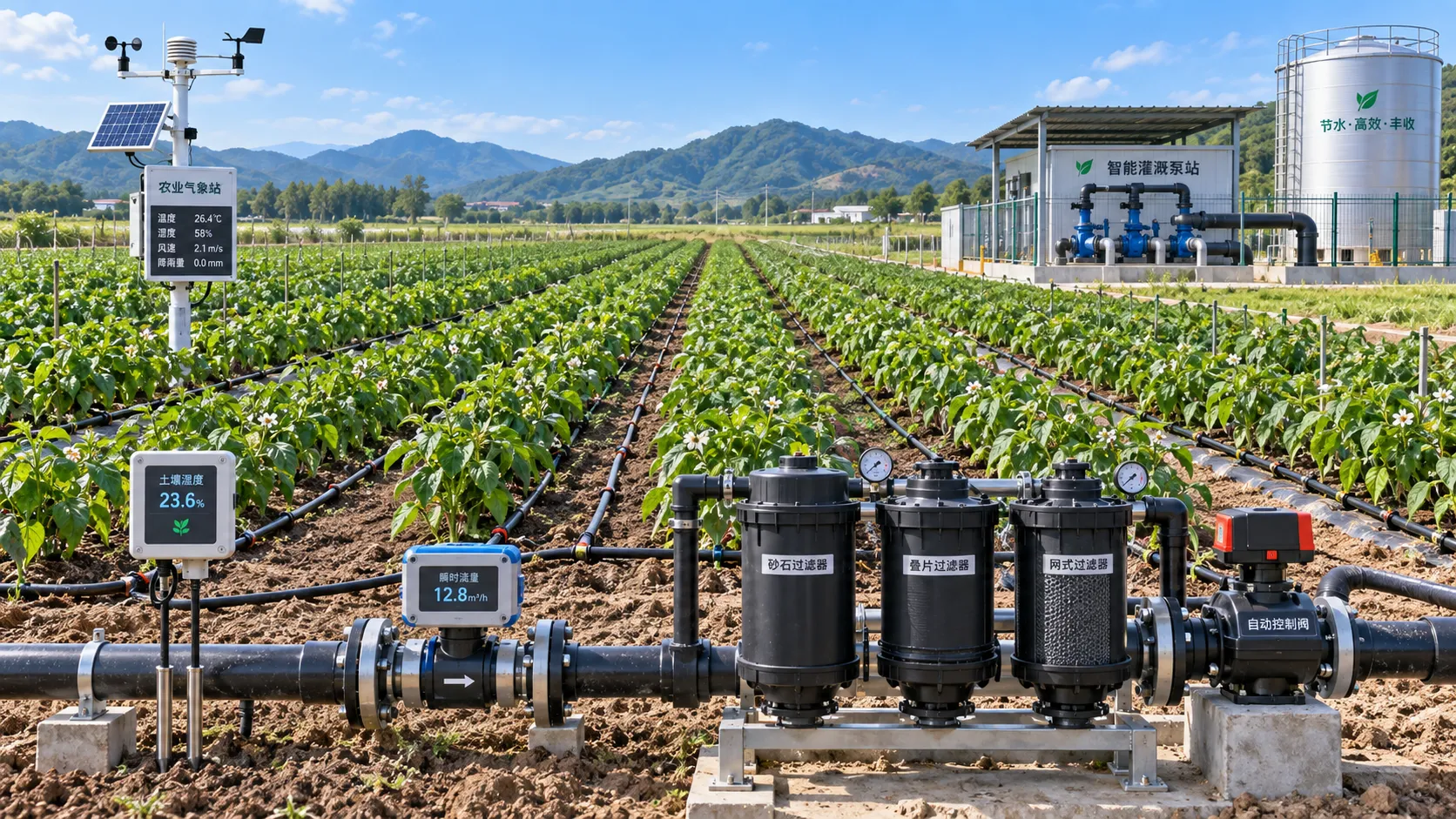
Automated Water-Saving Irrigation: How to Cut Water Use Without Reducing Crop Yields
Automated water-saving irrigation helps farms cut water use, protect crop yields, improve scheduling, and gain reliable control with sensors, flow monitoring, and smart zones.
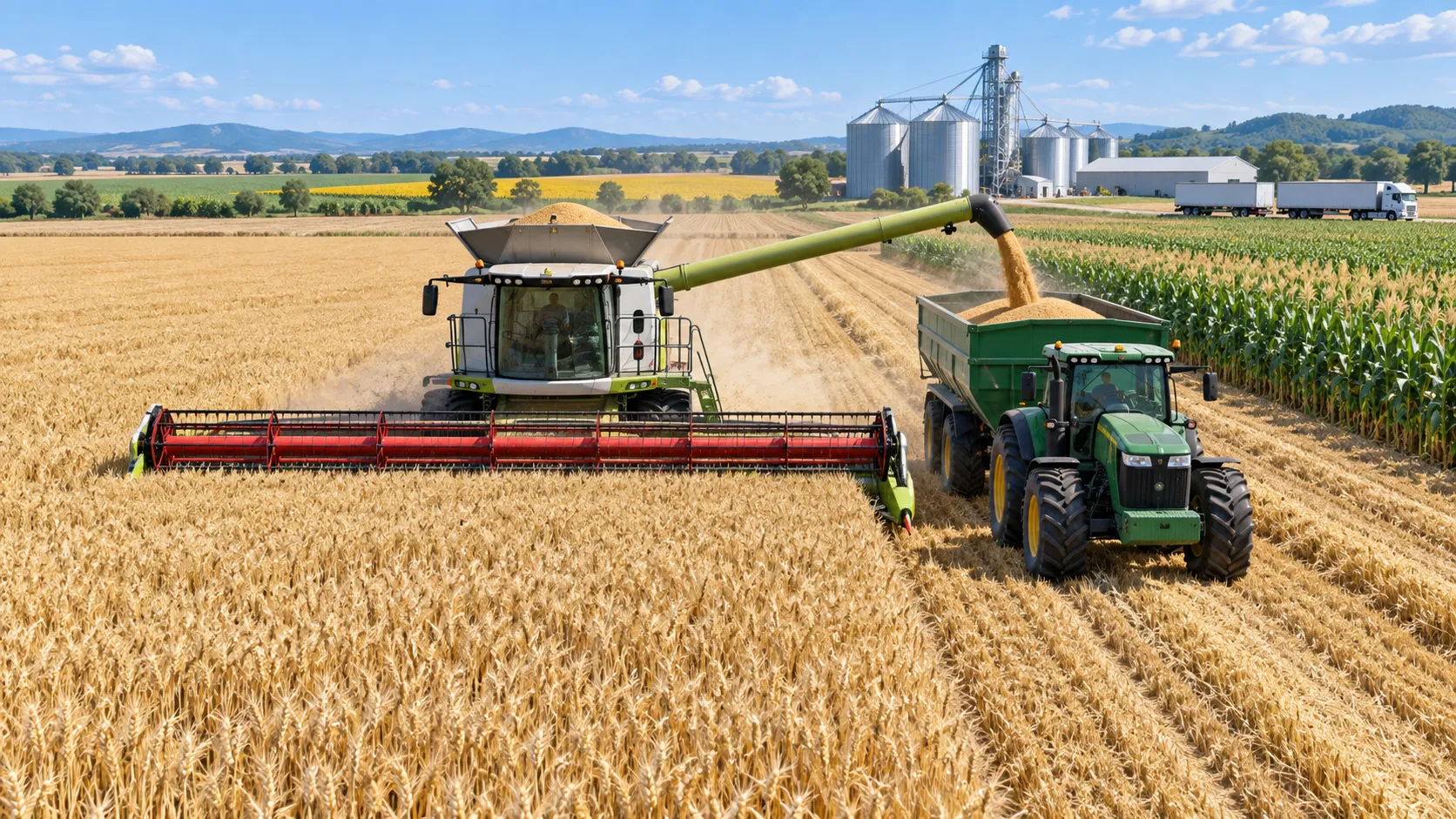
Selecting Grain Farm Equipment by Acreage, Crop Mix, and Harvest Window
Agricultural equipment selection for grain farming: match machinery to acreage, crop mix, and harvest windows to improve uptime, efficiency, and returns.
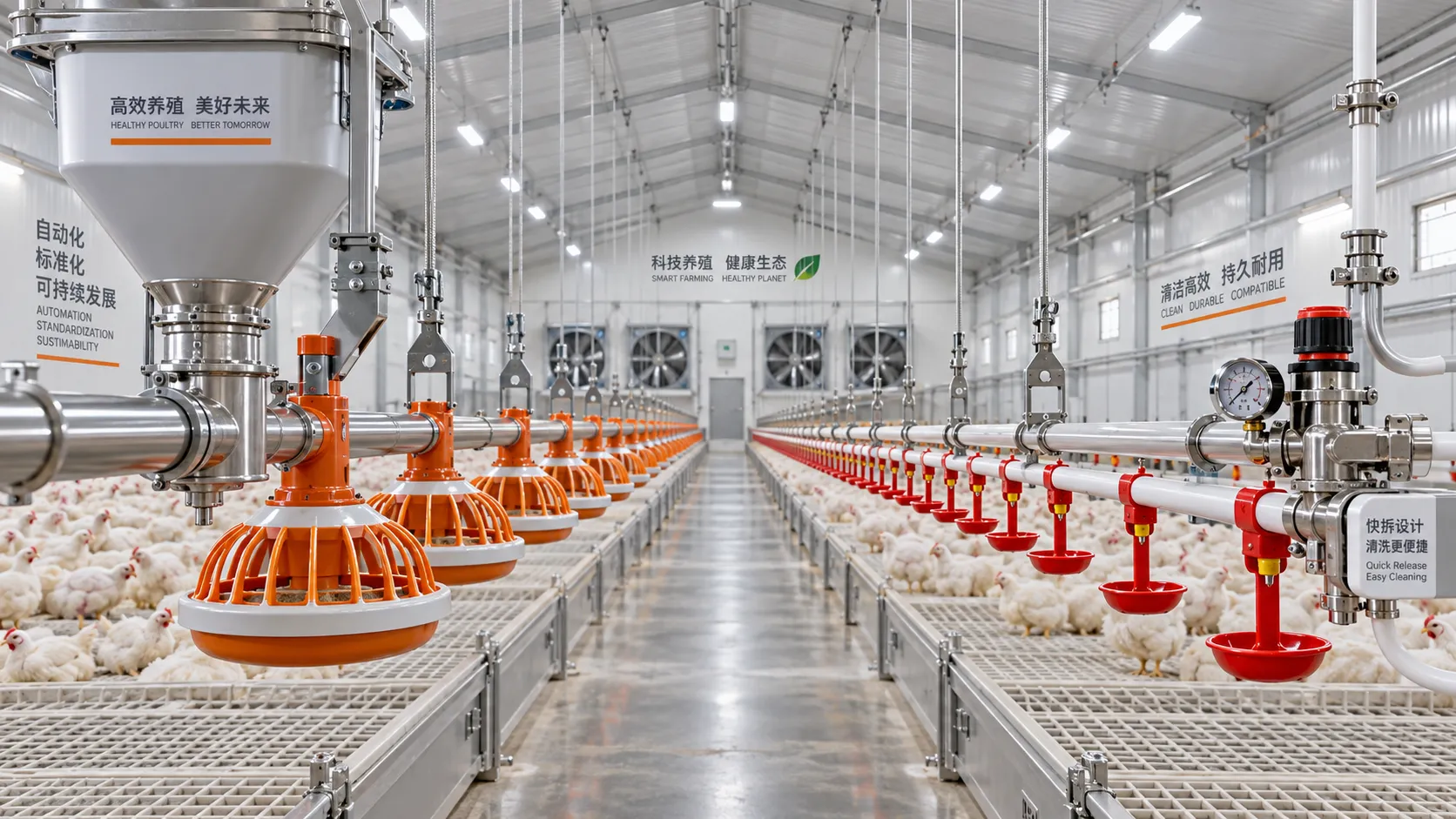
Poultry Equipment Selection: Evaluating Durability, Cleaning, and Compatibility
Poultry equipments selection guide: evaluate durability, cleaning access, and system compatibility to improve hygiene, reduce downtime, and support efficient flock management.
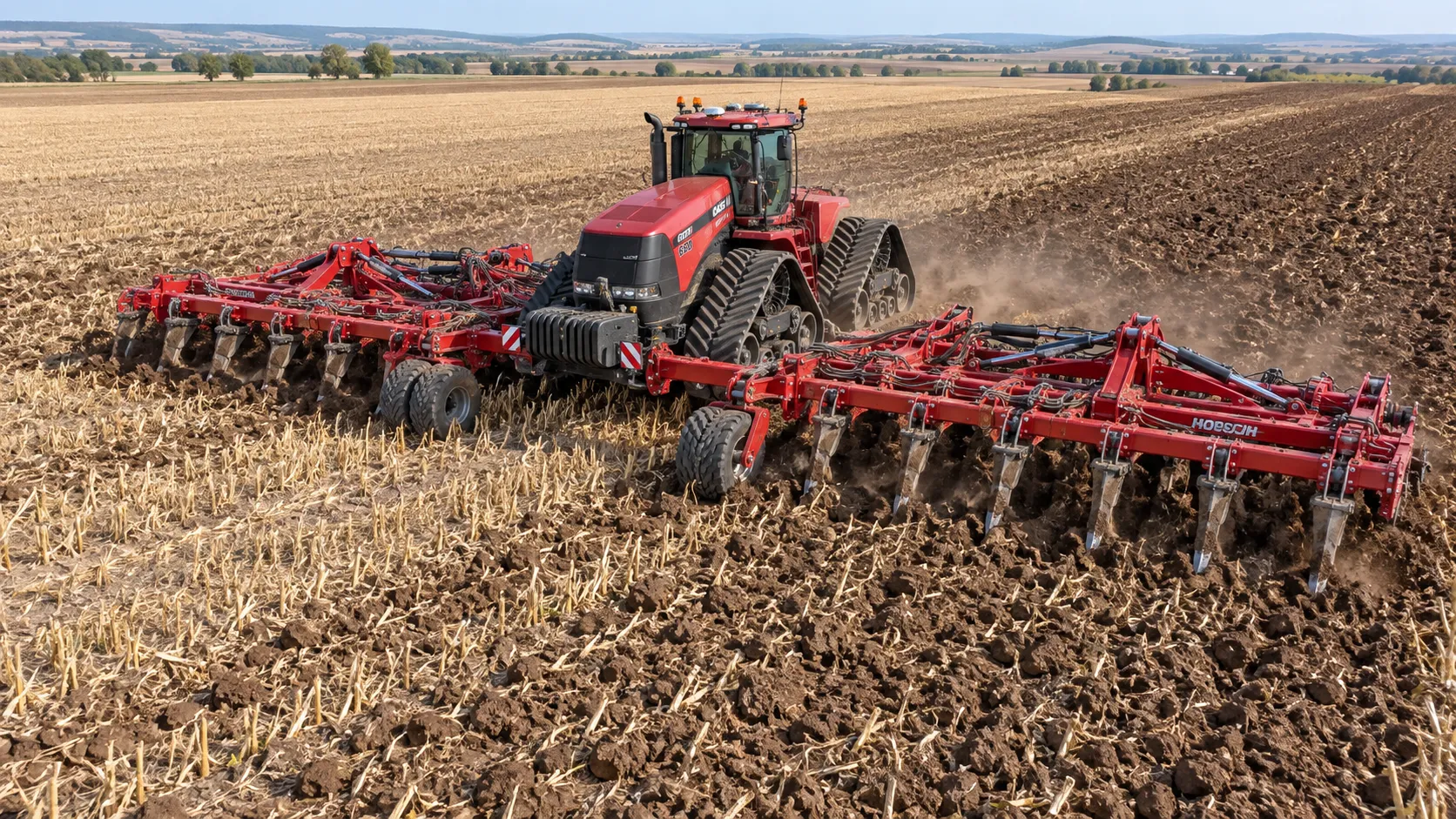
How to Select Heavy-Duty Farm Implements for High-Acreage, High-Horsepower Operations
Heavy duty farm implements: learn how to match draft, hydraulics, hitch capacity, frame strength, and field conditions for reliable high-acreage performance.
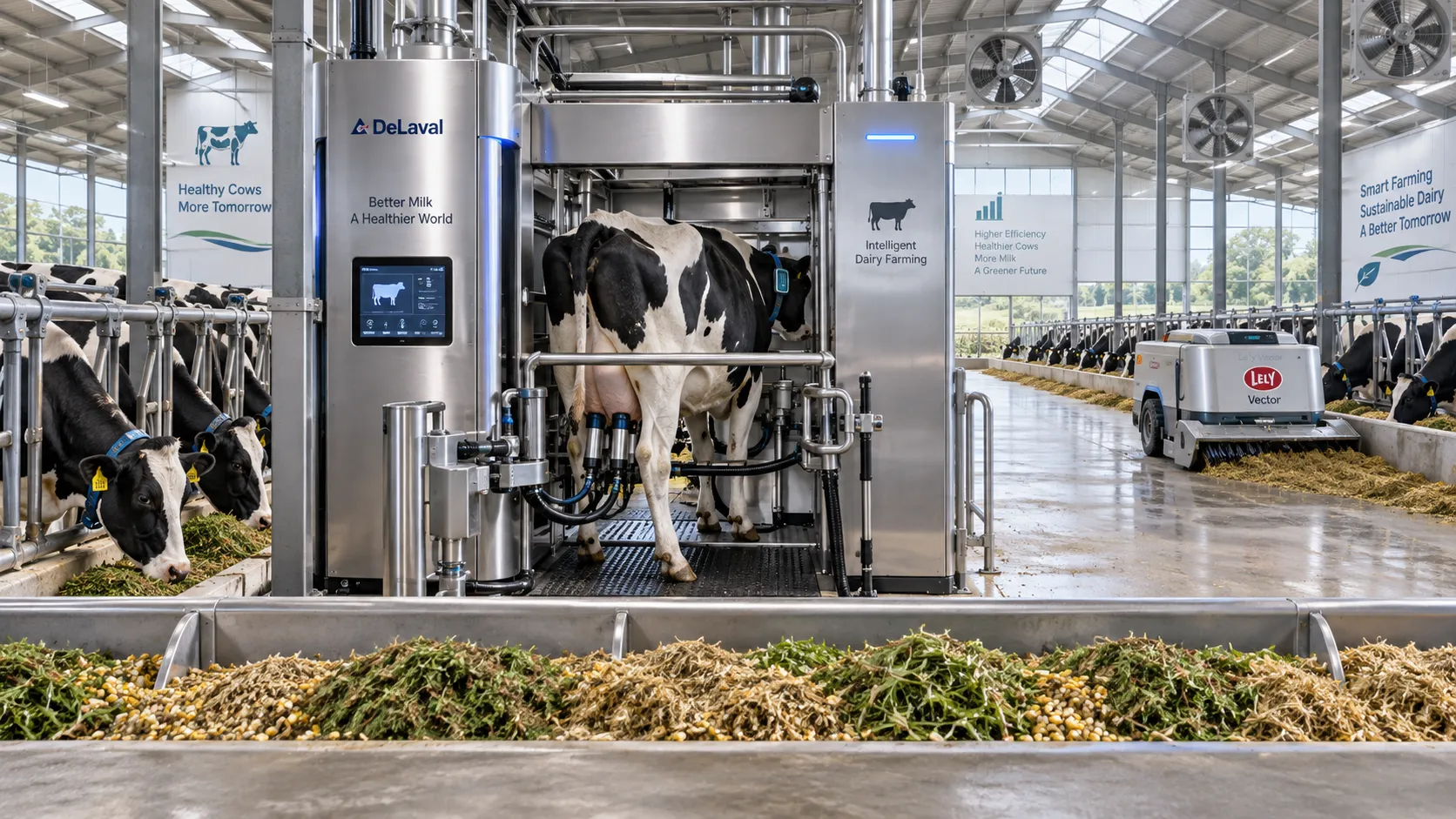
Smart Farming Technology for Dairy Farms: Where Automation Delivers Measurable ROI
Smart farming technology for dairy farms delivers measurable ROI through automation, precision feeding, health monitoring, and data-driven cost control.
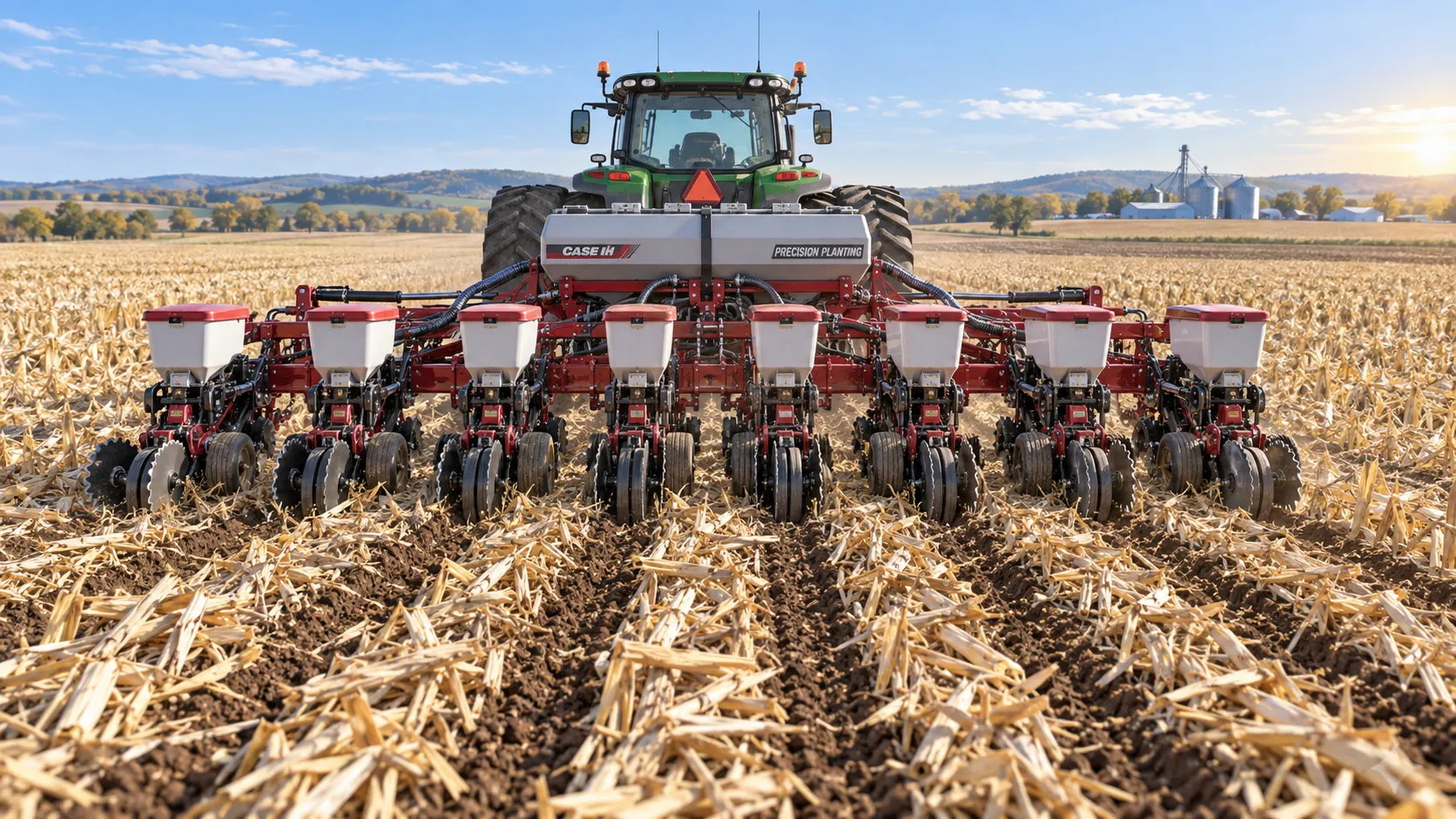
How to Select a Heavy-Duty Seeder for Large Acreage and High-Residue Fields
Heavy duty seeders for large acreage: compare residue handling, depth control, downforce, metering accuracy, and precision features to select the right model.
Related News
- 00
0000-00
When Does Agricultural Machinery Leasing Cost Less Than Owning Equipment? - 00
0000-00
Selecting Grain Farm Equipment by Acreage, Crop Mix, and Harvest Window - 00
0000-00
Poultry Equipment Selection: Evaluating Durability, Cleaning, and Compatibility - 00
0000-00
How to Select Heavy-Duty Farm Implements for High-Acreage, High-Horsepower Operations - 00
0000-00
Smart Farming Technology for Dairy Farms: Where Automation Delivers Measurable ROI
Popular Tags
Ms. Elena Rodriguez
Weekly Insights
Stay ahead with our curated technology reports delivered every Monday.