
Farm Machinery Maintenance Basics: Common Failures, Daily Checks, and Downtime Prevention




Why do basic farm machinery checks still matter so much?
Reliable farm machinery rarely depends on one major repair. More often, it depends on many small checks completed on time.
That is especially true when equipment works across long harvest windows, uneven fields, dust-heavy conditions, and tight planting schedules.
In practice, downtime usually starts as a minor warning. A loose belt, a clogged filter, or a slow hydraulic response can grow into a field-stopping failure.
For operations tied to combines, tractor chassis, irrigation assets, and smart implements, maintenance basics are also business basics.
AP-Strategy often frames this wider context well. Machinery uptime is not only a workshop issue. It connects to food security, seasonal timing, fuel efficiency, and equipment lifecycle value.
So when people search for farm machinery maintenance, they usually want a practical answer: what should be checked, what tends to fail, and how can lost field hours be avoided?
Which failures show up most often in farm machinery?
The most common failures are not always the most expensive parts. They are often the parts exposed to heat, vibration, contamination, and missed service intervals.
Across tractors, harvesters, sprayers, and irrigation support units, a few patterns appear again and again.
- Hydraulic leaks caused by worn seals, damaged hoses, or contaminated oil.
- Electrical faults linked to corroded connectors, weak batteries, poor grounding, or damaged harnesses.
- Cooling problems from blocked radiators, low coolant, fan belt wear, or debris buildup.
- Power loss caused by air restriction, dirty fuel systems, injector issues, or delayed filter replacement.
- Driveline and bearing wear due to lubrication gaps, overload, or misalignment.
Combine harvesters add another layer. Crop flow variation, dust, residue, and long operating hours make sensor errors, belt slip, cleaning loss issues, and overheating more likely.
Intelligent farm machinery can also fail in quieter ways. The machine still moves, but GPS guidance drifts, sensor feedback becomes unstable, or calibration values no longer match field conditions.
That is why maintenance today is not only mechanical. It also includes signal quality, software alerts, and response data from connected systems.
A quick field judgment table helps narrow the likely cause
Before replacing parts, it helps to match the symptom with the most probable system. This reduces guesswork and avoids unnecessary downtime.
What should a daily farm machinery inspection actually include?
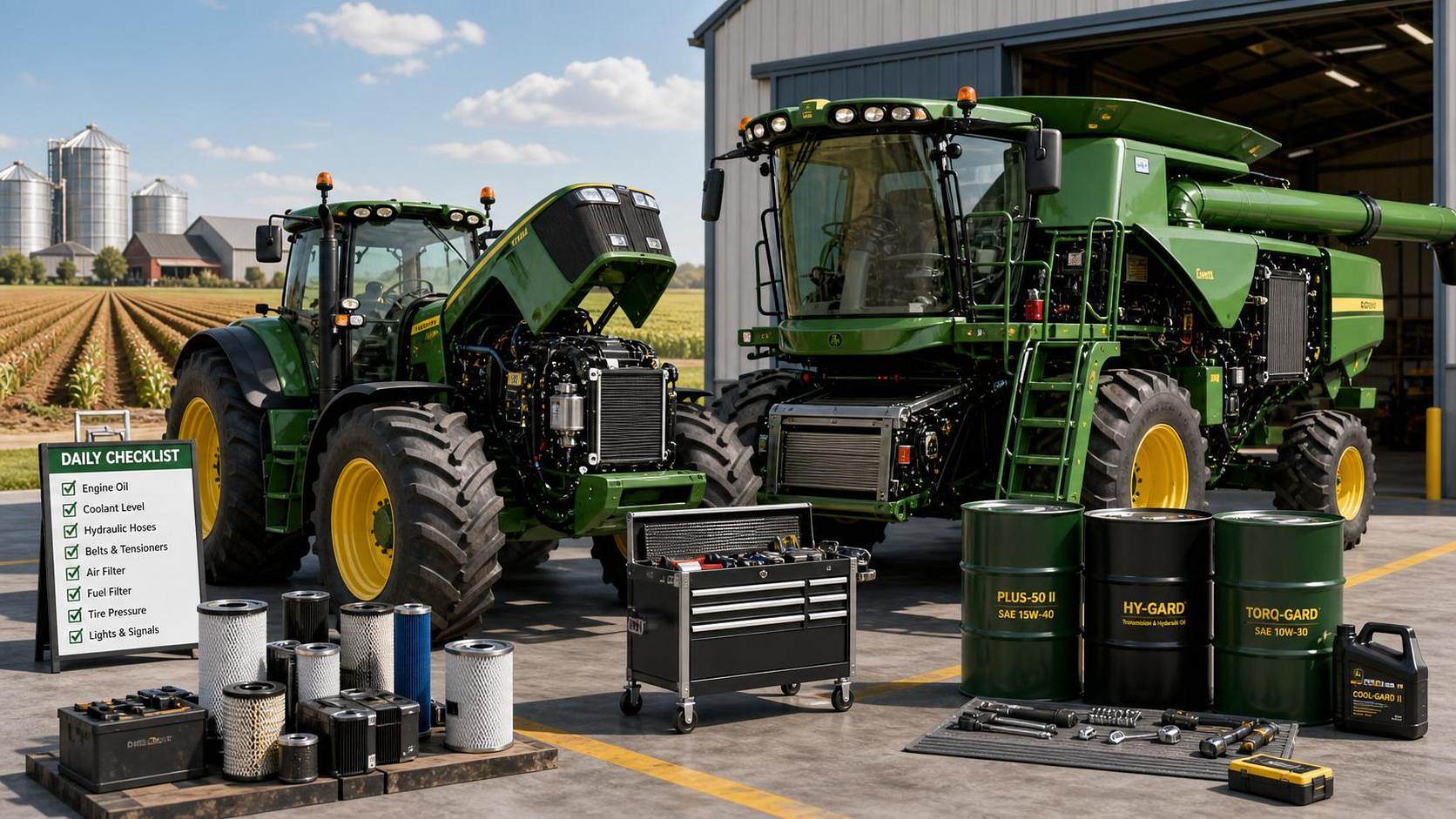
A good daily check should be short enough to complete consistently, but detailed enough to catch early warning signs.
The better approach is to follow the machine’s working logic. Start with safety, then fluids, then wear points, then controls.
- Walk around the machine and look for leaks, cracks, loose guards, missing fasteners, and tire or track damage.
- Check engine oil, coolant, fuel quality, hydraulic fluid, and visible contamination around caps or reservoirs.
- Inspect belts, chains, bearings, lubrication points, and intake screens.
- Clear dust and crop residue from radiators, cooling packs, and hot zones.
- Test lights, display alarms, steering response, brake feel, and attachment engagement.
For connected farm machinery, daily inspection should also include error logs, calibration drift, and communication faults between sensors and control modules.
This matters more in precision applications. A seeding unit or irrigation controller may keep operating while already delivering poor accuracy.
A useful habit is to record repeat findings, not just urgent defects. If one hose clamp needs tightening every week, the root cause is probably vibration or incorrect routing.
How often should deeper checks happen?
Daily checks prevent surprises, but weekly and seasonal checks prevent repeat failures.
A practical rhythm usually looks like this:
- Daily: fluids, leaks, safety items, visible wear, alarms.
- Weekly: belt tension, battery condition, grease points, filter loading, tire pressure, fastener torque.
- Seasonal: oil analysis, hydraulic testing, software updates, sensor calibration, chassis inspection, and cooling system flushing.
When is a quick repair enough, and when is downtime prevention the better strategy?
A quick repair helps when the fault is isolated, easy to confirm, and unlikely to affect nearby systems.
Replacing a damaged hose, a failed relay, or a broken sensor bracket may restore normal operation without wider consequences.
More common, though, is the situation where the visible failure is only the last symptom.
For example, repeated bearing failure may actually point to contamination, shaft misalignment, overload, or incorrect lubrication intervals.
This is where downtime prevention becomes the better strategy. Instead of closing one failure ticket, the goal is to break the failure pattern.
AP-Strategy’s intelligence-led view is relevant here. In large-scale farm machinery, maintenance decisions increasingly depend on system behavior, not single parts alone.
That means looking at work hours, crop conditions, heat load, operator feedback, and recurring service data together.
A preventive mindset usually lowers total service cost even if the first intervention takes longer.
Useful signs that a root-cause review is needed
- The same component fails more than once in one season.
- Repair time is short, but the machine returns with a related complaint.
- Fuel use, heat, vibration, or loss rates changed before the failure appeared.
- The machine works in varying field conditions, but settings were never recalibrated.
What maintenance mistakes create avoidable farm machinery downtime?
Most avoidable downtime does not come from one dramatic mistake. It comes from routine shortcuts that seem harmless at the time.
One frequent issue is treating all farm machinery service intervals as fixed, regardless of dust load, crop moisture, field slope, or attachment stress.
Another is replacing parts without checking contamination sources. New components fail quickly when dirty oil, poor wiring, or blocked airflow remains in place.
There is also a growing digital blind spot. Mechanical inspection may be done well, while firmware alerts, sensor drift, and controller logs are ignored.
That gap matters in Agriculture 4.0 systems, where farm machinery performance depends on both hardware and decision logic.
Needless parts stock can create a different problem. Keeping too many low-priority items while missing critical wear parts increases downtime instead of reducing it.
A better way to prioritize maintenance actions
If time is limited, focus on components that can stop operation, damage major systems, or distort precision output.
How can maintenance records reduce future downtime instead of just filling paperwork?
Records only help when they support decisions. A long service history with no failure pattern analysis adds very little operational value.
The more useful method is to capture a few repeatable fields across all farm machinery jobs.
- Machine hours and task type at failure.
- Weather, dust, crop, or irrigation conditions.
- Symptom before failure, not just failed part number.
- Repair completed, root cause suspected, and follow-up action due.
- Whether software settings or sensor calibration changed afterward.
Once this data is consistent, repeat downtime becomes easier to predict. That is especially important for seasonal equipment where one missed day can affect yield timing.
This intelligence-based approach fits the wider AP-Strategy perspective. Modern equipment support works best when workshop findings, field behavior, and system data are stitched together.
In other words, better records should lead to better maintenance intervals, smarter stocking decisions, and faster diagnostics next time.
So what is the most practical next step for improving farm machinery reliability?
Start with a maintenance routine that is simple enough to repeat and detailed enough to reveal patterns.
Daily inspections, symptom-based diagnosis, and stronger records usually deliver more uptime than chasing emergency repairs alone.
It also helps to separate one-time failures from repeat faults. That distinction often shows where farm machinery service should move from repair work to prevention planning.
For complex fleets that include harvest systems, tractor chassis, smart tools, and irrigation-linked assets, maintenance should be reviewed as a connected system.
A practical next step is to standardize one daily checklist, one fault judgment table, and one seasonal review format across key machines.
From there, compare recurring failures, adjust service intervals by operating condition, and watch the signals that most often precede downtime.
That is where farm machinery maintenance becomes more than routine care. It becomes a reliable tool for protecting productivity, machine life, and field timing.
Related News
When Does Agricultural Machinery Leasing Cost Less Than Owning Equipment?
Agricultural machinery leasing can lower farm costs when use is seasonal or uncertain. Compare utilization, maintenance, cash flow, and risk to make a smarter equipment decision.
How to Evaluate Precision Fertilization System Suppliers for Farm-Scale Deployment
Precision fertilization systems suppliers: learn how to compare accuracy, integration, uptime, service, and total cost for confident farm-scale deployment.
ISOBUS for Smart Agriculture: How It Connects Tractors, Implements, and Farm Data
ISOBUS for smart agriculture connects tractors, implements, terminals, and farm data—helping growers improve precision, documentation, and smarter field decisions.
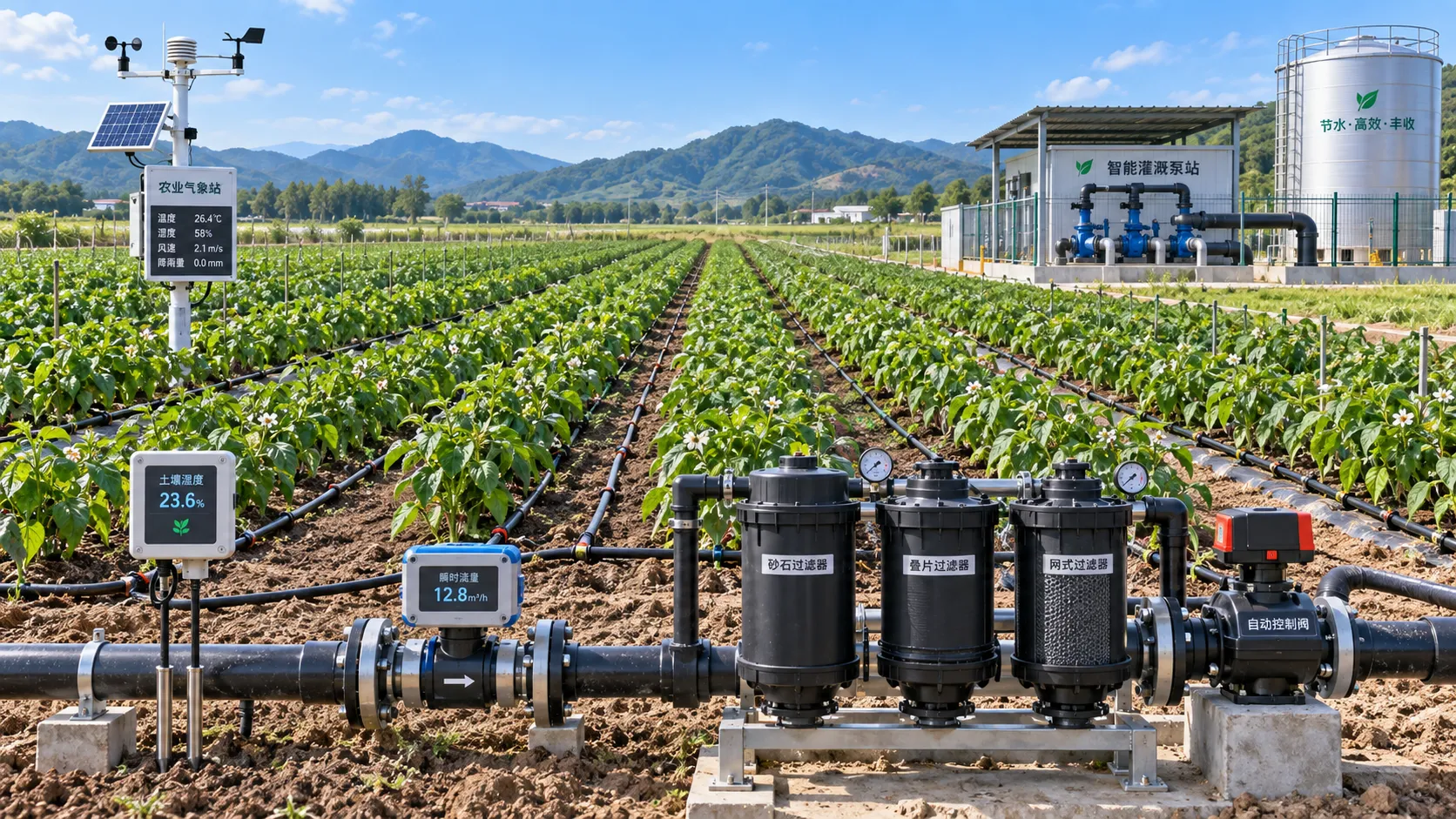
Automated Water-Saving Irrigation: How to Cut Water Use Without Reducing Crop Yields
Automated water-saving irrigation helps farms cut water use, protect crop yields, improve scheduling, and gain reliable control with sensors, flow monitoring, and smart zones.
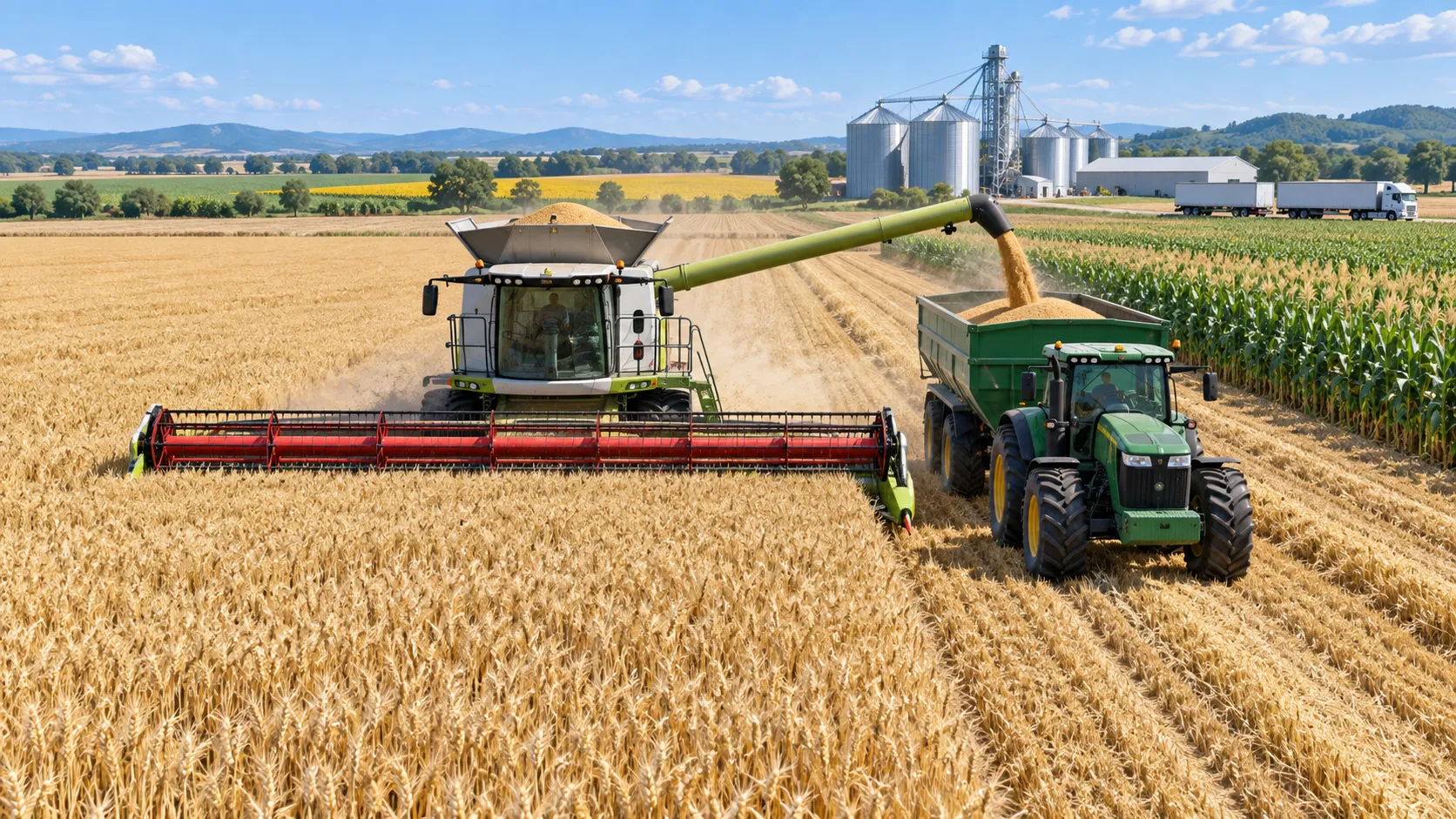
Selecting Grain Farm Equipment by Acreage, Crop Mix, and Harvest Window
Agricultural equipment selection for grain farming: match machinery to acreage, crop mix, and harvest windows to improve uptime, efficiency, and returns.
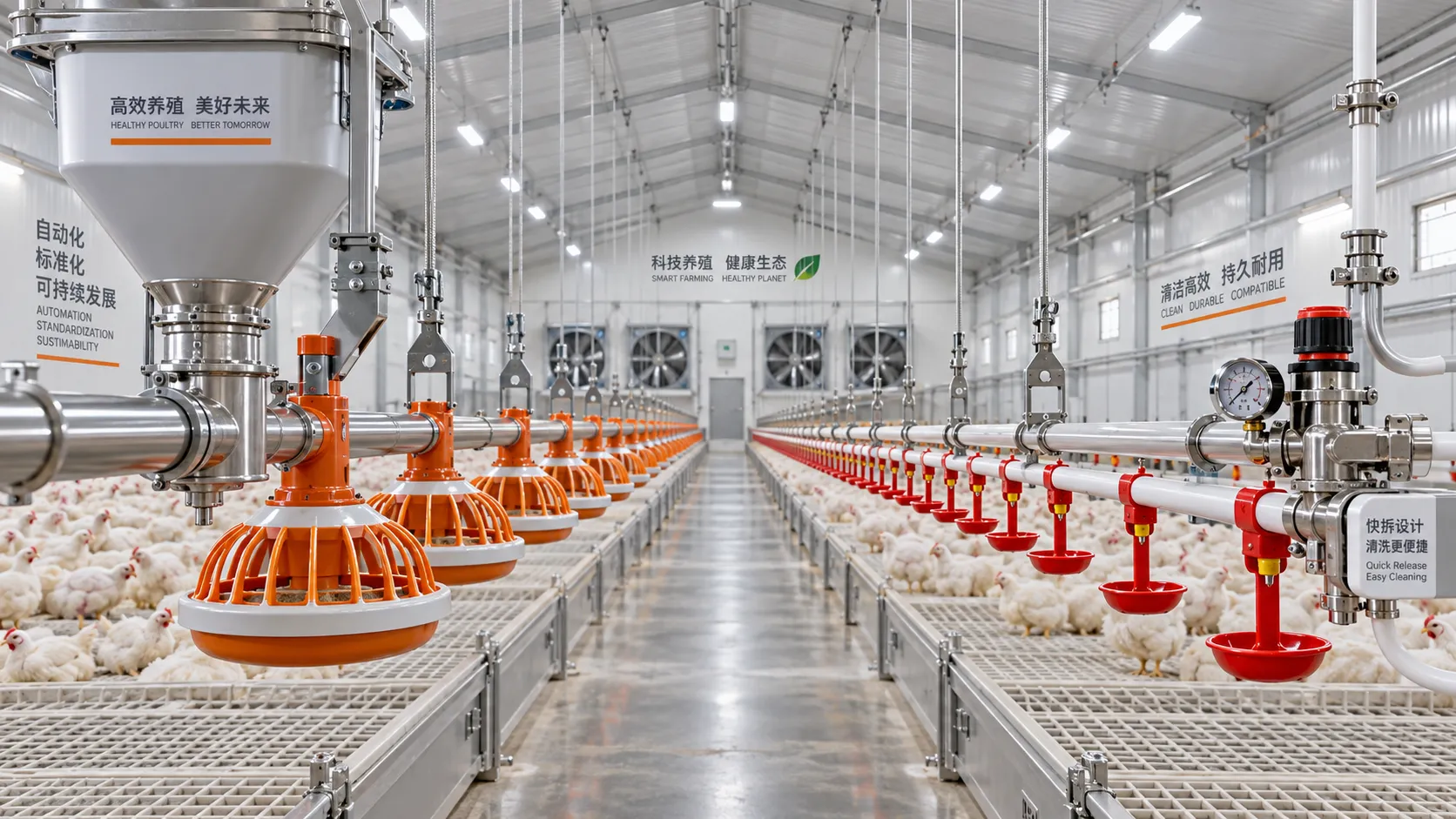
Poultry Equipment Selection: Evaluating Durability, Cleaning, and Compatibility
Poultry equipments selection guide: evaluate durability, cleaning access, and system compatibility to improve hygiene, reduce downtime, and support efficient flock management.
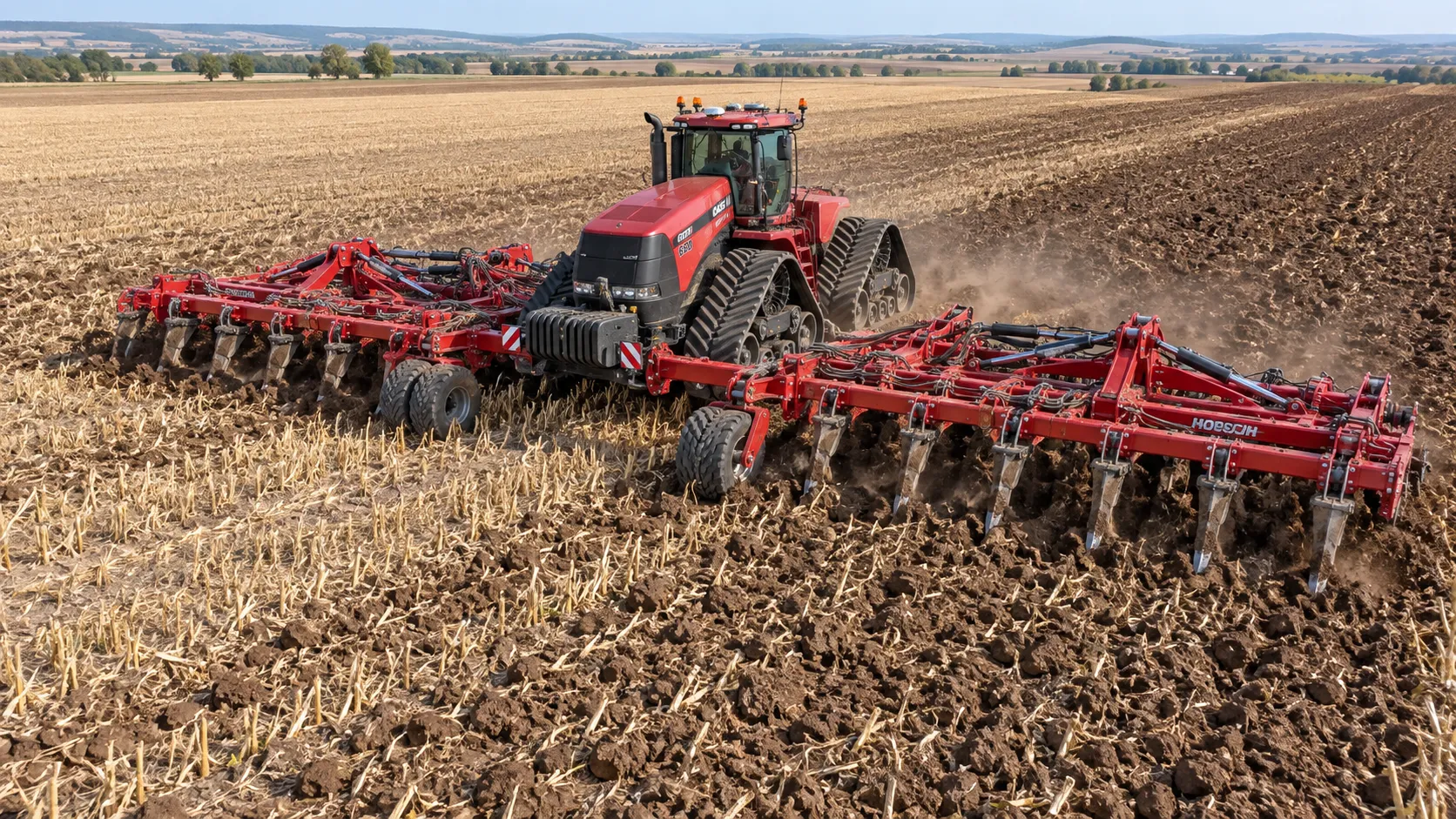
How to Select Heavy-Duty Farm Implements for High-Acreage, High-Horsepower Operations
Heavy duty farm implements: learn how to match draft, hydraulics, hitch capacity, frame strength, and field conditions for reliable high-acreage performance.
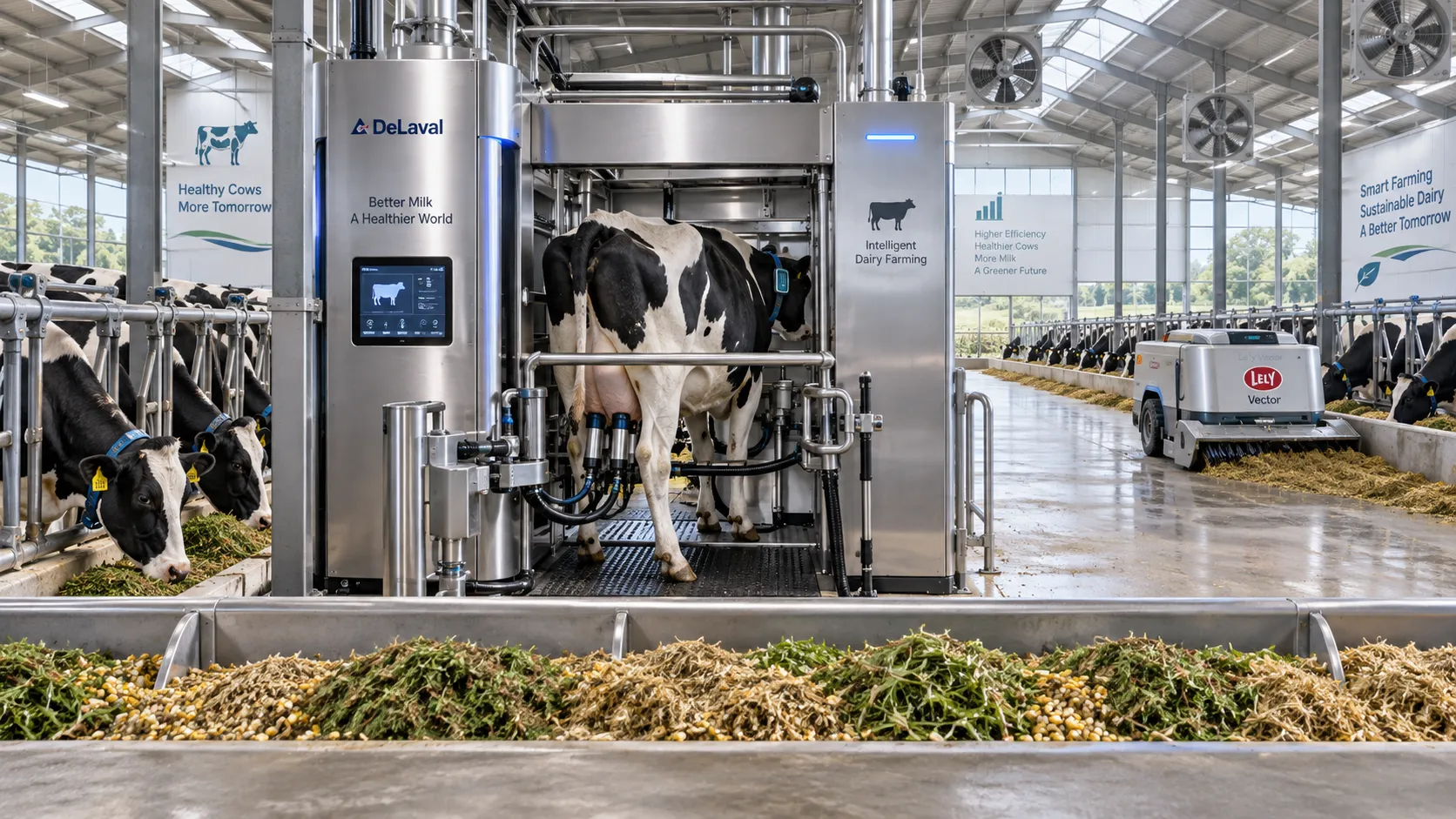
Smart Farming Technology for Dairy Farms: Where Automation Delivers Measurable ROI
Smart farming technology for dairy farms delivers measurable ROI through automation, precision feeding, health monitoring, and data-driven cost control.
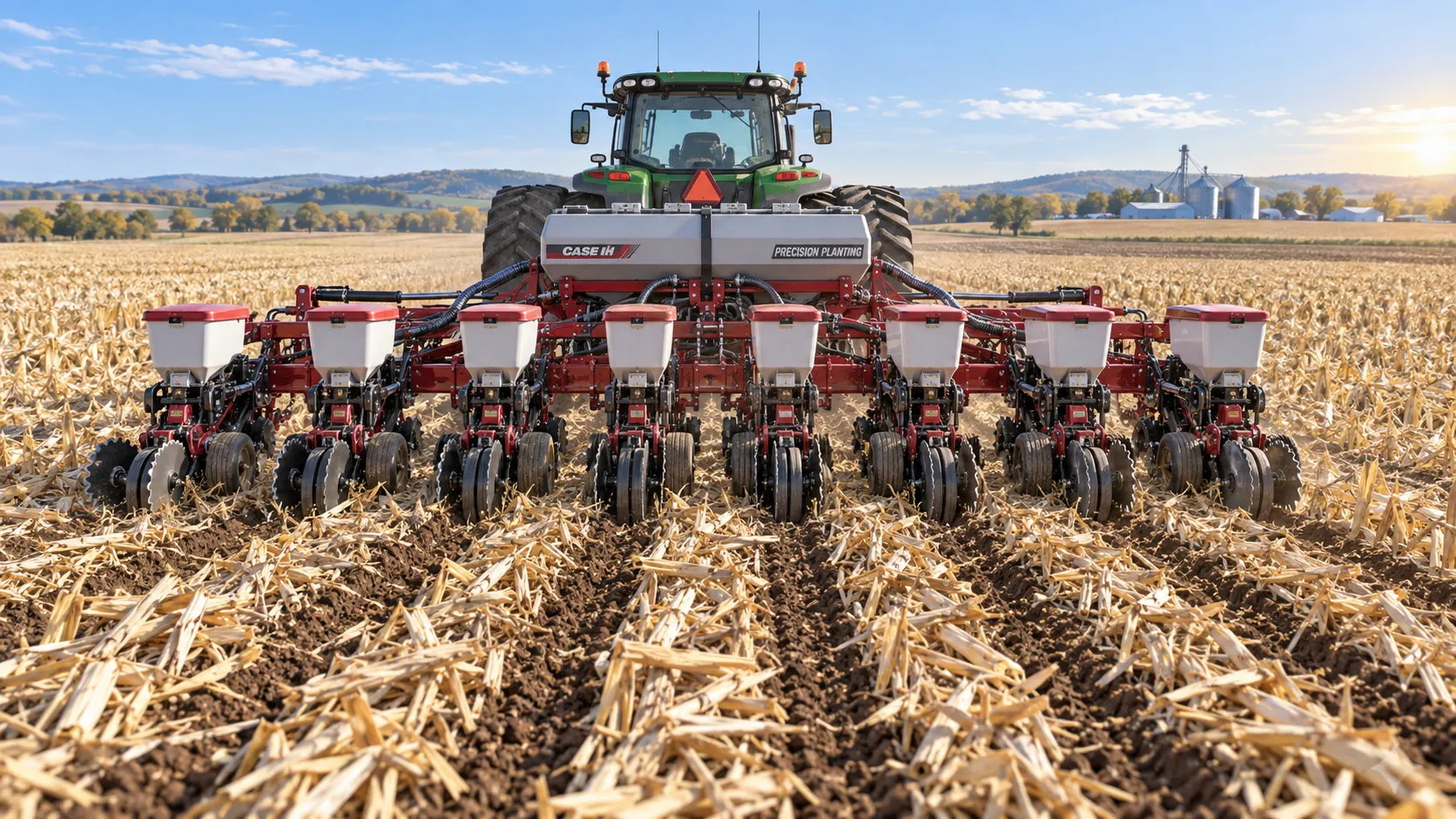
How to Select a Heavy-Duty Seeder for Large Acreage and High-Residue Fields
Heavy duty seeders for large acreage: compare residue handling, depth control, downforce, metering accuracy, and precision features to select the right model.
Related News
- 00
0000-00
When Does Agricultural Machinery Leasing Cost Less Than Owning Equipment? - 00
0000-00
Selecting Grain Farm Equipment by Acreage, Crop Mix, and Harvest Window - 00
0000-00
Poultry Equipment Selection: Evaluating Durability, Cleaning, and Compatibility - 00
0000-00
How to Select Heavy-Duty Farm Implements for High-Acreage, High-Horsepower Operations - 00
0000-00
Smart Farming Technology for Dairy Farms: Where Automation Delivers Measurable ROI
Popular Tags
Ms. Elena Rodriguez
Weekly Insights
Stay ahead with our curated technology reports delivered every Monday.