
Farm Equipment Application Guide for Small Fields: Matching Machines to Crops and Terrain
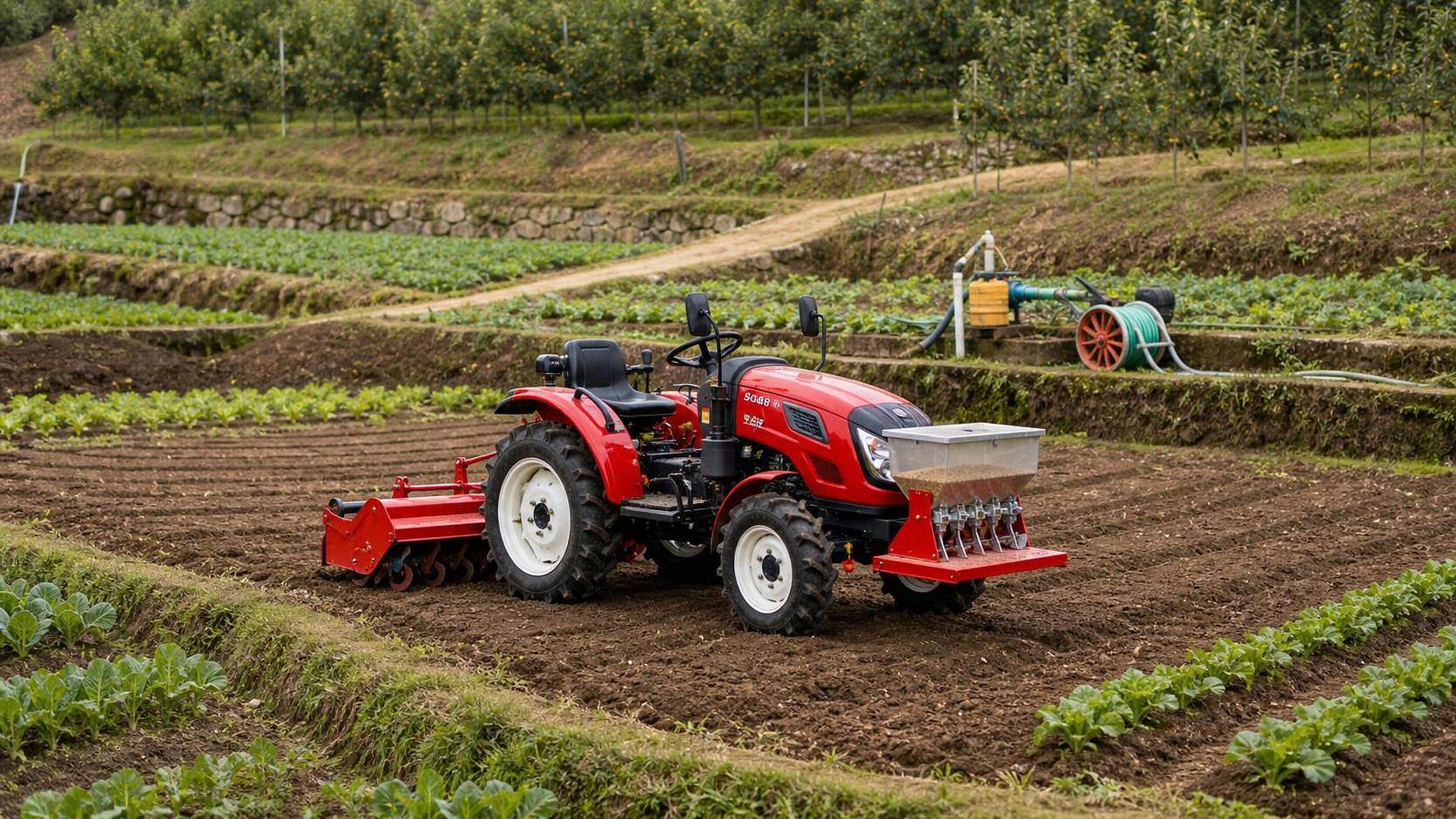




Farm Equipment Application Guide for Small Fields: Matching Machines to Crops and Terrain
This farm equipment application guide helps small-field operators choose machines with fewer costly mistakes.
The core issue is rarely horsepower alone.
It is the fit between crop, terrain, field shape, labor, and timing.
In practical operations, small plots create unique pressure.
Headlands are tight, transport paths are narrow, and machine turns waste valuable minutes.
That is why a strong farm equipment application guide should begin with field reality, not brochure specifications.
AP-Strategy tracks this shift closely.
Across Agriculture 4.0, machine selection now depends on operational matching, data visibility, and resource efficiency.
For small fields, the best solution is usually compact, precise, and adaptable.
Start with the Three Matching Variables
Any reliable farm equipment application guide should first evaluate three variables.
1. Crop characteristics
Different crops demand different traction, row spacing, clearance, and harvesting methods.
Vegetables need precision and gentle handling.
Cereals need stable field capacity and low-loss harvest performance.
Orchards require narrow machines, tight turning, and careful under-canopy movement.
2. Plot size and layout
Two fields with equal acreage may need different machine setups.
Why?
Because irregular boundaries, terraces, trees, and narrow entries reduce effective machine performance.
A machine that works on open land may become inefficient on fragmented parcels.
3. Terrain and soil condition
Slope, wetness, compaction risk, and traction conditions strongly affect machine choice.
Steep or soft ground often favors lighter equipment, wider tires, or tracked options.
This also means lower ground pressure and better protection of root zones.
Choose Power Units for Real Field Conditions
A practical farm equipment application guide never starts with the biggest tractor available.
For small fields, compact and utility tractors usually deliver better overall value.
- Use compact tractors for vegetables, orchards, greenhouses, and narrow access routes.
- Use utility tractors for mixed farming, light tillage, mowing, spraying, and transport.
- Use higher-power tractors only when implements, soil depth, or hauling loads truly require them.
Horsepower must match implement demand, not image.
Oversized tractors increase fuel use, soil compaction, and turning losses.
Undersized tractors create delays, unstable PTO performance, and premature wear.
From a project planning angle, four checks matter most:
- Turning radius in narrow headlands.
- Hydraulic flow for attached implements.
- PTO compatibility with mowers, pumps, or spreaders.
- Transport width for roads, gates, and storage sheds.
This farm equipment application guide recommends building a machine list around those constraints first.
Match Implements to Crop Tasks, Not Just Seasons
Implements shape productivity more than many buyers expect.
The tractor is the power platform.
The implement determines work quality.
Soil preparation
For small fields, rotavators, disc harrows, and compact cultivators often outperform larger tillage systems.
They are easier to maneuver and simpler to maintain.
On erosion-prone slopes, reduced tillage may also protect soil structure.
Planting and seeding
Seed drills, precision planters, and transplanters should match row spacing and seed variability.
For high-value crops, uniform placement often matters more than top operating speed.
Crop care
Sprayers and spreaders need accurate rate control.
In small plots, over-application wastes inputs quickly.
Section control and simple GPS guidance can reduce overlap and improve traceability.
Material handling
Front loaders, mini telehandlers, and compact trailers are often overlooked.
Yet they save labor during input movement, harvest collection, and yard logistics.
Harvesting Options for Small and Complex Plots
Harvest timing is where equipment mismatch becomes most expensive.
A good farm equipment application guide should treat harvesting as a separate decision stage.
Small fields usually benefit from one of three strategies.
- Compact combine harvesters for cereals in fragmented plots.
- Specialized harvesters for potatoes, vegetables, or orchard crops.
- Custom harvesting services when annual machine use is too low.
The right choice depends on crop value, harvest window, and local labor availability.
If weather risk is high, owning compact harvesting capacity may protect yield better than outsourcing.
If crop rotation changes every season, flexible service contracts may be safer.
AP-Strategy repeatedly sees this pattern in equipment investment decisions across emerging agricultural regions.
Terrain-Based Equipment Selection Rules
Terrain is often underestimated during procurement.
But in a farm equipment application guide, terrain should influence every major choice.
This table may look simple, yet it prevents many expensive errors.
For example, a wider implement may appear efficient on paper.
On broken terrain, it can increase missed areas, overlap, and operator fatigue.
Add Irrigation and Smart Tools into the Same Plan
A modern farm equipment application guide should not stop at tractors and harvesters.
Water systems and digital tools now affect field performance just as directly.
For small fields, smart irrigation can be highly practical.
- Drip systems fit vegetables, orchards, and uneven water demand zones.
- Portable sprinklers fit flexible crop rotation and moderate investment plans.
- Sensor-based scheduling helps avoid overwatering and cuts pumping costs.
Simple digital tools also make a difference.
Basic GPS guidance, field mapping, fuel tracking, and maintenance alerts improve control without overcomplicating operations.
That approach aligns with AP-Strategy’s view of intelligent farm tools as decision support, not technology for its own sake.
Control Cost, Risk, and Utilization
The best farm equipment application guide balances technical fit with financial discipline.
That usually means looking beyond purchase price.
Focus on total operating value.
- Estimate annual machine hours by task.
- Compare fuel, maintenance, and labor savings.
- Check spare parts access and service response time.
- Review resale value and seasonal utilization rates.
- Separate must-have functions from nice-to-have features.
This step is especially important in mixed-crop or phased expansion projects.
Machine underuse is a hidden cost.
So is buying advanced capability that local teams cannot maintain consistently.
A Practical Selection Workflow
To make this farm equipment application guide actionable, use a simple workflow.
- Map each field by crop, access width, slope, and soil condition.
- List required tasks from land preparation to harvest and irrigation.
- Define the narrowest operational constraint for each plot.
- Select the base tractor or power unit around that constraint.
- Add implements that cover the highest-frequency tasks first.
- Decide which harvest or specialty tasks should be outsourced.
- Validate operator skill, service access, and spare parts availability.
This process reduces mismatch risk early.
It also creates a more defendable equipment investment plan.
From recent market changes, the clearer signal is flexibility.
Operators want machines that work across crops, seasons, and uncertain weather windows.
That is exactly where a disciplined farm equipment application guide creates long-term value.
Related News
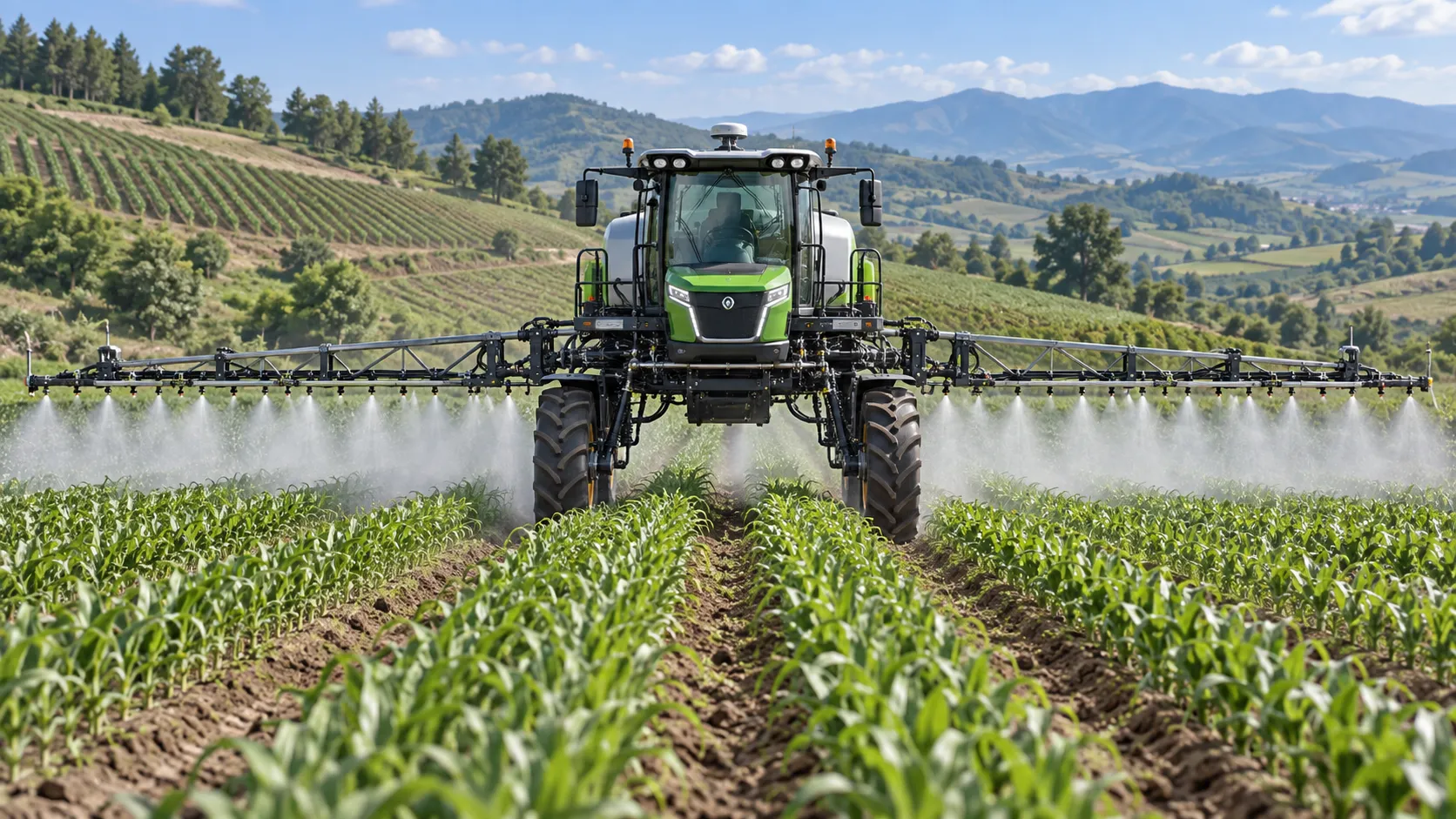
How to Select Precision Crop Protection Equipment for Variable Field Conditions
Precision crop protection equipment selection made simple: compare terrain, canopy, weather, control accuracy, and data workflows for reliable applications.
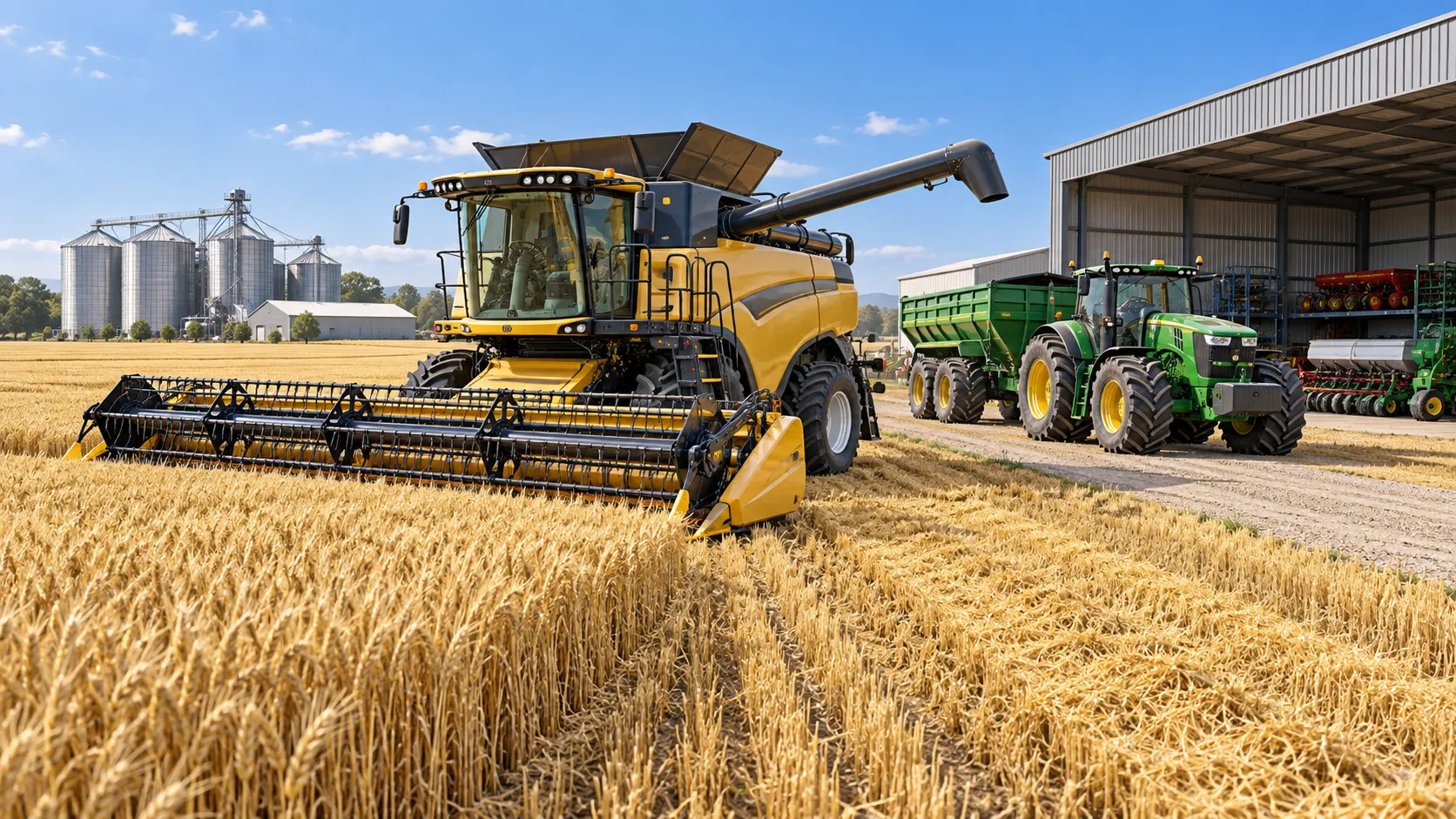
When Does Agricultural Machinery Leasing Cost Less Than Owning Equipment?
Agricultural machinery leasing can lower farm costs when use is seasonal or uncertain. Compare utilization, maintenance, cash flow, and risk to make a smarter equipment decision.
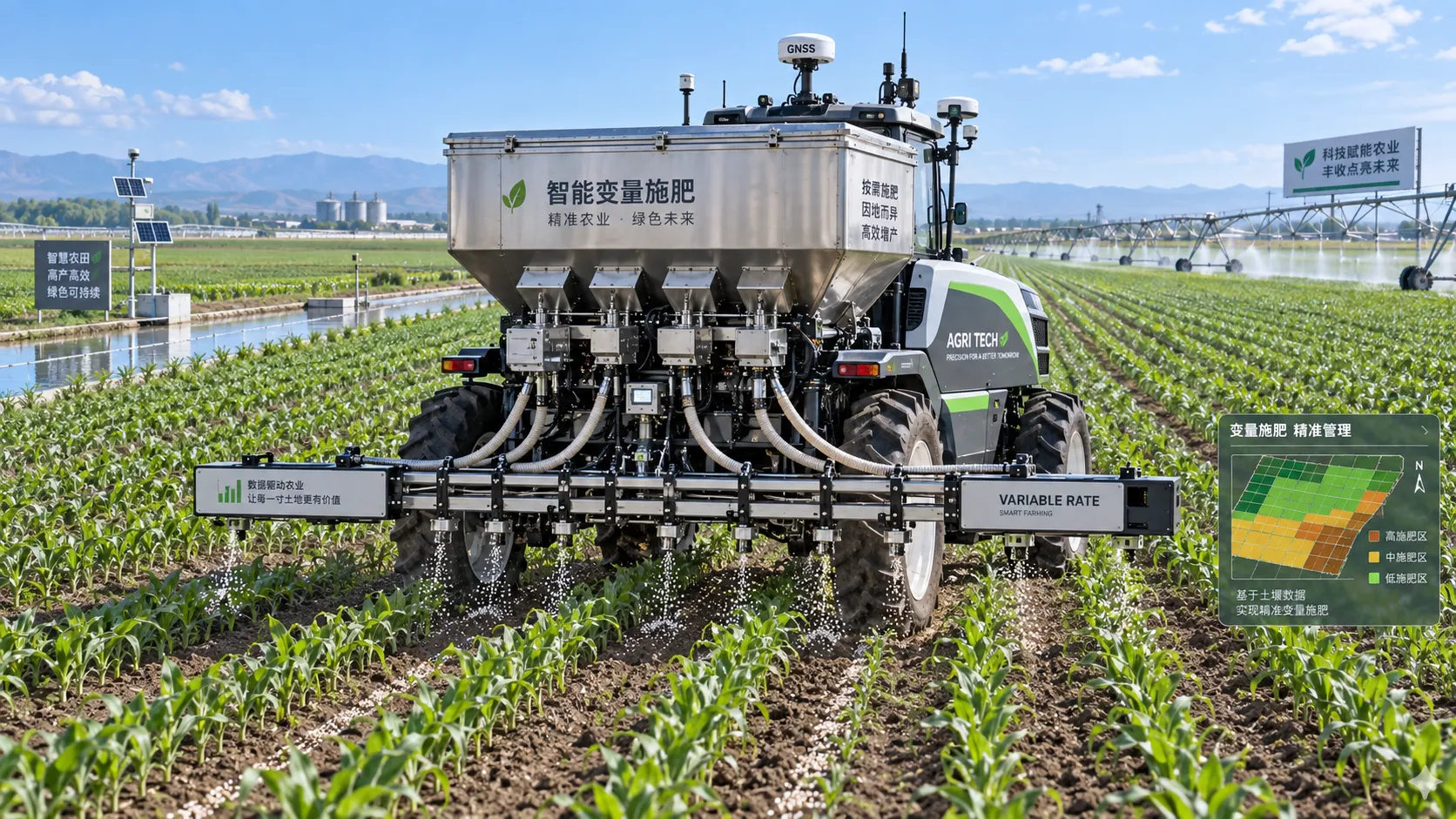
How to Evaluate Precision Fertilization System Suppliers for Farm-Scale Deployment
Precision fertilization systems suppliers: learn how to compare accuracy, integration, uptime, service, and total cost for confident farm-scale deployment.
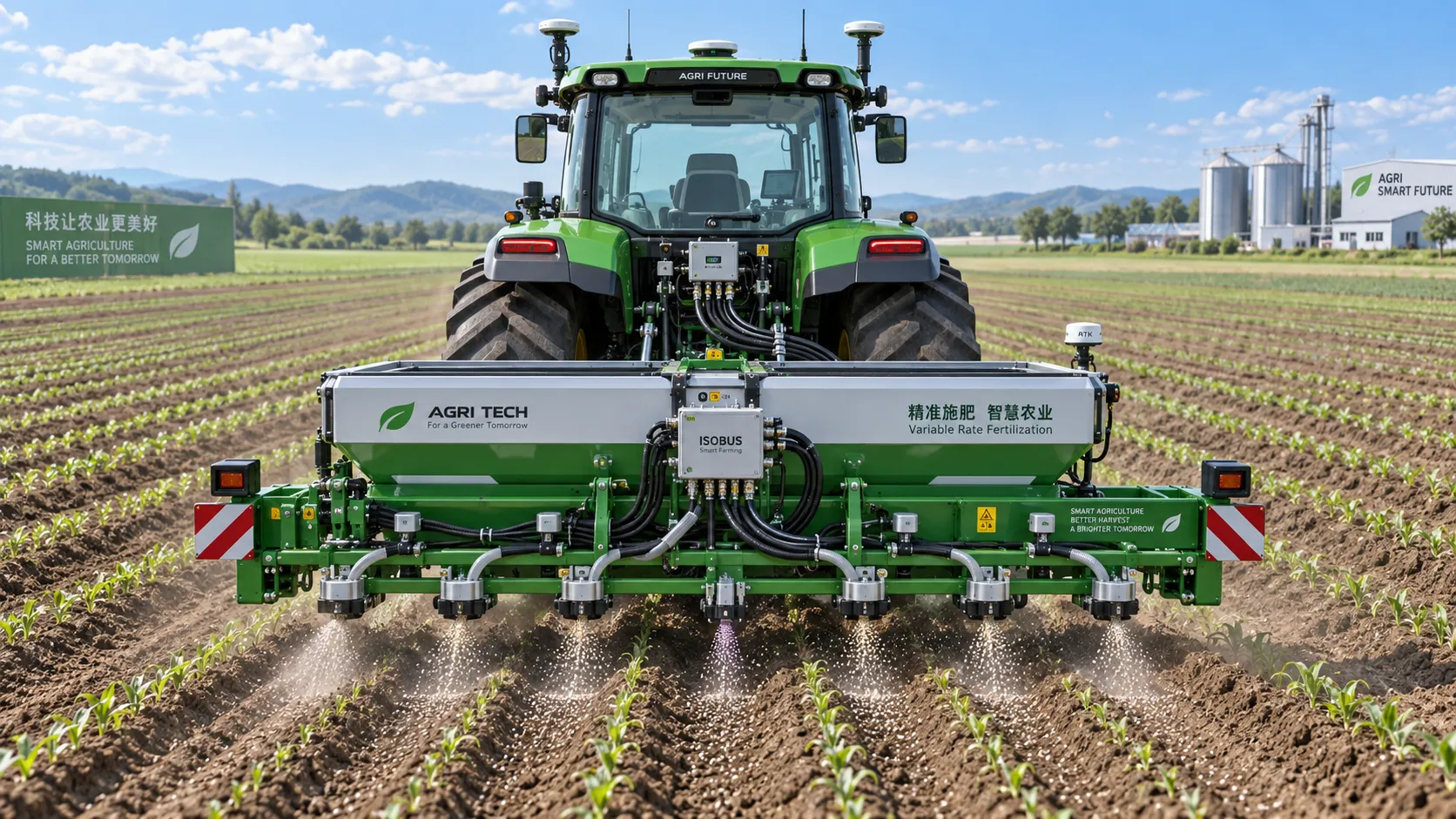
ISOBUS for Smart Agriculture: How It Connects Tractors, Implements, and Farm Data
ISOBUS for smart agriculture connects tractors, implements, terminals, and farm data—helping growers improve precision, documentation, and smarter field decisions.
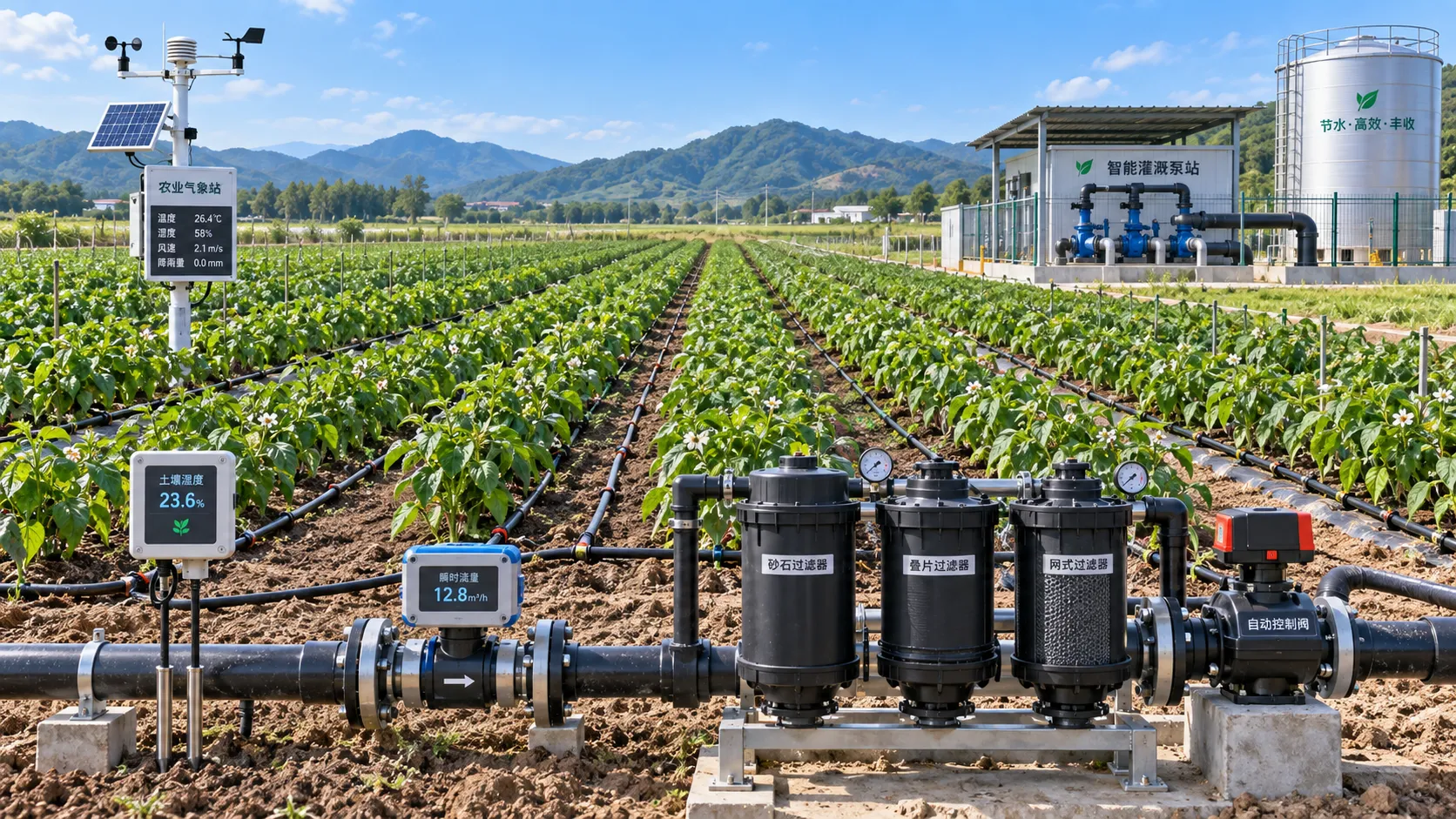
Automated Water-Saving Irrigation: How to Cut Water Use Without Reducing Crop Yields
Automated water-saving irrigation helps farms cut water use, protect crop yields, improve scheduling, and gain reliable control with sensors, flow monitoring, and smart zones.
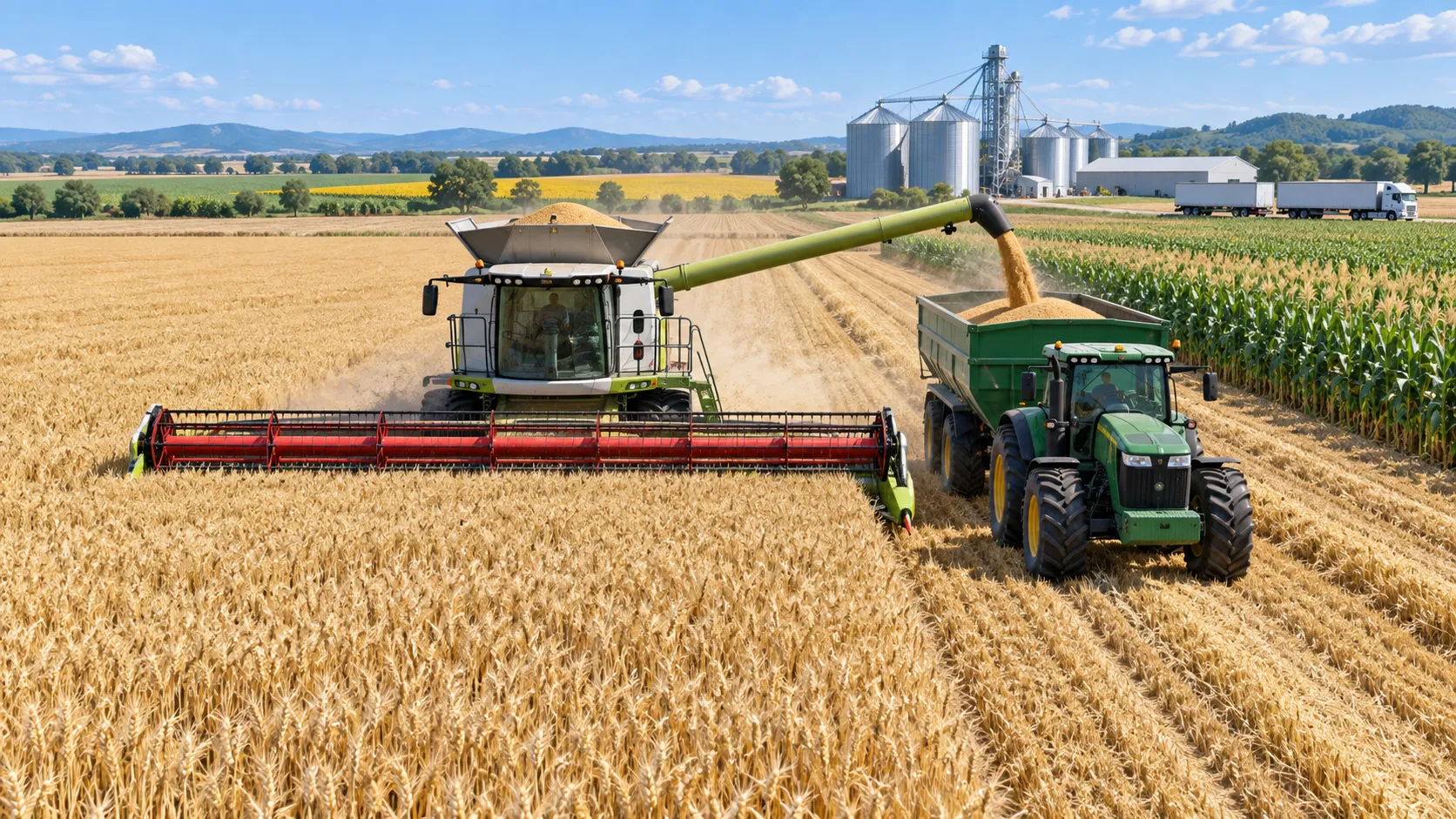
Selecting Grain Farm Equipment by Acreage, Crop Mix, and Harvest Window
Agricultural equipment selection for grain farming: match machinery to acreage, crop mix, and harvest windows to improve uptime, efficiency, and returns.
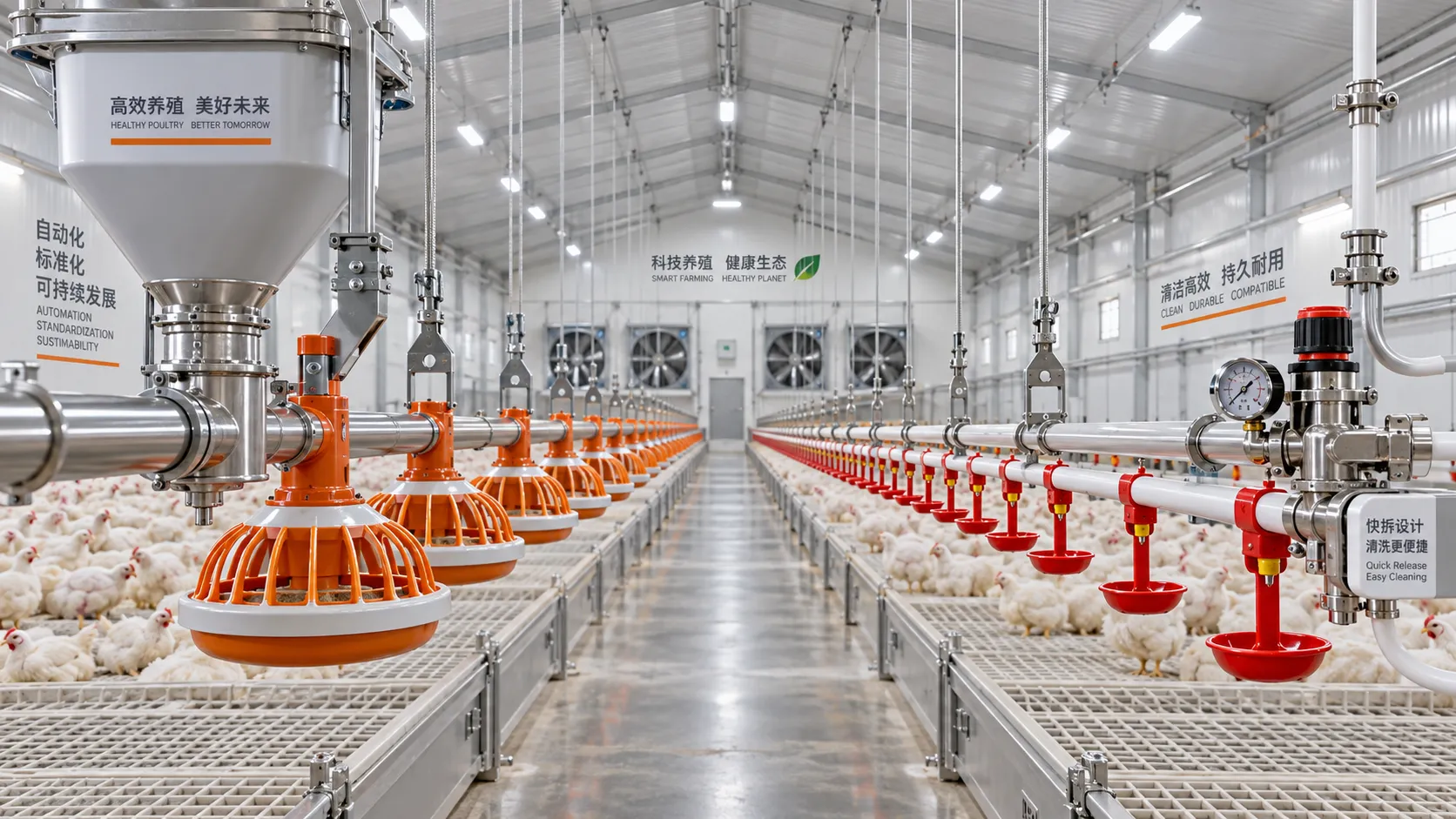
Poultry Equipment Selection: Evaluating Durability, Cleaning, and Compatibility
Poultry equipments selection guide: evaluate durability, cleaning access, and system compatibility to improve hygiene, reduce downtime, and support efficient flock management.
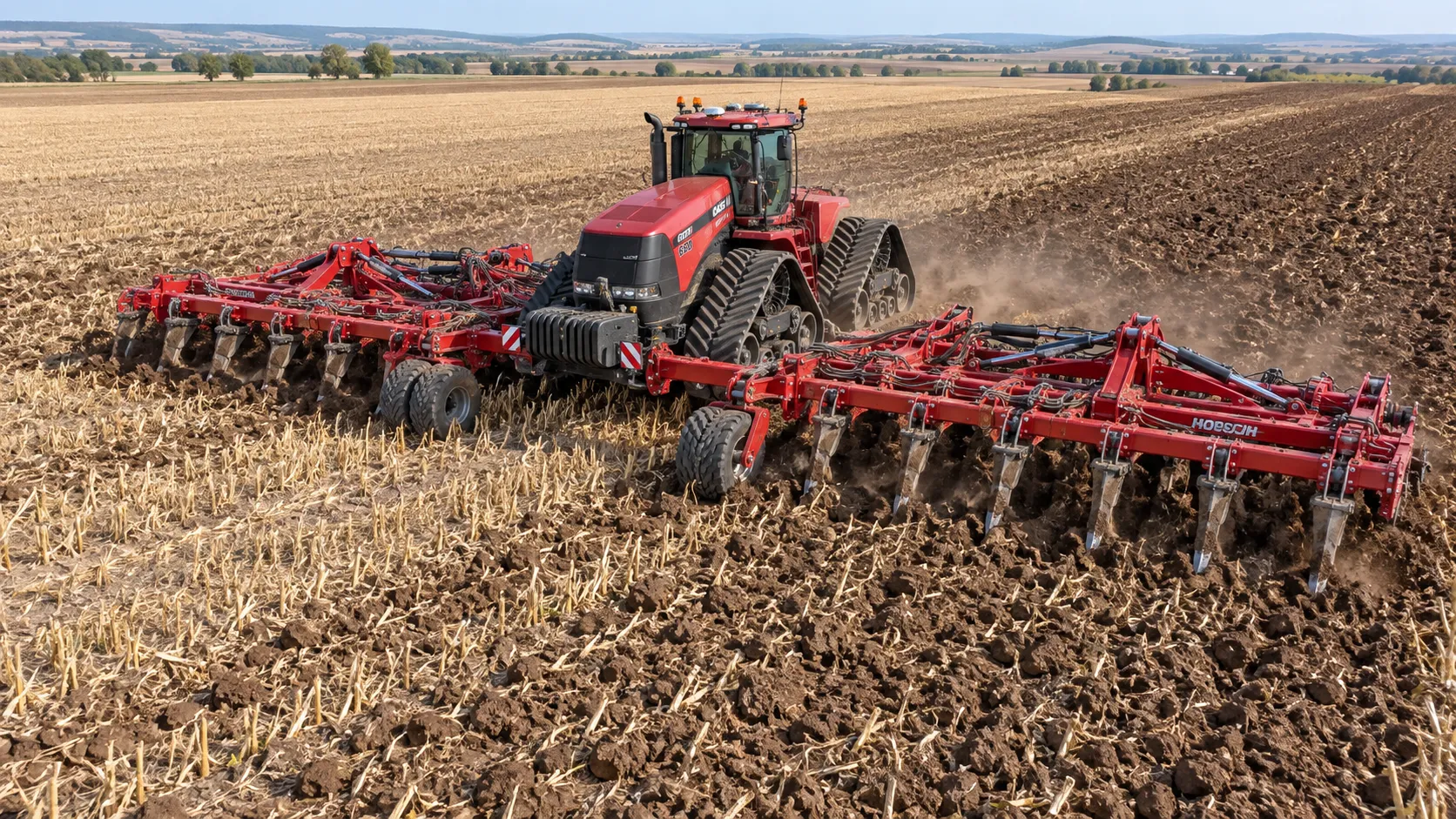
How to Select Heavy-Duty Farm Implements for High-Acreage, High-Horsepower Operations
Heavy duty farm implements: learn how to match draft, hydraulics, hitch capacity, frame strength, and field conditions for reliable high-acreage performance.
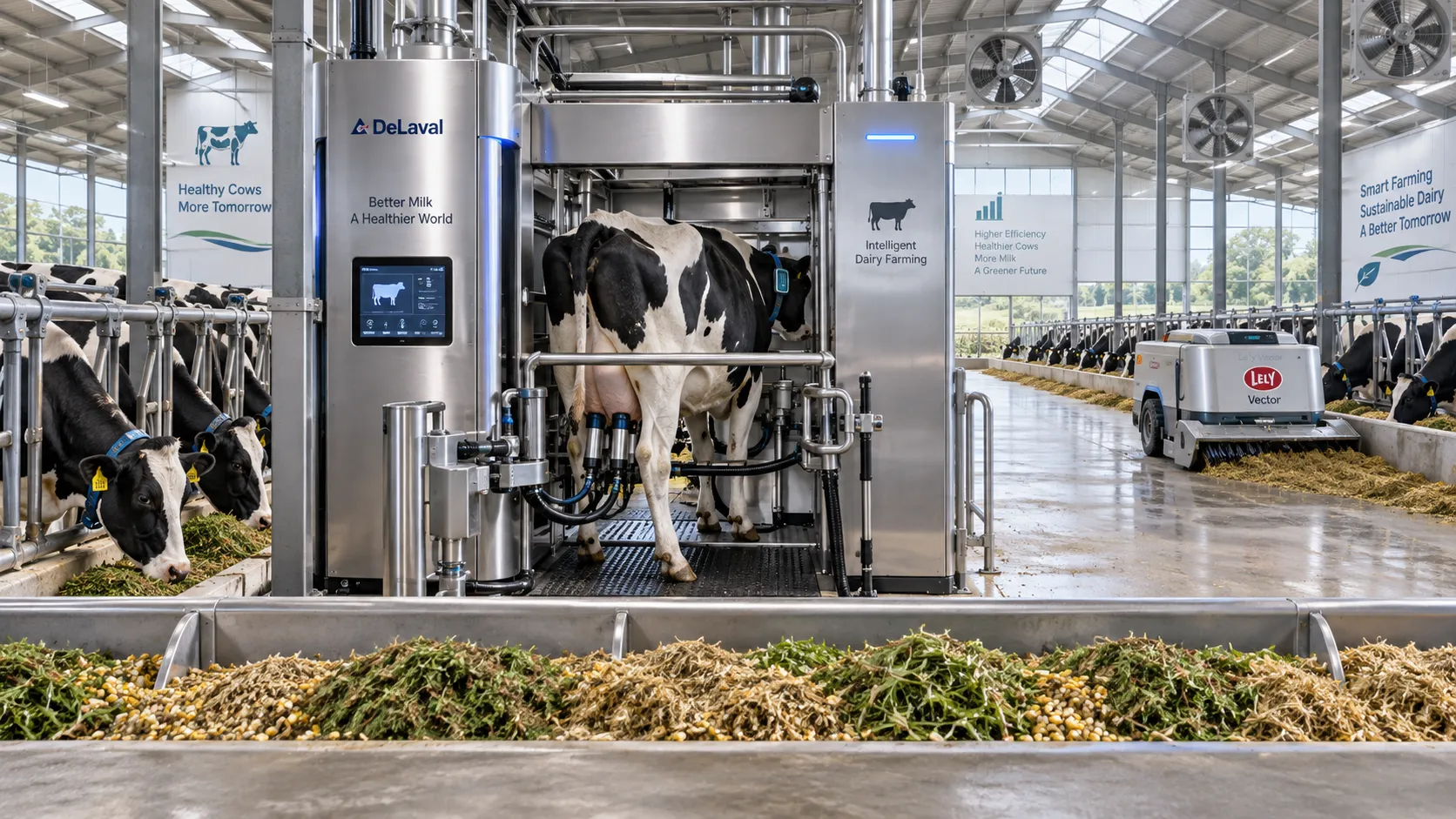
Smart Farming Technology for Dairy Farms: Where Automation Delivers Measurable ROI
Smart farming technology for dairy farms delivers measurable ROI through automation, precision feeding, health monitoring, and data-driven cost control.
Related News
- 00
0000-00
When Does Agricultural Machinery Leasing Cost Less Than Owning Equipment? - 00
0000-00
Selecting Grain Farm Equipment by Acreage, Crop Mix, and Harvest Window - 00
0000-00
Poultry Equipment Selection: Evaluating Durability, Cleaning, and Compatibility - 00
0000-00
How to Select Heavy-Duty Farm Implements for High-Acreage, High-Horsepower Operations - 00
0000-00
Smart Farming Technology for Dairy Farms: Where Automation Delivers Measurable ROI
Popular Tags
Ms. Elena Rodriguez
Weekly Insights
Stay ahead with our curated technology reports delivered every Monday.