
Farm Machinery Selection Guide: Key Specs to Compare for Tillage, Seeding, and Harvest
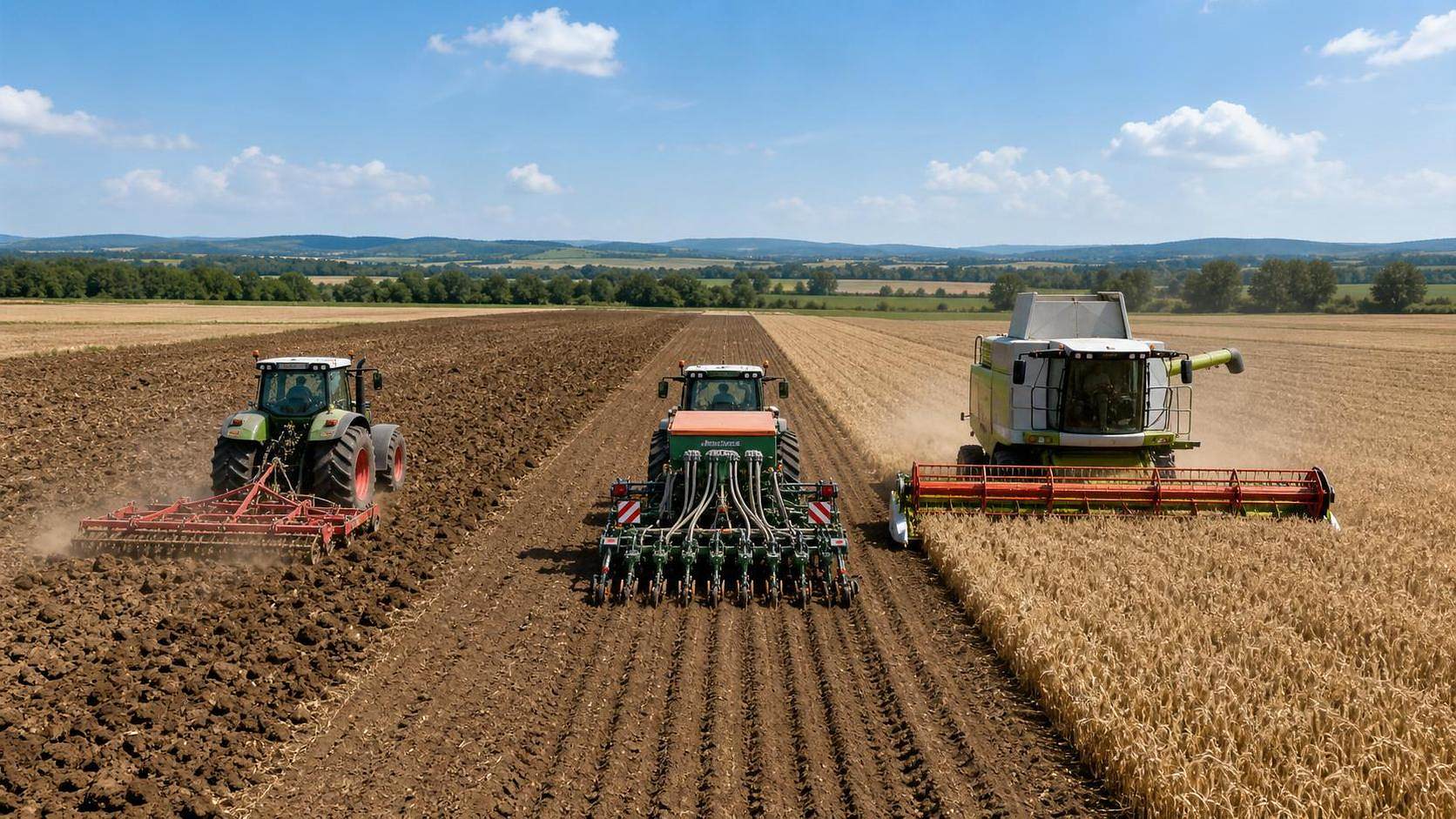




Equipment decisions shape more than field speed. They influence fuel use, labor pressure, crop establishment, grain loss, maintenance cycles, and the resilience of an entire operating plan. A practical farm machinery guide is therefore not a catalog of models, but a method for comparing specifications that affect real performance in tillage, seeding, and harvest.
That matters even more in an Agriculture 4.0 environment, where mechanical capacity now intersects with data quality, sustainability targets, and tighter cost control. Across global markets, AP-Strategy tracks this shift closely, connecting machine performance, precision control, and long-cycle investment logic so equipment choices support both output and adaptability.
What a farm machinery guide should really compare
A useful farm machinery guide starts with the fact that specifications rarely work in isolation. Engine power looks important, but power without traction, hydraulic flow, or implement compatibility can create bottlenecks instead of productivity.
The same applies to working width. A wider machine may cover more hectares per hour, yet transport limits, field shape, residue volume, and turning efficiency can reduce that theoretical advantage.
In practice, equipment evaluation should connect five dimensions: field capacity, agronomic fit, operating efficiency, service life, and data readiness. When those dimensions are aligned, specifications become decision tools rather than marketing numbers.
Core comparison logic
- Match machine output to field windows, not only annual acreage.
- Compare total operating cost, including wear parts, fuel, and downtime risk.
- Check whether the machine supports precision workflows and future upgrades.
- Assess how local soil, crop, and climate conditions change ideal specifications.
Why tillage, seeding, and harvest need separate decision criteria
These three stages share one machinery budget, but they solve different problems. Tillage is about soil condition and draft demand. Seeding is about placement accuracy and timing. Harvest is about throughput with minimal loss.
A farm machinery guide that treats all three the same usually misses the operational trade-offs. For example, deeper tillage may support root development, but it can also raise fuel consumption and reduce daily coverage.
Likewise, seeding speed may look efficient on paper, yet poor singulation or uneven depth can erase that advantage. At harvest, a larger grain tank improves logistics, but cleaning efficiency and separator performance often matter more for crop value.
Tillage equipment: capacity must fit soil reality
For tillage tools, the first question is not maximum width. It is whether the tractor chassis, ballast setup, and transmission can maintain stable pull under actual soil resistance.
This is where many comparisons become misleading. A machine rated for a certain width may still underperform in heavy clay, wet ground, or high-residue conditions if clearance and traction reserves are too limited.
Disc angle, shank spacing, gang configuration, and working depth range deserve close attention. These details influence residue incorporation, compaction management, and power draw more directly than headline size.
Specs that usually affect value most
- Horsepower requirement per meter of working width.
- Frame durability in rocky or uneven fields.
- Residue clearance for reduced-till or mixed-crop systems.
- Hydraulic folding reliability and transport practicality.
- Wear-part replacement intervals and local parts availability.
From an investment angle, AP-Strategy often highlights the link between soil preparation choices and downstream performance. Poor tillage matching can reduce seeding consistency, increase fuel burn, and narrow the harvest window months later.
Seeding machinery: precision is now a measurable specification
In seeding, the most valuable specification is often consistency, not top speed. Uniform depth, stable seed spacing, and controlled downforce can improve emergence quality more than simply covering more hectares in a day.
A strong farm machinery guide should therefore compare meter type, row-unit stability, section control, and sensor integration. These are no longer optional extras in many cropping systems. They are part of risk management.
Variable-rate capability also deserves attention. When seed prescriptions, satellite positioning, and field-zone data are already part of operations, equipment that cannot interpret or execute those prescriptions becomes a hidden constraint.
Questions worth asking during comparison
- How stable is placement accuracy at higher operating speeds?
- Can the system support row-by-row monitoring and shutoff?
- Is downforce automatic, adjustable, and proven in variable soils?
- How easily does the machine integrate with existing guidance platforms?
This is where intelligent farm tools change the evaluation process. The machine is no longer just a mechanical seeder. It becomes a data-generating and prescription-executing asset within a broader precision system.
Harvest machinery: throughput only matters when losses stay low
Harvest decisions tend to focus on capacity, yet the better comparison starts with crop conditions. Moisture variation, straw volume, terrain, and crop type determine whether a combine’s rated throughput will translate into clean grain and acceptable losses.
Header width, feeder design, rotor or drum configuration, cleaning shoe area, and unloading rate should be evaluated together. A combine that moves fast but overloads the cleaning system can damage crop value very quickly.
AP-Strategy’s intelligence work often emphasizes dynamic feedback on cleaning losses. That reflects a broader market reality: modern harvesting performance is increasingly judged by how well sensors and automation maintain quality under changing field conditions.
Harvest specifications with strong business impact
- Real separator and cleaning capacity under peak load.
- Loss monitoring accuracy and in-cab adjustment logic.
- Ease of switching between crops or field conditions.
- Service access for daily maintenance during tight harvest windows.
- Compatibility with telematics and fleet oversight tools.
The industry signals behind today’s machinery comparisons
Spec selection is now shaped by more than agronomy. Global grain volatility, tighter environmental regulation, water constraints, and labor shortages all influence which machines hold value over time.
That is why a current farm machinery guide must include technology readiness. Autonomous support features, hybrid power development, precision application compatibility, and resource-saving performance are increasingly tied to resale strength and asset longevity.
The broader view also matters. Tractor hydraulics affect implement responsiveness. Combine data links influence fleet management. Irrigation strategy can even change the preferred harvest timing and machinery load profile. In other words, single-machine decisions now sit inside a connected operating system.
How to turn specifications into a better shortlist
The most effective use of a farm machinery guide is to build a comparison framework before model discussions begin. That prevents attractive features from distracting attention away from field fit and ownership economics.
A disciplined shortlist usually includes three filters: agronomic suitability, operational compatibility, and lifecycle value. If one of those filters is weak, the machine may still look capable but become costly in practice.
- Map field conditions, annual operating windows, and crop mix first.
- List non-negotiable compatibility points for tractors, guidance, and data systems.
- Compare consumables, downtime exposure, and dealer support response times.
- Request performance evidence from conditions similar to local use, not generic claims.
- Review whether the machine fits future precision or sustainability targets.
A well-built shortlist does not eliminate uncertainty, but it reduces expensive surprises. It also makes discussions with suppliers more precise, especially when evaluating upgrades linked to intelligent controls, water efficiency planning, or evolving food security demands.
A practical next step for equipment decisions
The strongest machinery decisions rarely come from chasing the biggest machine or the newest interface. They come from understanding which specifications directly affect field outcomes, system compatibility, and long-term return.
That is the real value of a farm machinery guide. It creates a structured way to compare tillage tools, seeders, and harvesters across both performance and strategic fit. For the next review cycle, it is worth translating every shortlisted model into a single comparison sheet built around field conditions, precision capability, durability, and service realities.
From there, the evaluation becomes clearer: not which specification looks strongest alone, but which machine package supports reliable cultivation, efficient harvest, and smarter decisions across the entire production system.
Related News
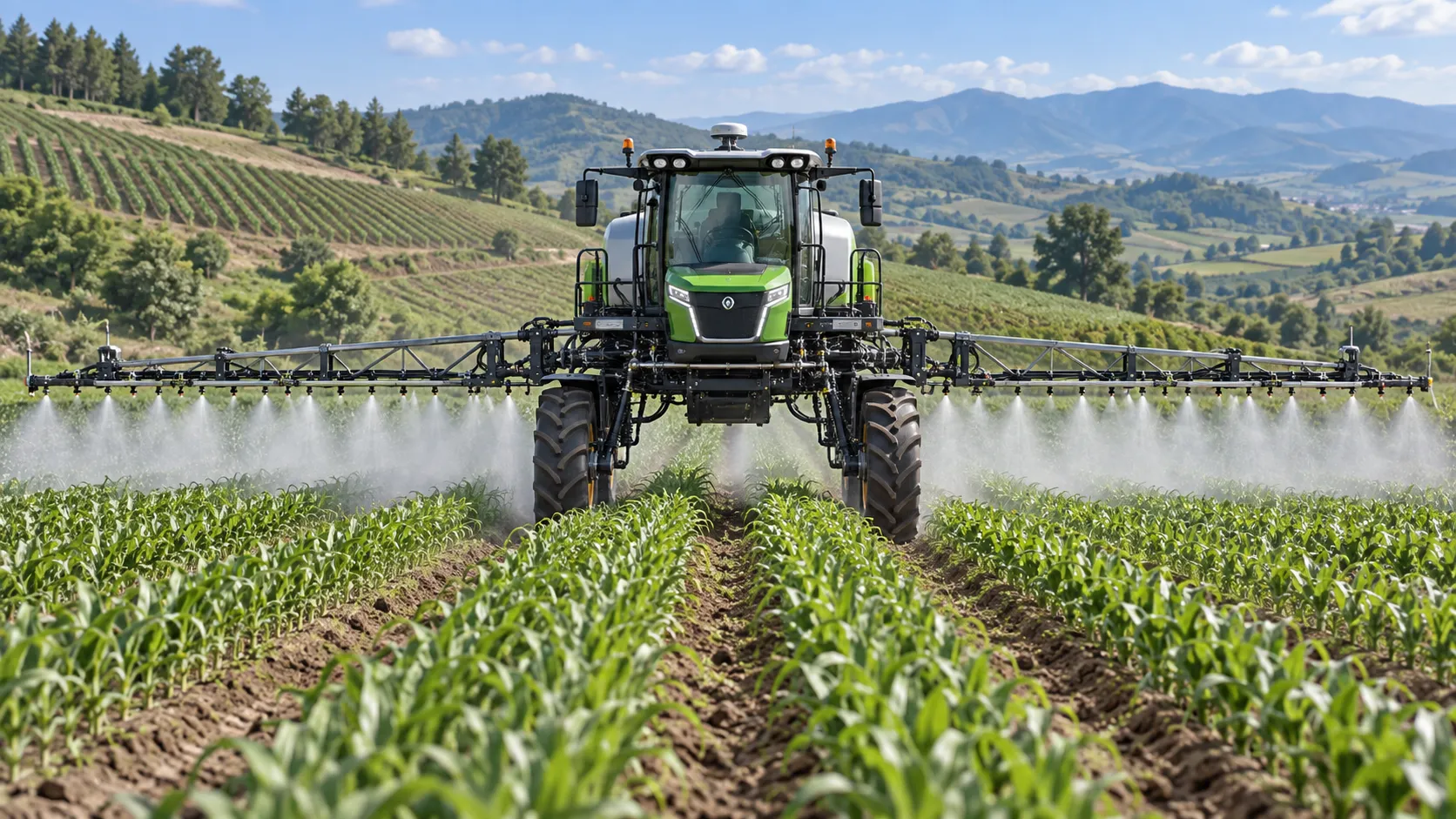
How to Select Precision Crop Protection Equipment for Variable Field Conditions
Precision crop protection equipment selection made simple: compare terrain, canopy, weather, control accuracy, and data workflows for reliable applications.

When Does Agricultural Machinery Leasing Cost Less Than Owning Equipment?
Agricultural machinery leasing can lower farm costs when use is seasonal or uncertain. Compare utilization, maintenance, cash flow, and risk to make a smarter equipment decision.

How to Evaluate Precision Fertilization System Suppliers for Farm-Scale Deployment
Precision fertilization systems suppliers: learn how to compare accuracy, integration, uptime, service, and total cost for confident farm-scale deployment.
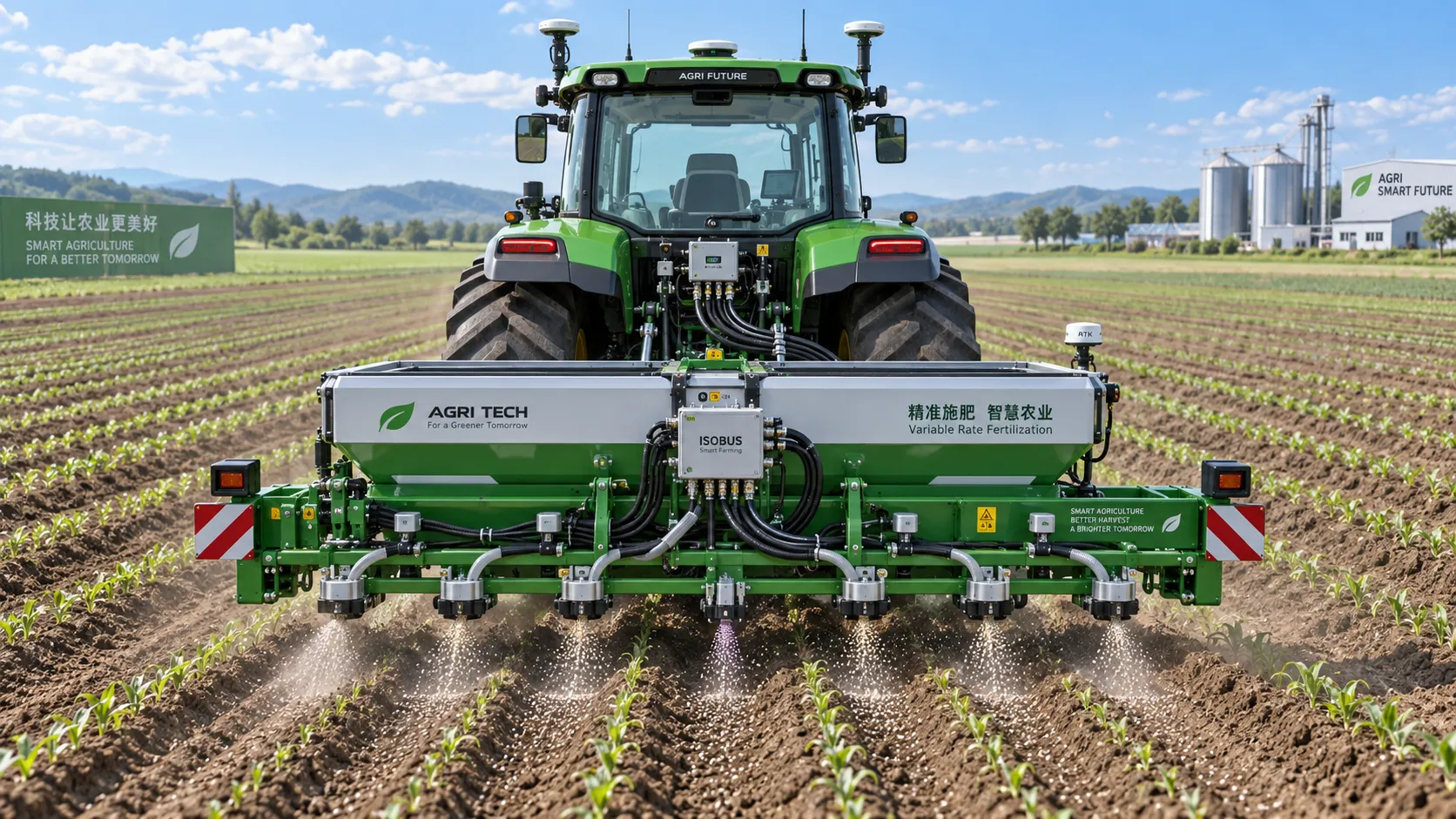
ISOBUS for Smart Agriculture: How It Connects Tractors, Implements, and Farm Data
ISOBUS for smart agriculture connects tractors, implements, terminals, and farm data—helping growers improve precision, documentation, and smarter field decisions.
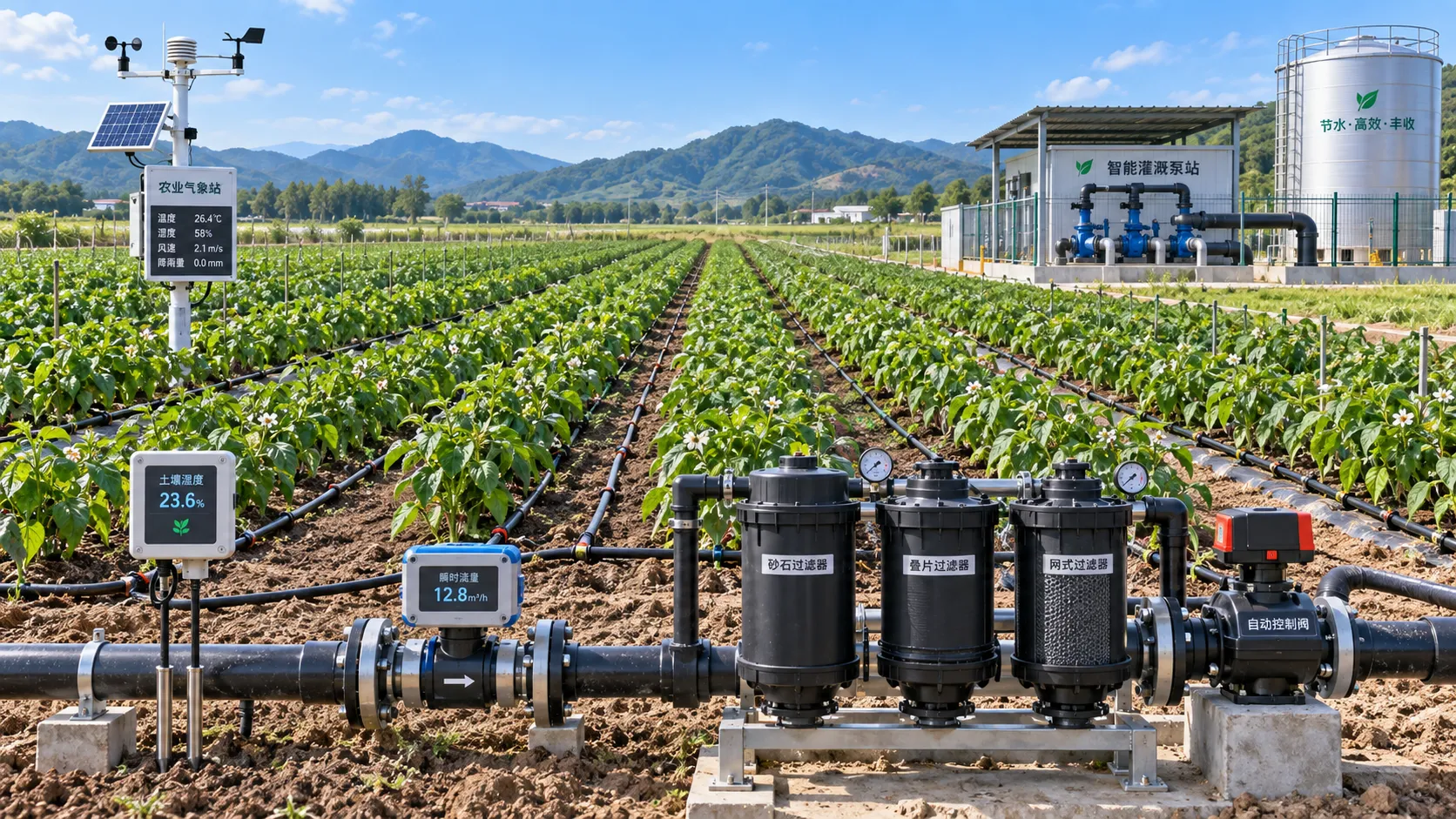
Automated Water-Saving Irrigation: How to Cut Water Use Without Reducing Crop Yields
Automated water-saving irrigation helps farms cut water use, protect crop yields, improve scheduling, and gain reliable control with sensors, flow monitoring, and smart zones.
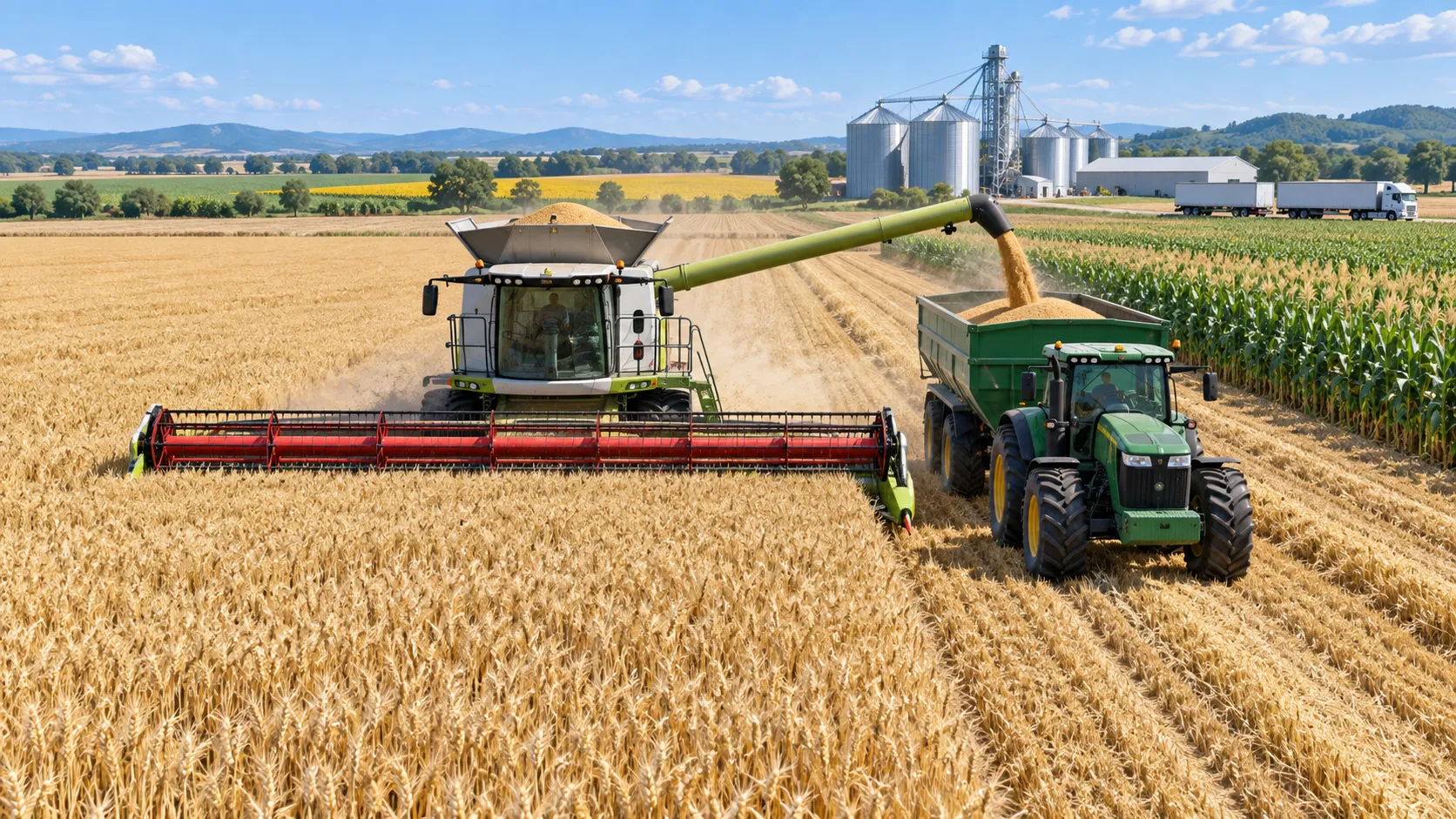
Selecting Grain Farm Equipment by Acreage, Crop Mix, and Harvest Window
Agricultural equipment selection for grain farming: match machinery to acreage, crop mix, and harvest windows to improve uptime, efficiency, and returns.
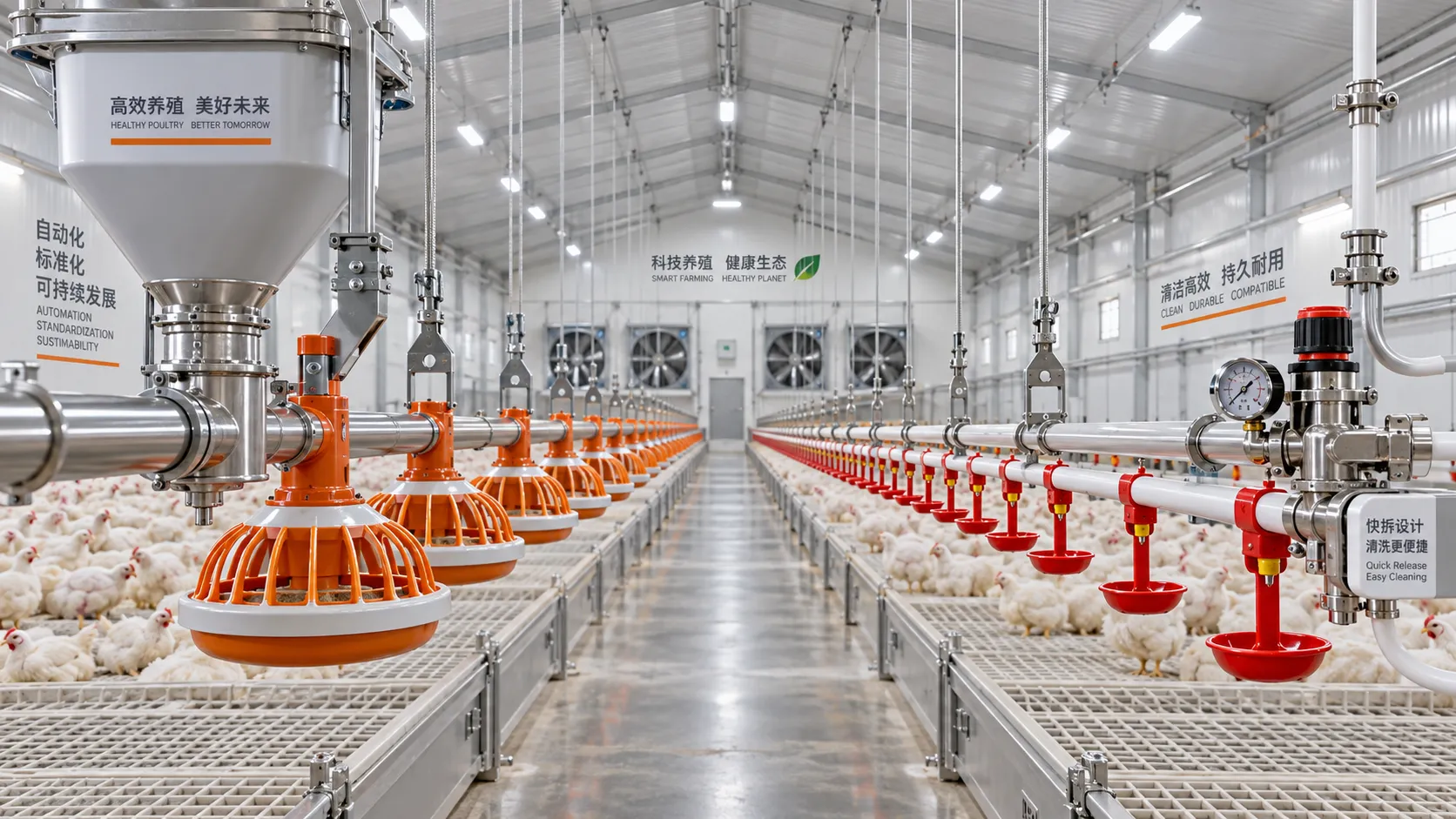
Poultry Equipment Selection: Evaluating Durability, Cleaning, and Compatibility
Poultry equipments selection guide: evaluate durability, cleaning access, and system compatibility to improve hygiene, reduce downtime, and support efficient flock management.
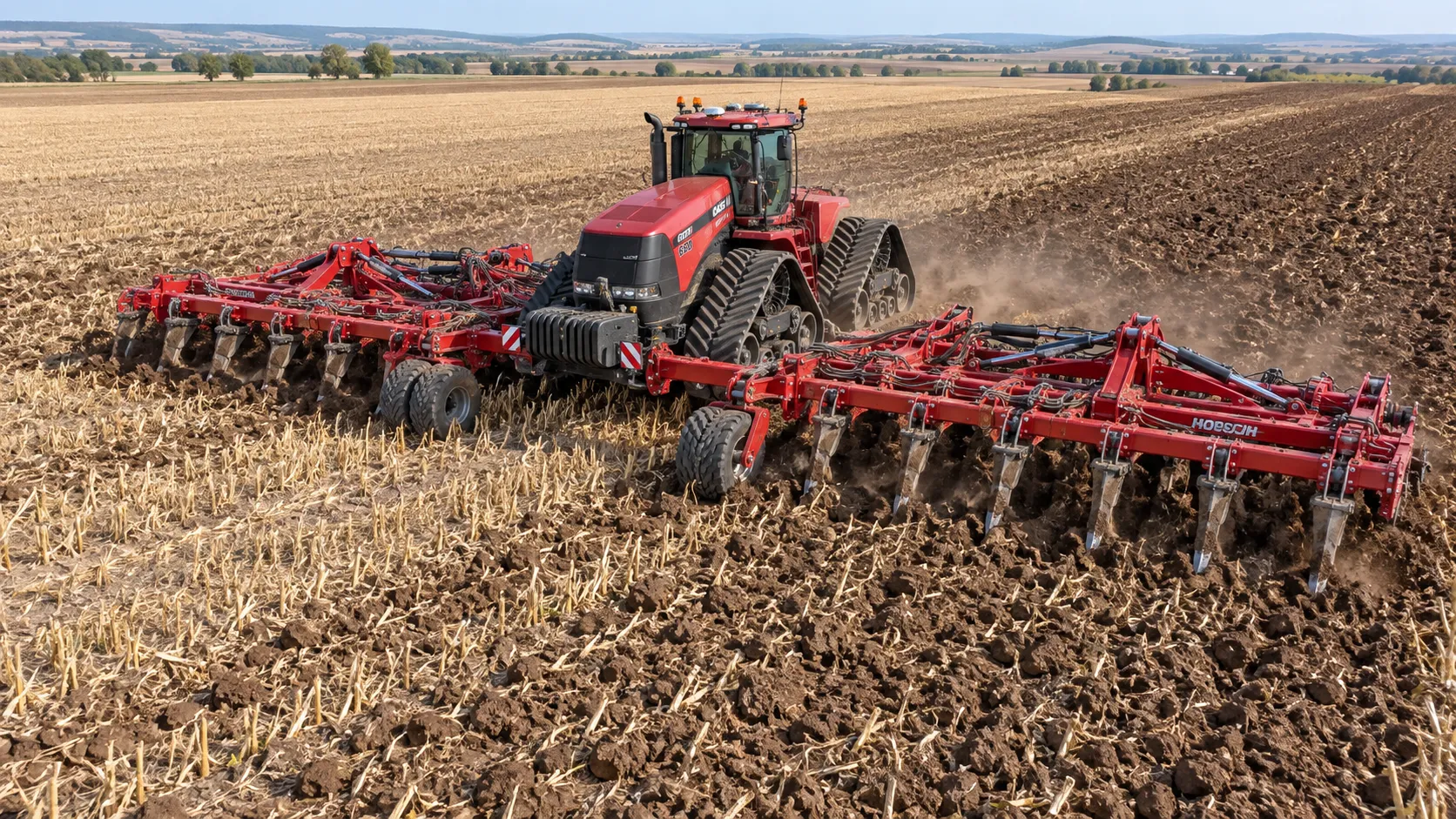
How to Select Heavy-Duty Farm Implements for High-Acreage, High-Horsepower Operations
Heavy duty farm implements: learn how to match draft, hydraulics, hitch capacity, frame strength, and field conditions for reliable high-acreage performance.
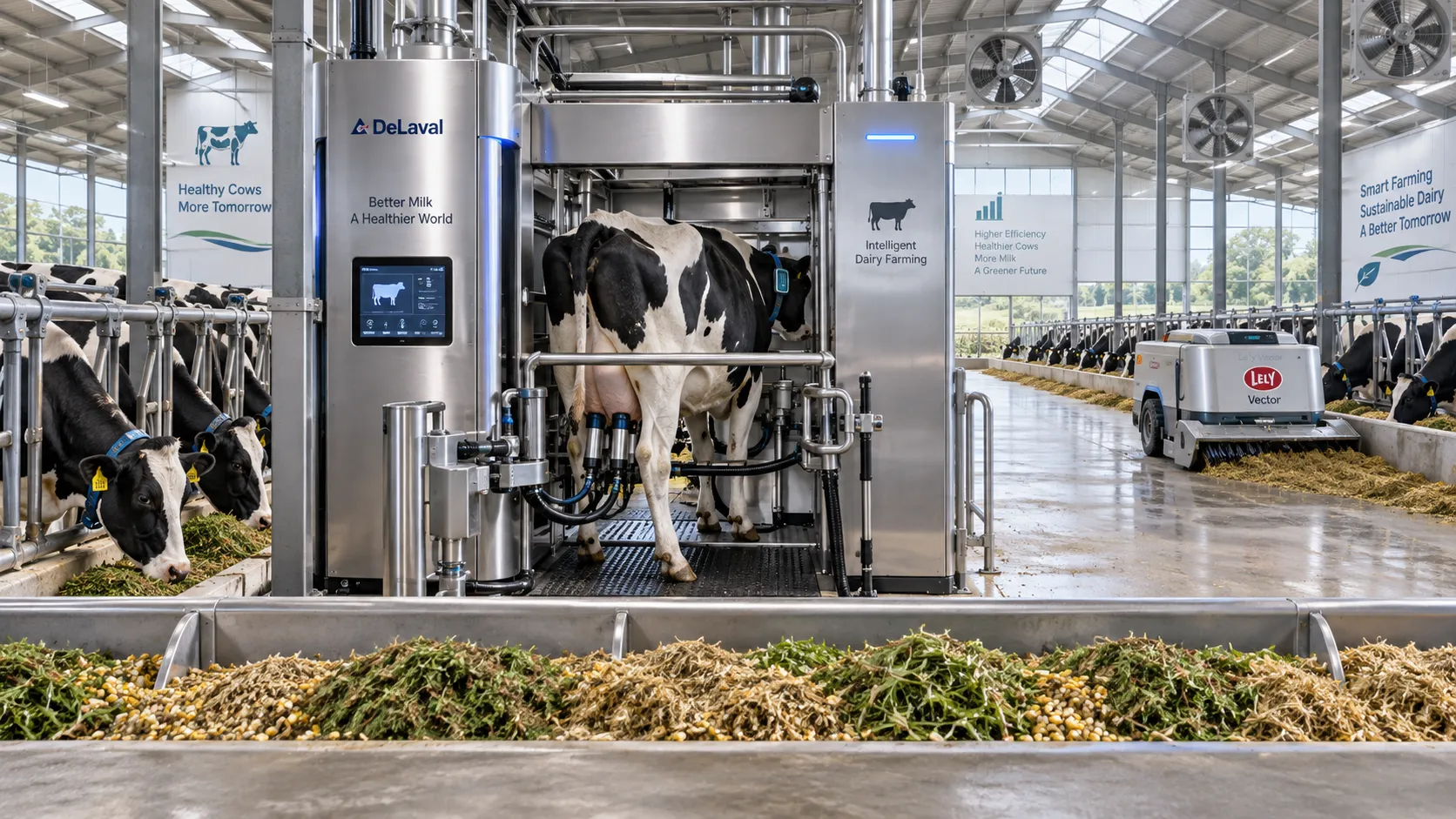
Smart Farming Technology for Dairy Farms: Where Automation Delivers Measurable ROI
Smart farming technology for dairy farms delivers measurable ROI through automation, precision feeding, health monitoring, and data-driven cost control.
Related News
- 00
0000-00
When Does Agricultural Machinery Leasing Cost Less Than Owning Equipment? - 00
0000-00
Selecting Grain Farm Equipment by Acreage, Crop Mix, and Harvest Window - 00
0000-00
Poultry Equipment Selection: Evaluating Durability, Cleaning, and Compatibility - 00
0000-00
How to Select Heavy-Duty Farm Implements for High-Acreage, High-Horsepower Operations - 00
0000-00
Smart Farming Technology for Dairy Farms: Where Automation Delivers Measurable ROI
Popular Tags
Ms. Elena Rodriguez
Weekly Insights
Stay ahead with our curated technology reports delivered every Monday.