
Agri Equipment Market Intelligence: What Buyers Should Track in Pricing, Supply, and Demand
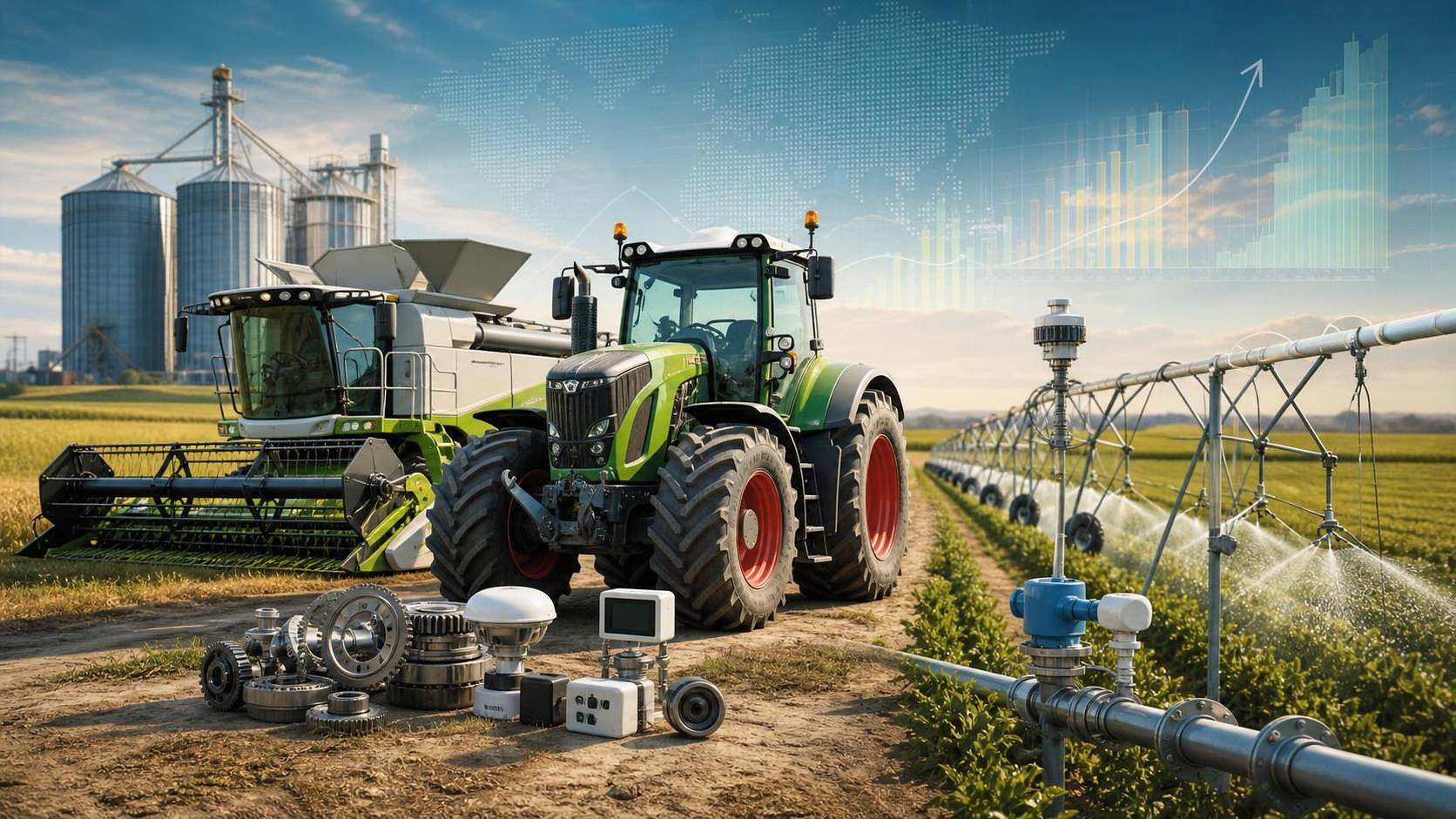




Agri equipment market intelligence has moved from a background research tool to a practical decision layer for evaluating risk, timing, and value. In a market shaped by volatile grain prices, policy shifts, and faster adoption of precision farming, buyers need more than product brochures or annual forecasts. They need a way to read pricing pressure, supply resilience, and demand momentum across machinery, harvesting systems, and irrigation technologies.
That is where AP-Strategy’s intelligence focus becomes relevant. As a portal built around large-scale farm machinery, combine harvesting technology, tractor chassis, intelligent farm tools, and water-saving irrigation systems, it reflects how Agriculture 4.0 is changing commercial evaluation. The key question is no longer only what equipment does, but how well it performs under changing cost structures, field conditions, and regional demand cycles.
What agri equipment market intelligence really covers
At its core, agri equipment market intelligence connects operational data with commercial judgment. It looks at how prices move, where supply bottlenecks appear, and which end-use segments are expanding. For business evaluation, this is more useful than a simple list of models or brands.
The subject spans heavy-duty tractors, combine harvesters, field preparation machinery, sensor-based tools, and irrigation systems. Each category behaves differently. A harvester may be constrained by component availability, while irrigation demand may rise after drought-related policy changes or water-saving mandates. The same market can show very different signals depending on crop type, geography, and operating season.
AP-Strategy’s emphasis on the “Strategic Intelligence Center” mirrors this logic. Mechanical performance matters, but so do feedback loops from climate stress, farm digitization, and crop economics. That broader view helps buyers avoid narrow comparisons that miss the real cost of ownership.
Pricing signals that deserve closer attention
Pricing in agri equipment is rarely linear. It is influenced by steel costs, electronics content, energy prices, freight conditions, and dealer inventory levels. A machine may look expensive on paper, yet still offer stronger lifecycle value if uptime, fuel efficiency, and service access are better than the lower-priced alternative.
One practical way to read agri equipment market intelligence is to separate list price from transaction price. Discounts often reflect quarter-end targets, regional stock pressure, or shifts in demand after harvest. In contrast, premium pricing usually appears where lead times are long, automation features are advancing quickly, or local service coverage is limited.
- Track raw material cost trends that affect chassis and frames.
- Watch electronics and sensor content in precision tools.
- Compare installed cost, not only equipment sticker price.
- Check whether financing terms are masking higher total cost.
For AP-Strategy’s focus areas, pricing also reflects technology maturity. Autonomous functions, hybrid powertrains, and smart irrigation controls tend to price differently from conventional equipment because they bundle software, calibration, and support. That makes agri equipment market intelligence especially valuable when comparing generations of products rather than individual catalog items.
Supply conditions can move faster than demand
Supply risk is often underestimated until it affects delivery schedules. In agricultural equipment, disruptions can come from semiconductors, hydraulic components, tires, castings, or shipping routes. A buyer who tracks only demand may miss the point where a stable product becomes hard to source.
Combine harvesters and tractor chassis are especially sensitive to component lead times. Intelligent farm tools, by contrast, can face software integration delays or calibration constraints. Irrigation systems may be more available physically, yet still delayed by project approvals, water-use regulations, or local installation capacity.
This is why agri equipment market intelligence should include supplier concentration, inventory health, and regional logistics. If one OEM or distributor controls too much of a critical part, the apparent market stability can disappear during a weather-driven buying cycle. AP-Strategy’s coverage of environmental policy and grain-market fluctuations is useful here because those forces often reshape procurement timing before the equipment market fully reacts.
Demand is becoming more segmented
Demand used to be discussed as a broad cycle tied to crop income. That still matters, but the market is now more segmented. Autonomy, precision fertilization, low-loss harvesting, and water efficiency each have their own adoption curve. A region buying more machinery does not necessarily need every category.
For example, a farm belt facing labor shortages may prioritize autonomous tractors and smart field tools. A drought-prone region may allocate more capital to irrigation modernization. A grain-export area may focus on combine harvesters with lower loss rates and better cleaning algorithms. These differences are exactly why agri equipment market intelligence has become more strategic than simple sales tracking.
AP-Strategy’s commercial insights around autonomous machinery and precision fertilization tools point to this structural shift. Demand is not only about volume. It is about where efficiency gaps, compliance pressure, and labor constraints are pushing spending into new categories.
Signals that often precede demand growth
A few early indicators are worth watching. Rising fertilizer and fuel volatility can accelerate interest in precision applications. Climate stress can raise irrigation investment. Export-led crop expansion may increase demand for higher-capacity harvest systems. When these signals align, procurement windows can open quickly.
How to use intelligence in real buying decisions
The value of agri equipment market intelligence is not in collecting more reports. It is in building a decision frame that connects market conditions to equipment choice. A useful process usually starts with three questions: what is the real operating need, what market pressure affects timing, and what risk exists if the decision is delayed?
From there, buyers can compare options on total cost, service access, upgrade path, and resilience. For heavy-duty machinery, that may mean evaluating drivetrain durability and hydraulic control. For harvesting systems, the focus may be throughput and loss reduction. For irrigation, water-use efficiency and monitoring accuracy matter more than headline capacity.
- Use market timing to avoid buying into peak pricing.
- Match machine specification to crop and field reality.
- Verify after-sales coverage before judging a lower offer.
- Review policy exposure, especially for water and emissions rules.
This is also where AP-Strategy’s framing is useful. By linking mechanical performance with precision farming algorithms and sustainability demands, it reflects the way commercial decisions are being made now. Equipment value is increasingly judged across the full operating cycle, not just at delivery.
A practical lens for the next cycle
The next phase of agri equipment market intelligence will likely reward buyers who can compare price, supply, and demand together rather than separately. When prices soften, supply may still be tight. When demand rises, local financing or policy support may matter more than product specs. When technology advances, the strongest offer may be the one that reduces operating risk over time.
For that reason, the most useful approach is to track market signals continuously, then translate them into equipment priorities by region and use case. That could mean more attention to autonomous functions in labor-constrained markets, smarter irrigation in water-stressed areas, or low-loss harvesting in export-oriented grain zones.
In practical terms, agri equipment market intelligence is a discipline for better timing and better allocation. Those who use it well are usually not predicting every turn. They are narrowing uncertainty enough to choose the right machine, the right moment, and the right commercial path.
Before the next procurement cycle, it helps to define the few signals that matter most for your operating context, compare them against supplier capacity, and revisit the total economics of each option. That is often the clearest way to turn intelligence into a defensible decision.
- combine harvesting technology
- Agriculture 4.0
- precision farming algorithms
- tractor chassis
- hydraulic control
- intelligent farm tools
- water-saving irrigation
- autonomous machinery
- precision fertilization tools
- combine harvesters
- water-saving irrigation systems
- agri equipment market intelligence
- agricultural equipment
- farm machinery
Related News
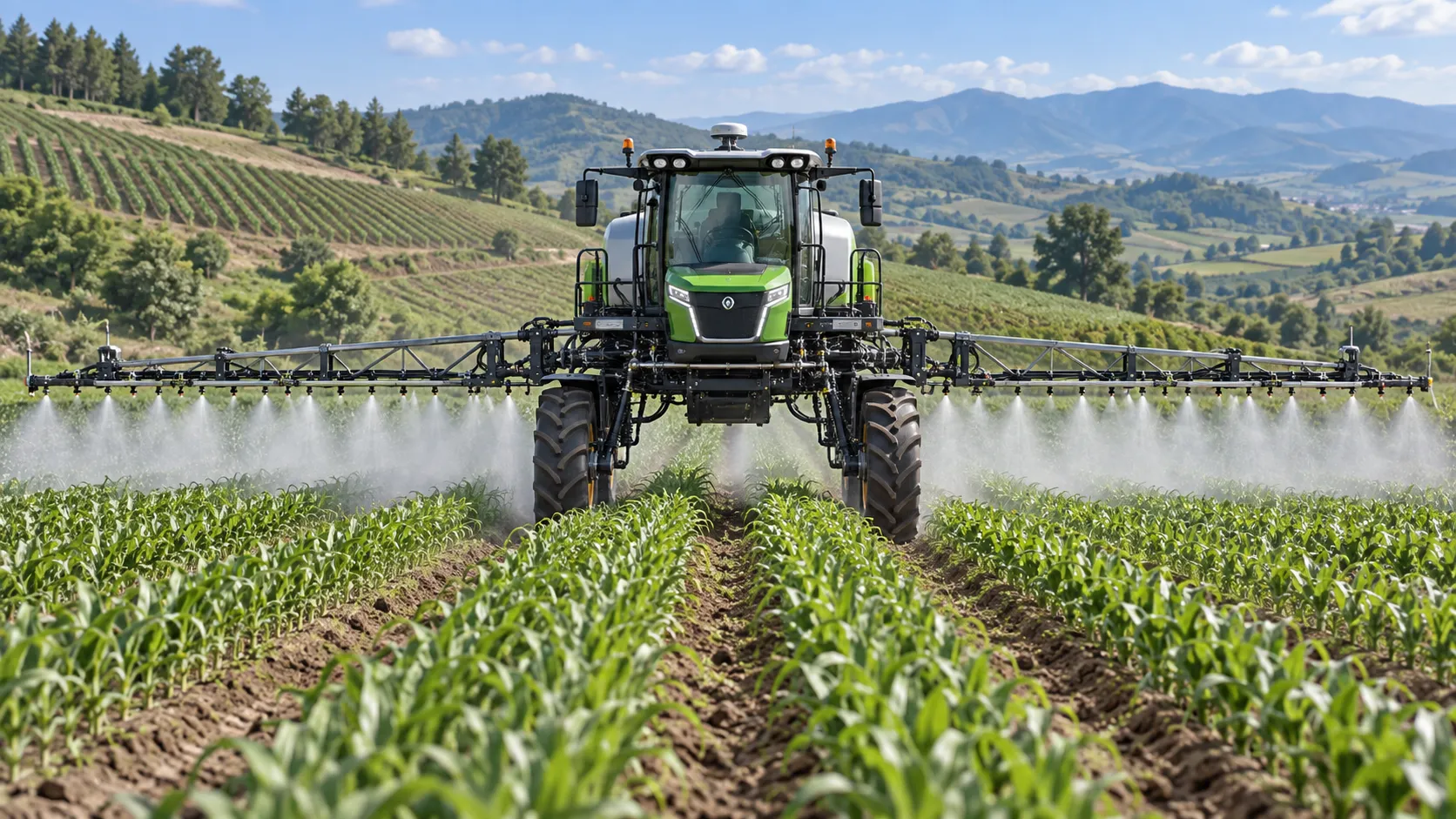
How to Select Precision Crop Protection Equipment for Variable Field Conditions
Precision crop protection equipment selection made simple: compare terrain, canopy, weather, control accuracy, and data workflows for reliable applications.

When Does Agricultural Machinery Leasing Cost Less Than Owning Equipment?
Agricultural machinery leasing can lower farm costs when use is seasonal or uncertain. Compare utilization, maintenance, cash flow, and risk to make a smarter equipment decision.
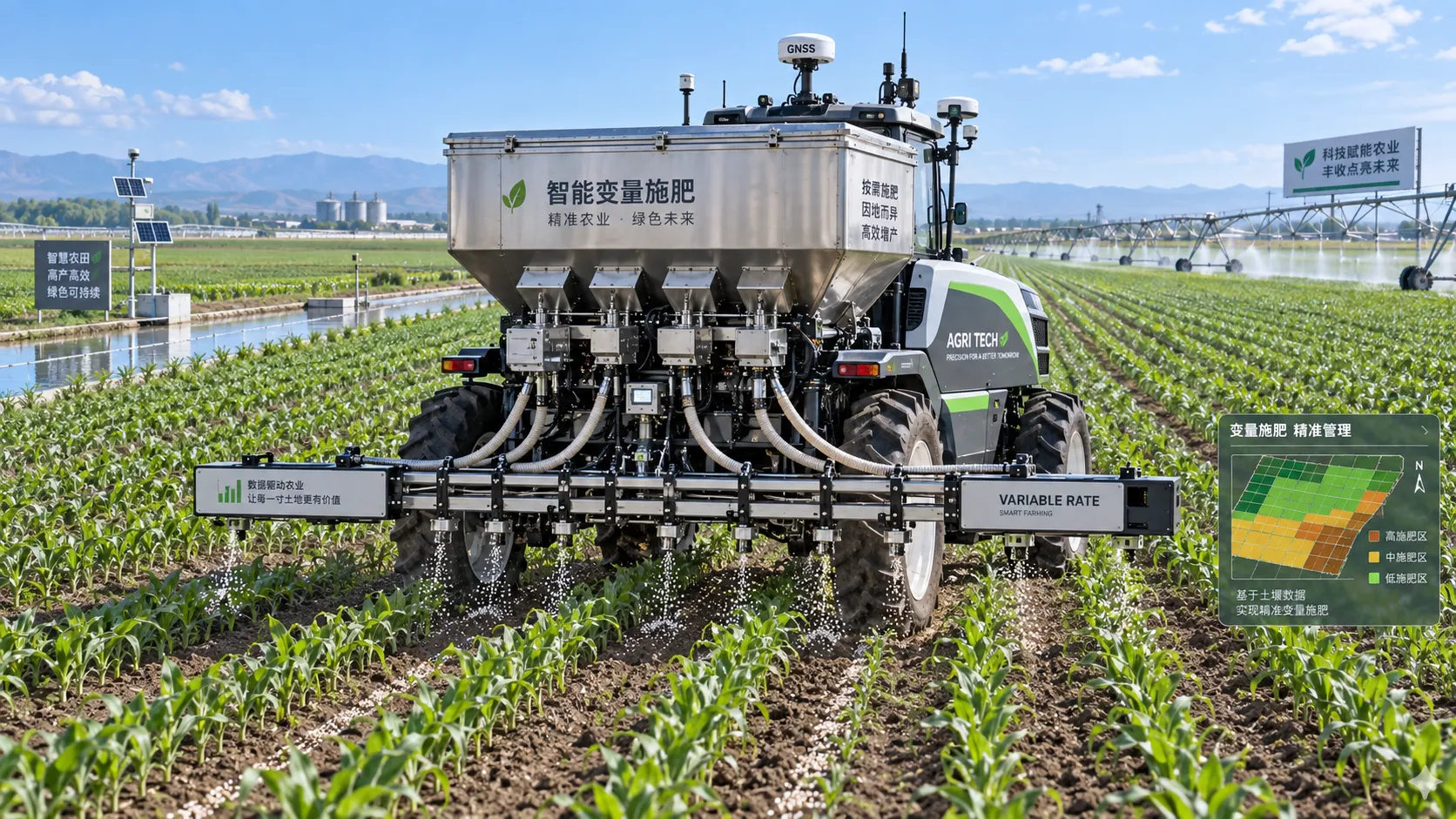
How to Evaluate Precision Fertilization System Suppliers for Farm-Scale Deployment
Precision fertilization systems suppliers: learn how to compare accuracy, integration, uptime, service, and total cost for confident farm-scale deployment.
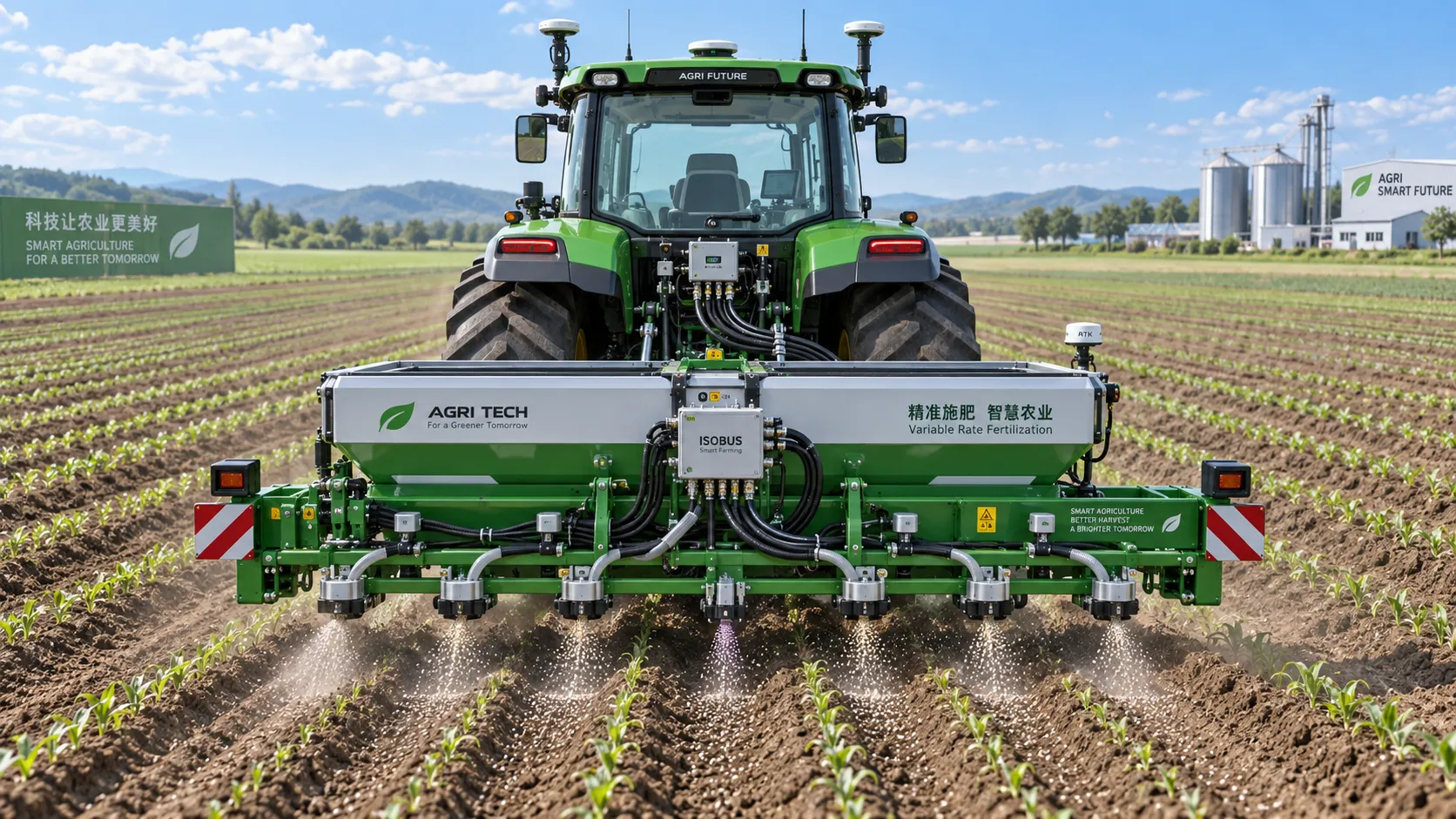
ISOBUS for Smart Agriculture: How It Connects Tractors, Implements, and Farm Data
ISOBUS for smart agriculture connects tractors, implements, terminals, and farm data—helping growers improve precision, documentation, and smarter field decisions.
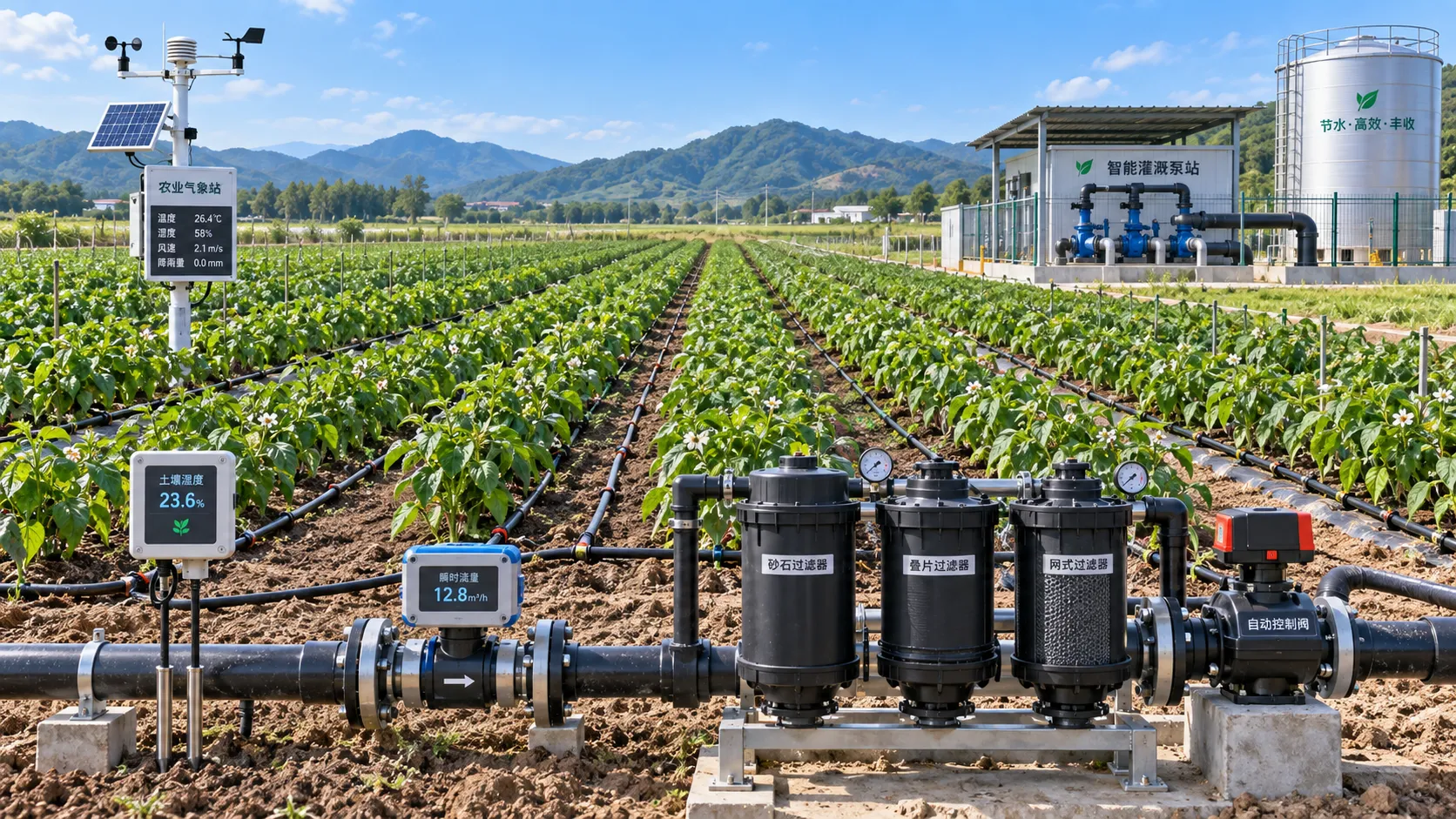
Automated Water-Saving Irrigation: How to Cut Water Use Without Reducing Crop Yields
Automated water-saving irrigation helps farms cut water use, protect crop yields, improve scheduling, and gain reliable control with sensors, flow monitoring, and smart zones.
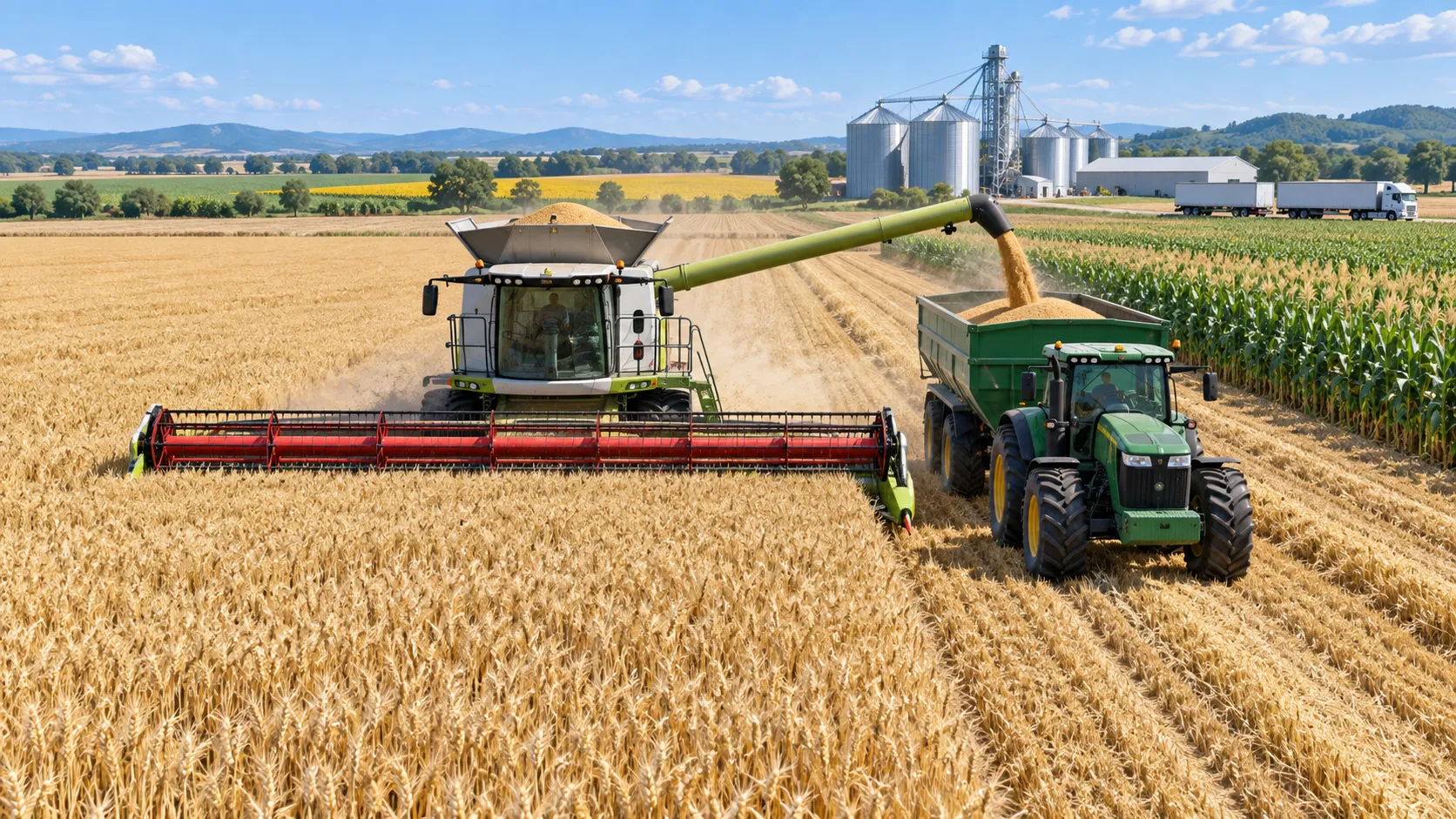
Selecting Grain Farm Equipment by Acreage, Crop Mix, and Harvest Window
Agricultural equipment selection for grain farming: match machinery to acreage, crop mix, and harvest windows to improve uptime, efficiency, and returns.
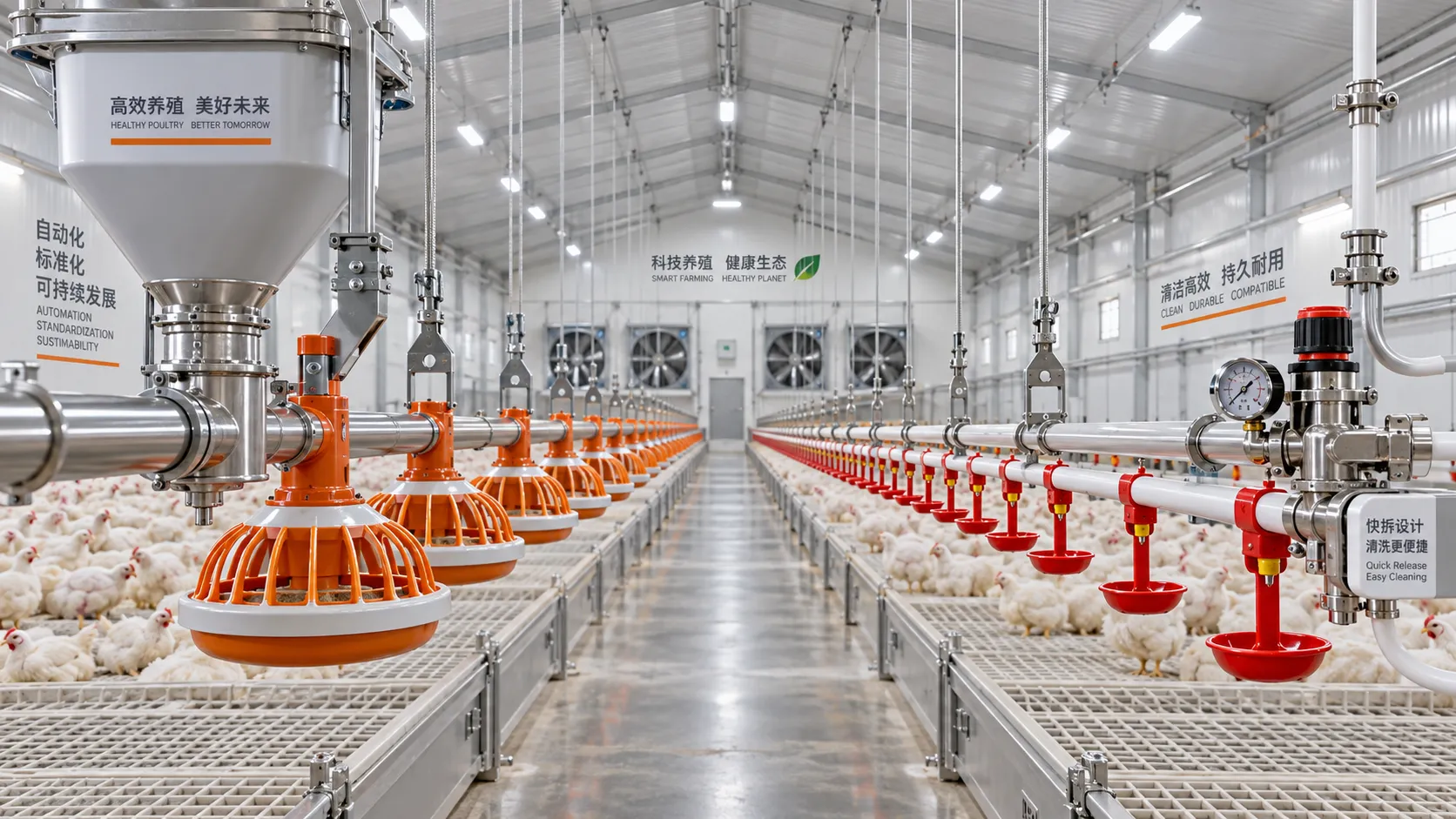
Poultry Equipment Selection: Evaluating Durability, Cleaning, and Compatibility
Poultry equipments selection guide: evaluate durability, cleaning access, and system compatibility to improve hygiene, reduce downtime, and support efficient flock management.
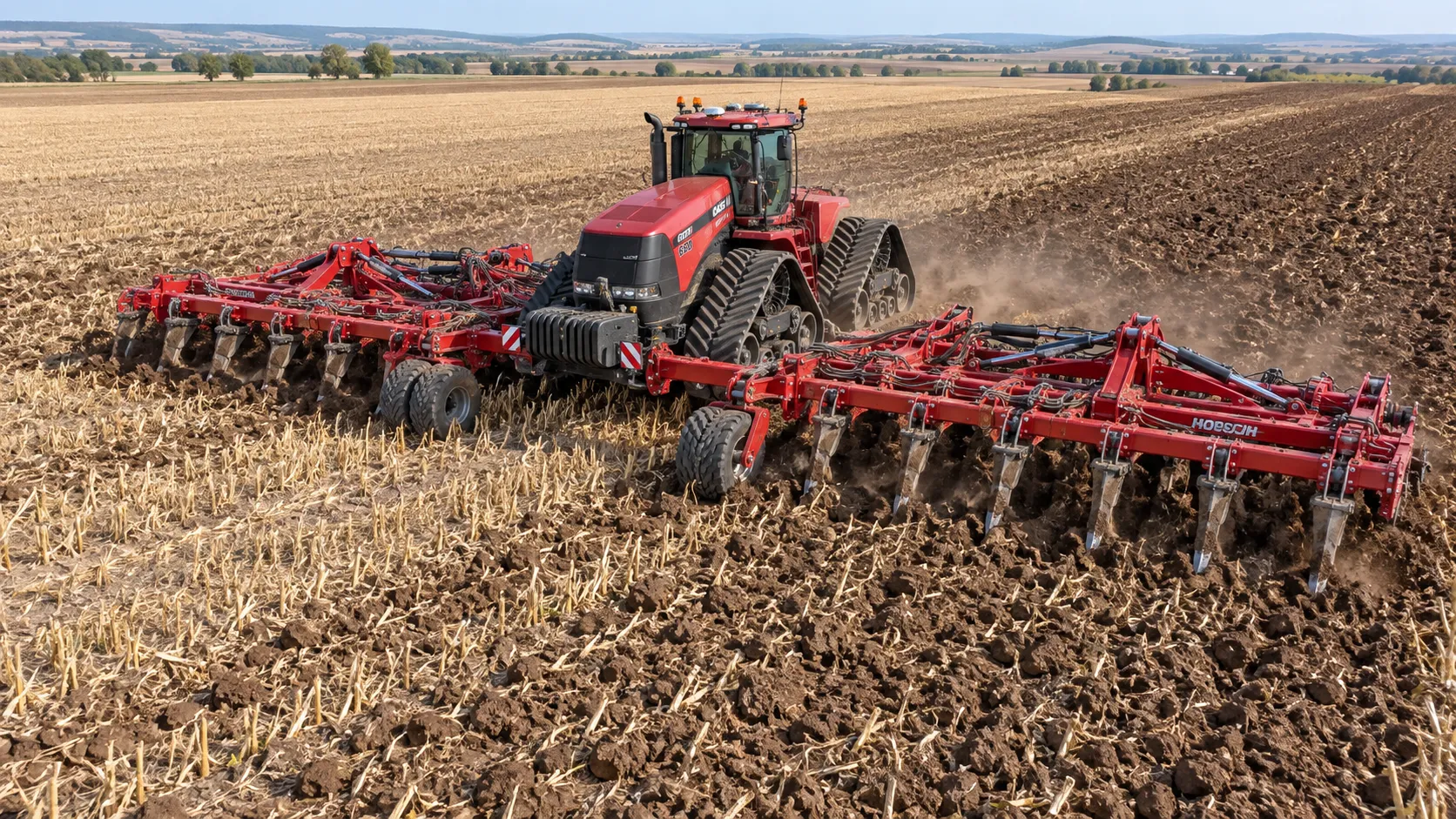
How to Select Heavy-Duty Farm Implements for High-Acreage, High-Horsepower Operations
Heavy duty farm implements: learn how to match draft, hydraulics, hitch capacity, frame strength, and field conditions for reliable high-acreage performance.
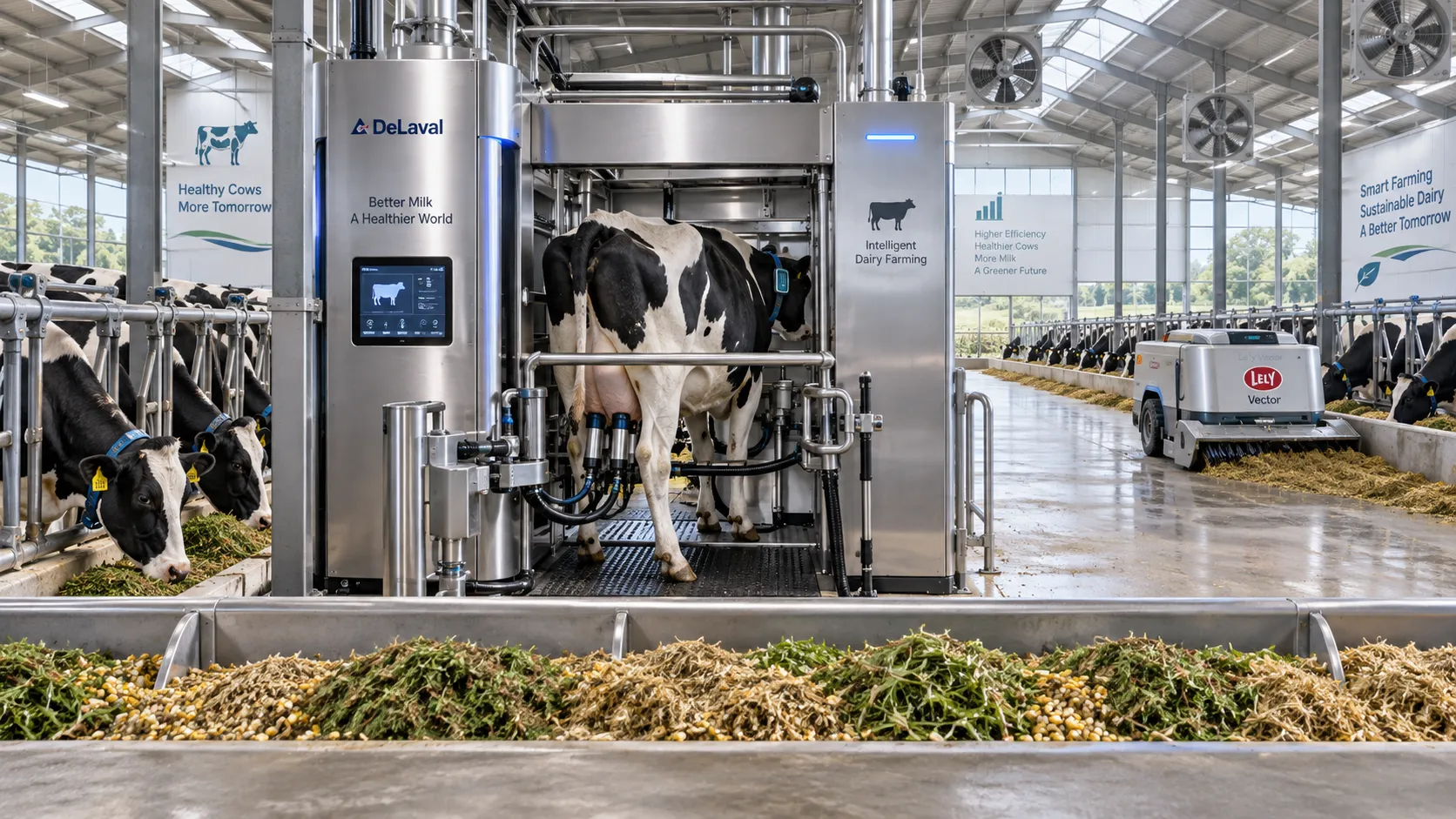
Smart Farming Technology for Dairy Farms: Where Automation Delivers Measurable ROI
Smart farming technology for dairy farms delivers measurable ROI through automation, precision feeding, health monitoring, and data-driven cost control.
Related News
- 00
0000-00
When Does Agricultural Machinery Leasing Cost Less Than Owning Equipment? - 00
0000-00
Selecting Grain Farm Equipment by Acreage, Crop Mix, and Harvest Window - 00
0000-00
Poultry Equipment Selection: Evaluating Durability, Cleaning, and Compatibility - 00
0000-00
How to Select Heavy-Duty Farm Implements for High-Acreage, High-Horsepower Operations - 00
0000-00
Smart Farming Technology for Dairy Farms: Where Automation Delivers Measurable ROI
Popular Tags
Ms. Elena Rodriguez
Weekly Insights
Stay ahead with our curated technology reports delivered every Monday.