
Electric Farm Equipment Costs Explained: Purchase Price, Charging Setup, and ROI Factors
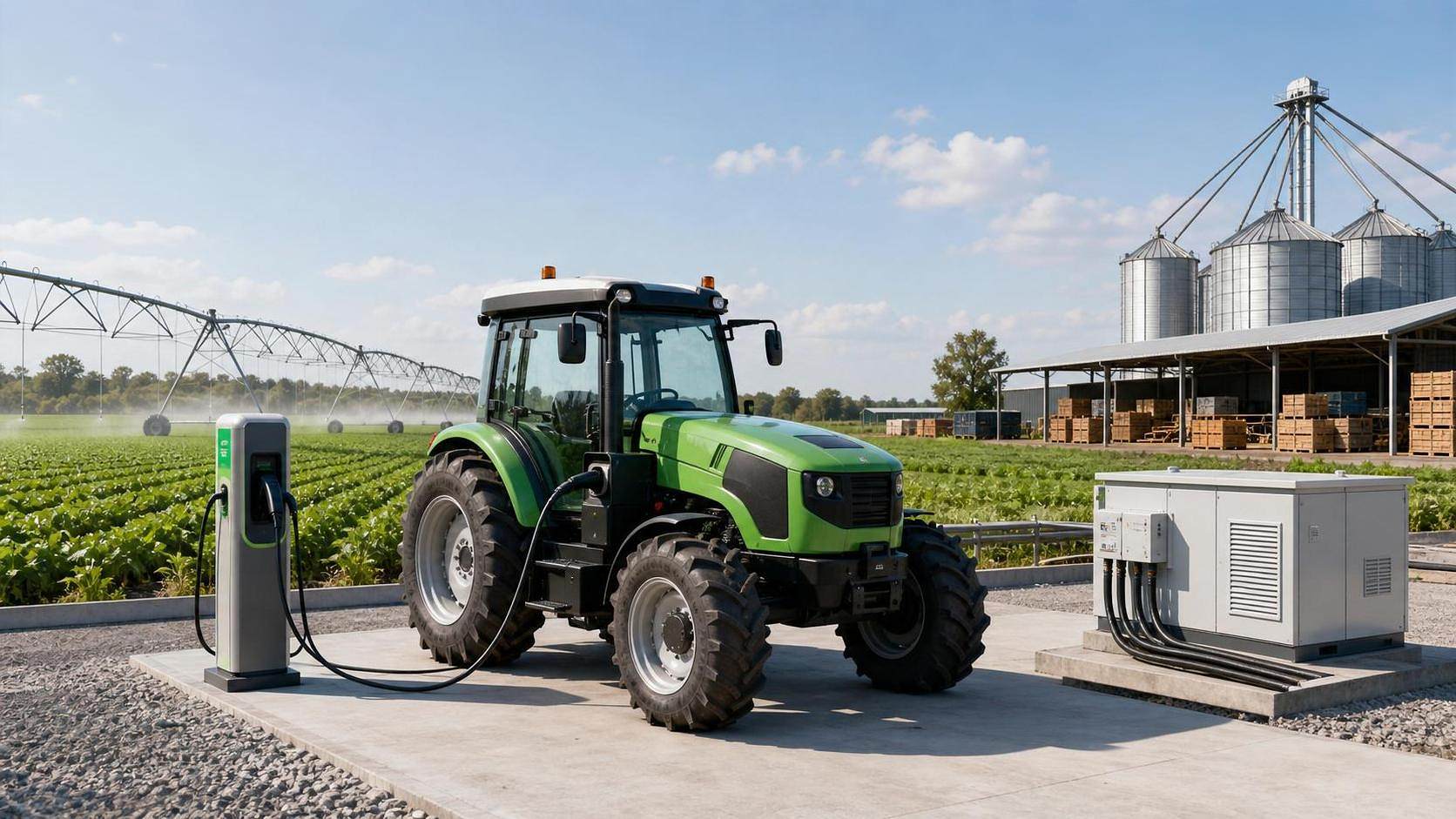




Electric farm equipment costs: what should be counted before any purchase decision?
Electric farm equipment often looks attractive because fuel savings are easy to notice. The harder part is measuring everything else that shapes the actual investment outcome.
In practical terms, the purchase price is only one layer. Charging setup, grid capacity, duty cycles, repair planning, and seasonal utilization all influence the final cost picture.
That is why the topic matters across modern agriculture. Large-scale machinery, irrigation support systems, and intelligent farm tools now sit inside a broader Agriculture 4.0 budget logic.
AP-Strategy follows this shift closely through its intelligence work on mechanization, harvesting efficiency, power chassis development, and resource-saving equipment standards.
A sensible review of electric farm equipment should connect machine economics with field productivity, sustainability targets, and long-cycle asset planning.
Is the upfront price really the biggest cost driver?
Not always. In some projects, the machine invoice is the largest line item. In others, site preparation and charging upgrades change the economics more than expected.
A useful way to read electric farm equipment costs is to divide them into four buckets: acquisition, infrastructure, operations, and residual value.
- Acquisition includes the base unit, battery pack configuration, attachments, software licenses, and delivery.
- Infrastructure includes chargers, transformers, wiring, trenching, permits, and any utility connection upgrade.
- Operations include electricity pricing, battery management, service labor, parts, and downtime exposure.
- Residual value includes resale uncertainty, battery health at exit, and future compatibility with new charging standards.
More common than expected is a mismatch between equipment size and charging design. A lower-cost machine can become expensive if the charging window does not fit field operations.
This matters especially for equipment tied to irrigation routines, high-frequency loader work, greenhouse logistics, or repetitive transport tasks.
A quick cost-check table before moving forward
The table below helps sort common cost questions into practical review points.
How much does charging infrastructure usually change the budget?
This is where many electric farm equipment evaluations become more serious. Charging is not just a plug. It is an operating system for the asset.
If machines return to a central depot each night, planning is easier. If they move across large acreage, seasonal fields, or remote pumping sites, the math changes.
A modest charger may keep capital spending lower, but it can also create idle time. A faster charger may protect uptime, yet trigger higher electrical work costs.
The most reliable budgeting approach compares charging hours with real operating windows, not theoretical daily averages.
- Check whether overnight charging fully restores the battery after peak workloads.
- Review seasonal power demand, especially during irrigation and harvest periods.
- Confirm utility lead times for service upgrades before equipment delivery.
- Account for backup plans if one charger fails during critical field windows.
In large-scale operations, infrastructure decisions should also align with future expansion. One electric tractor or tool carrier may be a pilot. Three years later, it may become a fleet pattern.
Where does ROI usually come from with electric farm equipment?
The strongest ROI cases rarely depend on one saving category. They usually come from stacked benefits that reinforce each other over time.
Energy cost is the obvious example. Electricity can be more predictable than diesel, especially where fuel transport adds cost volatility.
Maintenance is another major factor. Electric drivetrains often reduce oil-related service needs, vibration wear, and some failure points associated with combustion systems.
The less visible gains can matter even more. Quiet operation may extend usable work hours in sensitive environments. Precision control may improve repeatability in spraying, feeding, or orchard tasks.
When AP-Strategy assesses machinery transitions, one recurring insight is that performance data and workflow fit often determine ROI faster than fuel savings alone.
That is especially true when electric farm equipment supports intelligent tools, telemetry, or prescription-based operations already used in precision agriculture programs.
Typical ROI contributors worth modeling
- Lower energy cost per operating hour compared with diesel or LPG.
- Reduced scheduled maintenance and fewer fluid-related service events.
- Higher uptime from simpler driveline architecture in repetitive tasks.
- Potential incentives, tax treatment, or sustainability-linked financing support.
- Better alignment with emissions targets in export-driven supply chains.
Which situations justify the switch, and which ones need caution?
Electric farm equipment is usually easier to justify in stable, repeatable duty cycles. Think yard logistics, indoor handling, dairy support, municipal ag sites, vineyards, or controlled irrigation routines.
It becomes harder when daily loads are highly variable, travel distances are long, or charging access is inconsistent across dispersed field blocks.
Heavy traction work also deserves caution. Some operations still favor hybrid paths or selective electrification rather than full replacement.
A good comparison is not electric versus diesel in abstract terms. It is electric versus the exact duty profile of the current machine.
That means collecting real operating hours, idle time, route length, PTO demand, payload patterns, and weather effects before building the model.
A practical judgment list
Before approving any electric farm equipment project, these questions usually reveal whether the case is mature or still speculative.
- Is the daily workload predictable enough for planned charging windows?
- Can one installation support future fleet growth without major rework?
- Does the supplier provide battery health reporting and software support?
- Is the local power tariff favorable at the hours charging will occur?
- Will the equipment integrate with existing precision farming systems?
What cost mistakes appear most often in electric farm equipment planning?
The first mistake is using fuel savings as the whole business case. It is important, but it rarely tells the full ownership story.
The second is ignoring peak demand charges. A project may look efficient on energy price per kilowatt-hour, yet underperform once demand pricing is included.
Another common issue is underestimating downtime risk during harvest or irrigation-critical windows. A backup charger, spare battery strategy, or temporary rental plan may be necessary.
Some buyers also treat battery life as a fixed promise. In reality, cycle depth, ambient temperature, charging behavior, and workload intensity affect degradation.
Finally, there is the data gap. If operators do not record actual machine use, ROI models become optimistic by default.
What is the smartest next step before comparing suppliers?
Start with a site-specific ownership model, not a brochure comparison. That means mapping one machine, one task group, one charging design, and one seasonal operating pattern.
Then test the assumptions against real constraints: utility capacity, field scheduling, maintenance support, and expected residual value.
For many operations, the best first move is a narrow deployment where electric farm equipment can prove utilization, uptime, and energy performance under measurable conditions.
That evidence creates a stronger basis for later expansion into tractors, smart implements, or connected irrigation support assets.
The broader lesson is simple. Electric farm equipment makes financial sense when the machine, the charging setup, and the field workflow are designed as one system.
A careful review of purchase price, infrastructure, incentives, operating data, and battery life assumptions will usually reveal whether the project is ready, premature, or worth piloting first.
If the next step is under discussion, build a comparison sheet around actual duty cycles, utility conditions, and expected service intervals. That usually leads to better answers than headline price alone.
Related News
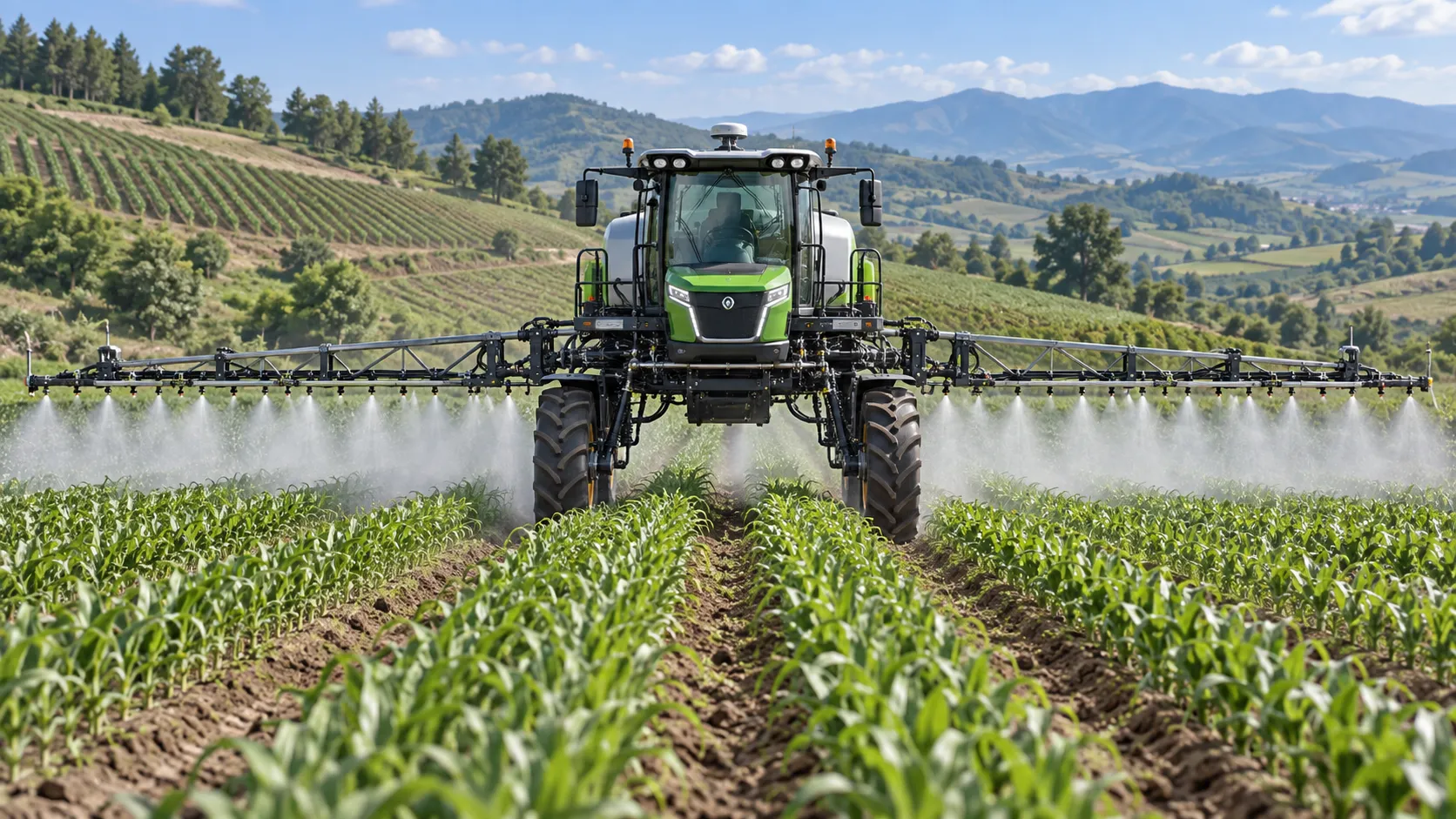
How to Select Precision Crop Protection Equipment for Variable Field Conditions
Precision crop protection equipment selection made simple: compare terrain, canopy, weather, control accuracy, and data workflows for reliable applications.
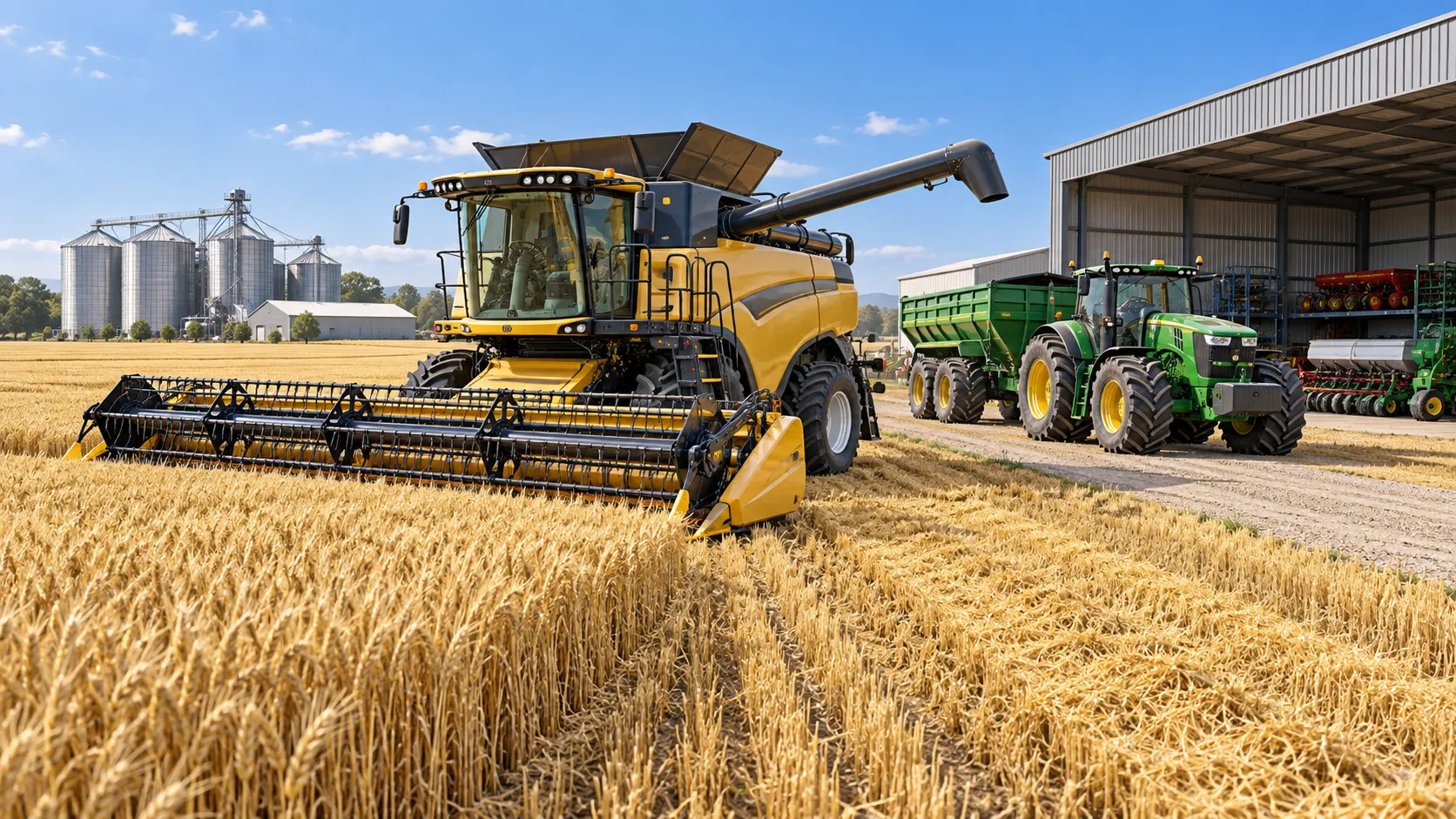
When Does Agricultural Machinery Leasing Cost Less Than Owning Equipment?
Agricultural machinery leasing can lower farm costs when use is seasonal or uncertain. Compare utilization, maintenance, cash flow, and risk to make a smarter equipment decision.
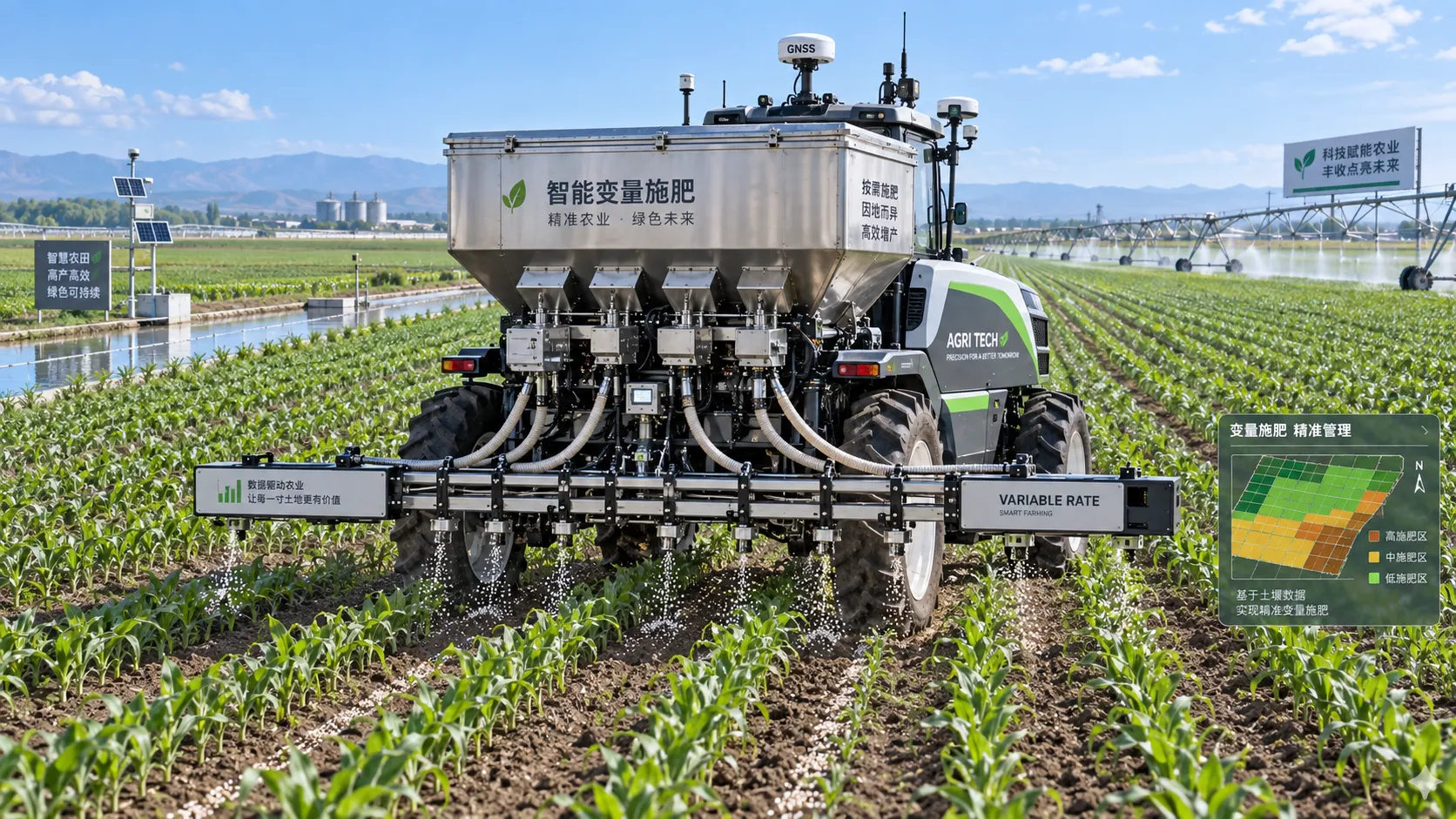
How to Evaluate Precision Fertilization System Suppliers for Farm-Scale Deployment
Precision fertilization systems suppliers: learn how to compare accuracy, integration, uptime, service, and total cost for confident farm-scale deployment.
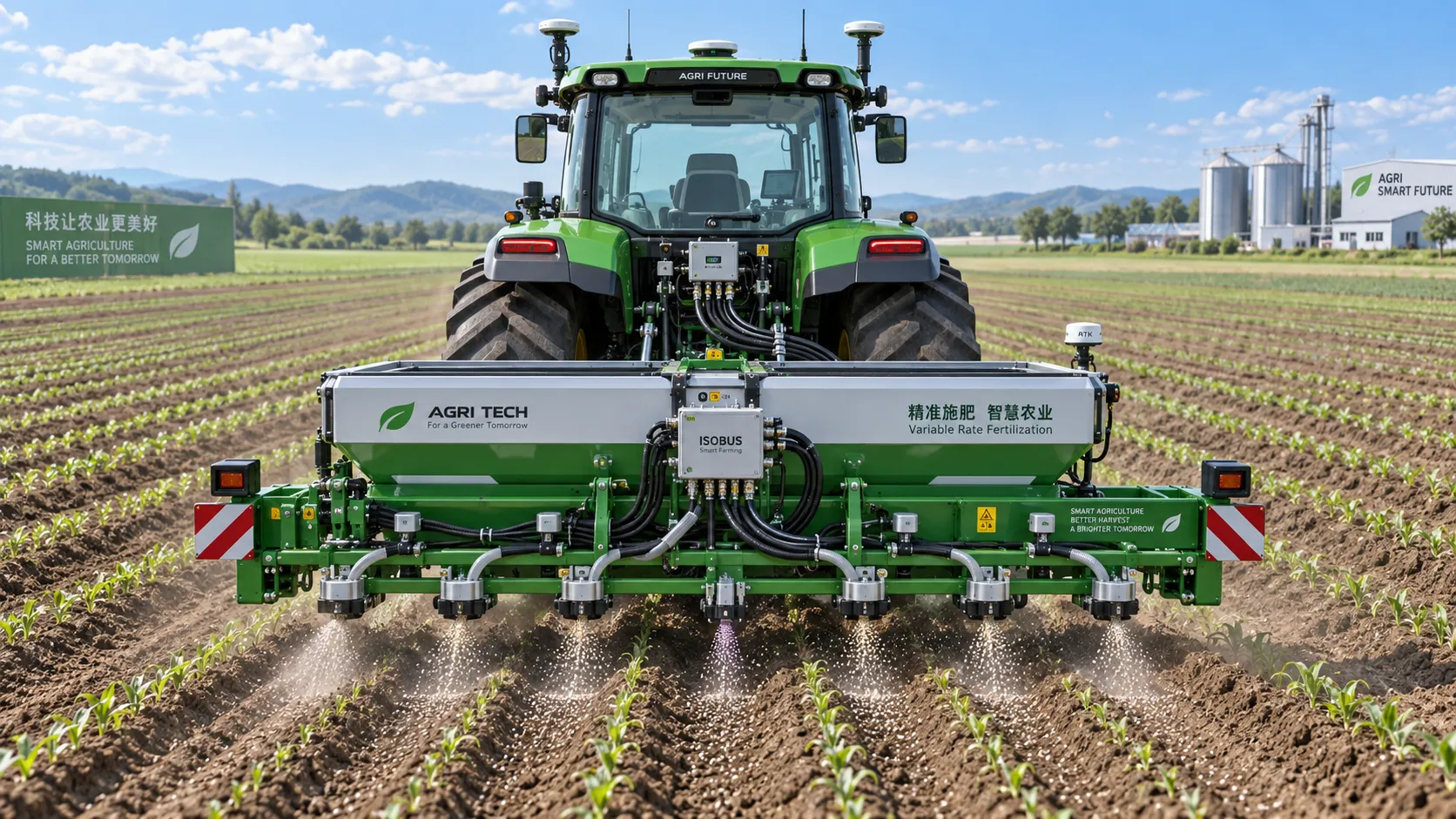
ISOBUS for Smart Agriculture: How It Connects Tractors, Implements, and Farm Data
ISOBUS for smart agriculture connects tractors, implements, terminals, and farm data—helping growers improve precision, documentation, and smarter field decisions.
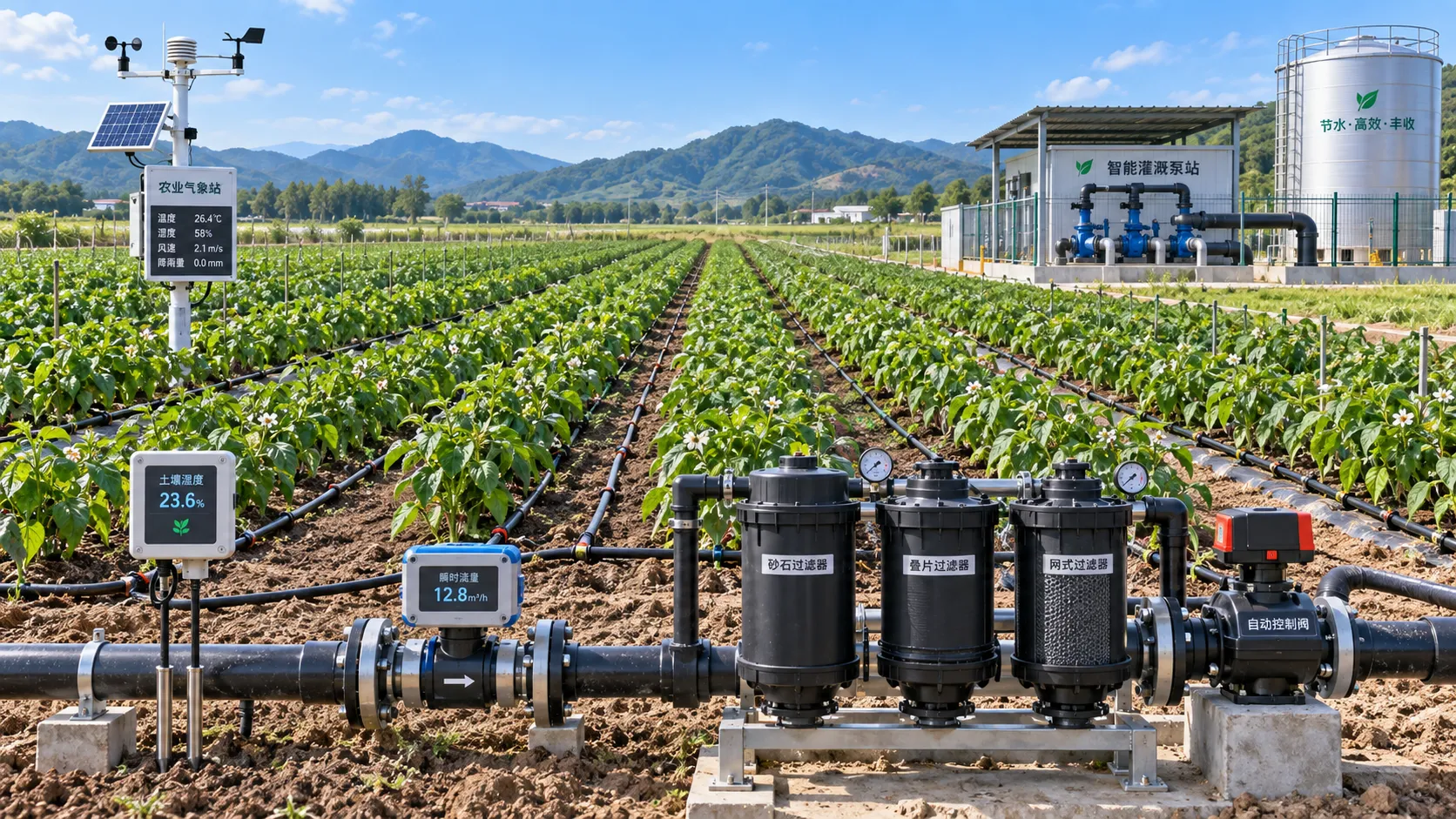
Automated Water-Saving Irrigation: How to Cut Water Use Without Reducing Crop Yields
Automated water-saving irrigation helps farms cut water use, protect crop yields, improve scheduling, and gain reliable control with sensors, flow monitoring, and smart zones.
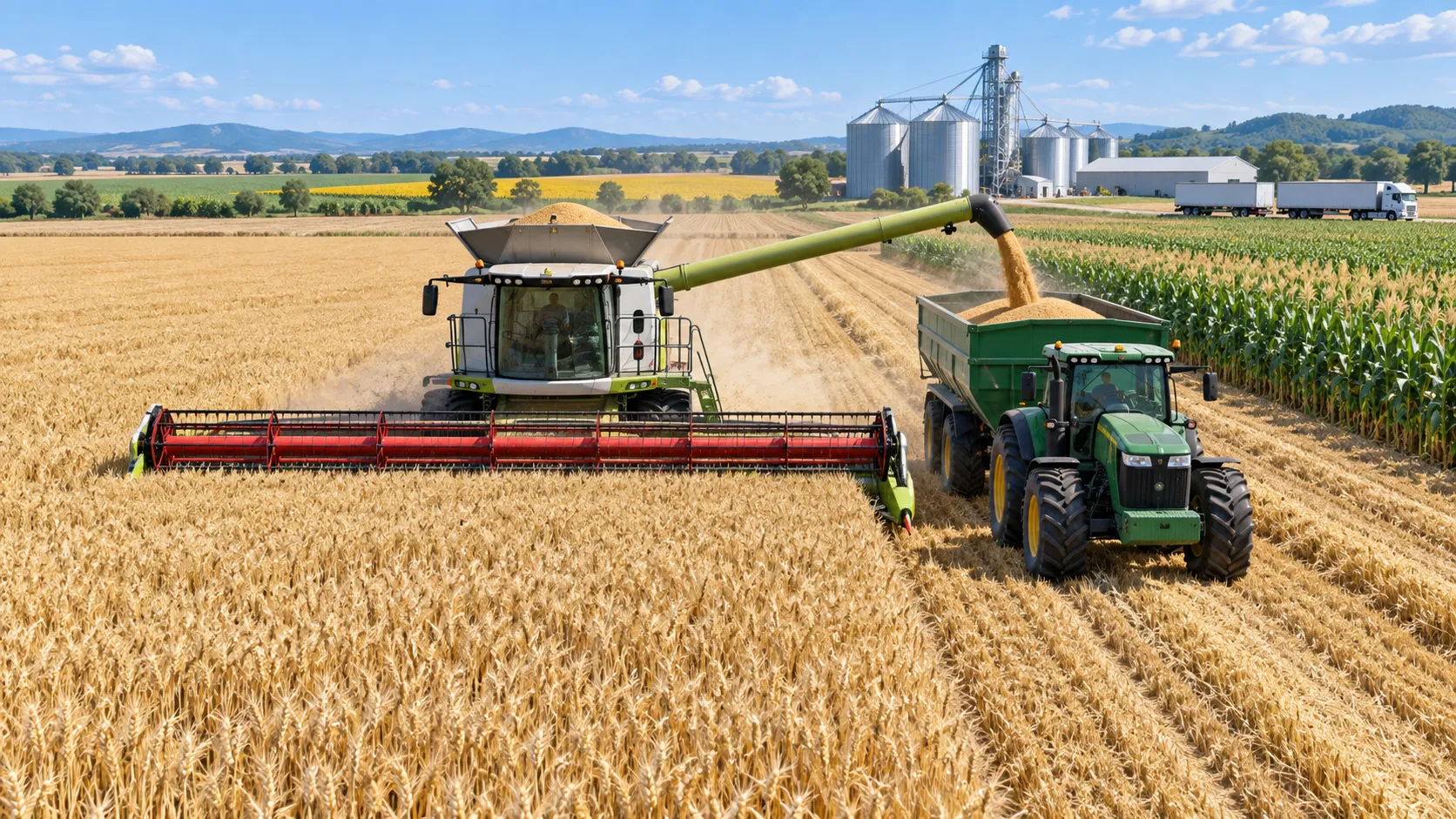
Selecting Grain Farm Equipment by Acreage, Crop Mix, and Harvest Window
Agricultural equipment selection for grain farming: match machinery to acreage, crop mix, and harvest windows to improve uptime, efficiency, and returns.
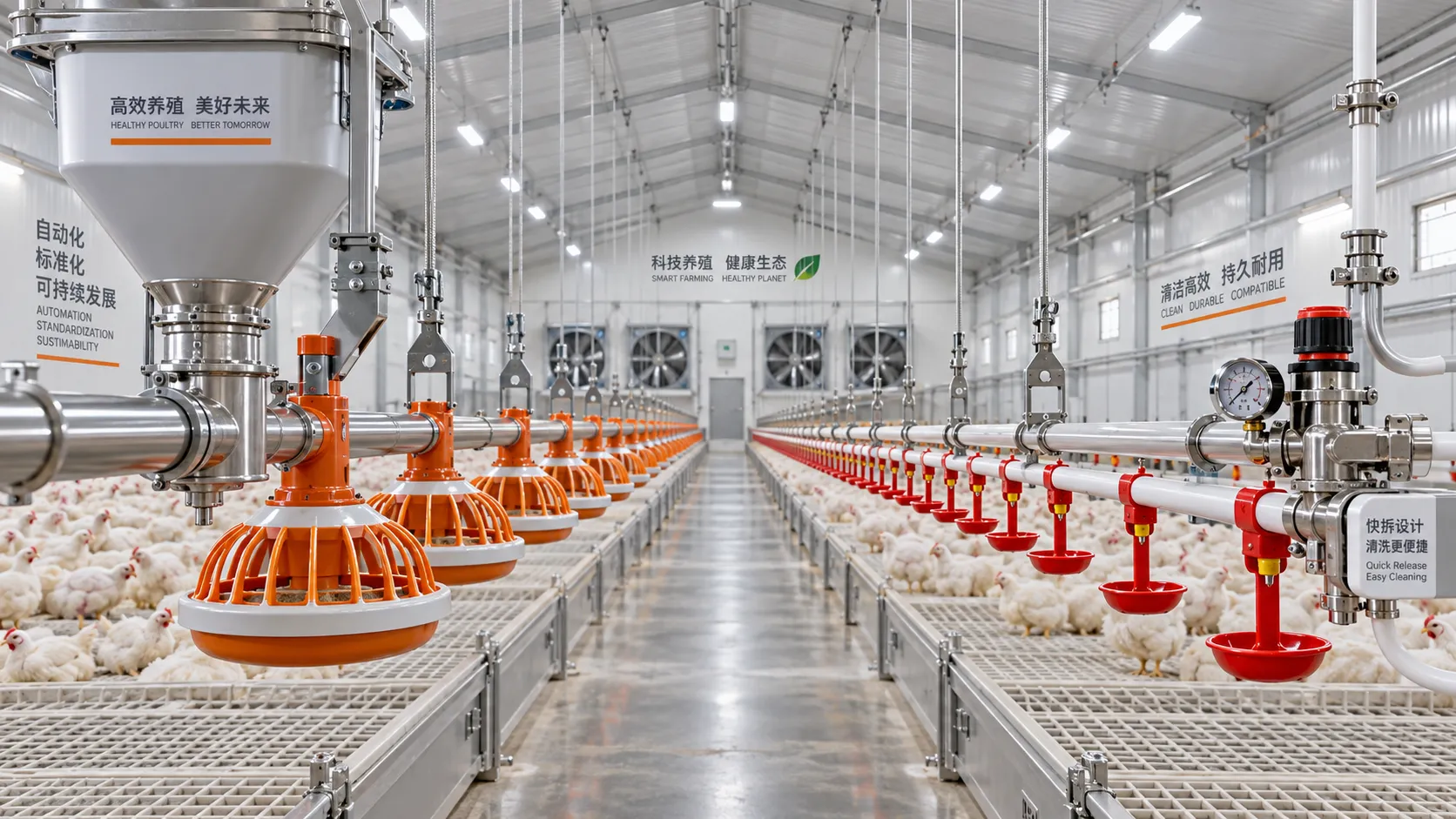
Poultry Equipment Selection: Evaluating Durability, Cleaning, and Compatibility
Poultry equipments selection guide: evaluate durability, cleaning access, and system compatibility to improve hygiene, reduce downtime, and support efficient flock management.
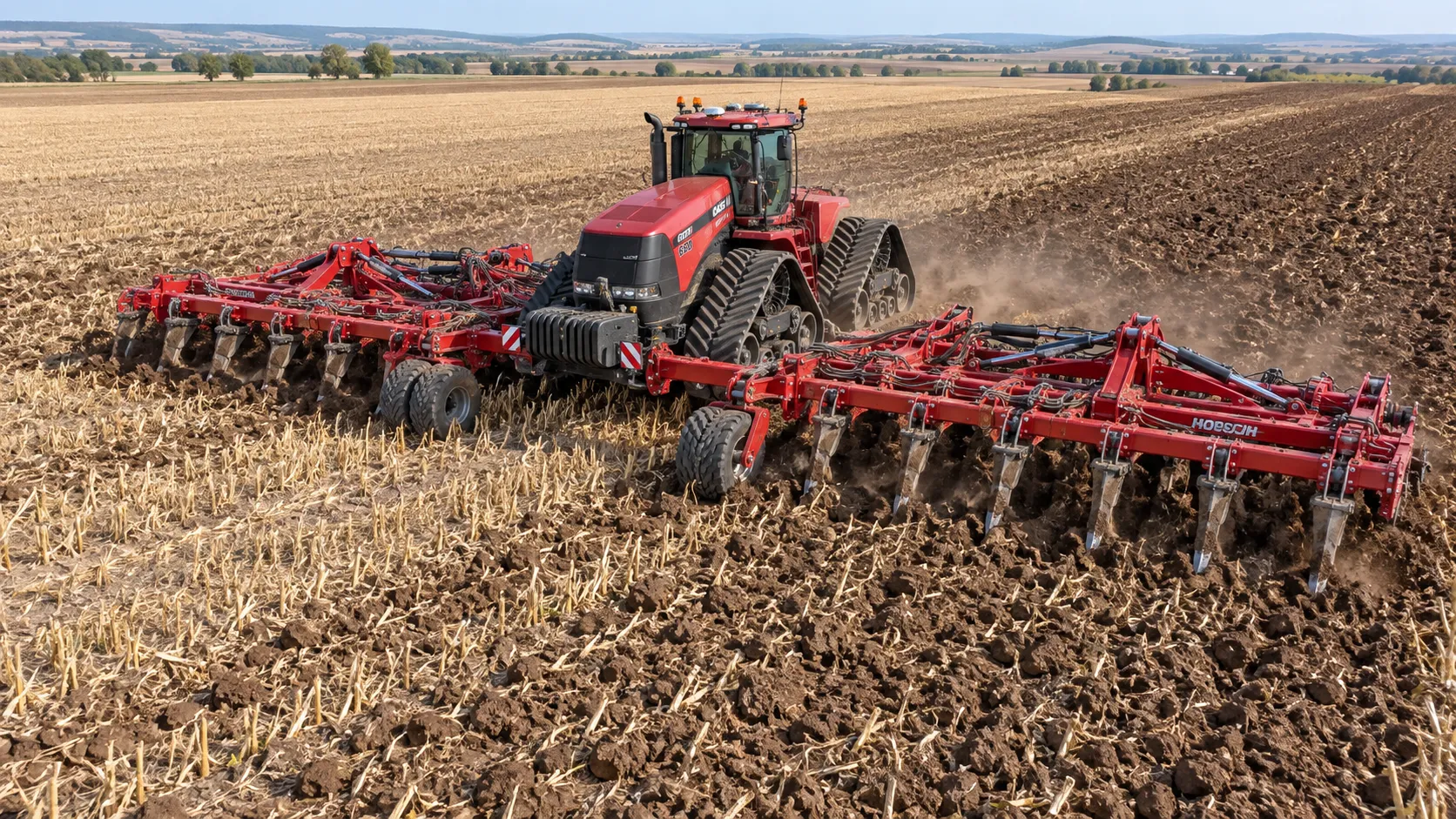
How to Select Heavy-Duty Farm Implements for High-Acreage, High-Horsepower Operations
Heavy duty farm implements: learn how to match draft, hydraulics, hitch capacity, frame strength, and field conditions for reliable high-acreage performance.
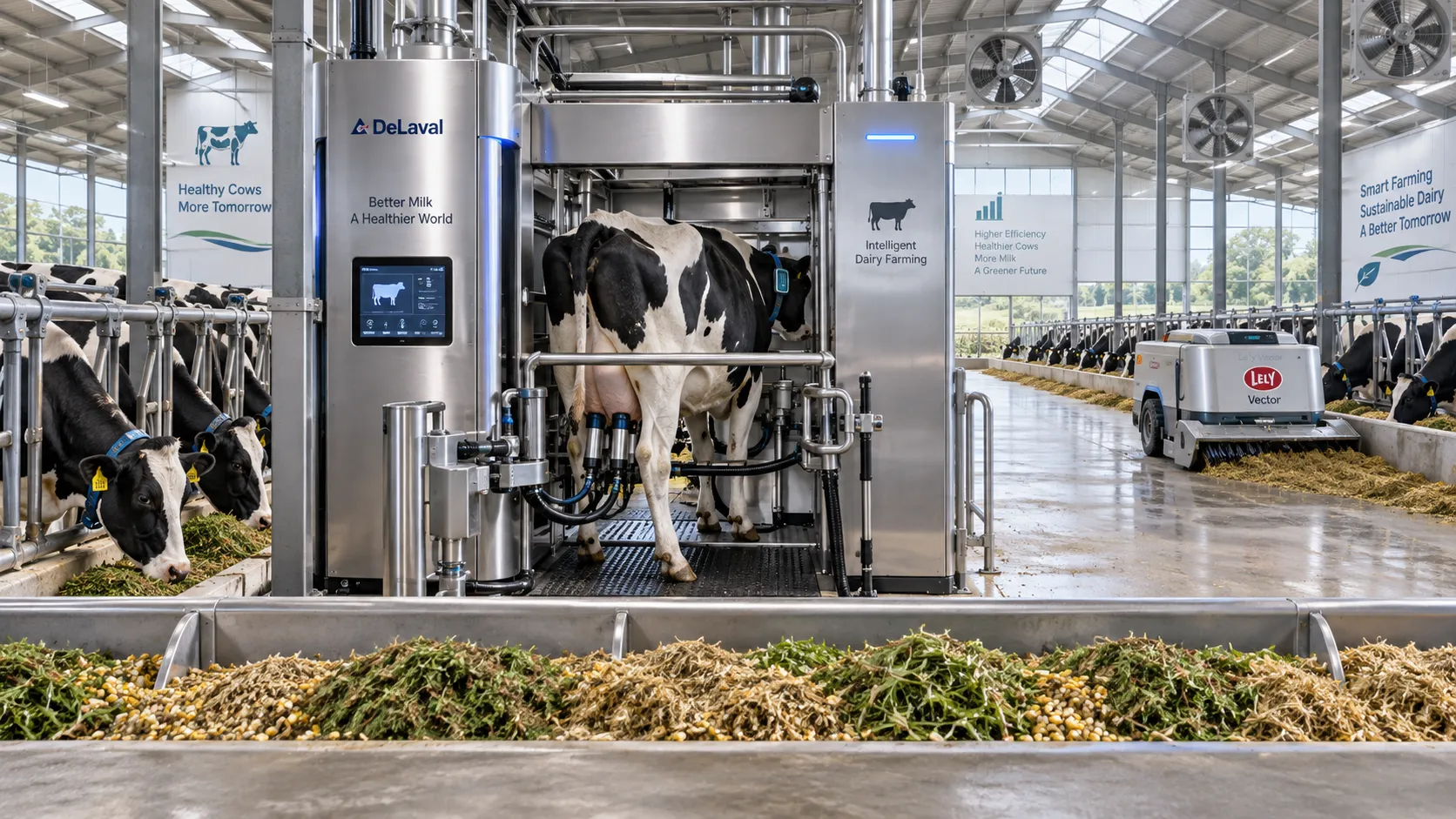
Smart Farming Technology for Dairy Farms: Where Automation Delivers Measurable ROI
Smart farming technology for dairy farms delivers measurable ROI through automation, precision feeding, health monitoring, and data-driven cost control.
Related News
- 00
0000-00
When Does Agricultural Machinery Leasing Cost Less Than Owning Equipment? - 00
0000-00
Selecting Grain Farm Equipment by Acreage, Crop Mix, and Harvest Window - 00
0000-00
Poultry Equipment Selection: Evaluating Durability, Cleaning, and Compatibility - 00
0000-00
How to Select Heavy-Duty Farm Implements for High-Acreage, High-Horsepower Operations - 00
0000-00
Smart Farming Technology for Dairy Farms: Where Automation Delivers Measurable ROI
Popular Tags
Ms. Elena Rodriguez
Weekly Insights
Stay ahead with our curated technology reports delivered every Monday.