
Process Technology Solutions for Food Plants: How to Reduce Downtime and Improve Output
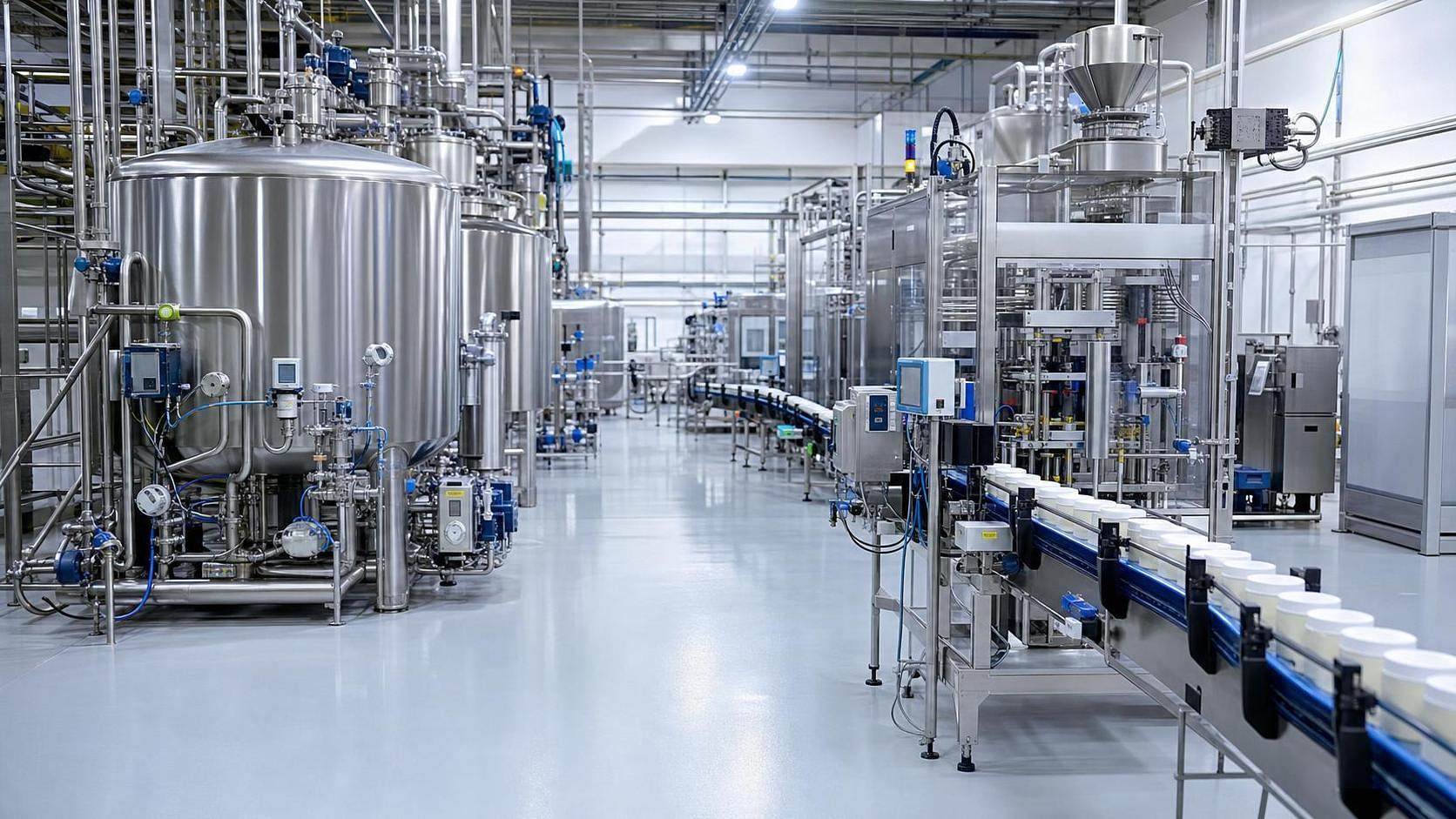




Process Technology Solutions for Food Plants: How to Reduce Downtime and Improve Output
In food plants, small process failures rarely stay small for long.
A short stoppage can delay packaging, waste raw materials, and pressure quality teams.
That is why process technology solutions now sit at the center of plant improvement plans.
They help stabilize lines, reduce avoidable downtime, and raise usable output without uncontrolled expansion.
For operations that support global food systems, this shift also connects efficiency with resilience.
AP-Strategy tracks this broader pattern across mechanization, intelligent control, and resource-focused production.
In practical terms, the same mindset applies inside food plants.
The goal is not technology for its own sake.
The goal is a better process, fewer interruptions, and stronger production performance over time.
Why downtime in food plants becomes so expensive
Food manufacturing is tightly linked across receiving, mixing, thermal steps, filling, packaging, and storage.
When one point slips, the impact travels fast.
A failed valve may stop a cooker.
An unstable sensor may force manual checks.
A slow clean-in-place cycle may cut available production hours.
These issues do more than reduce speed.
They can create quality variation, missed shipping windows, and rising labor pressure.
This is where process technology solutions deliver value.
They identify weak points, connect data to action, and improve how equipment and people work together.
Instead of reacting to every outage, plants can build a more predictable operating rhythm.
What strong process technology solutions usually include
Not every plant needs a full digital transformation at once.
The best process technology solutions are often modular and phased.
They focus first on the bottlenecks that limit output or create repeated disruption.
Core components to prioritize
- Real-time monitoring for temperature, flow, pressure, fill rate, and equipment status.
- Automation logic that reduces manual intervention during normal and abnormal conditions.
- Predictive maintenance tools that detect wear before failure stops the line.
- Integrated quality controls that catch deviation early, before waste expands.
- Production dashboards that connect throughput, downtime, and yield in one view.
- Utility optimization for steam, water, compressed air, and refrigeration usage.
From a project perspective, this matters because hidden losses often sit between departments.
Process technology solutions work best when operations, maintenance, engineering, and quality use the same facts.
How to reduce downtime with a practical upgrade path
Many plants lose time by chasing symptoms instead of root causes.
A more effective path starts with a simple rule.
Fix what stops the line most often, then fix what slows it most consistently.
Step 1: Map the real downtime pattern
Start with loss data from the last three to six months.
Separate planned stoppages, equipment faults, changeovers, cleaning delays, and material interruptions.
Then rank them by frequency, duration, and production impact.
This gives process technology solutions a clear business target, not just a technical target.
Step 2: Stabilize the critical control points
Look closely at mixers, cookers, conveyors, fillers, labelers, and CIP systems.
If these points drift, the line rarely recovers smoothly.
Upgraded sensors, better interlocks, and cleaner alarm logic often deliver quick returns.
In many cases, smart process technology solutions remove nuisance stops that operators have learned to tolerate.
Step 3: Use maintenance data before failure hits
Bearings, seals, pumps, and motors usually show warning signs before breakdown.
Vibration trends, temperature drift, and cycle count data can trigger earlier intervention.
This approach turns emergency repair into scheduled maintenance.
That is one of the most practical ways process technology solutions reduce downtime risk.
Step 4: Improve changeovers and sanitation cycles
Food plants often lose more output in transitions than in obvious failures.
Recipe automation, guided setup, and validated CIP sequences can cut that loss.
The benefit is not just speed.
It also improves repeatability, compliance, and handoff quality between shifts.
How process technology solutions improve output without adding chaos
Higher output does not mean running every machine faster.
If upstream and downstream steps are unbalanced, speed only moves the bottleneck.
Smart process technology solutions improve flow first, then lift capacity.
Output gains usually come from five areas
- Less waiting time between process steps.
- Fewer minor stops that chip away at shift performance.
- Better first-pass quality with less rework or product hold.
- More accurate dosing, filling, and thermal control.
- Lower utility waste, which supports longer stable runs.
In real operations, these gains usually arrive in small layers.
A two percent reduction in giveaway matters.
A shorter restart after cleaning matters.
A more stable filler matters.
Together, process technology solutions turn scattered improvements into measurable output growth.
A simple decision framework for selecting the right solution
The market offers many platforms, devices, and integration promises.
The challenge is choosing process technology solutions that fit plant reality.
A useful selection model keeps four questions in focus.
- Does the solution target a proven bottleneck or only a general ambition?
- Can it integrate with current controls, historian systems, and reporting tools?
- Will teams use it daily without adding excessive manual work?
- Can the expected savings be measured within a defined timeline?
This kind of discipline protects capital and supports faster approval.
It also keeps process technology solutions tied to production results, not vendor language.
Quick evaluation table
Common rollout mistakes and how to avoid them
Even strong technology can disappoint if execution is weak.
This is where many food plant upgrades lose momentum.
Watch for these patterns
- Installing new tools without defining baseline performance first.
- Ignoring operator input during design and testing.
- Automating unstable processes before standard work is clear.
- Tracking too many metrics and missing the few that matter.
- Underestimating training needs during startup and handover.
The better approach is phased implementation with visible checkpoints.
Pilot the highest-value area first.
Measure results weekly.
Then expand process technology solutions only after the first gains are stable.
Building long-term value from process technology solutions
The most useful upgrades do not end at installation.
They create a stronger operating model.
Over time, process technology solutions support better forecasting, smoother labor planning, and more reliable customer service.
They also improve resource discipline, which matters more as energy, water, and raw material costs stay volatile.
That wider perspective matches the direction seen across modern agricultural and food systems.
As AP-Strategy often highlights, intelligent performance comes from linking equipment capability with data-driven decisions.
In food plants, the same principle holds.
Start with the biggest interruption point.
Choose process technology solutions that improve control, visibility, and repeatability.
Set clear metrics for downtime, throughput, yield, and quality loss.
Then review results often enough to keep the gains real.
When done well, the outcome is not just a faster line.
It is a more reliable plant, a calmer operation, and a stronger output base for future growth.
That is the real promise of process technology solutions in modern food production.
Related News
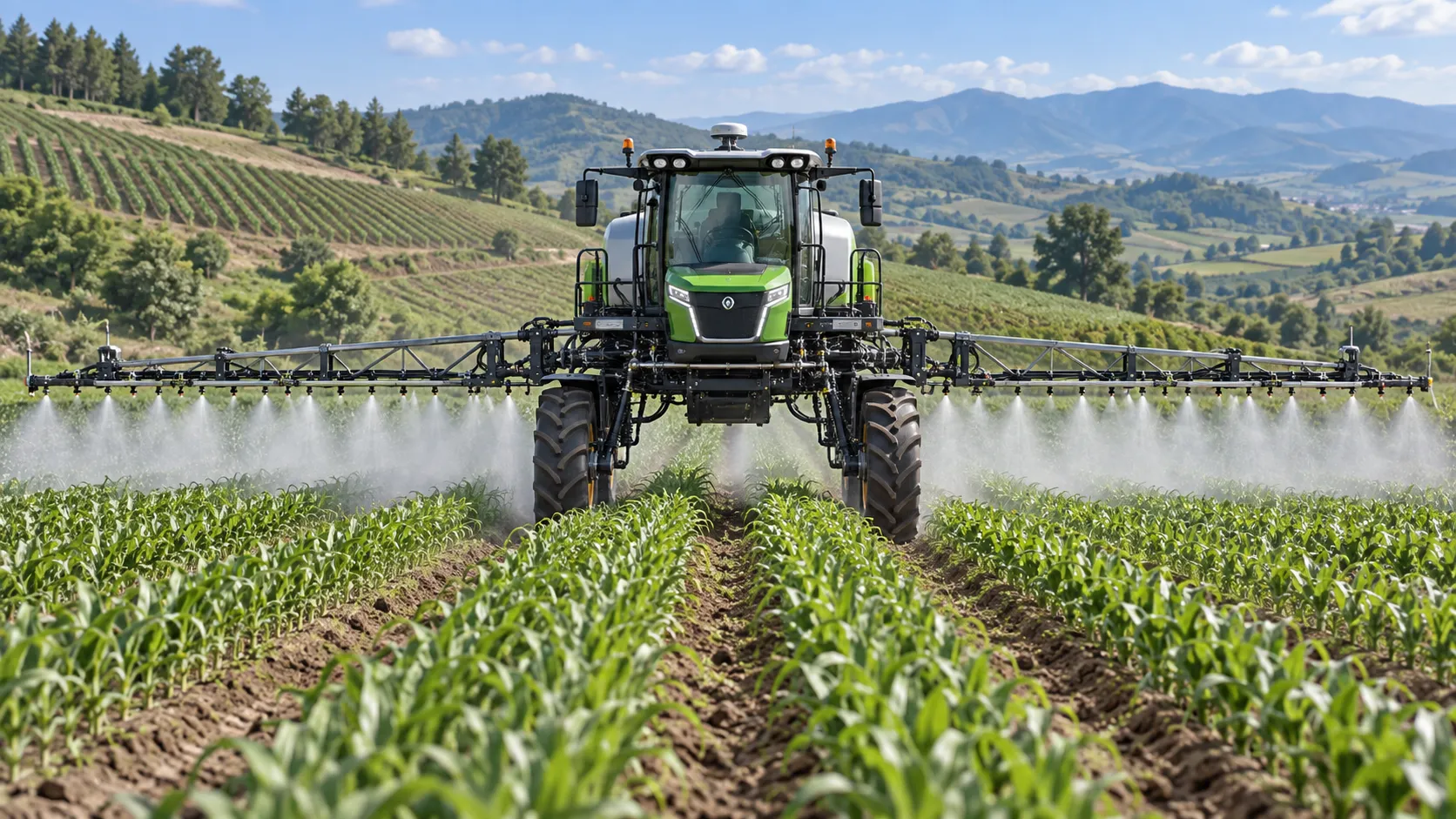
How to Select Precision Crop Protection Equipment for Variable Field Conditions
Precision crop protection equipment selection made simple: compare terrain, canopy, weather, control accuracy, and data workflows for reliable applications.
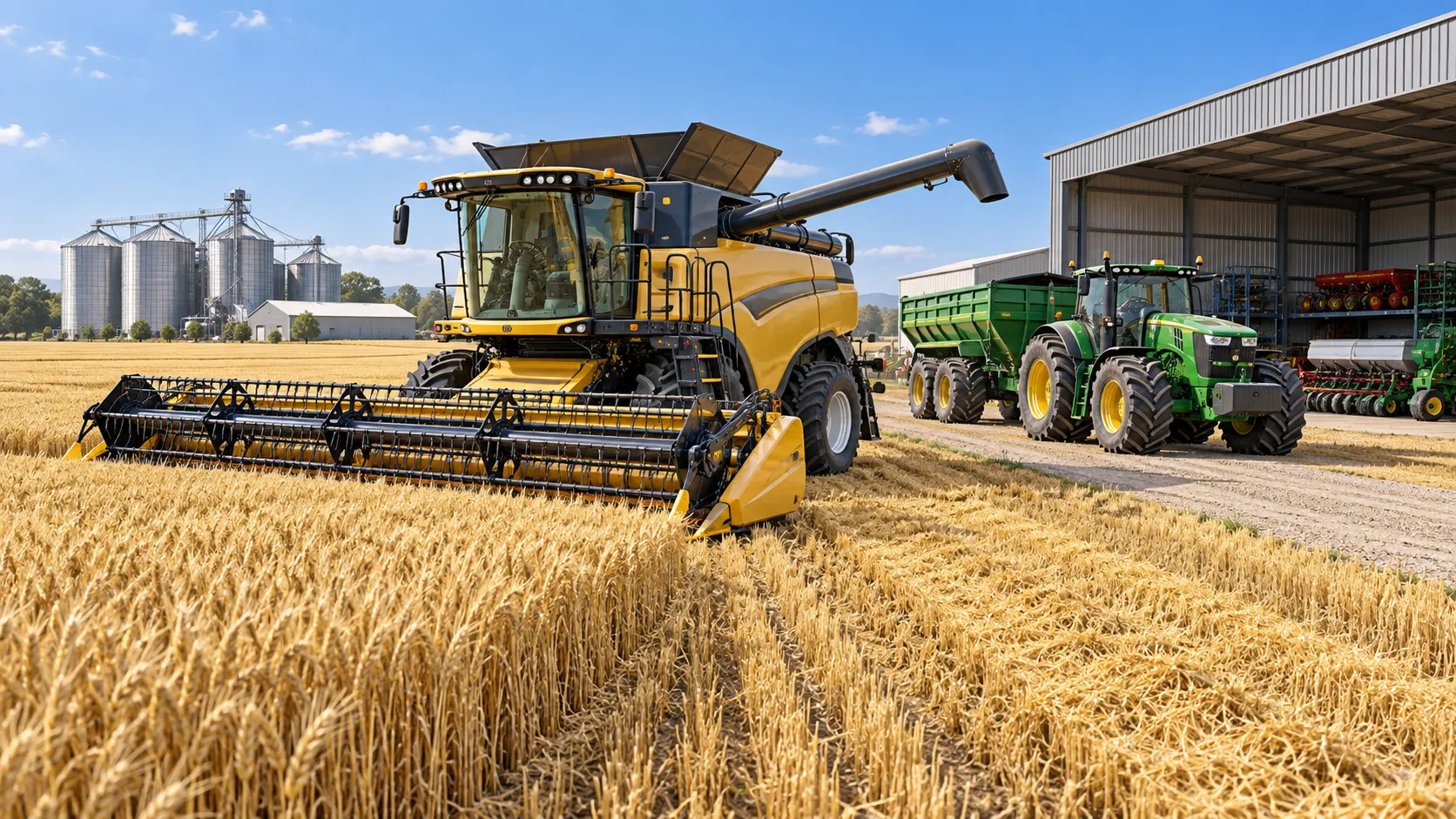
When Does Agricultural Machinery Leasing Cost Less Than Owning Equipment?
Agricultural machinery leasing can lower farm costs when use is seasonal or uncertain. Compare utilization, maintenance, cash flow, and risk to make a smarter equipment decision.
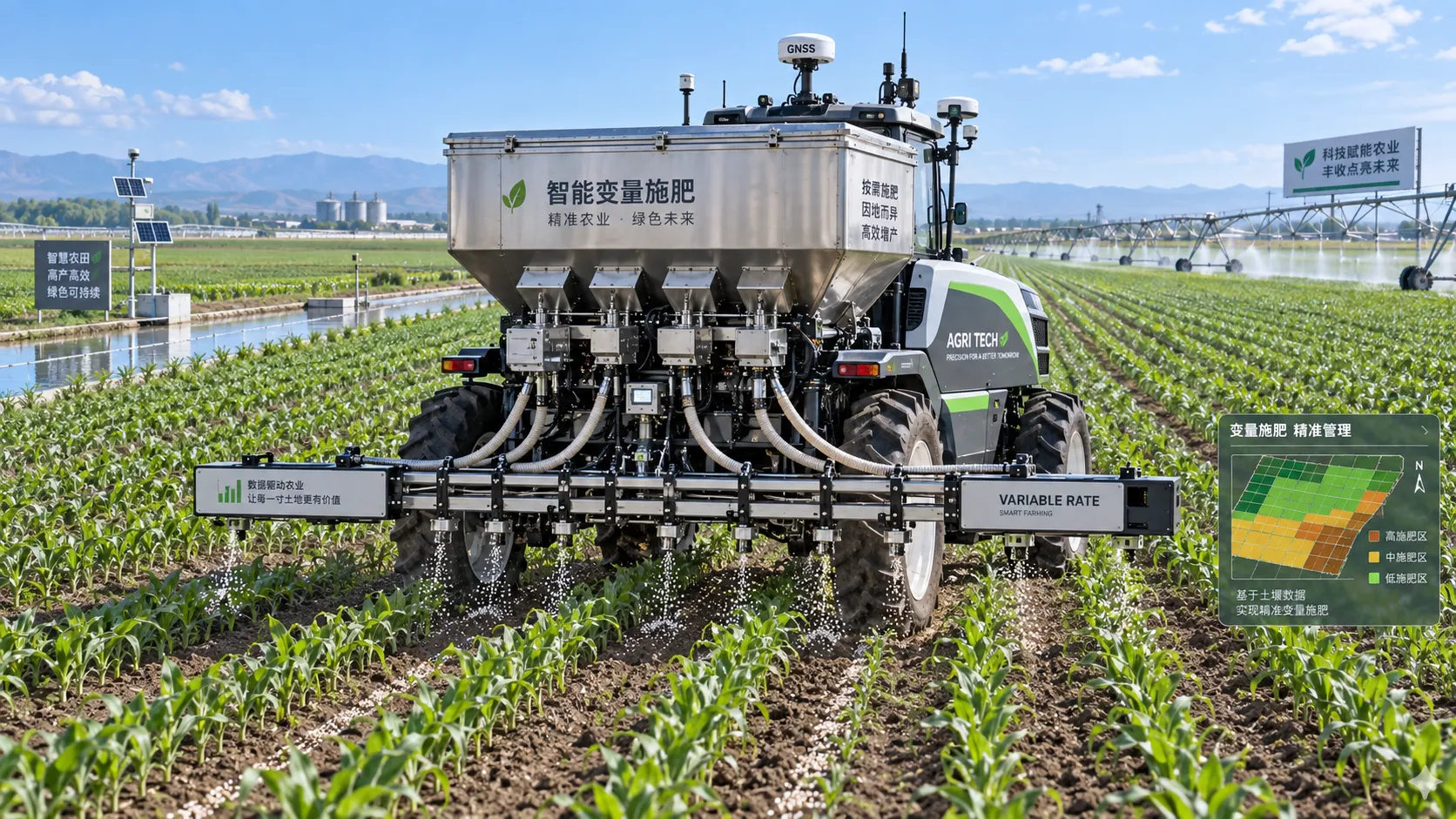
How to Evaluate Precision Fertilization System Suppliers for Farm-Scale Deployment
Precision fertilization systems suppliers: learn how to compare accuracy, integration, uptime, service, and total cost for confident farm-scale deployment.
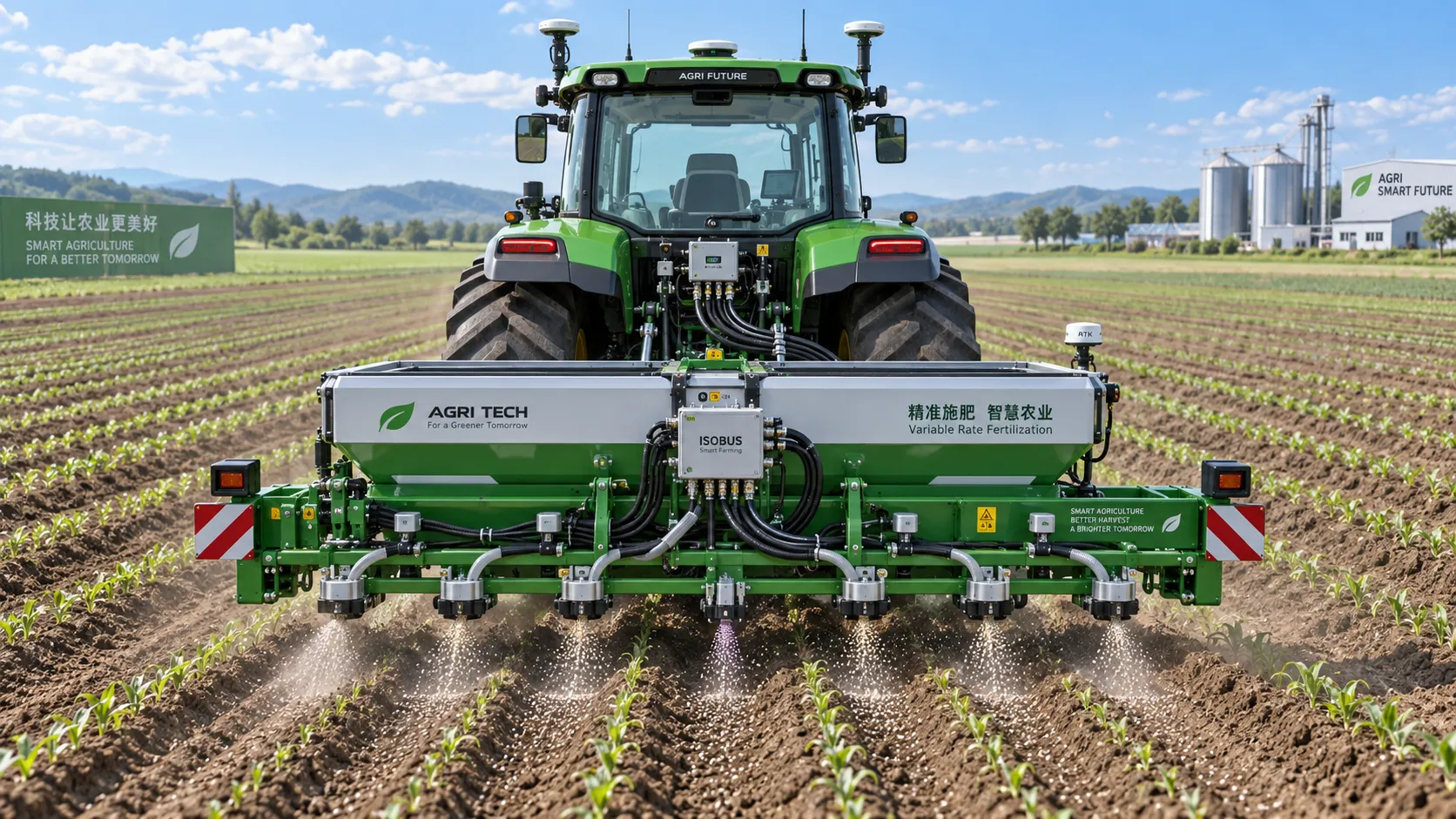
ISOBUS for Smart Agriculture: How It Connects Tractors, Implements, and Farm Data
ISOBUS for smart agriculture connects tractors, implements, terminals, and farm data—helping growers improve precision, documentation, and smarter field decisions.
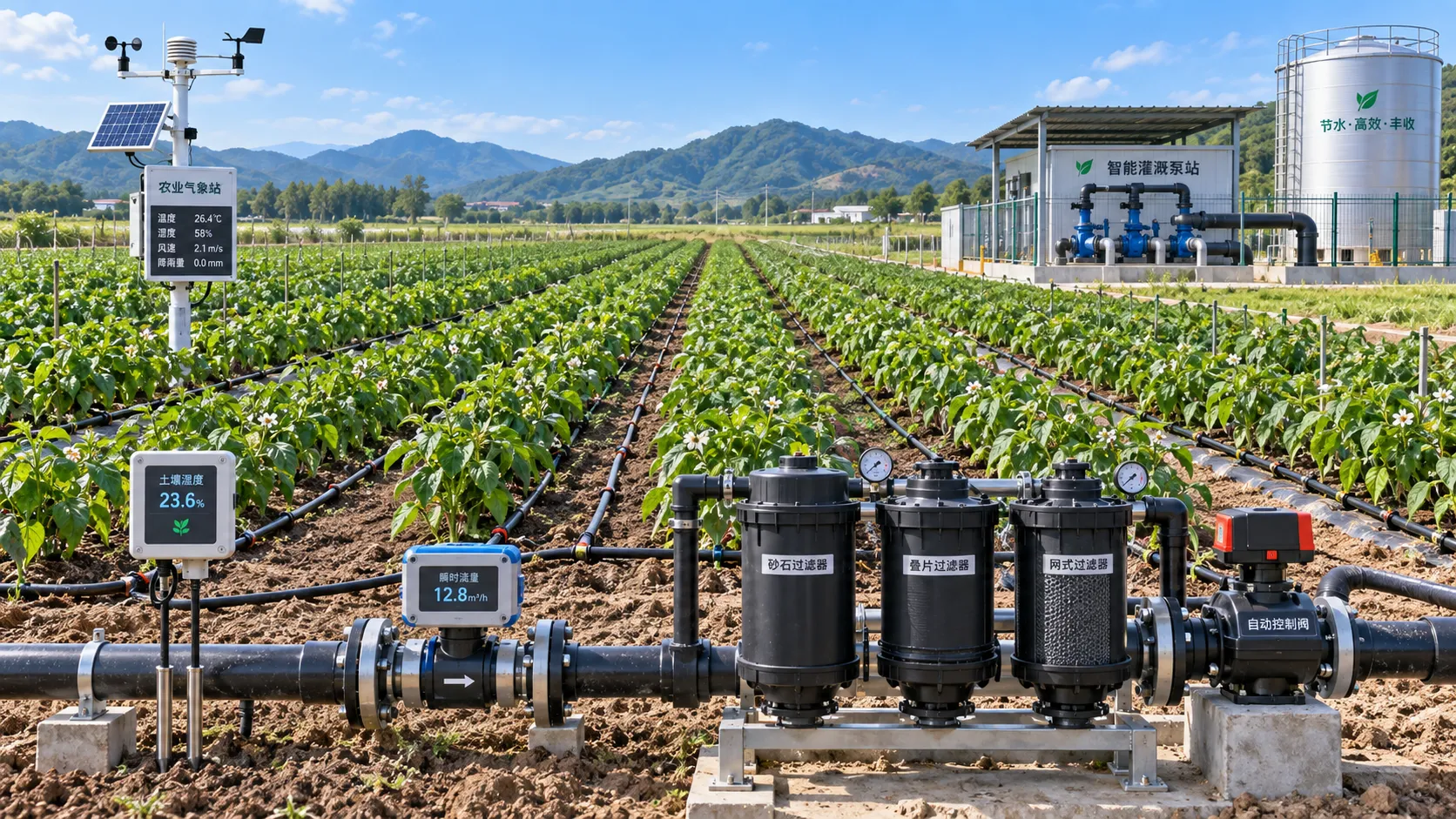
Automated Water-Saving Irrigation: How to Cut Water Use Without Reducing Crop Yields
Automated water-saving irrigation helps farms cut water use, protect crop yields, improve scheduling, and gain reliable control with sensors, flow monitoring, and smart zones.
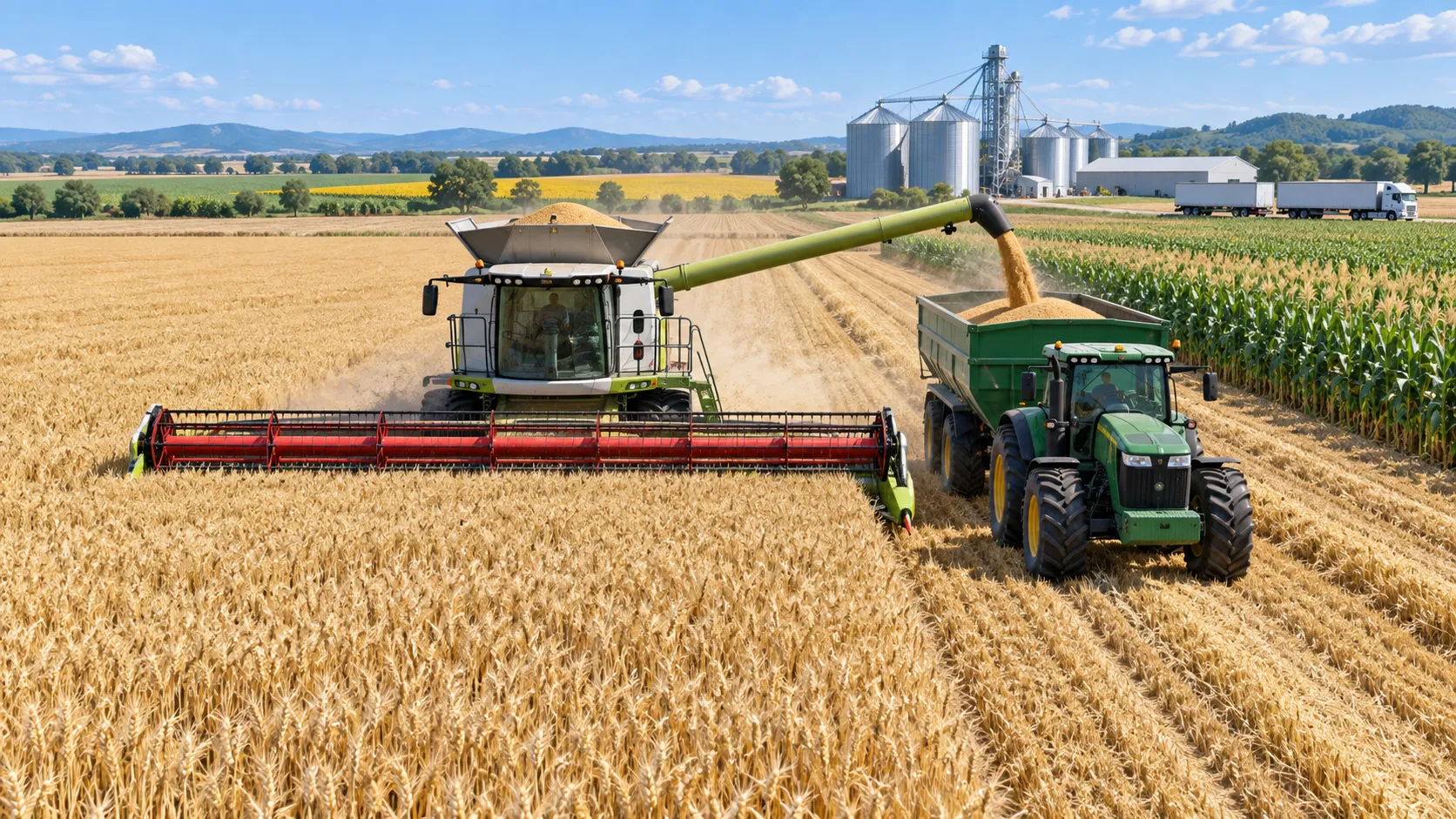
Selecting Grain Farm Equipment by Acreage, Crop Mix, and Harvest Window
Agricultural equipment selection for grain farming: match machinery to acreage, crop mix, and harvest windows to improve uptime, efficiency, and returns.
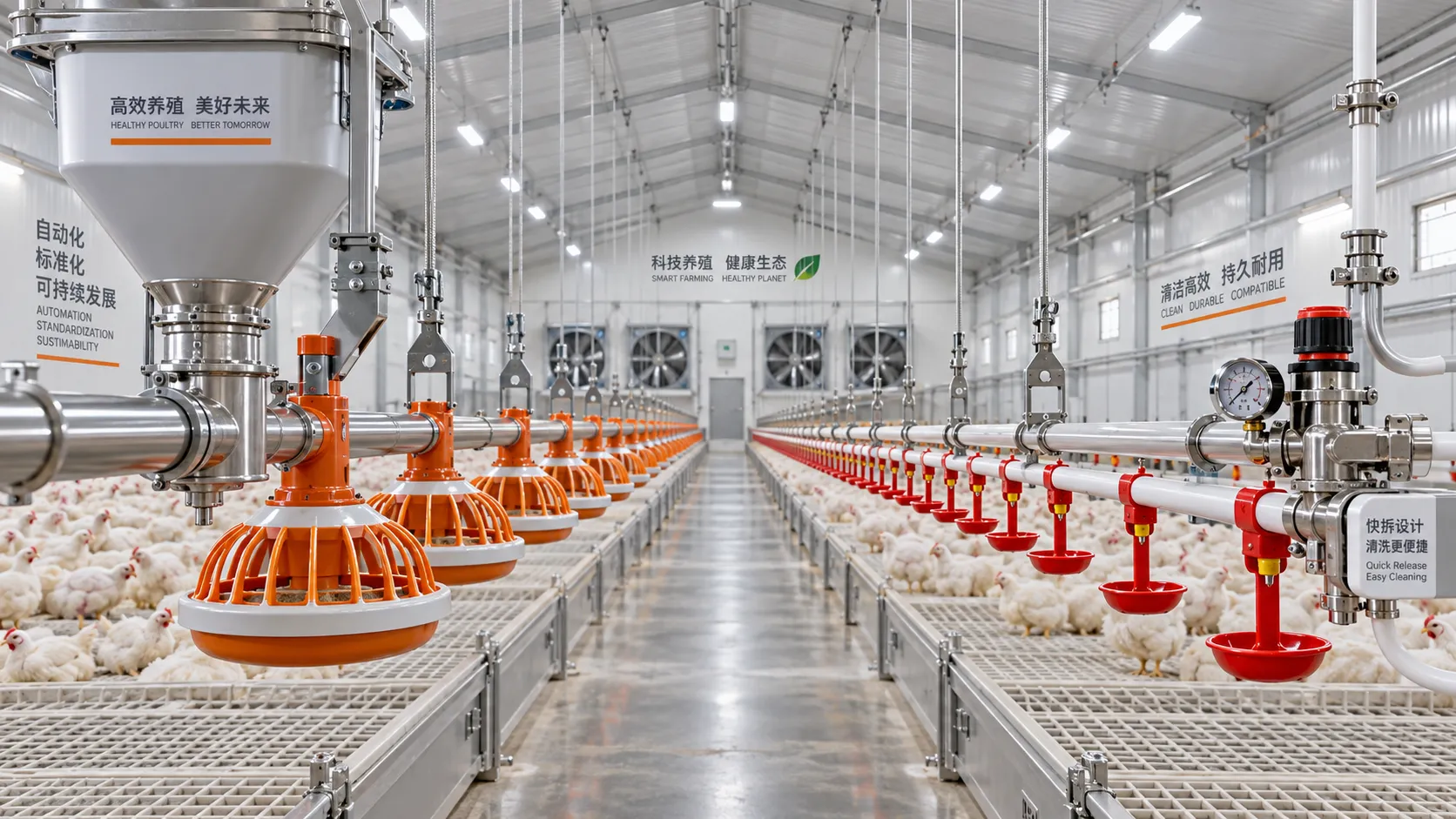
Poultry Equipment Selection: Evaluating Durability, Cleaning, and Compatibility
Poultry equipments selection guide: evaluate durability, cleaning access, and system compatibility to improve hygiene, reduce downtime, and support efficient flock management.
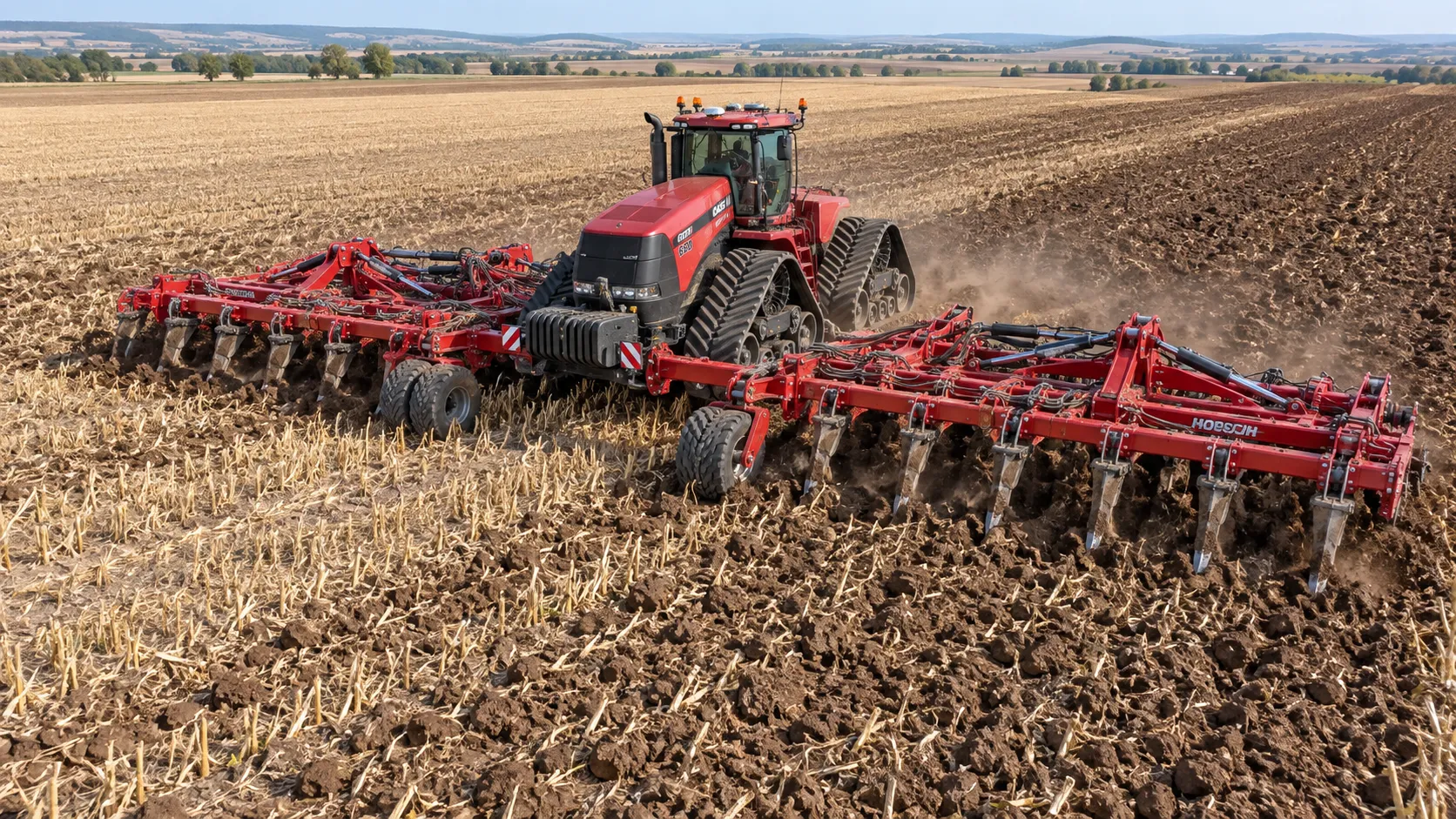
How to Select Heavy-Duty Farm Implements for High-Acreage, High-Horsepower Operations
Heavy duty farm implements: learn how to match draft, hydraulics, hitch capacity, frame strength, and field conditions for reliable high-acreage performance.
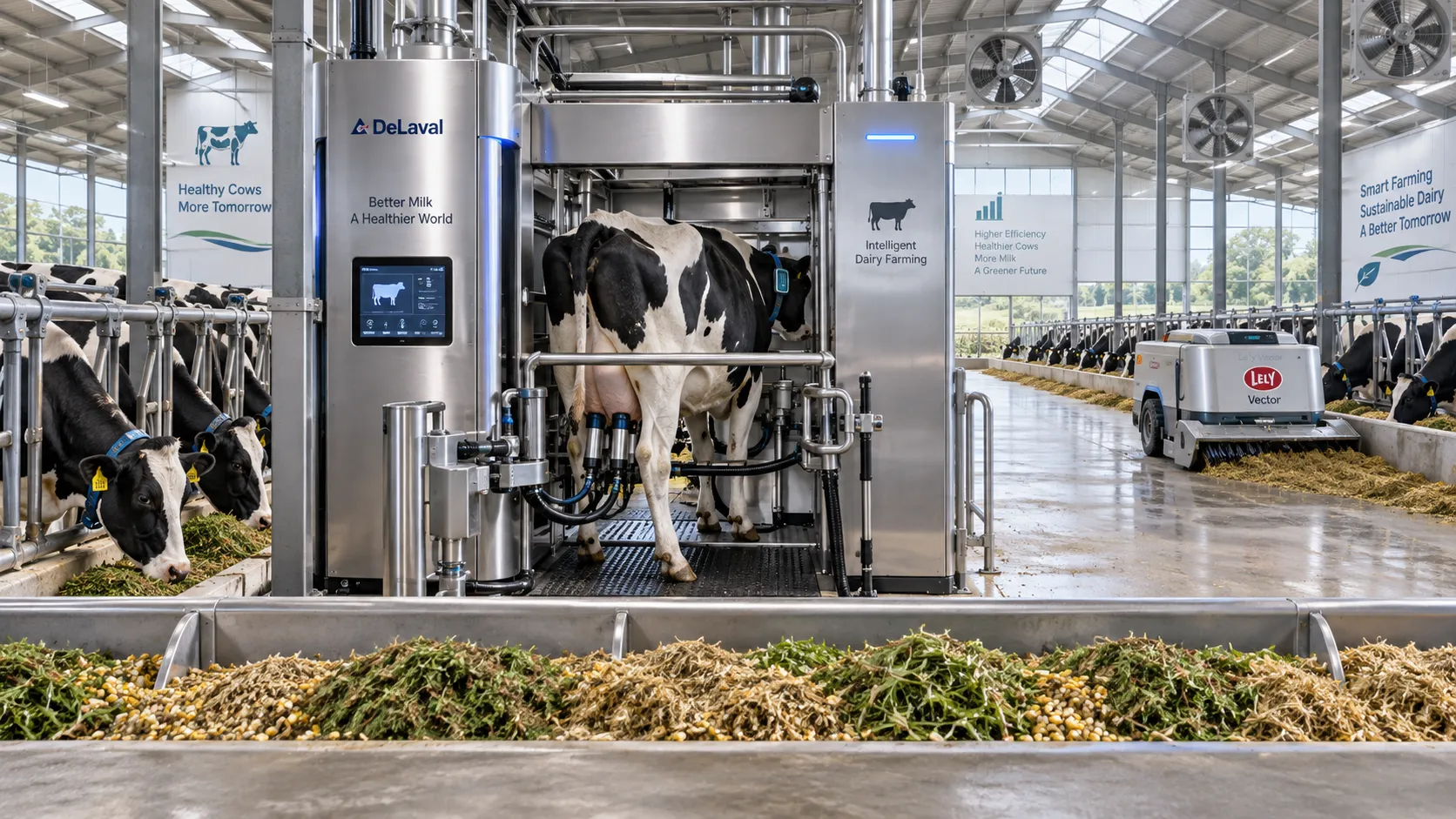
Smart Farming Technology for Dairy Farms: Where Automation Delivers Measurable ROI
Smart farming technology for dairy farms delivers measurable ROI through automation, precision feeding, health monitoring, and data-driven cost control.
Related News
- 00
0000-00
When Does Agricultural Machinery Leasing Cost Less Than Owning Equipment? - 00
0000-00
Selecting Grain Farm Equipment by Acreage, Crop Mix, and Harvest Window - 00
0000-00
Poultry Equipment Selection: Evaluating Durability, Cleaning, and Compatibility - 00
0000-00
How to Select Heavy-Duty Farm Implements for High-Acreage, High-Horsepower Operations - 00
0000-00
Smart Farming Technology for Dairy Farms: Where Automation Delivers Measurable ROI
Popular Tags
Ms. Elena Rodriguez
Weekly Insights
Stay ahead with our curated technology reports delivered every Monday.