
Supplier Comparison for Farm Equipment: 7 Criteria to Evaluate Price, Parts, and Service
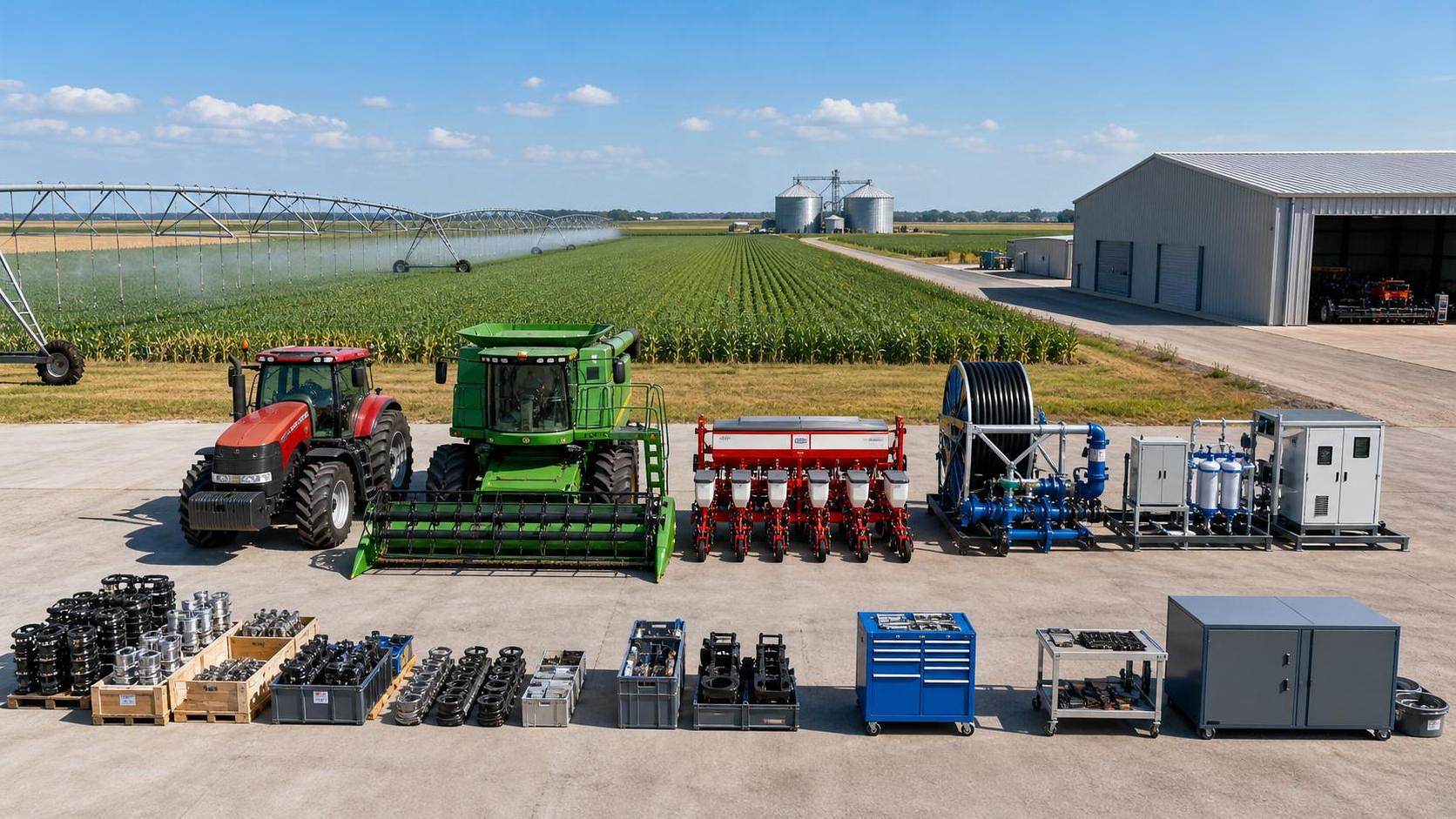




Why does supplier comparison for farm equipment matter more than a low quote?
A cheap machine can become an expensive asset fast.
That is why supplier comparison for farm equipment should begin with operating impact, not only purchase price.
In large-scale agriculture, one delayed part or weak service response can interrupt planting, spraying, harvesting, or irrigation scheduling.
The real cost sits in uptime, parts flow, fuel efficiency, repair speed, and resale confidence.
This is especially true in an Agriculture 4.0 environment, where mechanical durability now intersects with software, sensors, and precision control.
AP-Strategy often tracks this shift across combine harvesters, tractor chassis, intelligent farm tools, and water-saving irrigation systems.
A useful comparison process should therefore test whether a supplier supports the full equipment life cycle.
That means price still matters, but it should be reviewed beside risk, service, and future field performance.
Which seven criteria usually reveal the strongest supplier?
Most buying teams start with specifications, then get lost in brochures.
A better supplier comparison for farm equipment uses a short evaluation frame that stays practical under commercial pressure.
- Quoted equipment price and payment terms
- Availability of wear parts and critical components
- Service response time during peak season
- Technical fit for local crops, soil, and operating loads
- Warranty depth, exclusions, and claim handling
- Digital support, diagnostics, and operator training
- Supplier stability, reputation, and long-term support capacity
These seven points work well across tractors, harvesting platforms, seeding equipment, and smart irrigation systems.
They also help separate a competitive offer from a risky one.
In practice, the strongest supplier is rarely the one with the shortest quotation sheet.
It is usually the one with fewer operational blind spots.
A quick comparison table before deeper evaluation
Before site visits or final negotiations, a simple scoring table keeps discussions grounded.
How should price be compared without missing hidden cost?
Price comparison gets distorted when one quote includes only the machine body.
Another may include setup, software activation, operator training, and starter parts kits.
So, a serious supplier comparison for farm equipment should look at total landed and operating cost.
Useful questions include delivery terms, pre-delivery inspection, installation support, calibration, and expected maintenance intervals.
For combine harvesting technology, losses from poor setup can exceed savings from a lower acquisition price.
For irrigation systems, energy consumption and controller reliability may drive cost more than the initial pump package.
A practical method is to request a three-year cost sheet from each supplier.
- Machine price and optional modules
- Consumables and wear parts forecast
- Scheduled service visits
- Software or telemetry fees
- Estimated downtime exposure
This turns negotiation from a sticker-price debate into a cost transparency exercise.
When do parts availability and service response become the deciding factor?
Usually during the busiest week of the season.
That is when supplier comparison for farm equipment becomes less theoretical and far more operational.
A supplier may offer advanced machines, yet still fail on basic continuity if bearings, belts, filters, sensors, or hydraulic seals are delayed.
The same applies to software-connected tools.
If a guidance terminal, yield sensor, or irrigation controller stops working, remote diagnostics and replacement protocols matter immediately.
More reliable suppliers usually share concrete service data.
- Average response time during high season
- Regional spare-parts warehouse coverage
- Emergency parts shipping cutoff times
- Technician certification for the exact model range
Need to be careful with promises that sound broad but stay unverifiable.
A strong service claim should be backed by names, locations, stock policies, and escalation paths.
This is one reason AP-Strategy places field support quality alongside mechanical performance in broader equipment intelligence.
How can you tell whether a supplier truly fits your operating scenario?
Not every capable supplier is the right supplier.
The better question is whether the equipment and support model match your field conditions, labor profile, and data environment.
For example, a tractor chassis designed for high-load pulling may not be ideal for lighter mixed operations with frequent transport cycles.
A harvester optimized for one crop may show different loss behavior in another.
An irrigation supplier may look competitive until control software integration becomes necessary.
In actual use, the best supplier comparison for farm equipment includes questions like these:
- Has this model worked in similar climate and soil conditions?
- Can it connect with existing precision farming platforms?
- What operator training is needed before peak season?
- Are energy use and maintenance demands realistic for the site?
This is where strategic intelligence becomes useful.
AP-Strategy follows not only machine categories, but also the interaction between hardware, agronomic conditions, and evolving sustainability targets.
That broader view helps filter out options that look efficient only on paper.
What are the most common mistakes in supplier comparison for farm equipment?
One common mistake is overvaluing brand familiarity.
A known name can still deliver weak local parts support or inconsistent technician coverage.
Another mistake is treating all machines in a category as interchangeable.
That rarely holds true for large-scale agri-machinery, especially where precision control and seasonal timing are critical.
There is also a tendency to ignore warranty language until after delivery.
Exclusions around electronics, hydraulics, calibration, or wear components can reshape the real risk profile.
A few warning patterns deserve extra attention:
- Quotes that avoid detailed parts pricing
- No clear answer on software updates or compatibility
- References limited to different crops or smaller operating scales
- Service support outsourced without clear accountability
A disciplined supplier comparison for farm equipment should reduce these blind spots before contract signing.
What is the smartest next step after the shortlist is ready?
Move from brochure comparison to evidence-based validation.
That can include reference checks, field demonstrations, parts lead-time verification, and a side-by-side review of warranty conditions.
It also helps to rank the seven criteria by business impact.
For one operation, service speed may outweigh price.
For another, system compatibility with precision tools or irrigation automation may dominate the decision.
The most effective supplier comparison for farm equipment is rarely the most complicated.
It is the one that connects cost, uptime, technical fit, and support into one realistic decision picture.
In a market shaped by food security, climate pressure, and intelligent mechanization, that discipline matters more every season.
A sensible next move is to build a comparison sheet, score each supplier against the seven criteria, and confirm every high-risk assumption with evidence.
That approach protects budget, supports uptime, and leads to more confident equipment sourcing decisions.
Related News
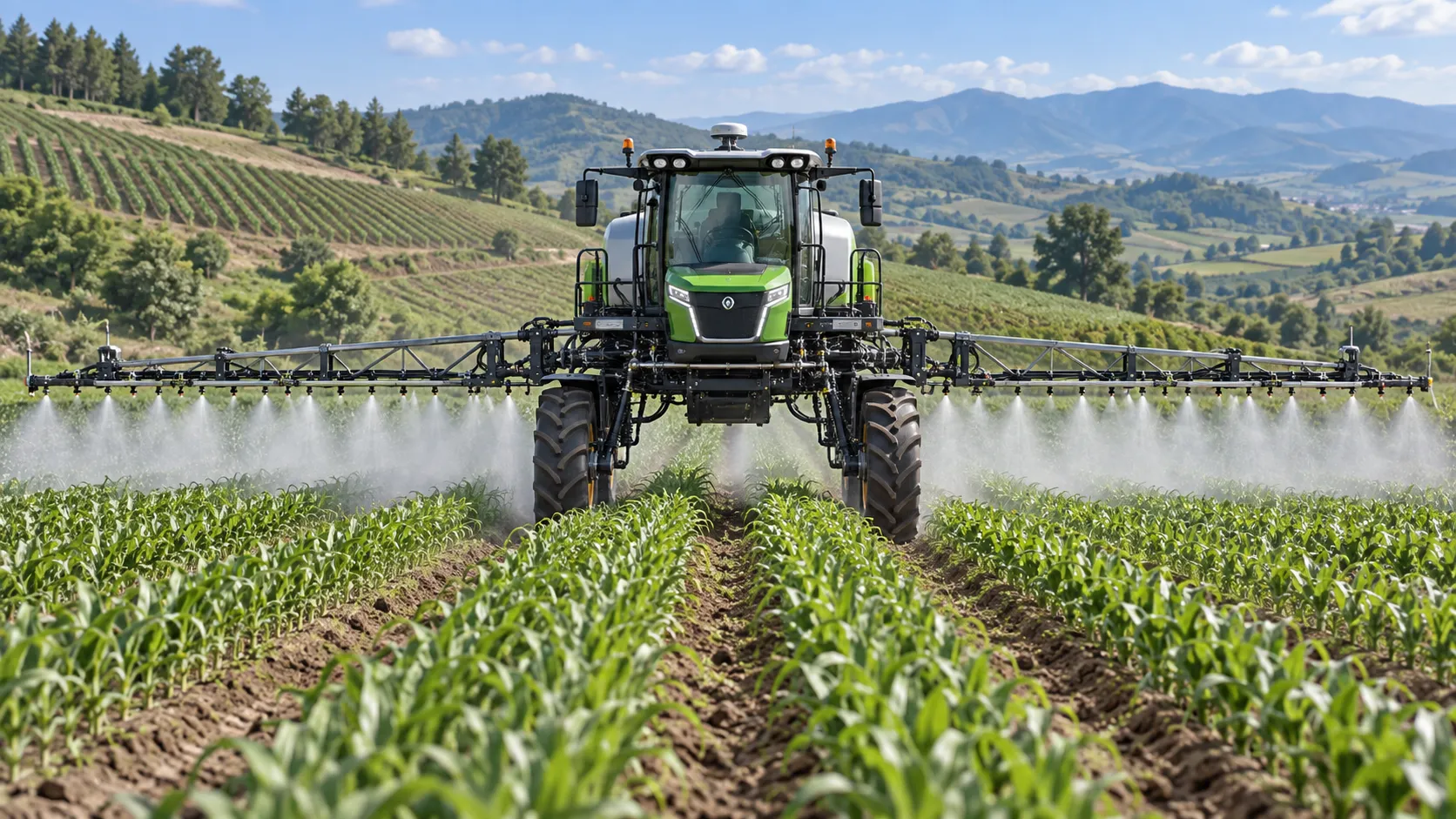
How to Select Precision Crop Protection Equipment for Variable Field Conditions
Precision crop protection equipment selection made simple: compare terrain, canopy, weather, control accuracy, and data workflows for reliable applications.
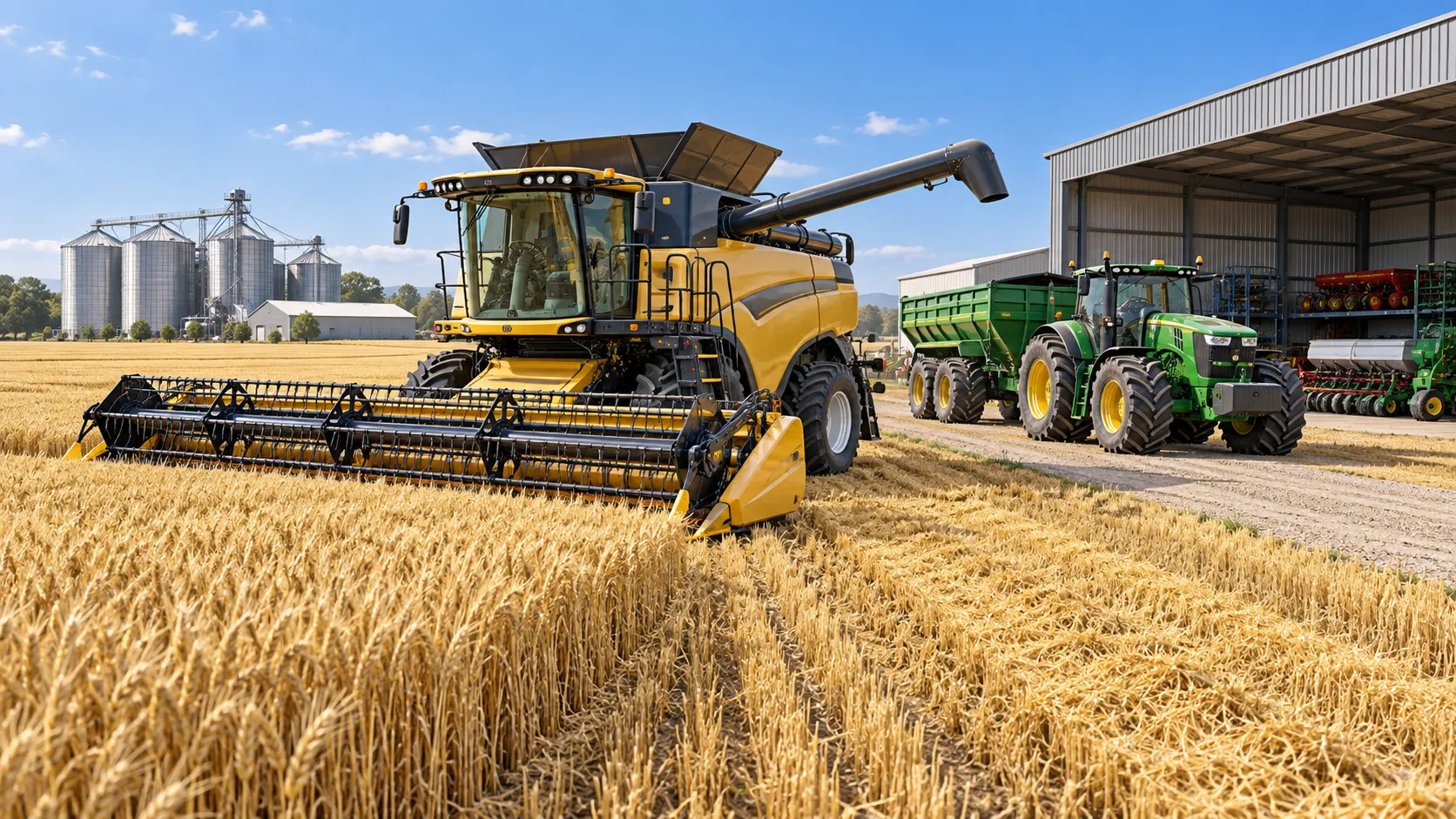
When Does Agricultural Machinery Leasing Cost Less Than Owning Equipment?
Agricultural machinery leasing can lower farm costs when use is seasonal or uncertain. Compare utilization, maintenance, cash flow, and risk to make a smarter equipment decision.
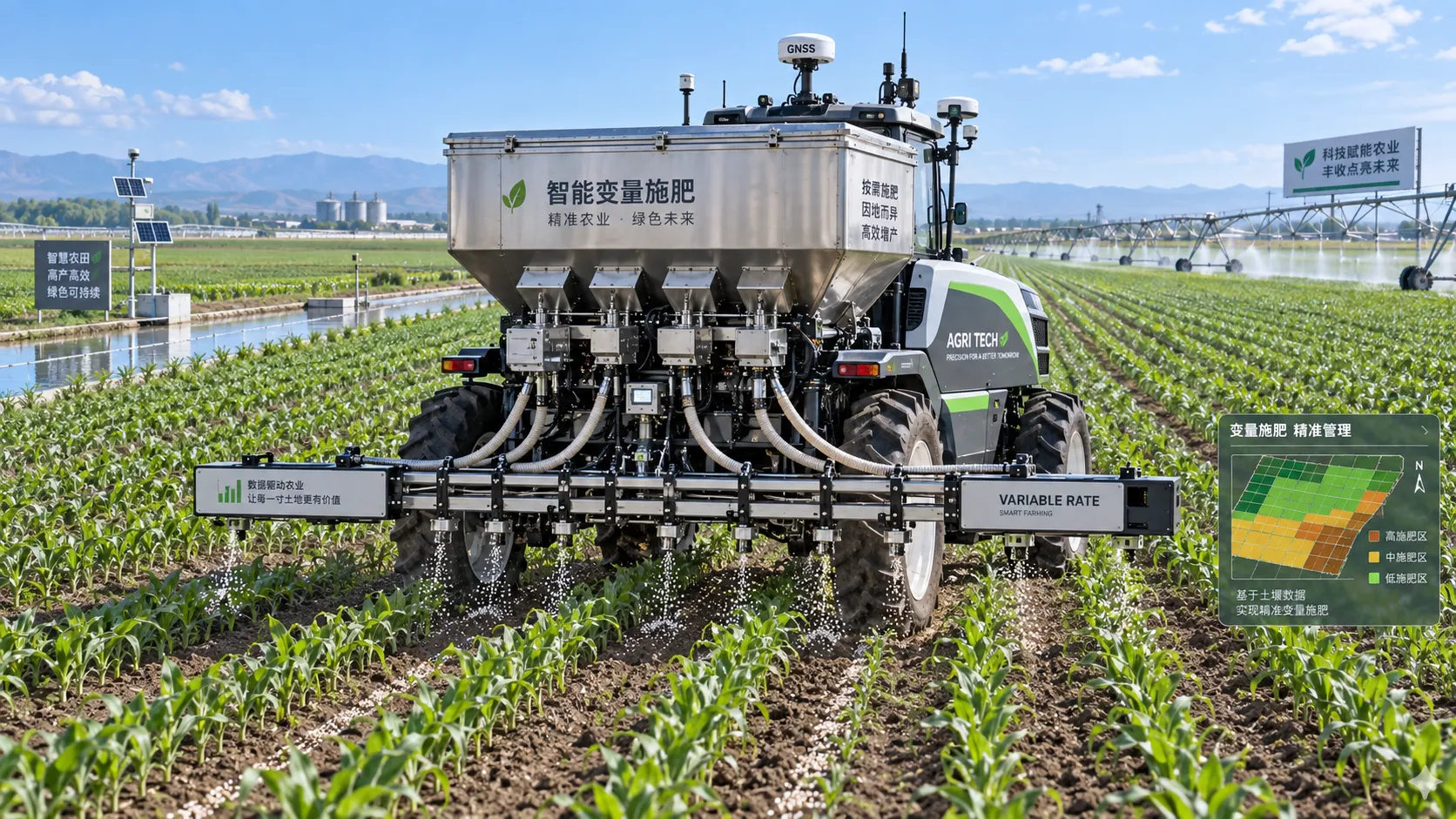
How to Evaluate Precision Fertilization System Suppliers for Farm-Scale Deployment
Precision fertilization systems suppliers: learn how to compare accuracy, integration, uptime, service, and total cost for confident farm-scale deployment.
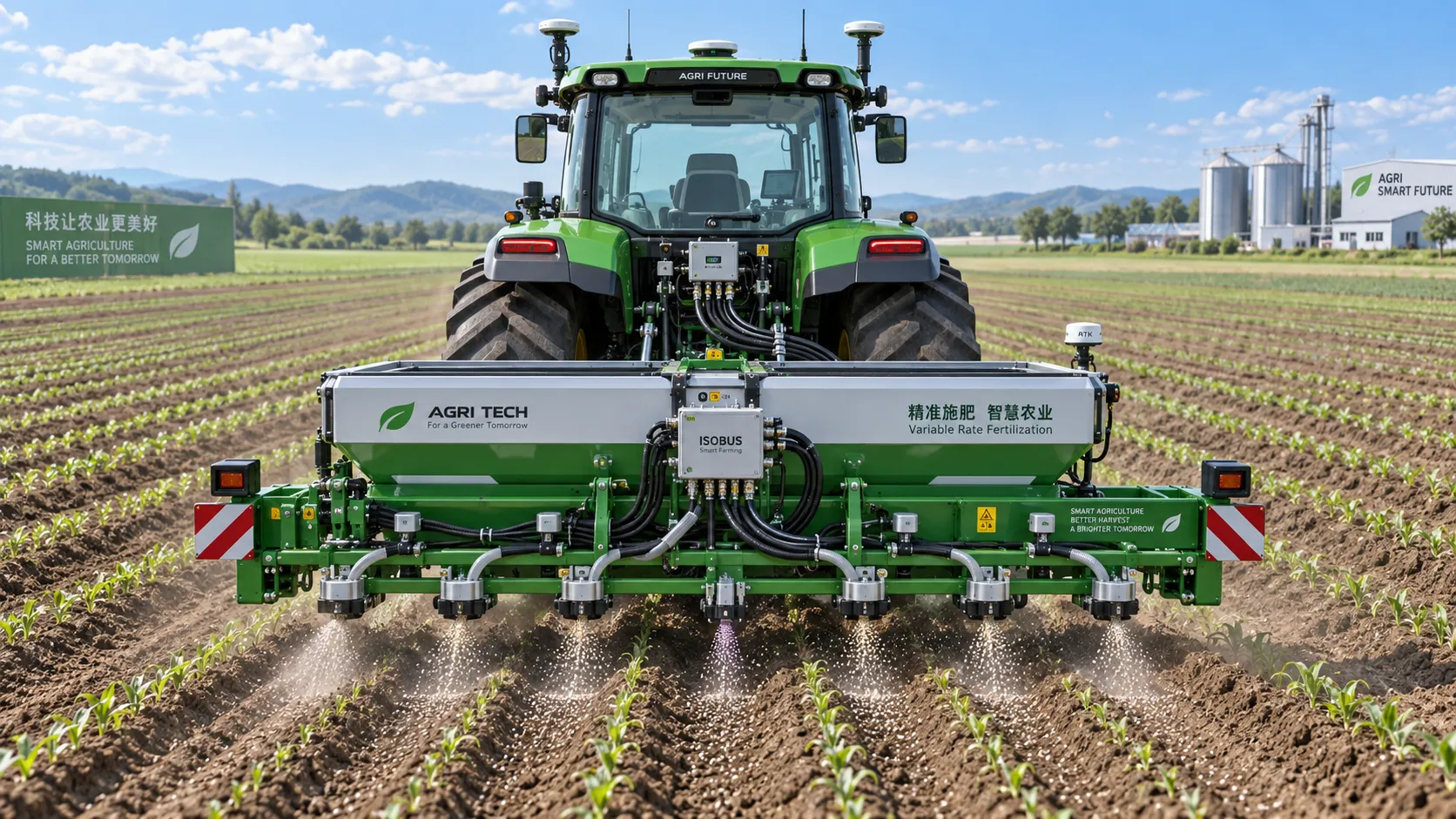
ISOBUS for Smart Agriculture: How It Connects Tractors, Implements, and Farm Data
ISOBUS for smart agriculture connects tractors, implements, terminals, and farm data—helping growers improve precision, documentation, and smarter field decisions.
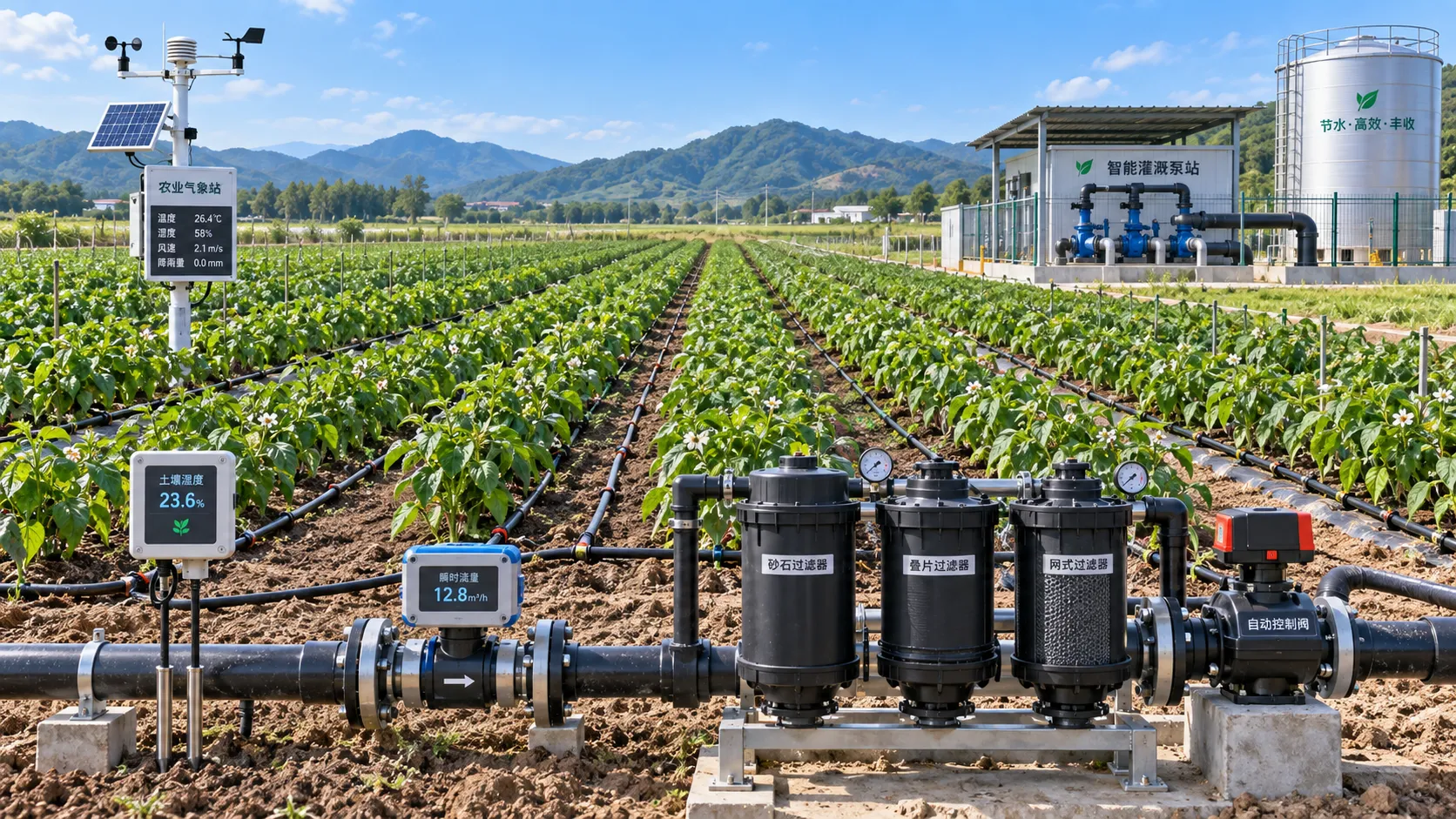
Automated Water-Saving Irrigation: How to Cut Water Use Without Reducing Crop Yields
Automated water-saving irrigation helps farms cut water use, protect crop yields, improve scheduling, and gain reliable control with sensors, flow monitoring, and smart zones.
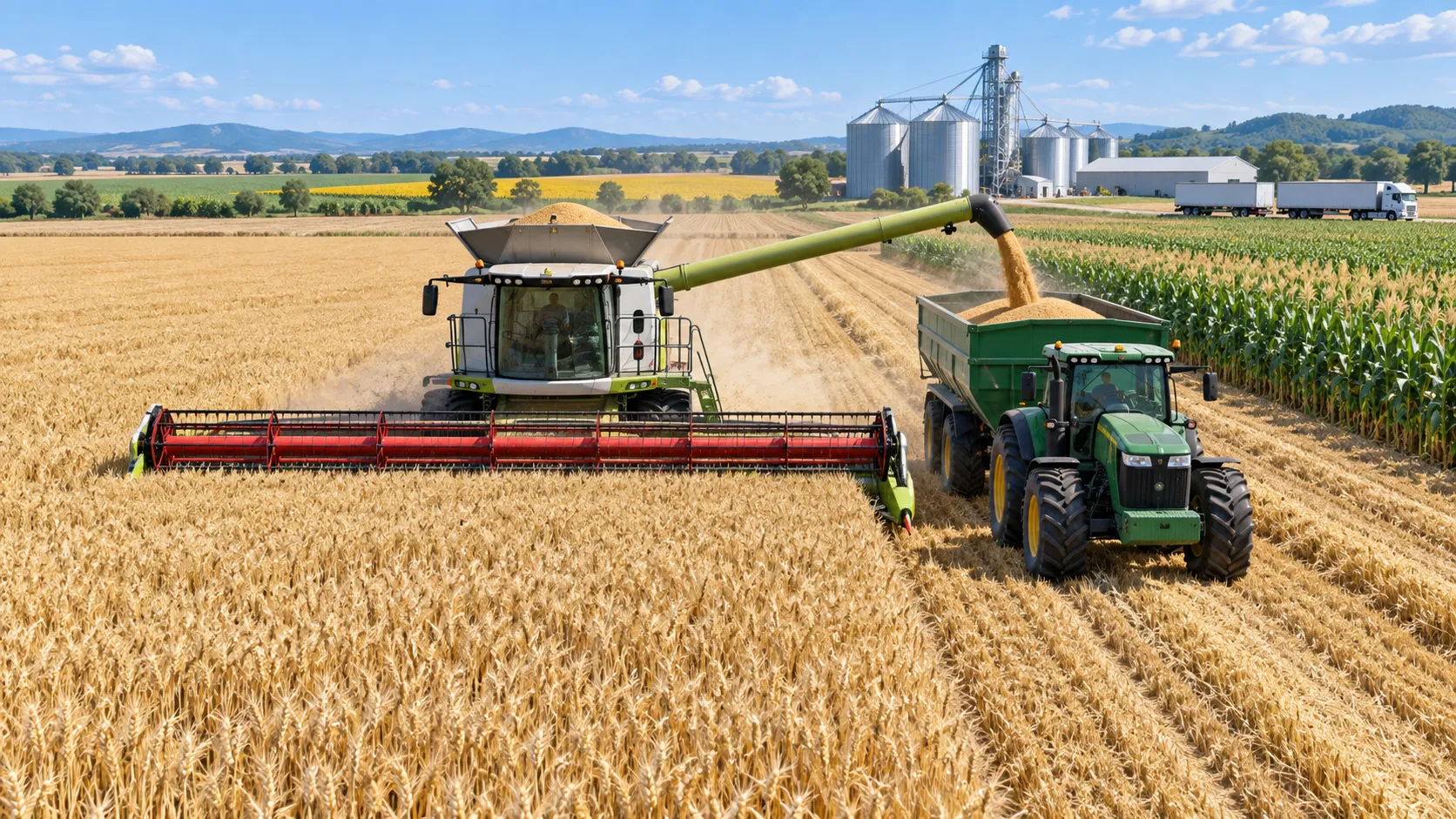
Selecting Grain Farm Equipment by Acreage, Crop Mix, and Harvest Window
Agricultural equipment selection for grain farming: match machinery to acreage, crop mix, and harvest windows to improve uptime, efficiency, and returns.
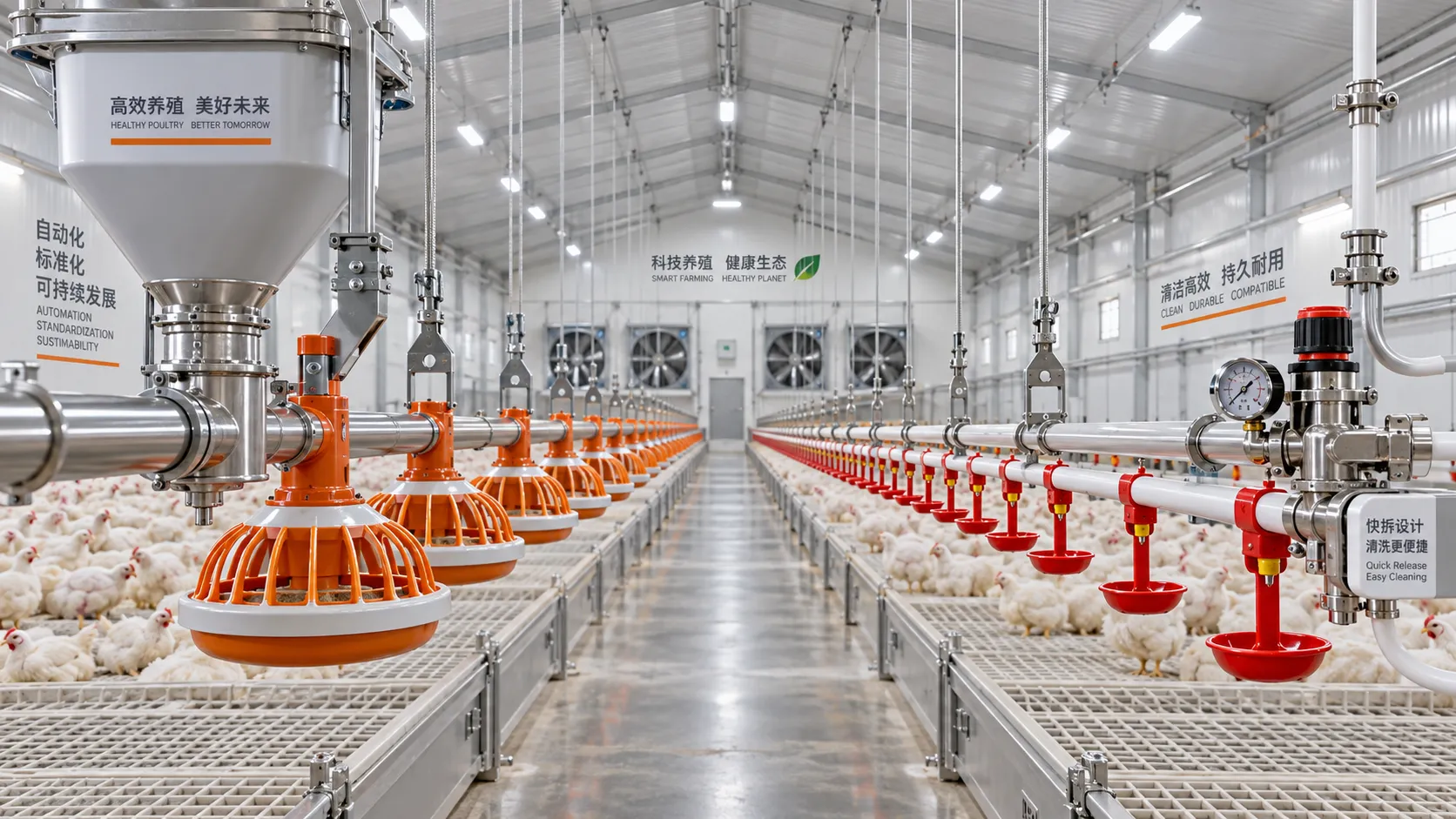
Poultry Equipment Selection: Evaluating Durability, Cleaning, and Compatibility
Poultry equipments selection guide: evaluate durability, cleaning access, and system compatibility to improve hygiene, reduce downtime, and support efficient flock management.
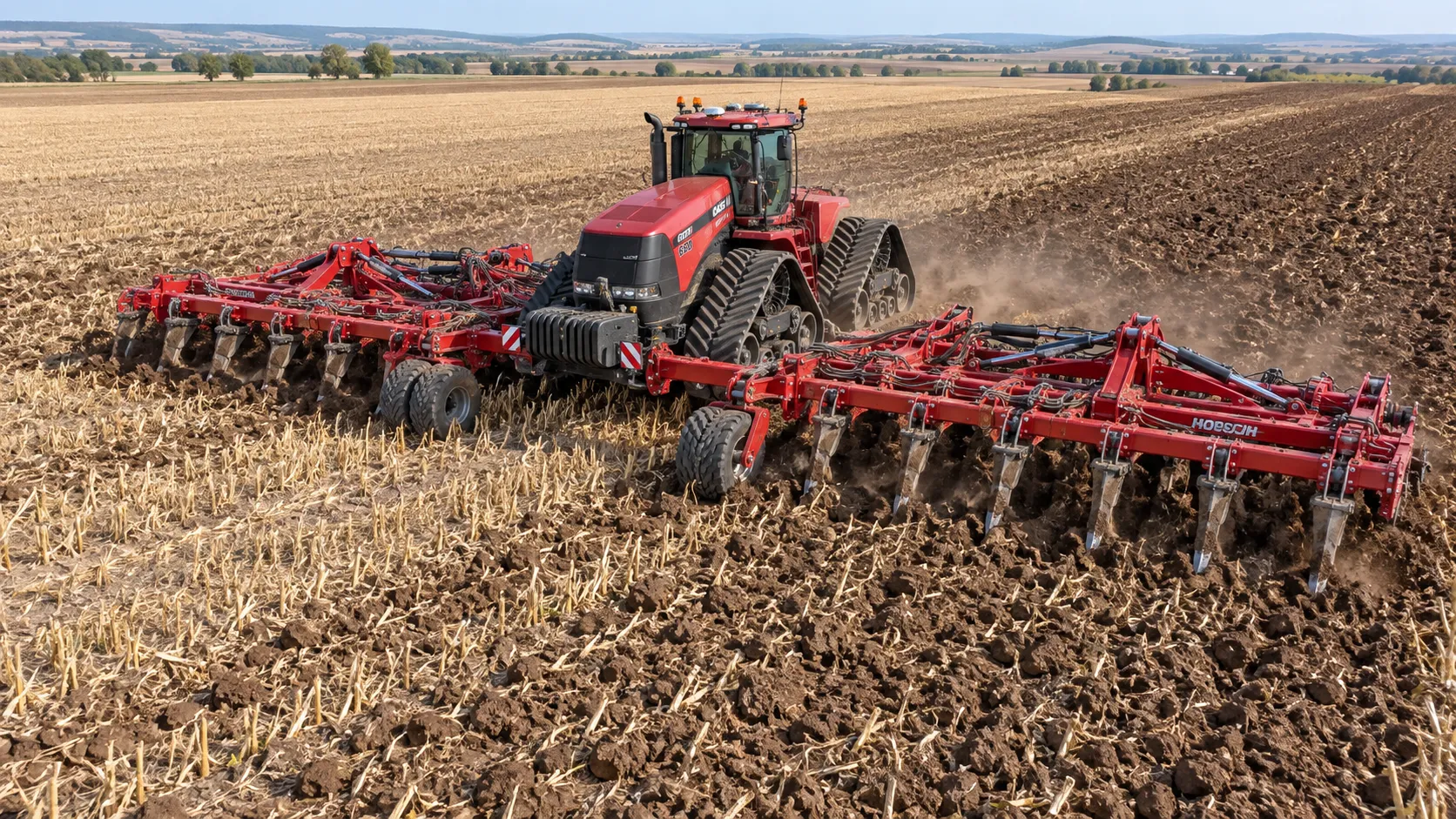
How to Select Heavy-Duty Farm Implements for High-Acreage, High-Horsepower Operations
Heavy duty farm implements: learn how to match draft, hydraulics, hitch capacity, frame strength, and field conditions for reliable high-acreage performance.
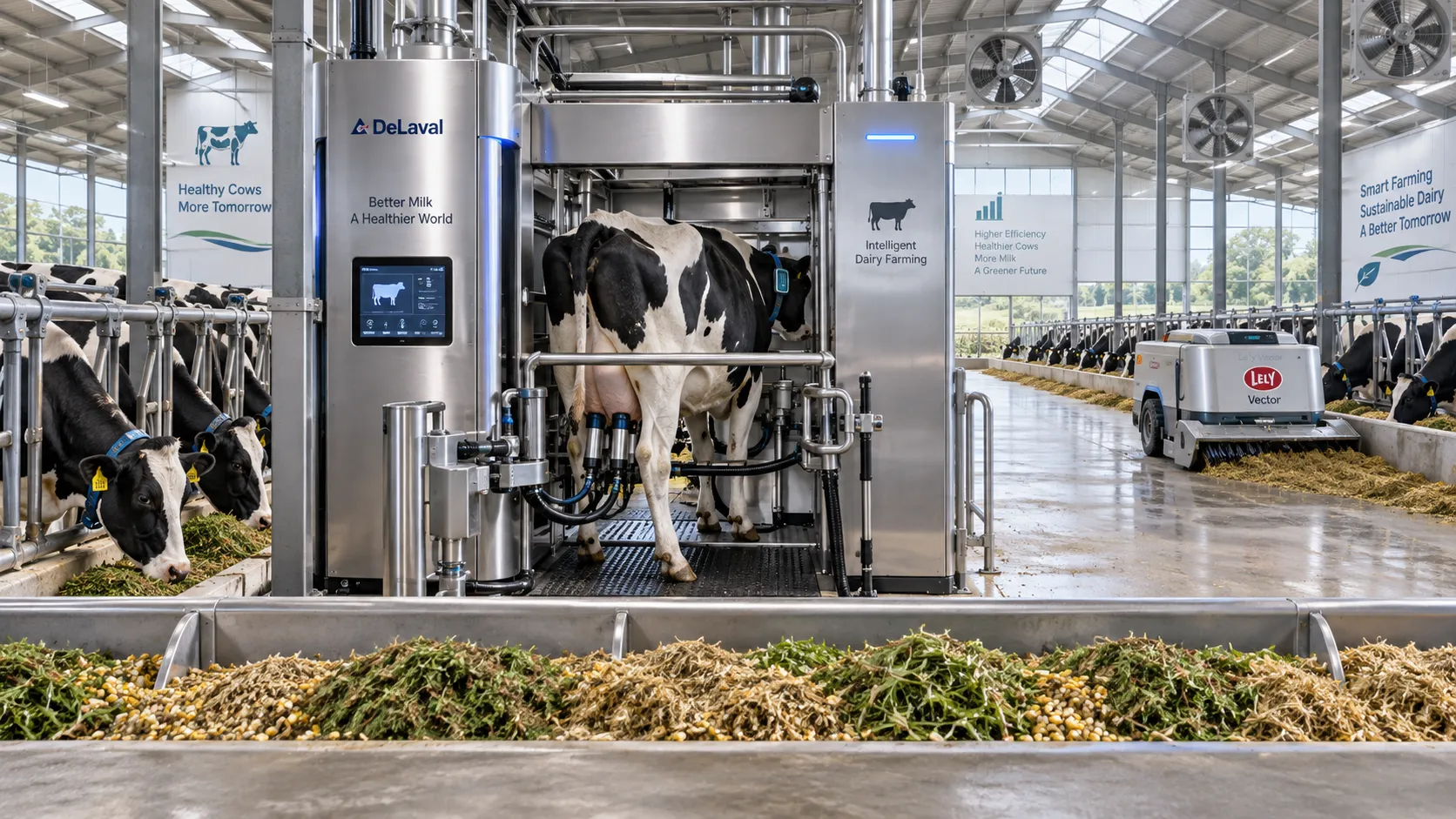
Smart Farming Technology for Dairy Farms: Where Automation Delivers Measurable ROI
Smart farming technology for dairy farms delivers measurable ROI through automation, precision feeding, health monitoring, and data-driven cost control.
Related News
- 00
0000-00
When Does Agricultural Machinery Leasing Cost Less Than Owning Equipment? - 00
0000-00
Selecting Grain Farm Equipment by Acreage, Crop Mix, and Harvest Window - 00
0000-00
Poultry Equipment Selection: Evaluating Durability, Cleaning, and Compatibility - 00
0000-00
How to Select Heavy-Duty Farm Implements for High-Acreage, High-Horsepower Operations - 00
0000-00
Smart Farming Technology for Dairy Farms: Where Automation Delivers Measurable ROI
Popular Tags
Ms. Elena Rodriguez
Weekly Insights
Stay ahead with our curated technology reports delivered every Monday.