
Agri-Mechanization Technology Investment: Key Cost and ROI Factors for Farm Expansion




Agri-Mechanization Technology Investment: Key Cost and ROI Factors for Farm Expansion
For farm expansion, agri-mechanization technology is no longer a basic equipment purchase.
It shapes output, labor structure, input efficiency, and long-term resilience.
That is why investment decisions must go beyond sticker price.
A strong business case looks at full ownership cost, operating gains, and future scalability.
In practice, the best agri-mechanization technology decisions connect machinery performance with financial discipline.
Why agri-mechanization technology matters during expansion
Expansion increases complexity faster than many teams expect.
More hectares mean tighter field windows, longer transport routes, and greater exposure to labor shortages.
This is where agri-mechanization technology starts acting like infrastructure, not just equipment.
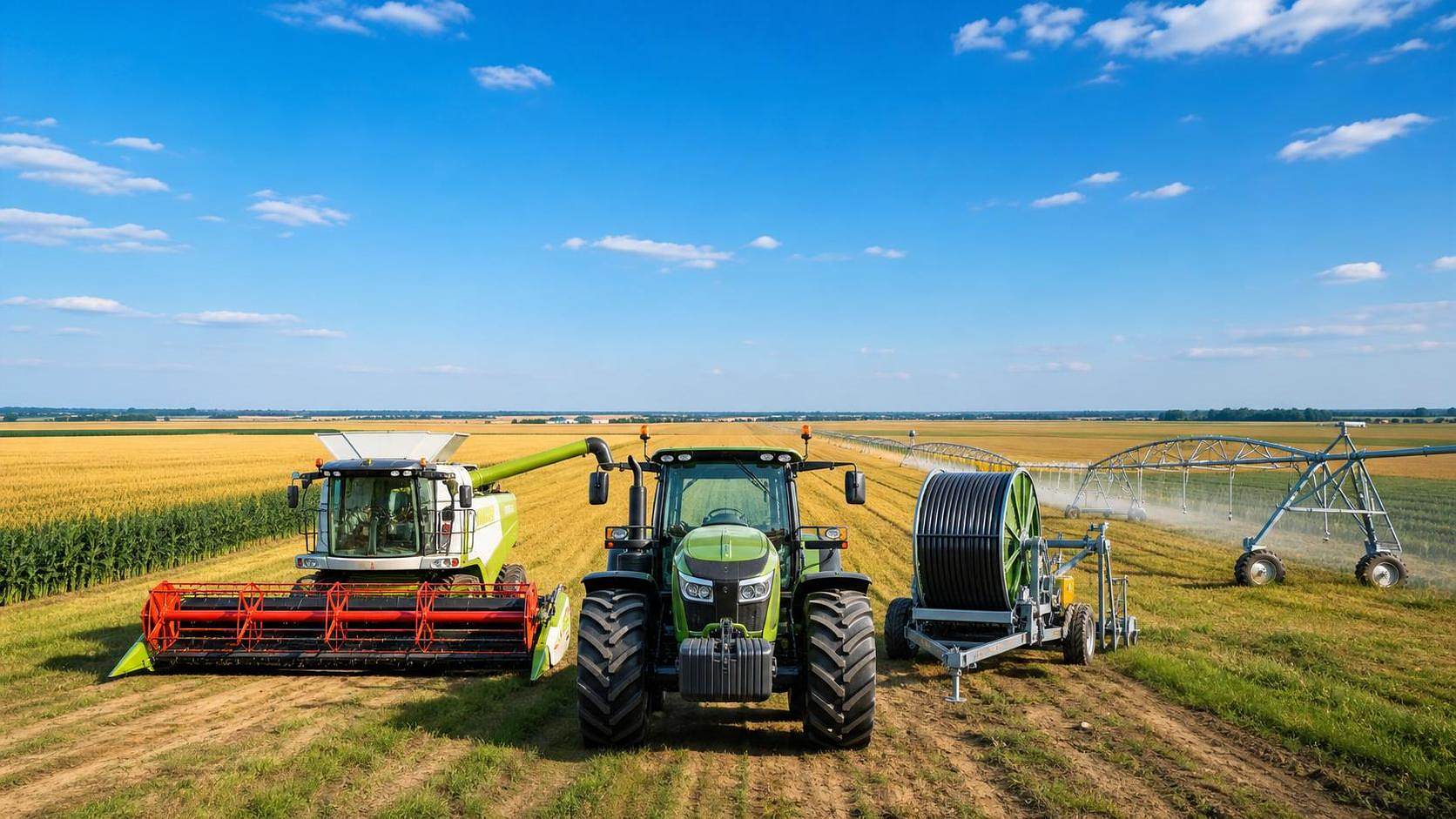
High-capacity tractors, combine harvesters, intelligent implements, and smart irrigation systems create a more controllable operating model.
More importantly, they reduce the cost of inconsistency across a larger farm footprint.
From recent market shifts, a clearer signal is emerging.
Buyers are evaluating agri-mechanization technology by system impact, not by single-machine productivity alone.
The real cost structure behind the investment
The purchase price is only the opening number.
A serious cost review should include every stage of the asset lifecycle.
1. Capital expenditure
This covers machinery, precision guidance, telematics modules, and irrigation control hardware.
It may also include attachments, software licenses, and installation services.
2. Infrastructure adaptation
Larger or smarter equipment often needs better sheds, charging points, connectivity, and water distribution upgrades.
These costs are easy to underestimate during planning.
3. Operating expense
Fuel, lubrication, tires, filters, wear parts, and seasonal repairs shape annual cost performance.
For smart systems, data subscriptions and software updates also matter.
4. Labor and training
Advanced agri-mechanization technology can reduce headcount pressure.
Still, it often requires better operator skills, data interpretation, and maintenance discipline.
5. Downtime risk
Missed planting or delayed harvest can destroy expected returns.
That makes parts access, dealer support, and service response part of the cost equation.
Where ROI from agri-mechanization technology really comes from
Many investment reviews focus too narrowly on labor savings.
In reality, ROI from agri-mechanization technology usually comes from several gains working together.
- Higher field capacity during short weather windows.
- Lower harvest loss through better threshing and cleaning performance.
- Reduced overlap in seeding, spraying, and fertilization.
- Lower water and energy waste through intelligent irrigation control.
- More stable crop quality from timely and uniform operations.
- Better asset utilization through telematics and workflow planning.
This also means ROI should be measured across yield protection, input efficiency, and schedule reliability.
A combine that reduces grain loss by a small percentage can outperform a cheaper option very quickly.
The same logic applies to irrigation systems that cut water use while protecting uniformity.
Key metrics to compare before approval
To compare options fairly, build a decision model around measurable business outcomes.
These numbers create a clearer view than headline horsepower or promotional discounting.
Common hidden costs that distort ROI
In actual procurement, hidden costs are often the reason a promising project underperforms.
- Oversized machines operating below planned annual utilization.
- Limited compatibility with existing tractor chassis, implements, or data platforms.
- Weak local service capacity during peak harvest.
- Undertrained operators causing avoidable wear and setup errors.
- Subscription-based features not included in the original budget.
- Irrigation controls installed without strong sensor calibration practices.
The better approach is to model risk before purchase.
That includes scenario analysis for weather delays, labor constraints, financing cost, and spare parts lead times.
How to build a stronger agri-mechanization technology business case
A solid investment case should stay practical and measurable.
Start with the operational bottleneck, not with the machine catalog.
- Map the expansion plan by crop, area, season, and field window.
- Identify the weakest link in planting, protection, harvest, or water management.
- Match agri-mechanization technology options to that bottleneck.
- Estimate total ownership cost over five to seven years.
- Test ROI under base, optimistic, and stressed scenarios.
- Review dealer strength, parts coverage, and software support.
- Phase implementation if the system impact is large.
This framework keeps investment logic tied to operational reality.
It also improves internal alignment between finance, operations, and procurement teams.
Why integrated systems outperform isolated purchases
One of the strongest trends in agri-mechanization technology is system integration.
Standalone equipment can help, but connected assets usually produce better long-term returns.
For example, tractor guidance, implement control, harvest monitoring, and irrigation data become more valuable when linked.
The result is faster decisions, cleaner workflows, and more consistent resource use.
This is closely aligned with how AP-Strategy reads the Agriculture 4.0 transition.
Mechanical performance now works best when paired with precision algorithms and sustainability targets.
Final decision points before moving ahead
Before approving a new agri-mechanization technology investment, ask four direct questions.
- Does the solution remove a proven operational constraint?
- Is total cost visible beyond the initial transaction?
- Can the supplier support uptime at peak seasonal demand?
- Will the system still fit the business after further expansion?
If the answer is yes across all four, the investment case is usually much stronger.
If not, the smarter move may be to redesign scope, phase deployment, or renegotiate support terms.
Farm expansion rewards speed, but it rewards disciplined capital allocation even more.
The most successful agri-mechanization technology investments are the ones that scale productivity without letting hidden costs scale faster.
Related News
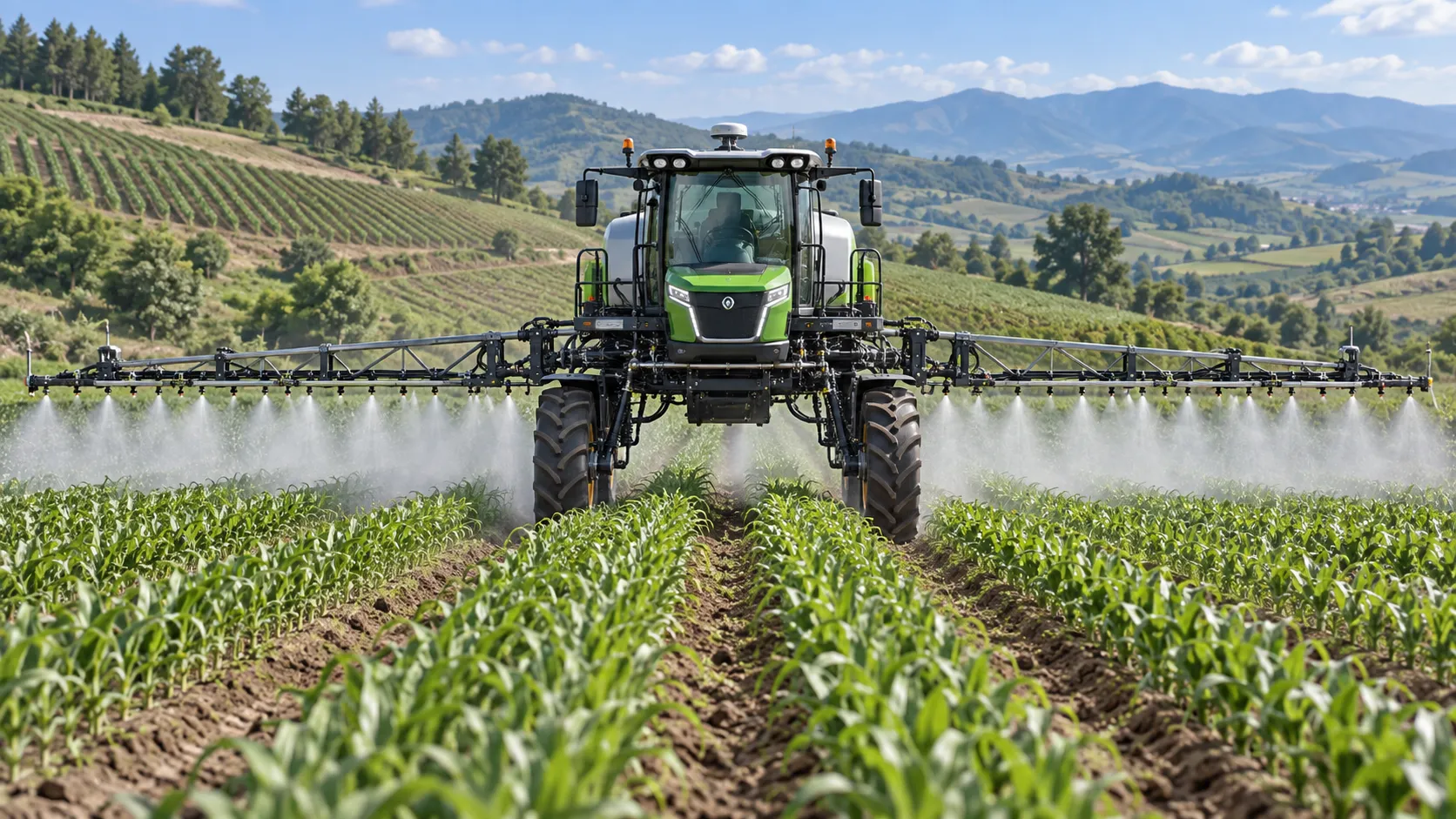
How to Select Precision Crop Protection Equipment for Variable Field Conditions
Precision crop protection equipment selection made simple: compare terrain, canopy, weather, control accuracy, and data workflows for reliable applications.

When Does Agricultural Machinery Leasing Cost Less Than Owning Equipment?
Agricultural machinery leasing can lower farm costs when use is seasonal or uncertain. Compare utilization, maintenance, cash flow, and risk to make a smarter equipment decision.
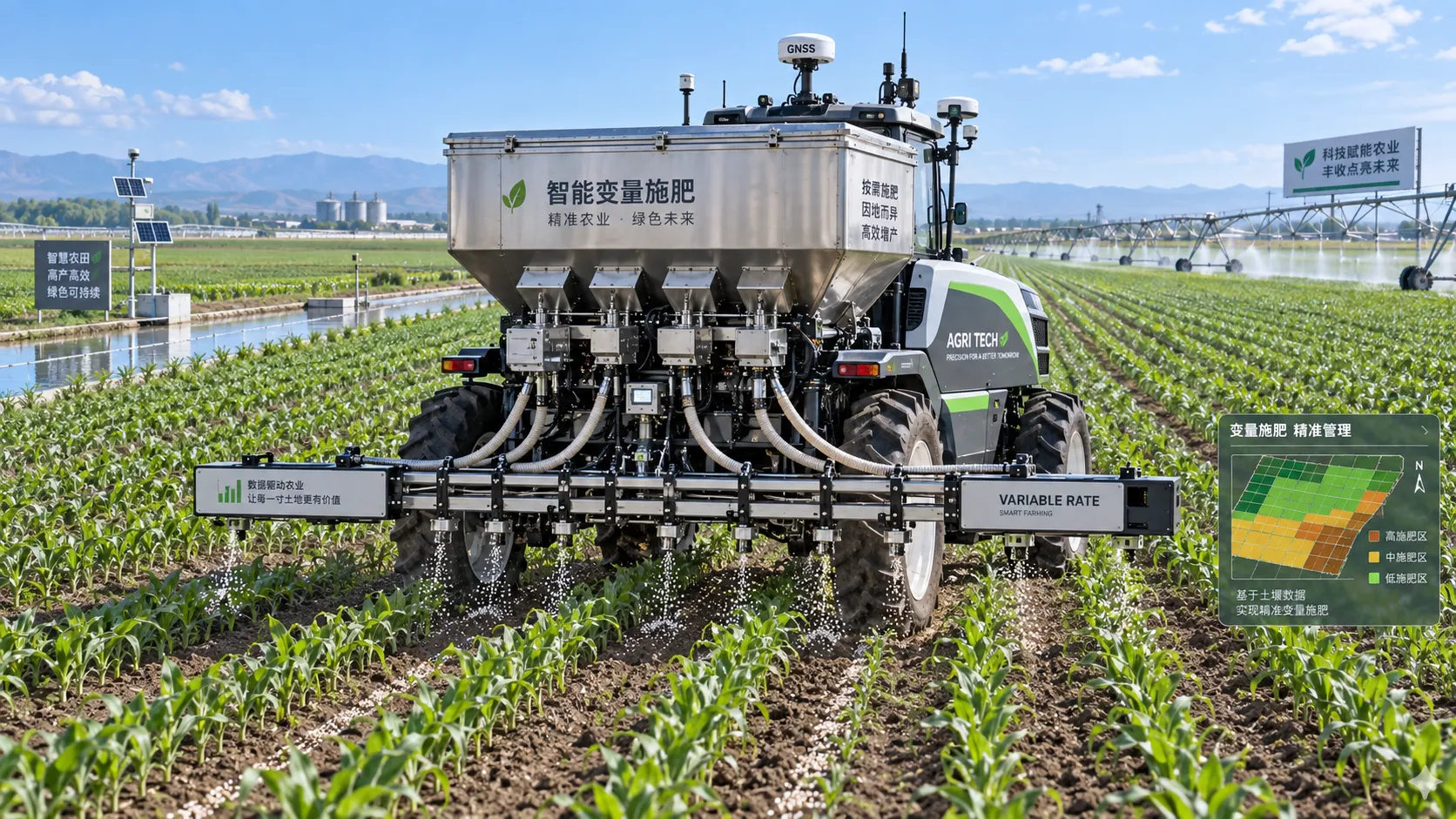
How to Evaluate Precision Fertilization System Suppliers for Farm-Scale Deployment
Precision fertilization systems suppliers: learn how to compare accuracy, integration, uptime, service, and total cost for confident farm-scale deployment.
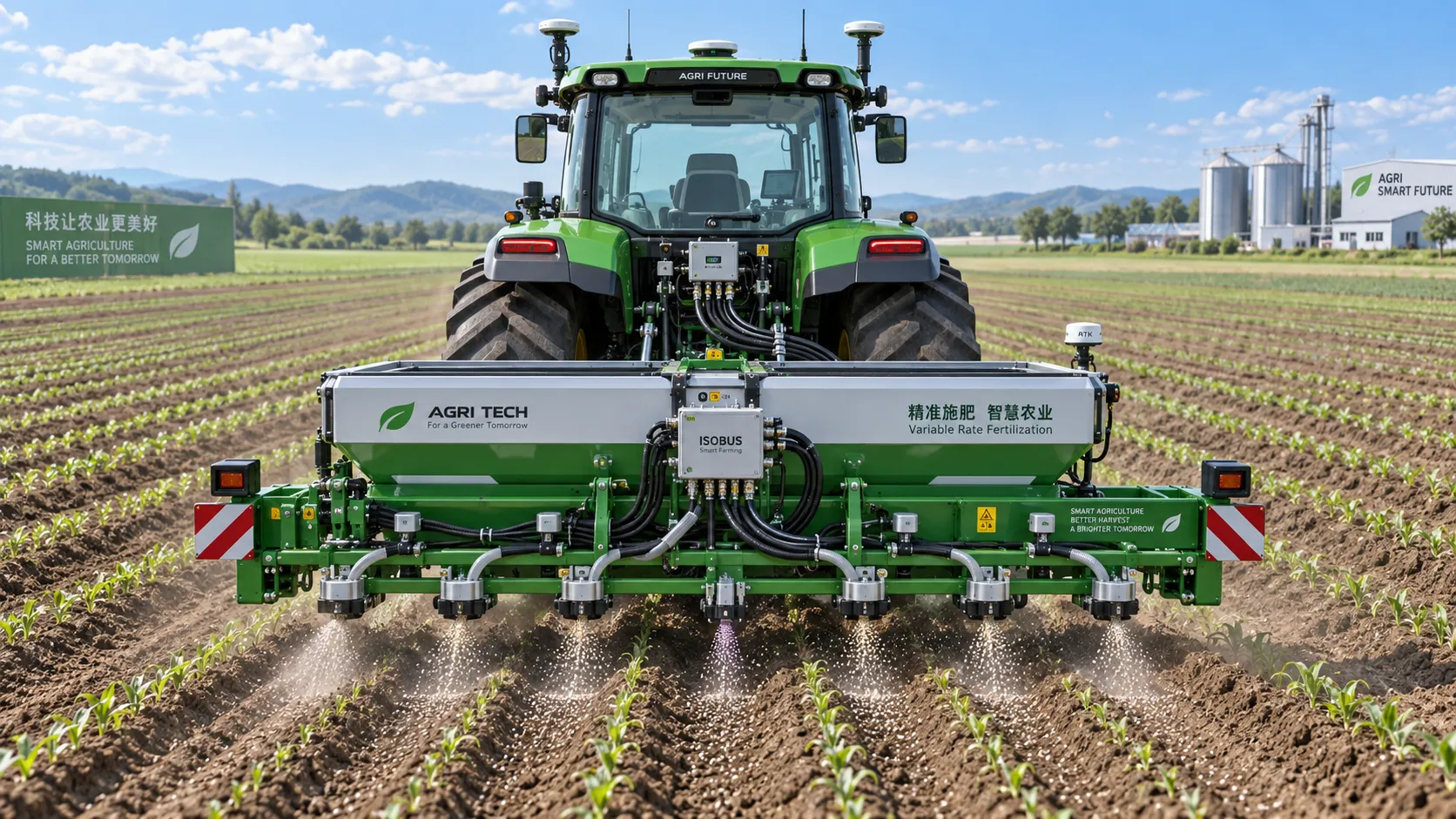
ISOBUS for Smart Agriculture: How It Connects Tractors, Implements, and Farm Data
ISOBUS for smart agriculture connects tractors, implements, terminals, and farm data—helping growers improve precision, documentation, and smarter field decisions.
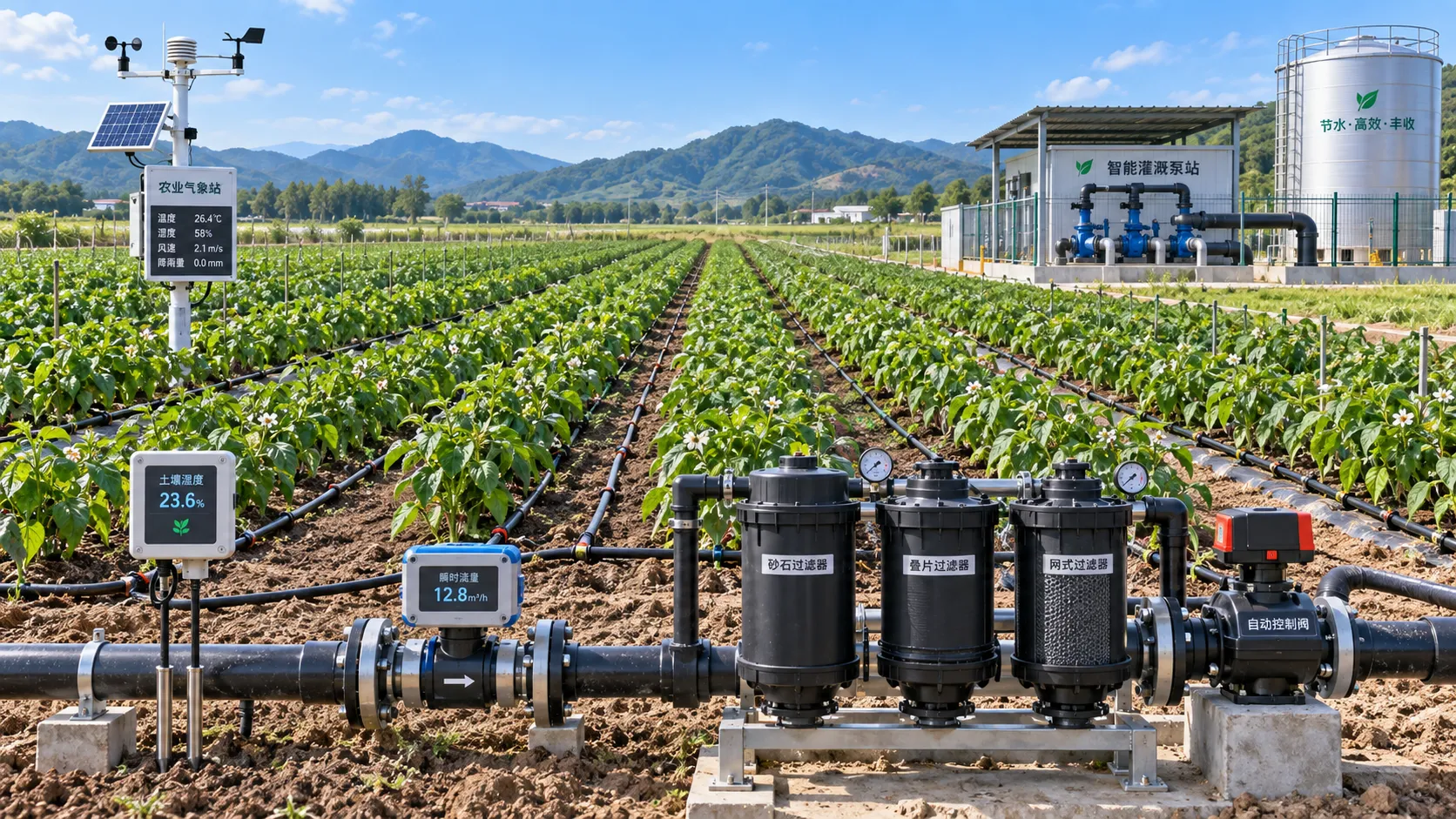
Automated Water-Saving Irrigation: How to Cut Water Use Without Reducing Crop Yields
Automated water-saving irrigation helps farms cut water use, protect crop yields, improve scheduling, and gain reliable control with sensors, flow monitoring, and smart zones.
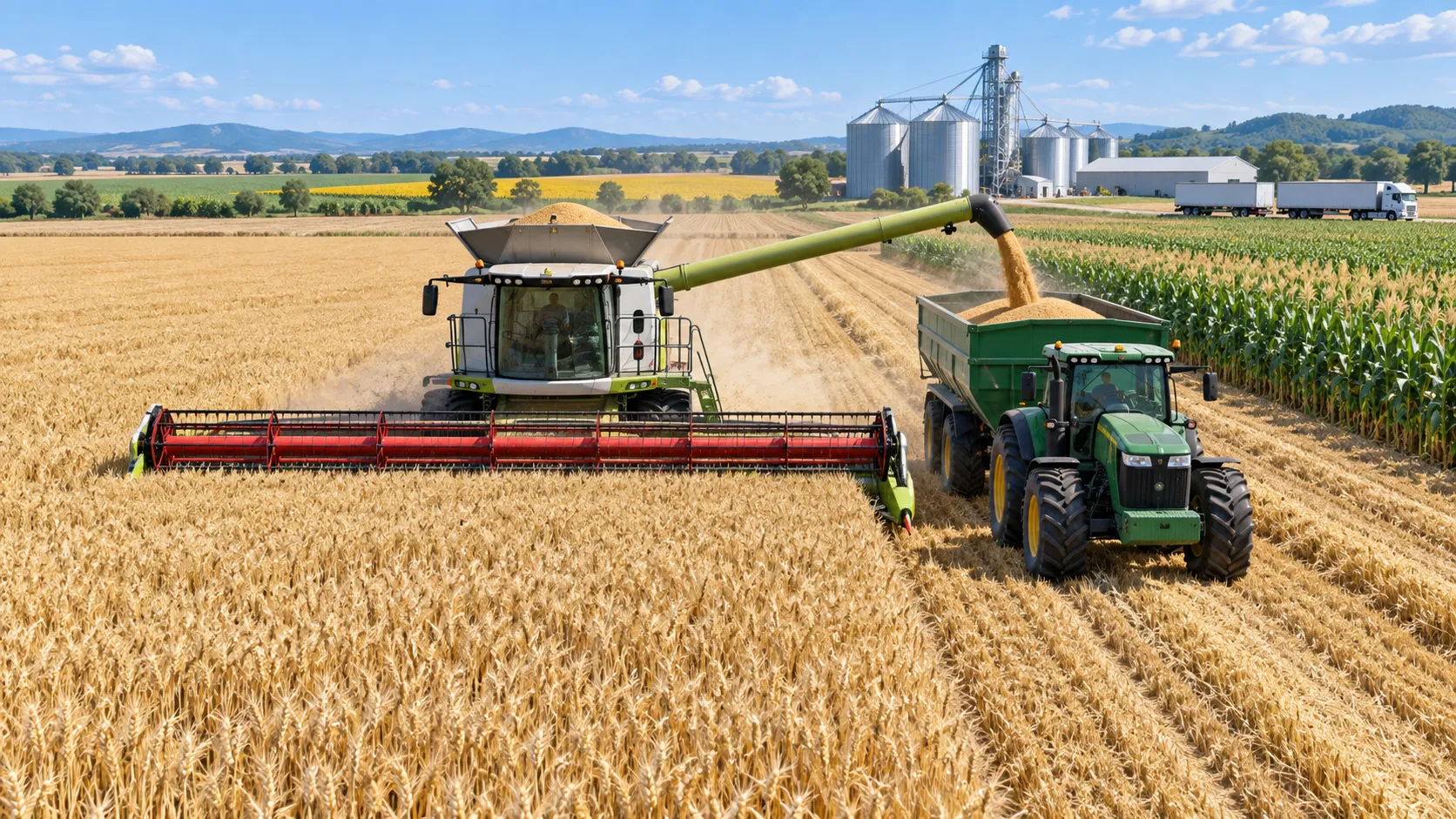
Selecting Grain Farm Equipment by Acreage, Crop Mix, and Harvest Window
Agricultural equipment selection for grain farming: match machinery to acreage, crop mix, and harvest windows to improve uptime, efficiency, and returns.
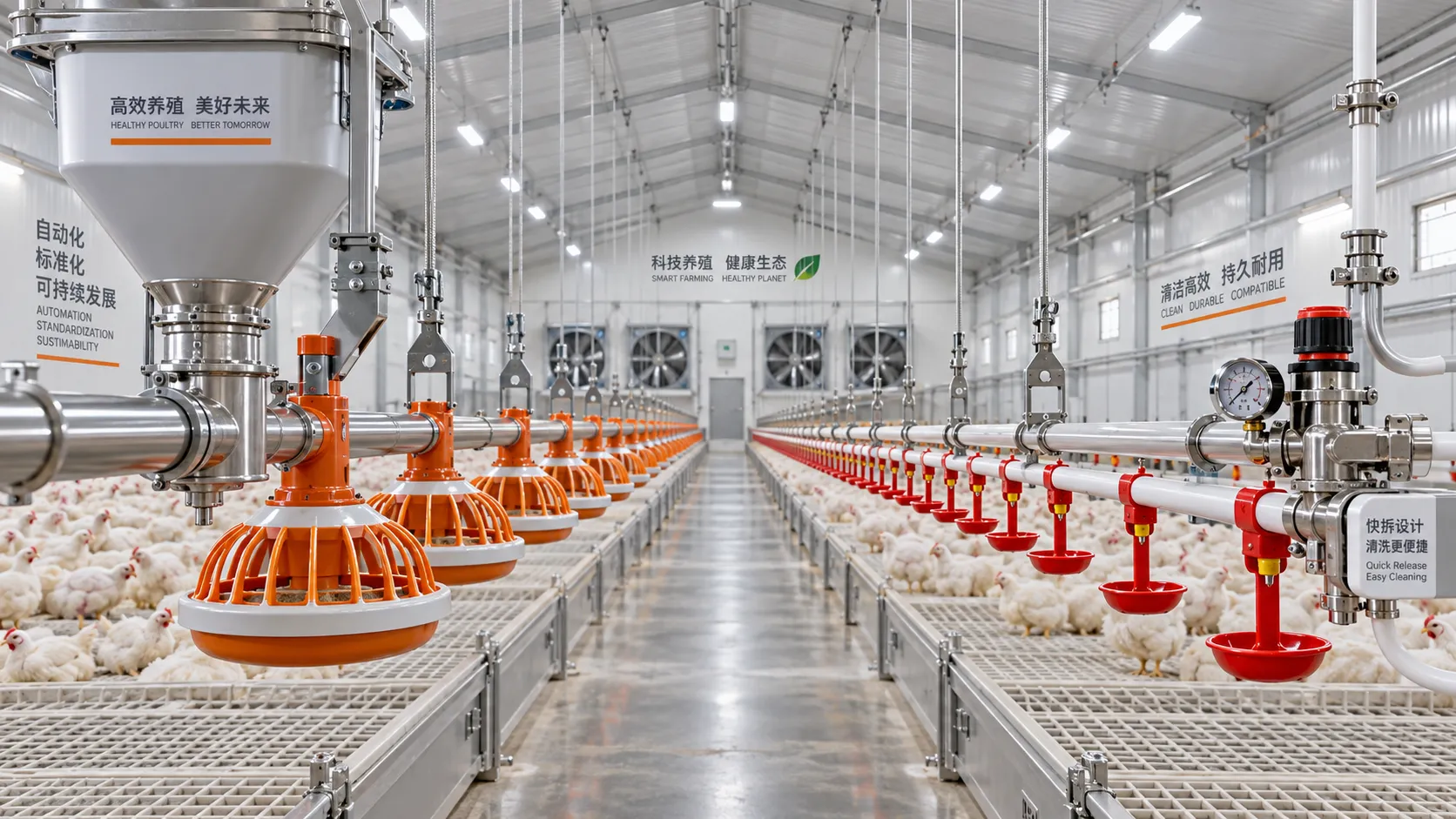
Poultry Equipment Selection: Evaluating Durability, Cleaning, and Compatibility
Poultry equipments selection guide: evaluate durability, cleaning access, and system compatibility to improve hygiene, reduce downtime, and support efficient flock management.
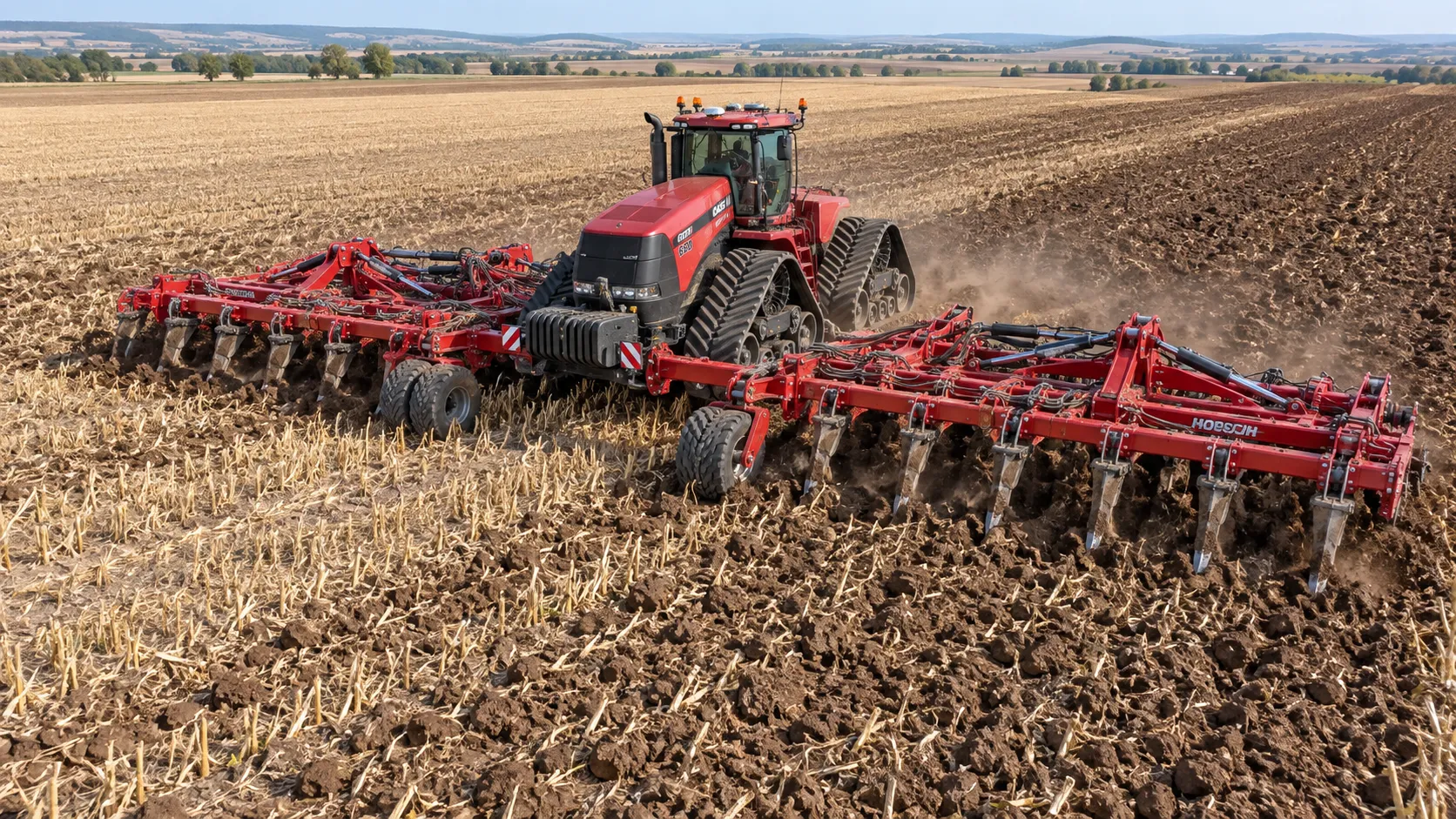
How to Select Heavy-Duty Farm Implements for High-Acreage, High-Horsepower Operations
Heavy duty farm implements: learn how to match draft, hydraulics, hitch capacity, frame strength, and field conditions for reliable high-acreage performance.
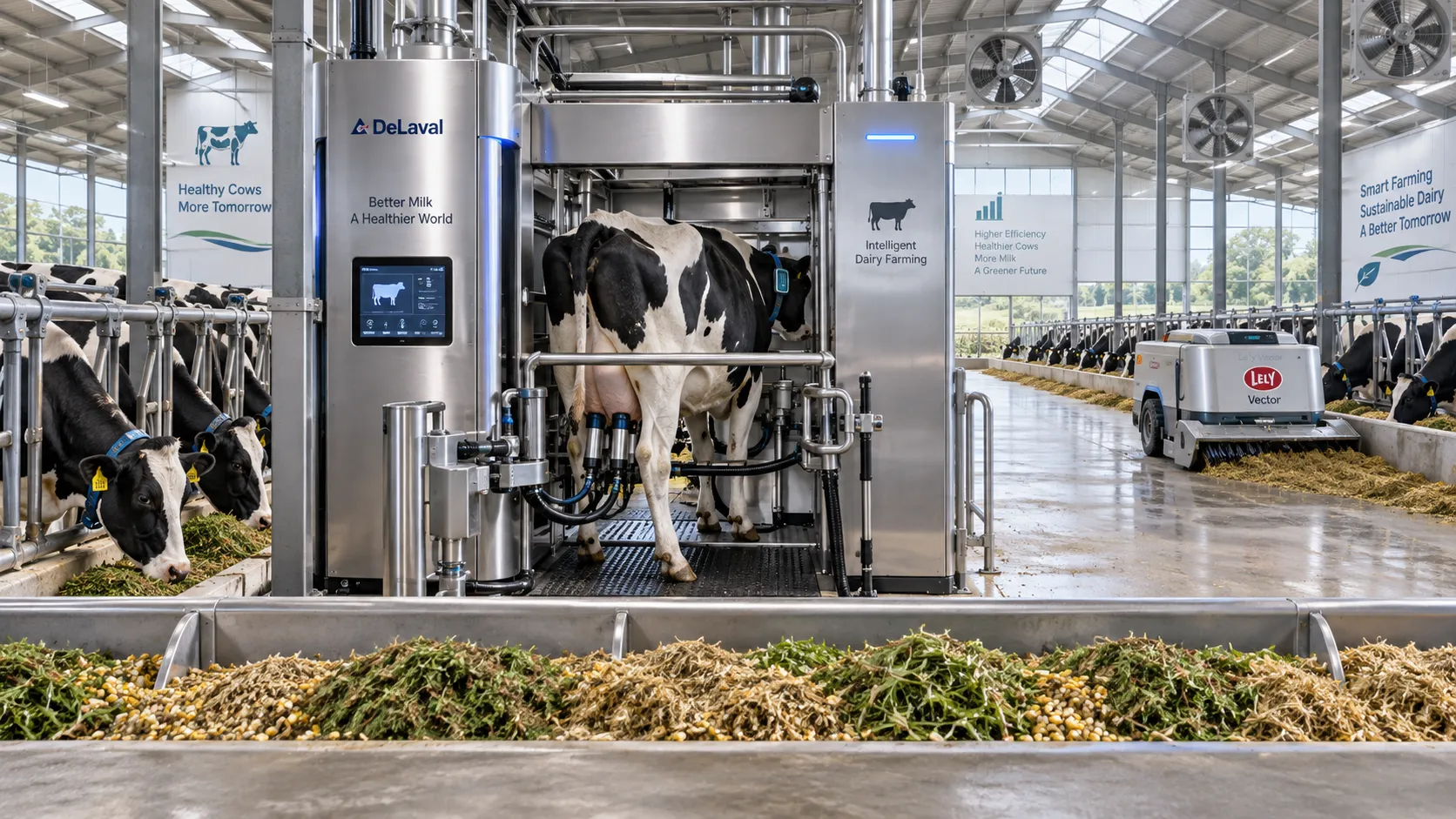
Smart Farming Technology for Dairy Farms: Where Automation Delivers Measurable ROI
Smart farming technology for dairy farms delivers measurable ROI through automation, precision feeding, health monitoring, and data-driven cost control.
Related News
- 00
0000-00
When Does Agricultural Machinery Leasing Cost Less Than Owning Equipment? - 00
0000-00
Selecting Grain Farm Equipment by Acreage, Crop Mix, and Harvest Window - 00
0000-00
Poultry Equipment Selection: Evaluating Durability, Cleaning, and Compatibility - 00
0000-00
How to Select Heavy-Duty Farm Implements for High-Acreage, High-Horsepower Operations - 00
0000-00
Smart Farming Technology for Dairy Farms: Where Automation Delivers Measurable ROI
Popular Tags
Ms. Elena Rodriguez
Weekly Insights
Stay ahead with our curated technology reports delivered every Monday.