
Global Grain Market Outlook: What Drives Wheat, Corn, and Soybean Price Swings?
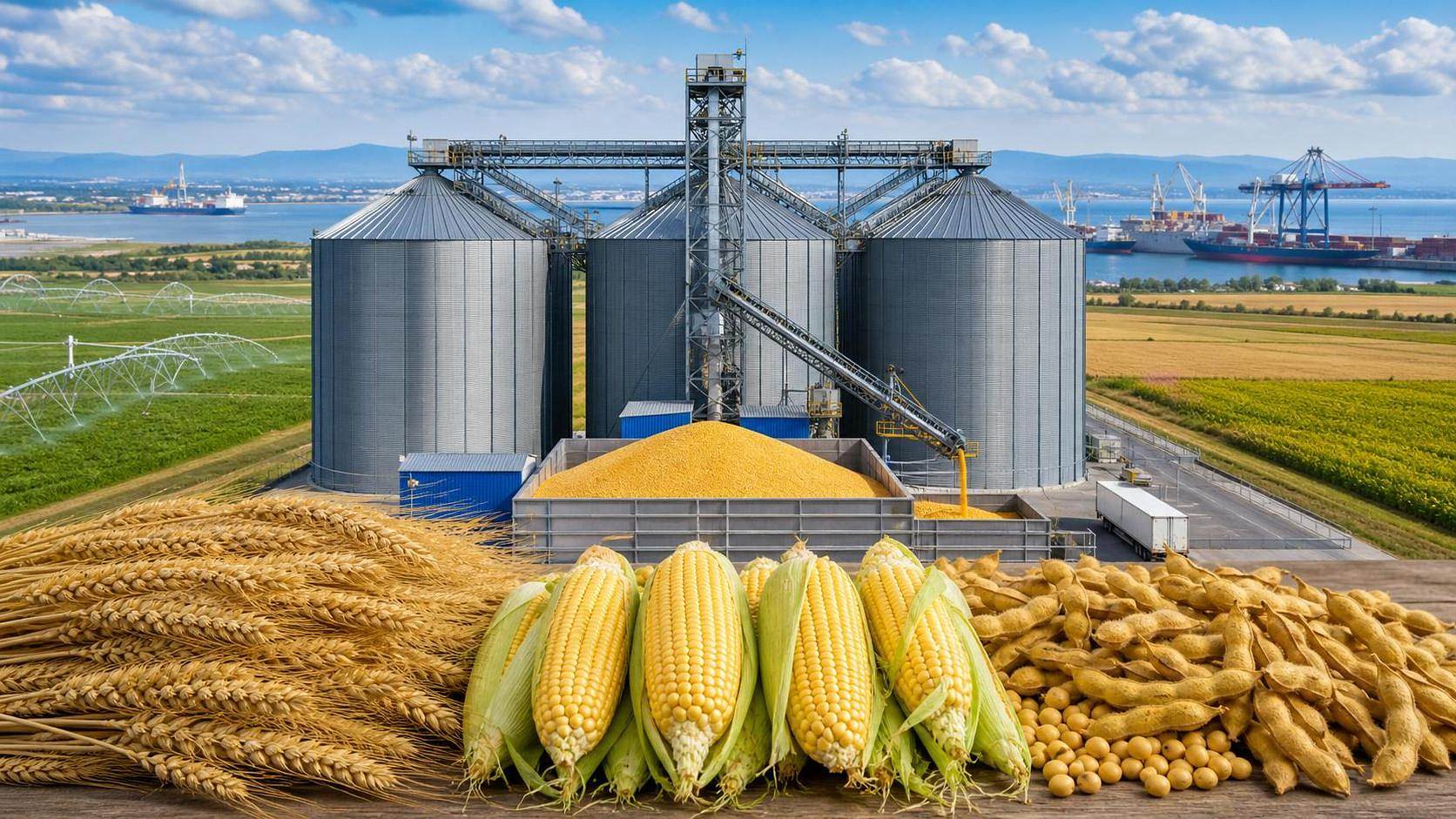




Why the global grain market feels more unstable again
The global grain market has entered another period of sharp repricing, and the move is broader than a routine seasonal swing.
Wheat, corn, and soybean prices are now reacting faster to weather disruptions, logistics friction, policy surprises, and shifting demand from feed, food, and fuel.
That matters because grain no longer trades as an isolated farm commodity story. It now reflects energy markets, geopolitics, climate stress, and technology adoption across agriculture.
From AP-Strategy’s field-to-system perspective, this volatility also affects equipment cycles, irrigation priorities, harvest timing, storage decisions, and farm capital allocation.
In practical terms, the global grain market is sending signals about both crop supply and the operational resilience behind that supply.
The current shift is not driven by one crop or one region
Recent price action shows a more connected pattern.
Wheat responds quickly to Black Sea export risk, drought in key producers, and quality concerns during harvest.
Corn remains highly sensitive to planting delays, feed demand, ethanol economics, and South American shipping performance.
Soybeans move with Chinese buying behavior, crush margins, vegetable oil demand, and weather across Brazil, Argentina, and the United States.
What is more notable is the speed of transmission.
A rainfall deficit in one exporting country can now influence freight expectations, hedging behavior, and procurement timing across several continents within days.
Three signals are becoming harder to ignore
- Weather risk is less localized, with heat, drought, and flooding increasingly overlapping important crop calendars.
- Trade flows are more political, making export corridors and tariffs part of daily price formation.
- Demand is less predictable because feed substitution and biofuel economics change faster than before.
What actually drives wheat, corn, and soybean price swings
The global grain market looks chaotic on the surface, yet most major swings still trace back to a limited set of drivers.
The difference today is that these drivers increasingly reinforce each other rather than acting alone.
This is why a narrow crop view often misses the larger move.
In the global grain market, price swings often begin with agronomy but accelerate through finance, logistics, and policy.
Climate pressure is changing more than yield expectations
Weather remains the oldest grain market force, but its character is changing.
The issue is no longer only lower output. Timing, field access, disease pressure, and grain quality now matter just as much.
A delayed harvest can tighten nearby supply even when headline production still looks adequate.
That has direct consequences for combine harvest capacity, grain drying demand, storage turnover, and transport scheduling.
This is where the AP-Strategy lens becomes useful.
When climate volatility increases, investment value shifts toward systems that reduce field losses and improve timing precision.
Smart irrigation, sensor-guided equipment, and adaptive harvesting technology are not separate from grain pricing risk. They are increasingly part of the response.
Operational effects now show up earlier
- Irrigation efficiency influences yield stability in corn and soybean regions exposed to erratic rainfall.
- Harvester loss control matters more when weather narrows the harvest window.
- Precision field tools help preserve input efficiency when fertilizer and energy prices remain elevated.
Demand-side behavior is becoming more selective
The global grain market is not only being pushed by supply concerns.
Buyers have become more tactical, especially when inflation, currency weakness, or uncertain freight costs squeeze purchasing power.
Wheat demand can soften when importers delay tenders, but quality wheat may still command a premium.
Corn demand changes with livestock margins and fuel blending economics.
Soybean demand often splits between meal requirements, oil demand, and strategic stockpiling behavior.
More importantly, substitution has become a bigger market force.
Feed formulators can switch between grains when relative prices change. Importers can also rotate origins when trade conditions improve elsewhere.
That flexibility can cap rallies in one crop while unexpectedly lifting another.
Why these swings matter beyond commodity trading
The wider business impact of the global grain market is often underestimated.
Price swings influence not only grain values, but also credit decisions, inventory planning, capital expenditure timing, and equipment utilization rates.
For example, stronger crop economics can support upgrades in tractors, precision tools, and water-saving irrigation networks.
A weaker price cycle can delay machinery replacement, tighten working capital, and reduce discretionary technology adoption.
This makes the global grain market a leading indicator for several adjacent sectors tied to food security and farm productivity.
The connection is especially relevant in Agriculture 4.0, where yield resilience and operational intelligence increasingly shape return expectations.
Areas where exposure tends to surface first
- Storage and logistics planning when nearby supply tightens unexpectedly
- Input budgeting when fertilizer, diesel, and crop protection costs move with grain prices
- Equipment investment pacing when farm cash flow expectations improve or deteriorate
- Regional asset allocation when water stress changes the economics of crop choice
What deserves closer attention over the next cycle
The next moves in the global grain market will likely depend less on headline forecasts and more on how several smaller signals align.
Watching crop condition ratings alone is no longer enough.
More useful signals include export pace, freight availability, biofuel policy direction, regional water stress, and the spread between old-crop and new-crop pricing.
It is also worth tracking whether growers respond with acreage shifts or with productivity investments.
That distinction matters because one changes supply volume, while the other changes resilience.
From AP-Strategy’s standpoint, the more durable signal may be the willingness to invest in efficient harvesting, stronger chassis systems, precision field tools, and smarter water control.
Those choices often indicate whether the market expects volatility to fade or persist.
A practical way to read the global grain market now
A useful approach is to treat grain prices as a cross-sector signal rather than a single commodity number.
When wheat, corn, or soybeans move sharply, the better question is not only where prices go next.
It is also whether the move reflects temporary disruption, structural supply stress, or a broader shift in global agricultural competitiveness.
That reading supports better timing on risk review, sourcing assumptions, infrastructure planning, and technology evaluation.
In the near term, continued monitoring should focus on weather patterns, policy friction, energy-linked demand, and operational efficiency across key producing regions.
The global grain market will remain volatile, but volatility also clarifies where resilience, productivity, and long-cycle value are being rebuilt.
The next step is to map those signals against exposure points, compare regional scenarios, and build a phased response plan before the next shock becomes visible in prices.
Related News
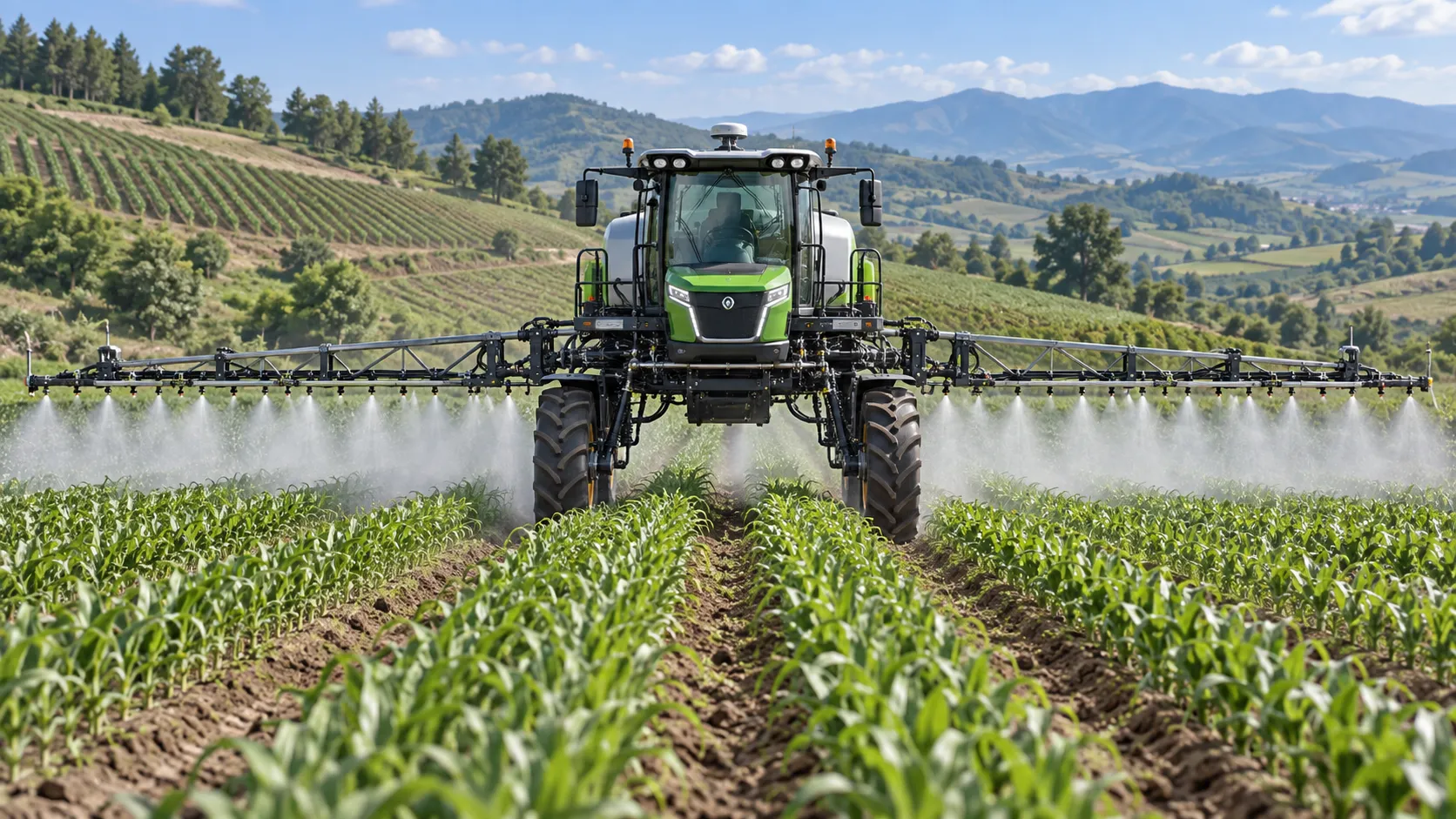
How to Select Precision Crop Protection Equipment for Variable Field Conditions
Precision crop protection equipment selection made simple: compare terrain, canopy, weather, control accuracy, and data workflows for reliable applications.
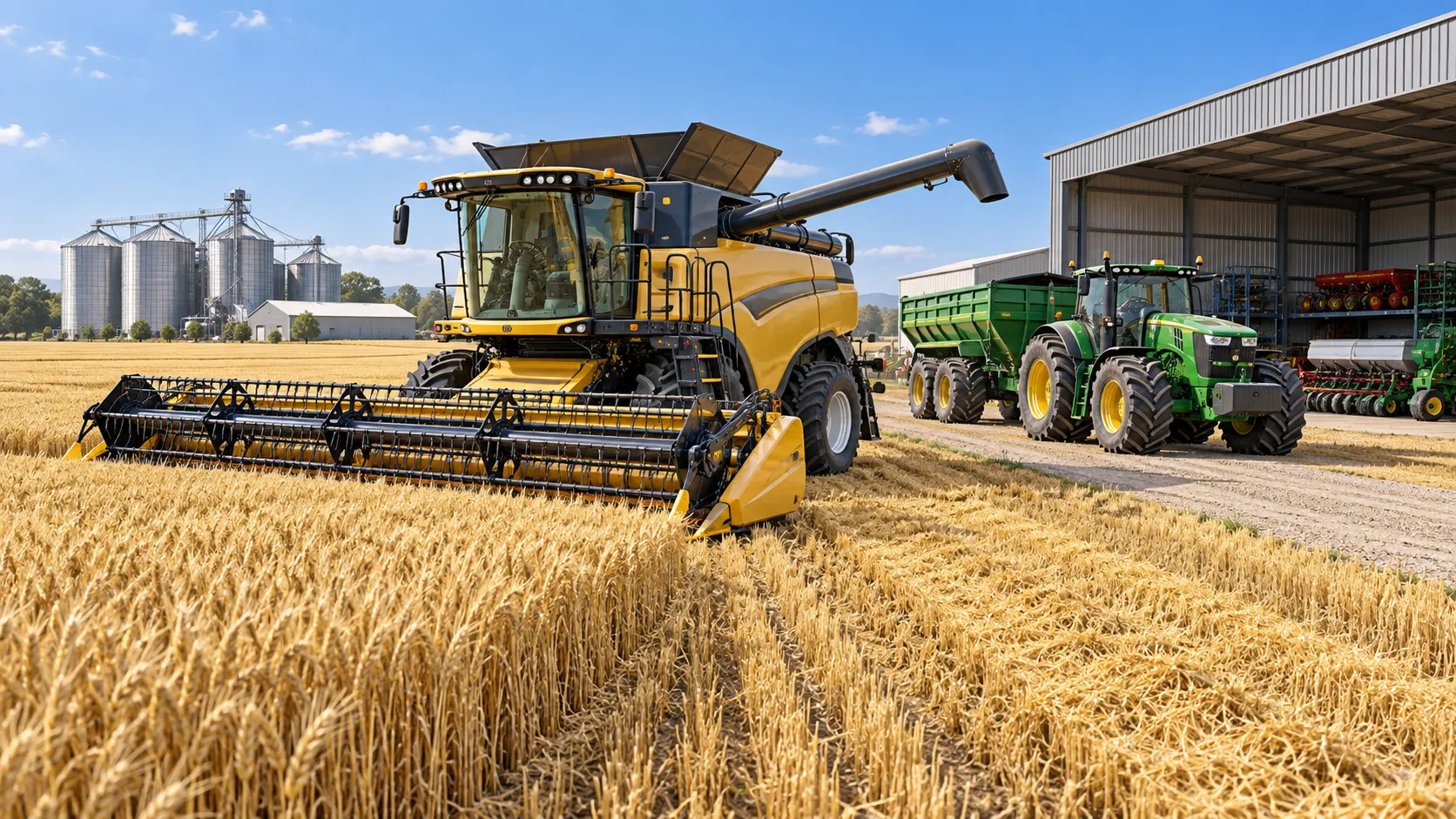
When Does Agricultural Machinery Leasing Cost Less Than Owning Equipment?
Agricultural machinery leasing can lower farm costs when use is seasonal or uncertain. Compare utilization, maintenance, cash flow, and risk to make a smarter equipment decision.
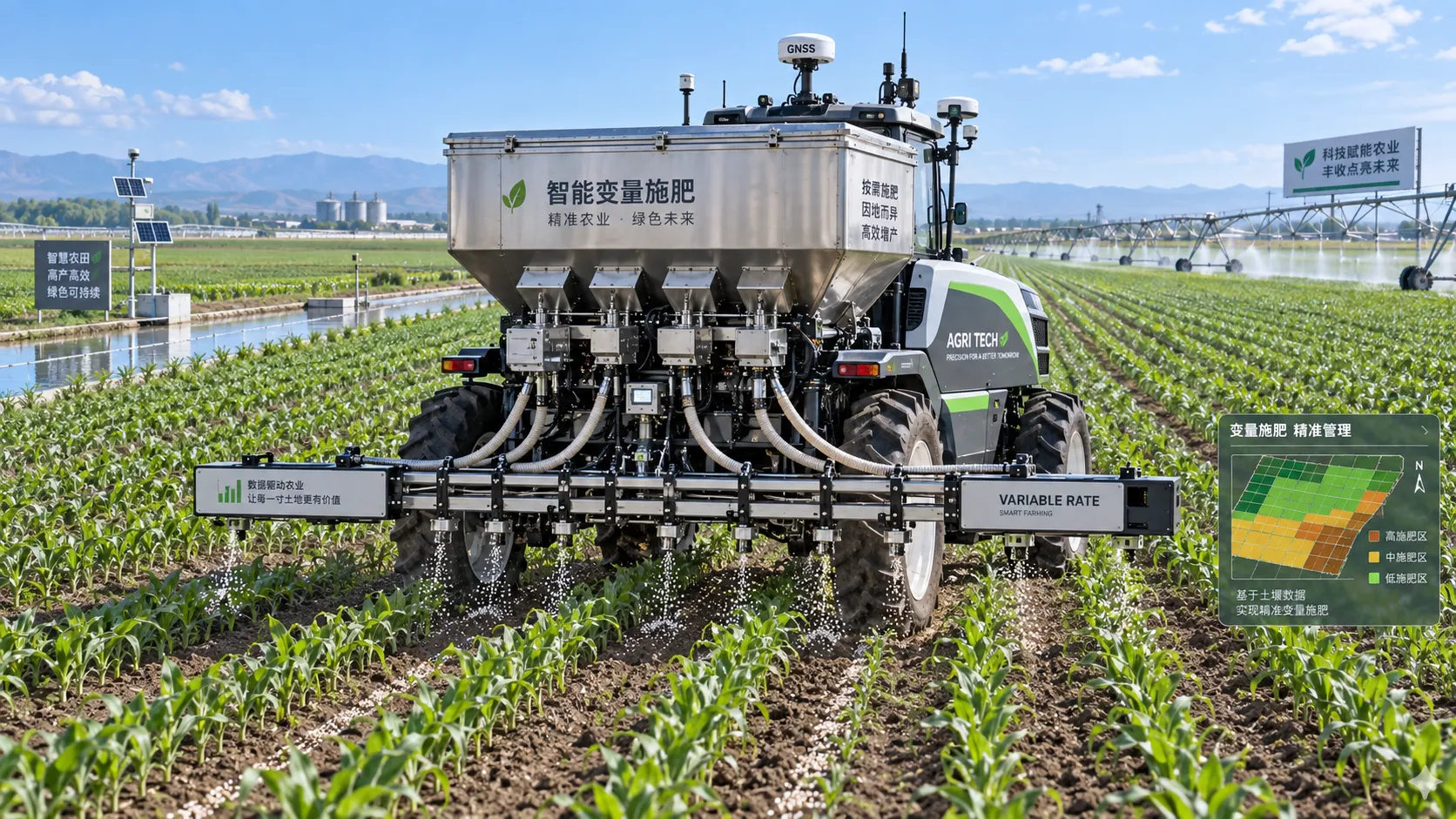
How to Evaluate Precision Fertilization System Suppliers for Farm-Scale Deployment
Precision fertilization systems suppliers: learn how to compare accuracy, integration, uptime, service, and total cost for confident farm-scale deployment.
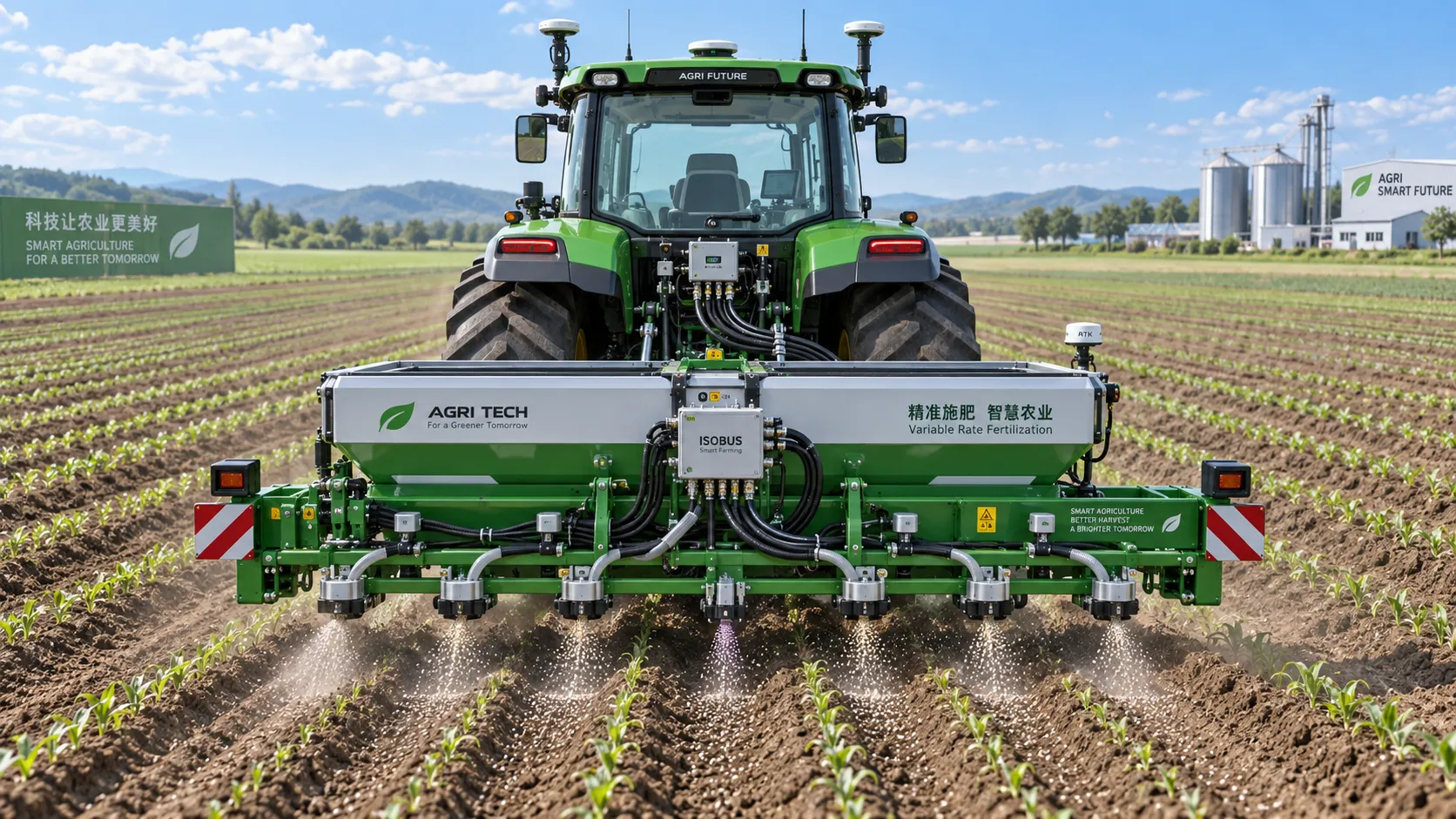
ISOBUS for Smart Agriculture: How It Connects Tractors, Implements, and Farm Data
ISOBUS for smart agriculture connects tractors, implements, terminals, and farm data—helping growers improve precision, documentation, and smarter field decisions.
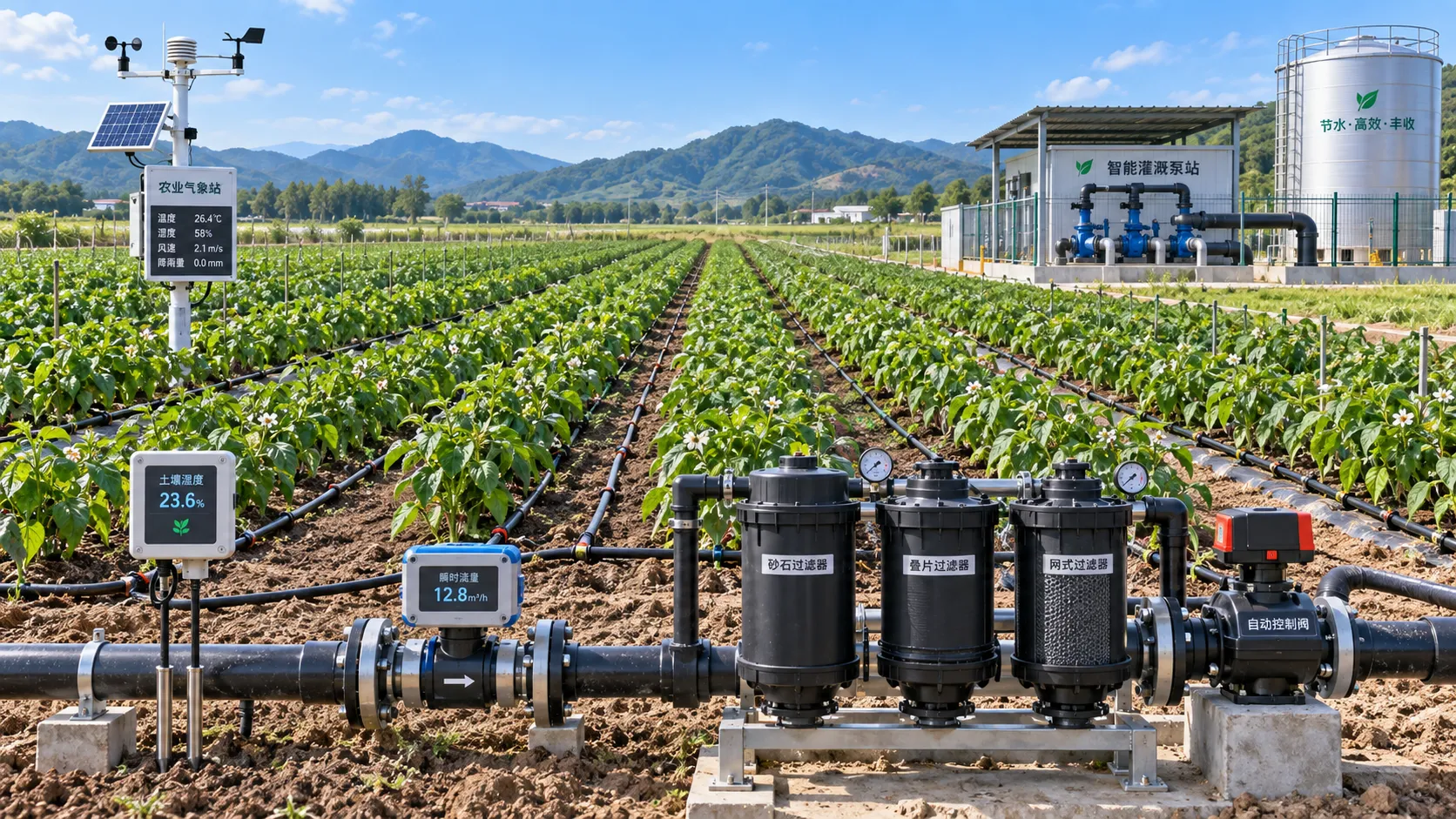
Automated Water-Saving Irrigation: How to Cut Water Use Without Reducing Crop Yields
Automated water-saving irrigation helps farms cut water use, protect crop yields, improve scheduling, and gain reliable control with sensors, flow monitoring, and smart zones.
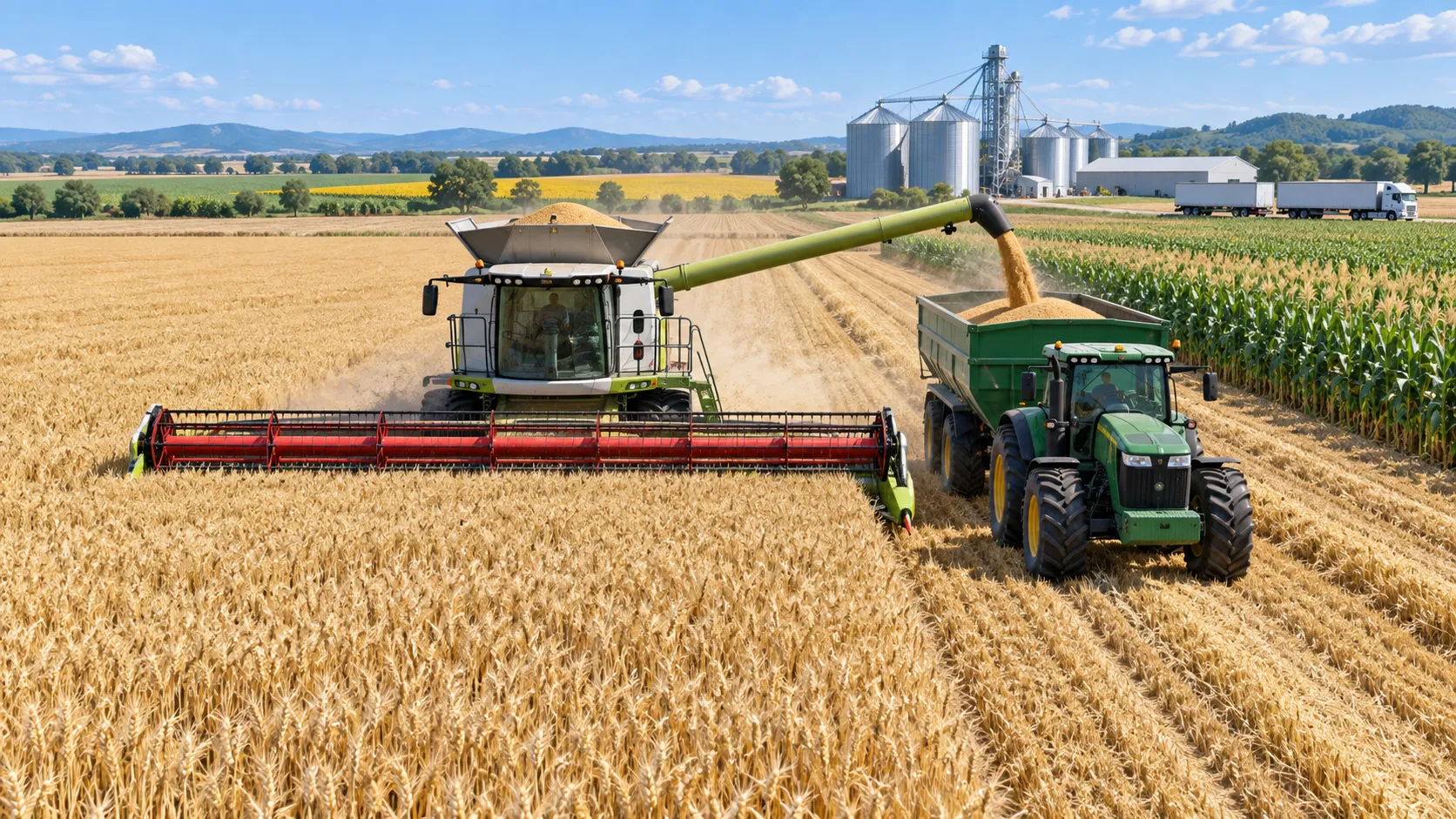
Selecting Grain Farm Equipment by Acreage, Crop Mix, and Harvest Window
Agricultural equipment selection for grain farming: match machinery to acreage, crop mix, and harvest windows to improve uptime, efficiency, and returns.
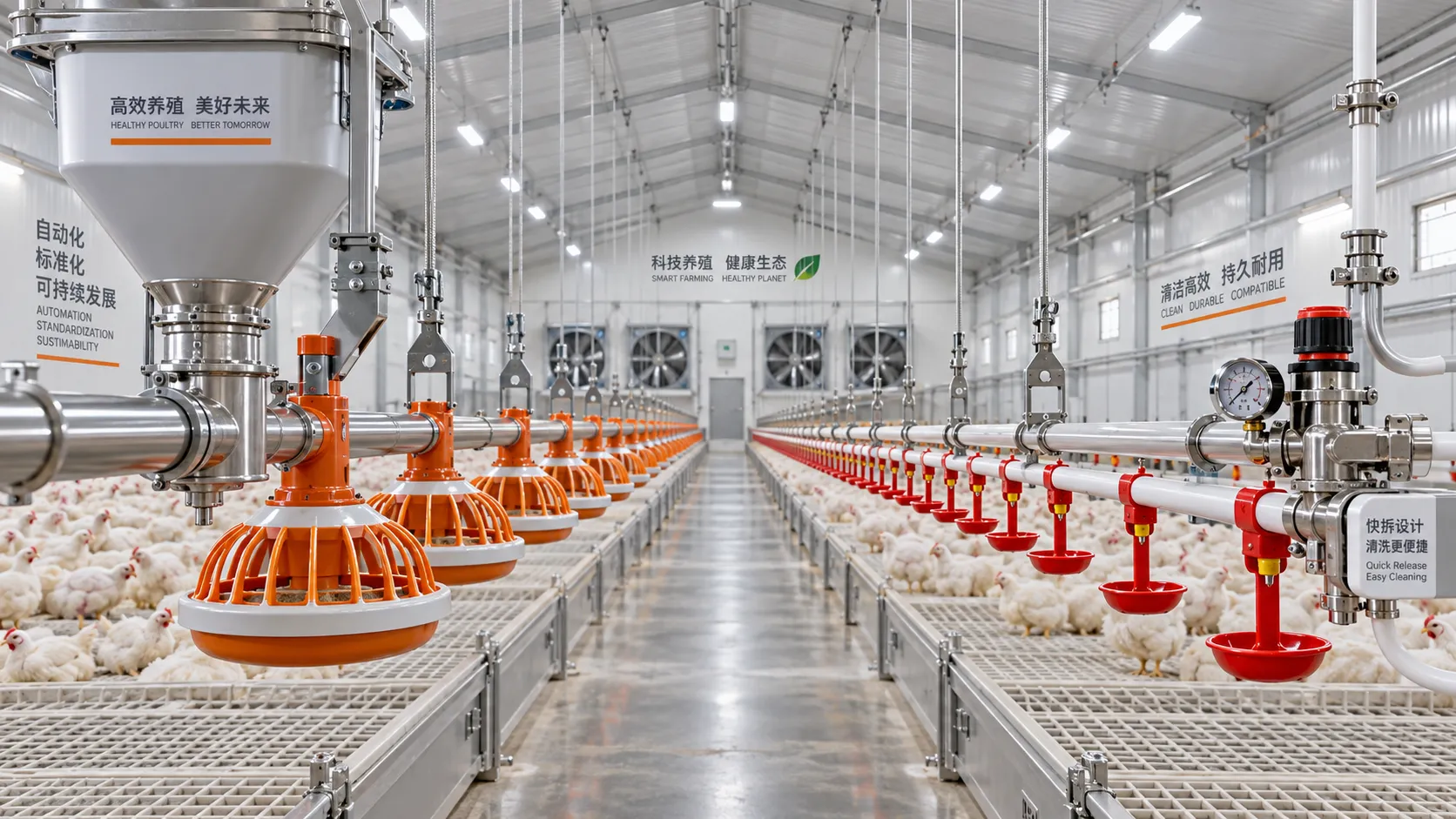
Poultry Equipment Selection: Evaluating Durability, Cleaning, and Compatibility
Poultry equipments selection guide: evaluate durability, cleaning access, and system compatibility to improve hygiene, reduce downtime, and support efficient flock management.
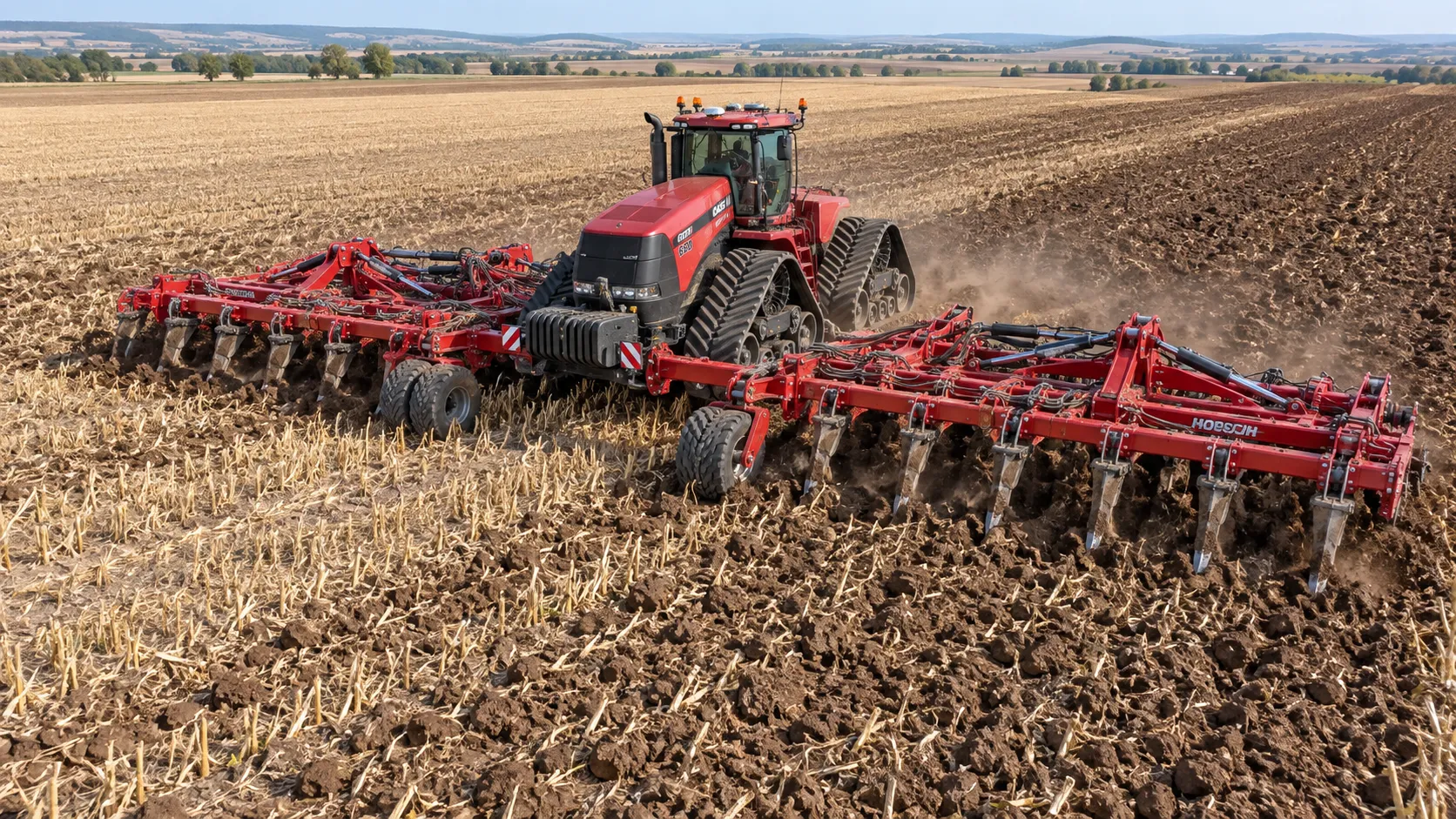
How to Select Heavy-Duty Farm Implements for High-Acreage, High-Horsepower Operations
Heavy duty farm implements: learn how to match draft, hydraulics, hitch capacity, frame strength, and field conditions for reliable high-acreage performance.
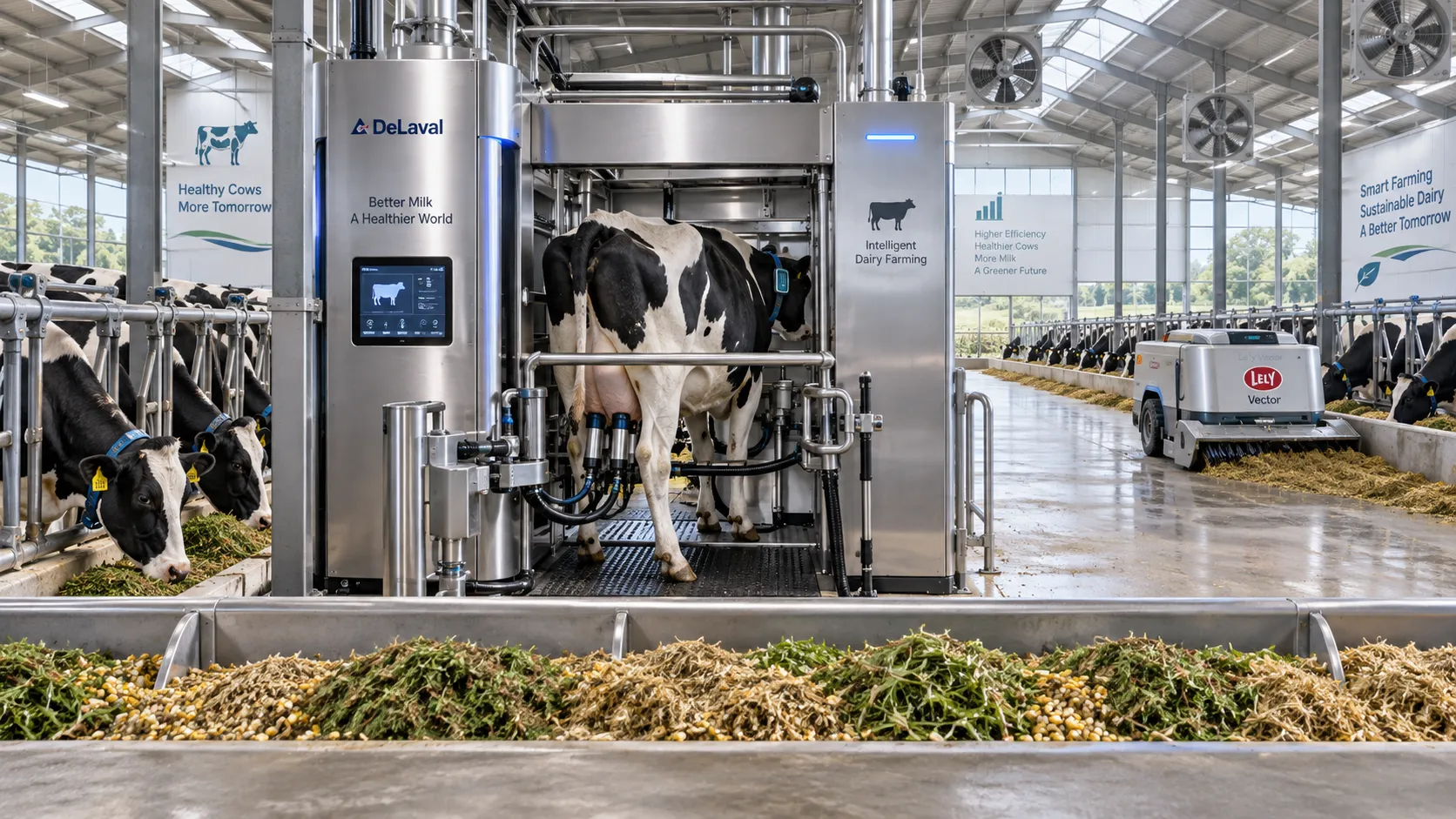
Smart Farming Technology for Dairy Farms: Where Automation Delivers Measurable ROI
Smart farming technology for dairy farms delivers measurable ROI through automation, precision feeding, health monitoring, and data-driven cost control.
Related News
- 00
0000-00
When Does Agricultural Machinery Leasing Cost Less Than Owning Equipment? - 00
0000-00
Selecting Grain Farm Equipment by Acreage, Crop Mix, and Harvest Window - 00
0000-00
Poultry Equipment Selection: Evaluating Durability, Cleaning, and Compatibility - 00
0000-00
How to Select Heavy-Duty Farm Implements for High-Acreage, High-Horsepower Operations - 00
0000-00
Smart Farming Technology for Dairy Farms: Where Automation Delivers Measurable ROI
Popular Tags
Ms. Elena Rodriguez
Weekly Insights
Stay ahead with our curated technology reports delivered every Monday.