
What Are Climate-Smart Agriculture Technologies and Which Farm Problems Do They Solve?
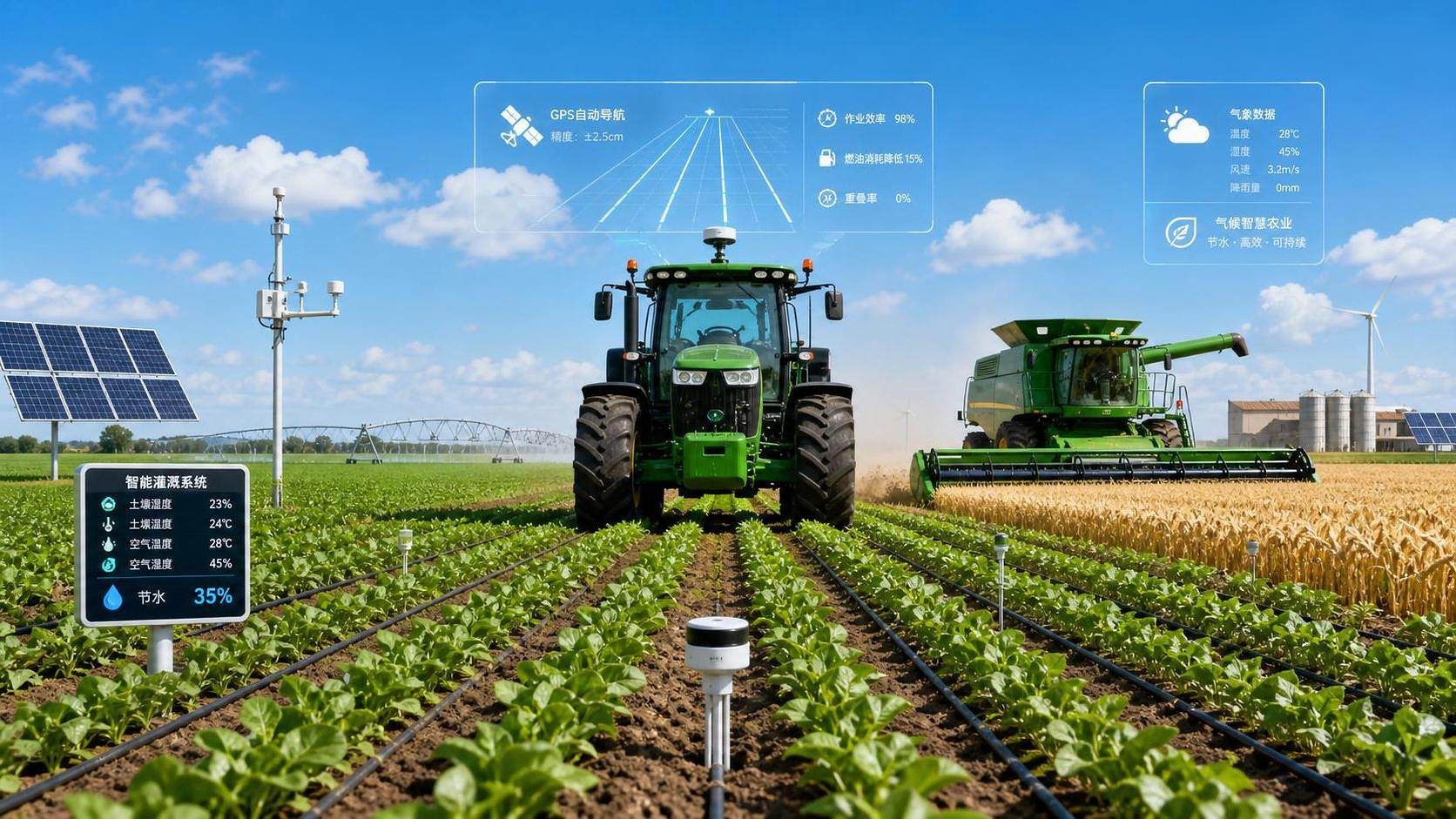




Why are climate-smart agriculture technologies getting so much attention now?
Climate pressure is no longer a distant issue for farming. It now shows up as uneven rainfall, heat stress, rising input prices, labor gaps, and tighter sustainability rules.
That is why climate-smart agriculture technologies matter. They are not one single machine or software platform. They are a practical toolkit for managing risk and improving productivity.
In simple terms, these technologies help farms produce more with fewer wasted resources. They also help operations stay stable when weather and market conditions become harder to predict.
Within the Agriculture 4.0 conversation, the focus is shifting from isolated equipment upgrades to connected field systems. That includes machinery, sensing, irrigation control, data models, and decision support.
This is also where AP-Strategy’s perspective becomes useful. Its coverage of large-scale agri-machinery, combine harvesters, intelligent farm tools, and water-saving irrigation reflects how climate-smart agriculture technologies work together rather than alone.
So what counts as climate-smart agriculture technologies?
A common misunderstanding is that climate-smart farming only means low-emission practices. In reality, the term covers technologies that improve resilience, resource efficiency, and output quality at the same time.
Some tools are hardware-based. Others depend on software, remote sensing, or predictive models. More often, the strongest results come from combining both.
- Precision irrigation systems that adjust water delivery by soil moisture, evapotranspiration, and crop stage.
- GPS-guided tractors and implements that reduce overlap, fuel loss, and input misapplication.
- Variable-rate seeding and fertilization tools that match treatment intensity to field variability.
- Smart combine monitoring that tracks grain loss, moisture, and machine performance during harvest.
- Field sensors, satellite imagery, and farm analytics platforms that support timing decisions.
- Autonomous or semi-autonomous equipment that addresses labor shortages and operating precision.
The key point is this: climate-smart agriculture technologies solve field problems by turning broad climate risk into manageable operational decisions.
Which farm problems do these technologies actually solve?
The answer depends on the production system, but several pain points appear again and again. Farms are not just asking for innovation. They are asking for specific problem-solving capacity.
A useful way to read climate-smart agriculture technologies is to match each tool with the operational bottleneck it improves.
In practice, the biggest gains often come from water management and harvest efficiency. Those are also areas where climate volatility can quickly turn into financial loss.
For example, intelligent irrigation does more than save water. It can protect plant health during heat spikes and reduce overwatering that weakens root zones.
Likewise, climate-smart combine technologies help operators react to changing crop moisture or residue conditions before losses accumulate across the entire field.
Are all farms using the same climate-smart tools?
Not at all. The most effective climate-smart agriculture technologies depend on crop type, scale, water availability, machinery intensity, and data readiness.
Large row-crop systems often prioritize guidance, variable-rate application, and harvest analytics. Irrigated operations usually focus first on water control, pumping efficiency, and sensor-based scheduling.
Mixed or highly variable environments may benefit more from diagnostic tools than from immediate automation. Better visibility sometimes creates more value than buying the most advanced equipment first.
A practical selection path usually starts with one question: where does climate variability create the highest annual loss?
- If water is the main bottleneck, start with irrigation intelligence and field moisture visibility.
- If labor timing is the bigger issue, guidance and semi-autonomous features may deliver faster returns.
- If harvest losses are persistent, combine monitoring and machine adjustment feedback deserve early attention.
- If field variability is poorly understood, mapping and zone-based analytics should come before heavy capital expansion.
This problem-first approach is more reliable than adopting climate-smart agriculture technologies because they look advanced on paper.
What should be compared before choosing a solution?
The wrong comparison is feature versus feature. The better comparison is operational fit versus operational friction.
For instance, a precision platform may offer excellent data layers, yet still fail if it does not integrate with existing tractors, irrigation hardware, or harvest workflows.
More useful evaluation points include the following:
- Data compatibility with current machines, controllers, and farm software.
- Accuracy under local field conditions rather than lab conditions.
- Ease of calibration, maintenance, and operator adoption.
- Expected payback period based on one specific farm problem.
- Service availability during planting, irrigation peaks, or harvest windows.
This is where industry intelligence can prevent expensive mismatches. AP-Strategy’s focus on machine performance, precision algorithms, and sustainability standards reflects a useful reality: climate-smart agriculture technologies must work at field speed, not just at presentation speed.
In other words, the best system is often the one that improves one measurable constraint now and still connects to broader modernization later.
Where do farms usually misjudge climate-smart agriculture technologies?
The first mistake is expecting instant transformation. These technologies usually work in layers. Sensor data improves timing. Timing improves input efficiency. Efficiency then improves resilience and margins.
Another common mistake is ignoring implementation discipline. Even strong tools underperform when calibration is poor, field maps are outdated, or operators do not trust the recommendations.
There is also a tendency to treat sustainability and productivity as separate goals. In reality, climate-smart agriculture technologies are most valuable when they lower resource waste and stabilize output together.
A few warning signs deserve attention:
- Buying data tools without a clear decision workflow.
- Adding automation where maintenance support is weak.
- Expecting one season of data to explain all field variability.
- Treating irrigation, machinery, and harvest systems as unrelated investments.
More often than not, success depends on system coordination. Water-saving irrigation, precision field tools, and efficient harvesting create stronger results when information moves between them.
What is the smartest next step if the goal is understanding, not rushing adoption?
Start by mapping farm problems before mapping technologies. That sounds obvious, but it changes the quality of every later decision.
A useful review can be built around four checkpoints: where losses occur, which losses are climate-sensitive, what data already exists, and which machine or irrigation upgrades can realistically connect.
From there, compare climate-smart agriculture technologies by measurable field outcomes. Look for indicators such as reduced overlap, improved water-use efficiency, lower harvest loss, or more stable yield zones.
For ongoing research, it also helps to follow intelligence sources that connect equipment, algorithms, and policy direction rather than discussing each in isolation. That broader view is increasingly important across global food security and smart cultivation planning.
The bigger point is not to chase every innovation. It is to understand which climate-smart agriculture technologies solve a real bottleneck, fit existing operations, and remain useful as conditions become less predictable.
If the next step is evaluation, build a short comparison list, define the field problem clearly, and verify cost, integration, service support, and implementation timing before moving further.
Related News
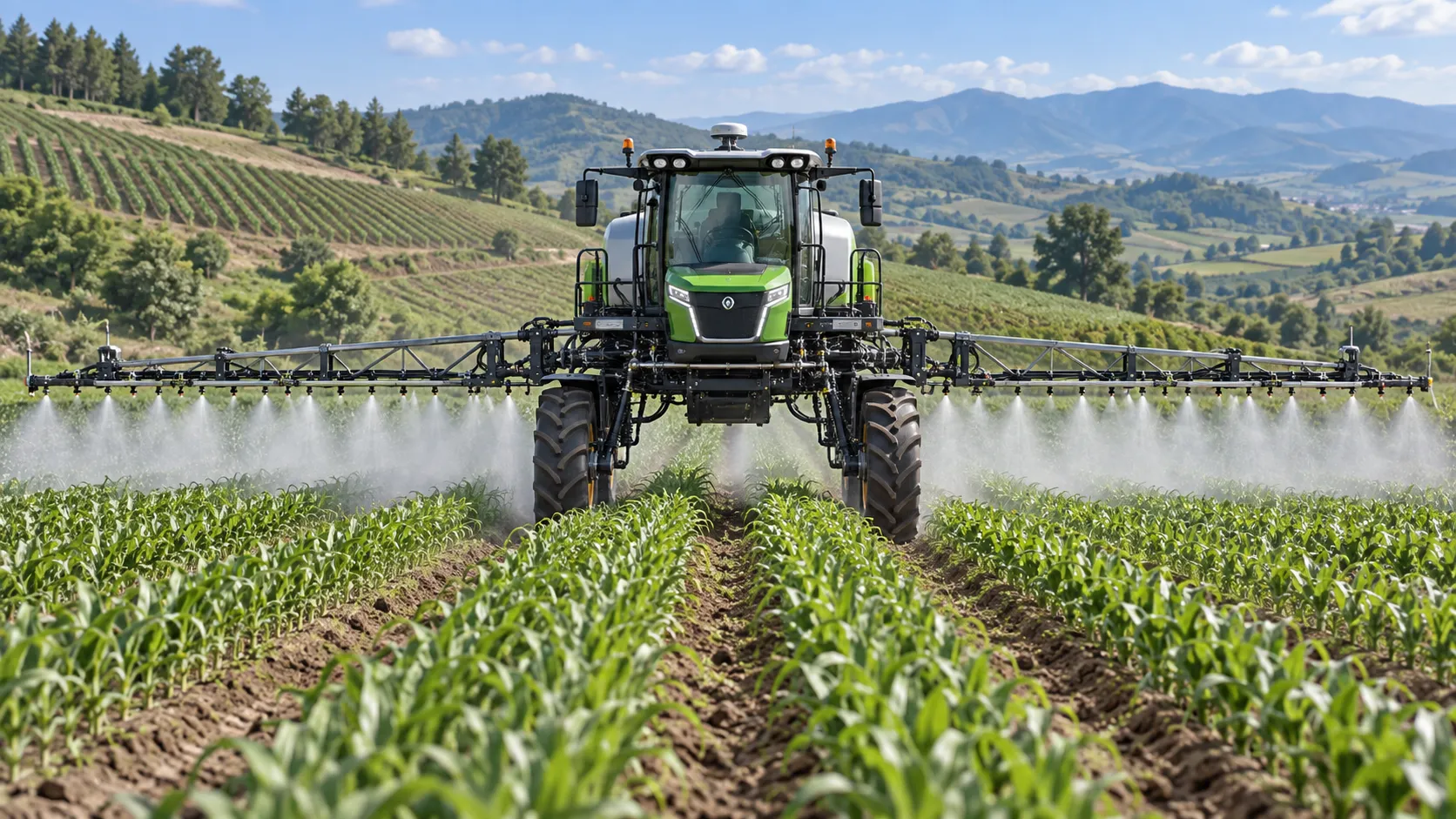
How to Select Precision Crop Protection Equipment for Variable Field Conditions
Precision crop protection equipment selection made simple: compare terrain, canopy, weather, control accuracy, and data workflows for reliable applications.
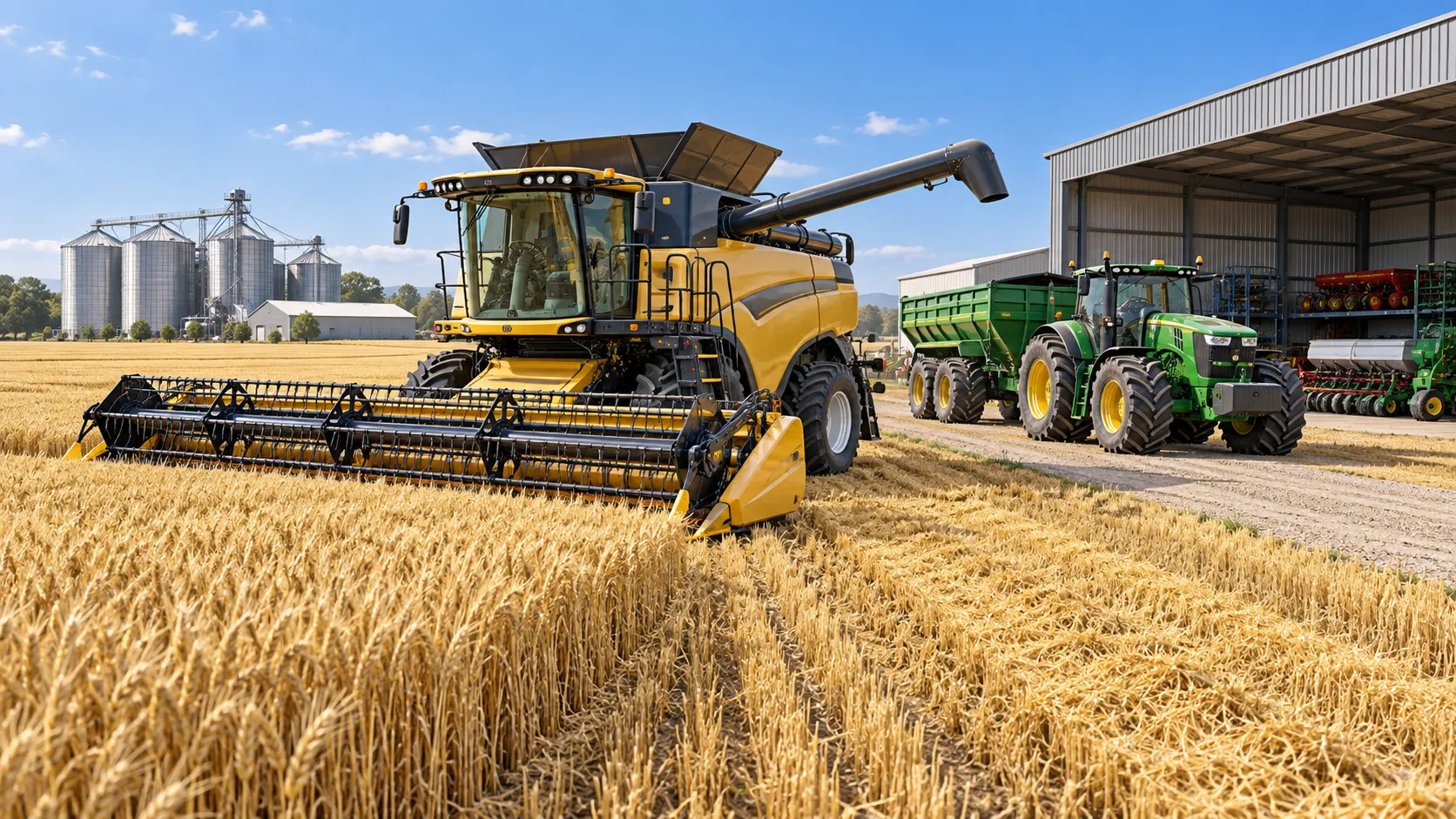
When Does Agricultural Machinery Leasing Cost Less Than Owning Equipment?
Agricultural machinery leasing can lower farm costs when use is seasonal or uncertain. Compare utilization, maintenance, cash flow, and risk to make a smarter equipment decision.
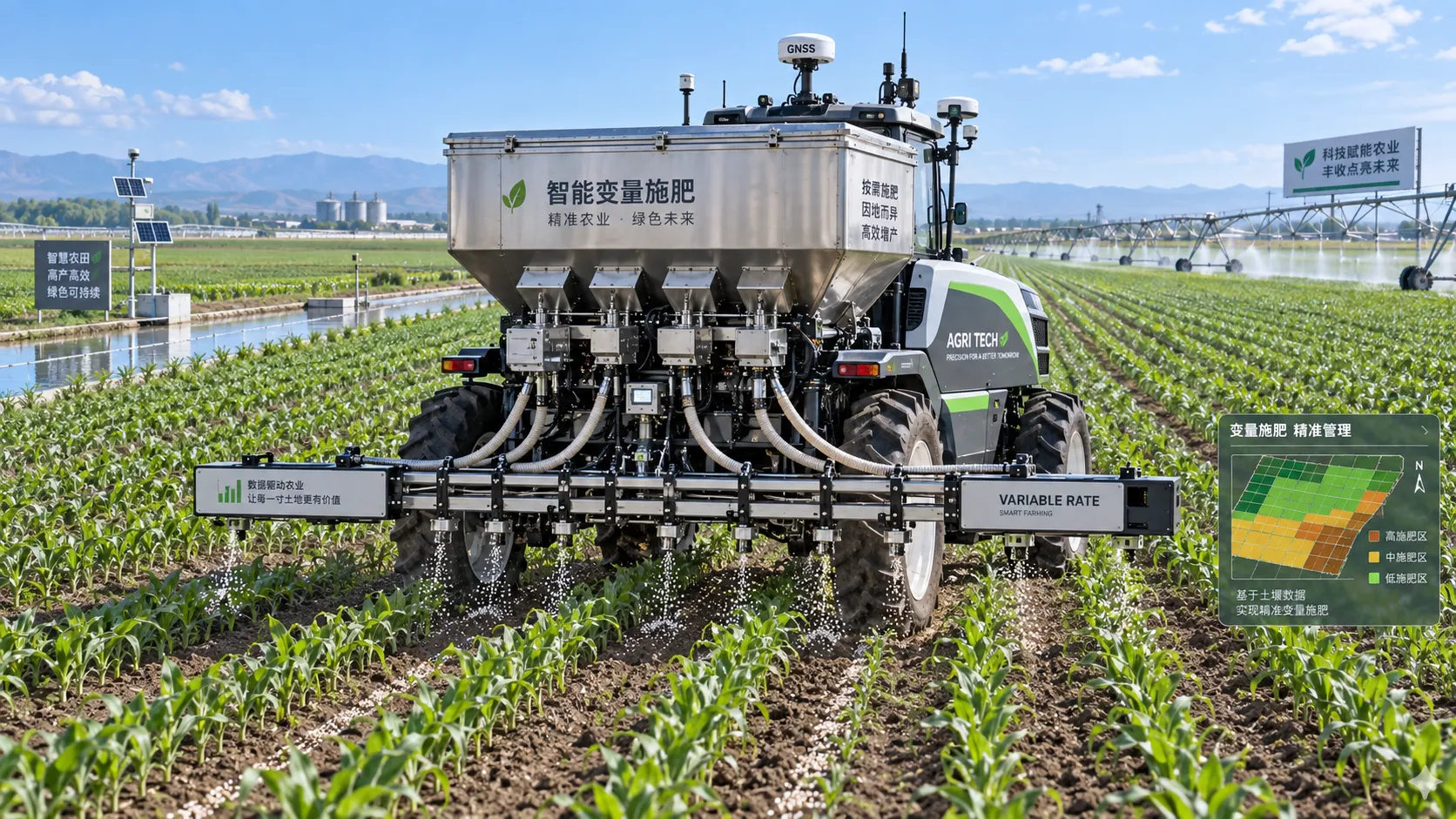
How to Evaluate Precision Fertilization System Suppliers for Farm-Scale Deployment
Precision fertilization systems suppliers: learn how to compare accuracy, integration, uptime, service, and total cost for confident farm-scale deployment.
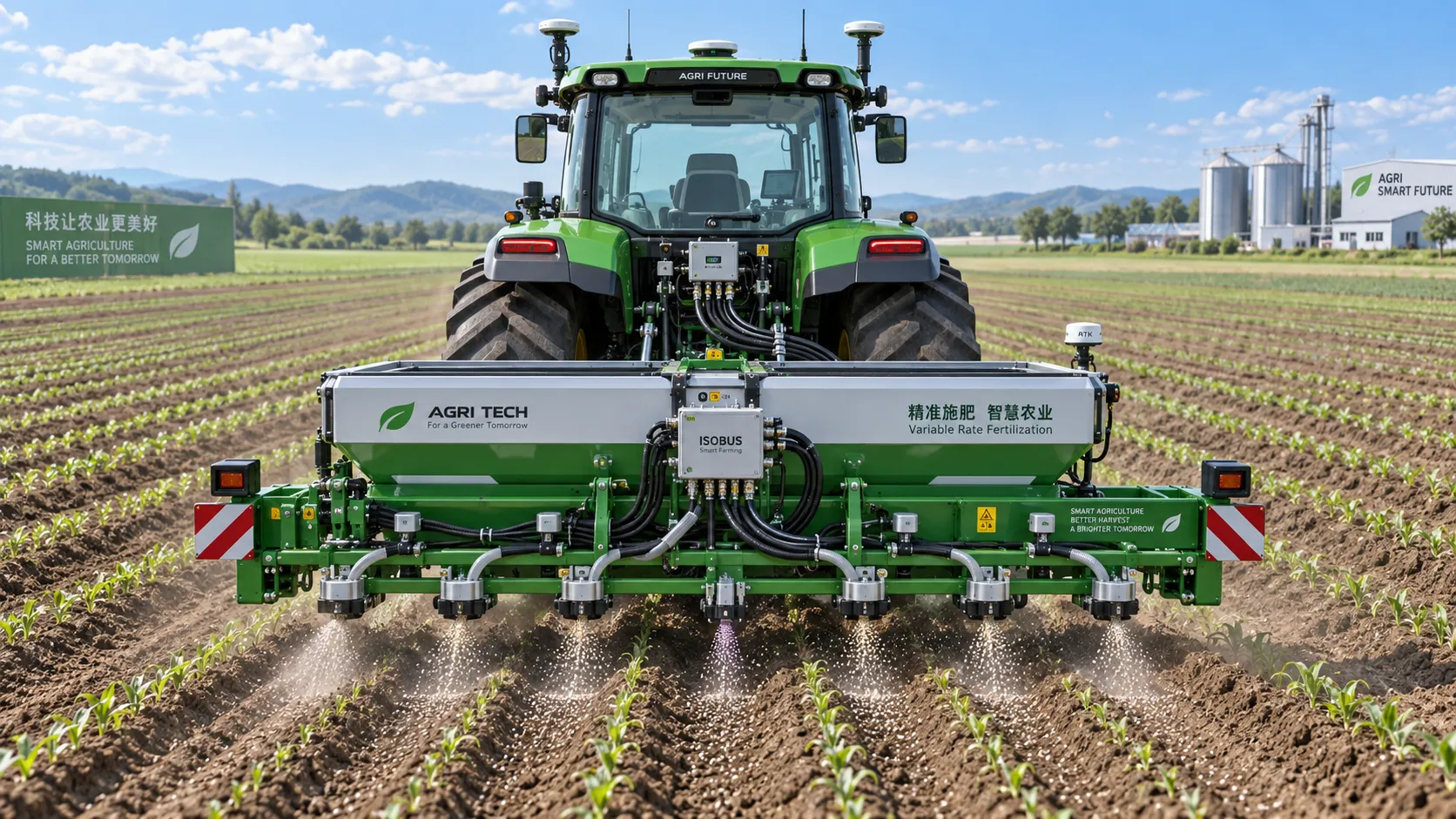
ISOBUS for Smart Agriculture: How It Connects Tractors, Implements, and Farm Data
ISOBUS for smart agriculture connects tractors, implements, terminals, and farm data—helping growers improve precision, documentation, and smarter field decisions.
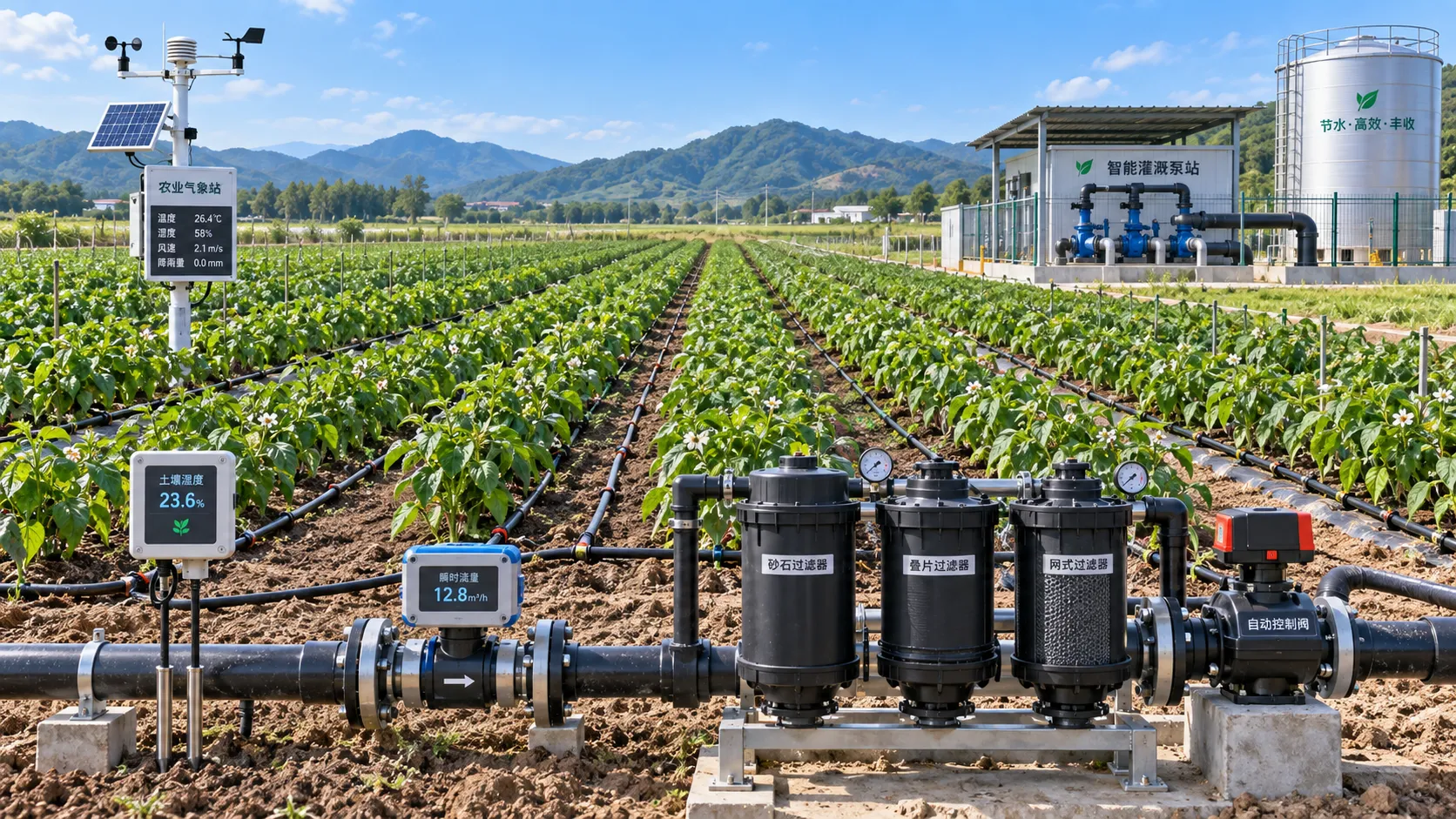
Automated Water-Saving Irrigation: How to Cut Water Use Without Reducing Crop Yields
Automated water-saving irrigation helps farms cut water use, protect crop yields, improve scheduling, and gain reliable control with sensors, flow monitoring, and smart zones.
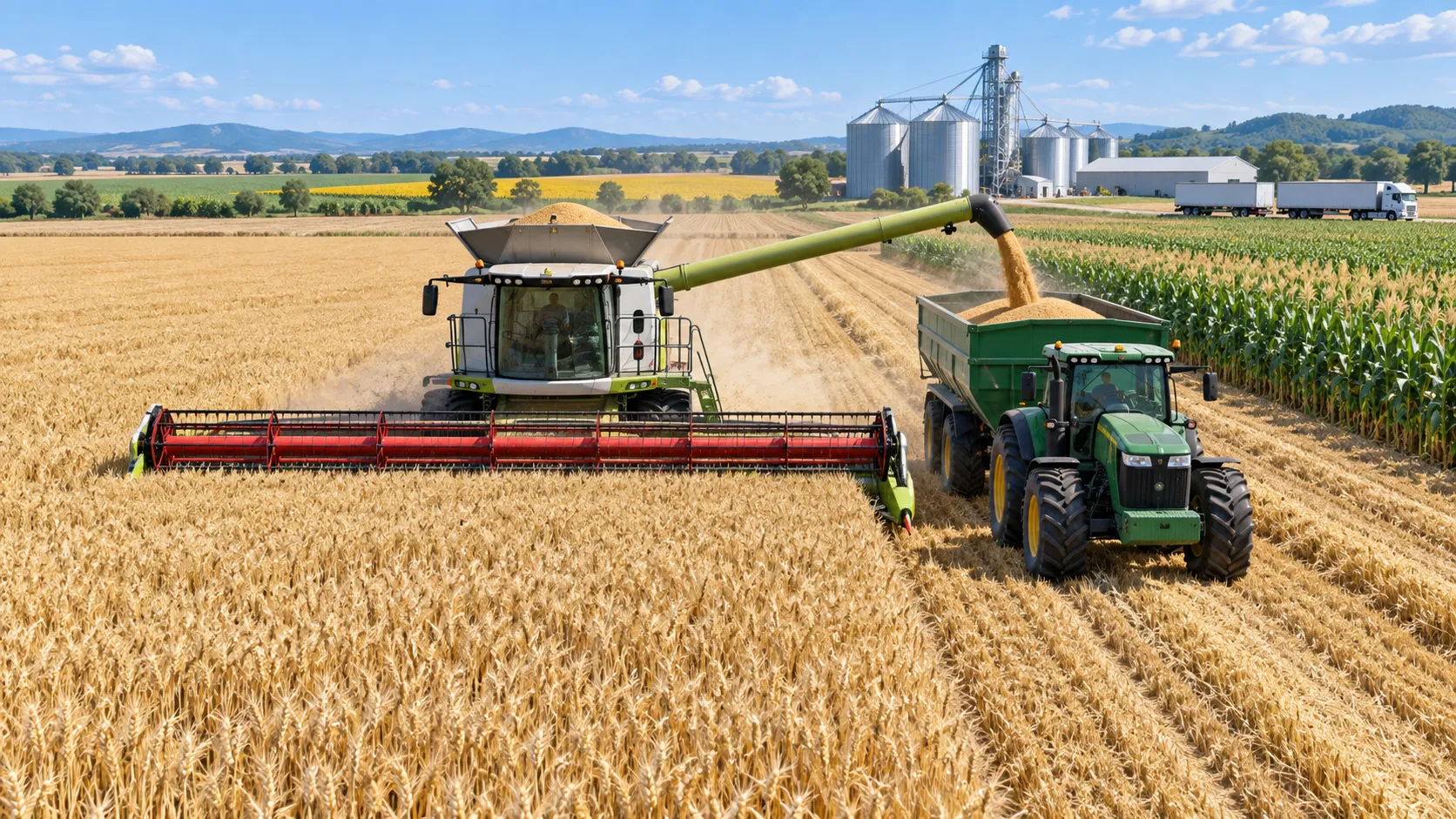
Selecting Grain Farm Equipment by Acreage, Crop Mix, and Harvest Window
Agricultural equipment selection for grain farming: match machinery to acreage, crop mix, and harvest windows to improve uptime, efficiency, and returns.
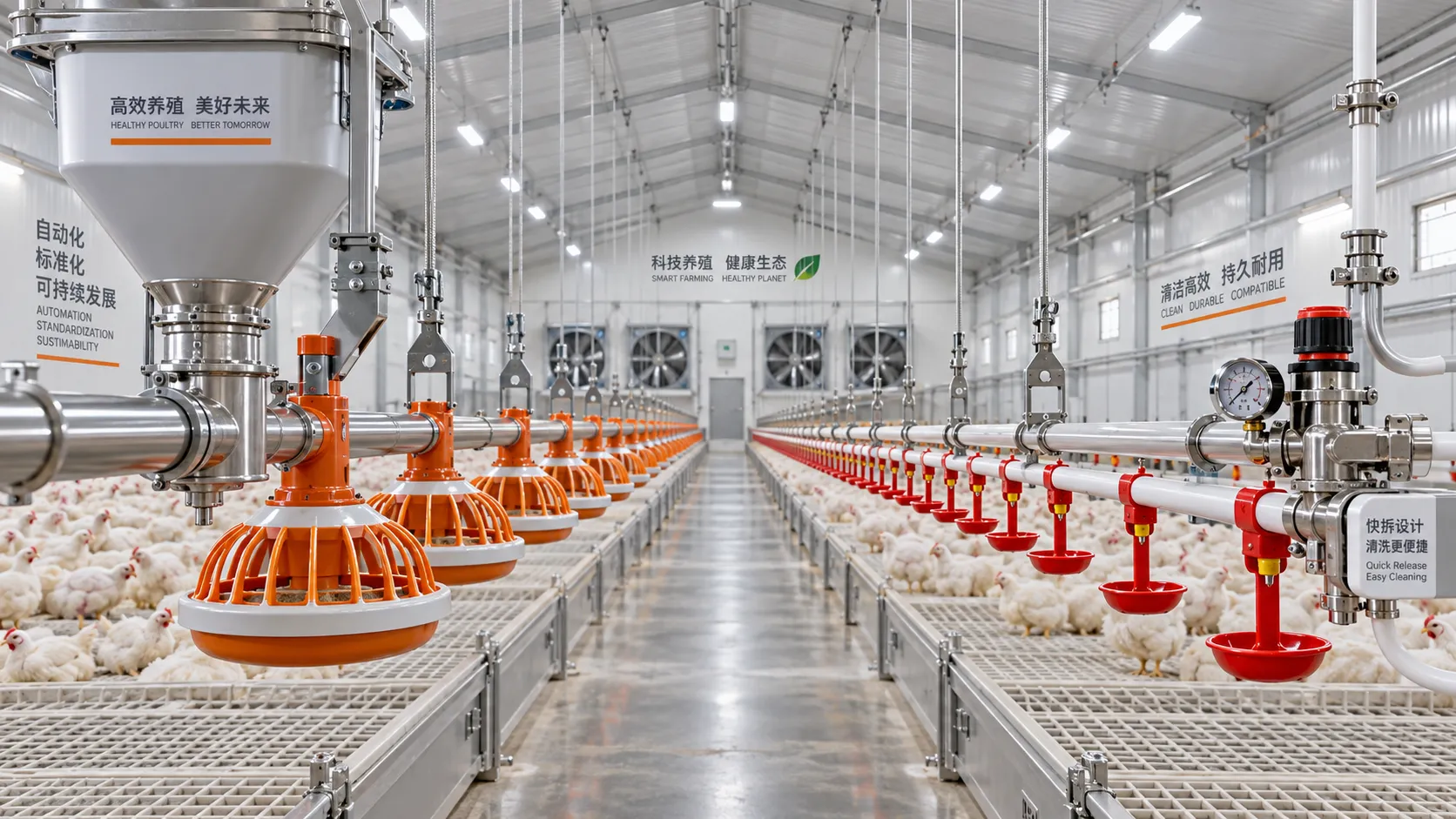
Poultry Equipment Selection: Evaluating Durability, Cleaning, and Compatibility
Poultry equipments selection guide: evaluate durability, cleaning access, and system compatibility to improve hygiene, reduce downtime, and support efficient flock management.
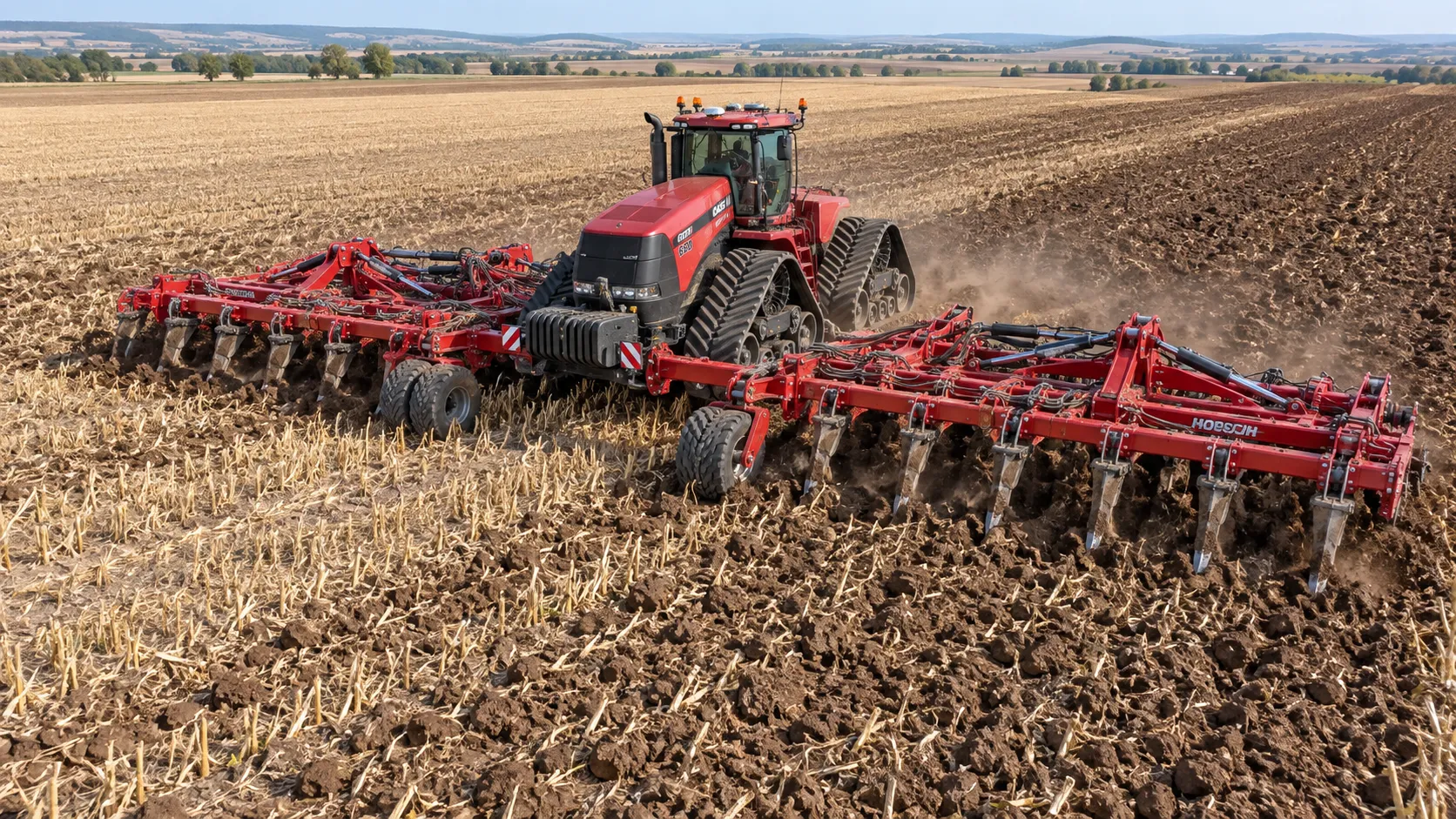
How to Select Heavy-Duty Farm Implements for High-Acreage, High-Horsepower Operations
Heavy duty farm implements: learn how to match draft, hydraulics, hitch capacity, frame strength, and field conditions for reliable high-acreage performance.
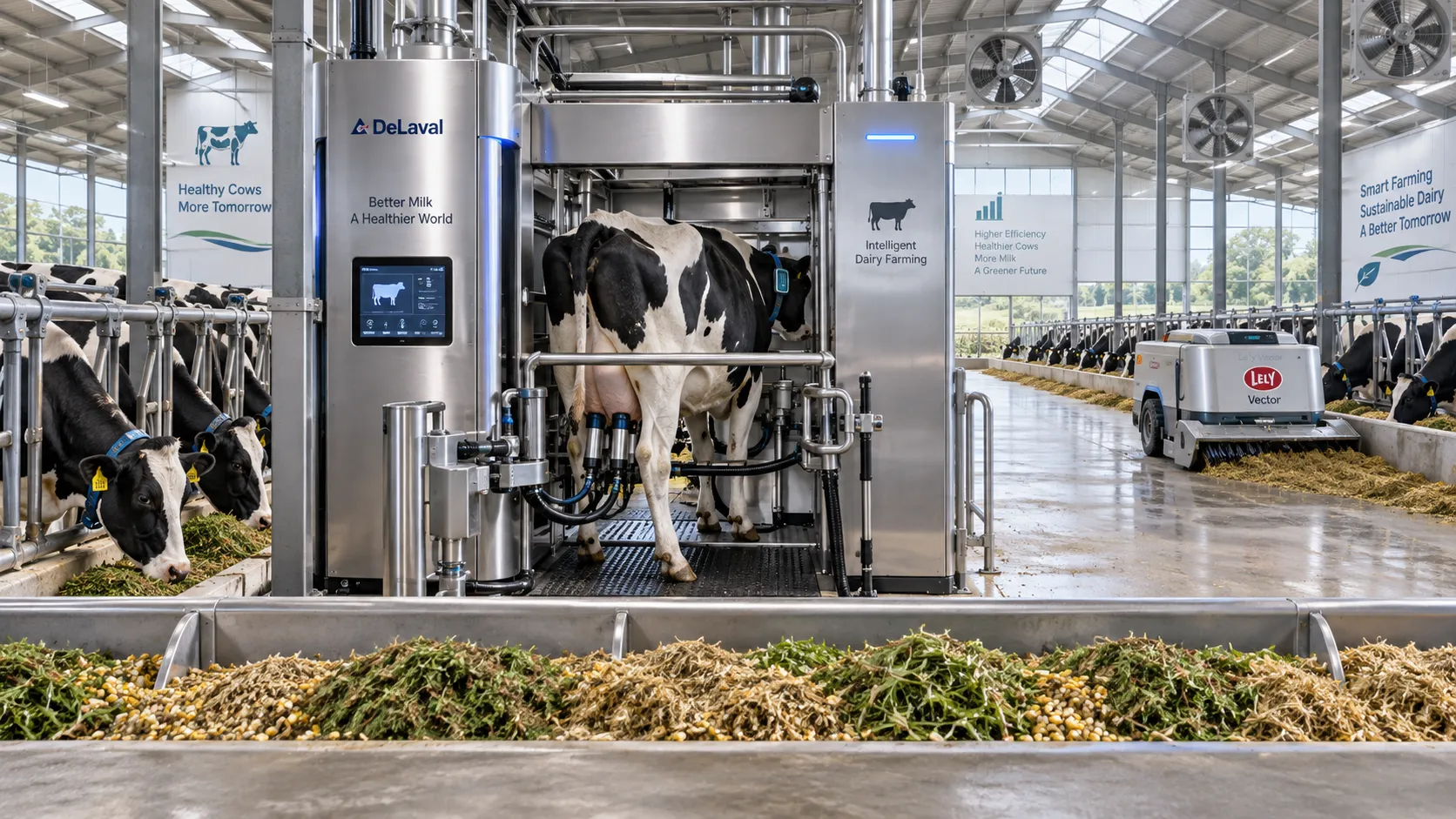
Smart Farming Technology for Dairy Farms: Where Automation Delivers Measurable ROI
Smart farming technology for dairy farms delivers measurable ROI through automation, precision feeding, health monitoring, and data-driven cost control.
Related News
- 00
0000-00
When Does Agricultural Machinery Leasing Cost Less Than Owning Equipment? - 00
0000-00
Selecting Grain Farm Equipment by Acreage, Crop Mix, and Harvest Window - 00
0000-00
Poultry Equipment Selection: Evaluating Durability, Cleaning, and Compatibility - 00
0000-00
How to Select Heavy-Duty Farm Implements for High-Acreage, High-Horsepower Operations - 00
0000-00
Smart Farming Technology for Dairy Farms: Where Automation Delivers Measurable ROI
Popular Tags
Ms. Elena Rodriguez
Weekly Insights
Stay ahead with our curated technology reports delivered every Monday.