
Sustainable Farming Practices for Plant Protection: Practical Ways to Reduce Pest Pressure
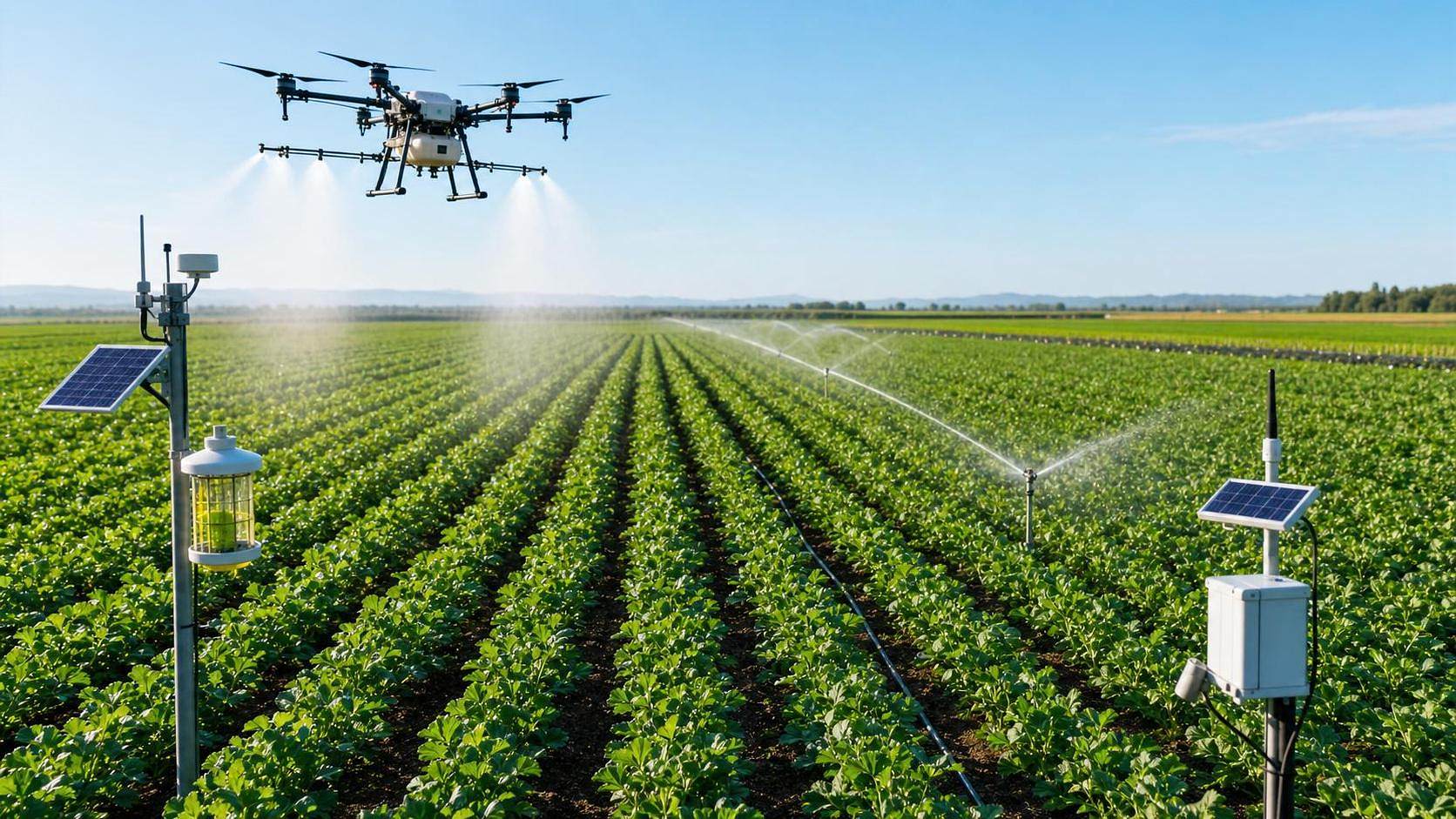




Why are sustainable farming practices for plant protection getting so much attention?
Sustainable farming practices for plant protection matter because pest control is no longer only about spraying at the right moment.
Weather instability, resistance pressure, input costs, and soil fatigue now shape daily field decisions just as much as insect counts.
In practical terms, the goal is simple: reduce pest pressure early, keep crops resilient, and avoid losing efficiency during busy operations.
That is why sustainable farming practices for plant protection increasingly combine agronomy, monitoring, equipment setup, and water management.
For a platform such as AP-Strategy, this shift fits the broader Agriculture 4.0 picture.
Plant protection is linked with machinery performance, precision algorithms, irrigation timing, and long-term field productivity.
The useful takeaway is not that chemicals disappear.
More often, they become one tool inside a wider system that prevents outbreaks before they become expensive emergencies.
What does plant protection look like when it is truly sustainable?
A sustainable approach does not mean choosing the most complicated method.
It means building several small barriers against pests, diseases, and weeds instead of depending on one repeated correction.
In the field, that usually includes crop rotation, residue management, scouting discipline, irrigation control, canopy airflow, and accurate application settings.
Each step lowers risk in a different way.
- Rotation interrupts host cycles and suppresses pest buildup across seasons.
- Balanced irrigation prevents excess humidity that often favors fungal development.
- Well-calibrated sprayers improve coverage and reduce drift, overlap, and wasted chemistry.
- Timely scouting catches local hotspots before they spread across the field.
- Residue and traffic management reduce stress zones where crop stands become more vulnerable.
This is where sustainable farming practices for plant protection become practical rather than theoretical.
They protect yield by improving field conditions, not only by reacting to visible damage.
That also explains why intelligent farm tools and water-saving systems matter.
They support cleaner decisions, especially when labor windows are short and field variability is high.
Which field practices reduce pest pressure fastest without slowing operations?
The fastest gains usually come from correcting basic field routines that quietly increase pest pressure every season.
A few adjustments often deliver more value than adding a new product program immediately.
Start with crop rotation and residue decisions
Continuous planting of the same crop tends to favor persistent insects, pathogens, and weed adaptation.
Rotation changes timing, residue composition, and host availability, which weakens recurring pest cycles.
Residue should also be spread evenly after harvest.
Poor residue distribution creates wet strips and uneven emergence, both of which can raise disease pressure.
Use irrigation as a plant protection tool
Over-irrigation does more than waste water.
It can soften roots, encourage leaf wetness, and create favorable conditions for fungal spread and secondary stress.
Smarter scheduling based on evapotranspiration, soil moisture, and crop stage supports sustainable farming practices for plant protection.
This is especially useful in high-value fields or variable rainfall regions.
Calibrate machinery before pressure rises
Sprayer calibration is often treated as maintenance, but it is really a plant protection decision.
Nozzle wear, unstable boom height, wrong travel speed, and pressure mismatch can leave untreated zones or cause drift.
Large-scale machinery only helps when coverage is consistent.
AP-Strategy frequently highlights this connection between mechanical performance and agronomic outcomes across Agriculture 4.0 systems.
A table like this helps translate sustainable farming practices for plant protection into routine field checks rather than broad principles.
How do precision tools and smart irrigation change everyday decisions?
Precision technology helps most when it reduces uncertainty.
Instead of treating every hectare the same, it helps identify where pressure starts, where stress is highest, and where intervention is worth the cost.
Satellite positioning, section control, and sensor-based feedback improve treatment placement and reduce overlap.
That protects both input budgets and non-target areas.
Water-saving irrigation systems add another layer.
When irrigation responds to crop demand instead of fixed habit, plant stress often drops and disease-friendly moisture patterns become easier to avoid.
This is one reason AP-Strategy places irrigation, equipment intelligence, and plant protection inside the same strategic conversation.
The value is not in isolated hardware.
It is in the stitched decision flow between machine settings, field data, and crop response.
In everyday use, the most reliable question is not whether a tool is advanced.
It is whether the tool helps make earlier, cleaner, and more repeatable plant protection decisions.
Where do sustainable farming practices for plant protection usually fail?
Failure usually comes from imbalance, not from lack of effort.
A farm may invest in monitoring, yet ignore drainage.
It may buy advanced sprayer controls, yet skip nozzle replacement or scouting records.
The more common mistakes are easy to recognize.
- Treating every pest issue as a product shortage rather than a system weakness.
- Ignoring field history when the same hotspots return year after year.
- Applying water for convenience instead of crop need and weather conditions.
- Using thresholds too late, after visible damage already spreads.
- Separating machinery maintenance from agronomic planning.
Another weak point is expecting instant change.
Some sustainable farming practices for plant protection reduce pressure in one season, but others show their full value over several cycles.
Rotation effects, soil biology improvements, and resistance management are cumulative.
That means records matter.
Short notes on field zones, timing, moisture, pest counts, and machine settings often reveal patterns that memory misses.
What is a realistic way to start without disrupting the whole operation?
A realistic starting point is to improve the decisions that are already being made every week.
That keeps change manageable and avoids turning sustainability into a separate project.
Build a short implementation sequence
- Map repeat pest zones using past treatment records and harvest observations.
- Check irrigation timing against disease-prone periods and soil moisture data.
- Calibrate sprayers and verify boom, speed, and nozzle condition before peak pressure.
- Define action thresholds for key pests instead of reacting only to visible damage.
- Review rotation and residue plans for the next season, not just the current one.
This sequence works because it connects immediate corrections with structural improvement.
It also reflects how AP-Strategy frames agricultural intelligence: not as isolated news, but as decision support across machinery, water, and field systems.
If one principle deserves to stay in focus, it is this:
sustainable farming practices for plant protection are strongest when prevention, precision, and timing work together.
That approach reduces unnecessary chemical dependence, supports crop quality, and protects long-term productivity without sacrificing operational rhythm.
The next step is to review one field, one pressure pattern, and one equipment workflow at a time.
That is usually where durable plant protection improvements begin.
Related News
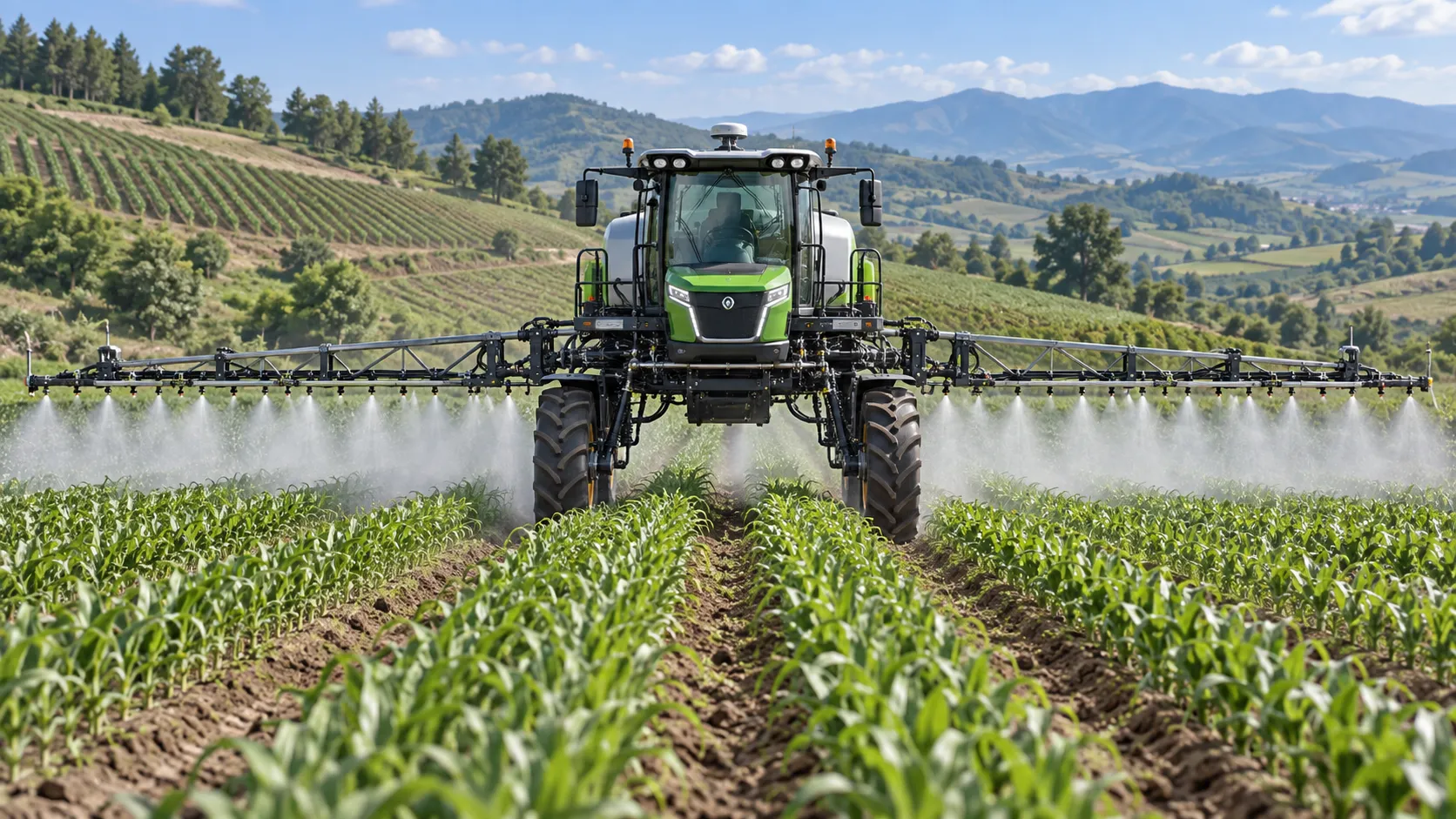
How to Select Precision Crop Protection Equipment for Variable Field Conditions
Precision crop protection equipment selection made simple: compare terrain, canopy, weather, control accuracy, and data workflows for reliable applications.
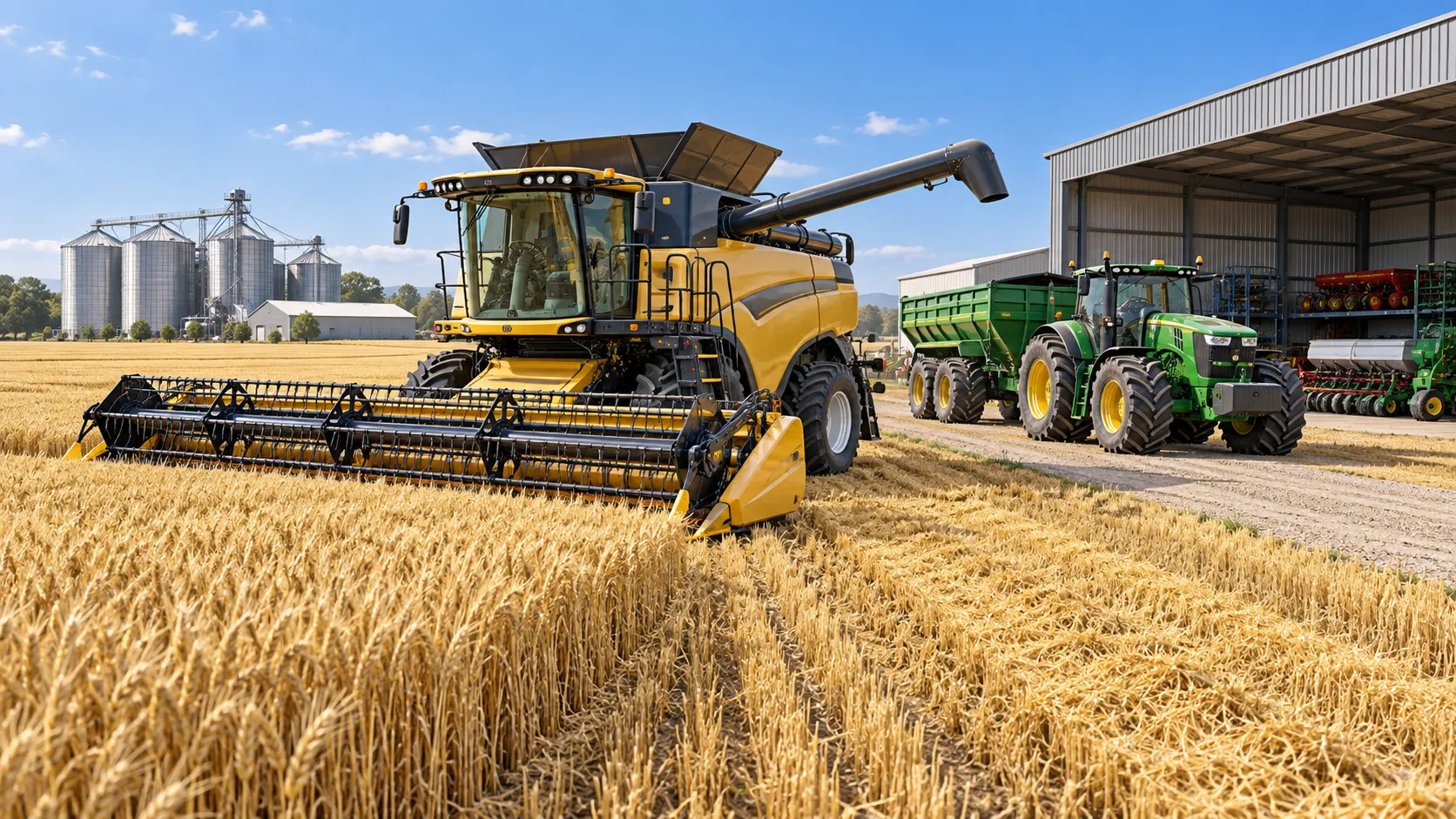
When Does Agricultural Machinery Leasing Cost Less Than Owning Equipment?
Agricultural machinery leasing can lower farm costs when use is seasonal or uncertain. Compare utilization, maintenance, cash flow, and risk to make a smarter equipment decision.
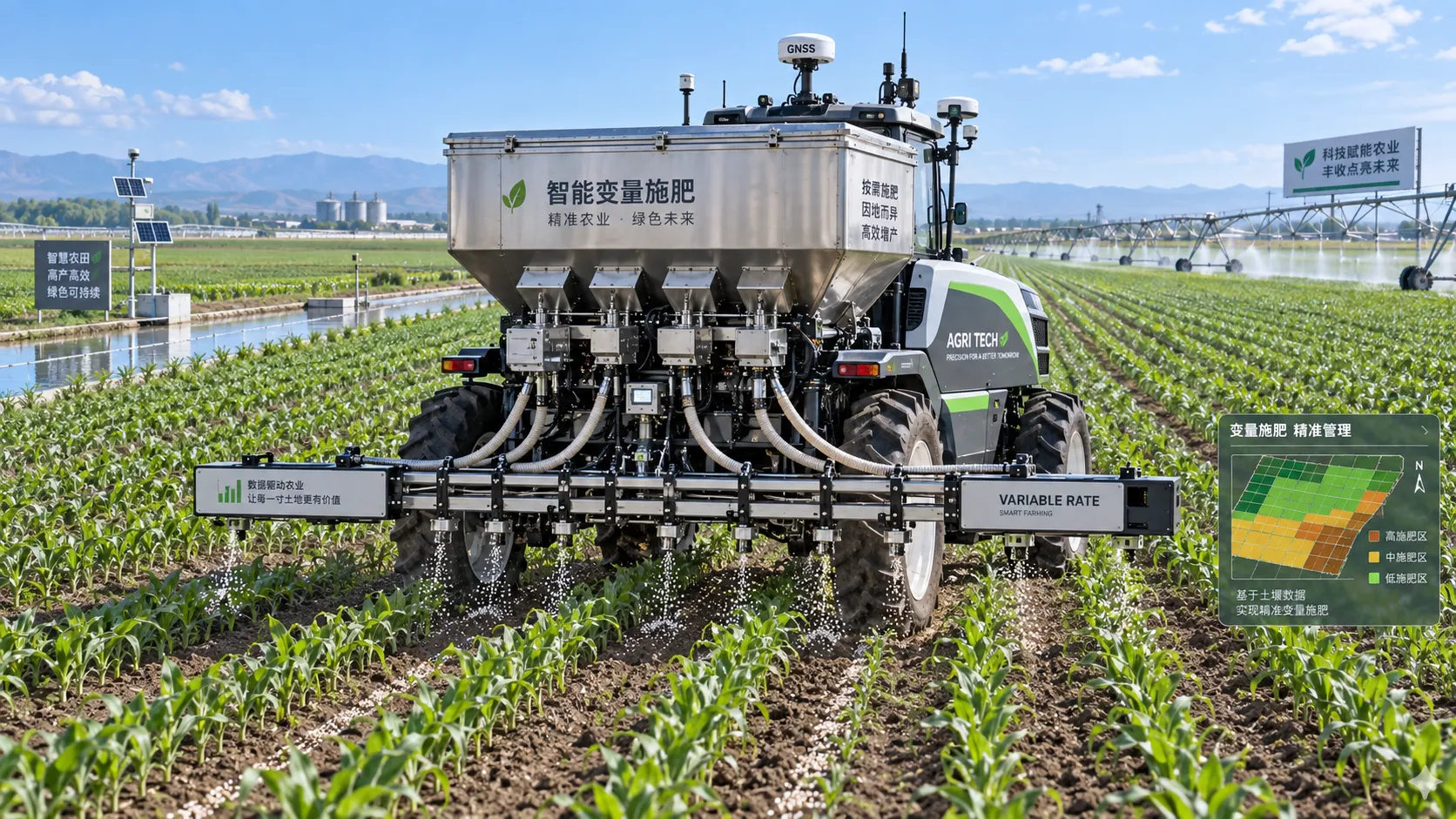
How to Evaluate Precision Fertilization System Suppliers for Farm-Scale Deployment
Precision fertilization systems suppliers: learn how to compare accuracy, integration, uptime, service, and total cost for confident farm-scale deployment.
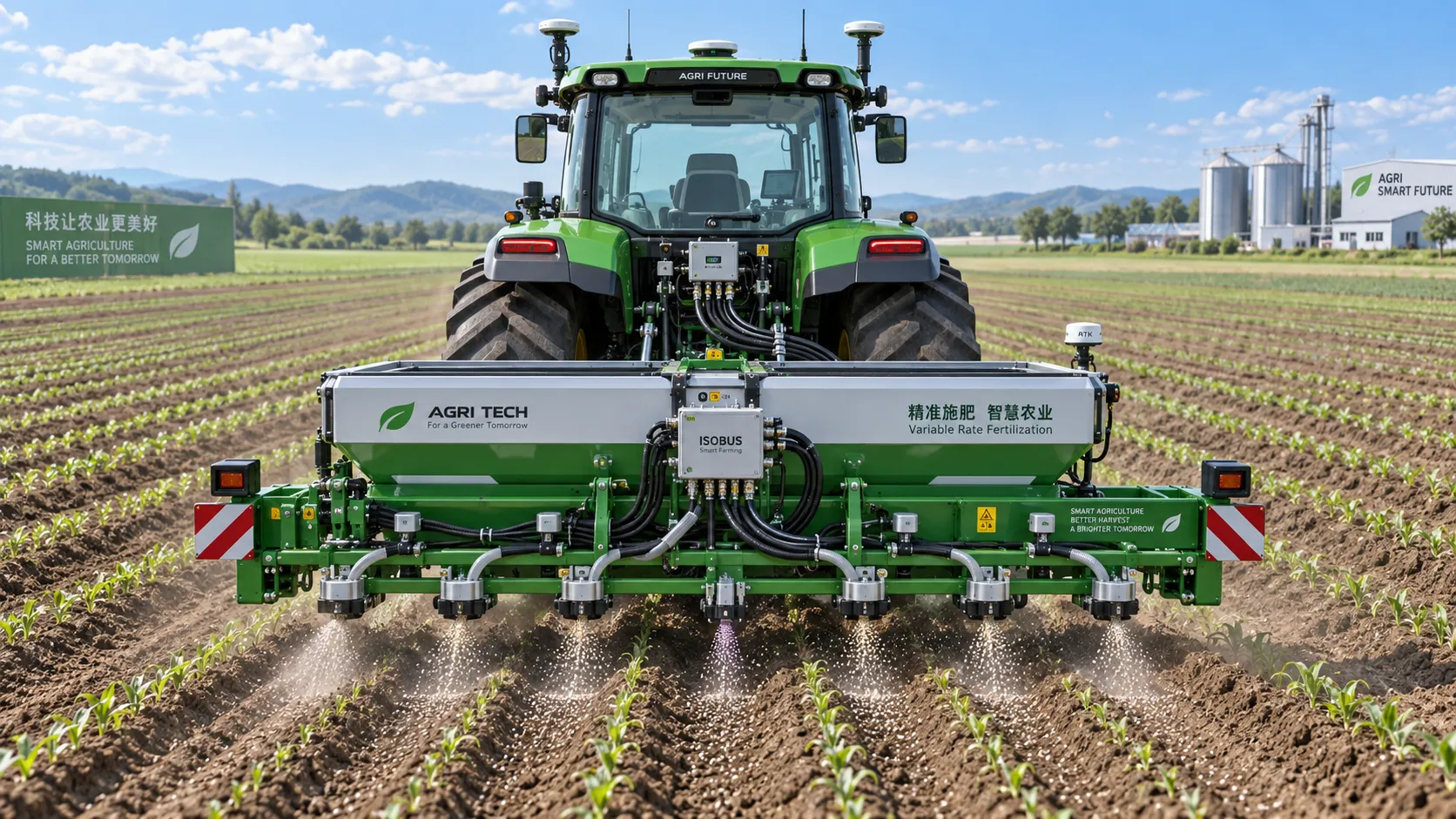
ISOBUS for Smart Agriculture: How It Connects Tractors, Implements, and Farm Data
ISOBUS for smart agriculture connects tractors, implements, terminals, and farm data—helping growers improve precision, documentation, and smarter field decisions.
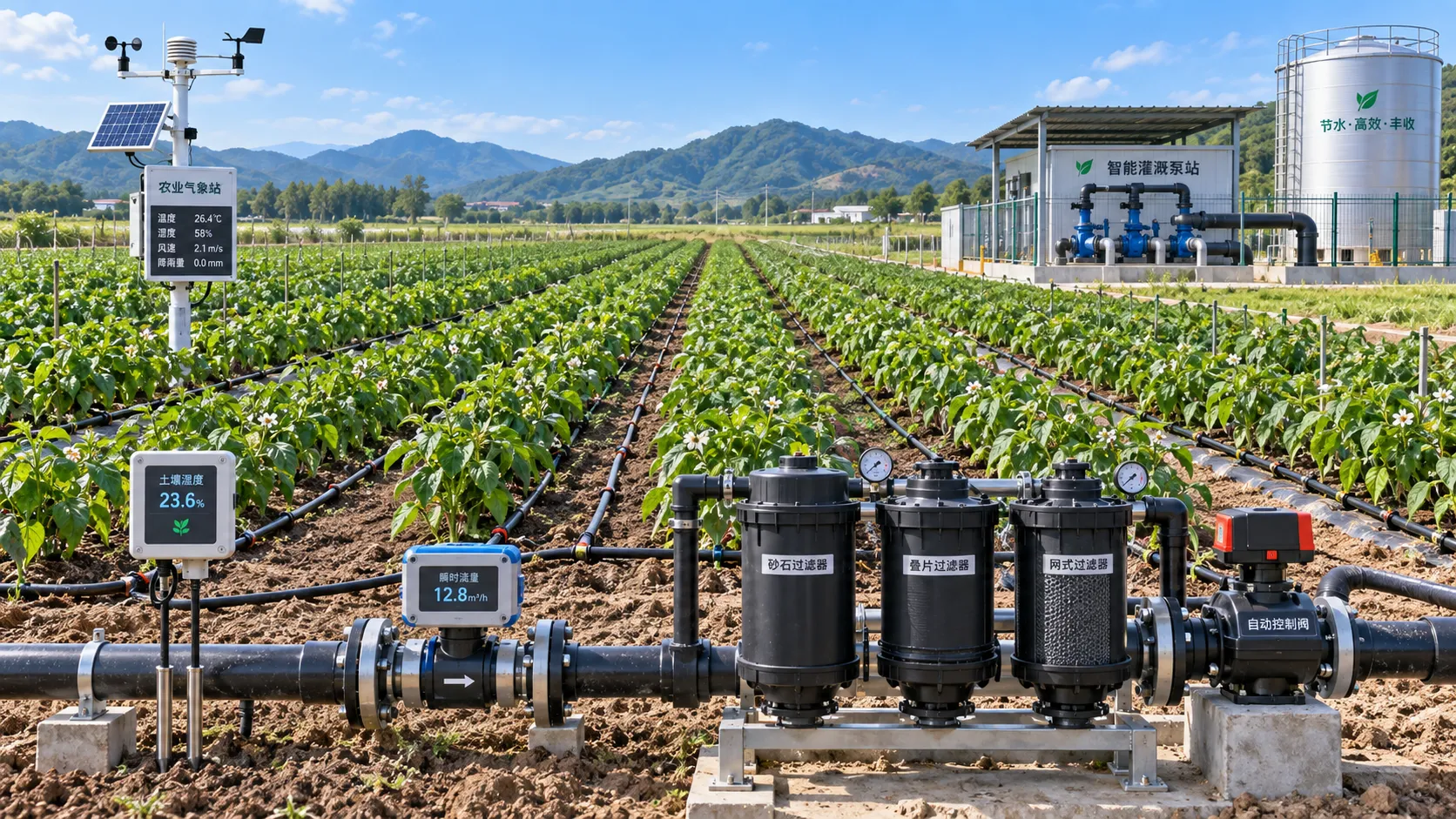
Automated Water-Saving Irrigation: How to Cut Water Use Without Reducing Crop Yields
Automated water-saving irrigation helps farms cut water use, protect crop yields, improve scheduling, and gain reliable control with sensors, flow monitoring, and smart zones.
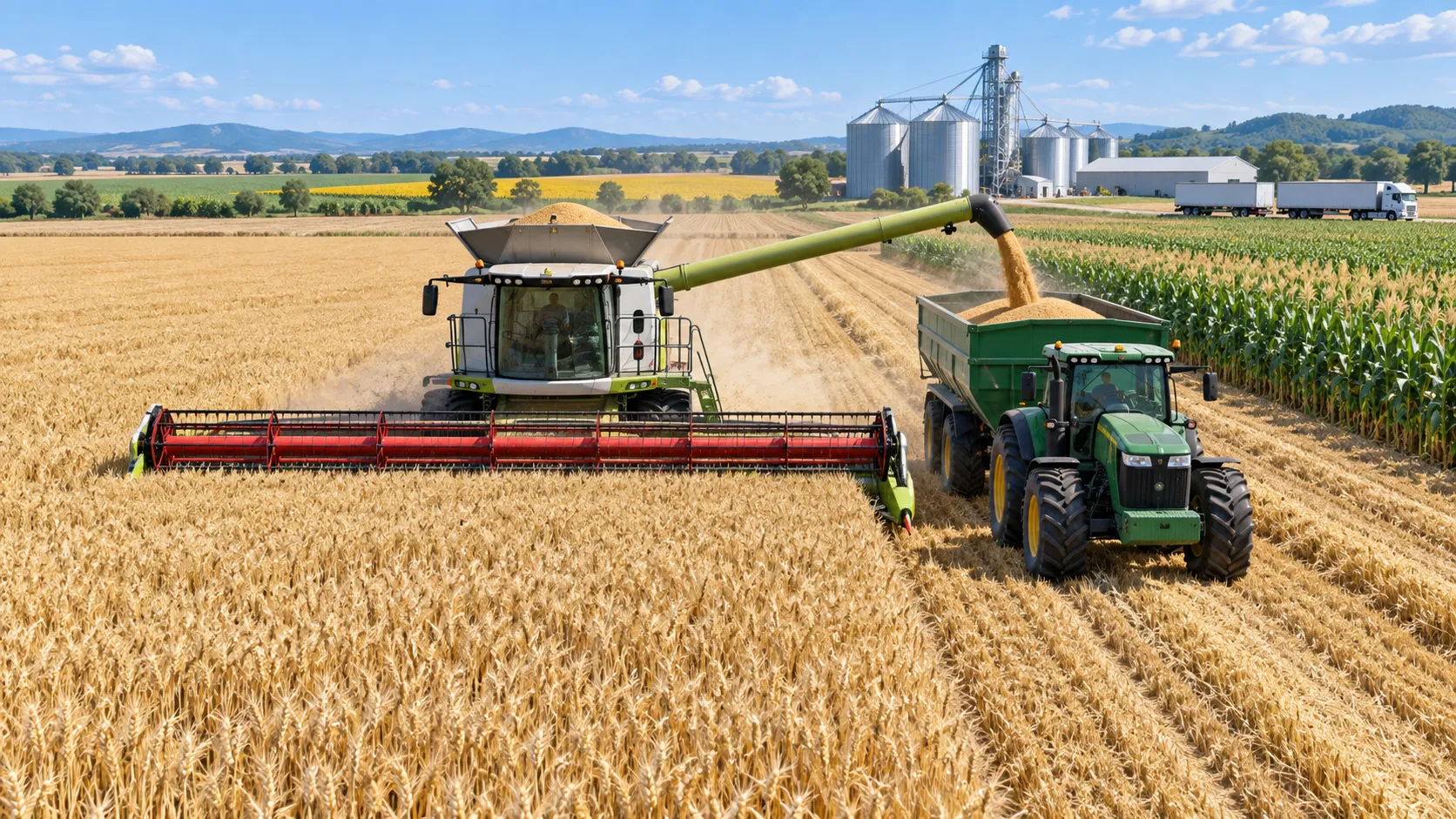
Selecting Grain Farm Equipment by Acreage, Crop Mix, and Harvest Window
Agricultural equipment selection for grain farming: match machinery to acreage, crop mix, and harvest windows to improve uptime, efficiency, and returns.
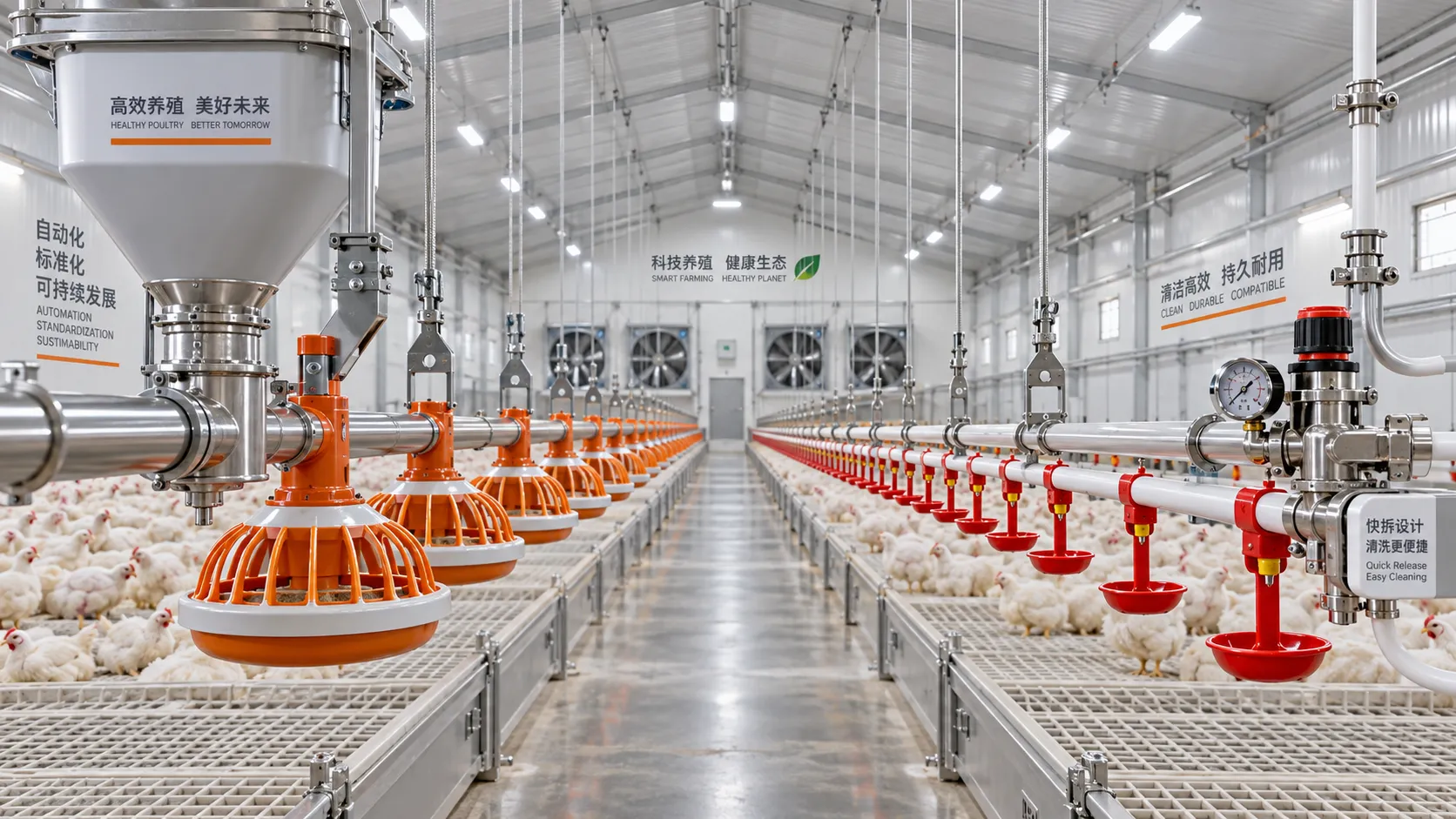
Poultry Equipment Selection: Evaluating Durability, Cleaning, and Compatibility
Poultry equipments selection guide: evaluate durability, cleaning access, and system compatibility to improve hygiene, reduce downtime, and support efficient flock management.
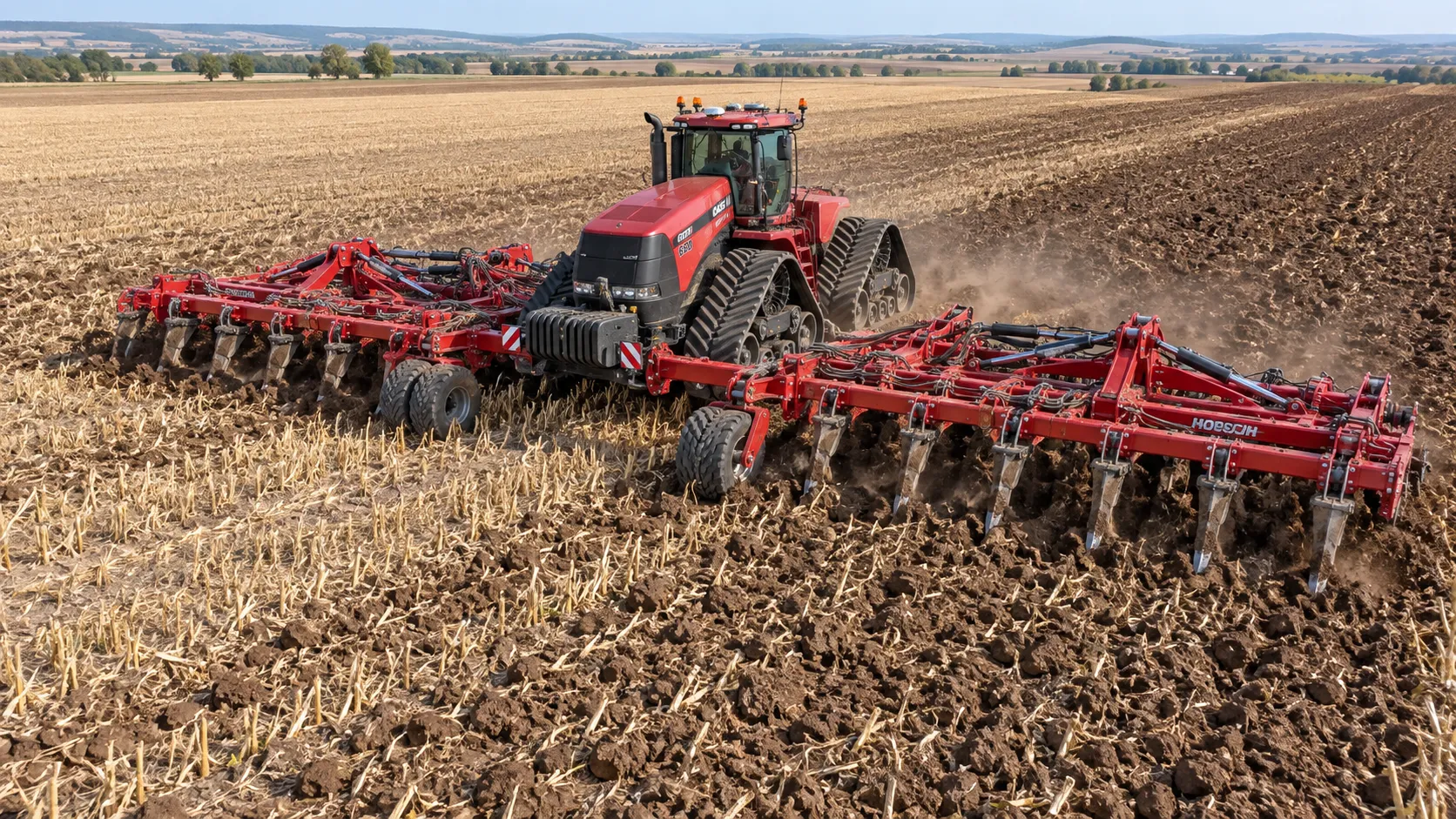
How to Select Heavy-Duty Farm Implements for High-Acreage, High-Horsepower Operations
Heavy duty farm implements: learn how to match draft, hydraulics, hitch capacity, frame strength, and field conditions for reliable high-acreage performance.
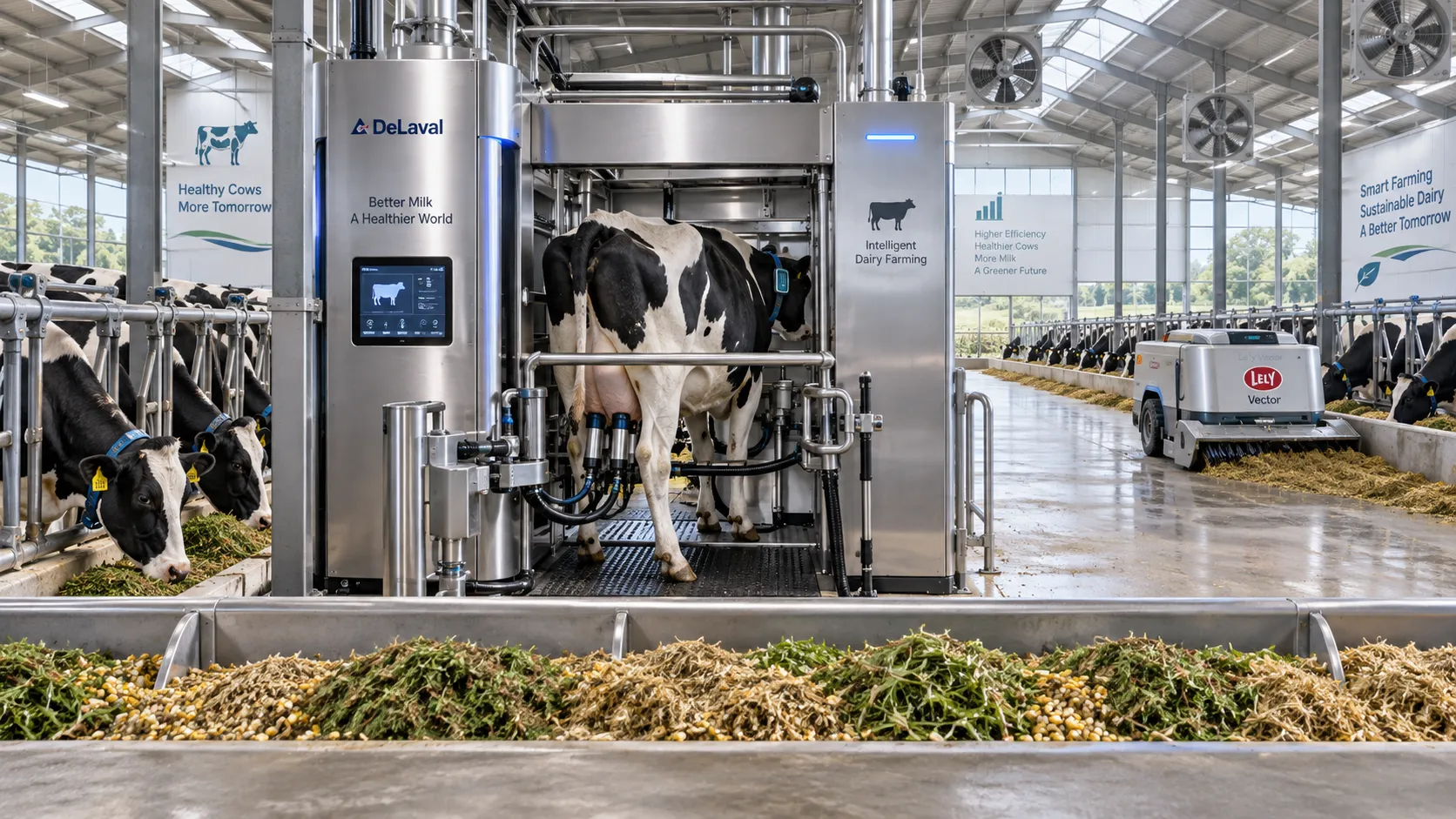
Smart Farming Technology for Dairy Farms: Where Automation Delivers Measurable ROI
Smart farming technology for dairy farms delivers measurable ROI through automation, precision feeding, health monitoring, and data-driven cost control.
Related News
- 00
0000-00
When Does Agricultural Machinery Leasing Cost Less Than Owning Equipment? - 00
0000-00
Selecting Grain Farm Equipment by Acreage, Crop Mix, and Harvest Window - 00
0000-00
Poultry Equipment Selection: Evaluating Durability, Cleaning, and Compatibility - 00
0000-00
How to Select Heavy-Duty Farm Implements for High-Acreage, High-Horsepower Operations - 00
0000-00
Smart Farming Technology for Dairy Farms: Where Automation Delivers Measurable ROI
Popular Tags
Ms. Elena Rodriguez
Weekly Insights
Stay ahead with our curated technology reports delivered every Monday.