
Advanced Irrigation Technology: How to Compare Systems for Water Use and Crop Fit
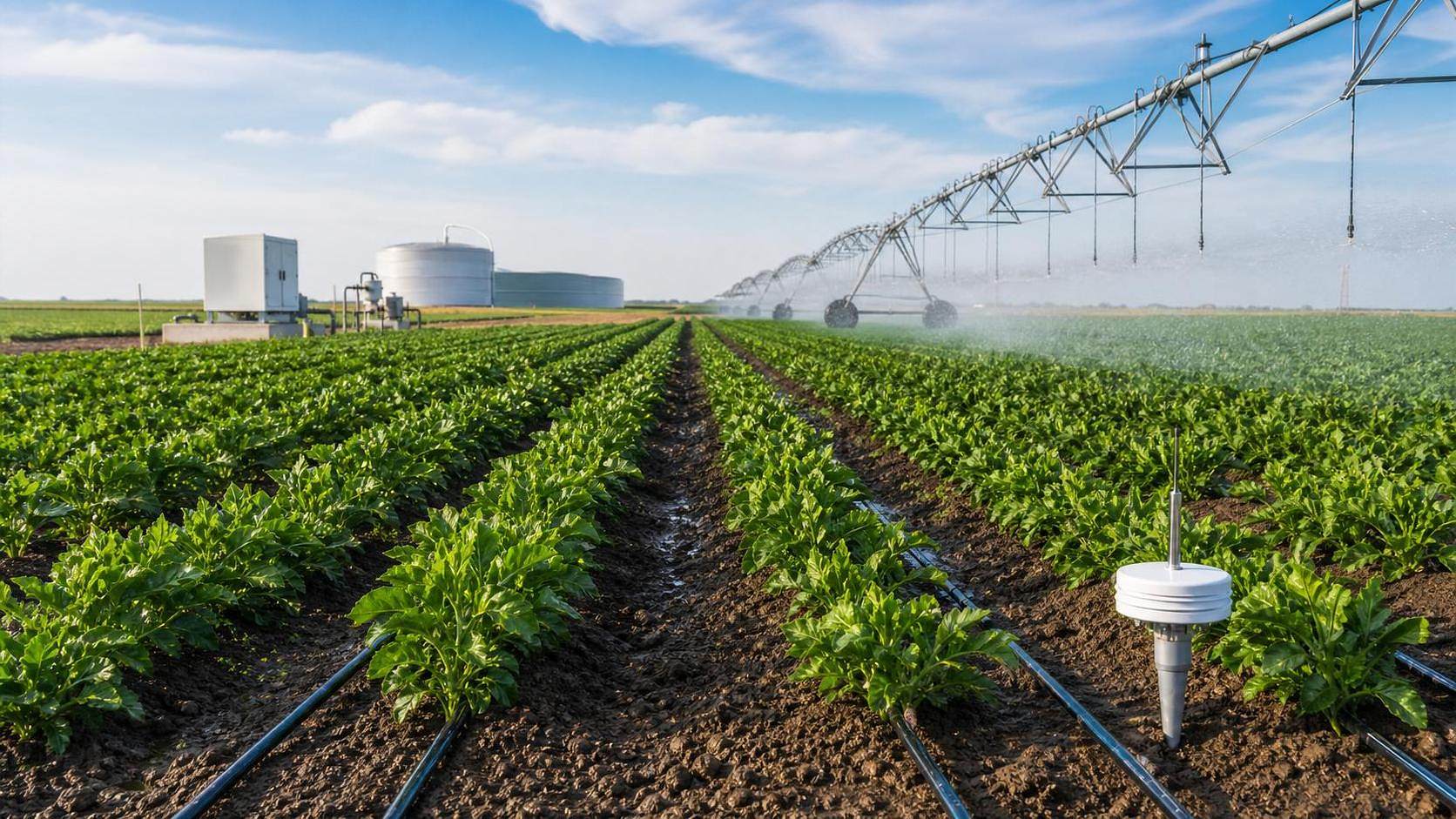




Advanced Irrigation Technology: How to Compare Systems for Water Use and Crop Fit
Advanced irrigation technology can improve yield, stability, and resource efficiency. Still, those gains appear only when the system matches soil, crop, climate, and operating capacity.
That is why system comparison should start with field reality, not product brochures. Pressure range, application uniformity, control logic, and maintenance burden matter more than headline claims.
In practice, advanced irrigation technology is not one category. It includes drip, sprinkler, pivot, subsurface systems, sensor-driven controls, and software that converts data into timing decisions.
A useful evaluation asks two direct questions. How efficiently does the system move water into the root zone, and how well does it fit the crop across its growth stages?
For operations watching both productivity and sustainability, this comparison also shapes long-term cost, labor needs, and resilience under tightening water constraints.
Start with Water-Use Objectives
The first step is defining what better water use actually means. Some farms need lower total withdrawal. Others need better timing, lower runoff, or more uniform moisture control.
Without a target, comparison becomes vague. A low-pressure drip system may save water, yet fail if fertigation flexibility or flushing capacity is too limited for the operation.
Set measurable criteria early:
- seasonal water-use reduction target
- acceptable distribution uniformity range
- energy use per irrigated hectare
- response time to weather or sensor inputs
- labor hours for monitoring and maintenance
This creates a decision framework. It also makes advanced irrigation technology easier to compare across vendors that use different performance language.
Match System Type to Crop Fit
Crop fit is where many evaluations become sharper. Not every efficient system works equally well for every crop, canopy structure, root depth, or planting density.
Row crops with predictable spacing often suit drip or center pivot designs. Orchards and vineyards may need micro-irrigation that supports precise root-zone delivery and staged fertigation.
Leafy vegetables and shallow-rooted crops usually react quickly to moisture swings. That makes control accuracy and short irrigation intervals more important than simple flow capacity.
A practical crop-fit review should cover:
- root-zone depth and spreading pattern
- peak water demand by growth stage
- sensitivity to leaf wetness and disease pressure
- need for fertigation precision
- harvest traffic and equipment interference risk
When advanced irrigation technology aligns with crop physiology, water savings usually become more stable and easier to repeat over multiple seasons.
Compare Hydraulic Performance, Not Just Features
Feature lists can look impressive, but hydraulic performance remains the core of any irrigation assessment. If pressure is unstable, control software cannot rescue poor field delivery.
Key performance indicators should include flow consistency, pressure regulation, emitter or nozzle accuracy, and distribution uniformity across field edges and elevation changes.
This is especially important on uneven terrain. A system that performs well on a flat demonstration site may lose efficiency on sloped ground or variable soil texture.
Use the table below as a simple comparison structure.
This approach keeps advanced irrigation technology grounded in measurable field behavior, not broad efficiency promises.
Assess Automation, Data Logic, and Control Quality
Recent market shifts show a clear pattern. Buyers increasingly value decision quality more than remote access alone. A mobile dashboard is useful, but weak control logic limits real savings.
Strong advanced irrigation technology should connect field data to action. That means sensor readings, weather forecasts, soil maps, and irrigation schedules should work as one system.
Look for control functions such as:
- zone-specific scheduling
- automatic pressure compensation
- rain, wind, or evapotranspiration triggers
- alarm escalation for leaks or blockage
- historical logging for season review
Also check interoperability. If the platform cannot exchange data with pumps, nutrient systems, or farm management tools, future optimization becomes harder.
In operational terms, the best advanced irrigation technology reduces decision lag. It helps the field respond faster to heat spikes, shifting water allocations, and uneven crop development.
Include Energy, Maintenance, and Lifecycle Cost
A system with excellent water-use performance can still disappoint if energy demand, clogging frequency, or spare parts exposure becomes too high.
That is why comparison should move beyond purchase price. Advanced irrigation technology should be scored over its expected service life, not just installation year.
Focus on these lifecycle factors:
- pump energy demand under normal and peak loads
- filter cleaning frequency and water loss
- replacement intervals for emitters, nozzles, and valves
- service support availability in the operating region
- downtime risk during critical crop stages
This also matters strategically. As sustainability reporting becomes more common, energy per unit of output may influence both compliance and brand positioning.
For organizations following Agriculture 4.0 trends, lifecycle analysis creates a more realistic view of return on investment than water savings alone.
Watch the Main Risk Signals During Evaluation
Several risk signals appear repeatedly in irrigation selection projects. The first is overdesign. Extra complexity often looks future-ready, yet creates maintenance and training strain.
The second is underestimating source water quality. Sediment, biological load, and dissolved minerals can quickly reduce performance in even premium advanced irrigation technology platforms.
The third is weak field segmentation. If management zones ignore soil variability, irrigation precision becomes more cosmetic than functional.
A disciplined review should ask:
- Are design assumptions based on real field data?
- Can local teams maintain the selected architecture?
- Does the vendor provide measurable performance references?
- How does the system behave under water restrictions?
These questions make advanced irrigation technology selection more resilient, especially where climate variability and input costs are moving quickly.
Build a Practical Comparison Framework
A strong decision process usually combines technical scoring with operational realism. That means each option should be judged through the same weighted criteria.
A simple framework can assign scores to water-use efficiency, crop fit, automation quality, energy demand, maintenance exposure, and supplier support.
Then validate top choices with pilot data or reference sites that share similar crops, soil texture, and climate pressure.
This is where advanced irrigation technology becomes easier to defend internally. The final recommendation rests on evidence, trade-offs, and fit, not preference.
For teams tracking global mechanization and smart cultivation trends, this method also aligns local purchasing with broader sustainability and productivity goals.
The most effective next move is straightforward. Define field objectives, test assumptions against crop needs, and compare advanced irrigation technology through measured performance.
When system design, control intelligence, and crop fit come together, water efficiency stops being a claim and starts becoming a repeatable field outcome.
Related News
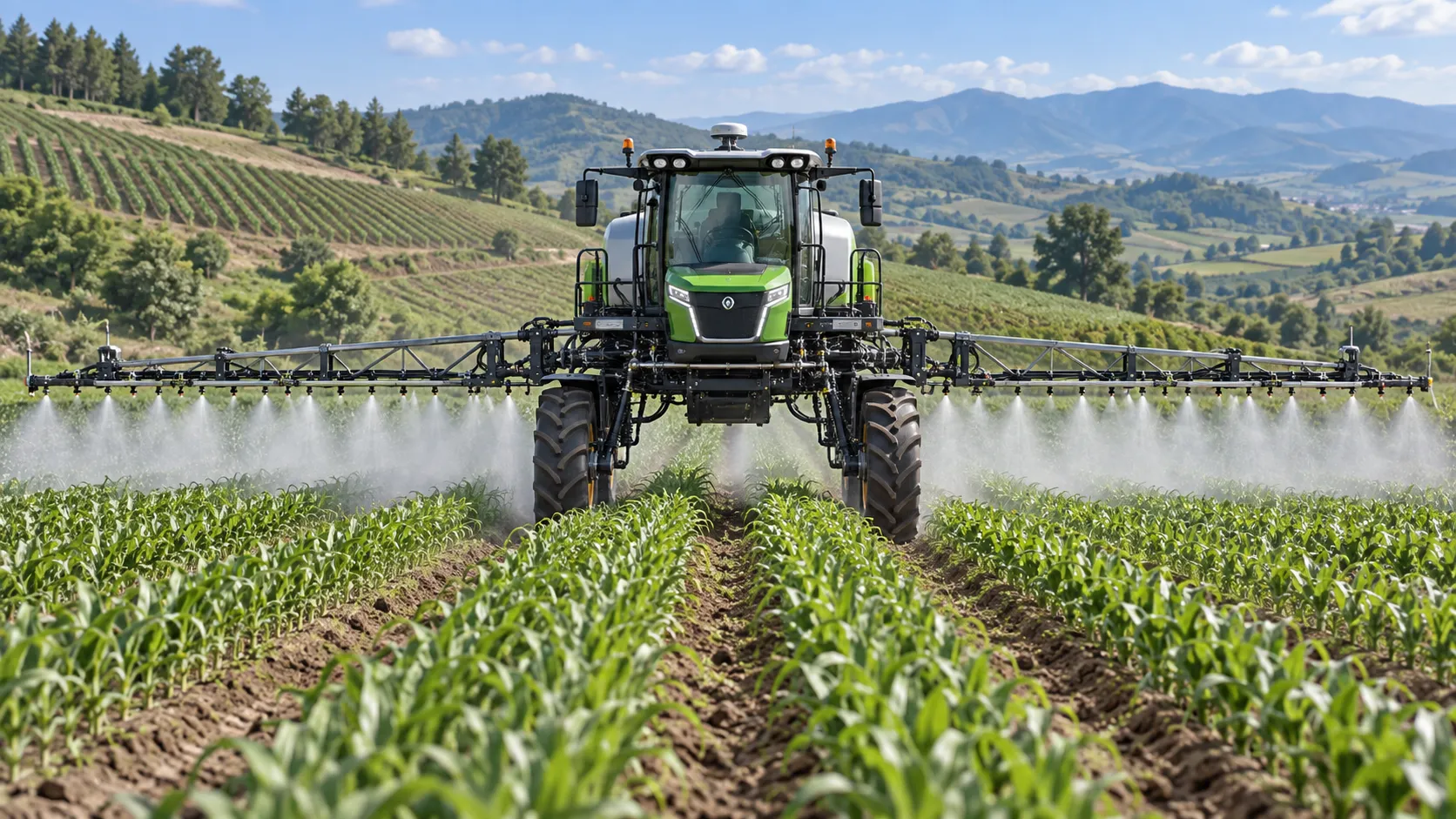
How to Select Precision Crop Protection Equipment for Variable Field Conditions
Precision crop protection equipment selection made simple: compare terrain, canopy, weather, control accuracy, and data workflows for reliable applications.
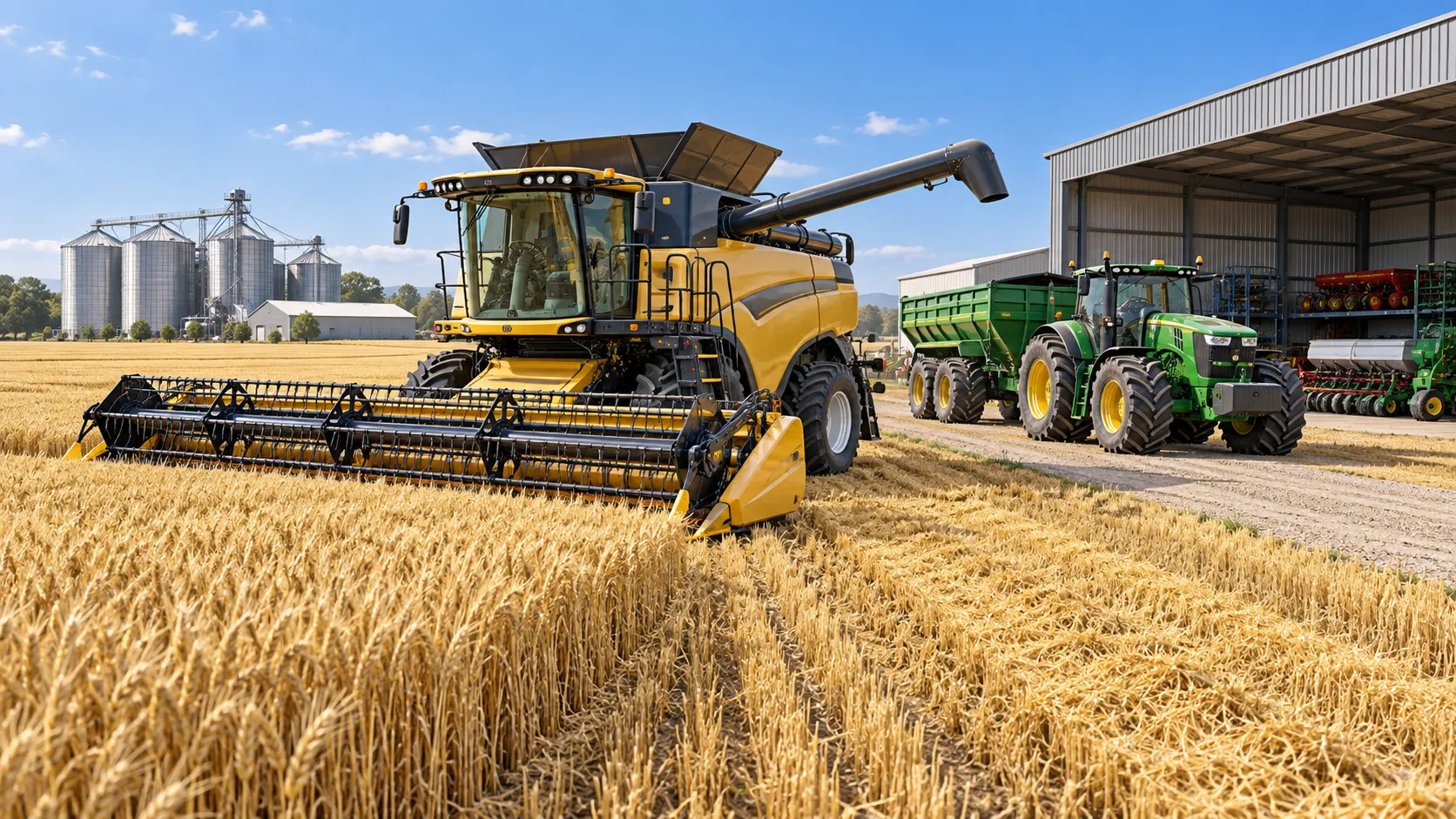
When Does Agricultural Machinery Leasing Cost Less Than Owning Equipment?
Agricultural machinery leasing can lower farm costs when use is seasonal or uncertain. Compare utilization, maintenance, cash flow, and risk to make a smarter equipment decision.
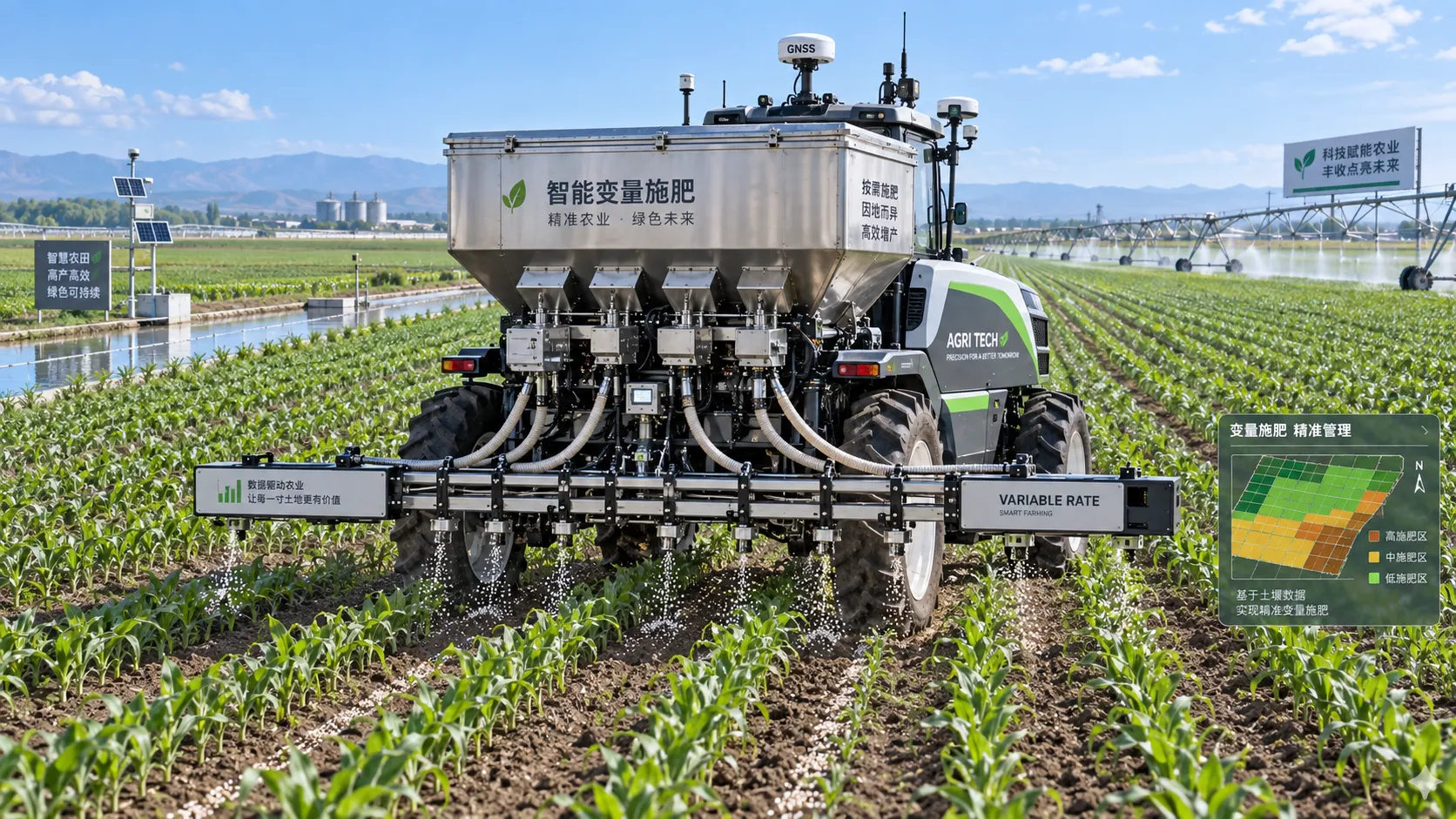
How to Evaluate Precision Fertilization System Suppliers for Farm-Scale Deployment
Precision fertilization systems suppliers: learn how to compare accuracy, integration, uptime, service, and total cost for confident farm-scale deployment.
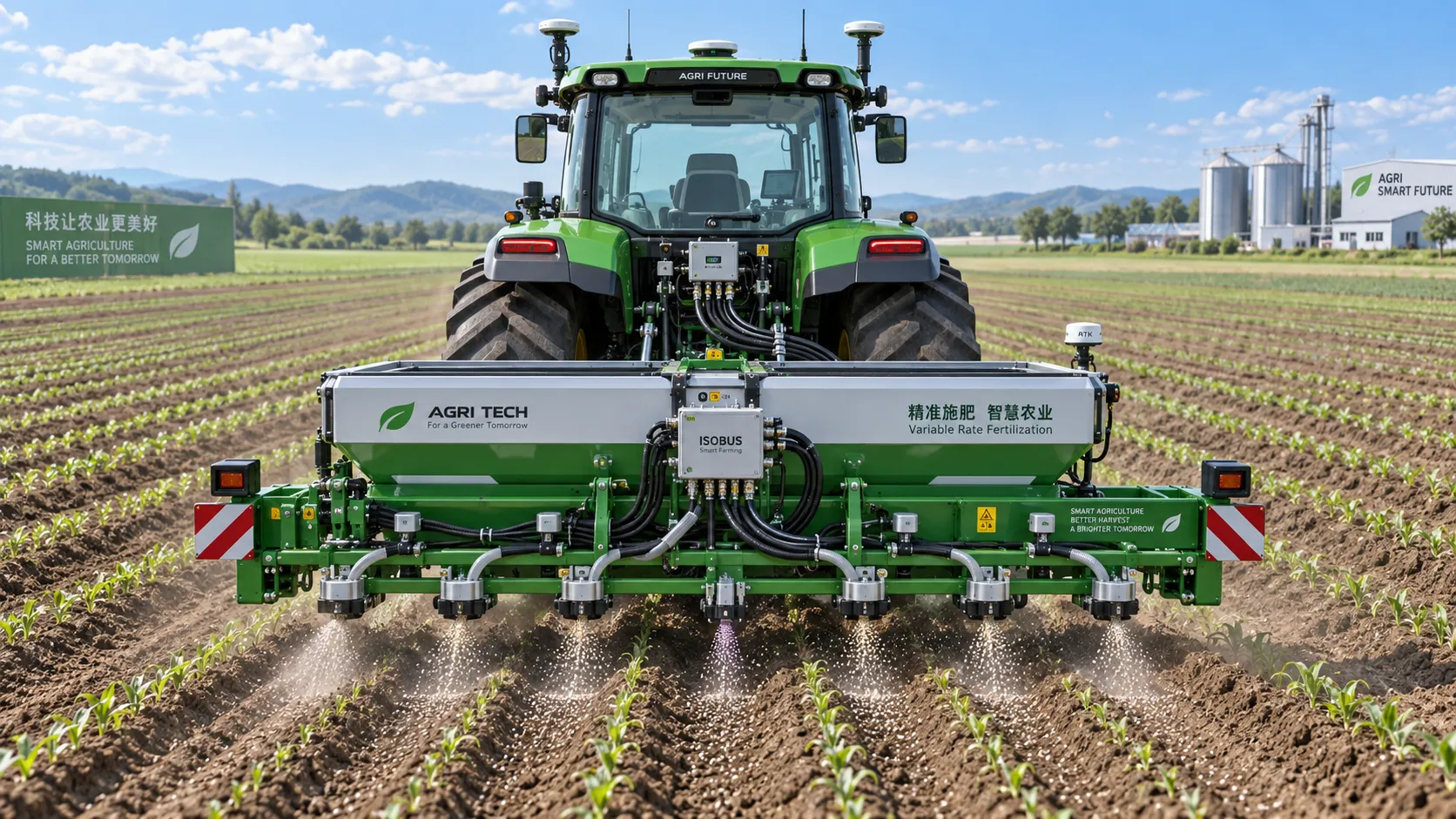
ISOBUS for Smart Agriculture: How It Connects Tractors, Implements, and Farm Data
ISOBUS for smart agriculture connects tractors, implements, terminals, and farm data—helping growers improve precision, documentation, and smarter field decisions.
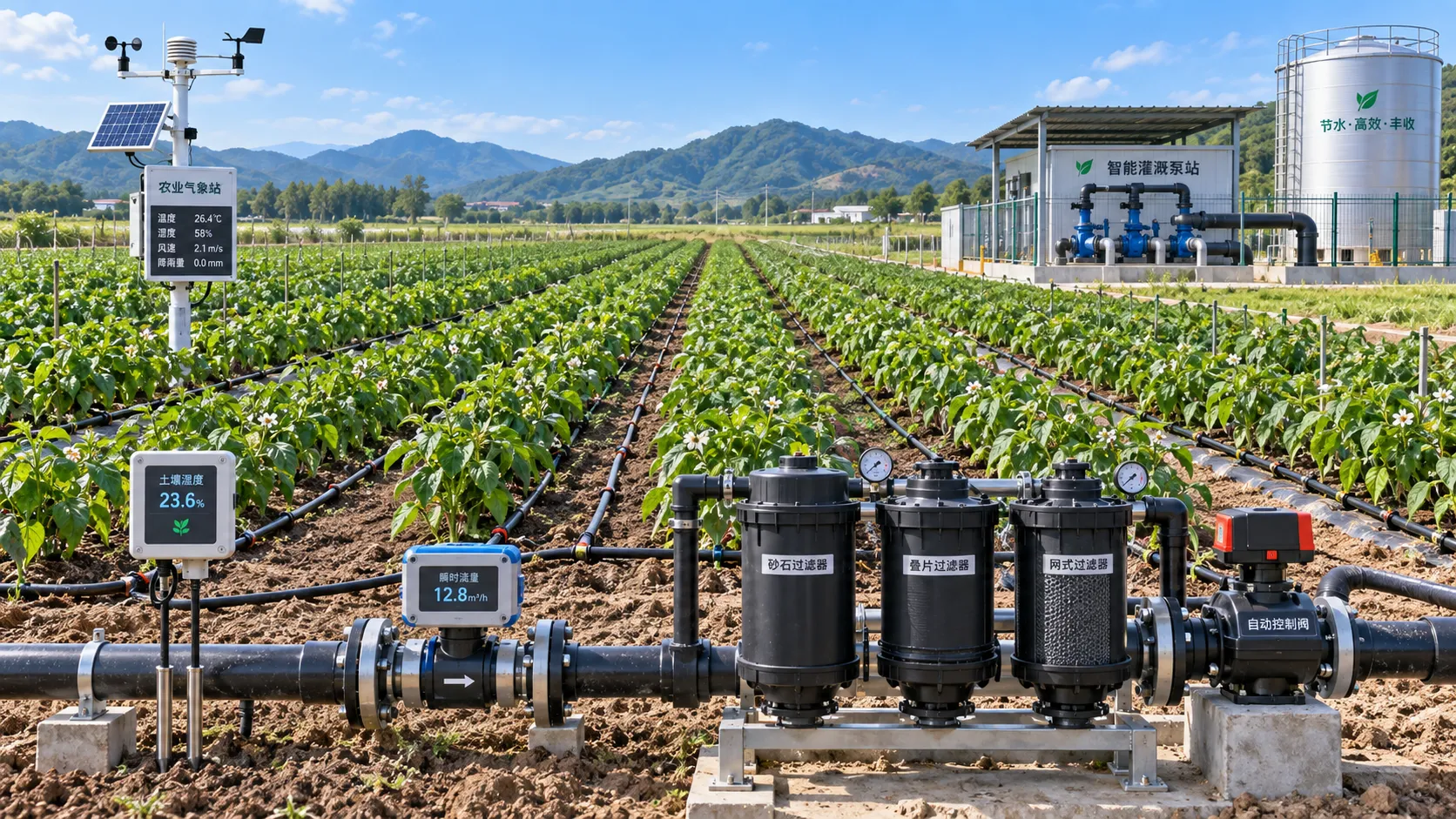
Automated Water-Saving Irrigation: How to Cut Water Use Without Reducing Crop Yields
Automated water-saving irrigation helps farms cut water use, protect crop yields, improve scheduling, and gain reliable control with sensors, flow monitoring, and smart zones.
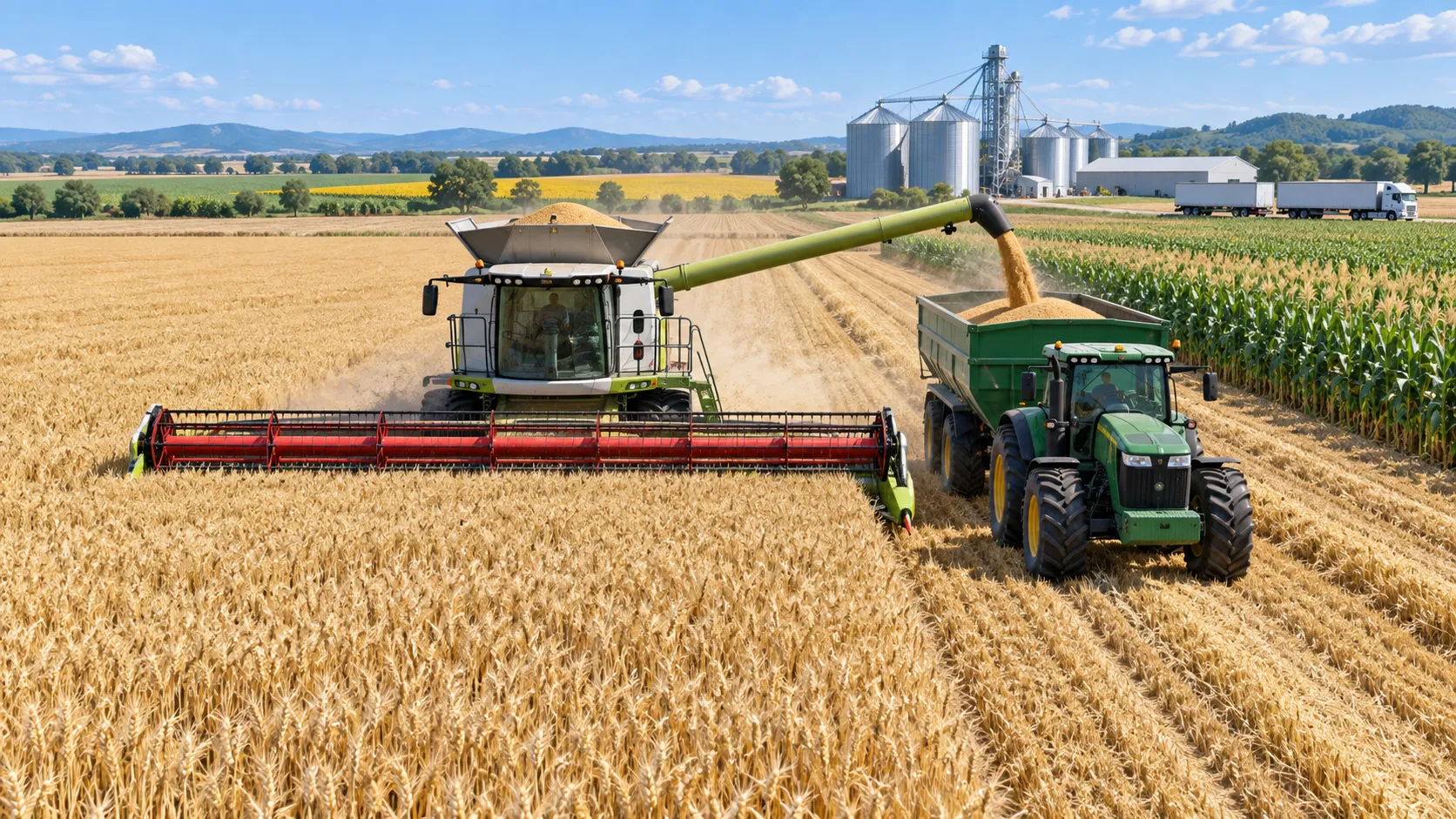
Selecting Grain Farm Equipment by Acreage, Crop Mix, and Harvest Window
Agricultural equipment selection for grain farming: match machinery to acreage, crop mix, and harvest windows to improve uptime, efficiency, and returns.
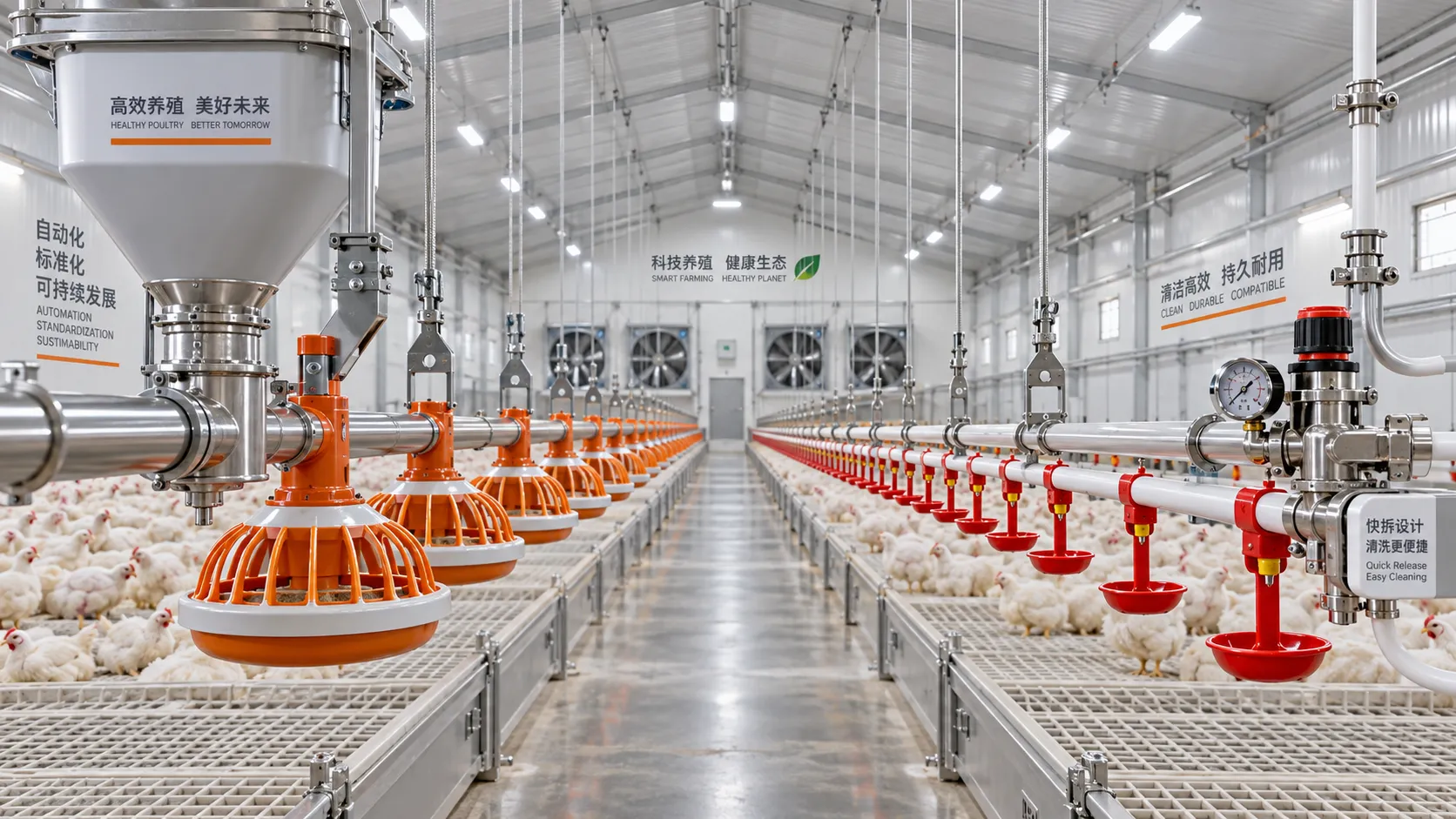
Poultry Equipment Selection: Evaluating Durability, Cleaning, and Compatibility
Poultry equipments selection guide: evaluate durability, cleaning access, and system compatibility to improve hygiene, reduce downtime, and support efficient flock management.
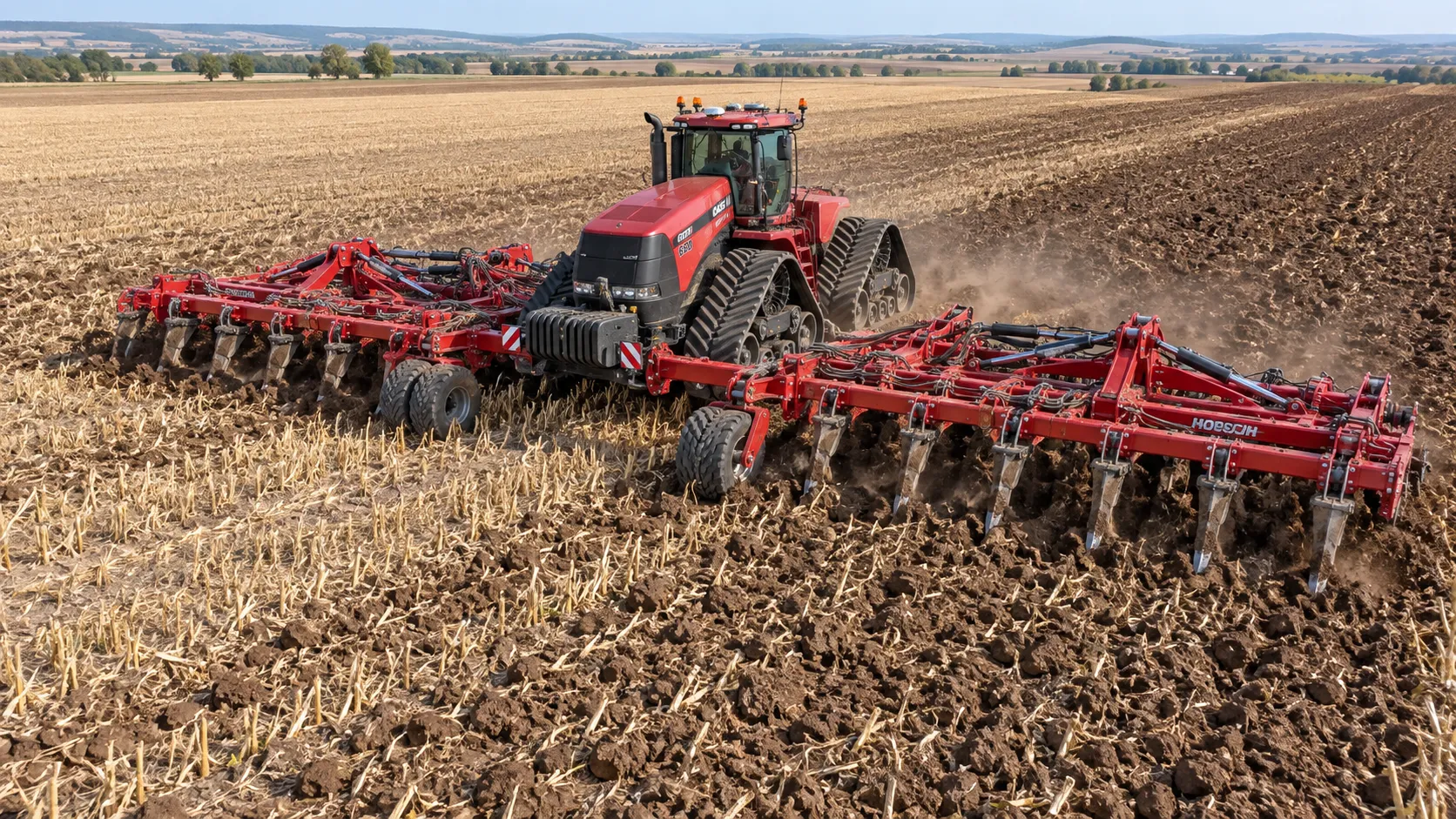
How to Select Heavy-Duty Farm Implements for High-Acreage, High-Horsepower Operations
Heavy duty farm implements: learn how to match draft, hydraulics, hitch capacity, frame strength, and field conditions for reliable high-acreage performance.
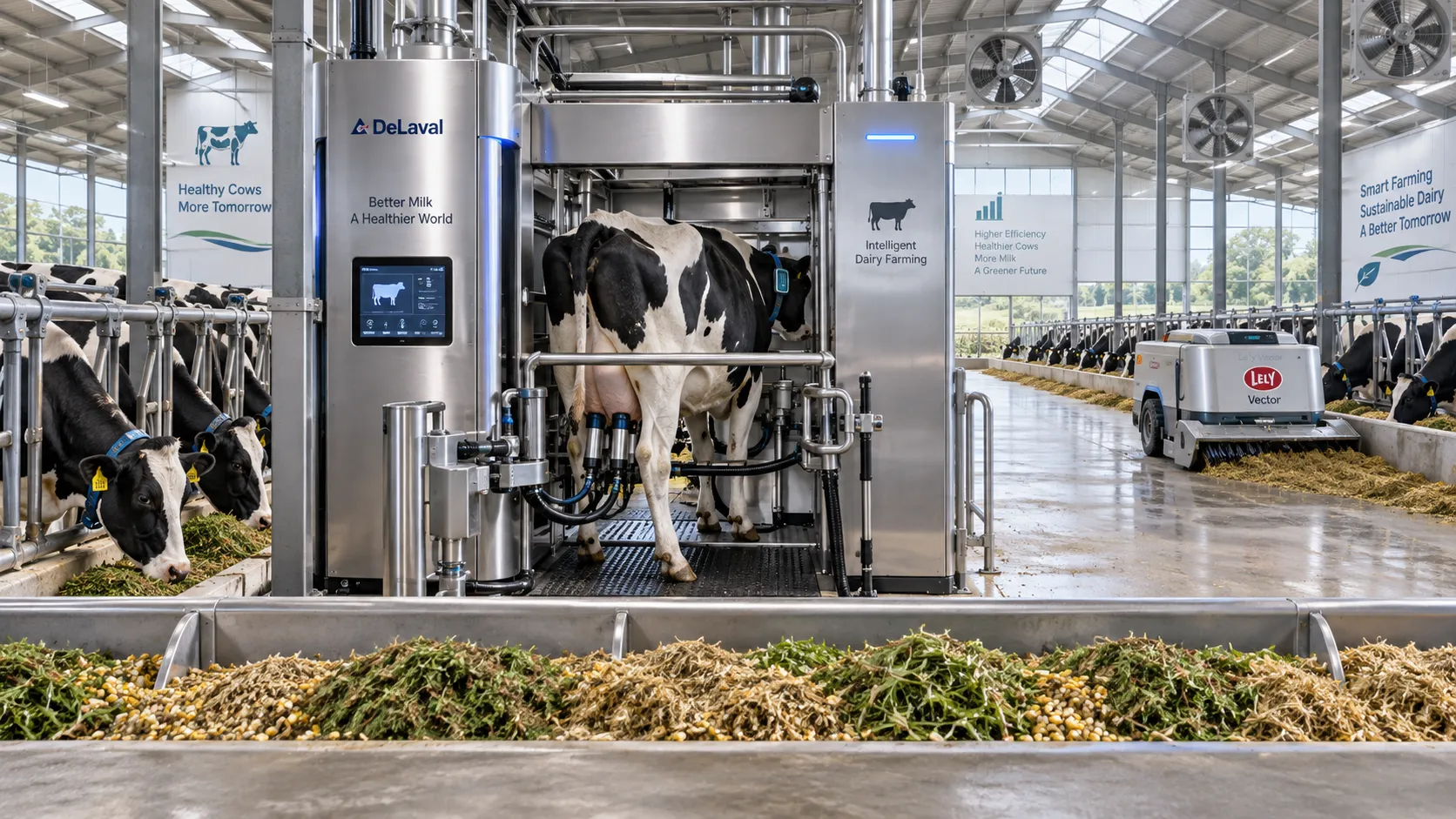
Smart Farming Technology for Dairy Farms: Where Automation Delivers Measurable ROI
Smart farming technology for dairy farms delivers measurable ROI through automation, precision feeding, health monitoring, and data-driven cost control.
Related News
- 00
0000-00
When Does Agricultural Machinery Leasing Cost Less Than Owning Equipment? - 00
0000-00
Selecting Grain Farm Equipment by Acreage, Crop Mix, and Harvest Window - 00
0000-00
Poultry Equipment Selection: Evaluating Durability, Cleaning, and Compatibility - 00
0000-00
How to Select Heavy-Duty Farm Implements for High-Acreage, High-Horsepower Operations - 00
0000-00
Smart Farming Technology for Dairy Farms: Where Automation Delivers Measurable ROI
Popular Tags
Ms. Elena Rodriguez
Weekly Insights
Stay ahead with our curated technology reports delivered every Monday.