
Heavy-Duty Farm Machinery Buying Guide: Key Specs, Operating Costs, and Dealer Checks
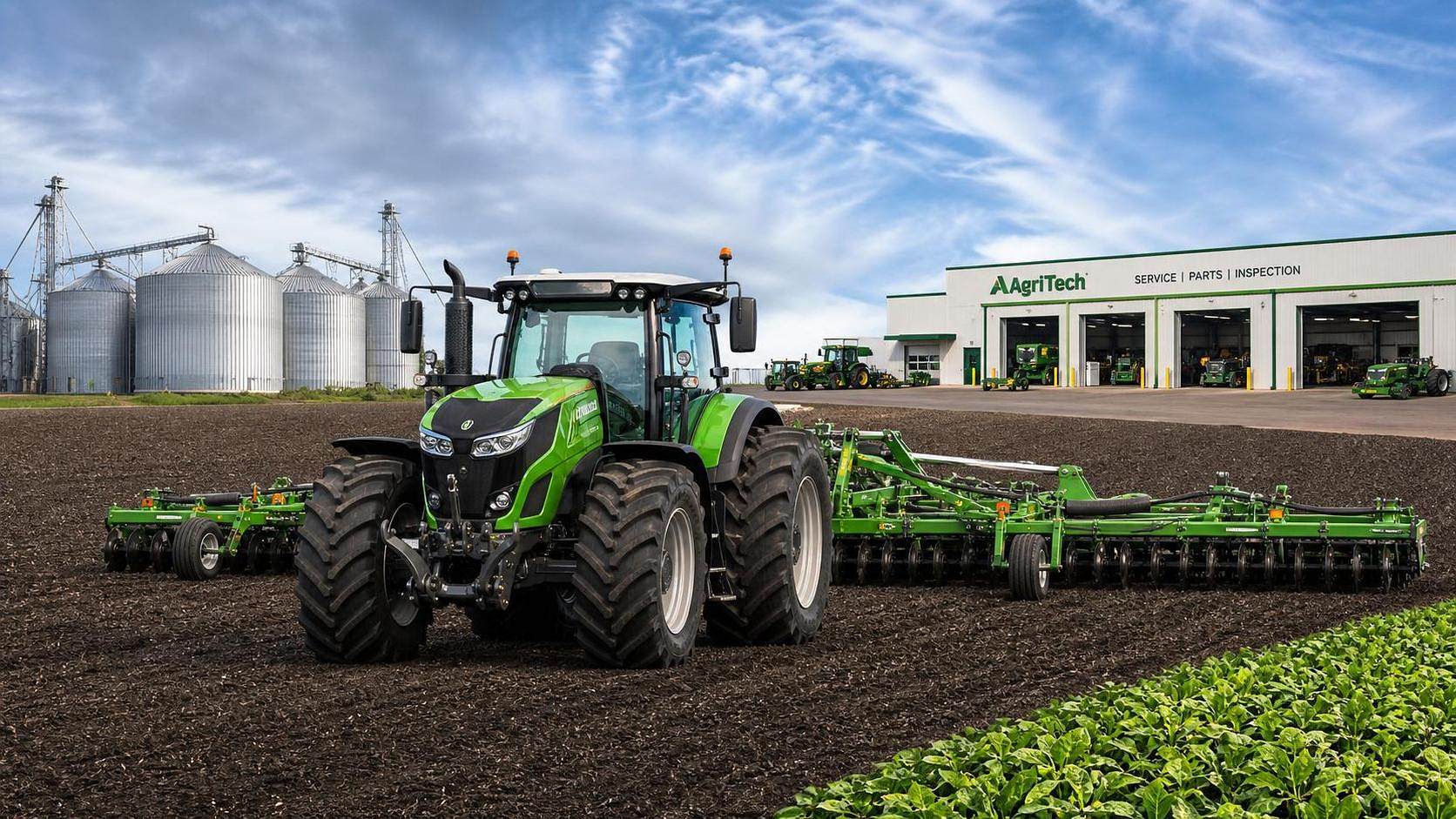




Heavy-Duty Farm Machinery Buying Guide: Key Specs, Operating Costs, and Dealer Checks
Buying heavy-duty farm machinery is a high-stakes decision for teams balancing field performance, lifetime cost, and supplier reliability.
A low purchase price can look attractive.
But weak uptime, high fuel use, and poor support often erase that advantage quickly.
This guide explains how to compare heavy-duty farm machinery with a practical buying lens.
The focus is simple: key specifications, real operating costs, and dealer checks that reduce risk before signing.
Start with the Job, Not the Brochure
The first rule in heavy-duty farm machinery purchasing is to define the real workload.
Brochures highlight peak horsepower, large tanks, and advanced displays.
In the field, what matters is whether the machine fits crop type, soil condition, acreage, and working window.
From a purchasing view, write a clear job profile before comparing brands.
- Target crops and seasonal peaks
- Average field size and transport distance
- Soil moisture, slope, and compaction risk
- Required daily output and acceptable downtime
- Compatibility with current implements and digital systems
This step prevents overbuying, underbuying, and expensive mismatch across the fleet.
Key Specs That Actually Affect Performance
When evaluating heavy-duty farm machinery, not all specifications deserve equal weight.
Some figures look impressive but matter little in daily use.
Others directly affect productivity, traction, fuel efficiency, and service life.
Engine and Power Delivery
Do not compare engines by horsepower alone.
Check rated power, torque rise, torque reserve, and power at typical working RPM.
A machine with smoother torque delivery often performs better under variable load.
That matters during tillage, harvesting, hauling, and heavy PTO applications.
Transmission and Driveline
Transmission choice strongly shapes operator efficiency and fuel use.
Compare powershift, CVT, and automated transmission options based on field conditions.
Also review axle load limits, final drives, differential locks, and road speed.
These details influence traction, transport time, and driveline durability.
Hydraulics and Implement Control
For many heavy-duty farm machinery applications, hydraulics are the hidden bottleneck.
Check pump flow, pressure, valve count, remote control logic, and lift capacity.
Make sure the system can run planned implements without overheating or response lag.
This becomes even more important with precision seeding, spraying, and folding equipment.
Weight, Ground Pressure, and Tire Setup
Bigger is not always better in heavy-duty farm machinery selection.
Total weight, ballast options, tire size, track systems, and inflation strategy affect soil impact.
Excess ground pressure reduces long-term field productivity.
A balanced setup protects traction while limiting compaction and rutting.
Calculate the Real Operating Cost
The purchase price is only part of the heavy-duty farm machinery cost picture.
The stronger metric is cost per hour, cost per hectare, or cost per ton handled.
This is where many procurement mistakes become visible.
Core Cost Categories
- Fuel and DEF consumption under actual load
- Scheduled maintenance parts and labor
- Wear items such as belts, blades, tires, filters, and chains
- Unplanned repair frequency and downtime exposure
- Insurance, financing, and residual value
- Operator training and software subscription costs
Ask each supplier for operating data from similar working conditions.
If they only provide ideal test numbers, treat the estimate cautiously.
A Simple Cost Comparison Framework
A practical buying model for heavy-duty farm machinery should compare five years of ownership.
- Start with net purchase price after discounts.
- Add financing, setup, and transport costs.
- Add annual fuel, maintenance, and repair projections.
- Estimate downtime cost during critical windows.
- Subtract expected resale or trade-in value.
This approach makes premium heavy-duty farm machinery easier to judge fairly.
A higher upfront price can still win if uptime and resale are stronger.
Check Dealer Strength Before You Check the Paint
A reliable dealer often matters as much as the machine itself.
Heavy-duty farm machinery depends on parts flow, field service, and technical support.
A polished showroom tells you very little about those realities.
Dealer Due Diligence Checklist
- Parts fill rate for fast-moving and critical items
- Average field service response time in peak season
- Number of trained technicians for your machine category
- Diagnostic capability for engine, hydraulic, and precision systems
- Warranty process, approval speed, and claim history
- Access to loaner machines or emergency rental support
It also helps to call current customers in comparable operations.
Ask how the dealer performs when a machine fails in the busiest week of the year.
Ask for Proof, Not Promises
Good dealers can show evidence.
Request service KPIs, parts inventory depth, technician certification records, and local machine population data.
If support is vague before the sale, support may be weaker after the sale.
Look Beyond Hardware to Digital Compatibility
Modern heavy-duty farm machinery is no longer just mechanical equipment.
It is also a data platform, a guidance tool, and a decision node in the field.
That means software compatibility deserves a place in the buying decision.
- ISOBUS and implement communication support
- Guidance accuracy and correction signal requirements
- Data export formats and farm management integration
- Remote diagnostics and over-the-air update capability
- User permissions, cybersecurity, and data ownership terms
In actual operations, weak digital integration creates hidden labor and delay.
That is especially true when fleets include mixed brands or contract operators.
Common Buying Risks and How to Reduce Them
Even experienced teams can make avoidable mistakes with heavy-duty farm machinery.
The pattern is usually familiar.
A machine looks strong on paper but weakens under real operating pressure.
- Risk: oversizing for occasional peak demand. Fix: model seasonal utilization carefully.
- Risk: ignoring soil impact. Fix: review axle loads, tires, tracks, and ballast plans.
- Risk: underestimating support needs. Fix: score dealer capacity with measurable service indicators.
- Risk: trusting list specs alone. Fix: request demos, references, and local performance records.
- Risk: missing software costs. Fix: include subscriptions, activation fees, and training.
A disciplined comparison sheet usually prevents more problems than a long negotiation does.
A Practical Buying Process That Holds Up
A consistent process makes heavy-duty farm machinery decisions more defendable and more accurate.
- Define the workload, acreage, crop mix, and output target.
- Shortlist machines that match power, hydraulics, and soil conditions.
- Build a five-year ownership cost model using realistic field assumptions.
- Audit dealer service strength, parts coverage, and warranty execution.
- Test digital compatibility with current implements and data systems.
- Request final proposals with clear commercial and support terms.
This process is practical because it balances machine capability with financial discipline.
It also reflects how modern agriculture works.
Performance, uptime, support, and data integration now move together.
Final Takeaway
The best heavy-duty farm machinery purchase is rarely the cheapest unit on the quote sheet.
It is the machine that delivers stable field output, manageable operating cost, and dependable support over time.
If you compare key specs in context, calculate full ownership cost, and verify dealer strength, the decision becomes much clearer.
That is the practical path to lower risk and stronger long-term value in heavy-duty farm machinery buying.
Use this framework as a working checklist before the next quotation round, demo review, or supplier negotiation.
Related News
How to Select Precision Crop Protection Equipment for Variable Field Conditions
Precision crop protection equipment selection made simple: compare terrain, canopy, weather, control accuracy, and data workflows for reliable applications.
When Does Agricultural Machinery Leasing Cost Less Than Owning Equipment?
Agricultural machinery leasing can lower farm costs when use is seasonal or uncertain. Compare utilization, maintenance, cash flow, and risk to make a smarter equipment decision.
How to Evaluate Precision Fertilization System Suppliers for Farm-Scale Deployment
Precision fertilization systems suppliers: learn how to compare accuracy, integration, uptime, service, and total cost for confident farm-scale deployment.
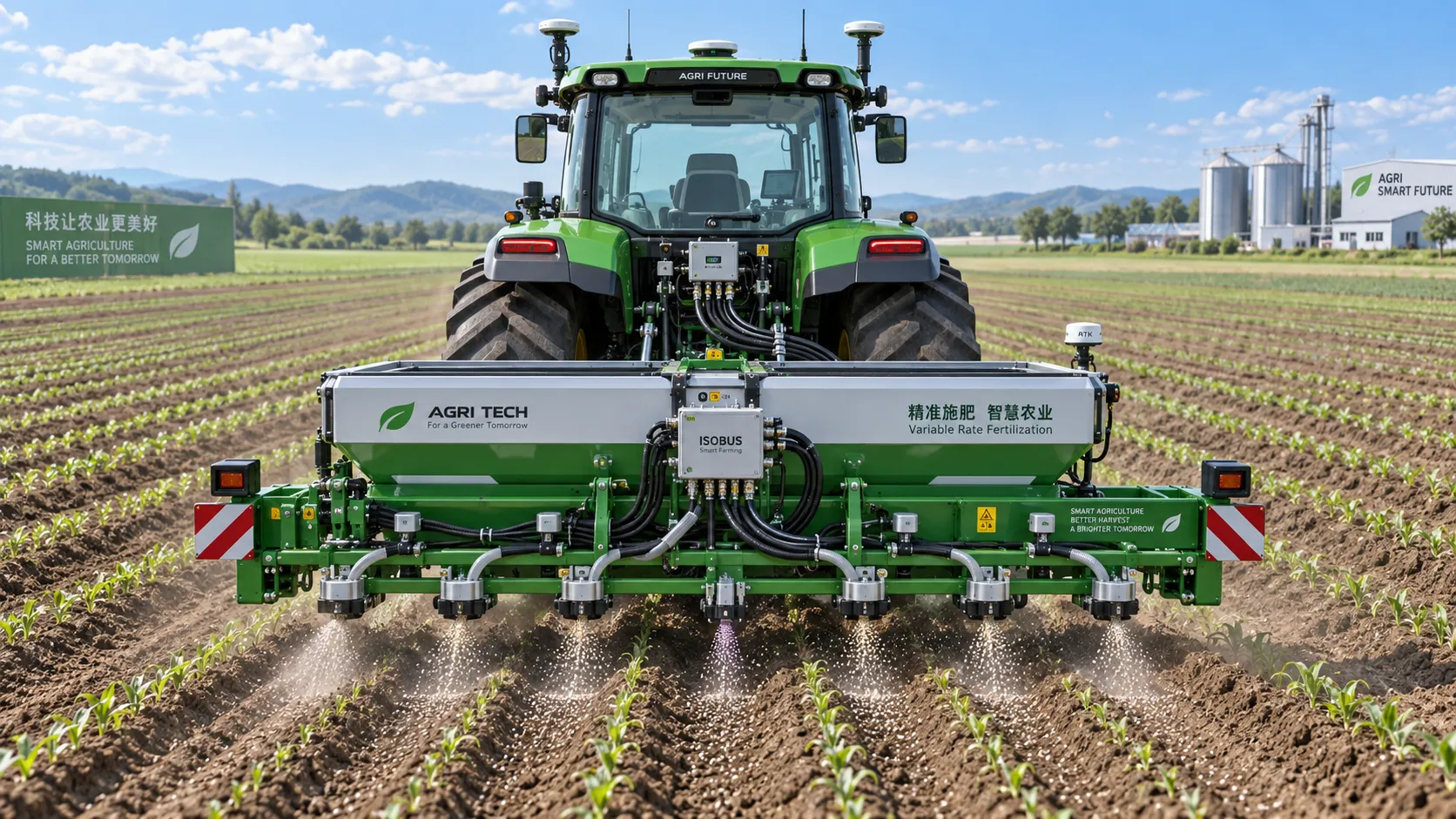
ISOBUS for Smart Agriculture: How It Connects Tractors, Implements, and Farm Data
ISOBUS for smart agriculture connects tractors, implements, terminals, and farm data—helping growers improve precision, documentation, and smarter field decisions.
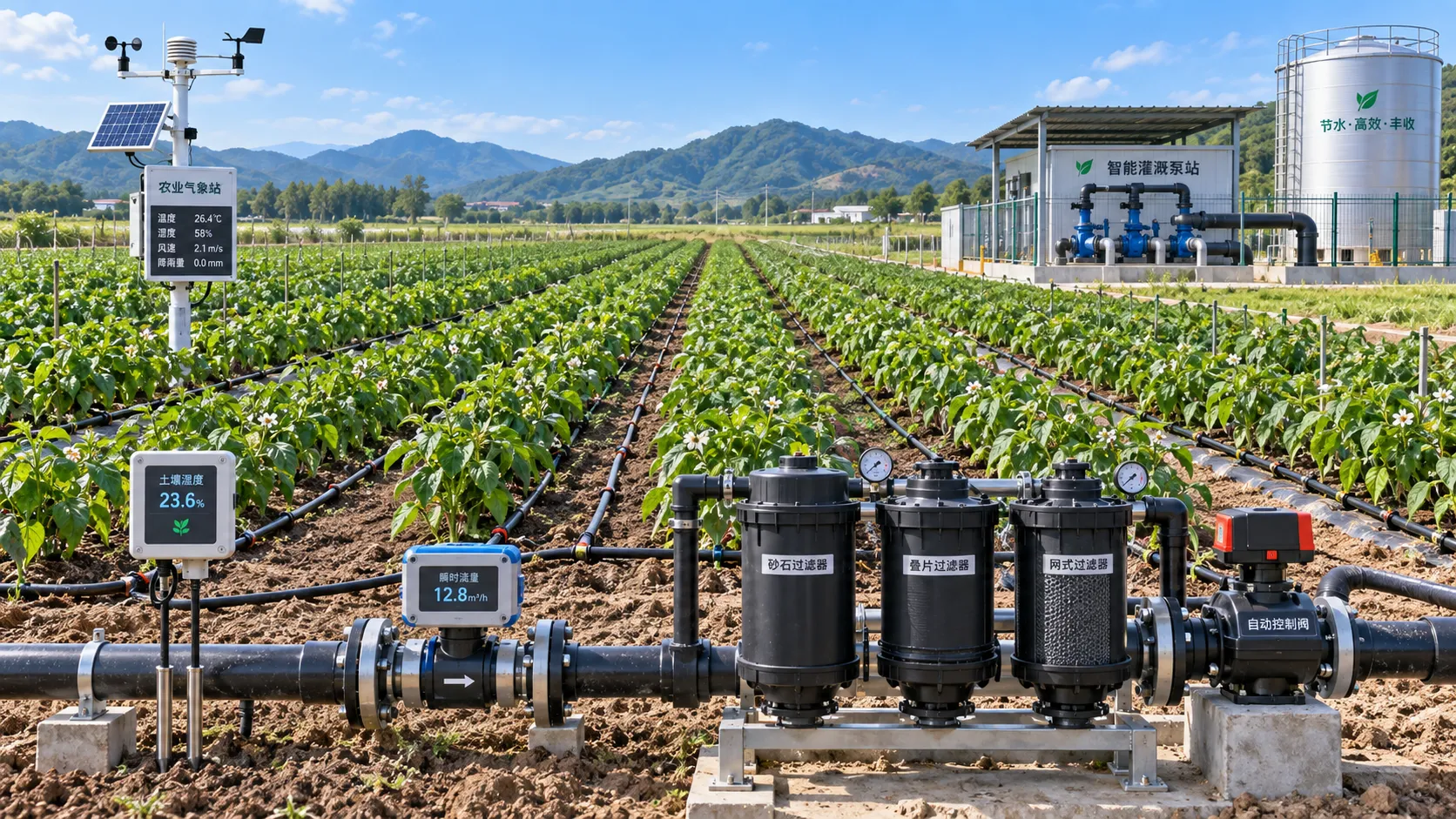
Automated Water-Saving Irrigation: How to Cut Water Use Without Reducing Crop Yields
Automated water-saving irrigation helps farms cut water use, protect crop yields, improve scheduling, and gain reliable control with sensors, flow monitoring, and smart zones.
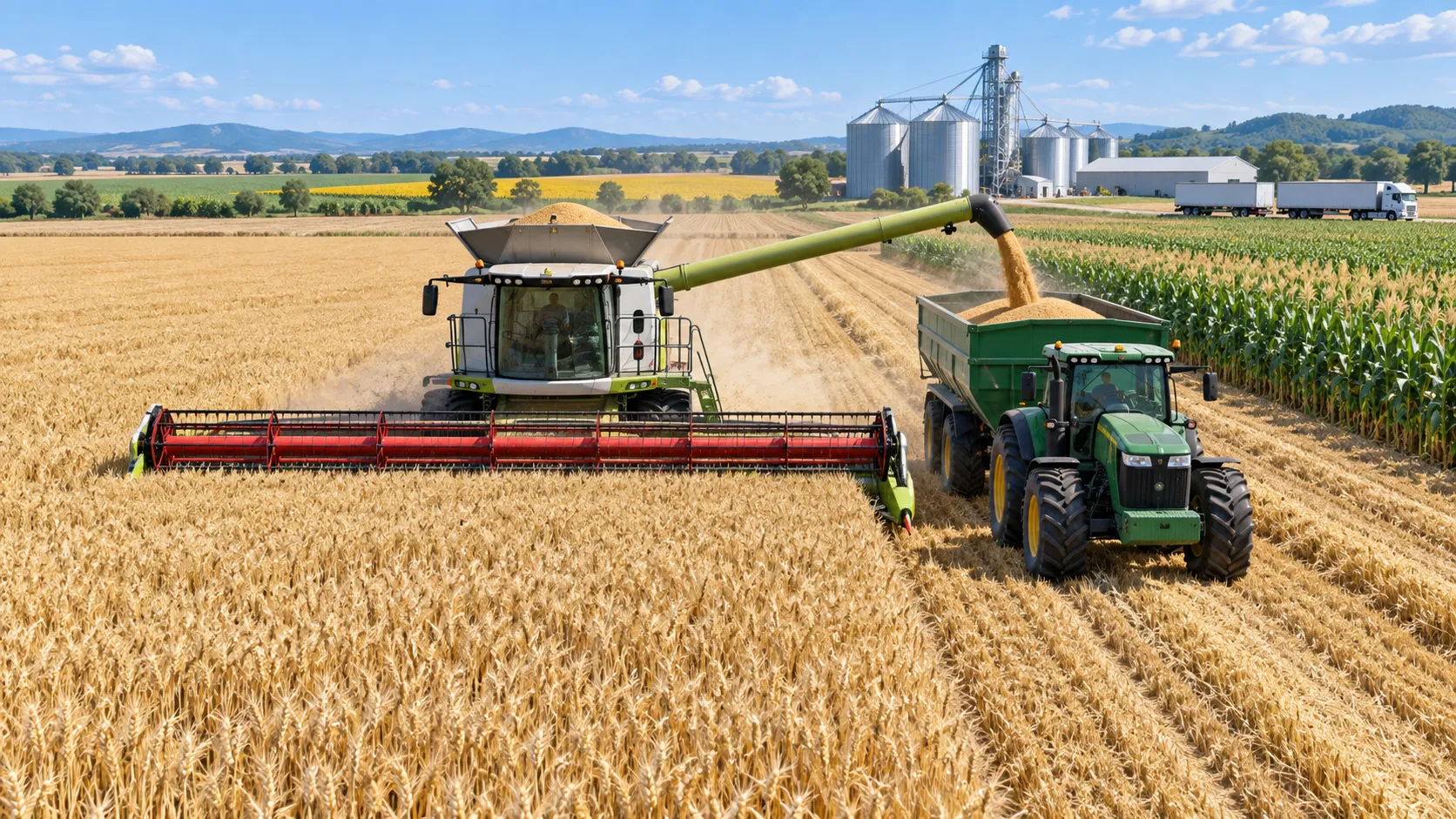
Selecting Grain Farm Equipment by Acreage, Crop Mix, and Harvest Window
Agricultural equipment selection for grain farming: match machinery to acreage, crop mix, and harvest windows to improve uptime, efficiency, and returns.
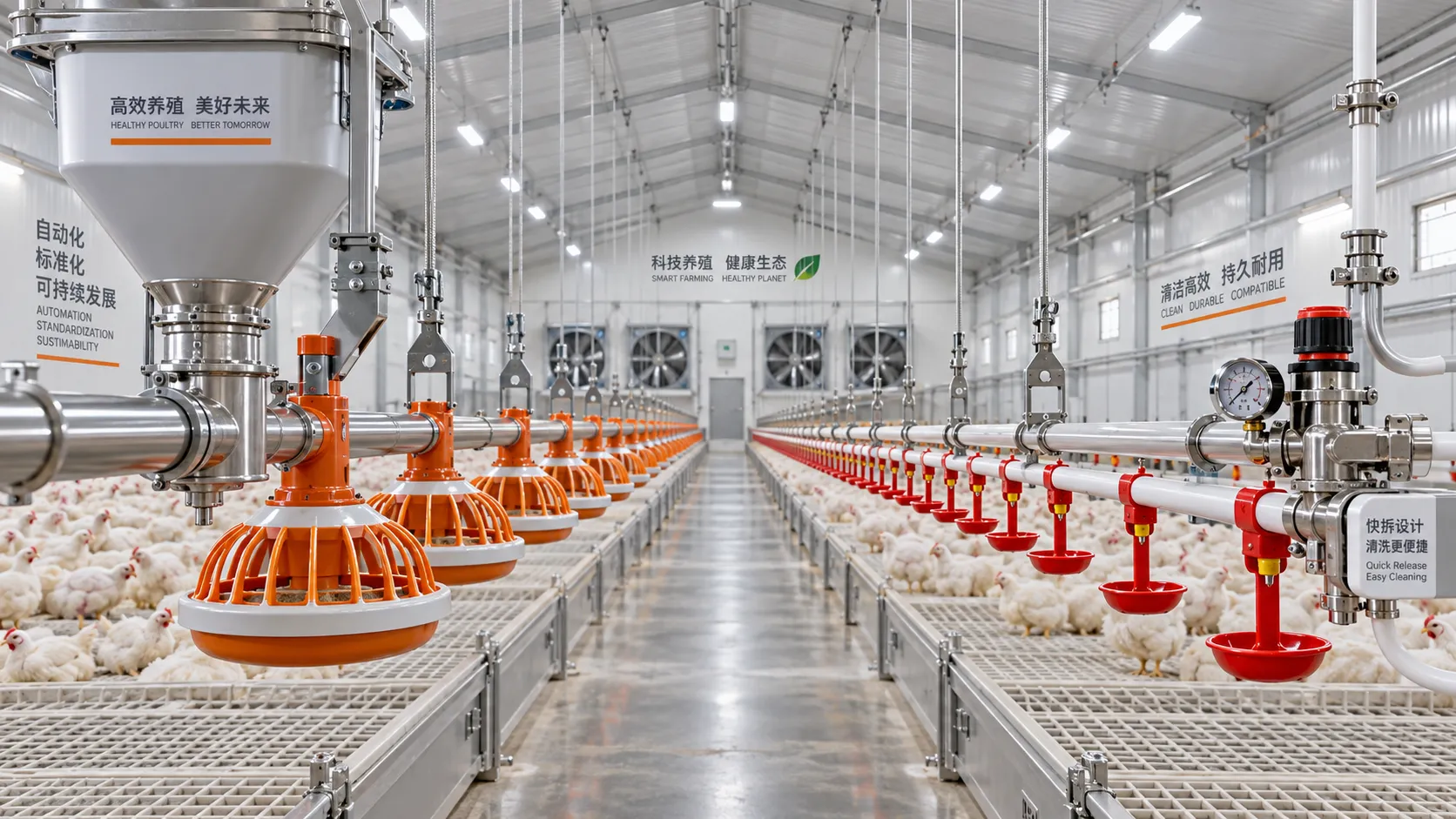
Poultry Equipment Selection: Evaluating Durability, Cleaning, and Compatibility
Poultry equipments selection guide: evaluate durability, cleaning access, and system compatibility to improve hygiene, reduce downtime, and support efficient flock management.
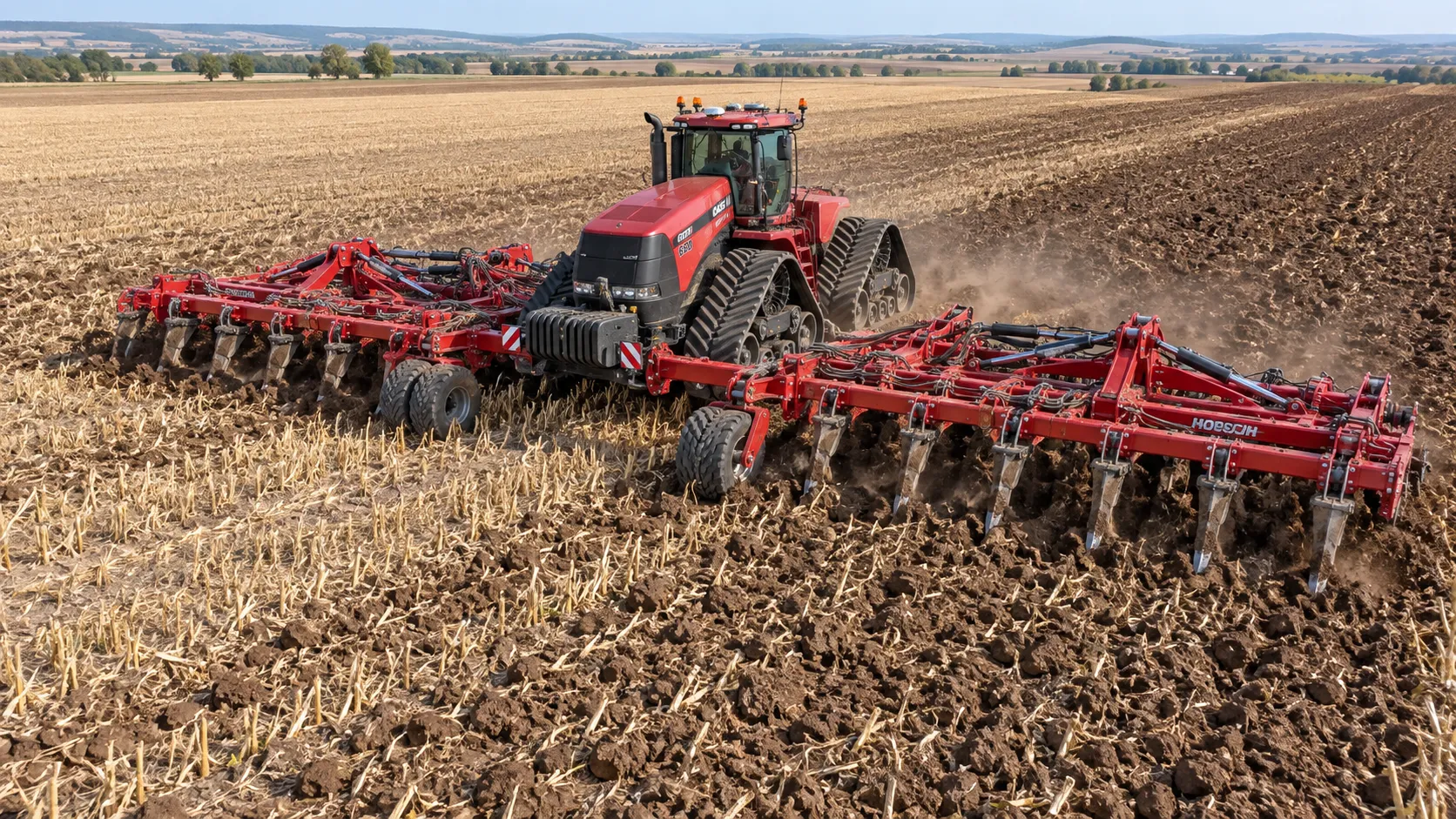
How to Select Heavy-Duty Farm Implements for High-Acreage, High-Horsepower Operations
Heavy duty farm implements: learn how to match draft, hydraulics, hitch capacity, frame strength, and field conditions for reliable high-acreage performance.
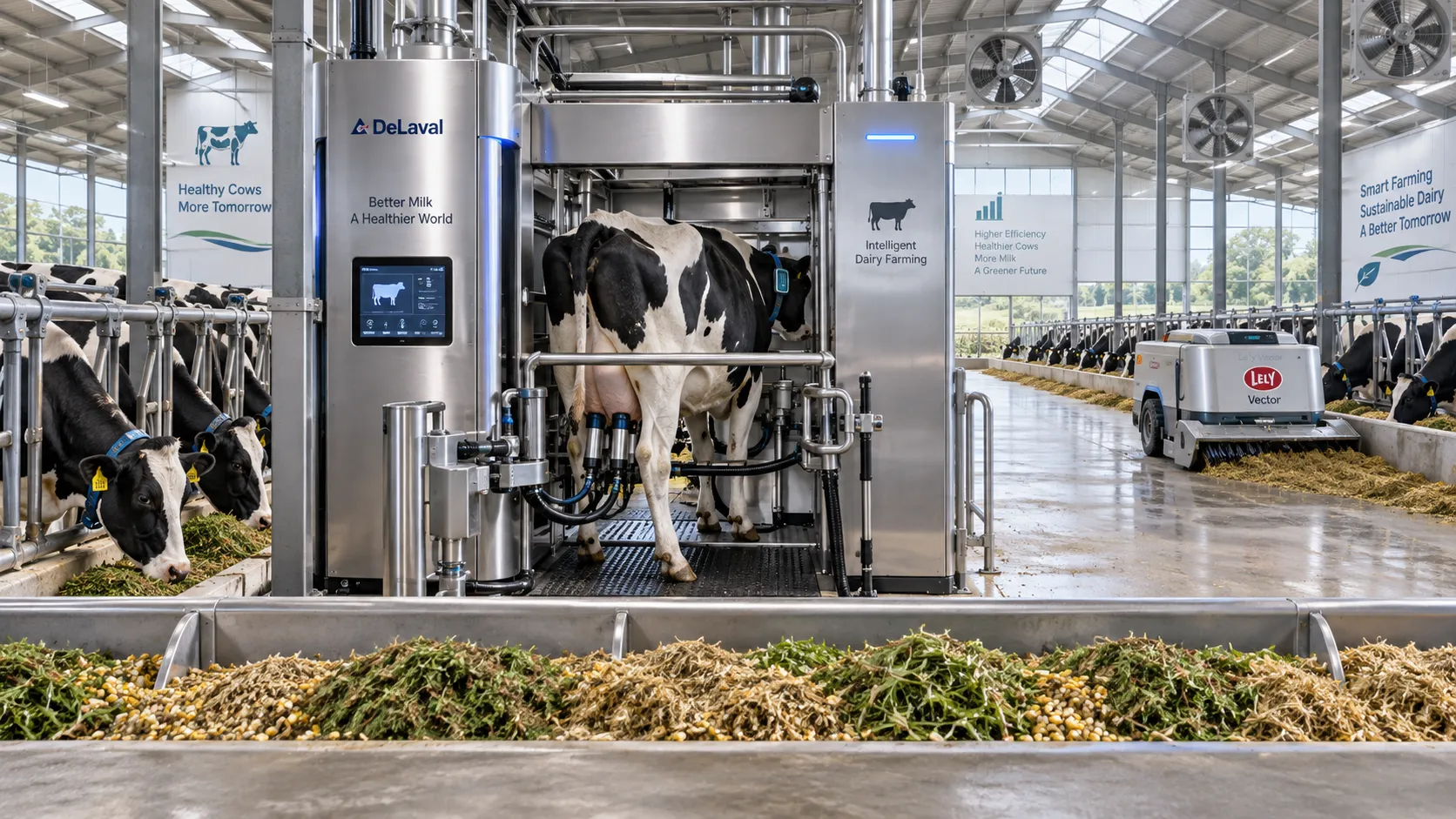
Smart Farming Technology for Dairy Farms: Where Automation Delivers Measurable ROI
Smart farming technology for dairy farms delivers measurable ROI through automation, precision feeding, health monitoring, and data-driven cost control.
Related News
- 00
0000-00
When Does Agricultural Machinery Leasing Cost Less Than Owning Equipment? - 00
0000-00
Selecting Grain Farm Equipment by Acreage, Crop Mix, and Harvest Window - 00
0000-00
Poultry Equipment Selection: Evaluating Durability, Cleaning, and Compatibility - 00
0000-00
How to Select Heavy-Duty Farm Implements for High-Acreage, High-Horsepower Operations - 00
0000-00
Smart Farming Technology for Dairy Farms: Where Automation Delivers Measurable ROI
Popular Tags
Ms. Elena Rodriguez
Weekly Insights
Stay ahead with our curated technology reports delivered every Monday.