
What Is Hybrid Technology in Modern Farm Equipment and Where Does It Pay Off?
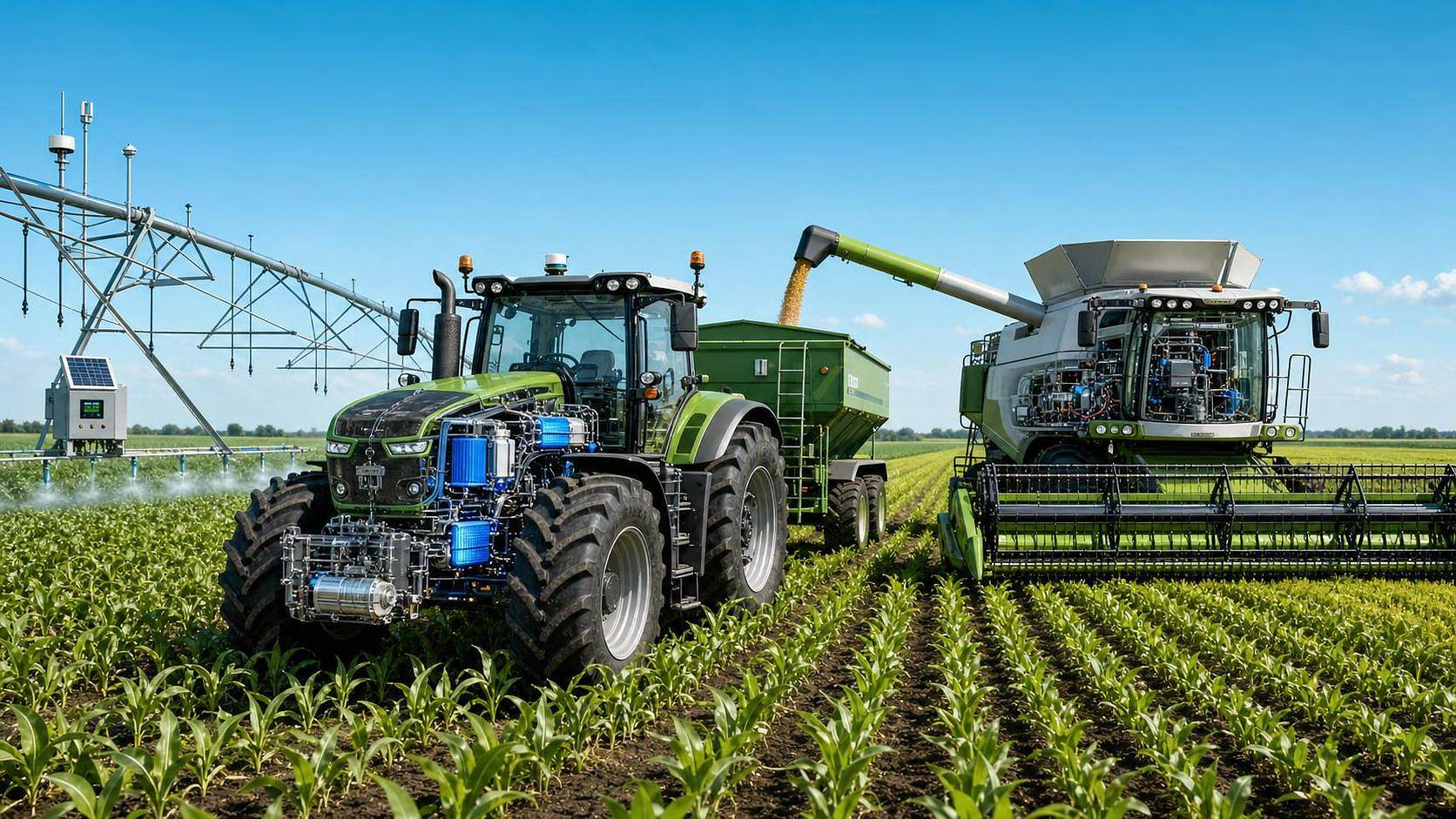




Why is hybrid technology getting so much attention in modern farm equipment?
Hybrid technology matters because agriculture now demands more than raw horsepower. Equipment must also reduce fuel burn, improve control, and support sustainability targets without sacrificing uptime.
In practical terms, hybrid technology combines mechanical power with electric assistance, energy recovery, or intelligent power management. That mix changes how tractors, harvesters, and irrigation systems perform in the field.
The real appeal is not novelty. It is the ability to match power delivery to changing workloads, especially where heavy traction, repeated speed changes, or precision control are critical.
Across Agriculture 4.0, this becomes a strategic issue. Platforms such as AP-Strategy track hybrid technology because it sits between mechanical design, software intelligence, and resource efficiency.
That is why interest keeps rising. Hybrid systems can support lower operating costs, cleaner reporting on emissions, and better machine response in demanding conditions.
So what does hybrid technology actually mean on a farm machine?
The term is broader than many expect. It does not always mean a fully electric drivetrain with a battery pack doing most of the work.
More often, hybrid technology in farm equipment means a diesel engine works alongside electric motors, power electronics, and smart controls. The system allocates energy where it creates the most value.
In tractors, that may involve electric boost during peak load. In combines, it may support smoother auxiliary drives or better control of cleaning and separation functions.
For irrigation, hybrid technology can connect electric pumping, renewable input, and sensor-based automation. The result is not just energy savings, but more stable water delivery.
A useful way to read the market is to separate three layers:
- Power hybridization, where engines and electric systems share propulsion or drive loads.
- Control hybridization, where software optimizes torque, speed, and energy use in real time.
- Resource hybridization, where water, fuel, and electrical inputs are coordinated for efficiency.
This distinction matters because two machines may both claim hybrid technology, yet deliver value in very different ways.
Where does hybrid technology pay off first, and where is the return less obvious?
The best payback usually appears where loads fluctuate sharply or where precision response directly affects output quality. Constant, light-duty work often shows a weaker case.
For example, high-horsepower tractors pulling heavy implements can benefit when electric assistance smooths transient load spikes. That reduces engine stress and can improve fuel efficiency over long seasonal hours.
Combine harvesters are another strong candidate. Harvest conditions shift quickly with moisture, crop density, and terrain. Hybrid technology helps auxiliary systems react faster, which can support lower losses and steadier throughput.
Irrigation is different, but still relevant. When smart pumping systems combine variable-speed drives, energy storage, and sensor feedback, hybrid technology can improve energy use and water scheduling together.
The return is less obvious in simple machines with predictable loads, limited annual hours, or weak electrical service support. In those cases, added system complexity may outweigh fuel savings.
A quick screening table helps clarify where hybrid technology usually fits.
How should hybrid technology be compared with conventional diesel equipment?
A fair comparison goes beyond fuel consumption. Conventional equipment may still win on simplicity, service familiarity, and initial capital cost.
Hybrid technology, however, can outperform diesel-only platforms when work patterns involve frequent load swings, repeated starts, or precision-controlled subsystems. That is where electric assistance adds real operating value.
Another difference is controllability. Hybrid systems can deliver torque more precisely and support digitally managed functions, which aligns well with guidance, telemetry, and variable-rate field operations.
There is also a reporting advantage. As environmental rules tighten, hybrid technology offers better visibility into energy use, emissions intensity, and machine-level efficiency trends.
Still, conventional equipment remains competitive in remote locations with limited electrical infrastructure or sparse technical support. The better choice depends on operating context, not headlines.
What hidden costs or risks should be checked before adopting hybrid technology?
The biggest mistake is evaluating hybrid technology only on brochure savings. Real performance depends on duty cycle, service capability, software maturity, and spare parts availability.
Battery lifecycle is one concern, although not every hybrid platform relies heavily on large batteries. Thermal management, electrical safety protocols, and diagnostic requirements also deserve attention.
Another risk is underusing the system. If the machine operates far below the workload profile it was designed for, expected savings may never materialize.
Integration matters as well. Hybrid technology works best when it connects with farm management systems, guidance tools, and maintenance planning rather than sitting as an isolated feature.
Before moving forward, it helps to review five checkpoints:
- Annual machine hours and load variability across seasons.
- Access to qualified service for power electronics and control systems.
- Compatibility with telemetry, autonomy, or precision farming workflows.
- Energy price trends, especially for pumping and transport-heavy operations.
- Residual value assumptions compared with conventional alternatives.
These checks are especially relevant in the AP-Strategy view of Agriculture 4.0, where equipment value is increasingly tied to data, control quality, and long-cycle asset planning.
What is a practical way to judge whether hybrid technology is worth it now?
Start with the operation, not the technology label. The strongest cases usually show one or more of three conditions: high annual usage, volatile load profiles, or pressure to improve sustainability metrics.
A useful decision approach is to compare expected gains in uptime, fuel savings, crop-loss control, and water or energy efficiency against added capital and service complexity.
In field reality, hybrid technology pays off when it improves the economics of a system, not just a machine. That means looking at labor, maintenance windows, agronomic timing, and compliance exposure together.
The table below offers a simple judgment framework.
If most answers are no, waiting may be smarter than forcing adoption. If several are yes, hybrid technology deserves a serious business case review.
What should be watched next as hybrid technology evolves?
The next phase will likely be less about headline electrification and more about integrated intelligence. Hybrid technology is moving toward tighter links between drivetrain behavior, agronomic sensing, and autonomous control.
That shift is especially relevant in large-scale machinery, combine harvesting, and smart irrigation, where small efficiency gains compound across long seasons and wide acreage.
Signals worth tracking include software reliability, energy storage costs, component standardization, and the quality of aftermarket support. Market adoption often accelerates only after these factors mature.
For now, the sensible path is clear. Map the workload, quantify the bottleneck, and compare hybrid technology where it can improve system performance rather than simply replace diesel with complexity.
That kind of disciplined evaluation fits the AP-Strategy approach: connect machine performance, precision decision-making, and sustainability outcomes before setting the next investment standard.
Related News

When Does Agricultural Machinery Leasing Cost Less Than Owning Equipment?
Agricultural machinery leasing can lower farm costs when use is seasonal or uncertain. Compare utilization, maintenance, cash flow, and risk to make a smarter equipment decision.
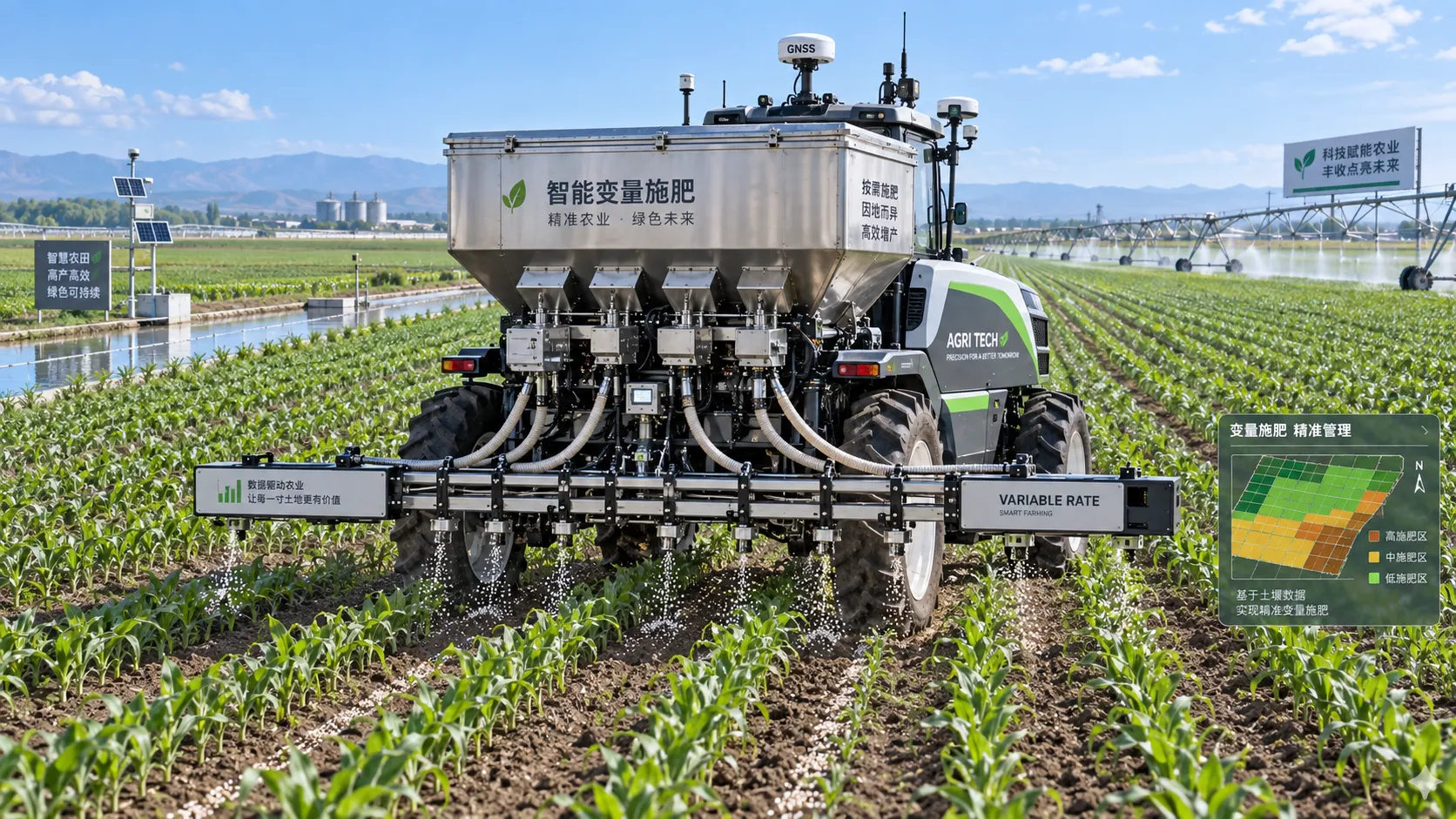
How to Evaluate Precision Fertilization System Suppliers for Farm-Scale Deployment
Precision fertilization systems suppliers: learn how to compare accuracy, integration, uptime, service, and total cost for confident farm-scale deployment.
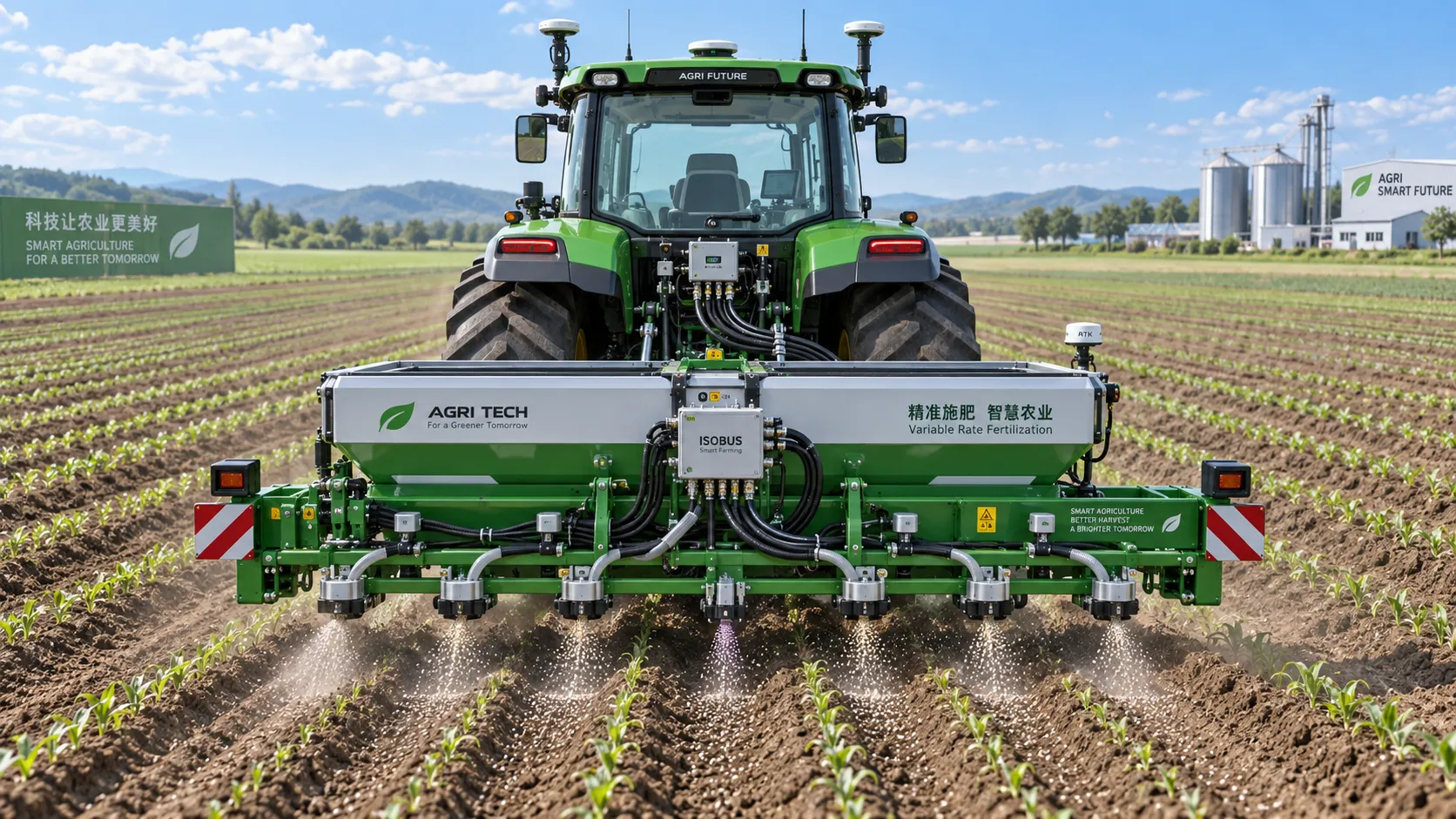
ISOBUS for Smart Agriculture: How It Connects Tractors, Implements, and Farm Data
ISOBUS for smart agriculture connects tractors, implements, terminals, and farm data—helping growers improve precision, documentation, and smarter field decisions.
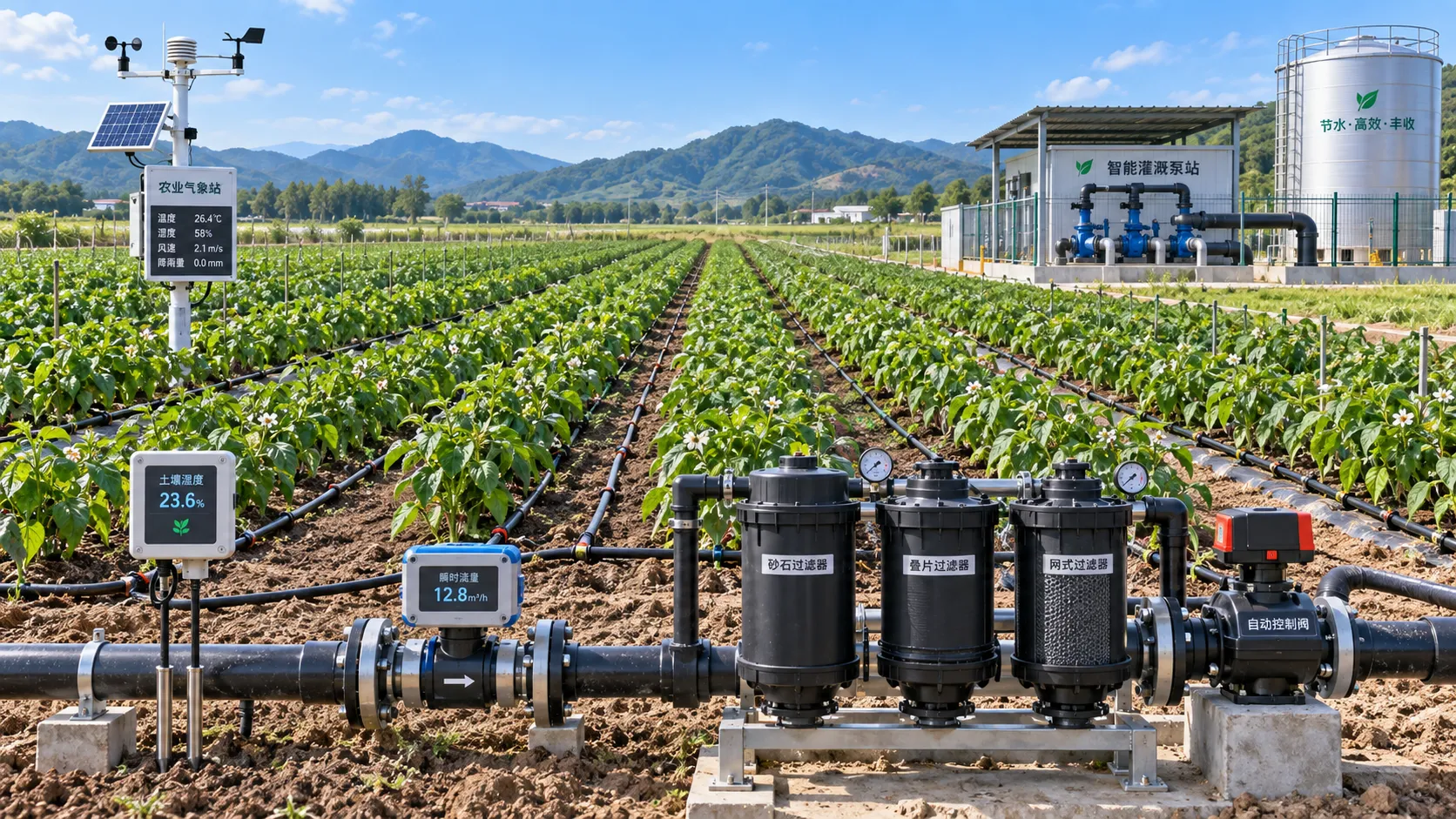
Automated Water-Saving Irrigation: How to Cut Water Use Without Reducing Crop Yields
Automated water-saving irrigation helps farms cut water use, protect crop yields, improve scheduling, and gain reliable control with sensors, flow monitoring, and smart zones.
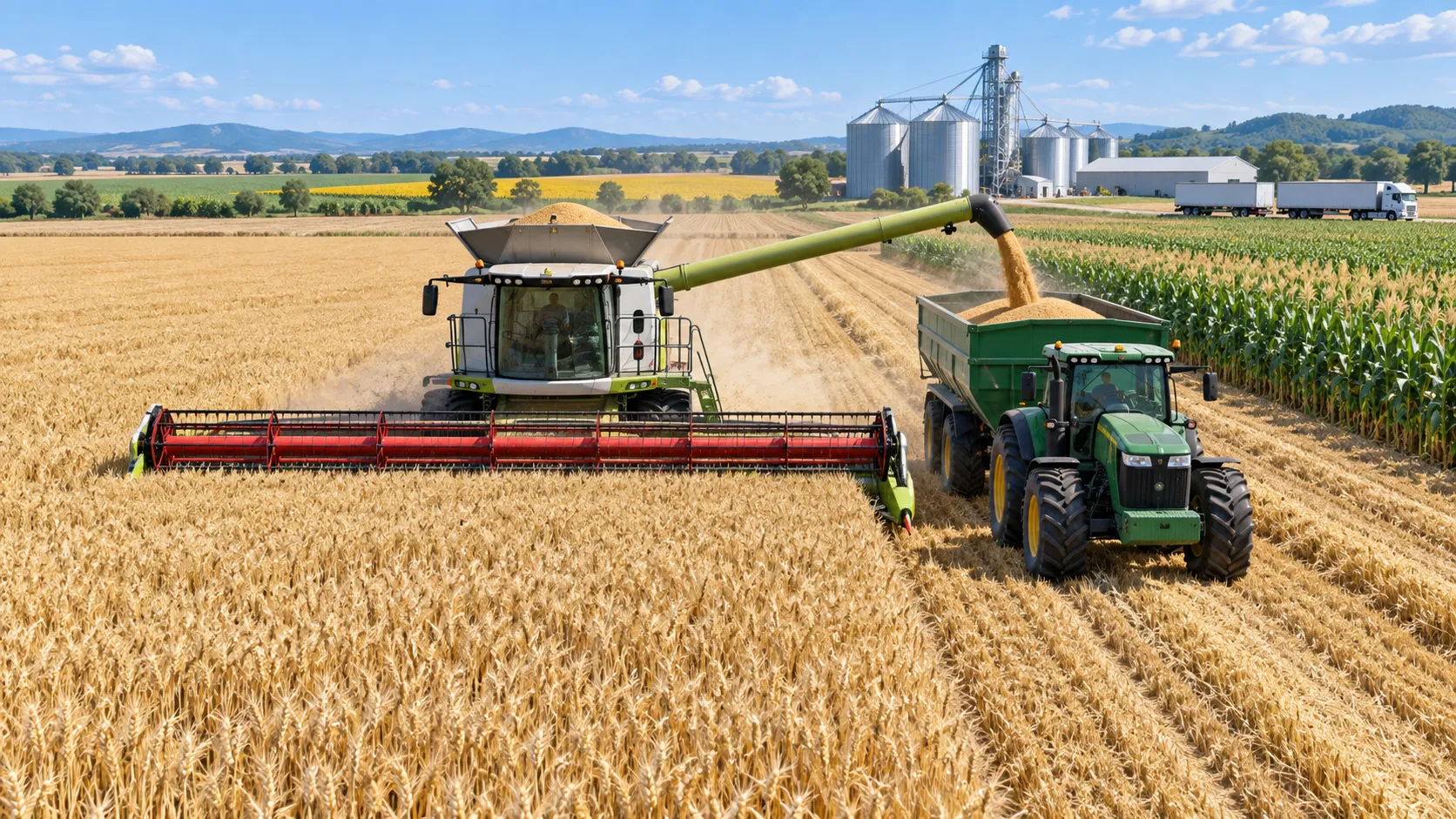
Selecting Grain Farm Equipment by Acreage, Crop Mix, and Harvest Window
Agricultural equipment selection for grain farming: match machinery to acreage, crop mix, and harvest windows to improve uptime, efficiency, and returns.
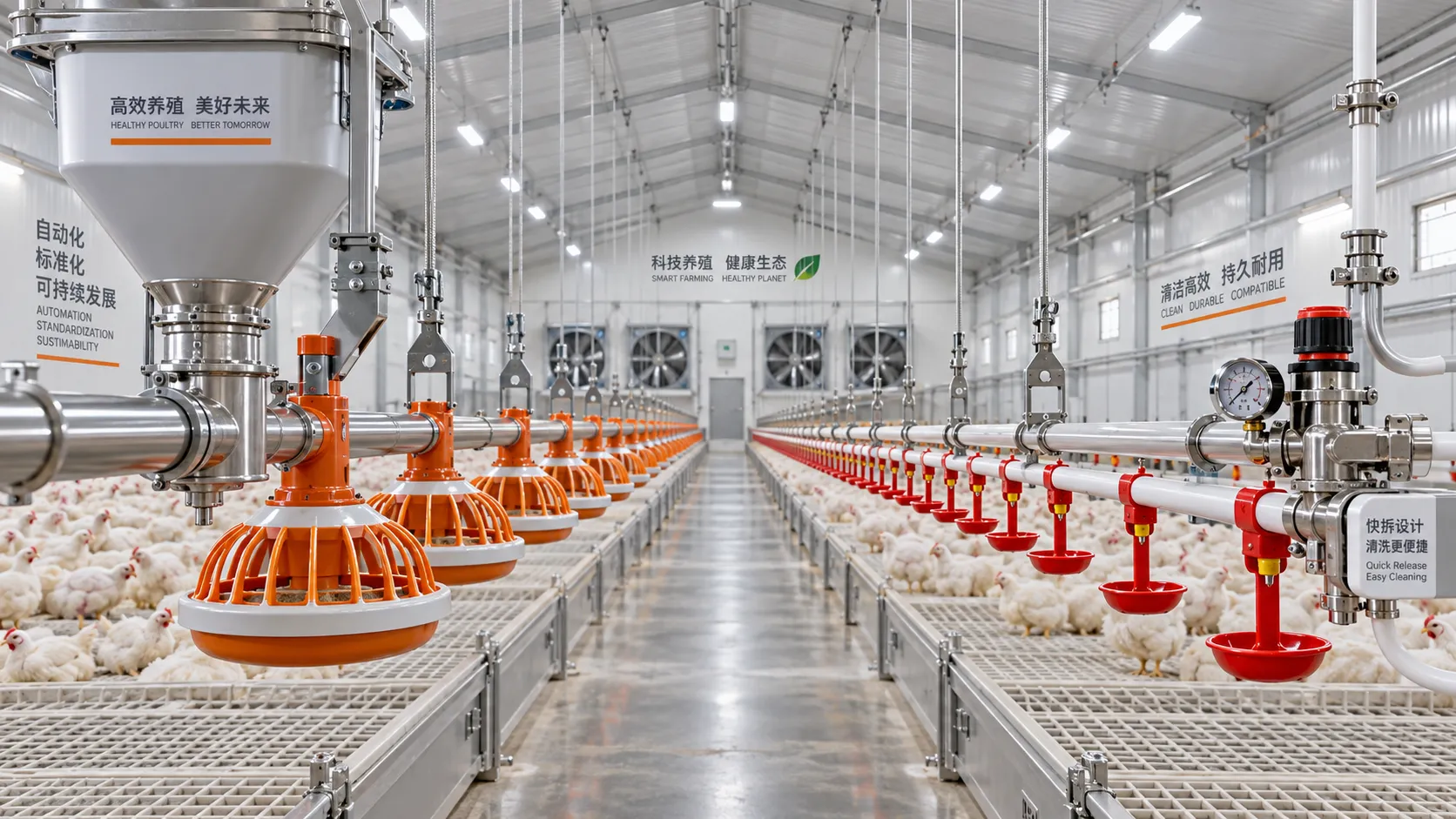
Poultry Equipment Selection: Evaluating Durability, Cleaning, and Compatibility
Poultry equipments selection guide: evaluate durability, cleaning access, and system compatibility to improve hygiene, reduce downtime, and support efficient flock management.
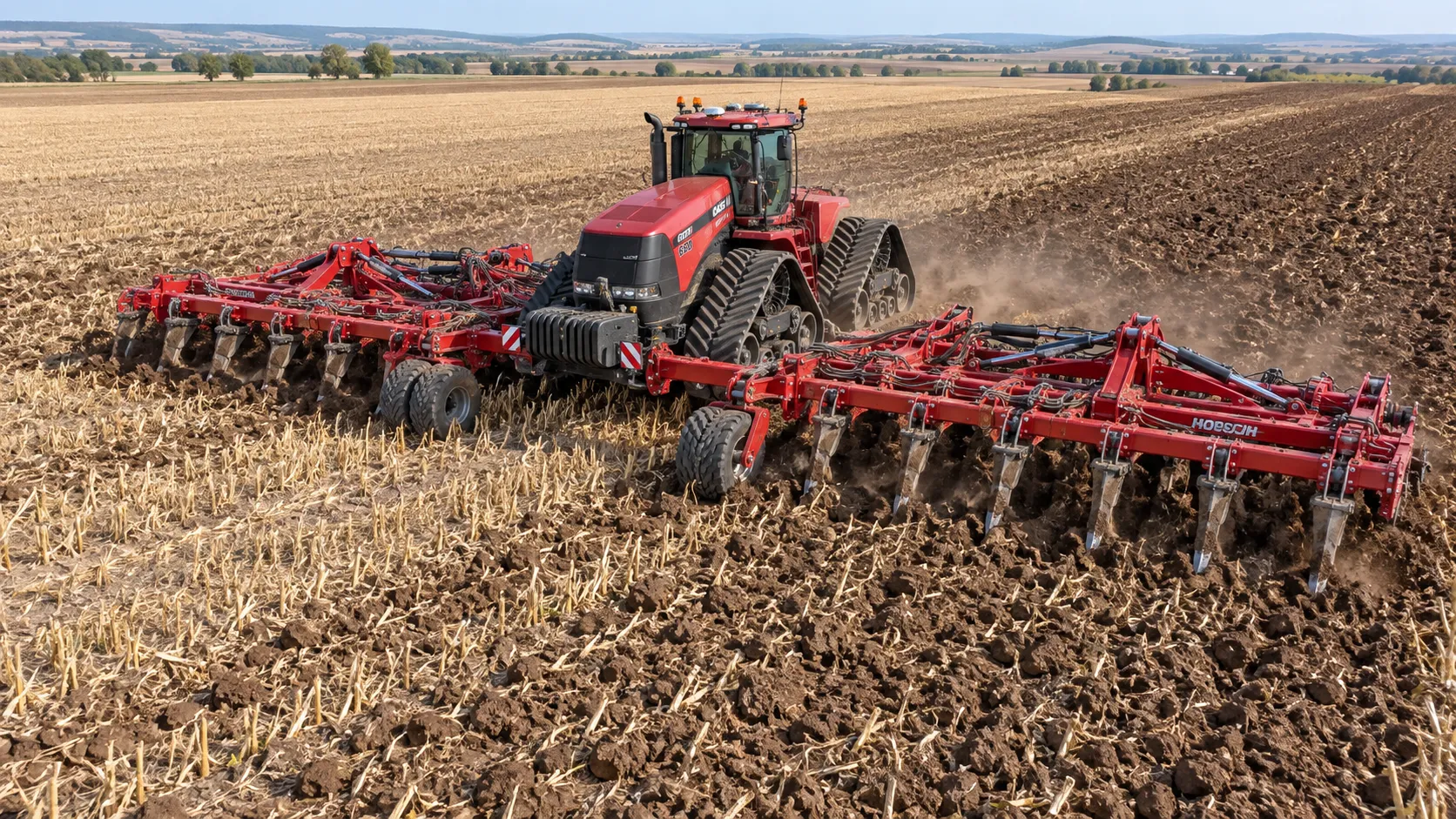
How to Select Heavy-Duty Farm Implements for High-Acreage, High-Horsepower Operations
Heavy duty farm implements: learn how to match draft, hydraulics, hitch capacity, frame strength, and field conditions for reliable high-acreage performance.
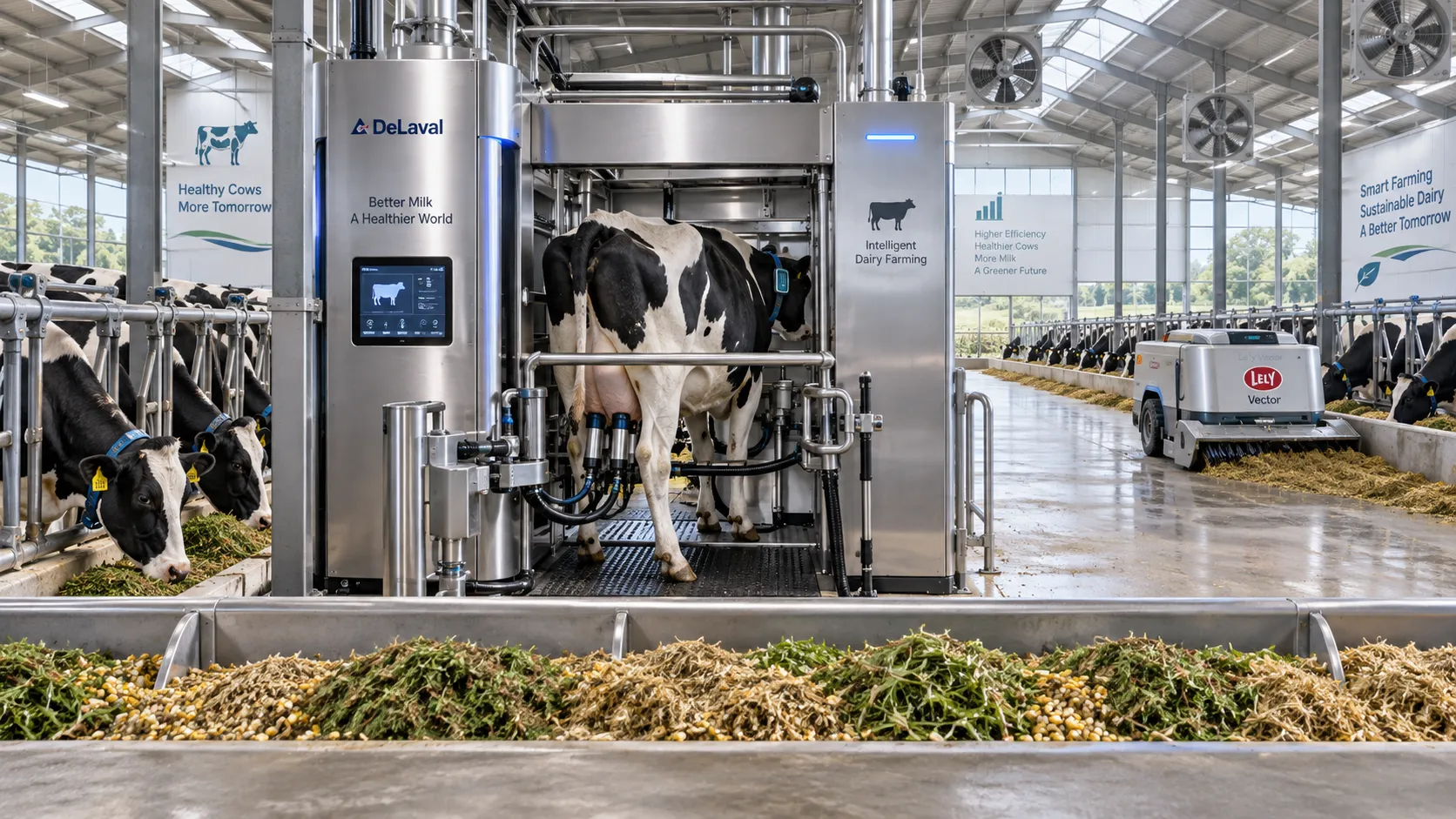
Smart Farming Technology for Dairy Farms: Where Automation Delivers Measurable ROI
Smart farming technology for dairy farms delivers measurable ROI through automation, precision feeding, health monitoring, and data-driven cost control.
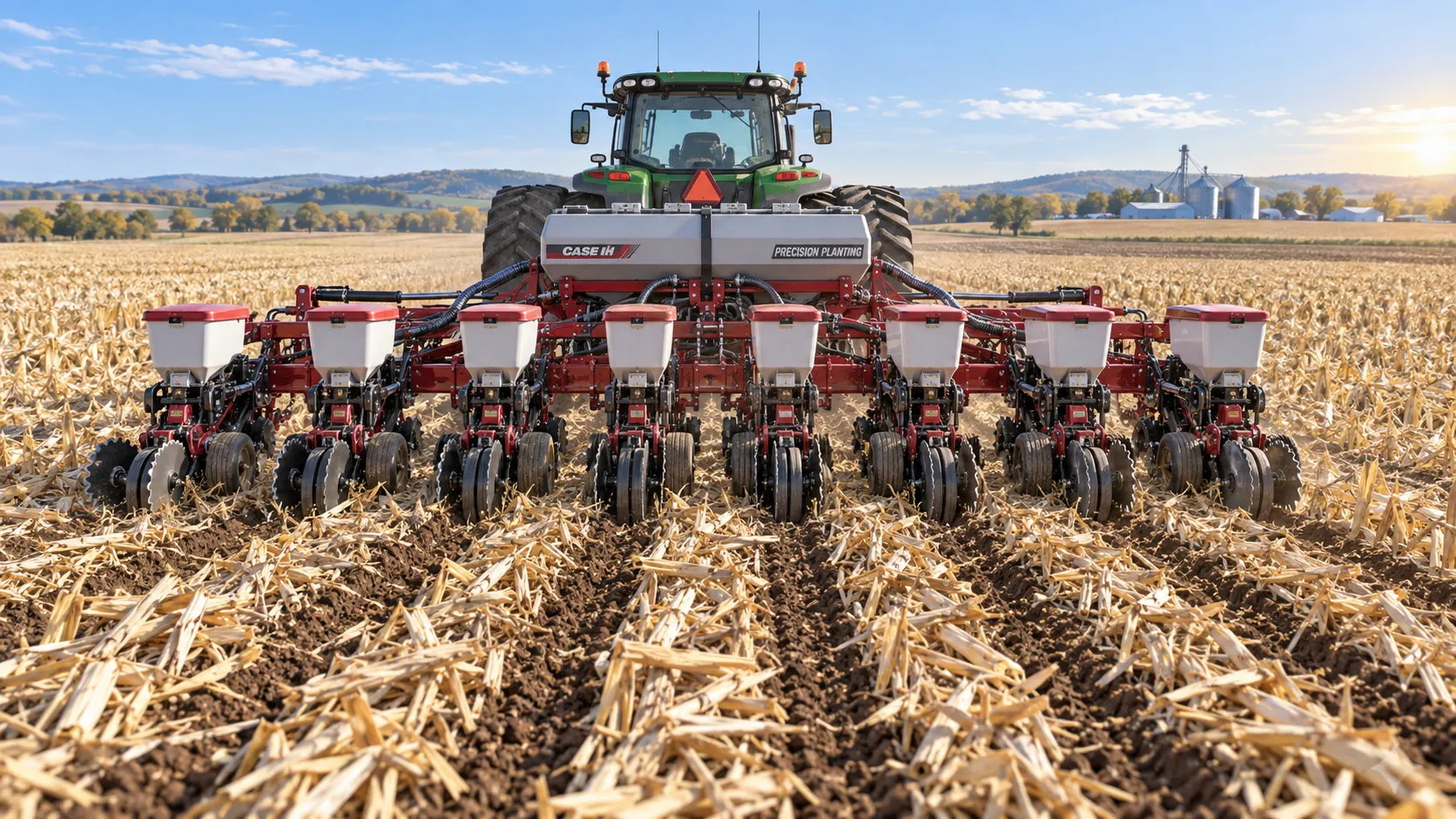
How to Select a Heavy-Duty Seeder for Large Acreage and High-Residue Fields
Heavy duty seeders for large acreage: compare residue handling, depth control, downforce, metering accuracy, and precision features to select the right model.
Related News
- 00
0000-00
When Does Agricultural Machinery Leasing Cost Less Than Owning Equipment? - 00
0000-00
Selecting Grain Farm Equipment by Acreage, Crop Mix, and Harvest Window - 00
0000-00
Poultry Equipment Selection: Evaluating Durability, Cleaning, and Compatibility - 00
0000-00
How to Select Heavy-Duty Farm Implements for High-Acreage, High-Horsepower Operations - 00
0000-00
Smart Farming Technology for Dairy Farms: Where Automation Delivers Measurable ROI
Popular Tags
Ms. Elena Rodriguez
Weekly Insights
Stay ahead with our curated technology reports delivered every Monday.