
What Is Plant Protection Technology for Sustainable Agriculture and Where Does It Work Best?
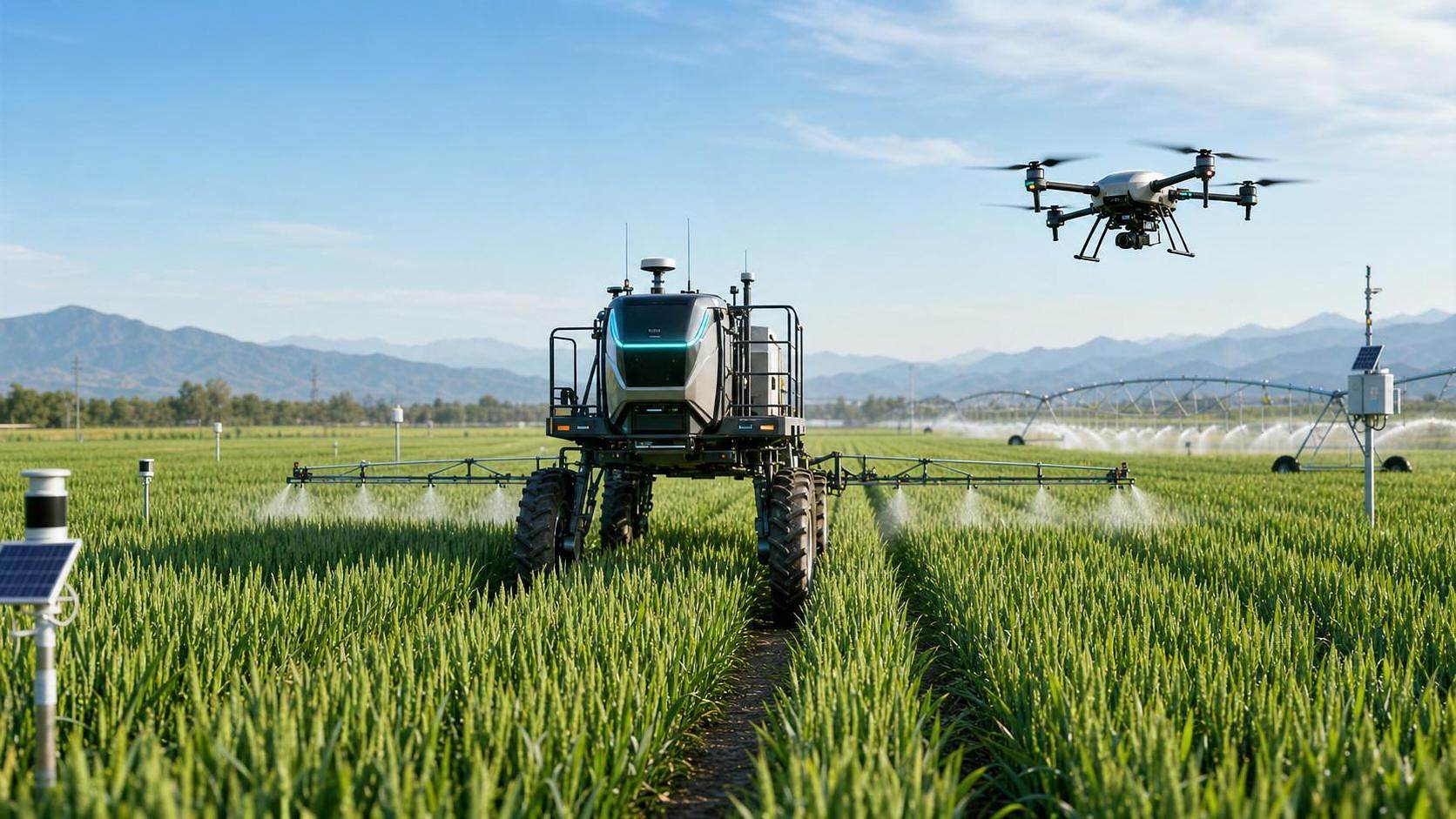




Plant protection technology for sustainable agriculture sits at the center of a major shift in crop management. It is no longer only about stopping weeds, insects, or disease. It is about protecting yield with fewer unnecessary inputs, lower ecological pressure, and better timing across increasingly complex farm systems.
That matters because modern agriculture is being asked to do several things at once. Farms must remain productive, respond to climate stress, meet tighter environmental expectations, and control operating costs. In that context, plant protection technology for sustainable agriculture becomes both a field practice and a strategic decision layer.
The topic also connects directly with the Agriculture 4.0 landscape tracked by AP-Strategy. Crop care now depends on how machinery, sensor feedback, irrigation logic, and agronomic intelligence work together in the field, not on chemistry alone.
What the term really covers in practice
In practical terms, plant protection technology for sustainable agriculture includes the tools, methods, and decision systems used to reduce crop losses while limiting waste. The scope is broader than pesticides, and that distinction is important.
It can include precision sprayers, canopy sensing, variable-rate application, biological controls, disease forecasting models, drone scouting, resistant crop strategies, and irrigation-linked stress monitoring. In strong systems, these elements are combined rather than used in isolation.
The sustainable part of the phrase matters just as much as the protection part. The goal is not maximum intervention. The goal is targeted intervention, supported by evidence, timing, and a clear understanding of field variability.
From treatment to precision management
Traditional crop protection often treated whole fields as uniform. That approach is becoming harder to justify where input costs are high, resistance pressure is rising, and regulators are demanding traceable application practices.
Plant protection technology for sustainable agriculture replaces blanket action with finer control. It asks where risk is building, how severe it is, and whether a mechanical, biological, chemical, or irrigation-related response is most appropriate.
Why the industry is paying closer attention
Several pressures are converging. Pest resistance is reducing the usefulness of older routines. Labor availability is uneven. Water management is becoming more strategic. At the same time, global food systems still need stable output from large production regions.
This is where plant protection technology for sustainable agriculture becomes highly relevant to broader equipment and systems planning. A modern sprayer cannot be judged only by tank size or coverage speed. Its control accuracy, sensor compatibility, and data handling now carry equal weight.
The same logic applies to irrigation networks, tractor platforms, and intelligent farm tools. AP-Strategy’s focus on large-scale agri-machinery, combine harvesting technology, chassis performance, and smart irrigation reflects this wider operating reality. Crop protection outcomes increasingly depend on how those systems connect.
The rise of connected field decisions
A disease outbreak does not develop separately from water stress, field traffic, or canopy conditions. A pest pattern is not only a biological issue. It can be linked to planting density, residue management, spray access, or uneven soil moisture.
That is why the strongest plant protection technology for sustainable agriculture now relies on data stitching. Satellite positioning, machine guidance, field sensors, and agronomic models help convert raw observations into more disciplined action.
Where it works best
These technologies can create value across many crop systems, but they perform best where operational scale, field variability, and decision intensity are high enough to justify precision. In simple terms, the more complex the growing environment, the greater the advantage of targeted protection.
Large-scale cereal and oilseed operations are often the clearest fit. A small improvement in targeting can reduce substantial chemical volume across thousands of hectares. When paired with strong machine guidance, that translates into direct operational gains.
It also works especially well in irrigated systems where disease pressure depends on moisture patterns. In those environments, water-saving irrigation systems and plant protection technology for sustainable agriculture should be evaluated together rather than separately.
The business value behind the field results
The most visible benefit is often reduced input waste, but that is only one part of the value. Better crop protection decisions can improve harvest uniformity, lower residue risk, and support more consistent machine scheduling later in the season.
For operations using advanced combines, for example, cleaner and more even crop stands can influence harvesting efficiency and loss management. For tractor and implement platforms, precise application windows reduce repeat passes and unnecessary compaction.
This is one reason intelligence-led platforms such as AP-Strategy matter in the discussion. Plant protection technology for sustainable agriculture should not be reviewed as a standalone purchase category. It should be understood as part of a wider asset, performance, and sustainability framework.
Signals worth tracking
- Whether application hardware supports variable-rate and section-by-section control.
- How well field data moves between sprayers, tractors, irrigation systems, and farm software.
- Whether agronomic recommendations are based on real field observations or static presets.
- How the system addresses drift, resistance, runoff risk, and operator consistency.
How to judge solutions more accurately
A common mistake is to assess crop protection tools by feature count alone. More sensors, more maps, or more automation do not automatically create better agronomic outcomes. The real question is whether the system improves decisions under local conditions.
Usually, the most reliable evaluation starts with five points: crop type, pest profile, field scale, water regime, and machinery compatibility. If one of those pieces is missing, expected performance can be overstated.
Practical evaluation points
- Match the technology to a known field problem, not to a trend headline.
- Check whether local disease or pest cycles justify predictive tools.
- Review nozzle control, sensing precision, and calibration discipline.
- Consider whether irrigation data can sharpen treatment timing.
- Look at seasonal workflow, including planting, spraying, and harvest timing.
In other words, plant protection technology for sustainable agriculture works best when it is embedded in operating logic. It performs less well when adopted as an isolated add-on without supporting data, staff routines, or compatible equipment.
What comes next in the Agriculture 4.0 context
The next stage is likely to bring tighter links between crop protection, water management, and machine autonomy. Disease forecasting will become more dynamic. Spot treatment will become more precise. Spray decisions will increasingly respond to live field conditions rather than fixed schedules.
That trend makes cross-domain intelligence more valuable. Insights on irrigation stress, combine performance, chassis capability, and precision tools will shape how plant protection technology for sustainable agriculture is selected and scaled across different regions.
A useful next step is to map crop risks against current machinery and data capacity. From there, compare where the biggest losses come from, where intervention is too broad, and where better timing could reduce both cost and environmental load. That process creates a stronger basis for judging future equipment, agronomic services, and field intelligence investments.
Related News
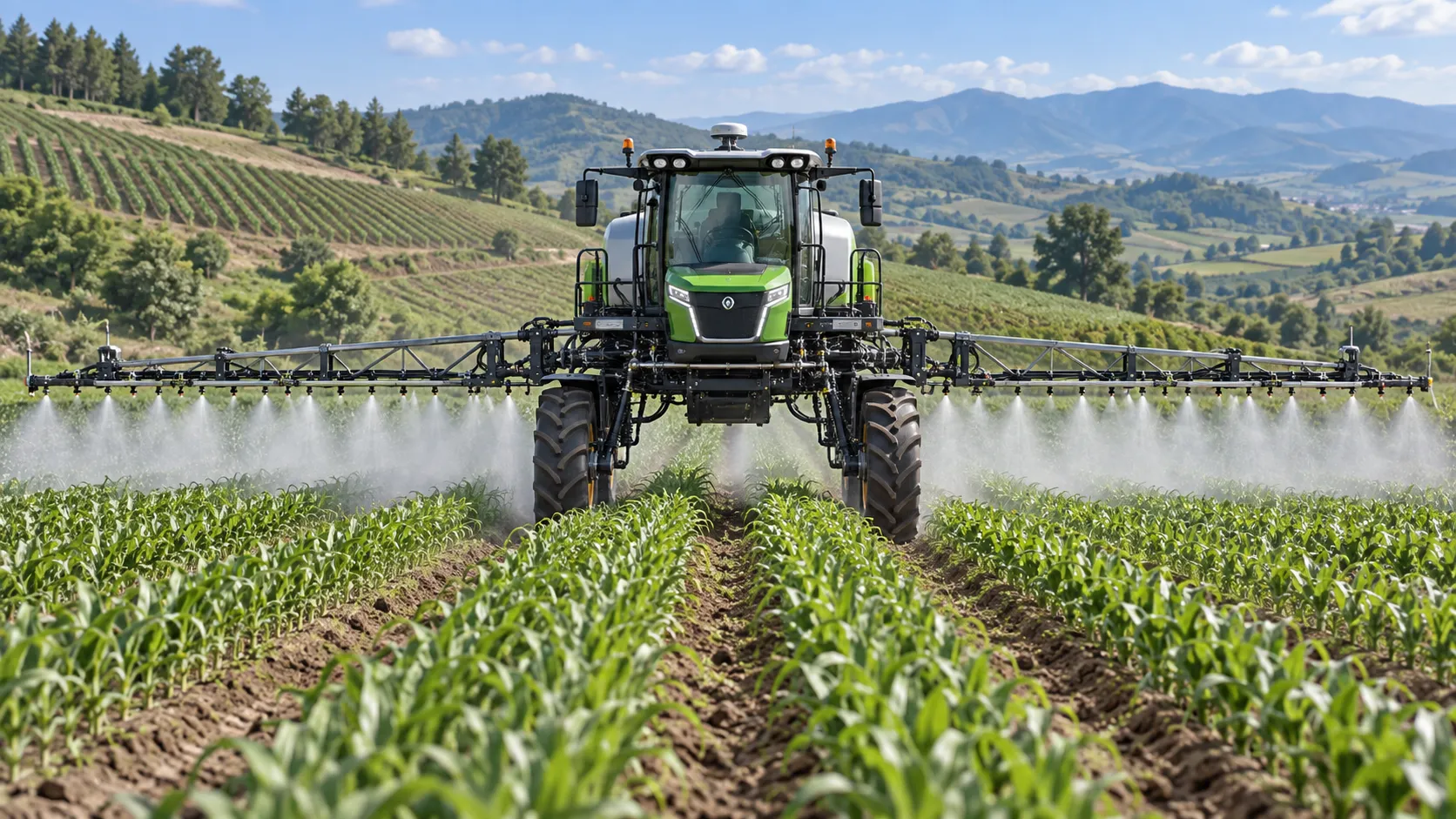
How to Select Precision Crop Protection Equipment for Variable Field Conditions
Precision crop protection equipment selection made simple: compare terrain, canopy, weather, control accuracy, and data workflows for reliable applications.
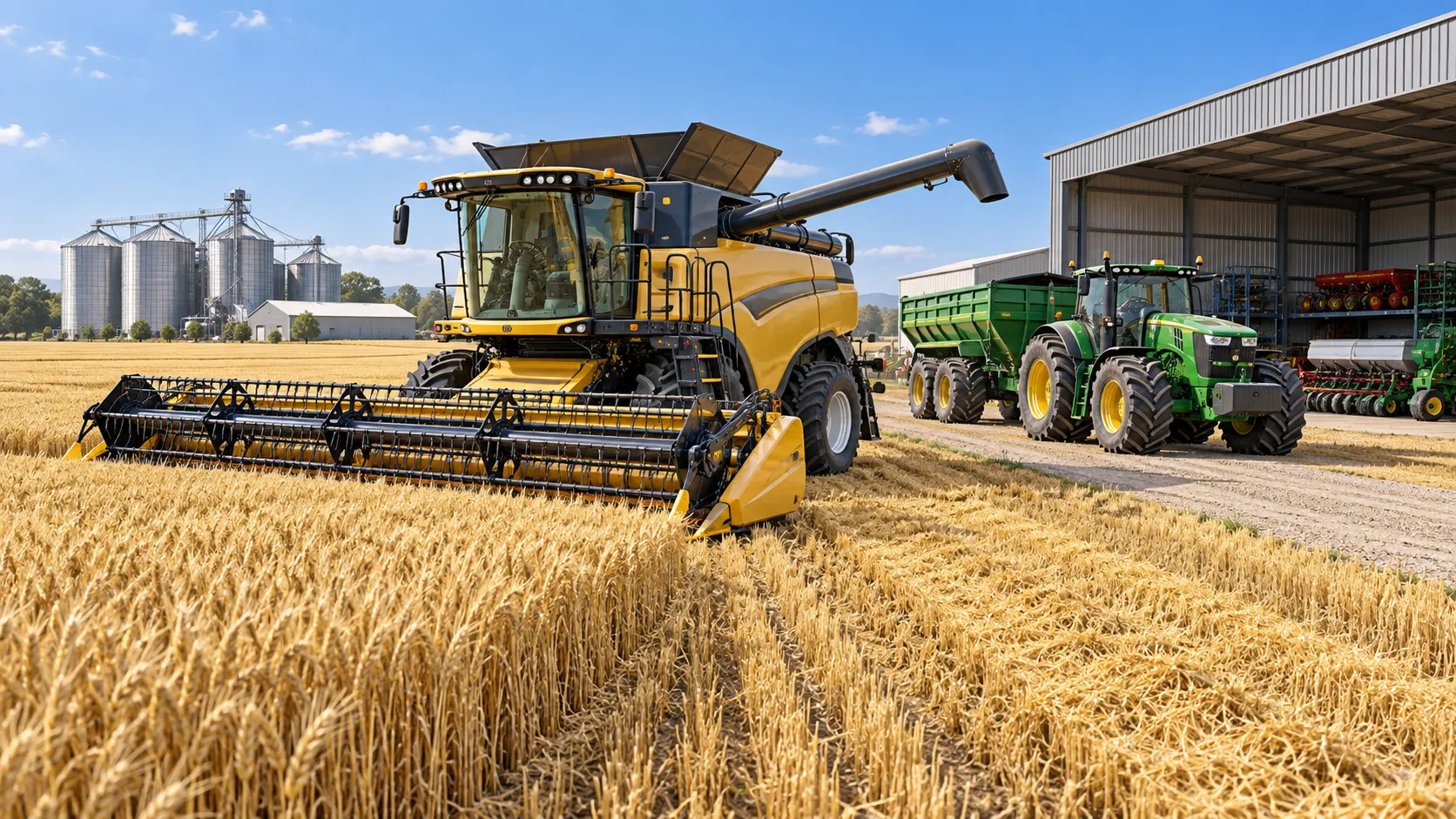
When Does Agricultural Machinery Leasing Cost Less Than Owning Equipment?
Agricultural machinery leasing can lower farm costs when use is seasonal or uncertain. Compare utilization, maintenance, cash flow, and risk to make a smarter equipment decision.
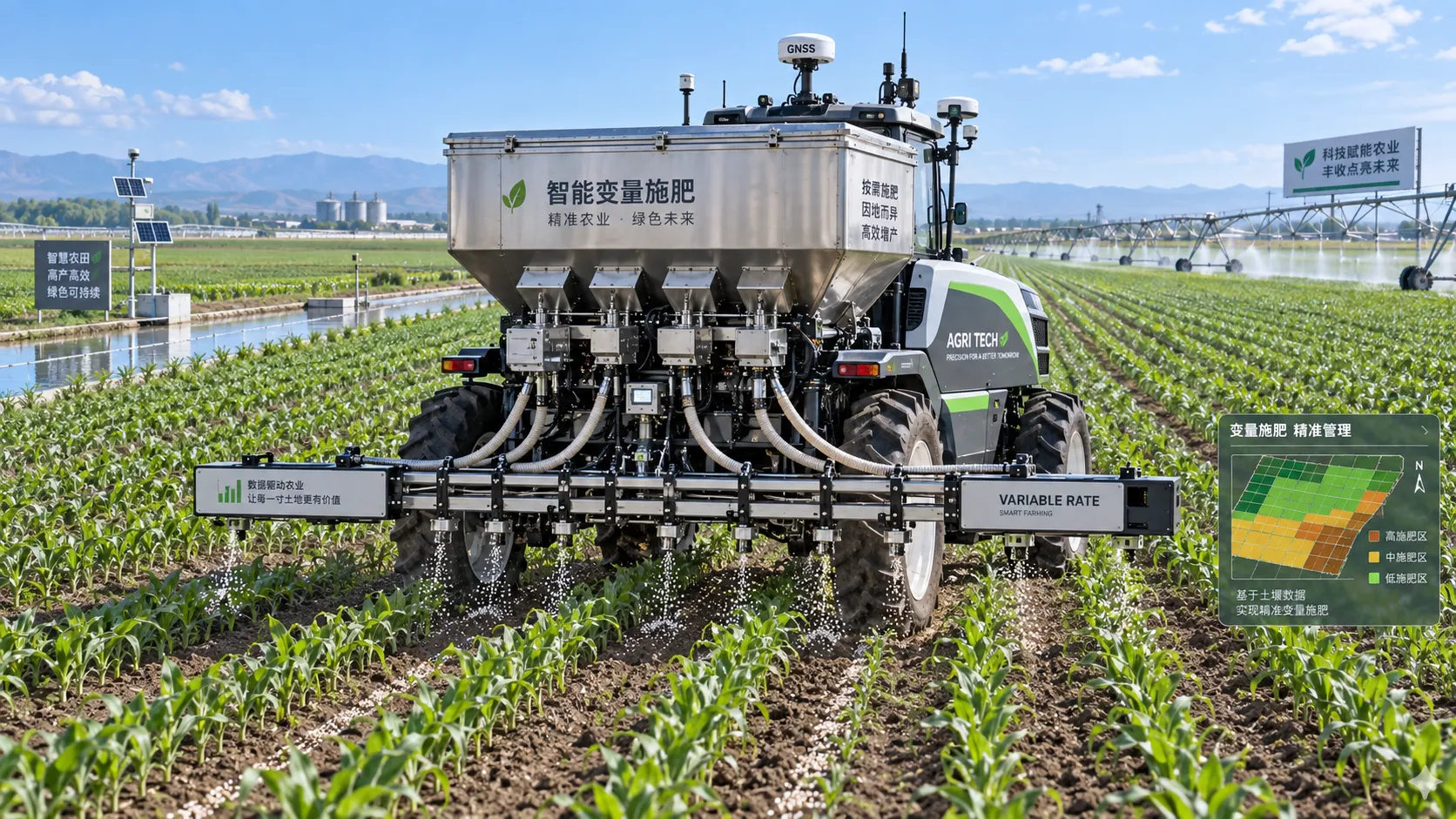
How to Evaluate Precision Fertilization System Suppliers for Farm-Scale Deployment
Precision fertilization systems suppliers: learn how to compare accuracy, integration, uptime, service, and total cost for confident farm-scale deployment.
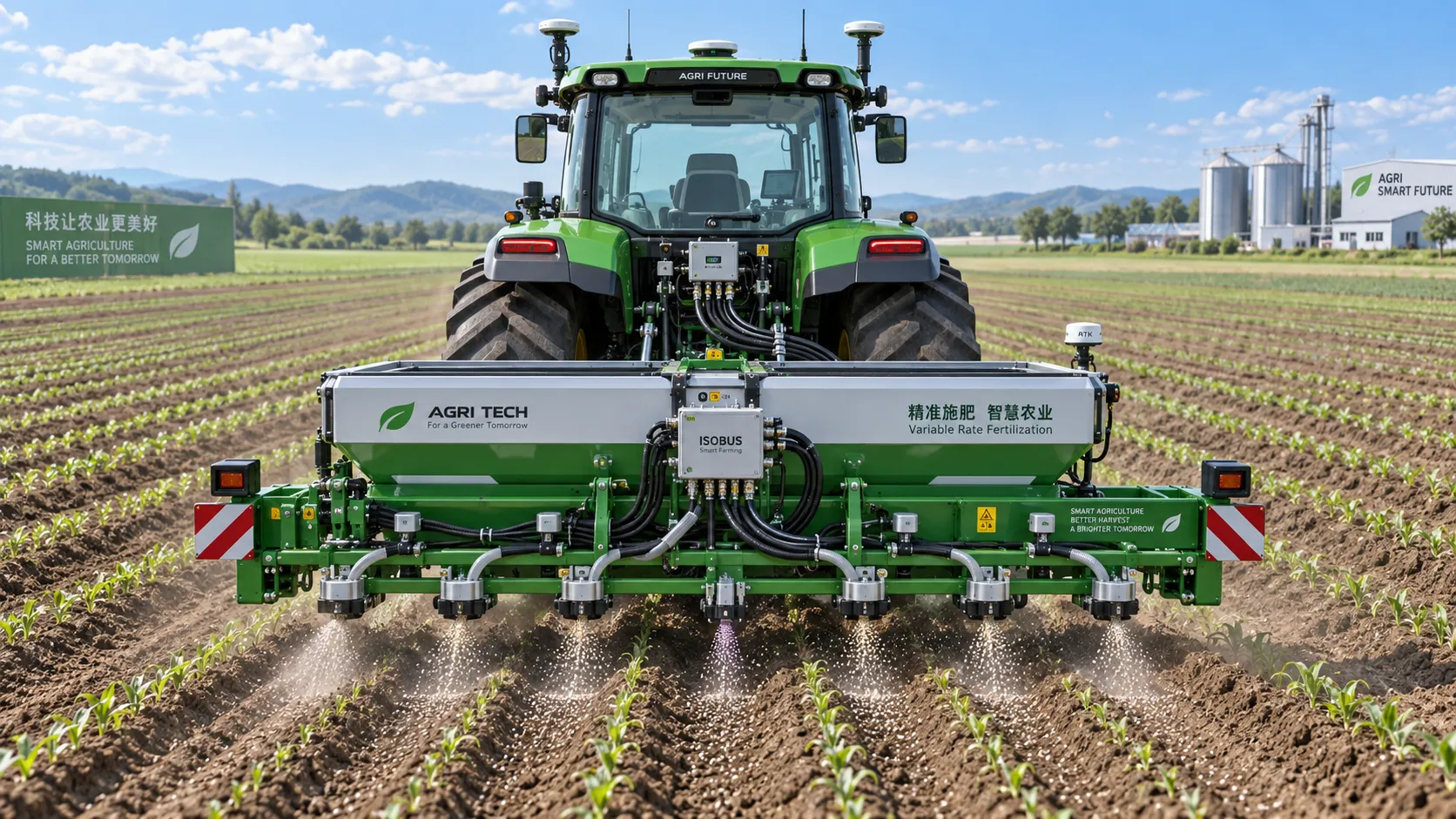
ISOBUS for Smart Agriculture: How It Connects Tractors, Implements, and Farm Data
ISOBUS for smart agriculture connects tractors, implements, terminals, and farm data—helping growers improve precision, documentation, and smarter field decisions.
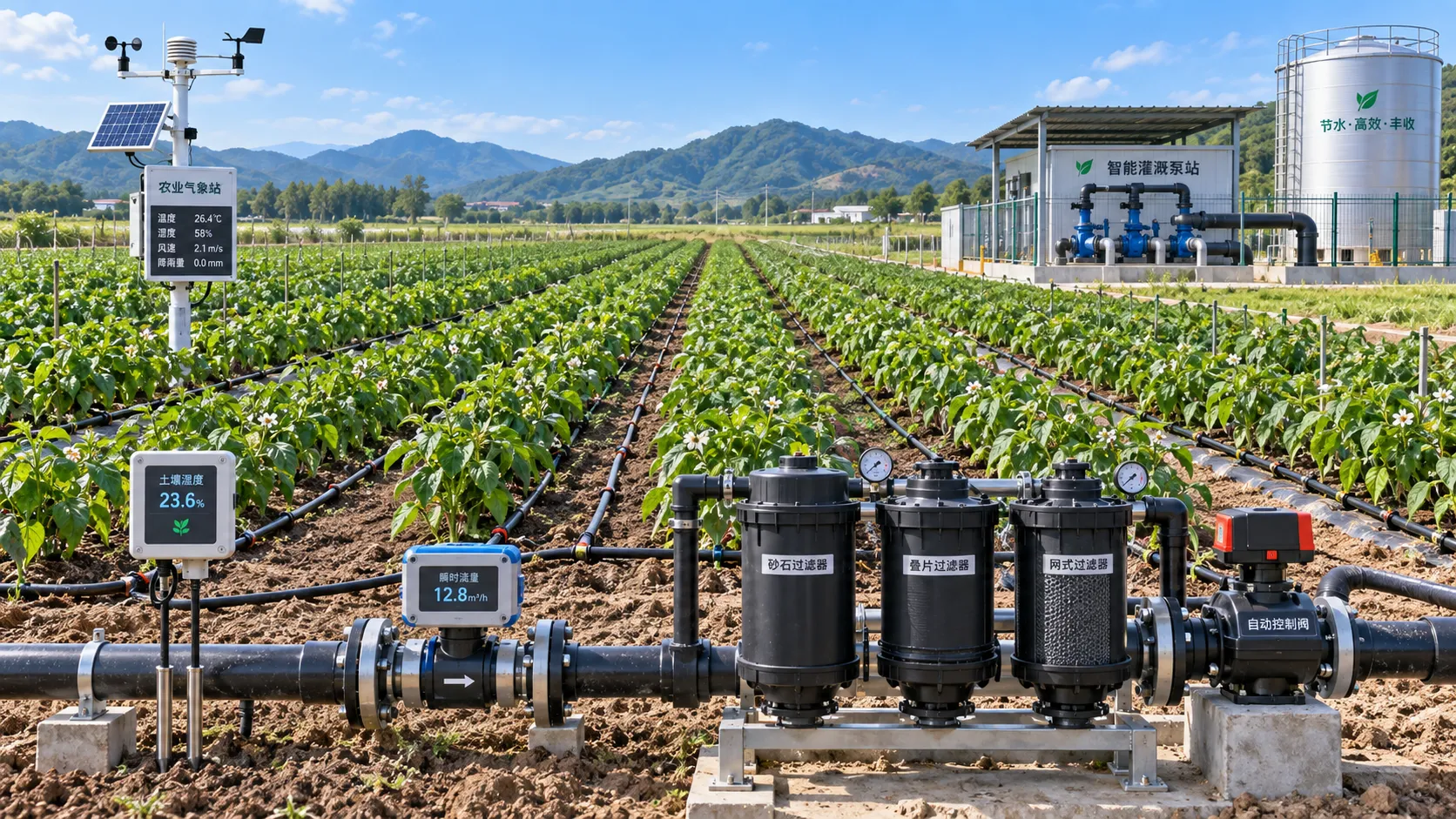
Automated Water-Saving Irrigation: How to Cut Water Use Without Reducing Crop Yields
Automated water-saving irrigation helps farms cut water use, protect crop yields, improve scheduling, and gain reliable control with sensors, flow monitoring, and smart zones.
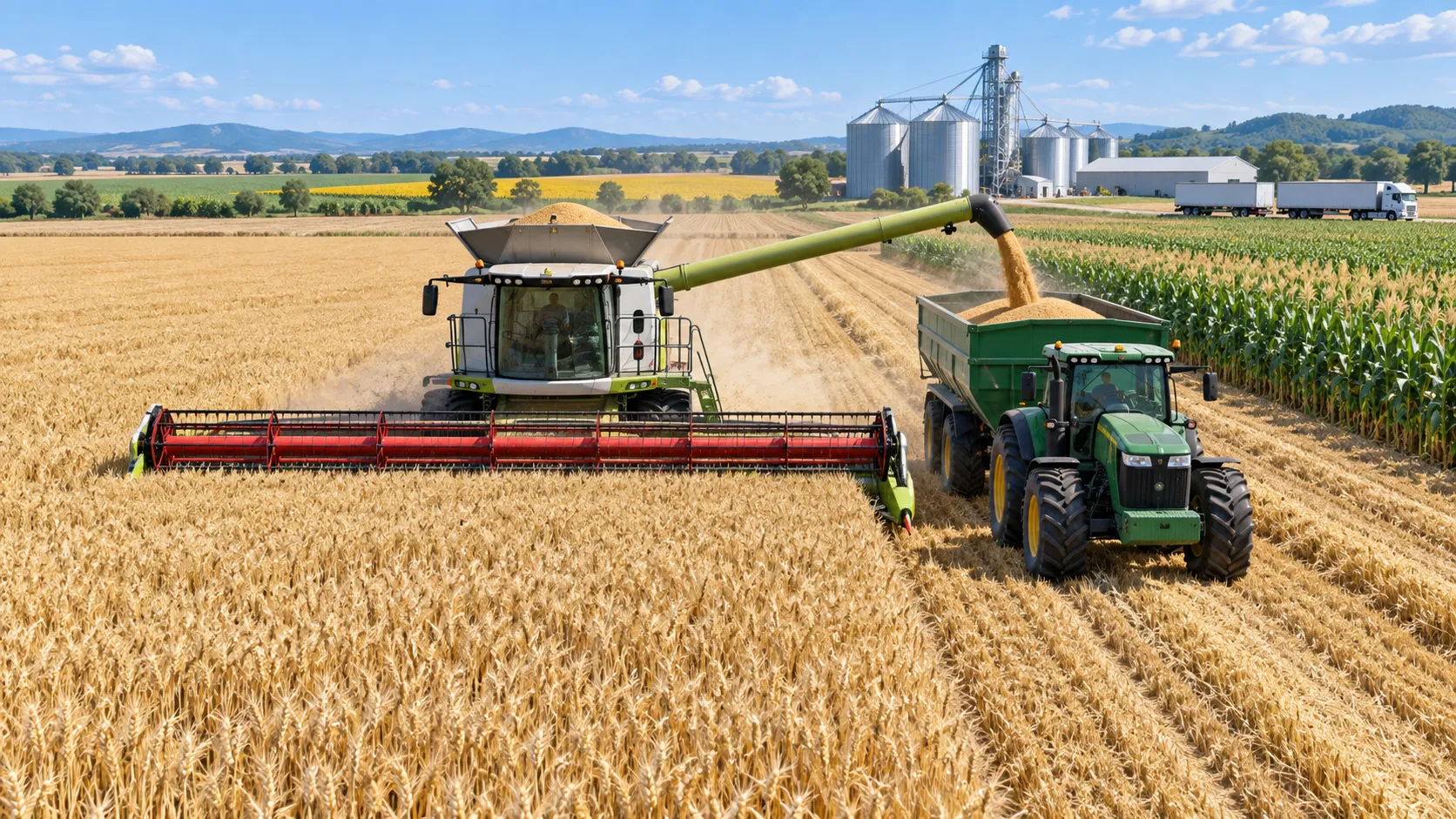
Selecting Grain Farm Equipment by Acreage, Crop Mix, and Harvest Window
Agricultural equipment selection for grain farming: match machinery to acreage, crop mix, and harvest windows to improve uptime, efficiency, and returns.
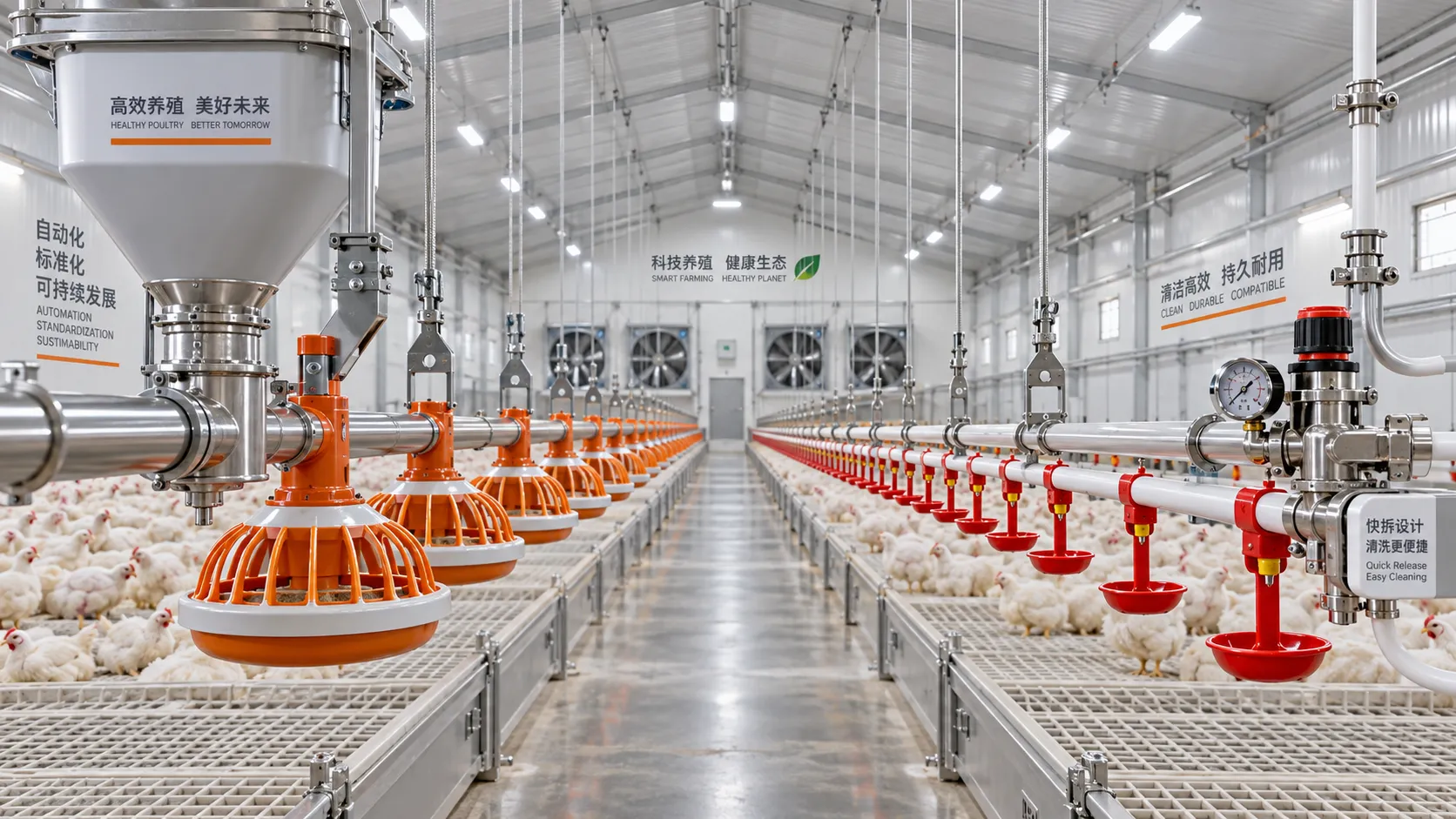
Poultry Equipment Selection: Evaluating Durability, Cleaning, and Compatibility
Poultry equipments selection guide: evaluate durability, cleaning access, and system compatibility to improve hygiene, reduce downtime, and support efficient flock management.
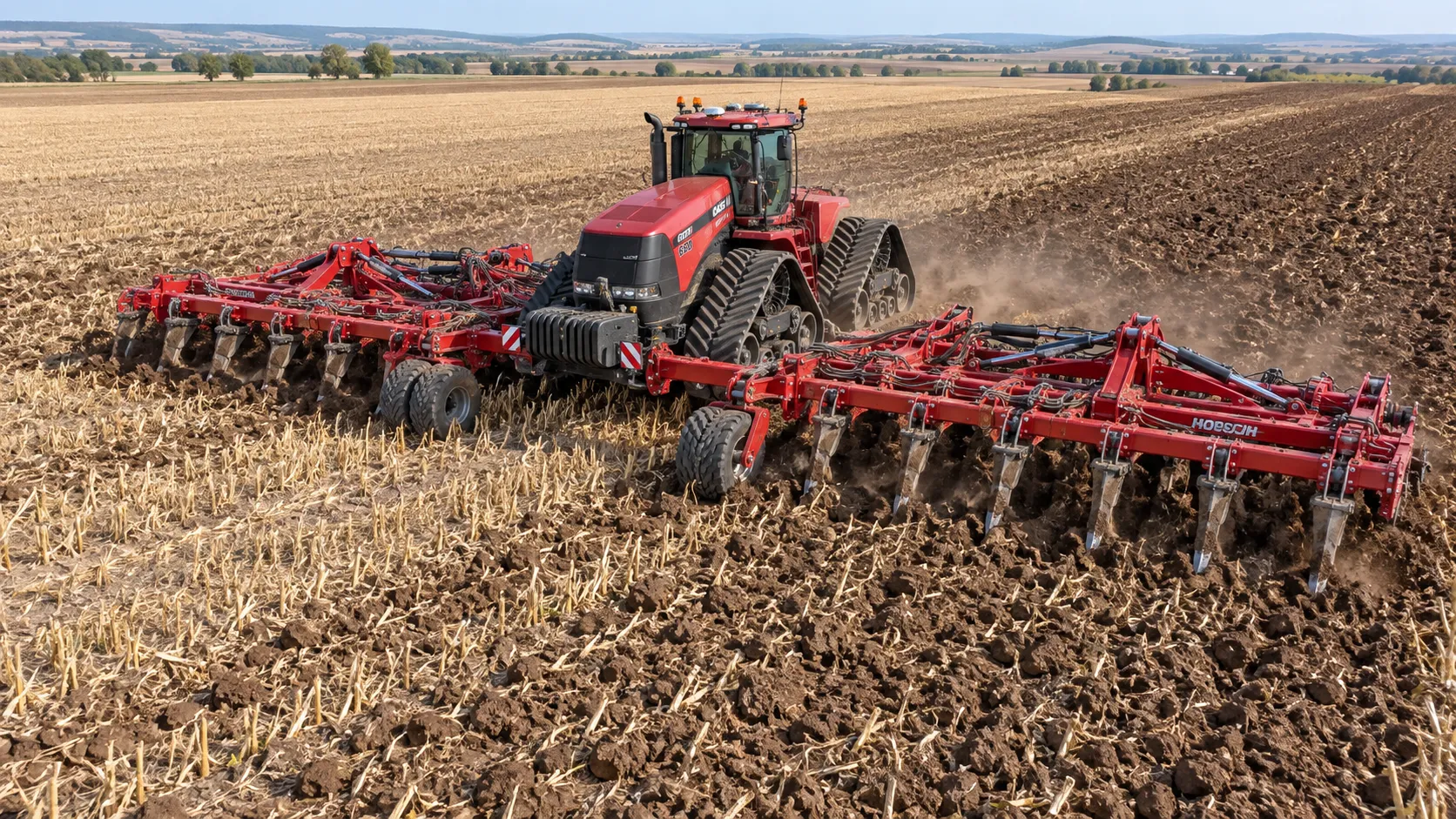
How to Select Heavy-Duty Farm Implements for High-Acreage, High-Horsepower Operations
Heavy duty farm implements: learn how to match draft, hydraulics, hitch capacity, frame strength, and field conditions for reliable high-acreage performance.
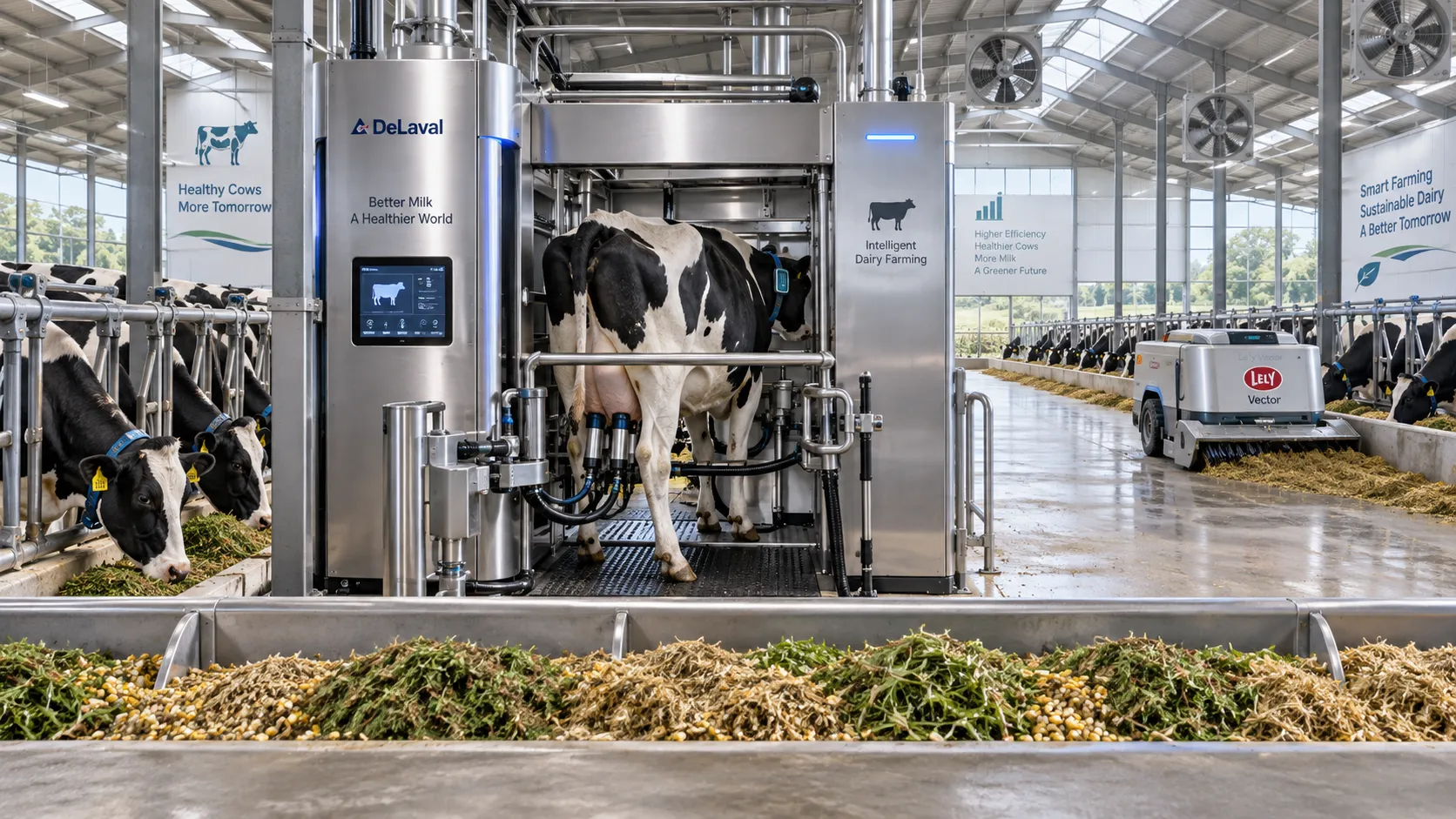
Smart Farming Technology for Dairy Farms: Where Automation Delivers Measurable ROI
Smart farming technology for dairy farms delivers measurable ROI through automation, precision feeding, health monitoring, and data-driven cost control.
Related News
- 00
0000-00
When Does Agricultural Machinery Leasing Cost Less Than Owning Equipment? - 00
0000-00
Selecting Grain Farm Equipment by Acreage, Crop Mix, and Harvest Window - 00
0000-00
Poultry Equipment Selection: Evaluating Durability, Cleaning, and Compatibility - 00
0000-00
How to Select Heavy-Duty Farm Implements for High-Acreage, High-Horsepower Operations - 00
0000-00
Smart Farming Technology for Dairy Farms: Where Automation Delivers Measurable ROI
Popular Tags
Ms. Elena Rodriguez
Weekly Insights
Stay ahead with our curated technology reports delivered every Monday.