
Climate-Smart Farming Trends: What Buyers and Agribusinesses Should Watch
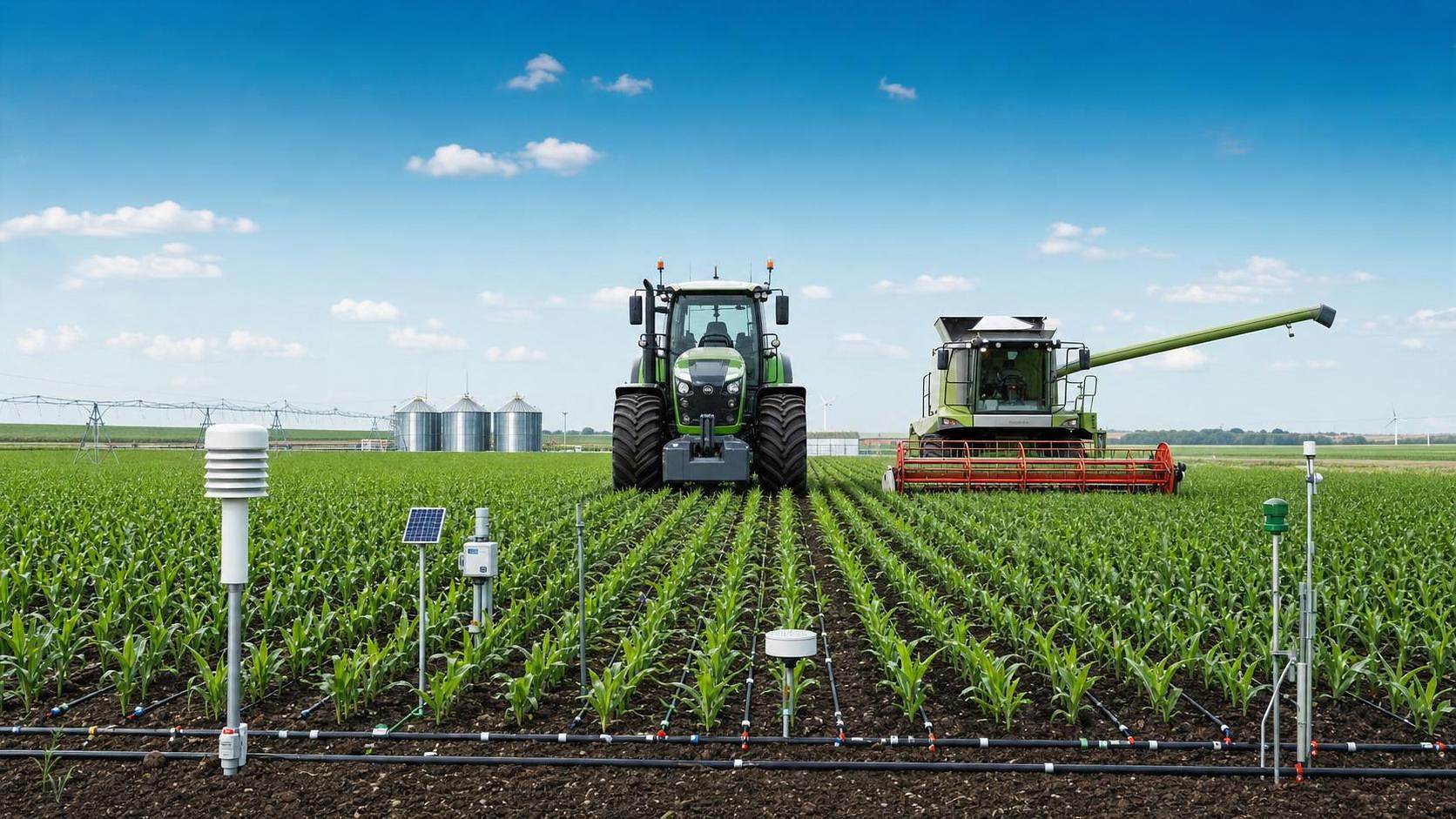




Climate-smart farming is shifting from ambition to operating discipline
Climate-smart farming is no longer framed as a future-friendly option. It is becoming a practical response to unstable rainfall, tighter input margins, and more demanding supply chain expectations.
That shift matters because investment logic is changing at the field level. Equipment, irrigation, data systems, and harvesting performance are now judged by resilience as much as output.
Across global agriculture, the strongest signal is convergence. Mechanical capability, precision algorithms, and sustainability metrics are being evaluated together, not as separate upgrade paths.
This is also why climate-smart farming increasingly sits at the center of strategic intelligence platforms such as AP-Strategy, where machinery performance and resource efficiency are read as linked business variables.
What has changed most in the current market cycle
Recent demand patterns show that climate-smart farming is being shaped by field volatility rather than branding language. Weather risk is now influencing capital allocation earlier in the planning cycle.
Buy-side conversations increasingly focus on three questions. Can a machine protect yield under stress, can water use be controlled more precisely, and can performance be documented for compliance or financing?
More noticeably, high-capacity machinery is being reassessed through a climate lens. A combine harvester is no longer valued only for throughput, but also for low-loss consistency across uneven crop conditions.
The same applies to tractor chassis and intelligent farm tools. Power delivery, hydraulic response, sensor integration, and prescription accuracy all affect whether climate-smart farming performs in real operations.
Water-saving irrigation systems have moved even closer to the core. In many regions, irrigation design now influences both productivity forecasts and long-term land-use confidence.
The signal is not only technical
Climate-smart farming is also being pushed by lenders, insurers, processors, and regulators. Field decisions are increasingly expected to show measurable discipline, not just operational experience.
That creates a different market environment. Decisions now reward systems that generate evidence, reduce variability, and support traceable improvements in fuel, water, nutrient, and harvest efficiency.
Why climate-smart farming trends are becoming more durable
Some market shifts fade when commodity prices soften. Climate-smart farming appears more durable because it is tied to structural pressure rather than short-term sentiment.
Taken together, these forces explain why climate-smart farming is no longer a narrow agronomy topic. It is increasingly an operating model shaped by risk, reporting, and asset productivity.
The biggest impacts are happening across connected equipment decisions
One common mistake is to treat climate-smart farming as an add-on technology layer. In practice, its value often depends on how well core machines and smart systems work together.
For large-scale agri-machinery, the issue is field adaptability. Machines must maintain stable performance despite soil variation, heat stress, or shorter operating windows after extreme weather.
For combine harvesters, loss management is moving higher on the agenda. Cleaning systems, sensing feedback, and crop-flow control are becoming climate-smart farming priorities, not only harvest engineering details.
For tractor chassis, attention is shifting toward transmission efficiency, traction stability, and hydraulic responsiveness. These factors influence fuel use, implement precision, and soil impact during difficult seasons.
For intelligent farm tools, climate-smart farming depends on reliable prescriptions. Variable-rate seeding, spraying, and fertilization only create value when maps, sensors, and machine execution stay aligned.
Irrigation may be the clearest example of this connected logic. Smart networks now combine hydrological modeling, sensor feedback, and localized delivery to support water resilience rather than simple distribution.
Where the market is becoming more selective
- Systems that quantify water savings under variable climate conditions
- Harvest platforms that reduce losses in inconsistent crop density
- Equipment architectures that integrate sensors without workflow friction
- Powertrain and chassis solutions that improve field efficiency per hectare
- Decision tools that connect agronomic data with equipment deployment timing
This selectivity favors suppliers and operators who can present climate-smart farming outcomes in operational terms, not just environmental language.
Precision data is becoming the bridge between sustainability and margin control
A few years ago, digital agriculture was often sold on visibility. Today, climate-smart farming requires data to support action, timing, and measurable correction.
That is why intelligence functions are gaining weight. Platforms that combine market shifts, environmental policy, and machine-level performance are helping businesses judge not only what to buy, but when to deploy.
AP-Strategy’s focus on mechanization, harvesting performance, tractor systems, intelligent tools, and water-saving irrigation reflects this broader reality. The value sits in the stitching together of signals.
In climate-smart farming, isolated data often creates noise. Joined-up intelligence can reveal whether a water-saving investment, a new chassis platform, or a precision application upgrade will actually strengthen resilience.
This matters especially in long-cycle agri-trade. Asset decisions are expensive, and the penalty for choosing a system that cannot adapt to climate or policy shifts is rising.
What deserves closer attention over the next planning horizon
The next phase of climate-smart farming will likely be less about announcing green ambitions and more about proving field-level repeatability across seasons.
Three areas deserve especially close watching.
- Hybrid and electric support systems in heavy machinery, where efficiency and emissions targets start to intersect more directly
- Transpiration-aware irrigation models, which can improve water scheduling beyond static calendar methods
- Autonomous and semi-autonomous operations, especially where labor pressure and precision requirements meet
More subtle signals also matter. Contract requirements may begin to reference performance evidence, while financing terms may increasingly reward climate-smart farming systems with better operational transparency.
This does not mean every business needs the same technology stack. It means the evaluation standard is changing toward adaptability, traceability, and resource productivity.
A practical response starts with better comparison, not bigger promises
The most effective response to climate-smart farming trends is usually disciplined comparison. That starts by reviewing where climate exposure is already affecting costs, yield stability, or equipment performance.
It also helps to compare solutions using a tighter set of questions.
- Which assets improve field performance under variable moisture or heat conditions?
- Where can climate-smart farming data support financing, compliance, or contract readiness?
- Which irrigation and machinery upgrades reduce waste without adding operational complexity?
- How well do current systems connect agronomic insight with machine execution?
The strongest market position will likely belong to organizations that treat climate-smart farming as a coordinated capability. The goal is not more tools alone, but sharper alignment across equipment, data, water, and timing.
From here, the sensible next step is to map current assets against emerging climate-smart farming demands, track which performance indicators matter most, and build a phased response plan before pressure forces reactive decisions.
Related News
How to Evaluate Agricultural Product Information Sources for Reliable Farm Decisions
Agricultural product information reference guide: evaluate reliable farm data, verify claims, and make smarter machinery, irrigation, and crop decisions.
Farm Machinery Guide: Matching Tractor Horsepower and Implements to Farm Size
Farm machinery guide for tractors: match horsepower, implement width, hydraulics, traction, and fleet capacity to farm size for lower costs and reliable field performance.
How to Evaluate Drip Irrigation System Manufacturers for Large Farm Projects
Drip irrigation systems manufacturer evaluation guide for large farms: compare hydraulic design, filtration, quality control, scalability, delivery, and support.
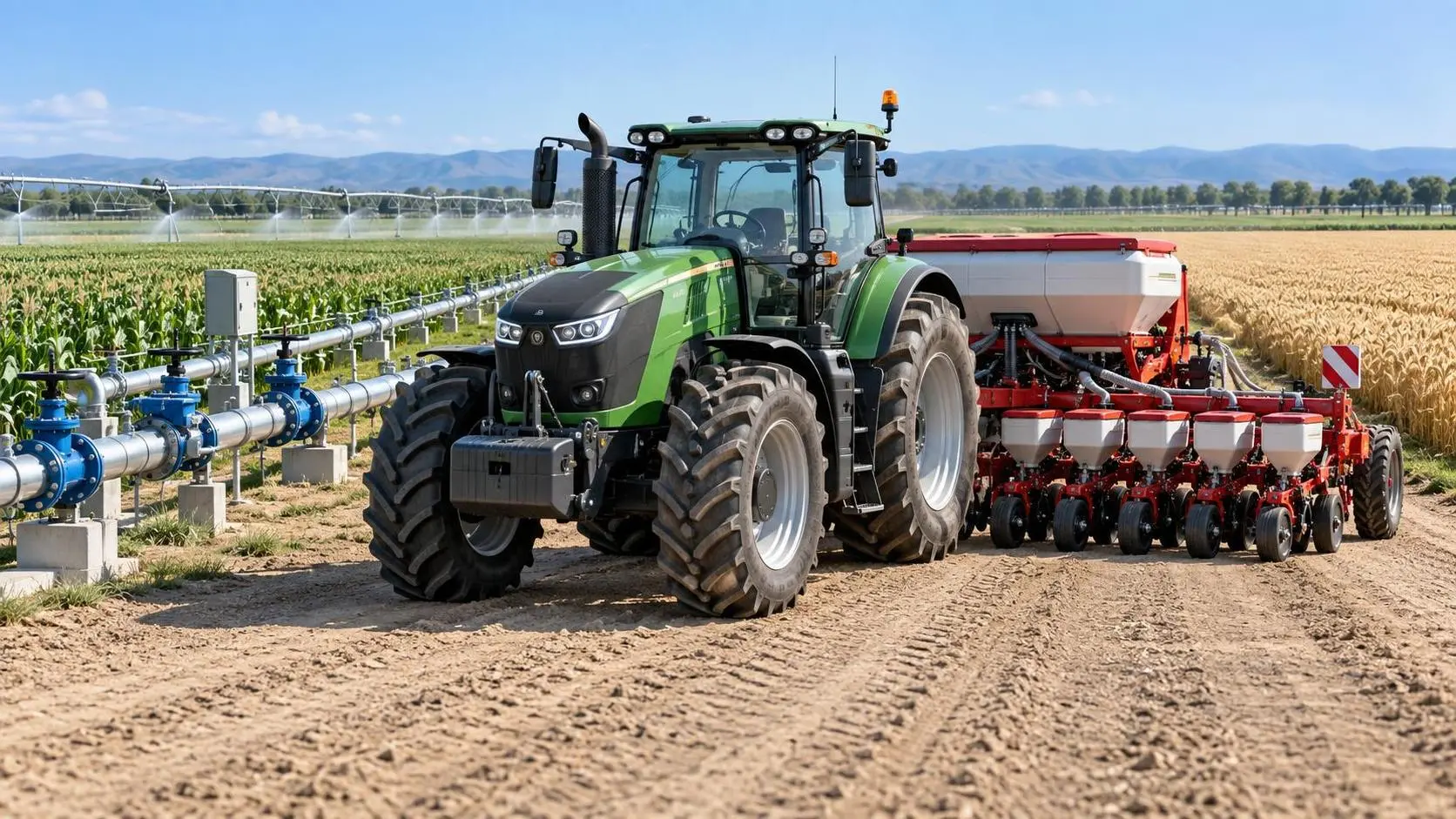
Specification Planning: A Practical Framework for Defining Equipment Requirements
Application guidance for specification planning: define measurable equipment requirements, prioritize performance, and avoid costly procurement mistakes.

How North American Farms Can Select Crop Monitoring Systems by Acreage and Connectivity
Crop monitoring systems North America: learn how to match acreage, connectivity, sensors, and data workflows for reliable, actionable farm decisions.

Where to Find Reliable Product Information for Comparing Farm Equipment
Product information resources agriculture buyers can trust: compare farm equipment with technical specs, manuals, field data, dealer support, and lifecycle insights.
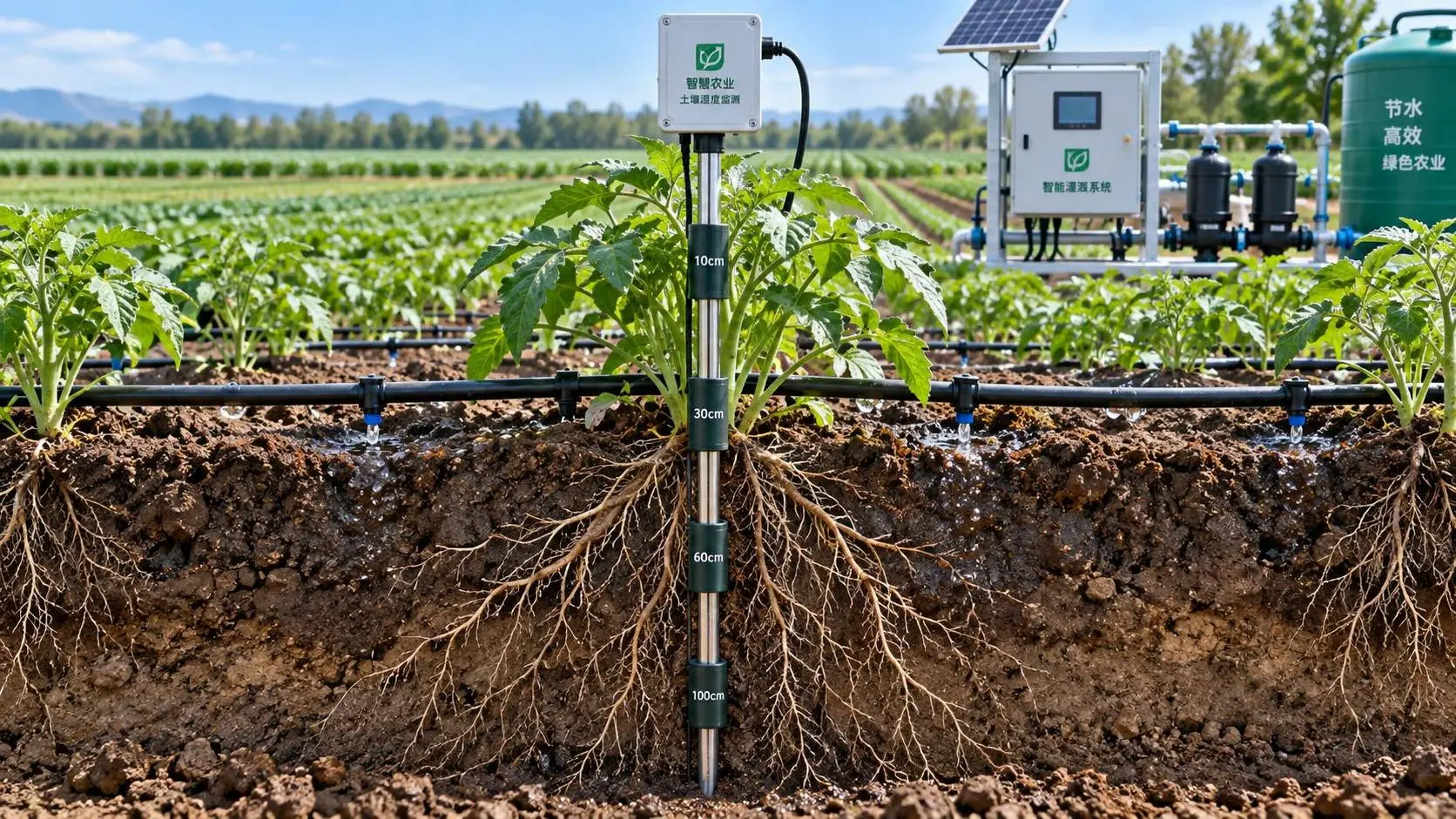
Selecting Real-Time Soil Moisture Sensors for Irrigation Zone Control
Soil moisture sensors real time: learn how to select reliable probes, optimize zone control, improve irrigation decisions, and scale precision water management.
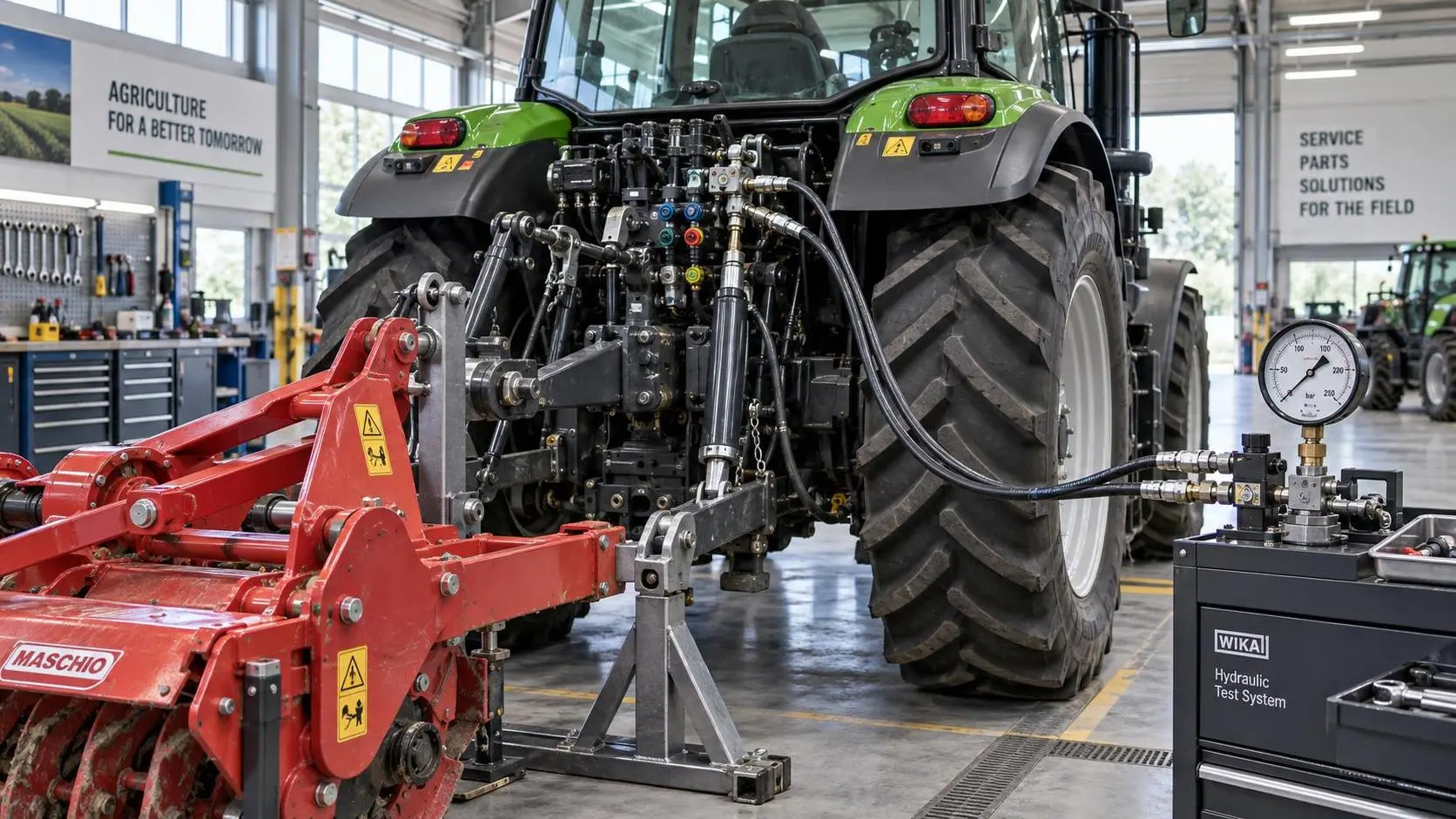
Tractor Hydraulic Systems Troubleshooting: Diagnosing Weak Lift and Slow Implements
Tractor hydraulic systems troubleshooting made practical: diagnose weak lifts and slow implements with proven pressure, flow, valve, and oil-supply checks.
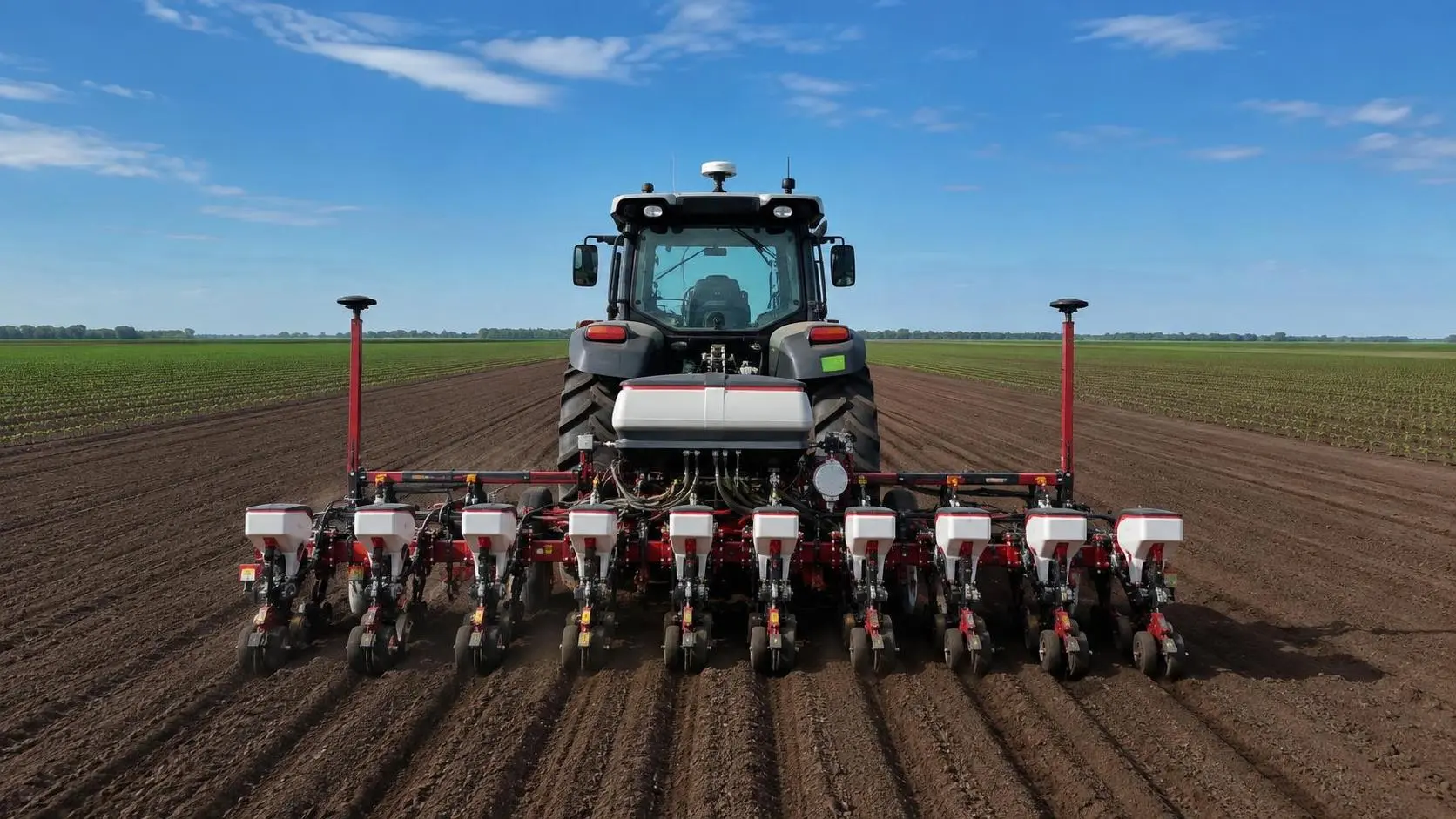
How Tractor Intelligence Systems Improve Field Efficiency and Input Accuracy
Agricultural machinery intelligence for tractors improves field efficiency, input accuracy, data traceability, and implement control. Explore smarter evaluation strategies.
Related News
- 00
0000-00
How to Evaluate Agricultural Product Information Sources for Reliable Farm Decisions - 00
0000-00
Farm Machinery Guide: Matching Tractor Horsepower and Implements to Farm Size - 00
0000-00
Specification Planning: A Practical Framework for Defining Equipment Requirements - 00
0000-00
Where to Find Reliable Product Information for Comparing Farm Equipment - 00
0000-00
How to Evaluate Crop Monitoring System Manufacturers for Large-Scale Farms
Popular Tags
Ms. Elena Rodriguez
Weekly Insights
Stay ahead with our curated technology reports delivered every Monday.