
What Is Smart Farming Technology and Which Tasks Can It Automate on the Farm?
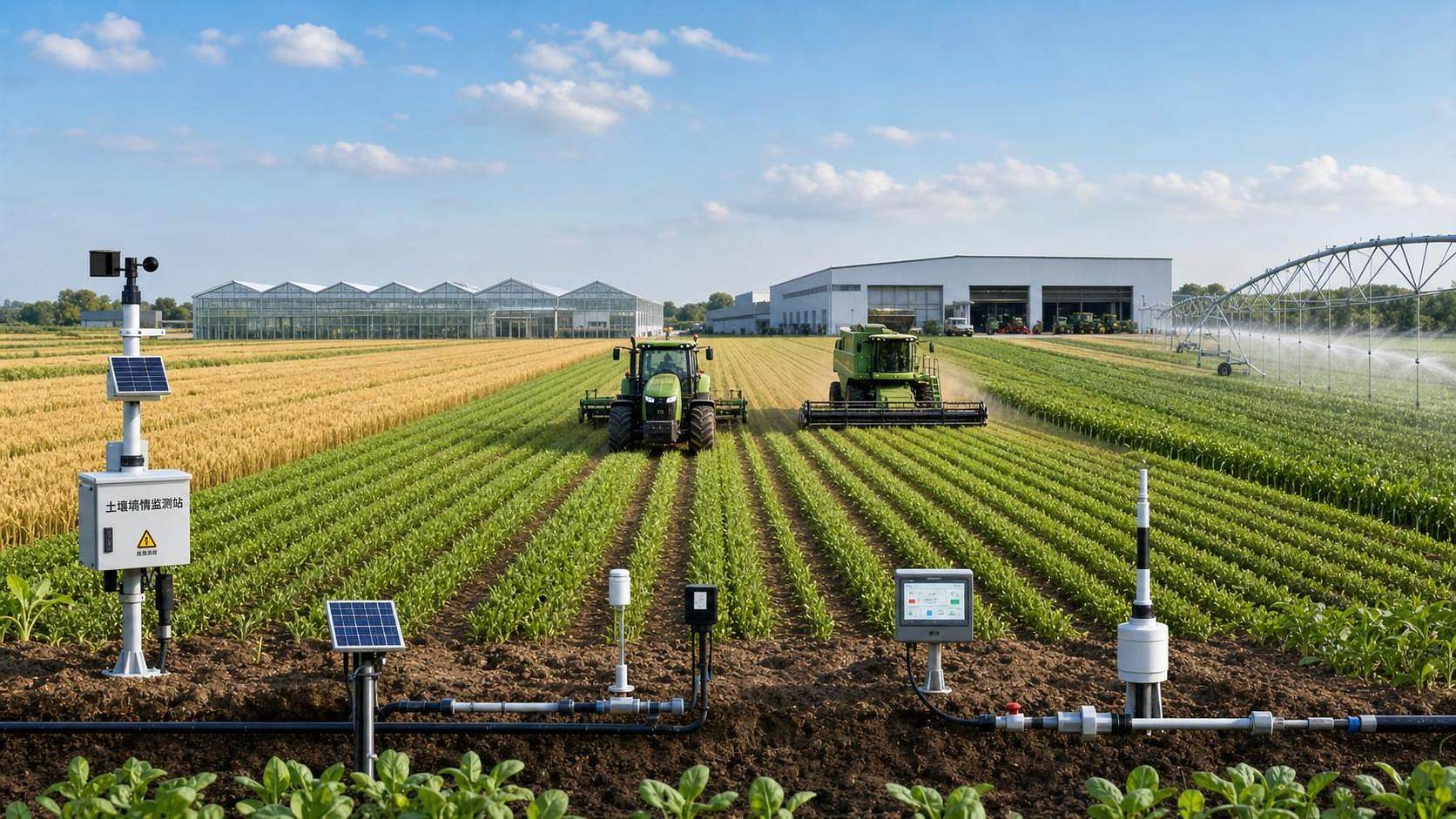




Smart farming technology is no longer a futuristic label. It is the practical layer connecting machinery, sensors, software, and field decisions across modern agriculture.
In simple terms, smart farming technology turns farm data into action. It helps reduce waste, improve timing, and automate repetitive work without removing human judgment.
That matters because weather shifts faster, input costs stay volatile, and labor gaps remain real. Farms need systems that react quickly, not just equipment that works harder.
Across the Agriculture 4.0 landscape, attention has moved beyond single machines. The bigger question is how tractors, harvesters, irrigation networks, and sensing tools work together.
This is also why platforms such as AP-Strategy track not only equipment performance, but the intelligence linking power chassis, harvesting efficiency, irrigation precision, and sustainability targets.
What does smart farming technology actually include?
A common misunderstanding is to treat smart farming technology as one product. In reality, it is a system of connected tools supporting decisions and automated execution.
It usually combines four layers. First comes data capture. Then analysis. After that, machine control. Finally, there is feedback for adjustment.
- Sensors in soil, crops, engines, tanks, and irrigation lines
- Satellite positioning, mapping, and field boundary guidance
- Farm software that compares moisture, growth, fuel use, and task progress
- Connected equipment that follows variable-rate or automated instructions
So when people ask what smart farming technology means, the better answer is this: it is the operating logic that helps farms sense, decide, and act with more precision.
That can involve large-scale agri-machinery, combine harvesting systems, tractor chassis control, intelligent farm tools, and water-saving irrigation. The value comes from coordination, not isolated hardware.
Which farm tasks can smart farming technology automate today?
This is where smart farming technology becomes easier to understand. Its role is not abstract. It already automates several field tasks that once depended on manual observation or rough estimates.
The strongest use cases are usually tasks with repeated routes, measurable inputs, or timing-sensitive decisions.
In actual use, irrigation and guidance systems often deliver the fastest visible gains. Harvest automation becomes especially important when timing windows are short and crop loss risks rise quickly.
That is one reason AP-Strategy places so much emphasis on combine harvesting benchmarks and intelligent irrigation networks. These are areas where precision directly affects profit, resource use, and food security.
Is it only for large farms and expensive machinery?
Not necessarily. Large operations often adopt smart farming technology earlier because they manage more acres, more machines, and more scheduling complexity.
Still, adoption is not defined only by farm size. It depends more on whether a task is costly, repetitive, and measurable.
For example, a smaller operation in a water-stressed region may benefit greatly from sensor-based irrigation control. A high-value crop grower may gain more from selective spraying than from full vehicle autonomy.
On the other hand, very large grain operations often see stronger returns from fleet coordination, tractor guidance, harvester loss monitoring, and predictive maintenance.
A useful way to judge fit is to ask three questions:
- Which task creates the most repeatable waste or delay?
- Which input is hardest to control accurately by eye?
- Where does one missed day cause the biggest financial impact?
When the answer is clear, smart farming technology stops being a broad concept and becomes a targeted operational tool.
How is smart farming technology different from basic farm mechanization?
Mechanization gives farms power and speed. Smart farming technology adds memory, measurement, and adjustment.
A conventional machine performs a task. A smart system helps decide how, where, and when that task should change across conditions.
Take a tractor as an example. A standard tractor delivers pulling power. A smarter setup may add autosteer, terrain-aware transmission control, route optimization, and operating data feedback.
The same logic applies to combine harvesters. Traditional harvesting depends heavily on operator experience. Smart farming technology can monitor cleaning loss, grain flow, moisture shifts, and throughput in real time.
That does not replace skilled operators. More often, it supports them with better timing and fewer blind spots.
This distinction matters in investment planning. Buying machinery is not the same as building an intelligent operating system around that machinery.
What should you check before adopting smart farming technology?
Many adoption problems begin with the wrong starting point. The issue is often not the technology itself, but poor matching between tools, field conditions, and workflow.
Before selecting any system, it helps to review the practical side first.
- Data quality: unreliable sensors create unreliable decisions
- Connectivity: weak coverage can interrupt syncing and remote control
- Machine compatibility: old implements may not integrate smoothly
- Maintenance support: automation still needs calibration and service
- Operator workflow: a complex dashboard can slow adoption
Cost should also be viewed in layers. There is the purchase cost, but also setup time, staff learning, software subscriptions, replacement parts, and seasonal downtime risk.
In practice, the best rollout often starts with one measurable pain point. Irrigation scheduling, seeding precision, or harvesting loss control are common entry points.
That measured approach aligns with how AP-Strategy evaluates global equipment trends. Strong systems are judged by field performance, algorithm quality, and resource efficiency together.
Where do farms misjudge the value of automation most often?
One common mistake is expecting full autonomy to be the main value. In many cases, the biggest gains come earlier from partial automation and better data discipline.
Another mistake is focusing only on labor savings. Smart farming technology also reduces overlap, missed application zones, unstable water use, and hidden harvest losses.
There is also a timing mistake. Some operations invest in advanced equipment before establishing clean field maps, maintenance routines, or basic sensor validation.
A more balanced view is to treat automation as a sequence:
- Measure field and machine conditions accurately
- Use that data to guide one critical task
- Confirm whether variation, waste, or delay actually drops
- Expand only after results are visible and repeatable
That is usually a stronger path than chasing the most advanced feature set from the beginning.
So, what is the smartest next step?
If the goal is to understand smart farming technology clearly, start by linking it to one field outcome: lower water use, better harvest recovery, tighter input control, or less machine downtime.
From there, compare which task can be measured most easily and improved most quickly. That creates a clearer basis for evaluating systems, suppliers, and expected payback.
Smart farming technology works best when it connects agronomy, machinery, and decision timing. It is not just digital farming language. It is operational precision that can now be automated in meaningful ways.
A practical next move is to map current bottlenecks, define two or three key performance indicators, and compare solutions by compatibility, data accuracy, service support, and seasonal reliability.
For anyone tracking Agriculture 4.0 seriously, that step-by-step evaluation is often more valuable than chasing broad promises. It turns smart farming technology into a workable farm strategy.
Related News
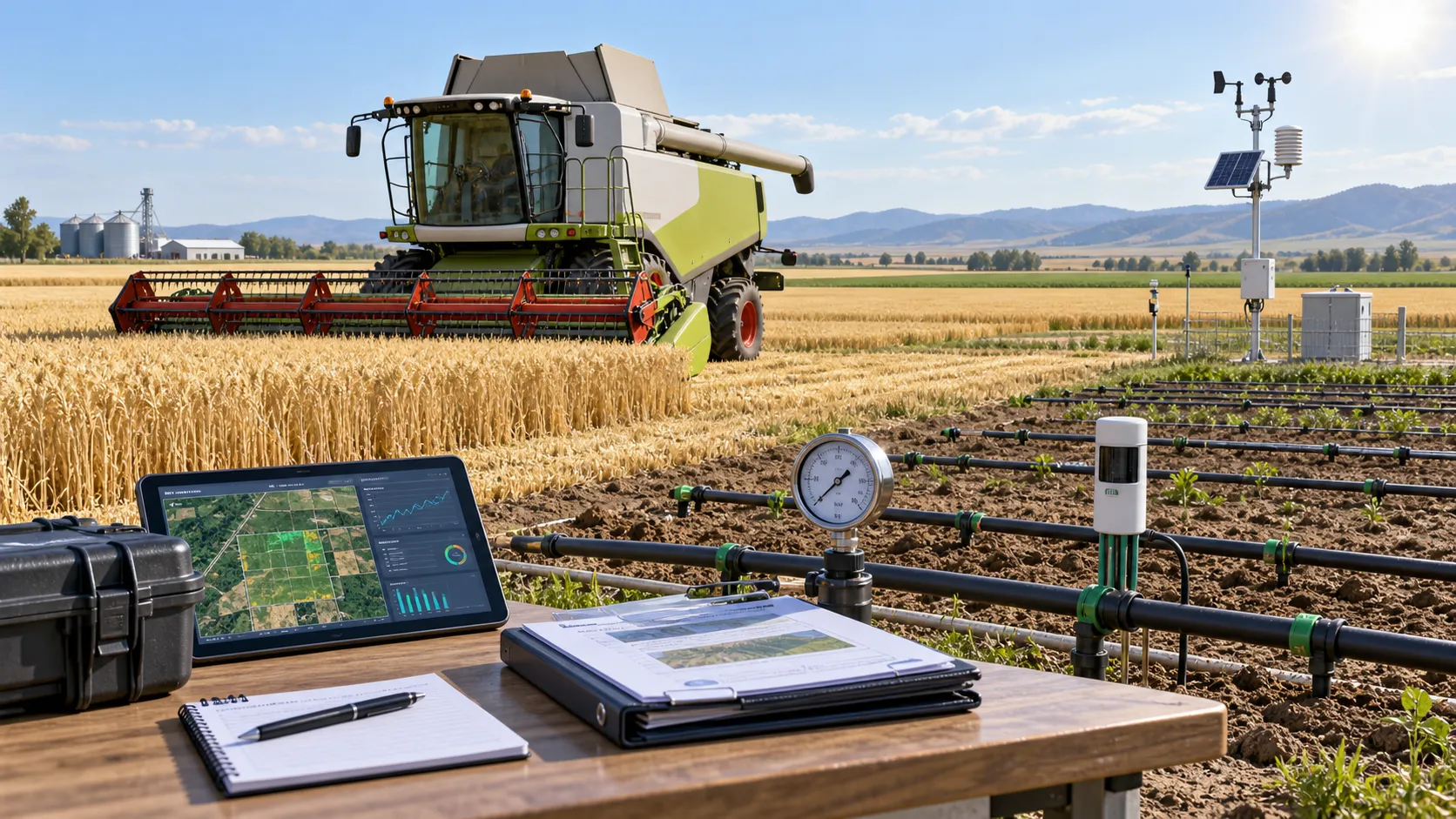
How to Evaluate Agricultural Product Information Sources for Reliable Farm Decisions
Agricultural product information reference guide: evaluate reliable farm data, verify claims, and make smarter machinery, irrigation, and crop decisions.
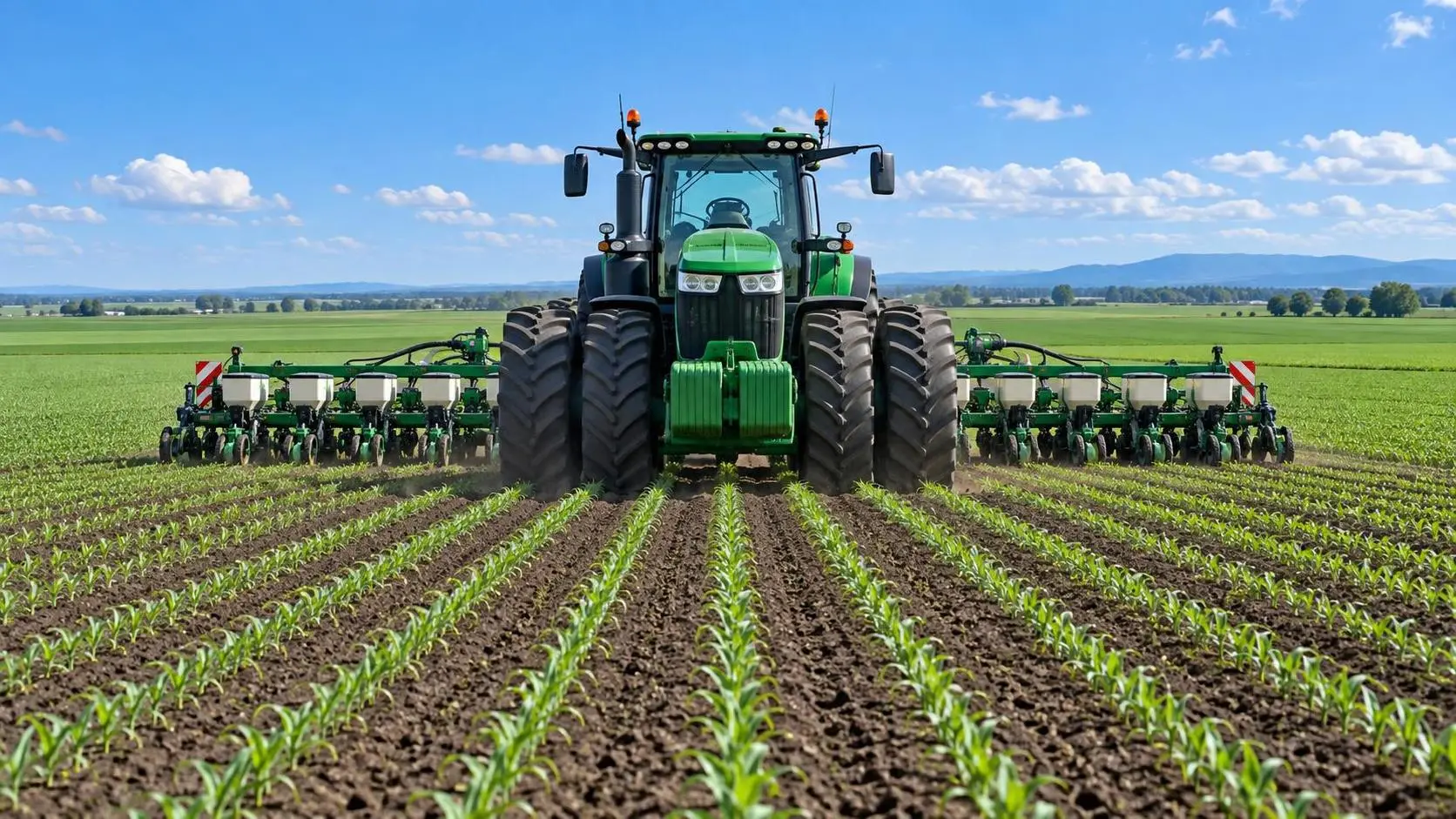
Farm Machinery Guide: Matching Tractor Horsepower and Implements to Farm Size
Farm machinery guide for tractors: match horsepower, implement width, hydraulics, traction, and fleet capacity to farm size for lower costs and reliable field performance.
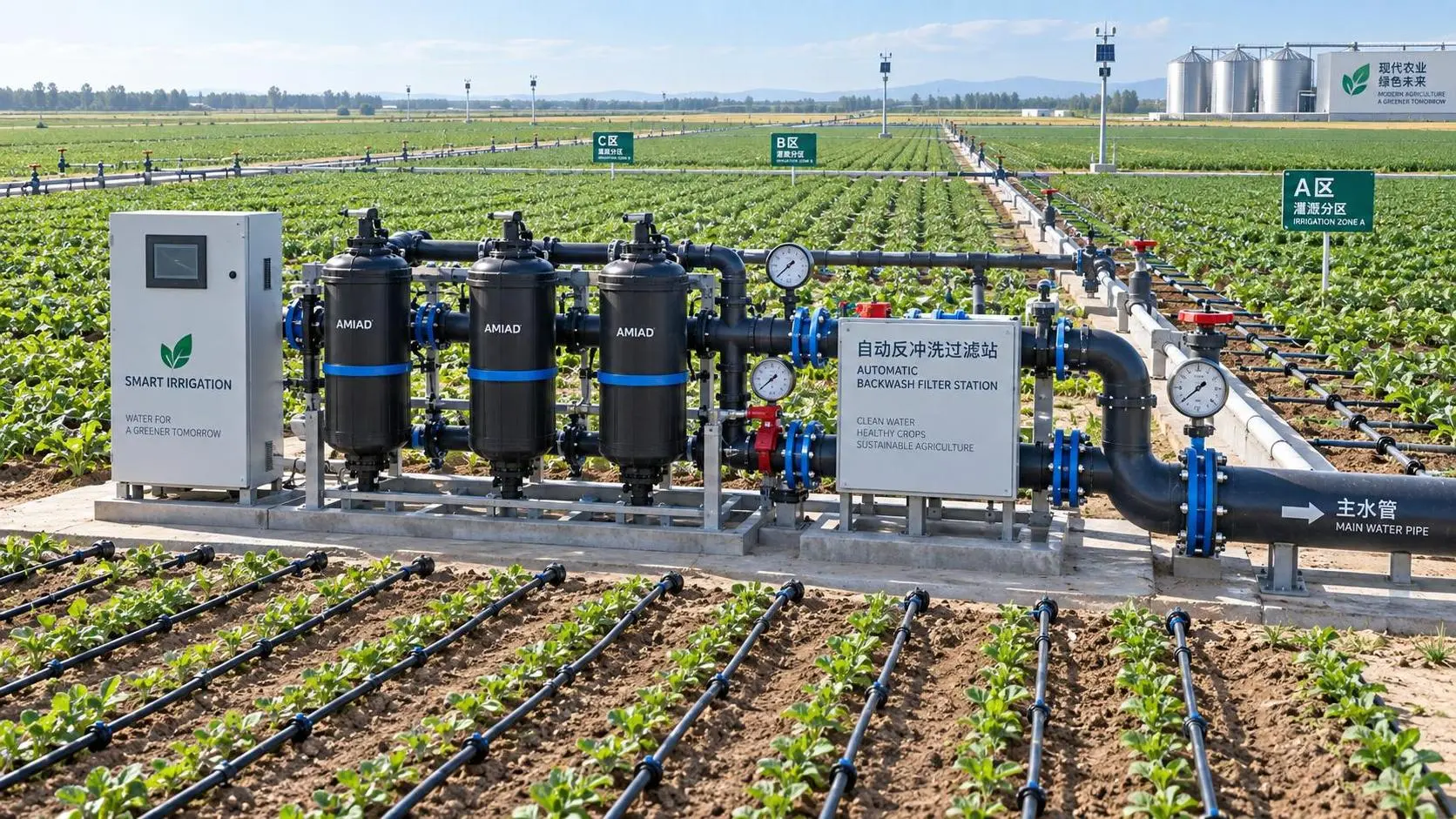
How to Evaluate Drip Irrigation System Manufacturers for Large Farm Projects
Drip irrigation systems manufacturer evaluation guide for large farms: compare hydraulic design, filtration, quality control, scalability, delivery, and support.
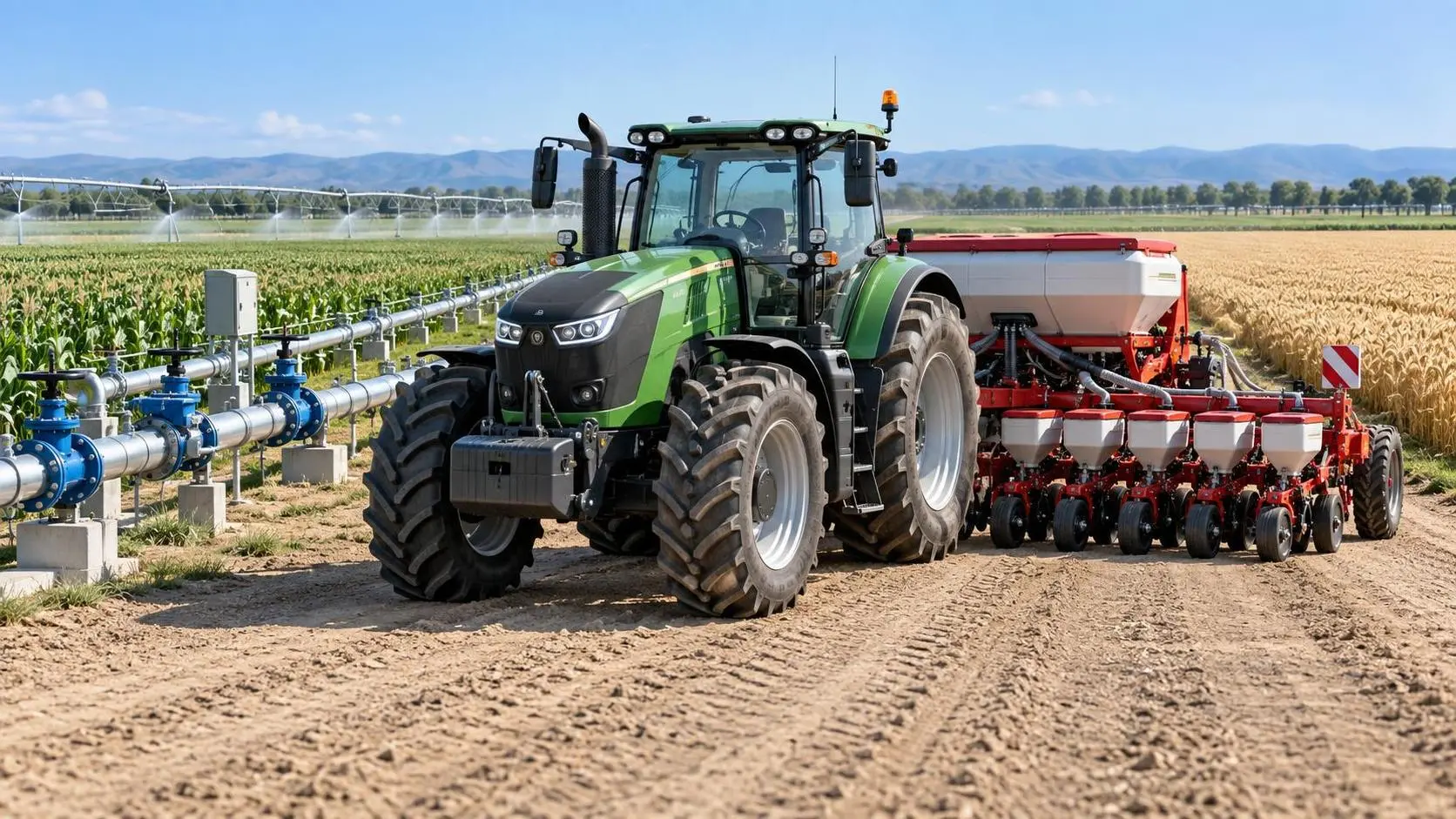
Specification Planning: A Practical Framework for Defining Equipment Requirements
Application guidance for specification planning: define measurable equipment requirements, prioritize performance, and avoid costly procurement mistakes.

How North American Farms Can Select Crop Monitoring Systems by Acreage and Connectivity
Crop monitoring systems North America: learn how to match acreage, connectivity, sensors, and data workflows for reliable, actionable farm decisions.

Where to Find Reliable Product Information for Comparing Farm Equipment
Product information resources agriculture buyers can trust: compare farm equipment with technical specs, manuals, field data, dealer support, and lifecycle insights.
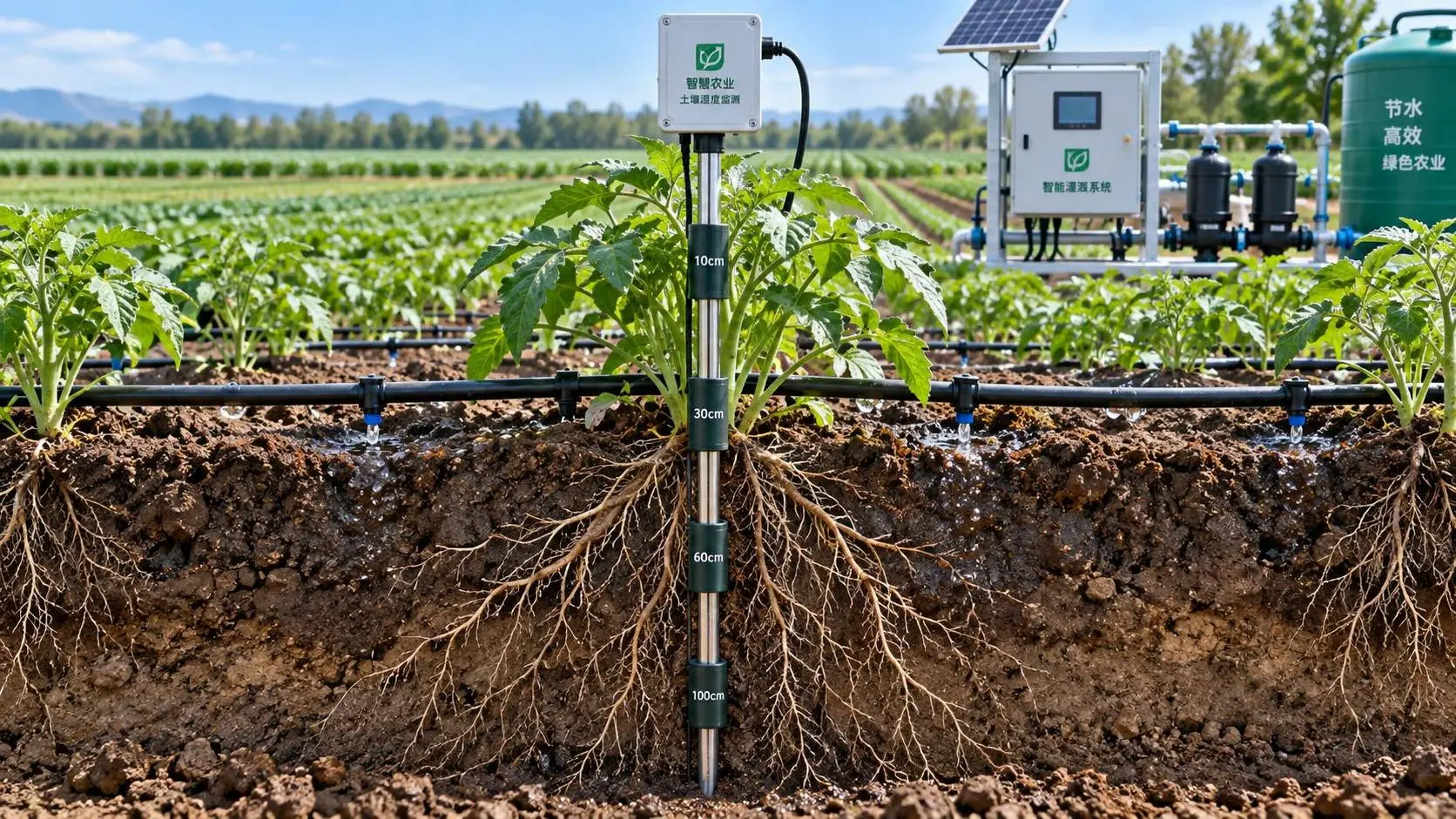
Selecting Real-Time Soil Moisture Sensors for Irrigation Zone Control
Soil moisture sensors real time: learn how to select reliable probes, optimize zone control, improve irrigation decisions, and scale precision water management.
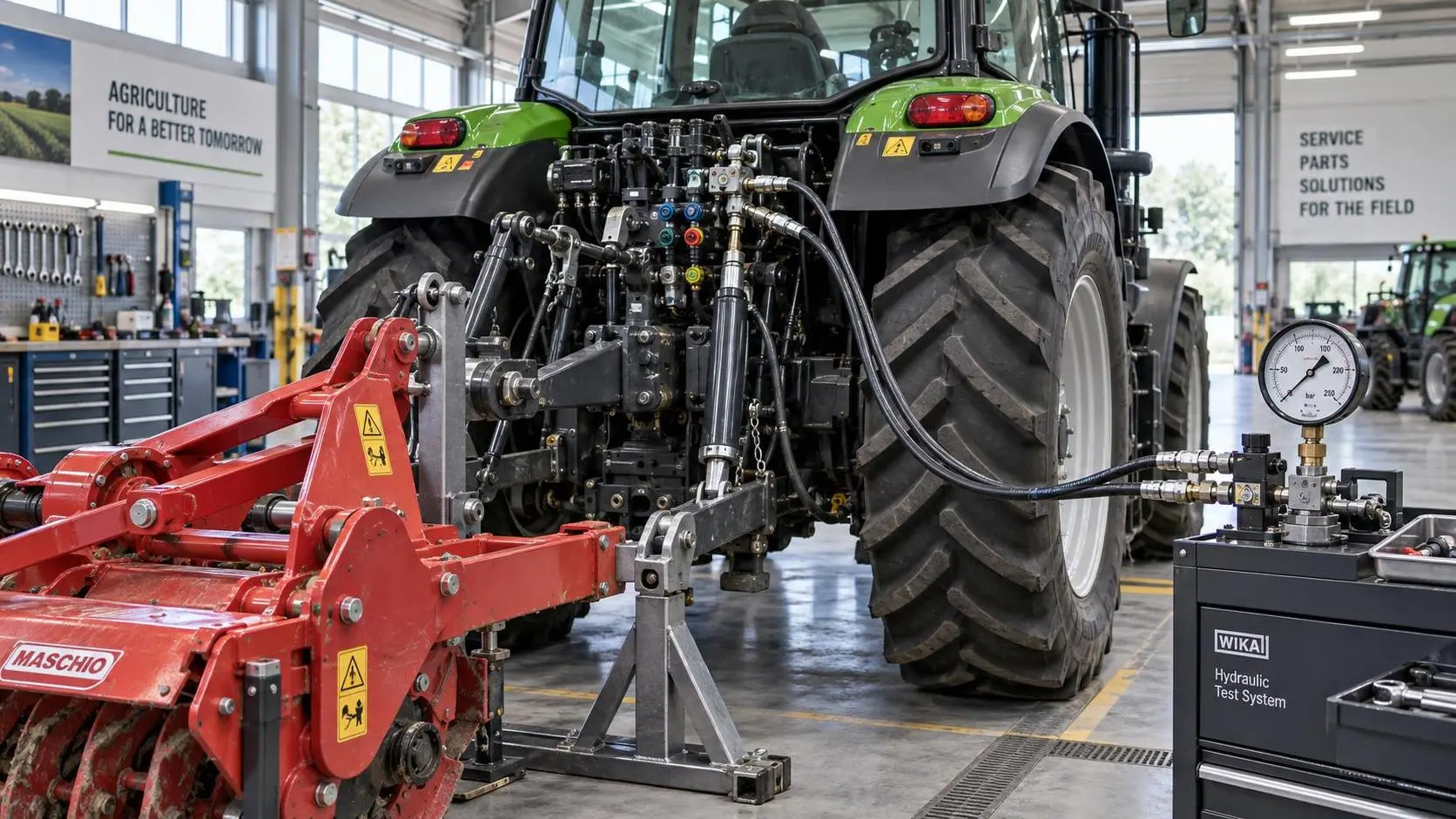
Tractor Hydraulic Systems Troubleshooting: Diagnosing Weak Lift and Slow Implements
Tractor hydraulic systems troubleshooting made practical: diagnose weak lifts and slow implements with proven pressure, flow, valve, and oil-supply checks.
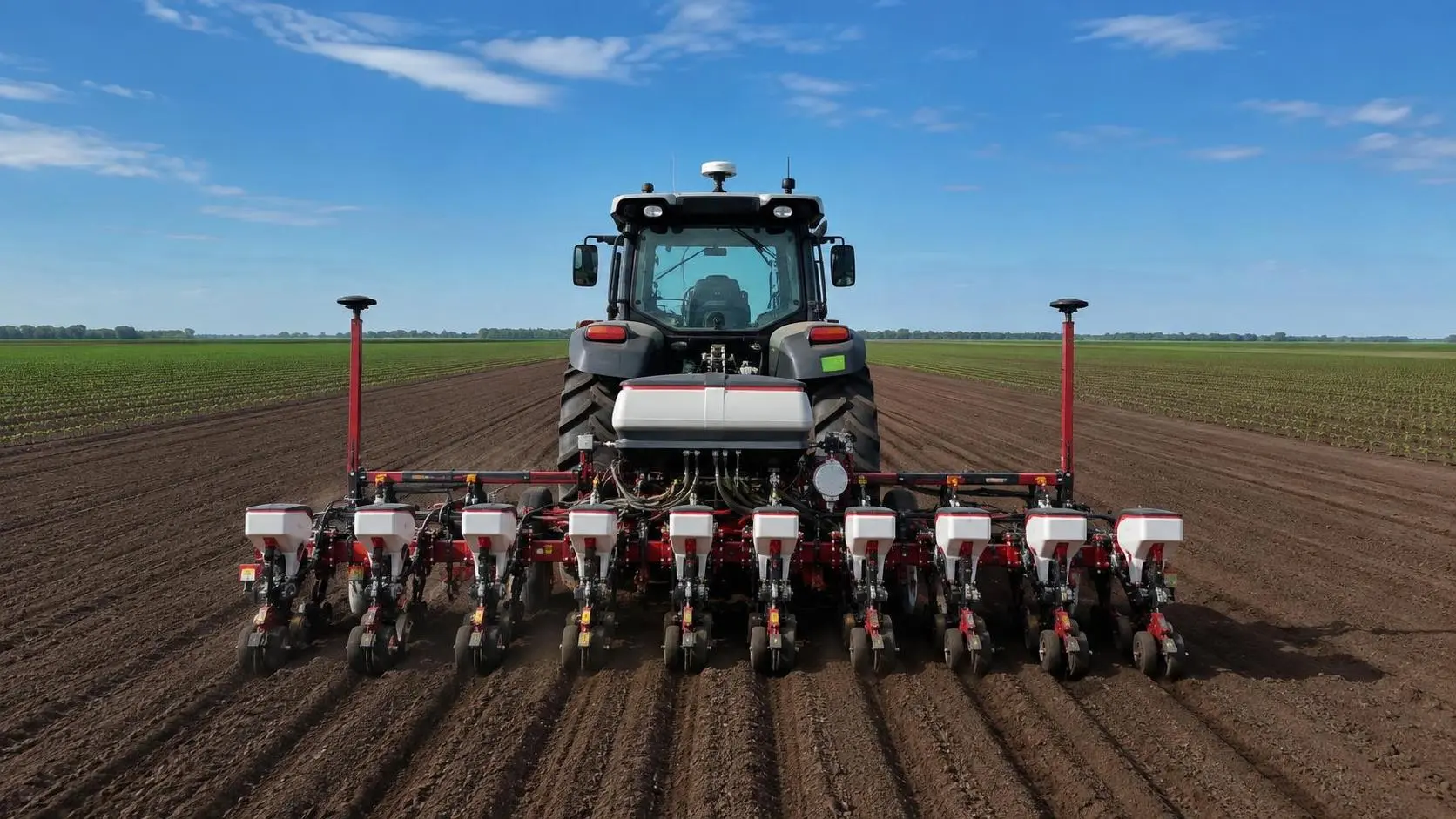
How Tractor Intelligence Systems Improve Field Efficiency and Input Accuracy
Agricultural machinery intelligence for tractors improves field efficiency, input accuracy, data traceability, and implement control. Explore smarter evaluation strategies.
Related News
- 00
0000-00
How to Evaluate Agricultural Product Information Sources for Reliable Farm Decisions - 00
0000-00
Farm Machinery Guide: Matching Tractor Horsepower and Implements to Farm Size - 00
0000-00
Specification Planning: A Practical Framework for Defining Equipment Requirements - 00
0000-00
Where to Find Reliable Product Information for Comparing Farm Equipment - 00
0000-00
How to Evaluate Crop Monitoring System Manufacturers for Large-Scale Farms
Popular Tags
Ms. Elena Rodriguez
Weekly Insights
Stay ahead with our curated technology reports delivered every Monday.