
Agricultural Automation Tools: How to Compare Features, Compatibility, and ROI
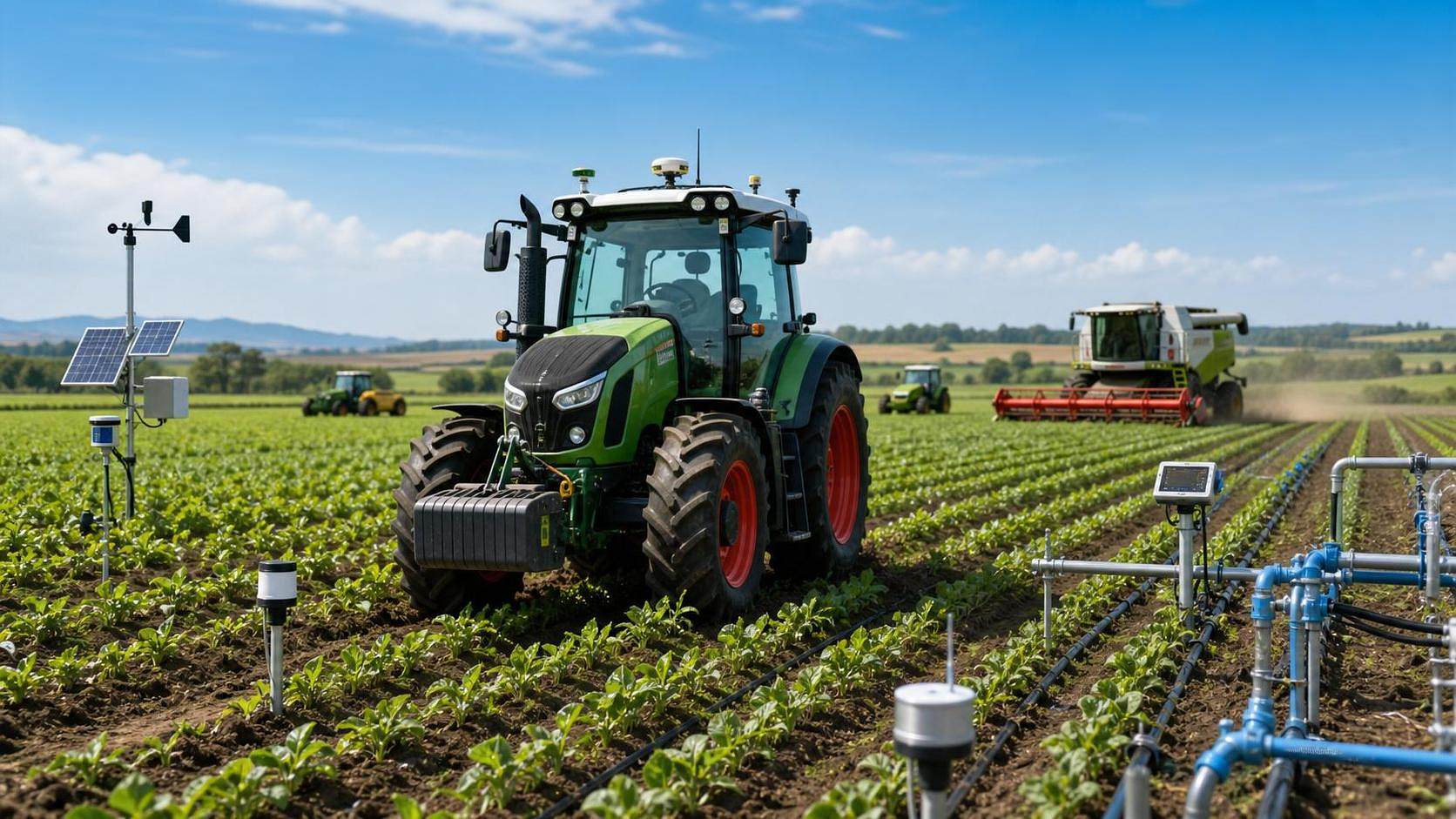




Agricultural Automation Tools: How to Compare Features, Compatibility, and ROI
Choosing the right agricultural automation tools is no longer just a technical decision. It is a purchasing strategy tied to output, risk control, and long-term margin.
For teams evaluating machinery, software, and irrigation systems, the market looks crowded. Many solutions promise precision, autonomy, and rapid savings, but not all fit real farm conditions.
That is why comparing agricultural automation tools needs a clear framework. The goal is not to buy the most advanced option. The goal is to buy the most useful one.
A smart review should cover three things together: features, compatibility, and ROI. When these three align, investment decisions become faster, safer, and easier to defend.
Why agricultural automation tools matter more now
Recent market shifts make agricultural automation tools more relevant than ever. Input costs remain volatile, labor is harder to secure, and climate pressure keeps narrowing operating windows.
This creates a stronger case for automation in planting, harvesting, spraying, irrigation, and fleet coordination. Buyers are no longer comparing single machines. They are comparing connected operating systems.
In practical terms, agricultural automation tools now influence yield stability, machine uptime, water efficiency, fuel use, and reporting quality. That also means weak selection can create long-term hidden costs.
From AP-Strategy’s market view, the strongest demand is centered on scalable tools. Buyers want solutions that work today, but also support Agriculture 4.0 upgrades over several seasons.
Start with the real operating scenario
Before comparing brands, define the field reality. Agricultural automation tools perform differently across crop types, field size, labor structure, and machine mix.
A large grain operation may prioritize auto-steering, fleet telemetry, and combine optimization. A water-stressed region may value irrigation automation, sensor-based scheduling, and leak detection first.
Build a shortlist around operational pain points:
- Harvest loss is too high during short collection windows.
- Different machines cannot exchange field data smoothly.
- Irrigation scheduling depends too heavily on manual judgment.
- Maintenance planning is reactive instead of predictive.
- Input application lacks precision by zone or crop stage.
This first step keeps agricultural automation tools tied to measurable business outcomes. It also prevents feature overload during vendor presentations.
How to compare features without getting distracted
Many agricultural automation tools look impressive in demos. The challenge is separating useful functions from expensive extras that bring little field value.
A practical feature comparison should focus on five groups:
1. Core automation capability
Check what the system actually automates. This may include route guidance, variable-rate application, autonomous steering, irrigation timing, or remote machine control.
2. Data quality and decision support
Good agricultural automation tools do more than collect data. They convert sensor signals, satellite inputs, and machine logs into usable recommendations.
3. User control and visibility
The dashboard should be clear enough for fast decisions. If operators need too many workarounds, the tool may never reach full adoption.
4. Reliability in field conditions
Ask how agricultural automation tools perform under dust, vibration, unstable connectivity, and mixed weather. Reliability matters more than polished interface design.
5. Upgrade path
A good platform should support future modules. This could include new sensors, additional implements, stronger analytics, or wider fleet integration.
When scoring features, use a weighted model:
Compatibility is where many decisions fail
Feature strength alone is not enough. Agricultural automation tools must fit existing machinery, software, communication standards, and operator workflows.
This is especially important in mixed fleets. One tractor brand, another harvester platform, and a separate irrigation system can create expensive data silos.
Review compatibility across four layers:
- Hardware fit, including sensors, terminals, control units, and power requirements.
- Software integration with FMIS, telemetry platforms, and reporting tools.
- Data standards, such as file formats, APIs, and interoperability protocols.
- Human workflow compatibility, including training load and service support.
Ask vendors direct questions. Can the agricultural automation tools exchange clean data with current equipment? Can they scale across multiple sites without manual re-entry?
A solution that needs custom bridging for every season may look flexible at first. In reality, it can become an ongoing integration expense.
How to evaluate ROI with real discipline
ROI is often overstated in automation sales discussions. A disciplined review of agricultural automation tools should include hard savings, soft gains, and adoption risks.
Start with direct economic factors:
- Lower labor dependency during peak operations.
- Reduced overlap in seeding, spraying, or fertilizing.
- Lower fuel consumption through route optimization.
- Improved irrigation efficiency and lower water waste.
- Reduced crop loss from delayed harvesting or poor timing.
Then include strategic gains that still affect value:
- Better traceability for compliance and sustainability reporting.
- Stronger planning based on historical field intelligence.
- Higher asset utilization across equipment fleets.
- Lower exposure to weather-related timing errors.
Now add the hidden costs. These include software subscriptions, calibration work, retrofitting expenses, training time, and local service limitations.
A useful ROI model for agricultural automation tools should cover at least three seasons. Year-one numbers often look weak because setup costs arrive before process gains stabilize.
In many cases, the best-performing option is not the cheapest unit. It is the system that reaches dependable utilization fastest.
Red flags to watch during vendor comparison
Some warning signs appear again and again when reviewing agricultural automation tools:
- ROI claims rely on generic case studies, not comparable farm conditions.
- Compatibility is described vaguely, with no tested machine list.
- Support depends on remote help only during peak season.
- Data ownership terms are unclear.
- The product roadmap looks impressive, but current functions feel incomplete.
These issues do not always mean a supplier is unsuitable. They do mean the evaluation needs tighter commercial and technical verification before commitment.
A practical selection framework for confident decisions
To compare agricultural automation tools more consistently, use a structured shortlist process. It keeps discussions objective and reduces bias from brand familiarity.
- Define the top three operational problems to solve first.
- Set weighted scoring for features, compatibility, service, and ROI.
- Request farm-specific demos using realistic working assumptions.
- Validate integration requirements with current machinery and software.
- Model three-season total cost and expected payback range.
- Run a pilot where possible before full rollout.
This kind of process works especially well for large-scale mechanization, combine harvesting optimization, intelligent farm tools, and smart irrigation planning.
It also aligns with how AP-Strategy reads the market. The strongest buyers are not chasing isolated devices. They are building connected, upgradeable field ecosystems.
In the end, the right agricultural automation tools should make field decisions simpler, operations more precise, and returns more visible. If a solution cannot prove those three outcomes clearly, it is not ready for serious investment.
Related News
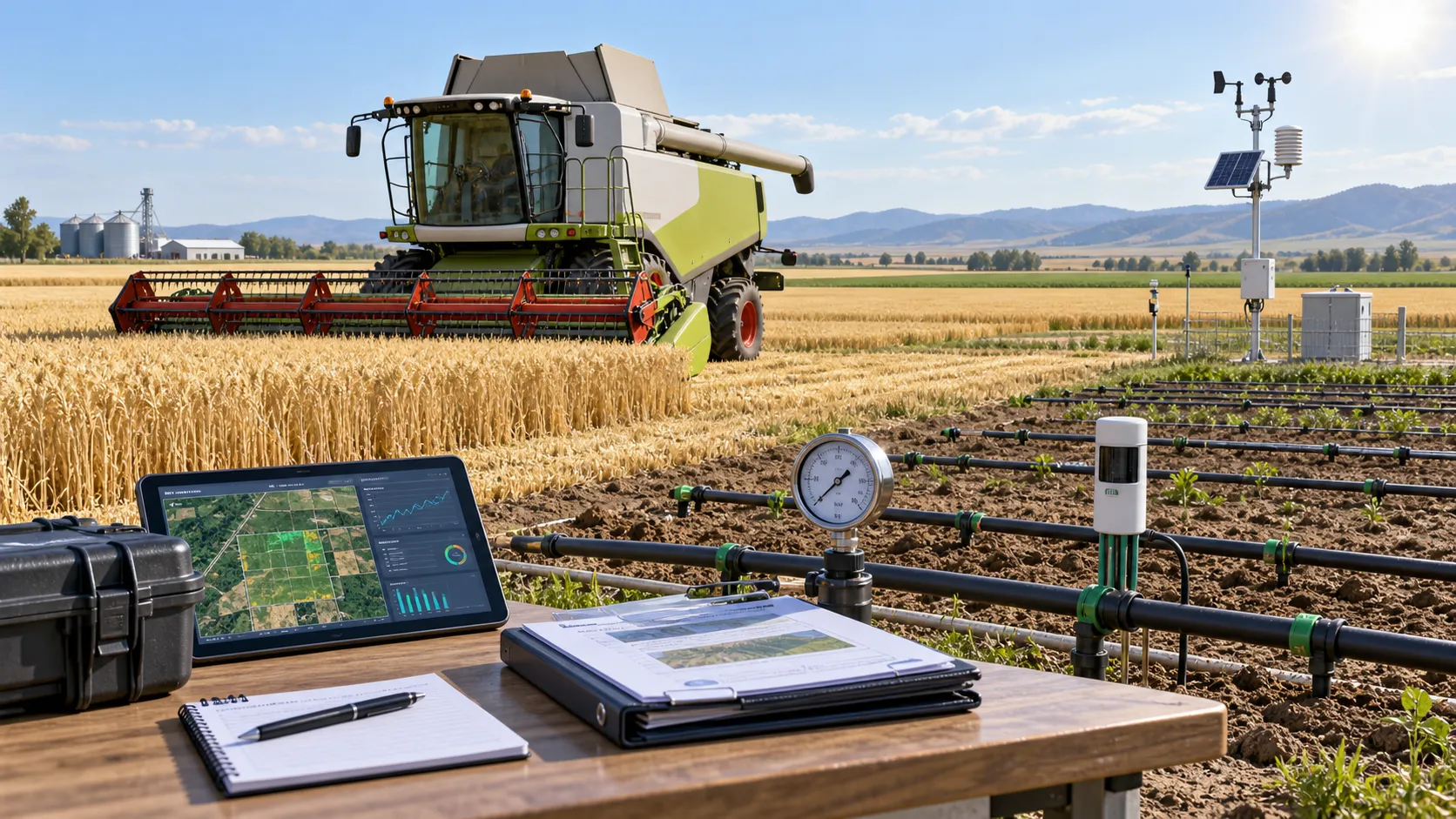
How to Evaluate Agricultural Product Information Sources for Reliable Farm Decisions
Agricultural product information reference guide: evaluate reliable farm data, verify claims, and make smarter machinery, irrigation, and crop decisions.
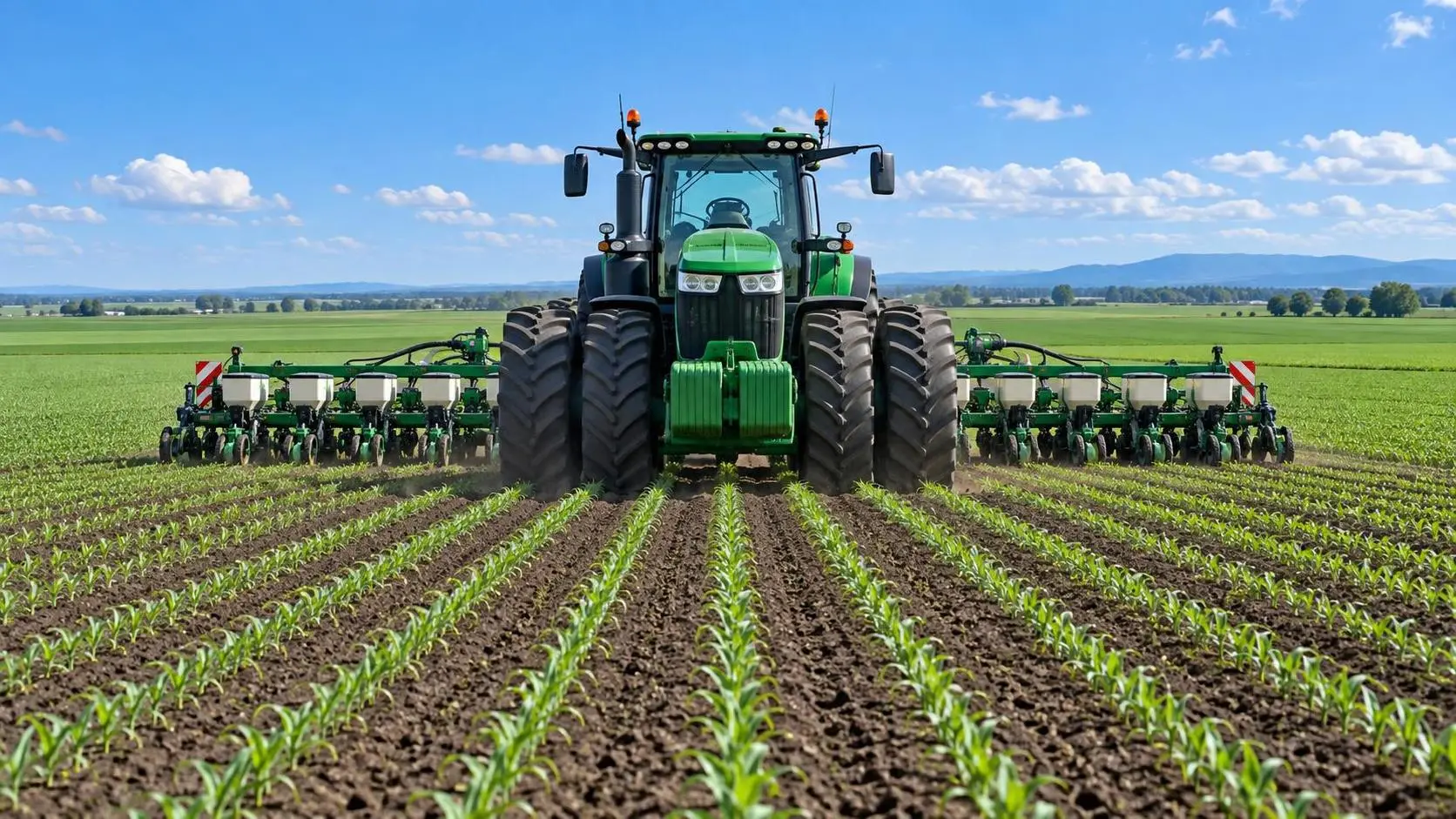
Farm Machinery Guide: Matching Tractor Horsepower and Implements to Farm Size
Farm machinery guide for tractors: match horsepower, implement width, hydraulics, traction, and fleet capacity to farm size for lower costs and reliable field performance.
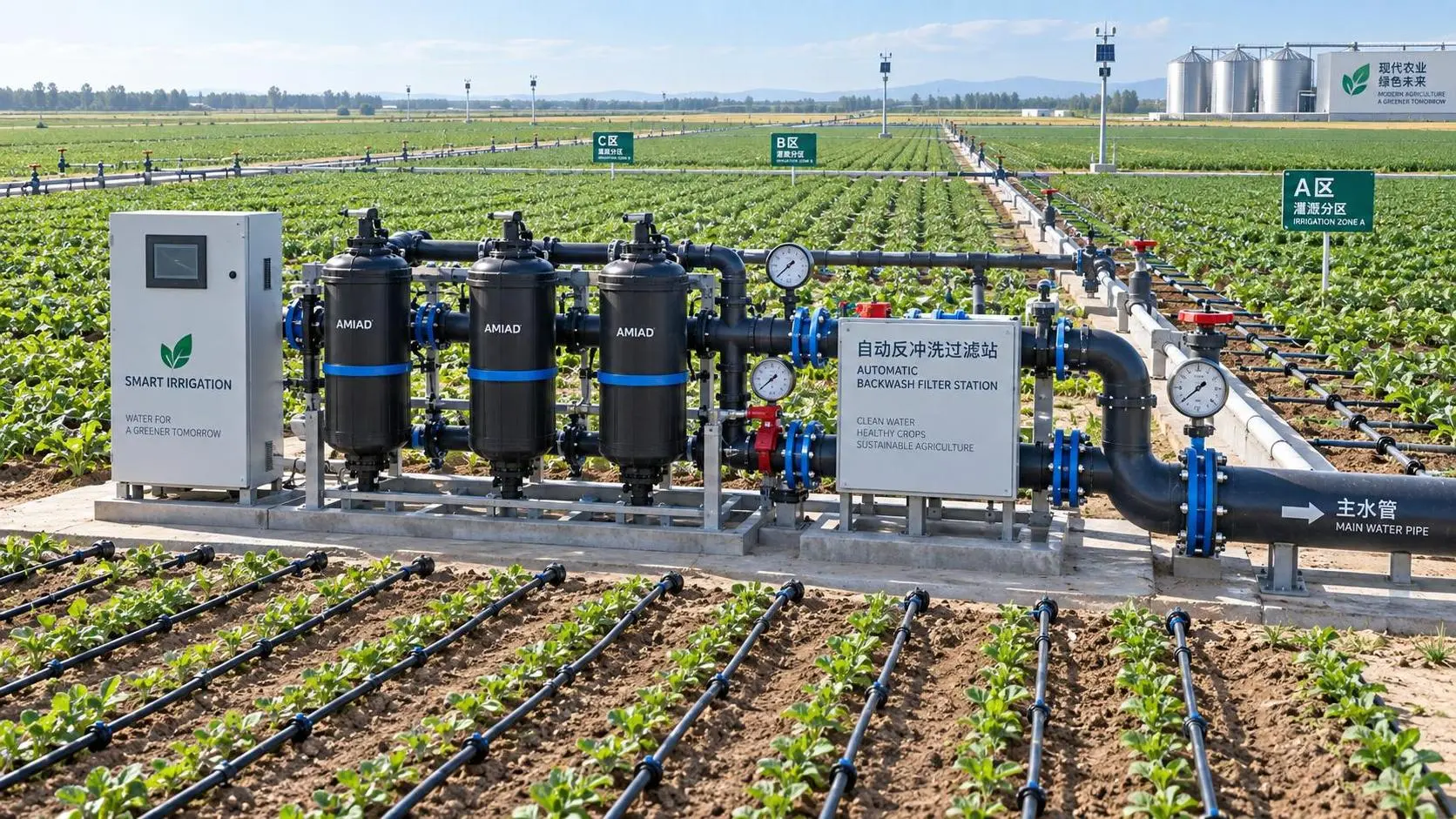
How to Evaluate Drip Irrigation System Manufacturers for Large Farm Projects
Drip irrigation systems manufacturer evaluation guide for large farms: compare hydraulic design, filtration, quality control, scalability, delivery, and support.
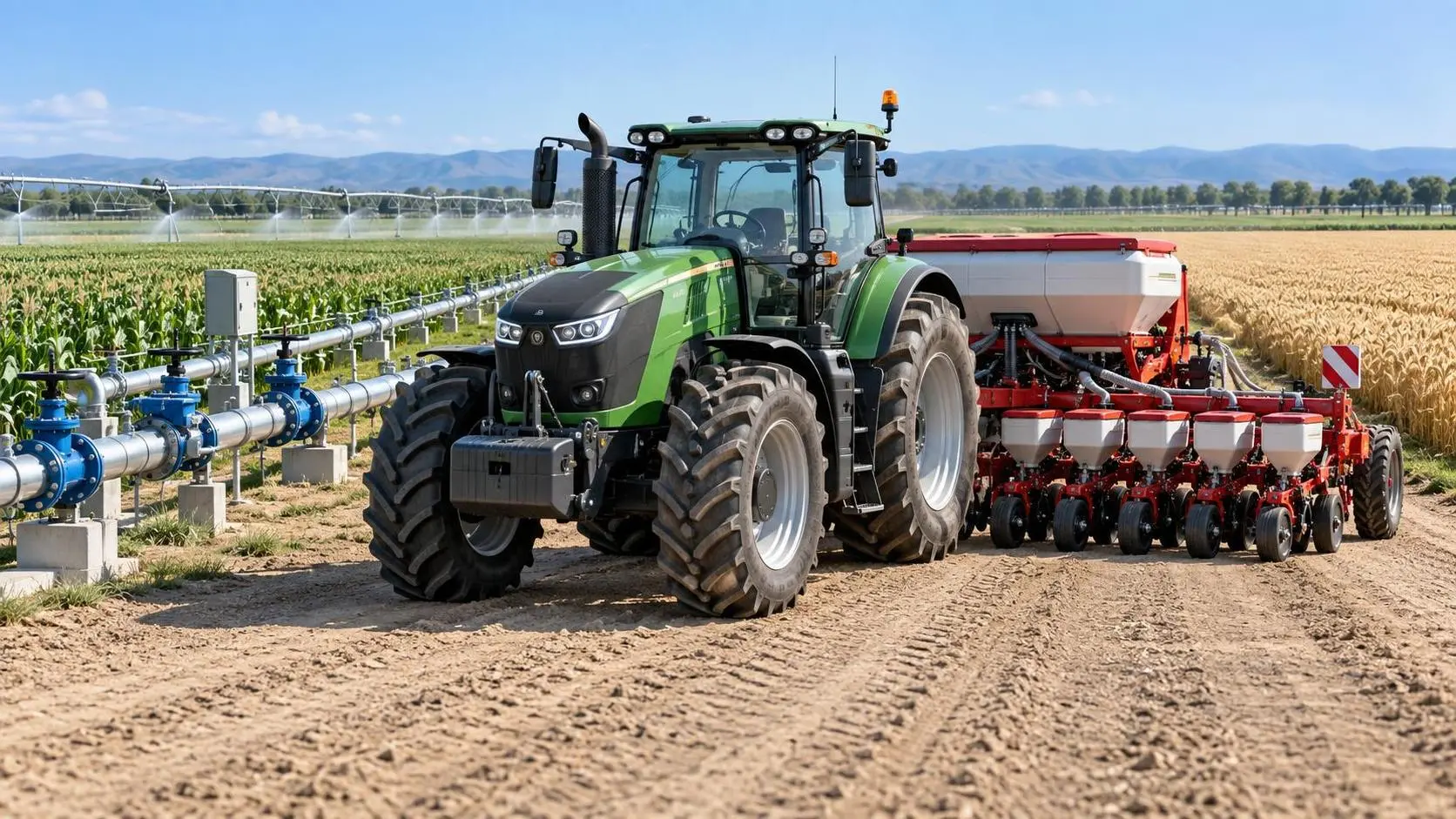
Specification Planning: A Practical Framework for Defining Equipment Requirements
Application guidance for specification planning: define measurable equipment requirements, prioritize performance, and avoid costly procurement mistakes.

How North American Farms Can Select Crop Monitoring Systems by Acreage and Connectivity
Crop monitoring systems North America: learn how to match acreage, connectivity, sensors, and data workflows for reliable, actionable farm decisions.

Where to Find Reliable Product Information for Comparing Farm Equipment
Product information resources agriculture buyers can trust: compare farm equipment with technical specs, manuals, field data, dealer support, and lifecycle insights.
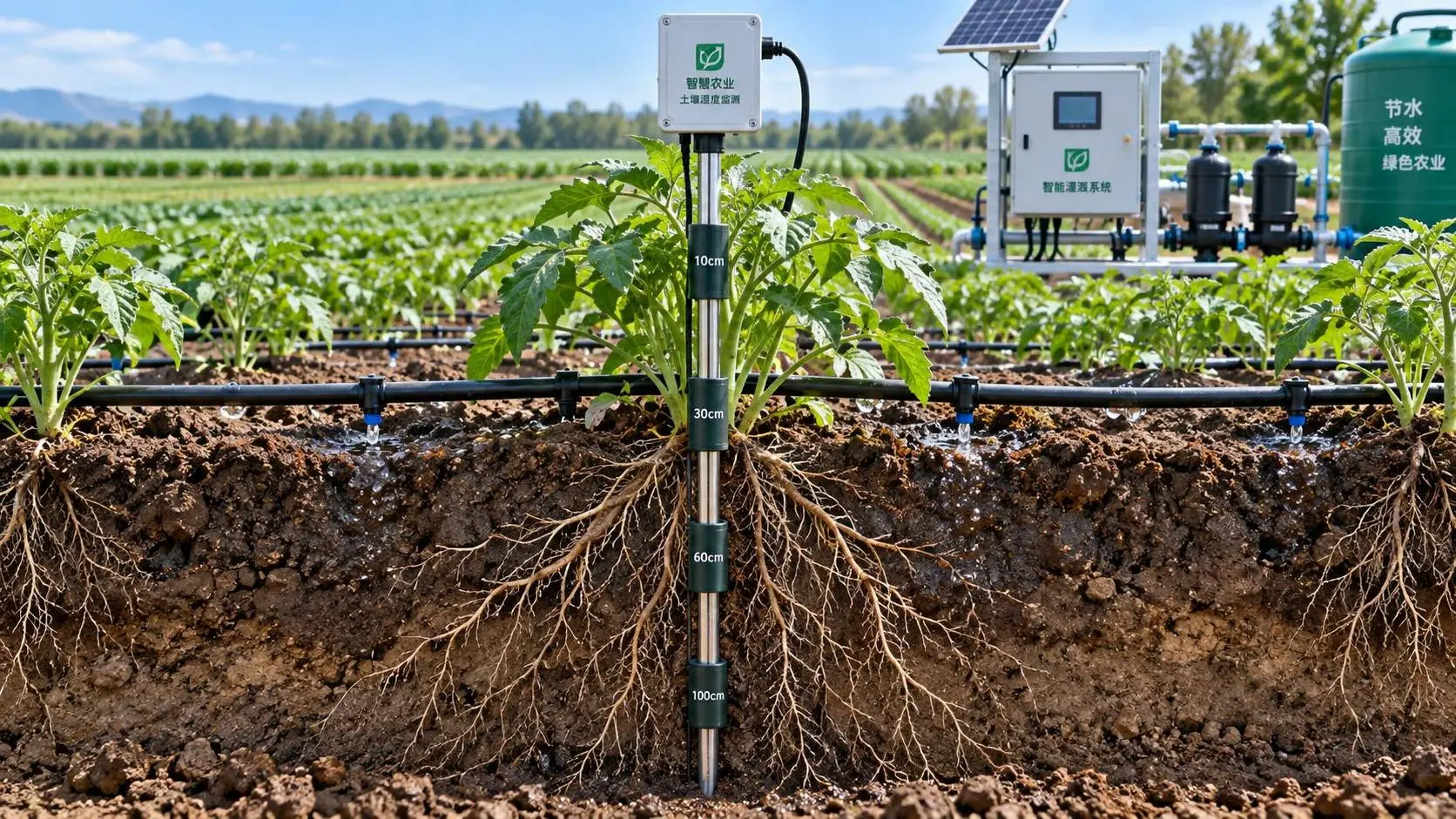
Selecting Real-Time Soil Moisture Sensors for Irrigation Zone Control
Soil moisture sensors real time: learn how to select reliable probes, optimize zone control, improve irrigation decisions, and scale precision water management.
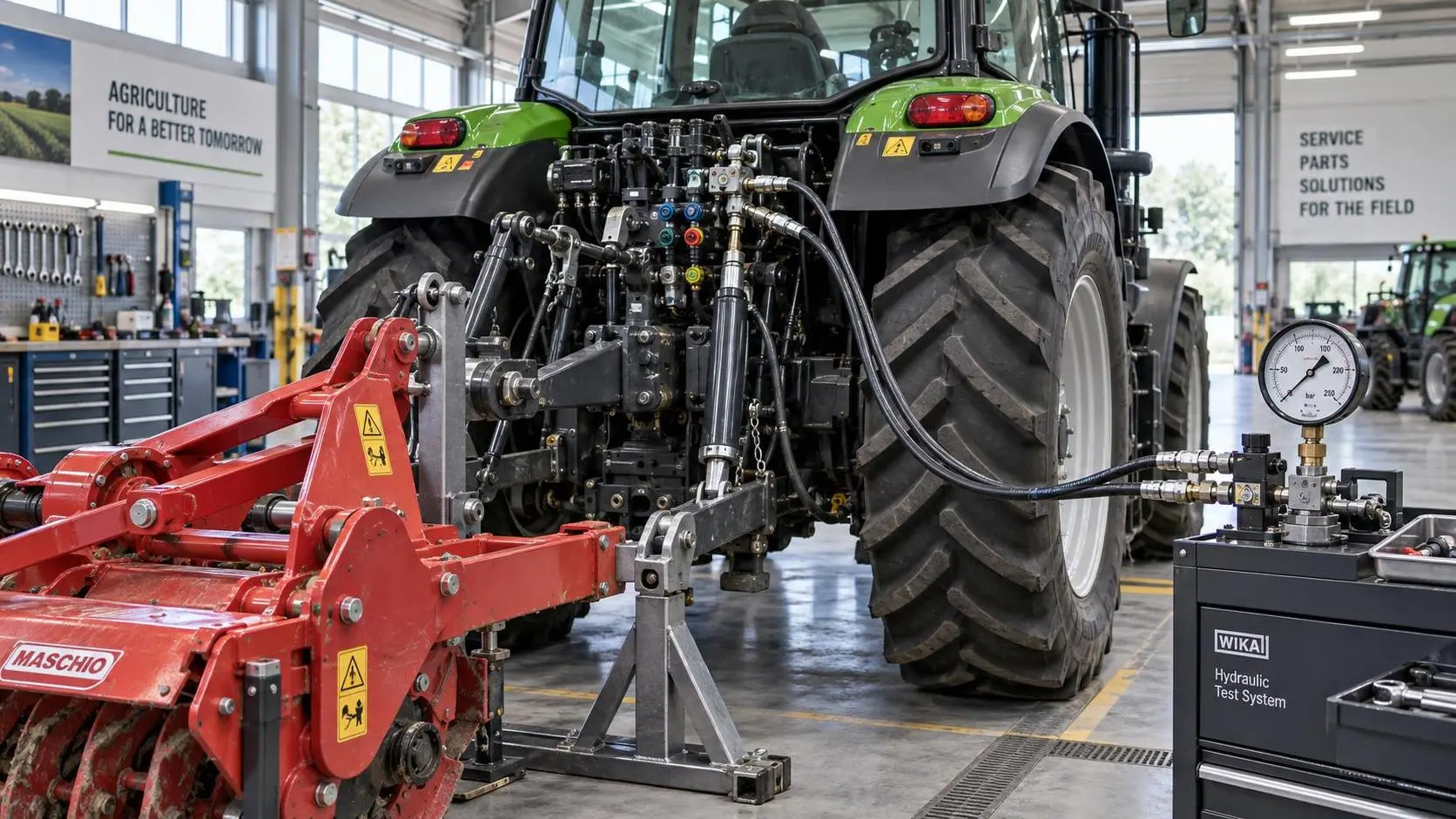
Tractor Hydraulic Systems Troubleshooting: Diagnosing Weak Lift and Slow Implements
Tractor hydraulic systems troubleshooting made practical: diagnose weak lifts and slow implements with proven pressure, flow, valve, and oil-supply checks.
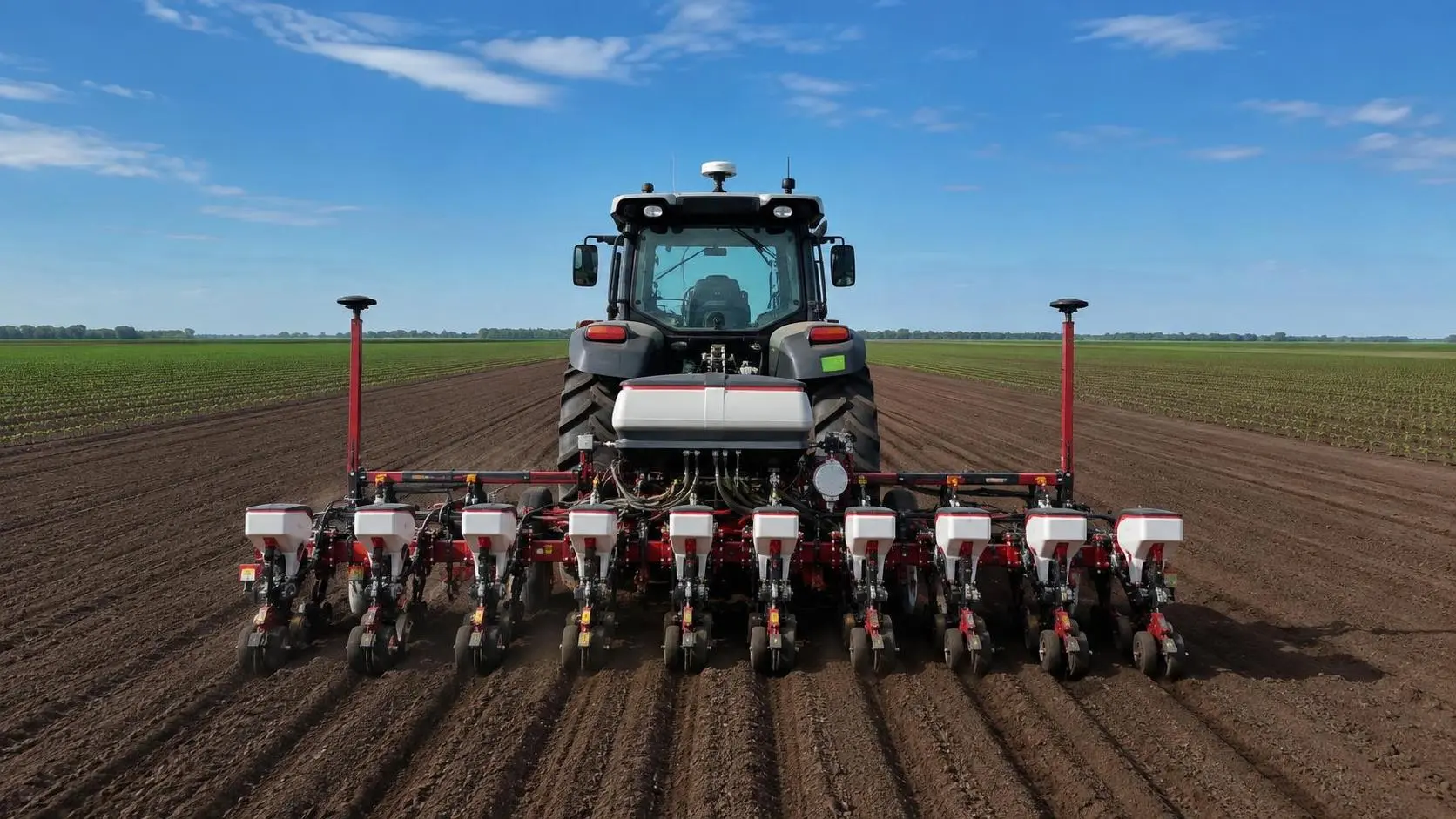
How Tractor Intelligence Systems Improve Field Efficiency and Input Accuracy
Agricultural machinery intelligence for tractors improves field efficiency, input accuracy, data traceability, and implement control. Explore smarter evaluation strategies.
Related News
- 00
0000-00
How to Evaluate Agricultural Product Information Sources for Reliable Farm Decisions - 00
0000-00
Farm Machinery Guide: Matching Tractor Horsepower and Implements to Farm Size - 00
0000-00
Specification Planning: A Practical Framework for Defining Equipment Requirements - 00
0000-00
Where to Find Reliable Product Information for Comparing Farm Equipment - 00
0000-00
How to Evaluate Crop Monitoring System Manufacturers for Large-Scale Farms
Popular Tags
Ms. Elena Rodriguez
Weekly Insights
Stay ahead with our curated technology reports delivered every Monday.