
Spraying Equipment Industry Category Guide: Types, Applications, and Buying Factors
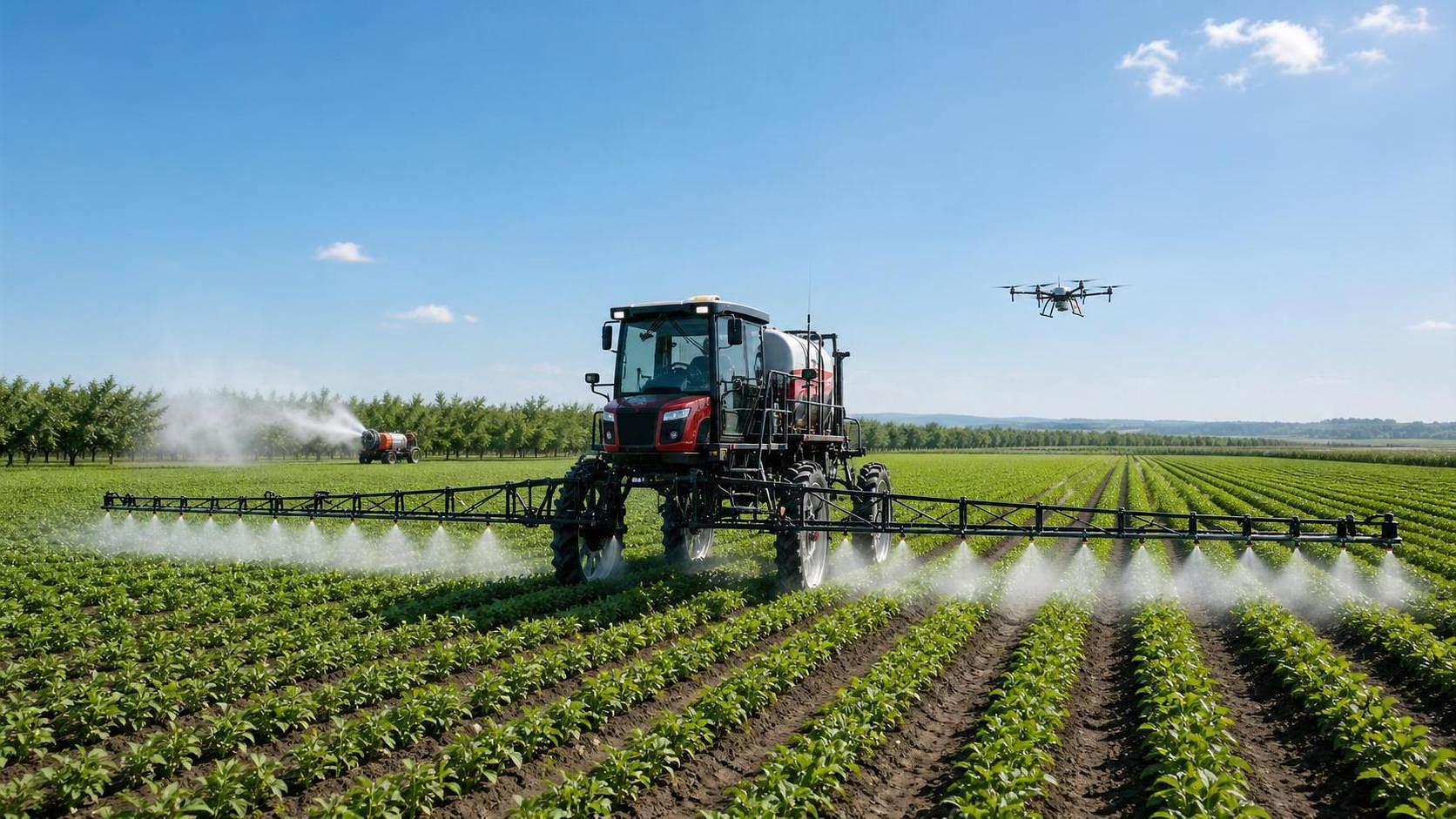




Spraying equipment sits at the intersection of crop protection, field efficiency, and precision farming. In that context, industry category guides spraying equipment have become more useful than simple product lists, because they help connect machine architecture, field conditions, and decision priorities.
That matters even more in Agriculture 4.0, where spraying is no longer judged only by tank size or boom width. Performance now depends on data feedback, drift control, labor availability, water use, and how well equipment fits larger mechanized systems.
For a platform such as AP-Strategy, which tracks large-scale machinery, intelligent farm tools, and water-saving systems, spraying technology is a practical lens on broader change. It reflects how farms balance productivity, sustainability, and operational control across different regions.
Why Spraying Equipment Deserves Closer Attention
Spraying equipment is used in crop protection, foliar feeding, desiccation, and specialty applications. It affects chemical placement, input waste, timing, and crop safety. A weak match between machine and field can quickly turn into yield loss or regulatory risk.
The category is also changing fast. Autonomous guidance, section control, pulse-width modulation, and sensor-based targeting are moving from premium options into mainstream evaluation criteria. That is one reason industry category guides spraying equipment now need to go beyond broad labels.
Another reason is farm structure. Large operations often need throughput and uptime. Mixed farms may prioritize flexibility. High-value crops usually demand finer droplet control and reduced crop damage. The right comparison starts with application reality, not catalog language.
How the Main Equipment Types Differ
Most industry category guides spraying equipment divide the market by mobility, power source, and delivery method. That is a useful start, but the differences become clearer when viewed through work patterns.
Handheld and Portable Units
These are common in nurseries, small plots, greenhouses, and spot treatment tasks. They offer low entry cost and simple handling, but output consistency depends heavily on the operator.
Trailed and Mounted Field Sprayers
Mounted sprayers rely on tractor power and suit operations that already optimize chassis utilization. Trailed units usually provide larger tank capacity and longer boom options while keeping investment lower than self-propelled platforms.
Self-Propelled Sprayers
These machines are built for speed, clearance, and large-acre coverage. They are often chosen where weather windows are tight and field logistics require high daily output. Precision features are also more common in this segment.
Air-Assisted and Orchard Sprayers
Tree crops and vineyards need canopy penetration rather than flat boom coverage. Airflow management becomes as important as pressure and nozzle choice, especially where disease control depends on uniform deposition inside dense foliage.
UAV and Robotic Spraying Systems
These systems are expanding in difficult terrain, labor-constrained environments, and targeted treatment scenarios. Their value is strongest where access is limited or where prescription-based applications justify smaller payloads.
Where Application Context Changes the Decision
A useful reading of industry category guides spraying equipment always starts with the crop and the operating window. Broadacre cereals, horticulture, and permanent crops create very different technical demands.
In row-crop farming, field capacity often drives the shortlist. Boom stability, turn automation, and refill efficiency can matter more than nominal pump output. A machine that loses time at the tendering point may underperform despite strong specifications.
In orchards and vineyards, spray penetration and drift containment move to the front. Fan design, air velocity, and canopy adjustment influence whether product reaches the target zone or escapes into the surrounding environment.
Greenhouse and specialty production introduce another layer. Space limits, worker safety, residue management, and repeatability can outweigh field speed. In these settings, smaller systems may deliver better total performance than larger machines.
Climate pressure also changes priorities. In drier regions, water efficiency and droplet retention are central. In humid regions, disease pressure may force tighter spray intervals, making uptime and maintenance planning more critical.
The Buying Factors That Actually Separate Good Choices
Many buyers begin with price and capacity. Those are important, but they rarely explain lifecycle value on their own. Better industry category guides spraying equipment look at how each parameter affects application quality and operational resilience.
Application Accuracy
Nozzle configuration, pressure stability, flow control, and boom height management determine deposition quality. Precision here affects both agronomic results and input cost discipline.
Field Productivity
Tank volume, refill time, travel speed, and transport convenience shape real daily output. The most efficient machine is often the one that fits local logistics, not the one with the highest top-end figure.
Machine Integration
Compatibility with tractor hydraulics, ISOBUS systems, guidance platforms, and farm data software is increasingly important. AP-Strategy’s broader focus on tractor chassis and intelligent farm tools makes this integration issue especially relevant.
Compliance and Sustainability
Drift reduction, chemical handling safety, washout systems, and water-use efficiency are no longer secondary topics. They influence approval, public acceptance, and long-term operating standards.
Serviceability
A sophisticated sprayer without dependable parts support creates risk during narrow treatment windows. Filters, pumps, valves, sensors, and boom components should be evaluated for maintenance access and supply continuity.
- Check whether rated capacity matches the actual spray program.
- Compare automation features only after confirming agronomic fit.
- Review how terrain, crop spacing, and road transport affect utilization.
- Include mixing, cleaning, and downtime in cost analysis.
Why Precision Features Are Reshaping Category Comparisons
The category used to be compared mostly by hardware scale. Today, precision functions can change the economics of the same machine class. That shift is one reason industry category guides spraying equipment now require a more analytical reading.
Auto-steering reduces overlap. Section control limits waste in irregular fields. Variable-rate application supports prescription farming. Targeted sensing can cut chemical use where weed pressure is patchy instead of uniform.
These technologies also connect spraying with the rest of the mechanized farm. Data from harvest outcomes, soil conditions, and irrigation performance can refine application maps. That is closely aligned with AP-Strategy’s view of linked intelligence across machinery systems.
Still, precision features are not automatically valuable. Their return depends on field variability, staff capability, software support, and data discipline. A simpler system with reliable calibration can outperform a complex platform that is underused.
A Practical Framework for Comparing Options
A clear shortlist usually comes from five questions. They help turn industry category guides spraying equipment into a workable decision tool rather than a broad market scan.
- What crop system and canopy structure define the application target?
- How much area must be covered within the narrowest treatment window?
- Which precision functions will be used routinely, not just occasionally?
- What support network exists for maintenance, calibration, and software updates?
- How does the machine fit water-use, compliance, and sustainability goals?
This approach is especially helpful when comparing conventional equipment with emerging UAV or robotic systems. The right answer may not be a full replacement. In many operations, the best result comes from combining high-capacity field spraying with targeted supplemental tools.
What to Watch Next
Spraying technology is moving toward cleaner application, stronger automation, and tighter integration with farm intelligence platforms. Regulatory pressure, labor constraints, and sustainability targets will keep pushing the market in that direction.
That makes category understanding more valuable than brand familiarity alone. Stronger decisions usually begin with a disciplined reading of industry category guides spraying equipment, then move into field-specific validation, operating cost review, and compatibility checks across the wider machinery fleet.
The next useful step is to build a comparison sheet around crop type, acreage rhythm, spray quality targets, and integration needs. Once those criteria are clear, product evaluation becomes sharper, faster, and much easier to defend.
Related News
Agricultural Product Information Market Guide: Key Data for Sourcing Decisions
Agricultural product information market guide for smarter sourcing—compare machinery, irrigation, precision tools, lifecycle costs, and supplier risk.
Large-Scale Farm Equipment Cost Comparison: Price, Fuel, and Lifecycle Value
Large-scale farm equipment cost comparison: evaluate price, fuel, maintenance, downtime, and lifecycle value to choose tractors, combines, irrigation, and smart tools with confidence.
A Procurement Specification Preparation Example for Buying Farm Equipment
Procurement specification preparation example for farm equipment: learn to define requirements, compare suppliers, control lifecycle costs, and buy with confidence.
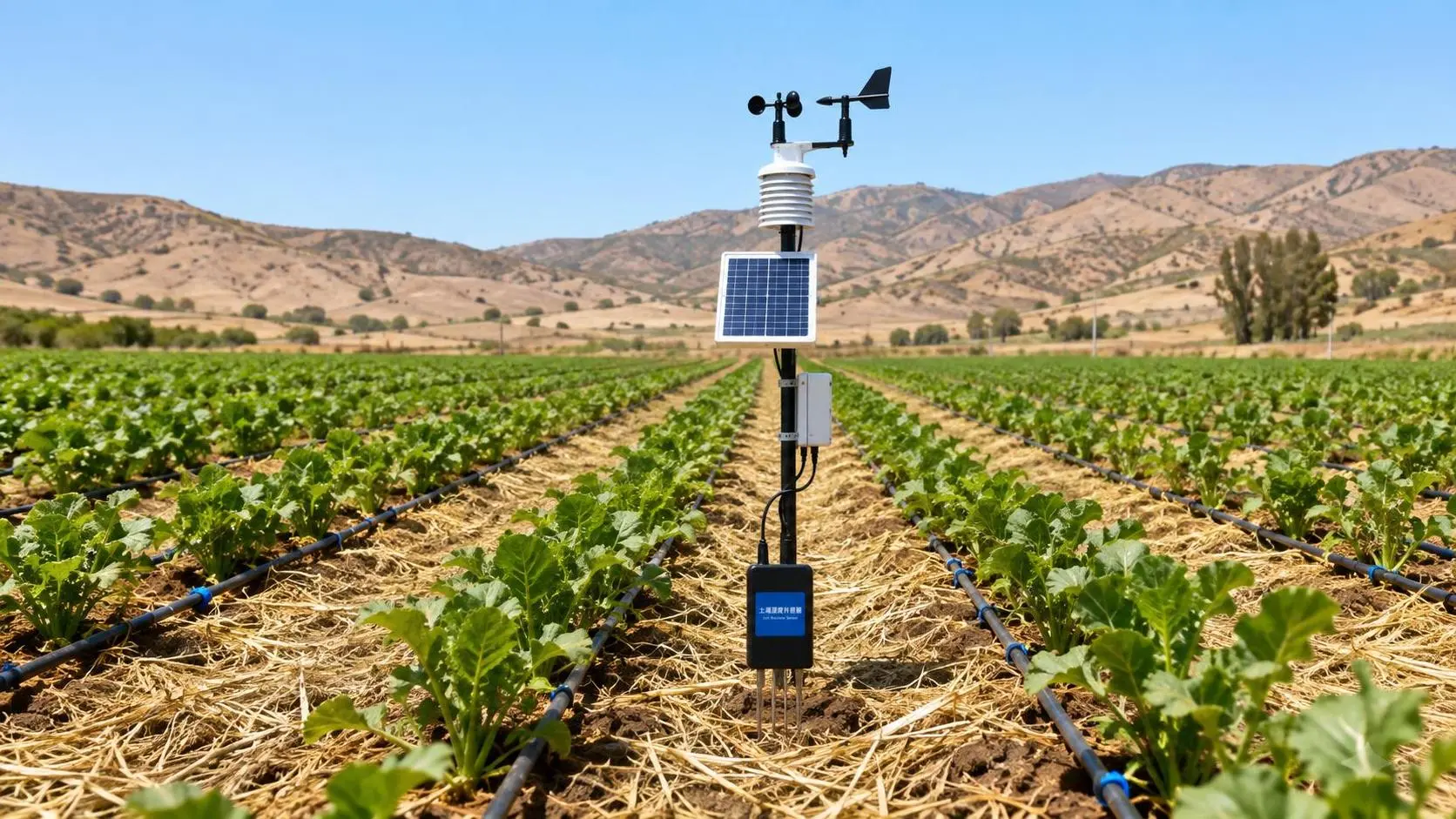
How Does Climate-Smart Farming Reduce Water Use in Semi-Arid Areas?
How does climate-smart farming reduce water use in semi-arid zones? Discover precision irrigation, soil monitoring, and smarter crop planning for resilient yields.
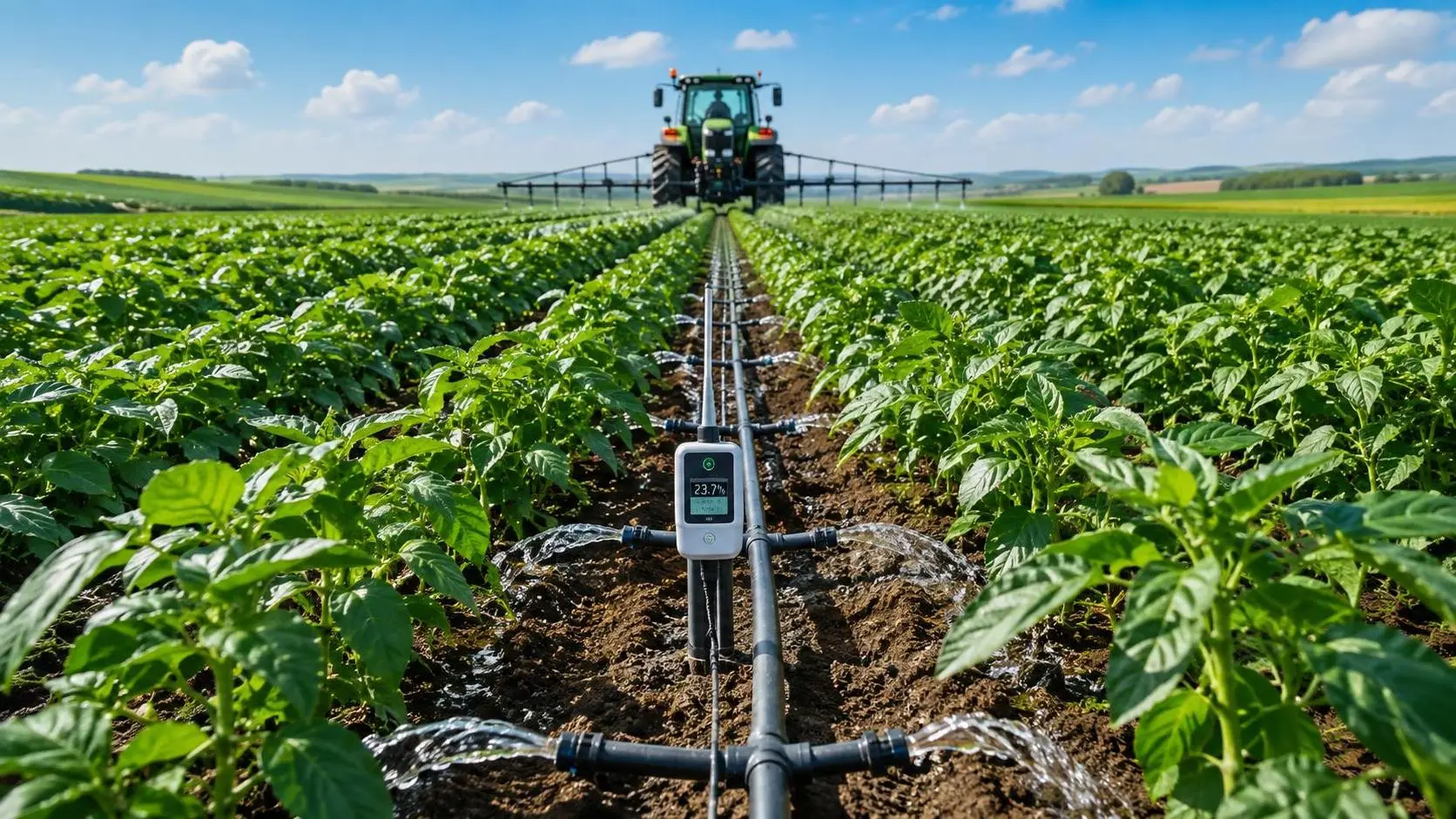
Can Sustainable Farming Be Profitable Without Reducing Yields?
Are sustainable farming practices profitable without yield loss? Discover precision strategies that cut waste, protect yields, and improve farm margins.
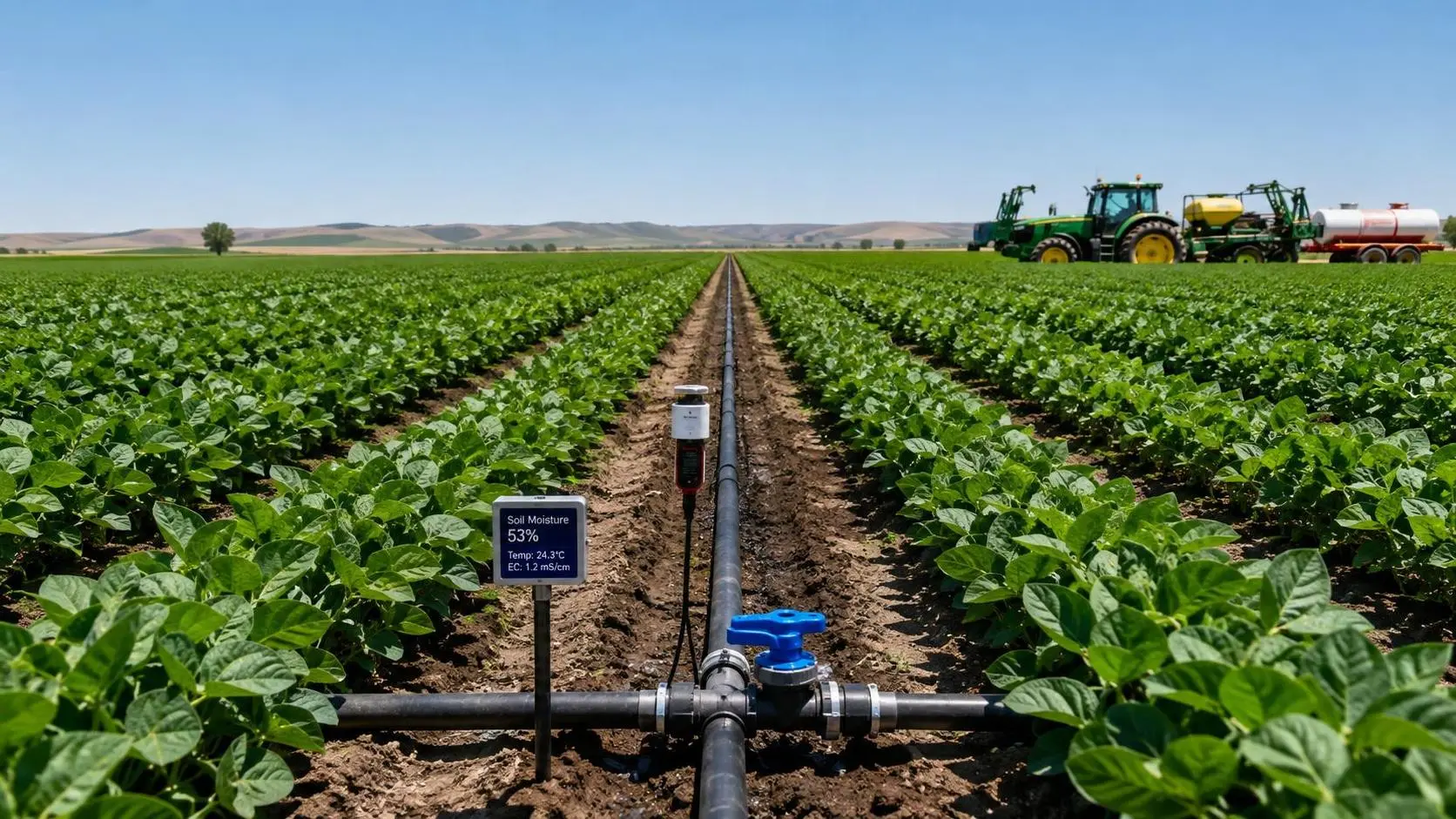
What Are the Risks of Switching to Climate-Smart Farming Mid-Season?
What are the main risks of switching to climate-smart agriculture mid-season? Explore yield, irrigation, equipment, cost, and labor risks with practical steps for safer adoption.
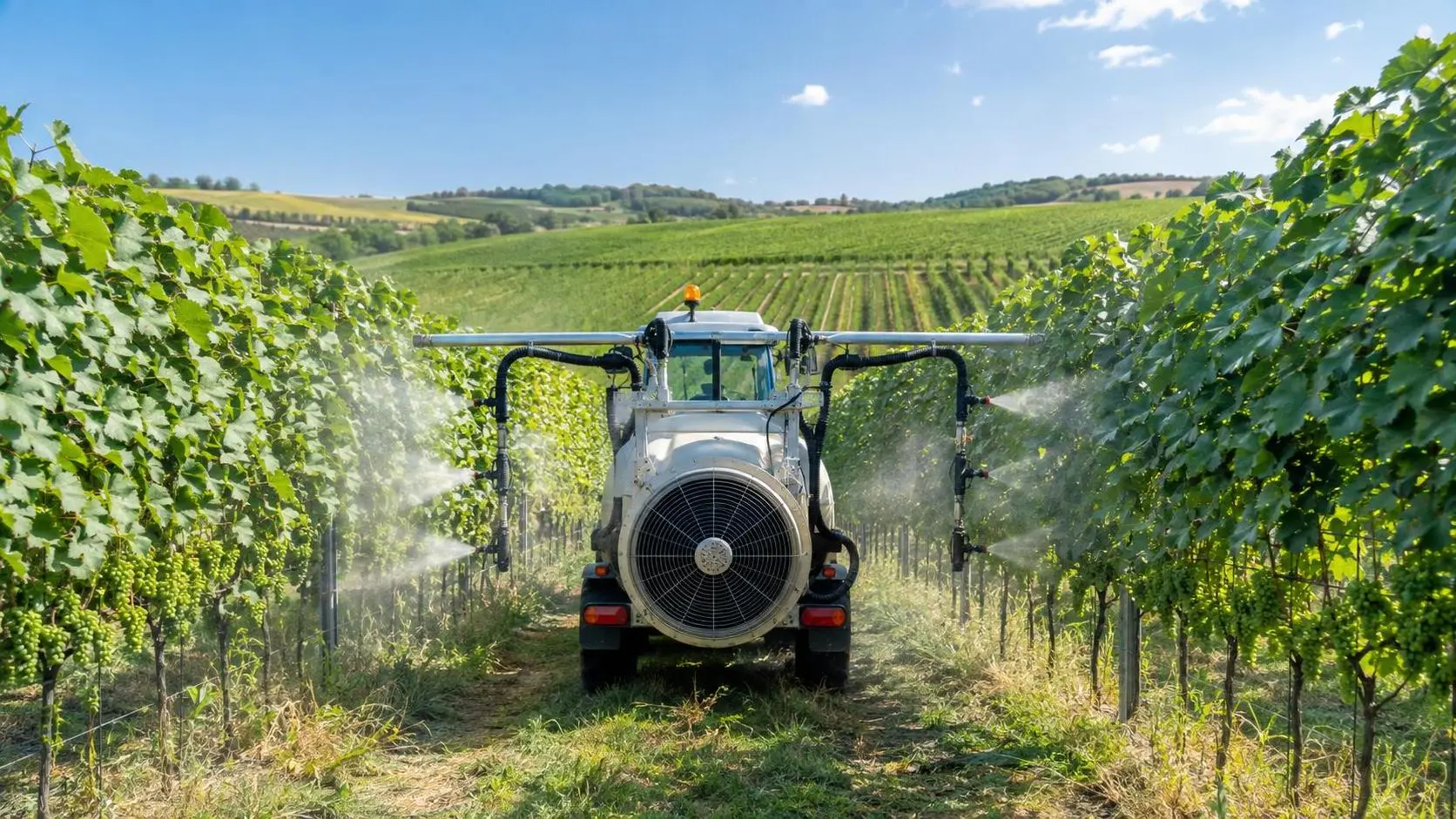
How to Choose Plant Protection Equipment for Vineyard Pests
How to choose the right plant protection equipment for vineyard pests: compare sprayers, nozzles, precision tools, drift control, and canopy coverage for smarter vineyard protection.
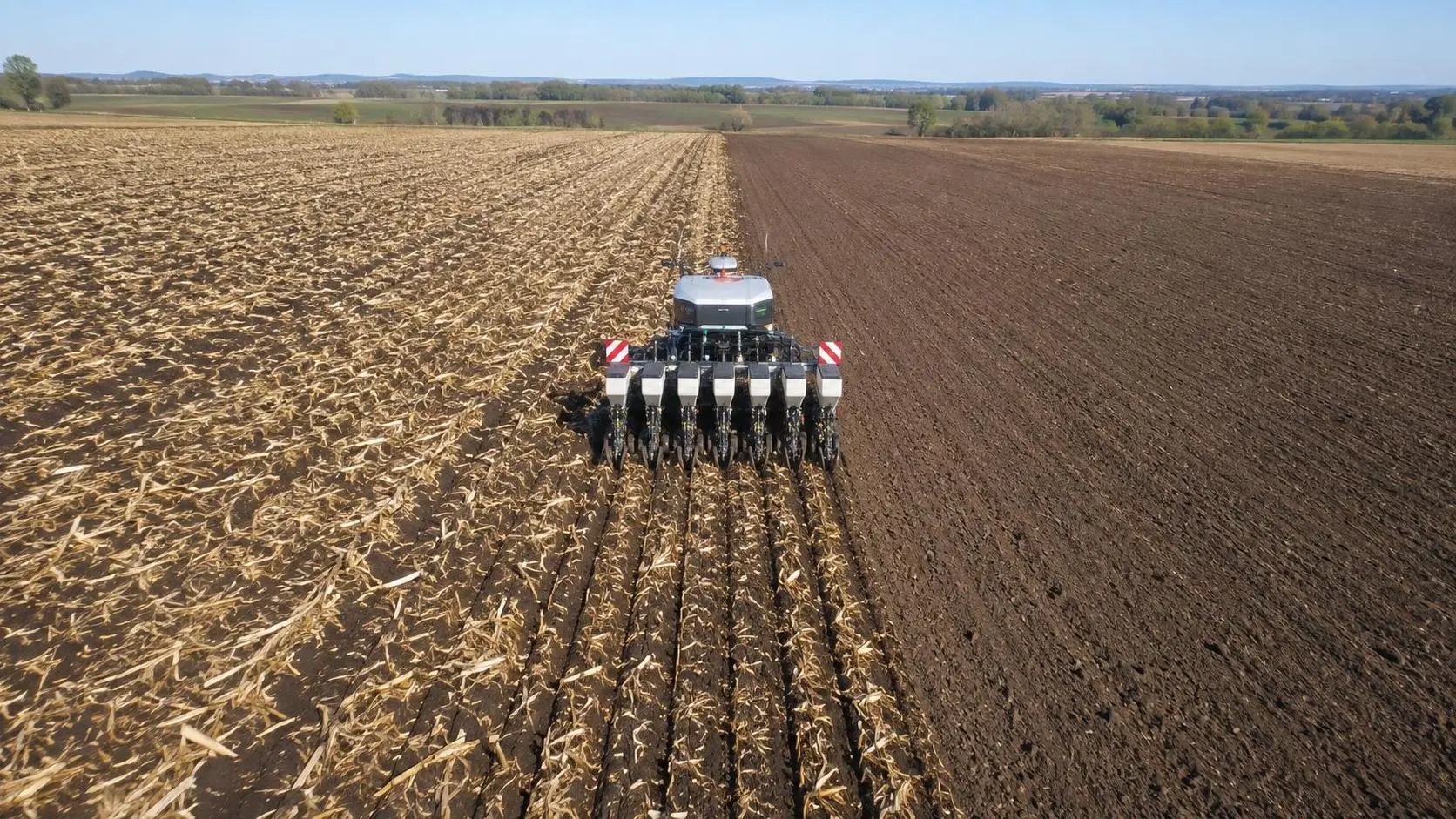
What Is the Difference Between No-Till and Conventional Tillage?
What is the difference between no-till and conventional soil preparation? Compare residue management, costs, erosion control, equipment, and planting performance.
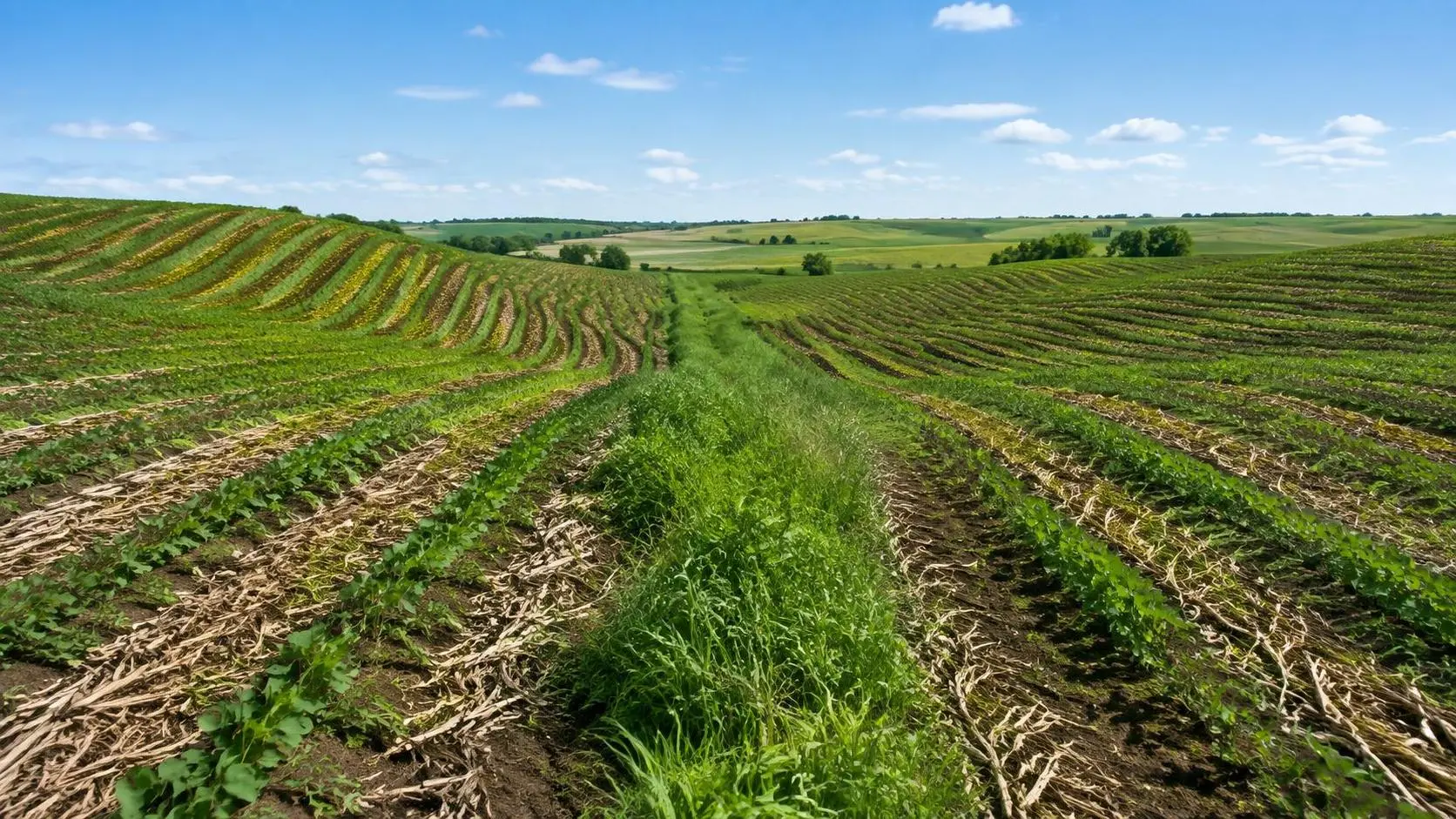
Does No-Till Farming Reduce Erosion on Hilly Farmland?
Does no-till soil preparation reduce erosion on hilly farmland? Discover how residue cover, soil structure, cover crops, and runoff management protect slopes.
Related News
- 00
0000-00
Agricultural Product Information Market Guide: Key Data for Sourcing Decisions - 00
0000-00
Large-Scale Farm Equipment Cost Comparison: Price, Fuel, and Lifecycle Value - 00
0000-00
A Procurement Specification Preparation Example for Buying Farm Equipment - 00
0000-00
Can Sustainable Farming Be Profitable Without Reducing Yields? - 00
0000-00
What Are the Risks of Switching to Climate-Smart Farming Mid-Season?
Popular Tags
Ms. Elena Rodriguez
Weekly Insights
Stay ahead with our curated technology reports delivered every Monday.