
How to Evaluate a Farm Implements Exporter for Product Range, Compliance, and Delivery




Why does exporter evaluation matter more than price alone?
Choosing a farm implements exporter rarely fails on quotation alone. It usually fails later, through weak documentation, inconsistent specifications, or missed shipment windows.
That is why a structured review matters. The real question is not only who offers a lower unit cost, but who can protect continuity across the full buying cycle.
In practical terms, the best farm implements exporter combines product depth, compliance discipline, and delivery control. Remove one of those pillars, and the sourcing risk rises quickly.
This has become more important in Agriculture 4.0. Farm tools now interact with precision systems, tractor hydraulics, harvesting platforms, and water-saving field operations.
A supplier that looks adequate for basic tillage equipment may struggle when orders include intelligent farm tools, chassis-linked attachments, or irrigation-related assemblies.
AP-Strategy often tracks this wider shift through its coverage of mechanization, combine harvesting, tractor chassis systems, and smart irrigation networks.
That broader market view helps explain a simple sourcing truth. Export capability is now an operational capability, not just a trading function.
What should a strong product range actually look like?
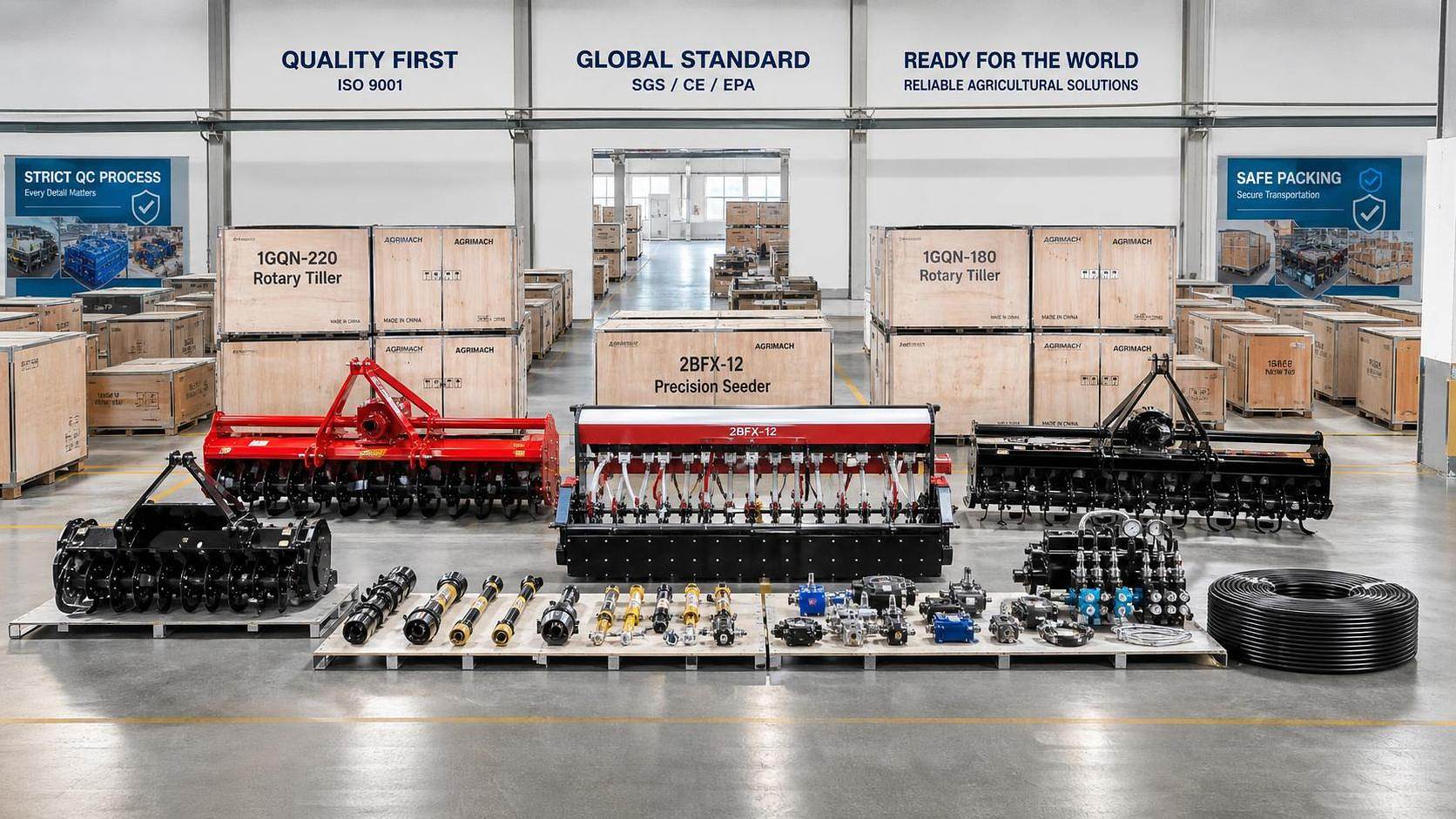
A wide catalog is not enough. A credible farm implements exporter should show logical range structure, not random product accumulation.
Start by checking whether the portfolio covers real field sequences. Soil preparation, seeding, fertilizing, spraying, harvesting support, and post-harvest handling should connect sensibly.
The next layer is configuration depth. One implement family should offer realistic size bands, linkage options, steel grades, wear parts, and hydraulic compatibility.
This matters because a farm implements exporter with shallow variation often pushes buyers toward standard models that do not fit local power conditions or crop systems.
Ask for evidence beyond brochures. Parts manuals, BOM references, dimensional drawings, test records, and packaging standards tell you whether the range is truly managed.
For mixed orders, check whether the exporter understands equipment interaction. A rotary tiller may be fine alone, but not when paired with specific tractor PTO ratings or hitch categories.
In more advanced categories, the same logic applies. Smart implements linked to sensor feedback or precision application systems require cleaner technical alignment and clearer documentation.
A useful way to judge product range is to see whether the exporter can answer design-fit questions without repeatedly returning to the factory for basic clarification.
Useful signs of a mature range
- Model families follow clear naming logic and technical progression.
- Critical wear parts are standardized across several models.
- Optional configurations are documented, priced, and lead-time visible.
- Export packaging differs by destination, climate, and transport mode.
- Spare parts support exists for at least the normal service cycle.
How can you verify compliance without slowing the deal?
Compliance checks often become rushed near shipment. That is expensive, because missing certificates usually delay customs clearance or trigger market-entry problems after arrival.
A reliable farm implements exporter should discuss compliance early, before tooling details and packing plans are locked. That timing reduces rework and document mismatches.
Begin with destination-market requirements. Depending on the equipment category, that may include CE-related documentation, safety labeling, emissions references, or material declarations.
Do not stop at asking whether the exporter is compliant. Ask which exact documents are available, who issues them, and whether they match the current model revision.
For welded structures and tractor-mounted implements, serial traceability, load limits, warning labels, and operating manuals matter more than many buyers expect.
If orders include irrigation-linked components or precision farming attachments, software interfaces, electrical protection, and field safety instructions deserve separate review.
AP-Strategy’s intelligence work often highlights how regulation now follows technology adoption. As machinery becomes smarter, documentation quality becomes part of commercial credibility.
A capable farm implements exporter will not treat these questions as friction. Usually, strong answers come quickly and in a format that can be audited later.
When does delivery reliability become the deciding factor?
Delivery becomes decisive when the equipment is tied to season windows. Missing two weeks can erase the advantage of a cheaper order.
A dependable farm implements exporter should explain its lead time in layers. Production time, inspection time, inland transport, container booking, and port risk should be separated.
If the answer is one flat number, the schedule is probably not being actively managed. That makes delays harder to predict.
Look at past shipping discipline. On-time delivery rate is useful, but only if measured against confirmed ship dates rather than flexible estimates.
Ask how mixed containers are handled. Orders involving frames, blades, hydraulic kits, and spare parts often fail because packing completion lags behind main production.
For heavier machinery support items, loading plans matter too. Weak load planning can damage paint, bend assemblies, or create unloading problems at destination.
More experienced exporters usually provide milestone visibility, not just shipment promises. That means progress photos, inspection dates, packing lists, and exception alerts before delays become critical.
Questions that reveal delivery discipline
- What percentage of orders ship on the originally confirmed week?
- Which components usually drive delay risk in this product family?
- How are urgent spare parts separated from full-machine shipments?
- Can pre-shipment inspection happen before final balance payment?
- Who updates exceptions when carrier bookings change?
How do you compare exporters when each looks acceptable on paper?
This is where many sourcing decisions become unclear. Several suppliers may present similar catalogs, similar certificates, and similar factory photos.
The better comparison method is weighted evidence. Score each farm implements exporter against a few factors that affect total operating value, not just purchase price.
Technical response speed matters because it signals internal coordination. So does the accuracy of revised quotations after specification changes.
After-sales structure is another separator. A farm implements exporter that can supply parts lists, replacement kits, and fault-response timing usually supports longer account stability.
Market understanding also matters. Exporters familiar with combine harvest support equipment, irrigation assemblies, or intelligent farm tools often ask better preventive questions.
That is one reason sector intelligence is useful. AP-Strategy’s reporting across harvesting technology, tractor systems, and water-saving equipment helps frame what capabilities should be visible in a serious exporter.
What mistakes create hidden cost in exporter selection?
One common mistake is treating all implements as low-complexity goods. Even simple attachments can fail commercially when local conditions, safety labels, or spare parts are overlooked.
Another mistake is overvaluing sample quality. A good sample does not guarantee stable batch consistency, especially when steel sourcing or outsourced coating changes between orders.
Some buyers also underestimate communication lag. If a farm implements exporter takes three days to resolve a drawing question, shipment problems will likely move even slower.
There is also the issue of partial visibility. A supplier may perform well on core implements, but weakly on accessories, manuals, palletization, or replacement parts.
The result is familiar: the nominal order cost looks competitive, while the real landed and support cost becomes difficult to control.
A practical safeguard is to test the exporter with a structured RFQ pack. Include specification sheets, compliance requests, packaging expectations, and milestone reporting needs.
The way a farm implements exporter responds to that pack often reveals more than the price list itself.
What is the most practical next step before placing an order?
Build a short evaluation matrix and use it on every serious candidate. Keep it focused enough to compare quickly, but detailed enough to expose weak execution.
Include product fit, compliance readiness, delivery transparency, spare parts support, and response quality. Score evidence, not promises.
Where the equipment mix touches harvesting systems, chassis compatibility, precision tools, or irrigation hardware, add technical interface checks early.
That approach reflects the wider direction of global mechanization. Equipment categories are becoming more connected, and exporter evaluation needs to follow that reality.
A capable farm implements exporter should make selection easier through evidence, clarity, and predictable execution. If that confidence is missing before contract stage, it rarely improves later.
The sensible next move is straightforward. Clarify your required models, document thresholds, shipment window, and service expectations, then compare exporters against those fixed checkpoints.
With that discipline, sourcing becomes less reactive and more resilient, especially in a market shaped by precision farming, food security pressures, and faster technology turnover.
Related News
Agricultural Product Information Market Guide: Key Data for Sourcing Decisions
Agricultural product information market guide for smarter sourcing—compare machinery, irrigation, precision tools, lifecycle costs, and supplier risk.
Large-Scale Farm Equipment Cost Comparison: Price, Fuel, and Lifecycle Value
Large-scale farm equipment cost comparison: evaluate price, fuel, maintenance, downtime, and lifecycle value to choose tractors, combines, irrigation, and smart tools with confidence.
A Procurement Specification Preparation Example for Buying Farm Equipment
Procurement specification preparation example for farm equipment: learn to define requirements, compare suppliers, control lifecycle costs, and buy with confidence.
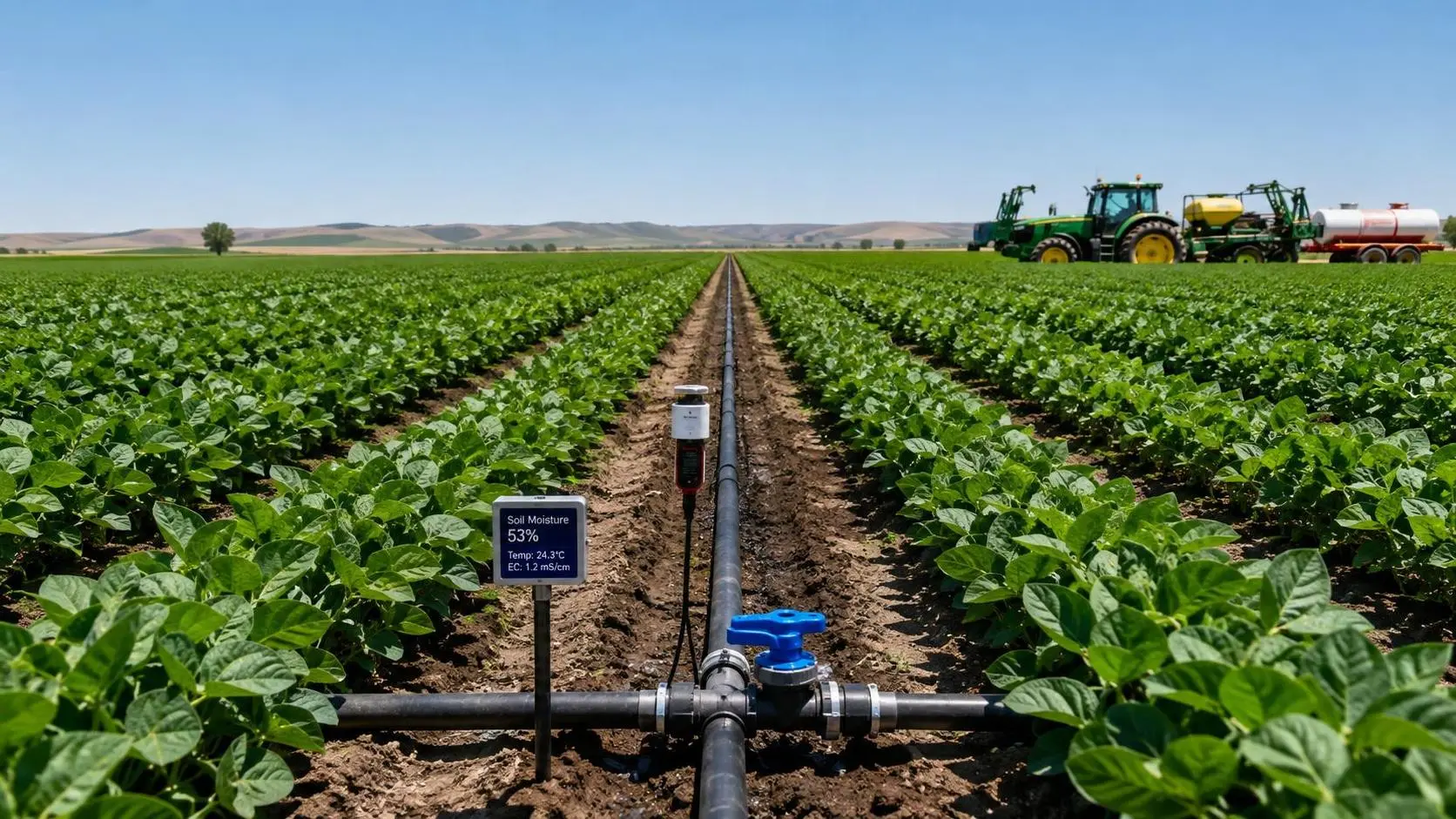
What Are the Risks of Switching to Climate-Smart Farming Mid-Season?
What are the main risks of switching to climate-smart agriculture mid-season? Explore yield, irrigation, equipment, cost, and labor risks with practical steps for safer adoption.
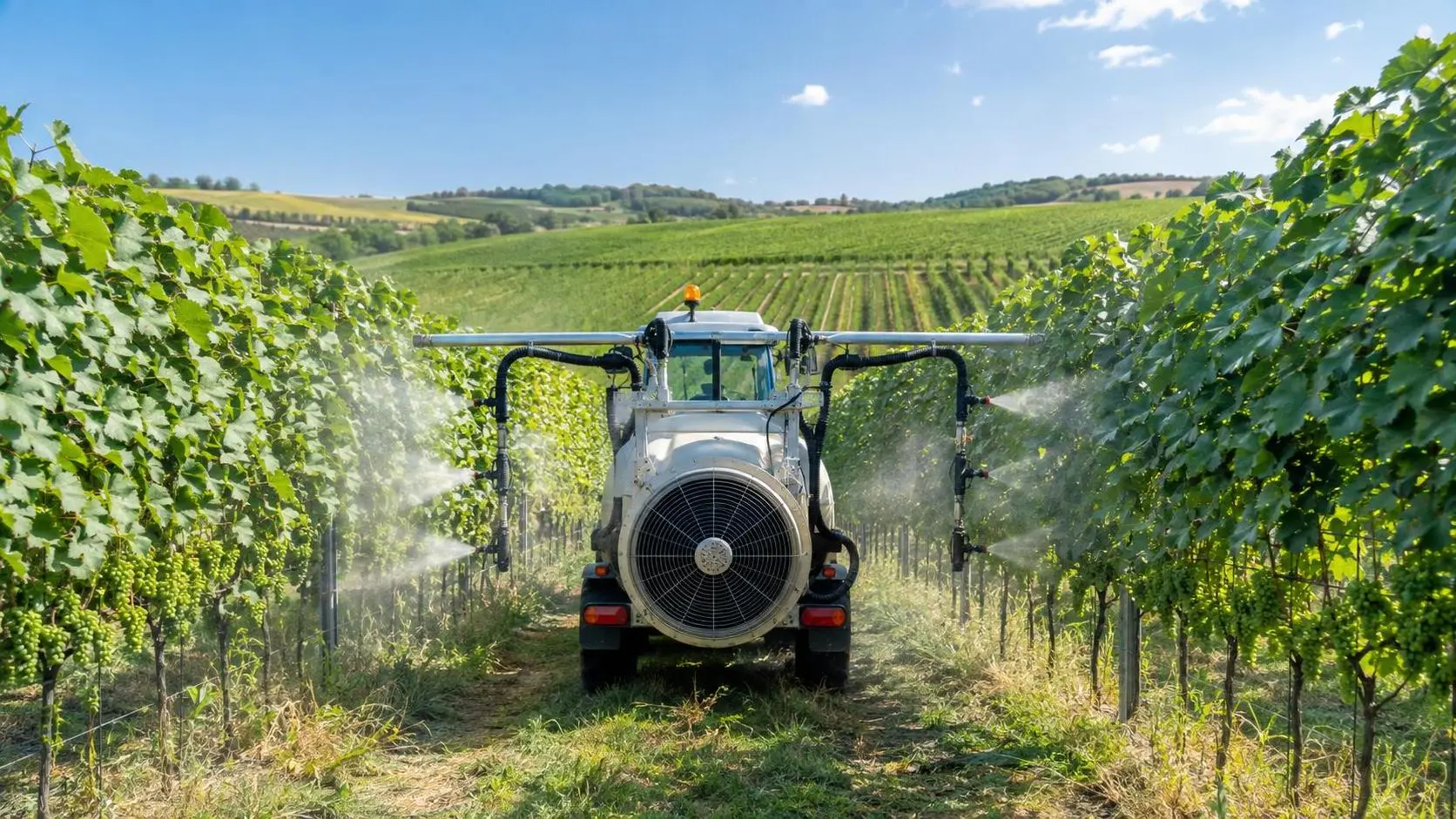
How to Choose Plant Protection Equipment for Vineyard Pests
How to choose the right plant protection equipment for vineyard pests: compare sprayers, nozzles, precision tools, drift control, and canopy coverage for smarter vineyard protection.
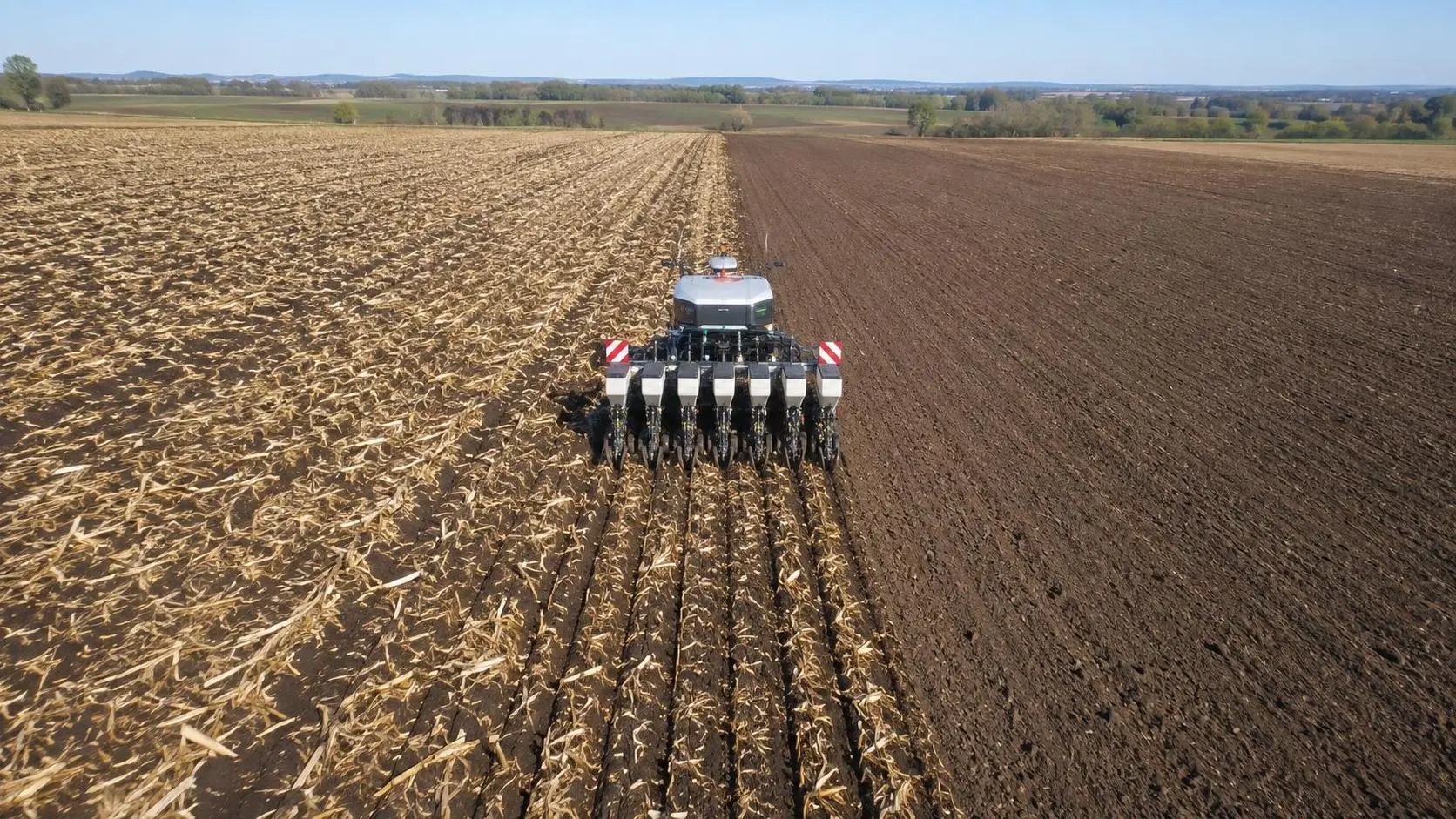
What Is the Difference Between No-Till and Conventional Tillage?
What is the difference between no-till and conventional soil preparation? Compare residue management, costs, erosion control, equipment, and planting performance.

Does No-Till Farming Reduce Erosion on Hilly Farmland?
Does no-till soil preparation reduce erosion on hilly farmland? Discover how residue cover, soil structure, cover crops, and runoff management protect slopes.
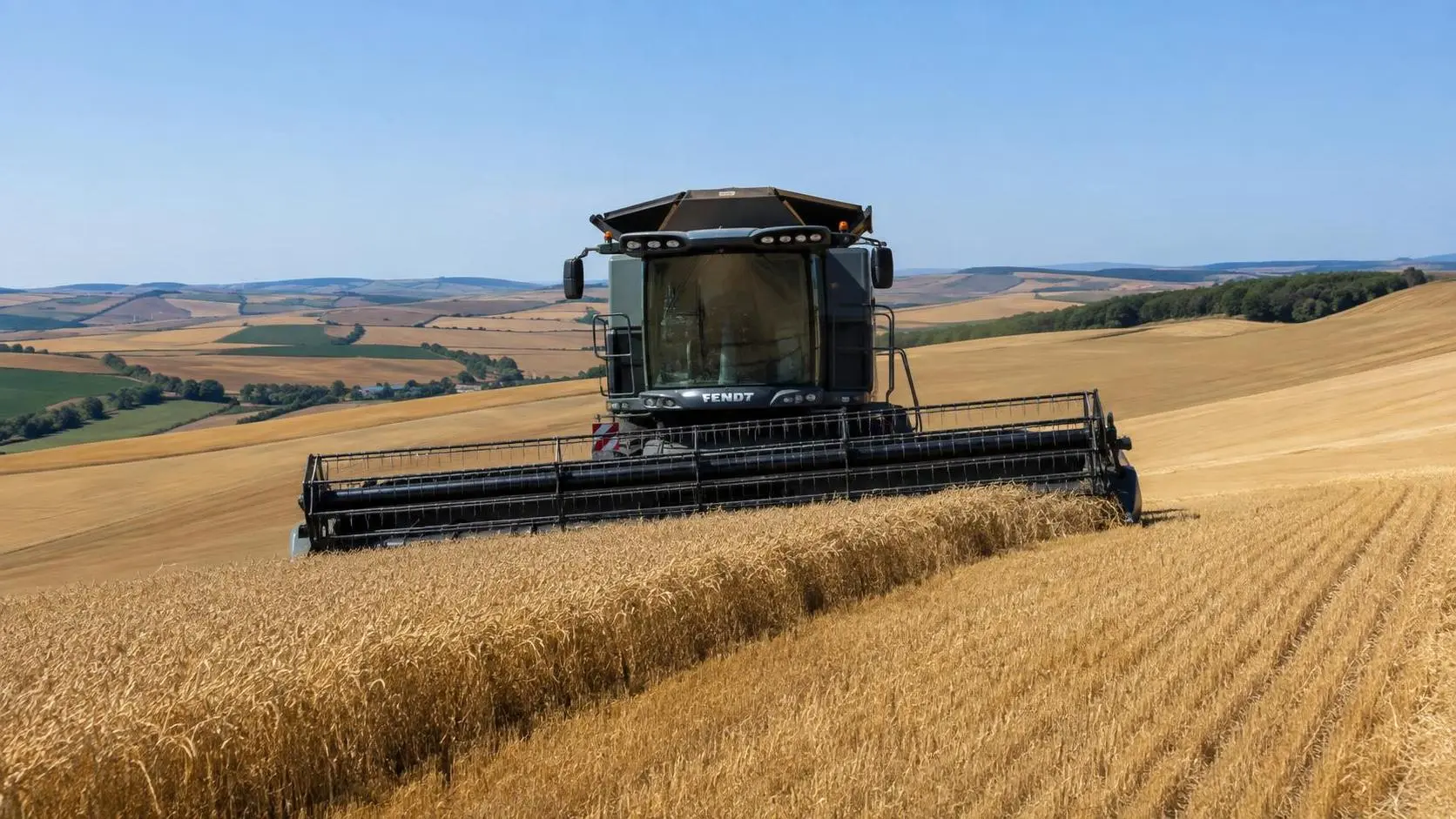
What Harvesting Machinery Works Best for Small Grains on Hills?
What harvesting machinery works best for small grain on hilly terrain? Compare hillside combines, compact models, headers, and traction options for safer, cleaner harvests.
How Does Farm Mechanization Affect Food Security in Developing Regions?
How does farm mechanization impact food security in developing regions? Discover how right-sized equipment, service access, and loss reduction build resilient food systems.
Related News
- 00
0000-00
Agricultural Product Information Market Guide: Key Data for Sourcing Decisions - 00
0000-00
Large-Scale Farm Equipment Cost Comparison: Price, Fuel, and Lifecycle Value - 00
0000-00
A Procurement Specification Preparation Example for Buying Farm Equipment - 00
0000-00
What Are the Risks of Switching to Climate-Smart Farming Mid-Season? - 00
0000-00
Agricultural Technology Specifications: A Practical Guide to Evaluating Farm Equipment
Popular Tags
Ms. Elena Rodriguez
Weekly Insights
Stay ahead with our curated technology reports delivered every Monday.