
What Are the Risks of Switching to Climate-Smart Farming Mid-Season?




What Are the Risks of Switching to Climate-Smart Farming Mid-Season?
What are the main risks of switching to climate-smart agriculture mid-season? For large-scale growers, the decision can affect crop performance, machinery schedules, irrigation plans, input costs, and labor capacity before harvest.
Climate-smart practices can strengthen resilience and improve resource efficiency, but a rushed transition can also disrupt field operations when crops are already dependent on established nutrient, water, and protection schedules.
The practical answer is that mid-season changes are safest when they improve measurement, reduce waste, or correct a clearly documented risk without overturning the crop management system already in progress.
Large farms should treat climate-smart farming as an operational transition, not simply a sustainability upgrade. Every decision must be checked against crop stage, equipment capacity, available data, contract commitments, and harvest timing.
For many operations, the best mid-season strategy is selective adoption. Precision irrigation adjustments, sensor-based scouting, or variable-rate corrections may be viable while wholesale tillage, crop rotation, or machinery changes are deferred.
Farm managers should first identify the specific problem they are trying to solve. Water stress, fertilizer loss, fuel cost exposure, soil compaction, or regulatory pressure each require different tools and carry different risks.
A vague objective creates expensive implementation mistakes. Climate-smart agriculture delivers value when agronomic practices, machinery settings, and field data are aligned with a measurable operational outcome before harvest.
The key question is not whether climate-smart farming is beneficial in principle. It is whether a particular practice can be introduced now without creating more yield, quality, financial, or execution risk.
Why Mid-Season Changes Carry Different Risks
Mid-season fields are not blank operating environments. Crop roots, canopy development, nutrient uptake, soil moisture, pest pressure, and machinery access conditions have already been shaped by earlier management decisions.
Changing practices during active growth can alter several connected systems at once. A revised irrigation schedule may affect fertigation, disease pressure, labor requirements, field traffic, and the expected timing of harvest.
Climate-smart practices often rely on accurate baseline information. If growers lack recent soil moisture readings, nutrient records, yield-zone maps, or equipment calibration results, decisions can be based on incomplete assumptions.
The risk increases where fields are variable. A practice that improves water efficiency on lighter soils may reduce crop performance in heavier zones if irrigation prescriptions are applied too broadly.
Timing is also decisive. A correction made before a crop reaches reproductive growth may be manageable, while the same correction during flowering, grain fill, or fruit sizing can produce irreversible losses.
For enterprise-scale farms, transition risk is multiplied across acres. Small prescription errors, delayed fieldwork, or incompatible attachments can become significant financial exposures when repeated over multiple blocks or farms.
Yield Risk Starts With Crop Stage and Agronomic Fit
The largest concern for most growers is yield uncertainty. A climate-smart practice may be sound long term but still be poorly matched to the crop’s current growth stage or stress condition.
Reducing irrigation, changing fertilizer placement, or altering cultivation intensity can create short-term stress. Crops already facing heat, drought, nutrient deficiency, or disease may have little capacity to absorb experimentation.
Precision practices should not be confused with automatic input reductions. Applying less water or fertilizer only works when field data confirms that current applications exceed crop demand in specific zones.
Variable-rate applications can reduce waste, but incorrect management-zone boundaries may underfeed productive areas. Satellite imagery alone is rarely sufficient without ground-truthing, crop scouting, and equipment verification.
Introducing cover crops mid-season may also be unsuitable in standing cash crops. Competition for moisture, light, or nutrients can outweigh soil-health benefits where rainfall is limited or irrigation capacity is constrained.
Reduced tillage decisions require particular caution. Soil disturbance, residue management, and compaction relief must be evaluated against current planting conditions, weed pressure, drainage needs, and the next crop plan.
Water Management Changes Can Create Hidden Exposure
Smart irrigation is often the most accessible climate-smart entry point, yet it can cause major losses when changes are made without understanding root-zone moisture and system uniformity.
Weather forecasts are useful, but they are not irrigation prescriptions. Rainfall probability does not indicate how much water entered the root zone, how quickly it infiltrated, or how much the crop will transpire.
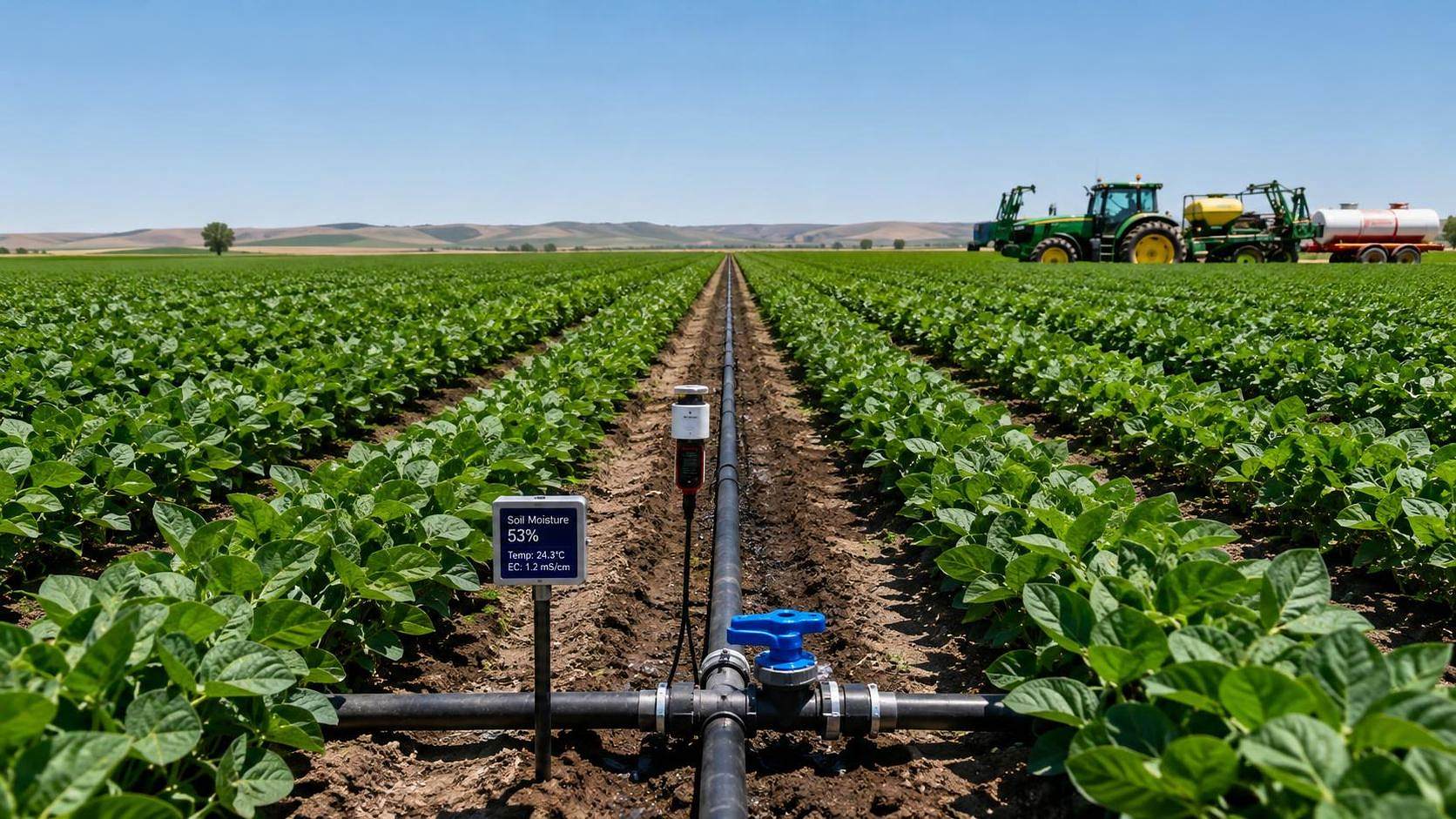
Sensor deployment can also mislead teams when probes are installed in nonrepresentative locations. A single sensor near an emitter, compacted zone, or unusually light soil can distort irrigation decisions.
Before shortening irrigation cycles, operators should inspect pressure, flow, emitter uniformity, filtration performance, and pump capacity. Hardware problems can appear as water-saving opportunities when they are actually distribution failures.
Fertigation systems require additional care. A sudden reduction in water volume can change nutrient concentration, injection timing, and distribution patterns, increasing the chance of root-zone salinity or uneven nutrient availability.
For large irrigated farms, the safest mid-season improvement is usually better scheduling. Use verified soil moisture, crop stage, weather demand, and system capacity before changing infrastructure or cutting total water sharply.
Equipment Compatibility Can Delay Critical Field Operations
Climate-smart farming often depends on machinery working precisely rather than merely operating. Mid-season adoption can expose gaps between tractors, implements, controllers, sensors, software platforms, and operator capability.
A new variable-rate controller may not communicate reliably with an older sprayer or fertilizer spreader. Data formats, wiring standards, GPS correction signals, and implement control protocols should be tested before deployment.
Retrofitting intelligent farm tools during peak season can consume workshop time needed for preventive maintenance. Downtime becomes especially costly when equipment windows are narrow because of weather or crop growth stages.
Tractor chassis performance also matters. Heavier sensor packages, high-capacity tanks, or mounted implements can affect ballast needs, hydraulic demand, soil compaction, and fuel consumption across different field conditions.
Combine harvesters present separate concerns. New yield-monitoring or loss-detection settings must be calibrated against actual crop conditions, or operators may make harvest adjustments using unreliable performance data.
Farm managers should avoid deploying untested technology across the entire acreage. A representative pilot field provides practical evidence on setup time, accuracy, operator workload, and machine reliability before expansion.
Data Gaps Can Turn Precision Decisions Into Guesswork
Climate-smart systems promise better decisions through data, but poor data governance can create false confidence. A dashboard cannot compensate for missing records, poorly calibrated sensors, or inconsistent field identifiers.
Baseline records are essential for judging whether a change worked. Without prior information on water use, input rates, yield zones, fuel consumption, and crop quality, financial benefits cannot be measured credibly.
Data latency is another practical issue. Satellite imagery, machine logs, and sensor platforms may not update quickly enough for decisions involving heat stress, pest outbreaks, or irrigation failures.
Teams should establish who owns each decision. Agronomists may interpret crop signals, irrigation managers may schedule water, and machinery supervisors may verify application accuracy, but their actions must be coordinated.
Data integration deserves scrutiny before purchasing or activating a platform. Separate software systems can create duplicate records, incompatible maps, unclear prescriptions, and delays when information must move between field teams.
A sensible approach is to begin with a limited set of decision-critical metrics. Soil moisture, irrigation volume, application rate, field operation timing, and crop condition often provide more value than excessive reporting.
Cost Risk Is More Than the Price of New Technology
Mid-season climate-smart adoption can create unplanned spending on sensors, subscriptions, retrofit kits, consulting, labor, training, connectivity, and equipment downtime. The purchase price rarely captures the full financial impact.
Opportunity cost can be higher than direct cost. If installation or calibration delays spraying, irrigation repair, nutrient application, or harvest preparation, the resulting crop loss may exceed the technology investment.
Managers should separate investments that protect the current crop from investments intended for future seasons. A sensor network may provide useful information now, while a major equipment replacement may not pay back immediately.
Cash-flow timing matters in agricultural businesses. Spending during the growing season can occur before revenue is secured, particularly where weather, commodity prices, insurance conditions, or buyer specifications remain uncertain.
Expected savings should be tested against realistic operating assumptions. Lower fertilizer use is only a gain if yield, grade, protein, moisture, or marketable output are not reduced by the adjustment.
Use a simple decision threshold: quantify the likely benefit, the worst credible downside, implementation cost, and reversibility. Practices with limited downside and quick feedback are generally better mid-season candidates.
Labor and Training Risks Are Often Underestimated
Even effective technology can fail when operators are asked to change routines during the busiest part of the season. New workflows add cognitive load when crews are already managing weather and field deadlines.
Precision tools require more than installation. Operators need to understand alerts, calibration checks, prescription boundaries, manual overrides, equipment safety, and the consequences of acting on inaccurate information.
Different crews may interpret recommendations differently. One irrigation manager may respond immediately to a sensor alert, while another may wait for visual crop symptoms, creating inconsistent treatment across fields.
Training should focus on the small number of actions that affect crop outcomes. Teams need clear instructions on what to monitor, who approves changes, and when a problem must be escalated.
Labor scheduling should account for new tasks such as sensor inspection, data review, map loading, nozzle checks, pressure testing, and documentation. These activities compete with routine field operations.
Management should also plan for failure modes. If telemetry is unavailable, a prescription file fails, or a sensor reading looks implausible, operators need a documented fallback operating procedure.
Supply Chain, Compliance, and Contract Risks Need Review
Some climate-smart changes affect commercial obligations. Input suppliers, processors, insurers, lenders, certification programs, and export buyers may require documentation or impose conditions tied to production practices.
A grower changing nutrient rates should confirm crop insurance requirements and recordkeeping expectations. Reduced inputs may be defensible, but only when decisions are supported by field evidence and agronomic rationale.
Food processors may have quality standards that conflict with aggressive water or fertilizer reductions. Yield is not the only performance measure when contracts require size, color, protein, moisture, or residue compliance.
Equipment distributors and service partners should also be involved early. Parts availability, firmware support, seasonal technician capacity, and warranty terms may determine whether a technology change is practical now.
Where carbon programs or sustainability claims are involved, verification rules matter. A practice may not qualify for credits if it began too late, lacks baseline documentation, or cannot be audited accurately.
Before changing practices, farm leaders should create a short compliance review. Confirm buyer requirements, insurance obligations, regulatory limits, equipment support, and evidence needed to substantiate sustainability outcomes.
A Practical Framework for Deciding What to Change Now
Start by defining the immediate operating problem and the target outcome. For example, reduce irrigation losses by ten percent, correct uneven nitrogen application, or identify harvest-loss hotspots before combining begins.
Next, classify the proposed change by reversibility. Low-risk actions include monitoring improvements and calibration checks, while high-risk actions include broad rate reductions, equipment replacement, and untested field practices.
Assess whether the farm has enough information to act. Confirm crop stage, soil conditions, moisture status, machine capability, labor availability, financial exposure, and the time required to observe results.
Use pilot acreage that represents the wider operation. A good pilot includes contrasting soil types, realistic machinery travel distances, normal operators, and a comparison area managed under the existing plan.
Set stop conditions before implementation. These may include declining soil moisture, abnormal canopy stress, application variance, machine faults, missed operation windows, or crop-quality indicators outside acceptable limits.
Finally, document results for the next season. Record costs, labor hours, water use, machinery performance, crop response, and yield outcomes so future climate-smart investments are based on evidence rather than assumptions.
Conclusion: Prioritize Controlled Improvements Over Abrupt Change
The main risks of switching to climate-smart agriculture mid-season are yield loss, irrigation mistakes, equipment disruption, unreliable data, added costs, labor strain, and compliance complications.
These risks do not mean growers should avoid climate-smart farming. They mean that adoption should match the crop calendar, farm capability, available evidence, and the financial importance of the remaining season.
For large-scale operations, the strongest mid-season opportunities are usually targeted and measurable: improve irrigation scheduling, verify application accuracy, strengthen field monitoring, and correct specific operational inefficiencies.
Major system changes should usually be designed during the current season, tested after harvest, and scaled only after agronomic, equipment, labor, and economic performance have been proven under farm conditions.
A disciplined transition protects today’s crop while building the data, machinery readiness, and management confidence required for more resilient, resource-efficient production in the seasons ahead.
Related News
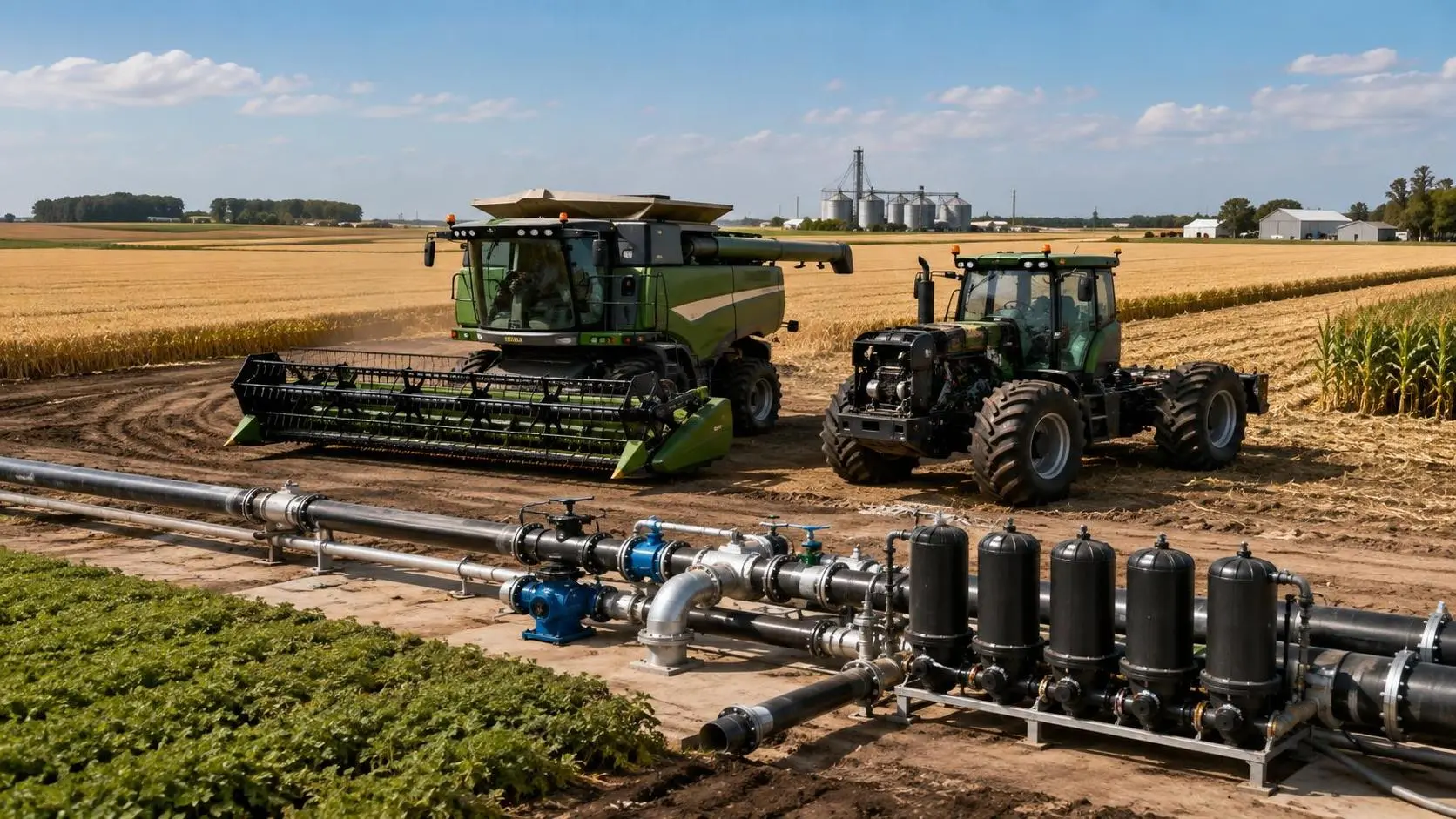
Agricultural Product Information Market Guide: Key Data for Sourcing Decisions
Agricultural product information market guide for smarter sourcing—compare machinery, irrigation, precision tools, lifecycle costs, and supplier risk.
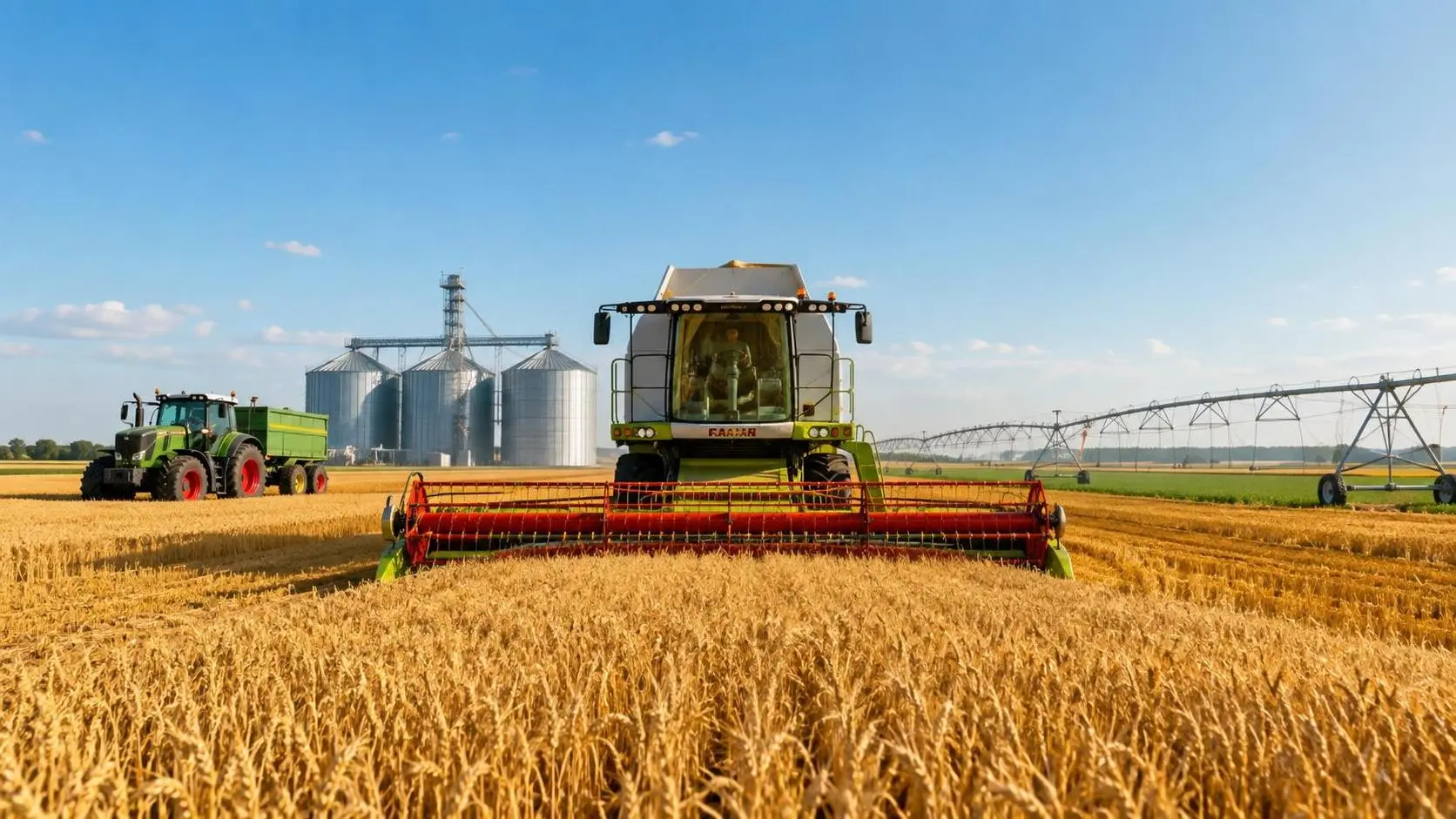
Large-Scale Farm Equipment Cost Comparison: Price, Fuel, and Lifecycle Value
Large-scale farm equipment cost comparison: evaluate price, fuel, maintenance, downtime, and lifecycle value to choose tractors, combines, irrigation, and smart tools with confidence.
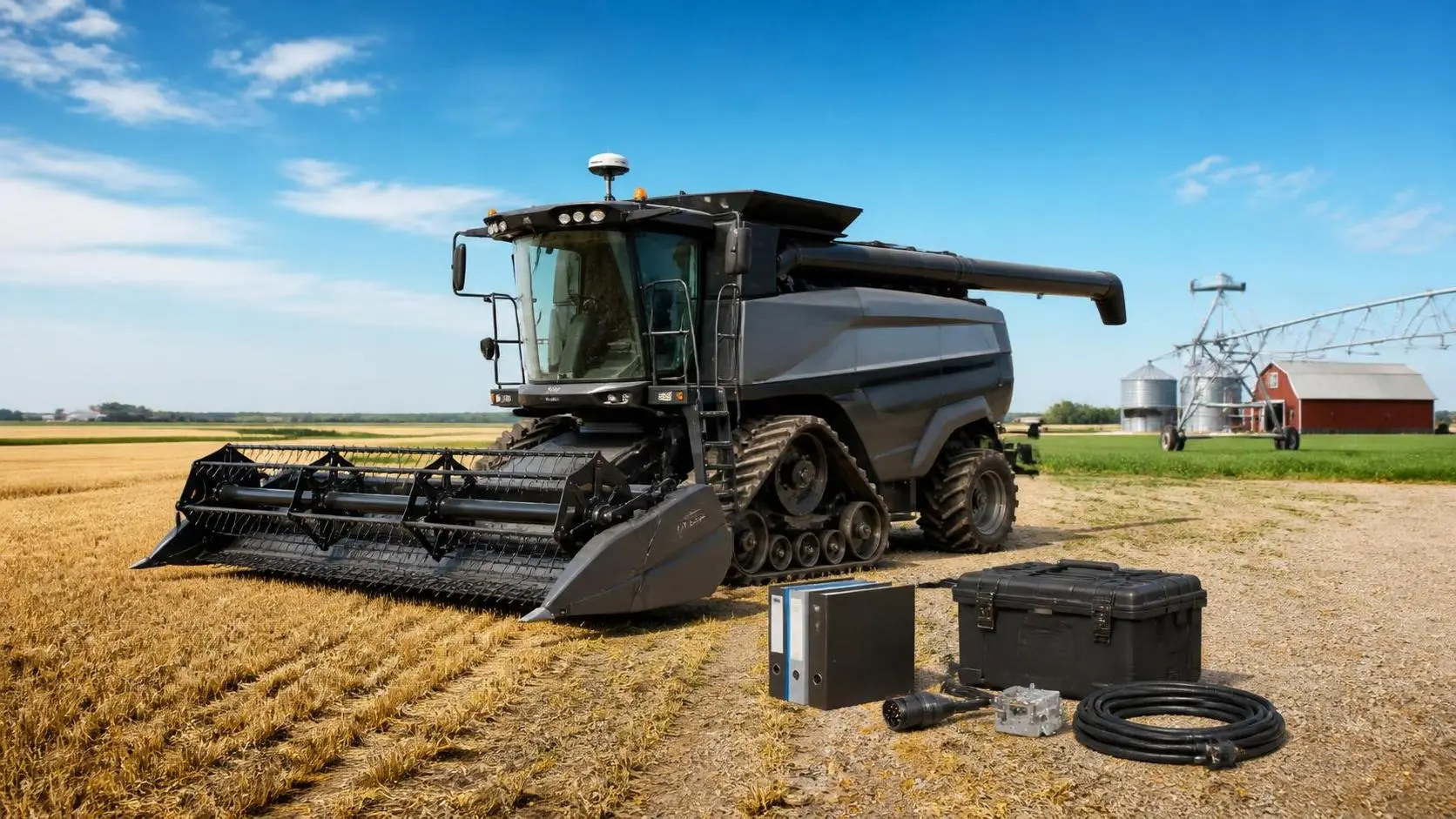
A Procurement Specification Preparation Example for Buying Farm Equipment
Procurement specification preparation example for farm equipment: learn to define requirements, compare suppliers, control lifecycle costs, and buy with confidence.
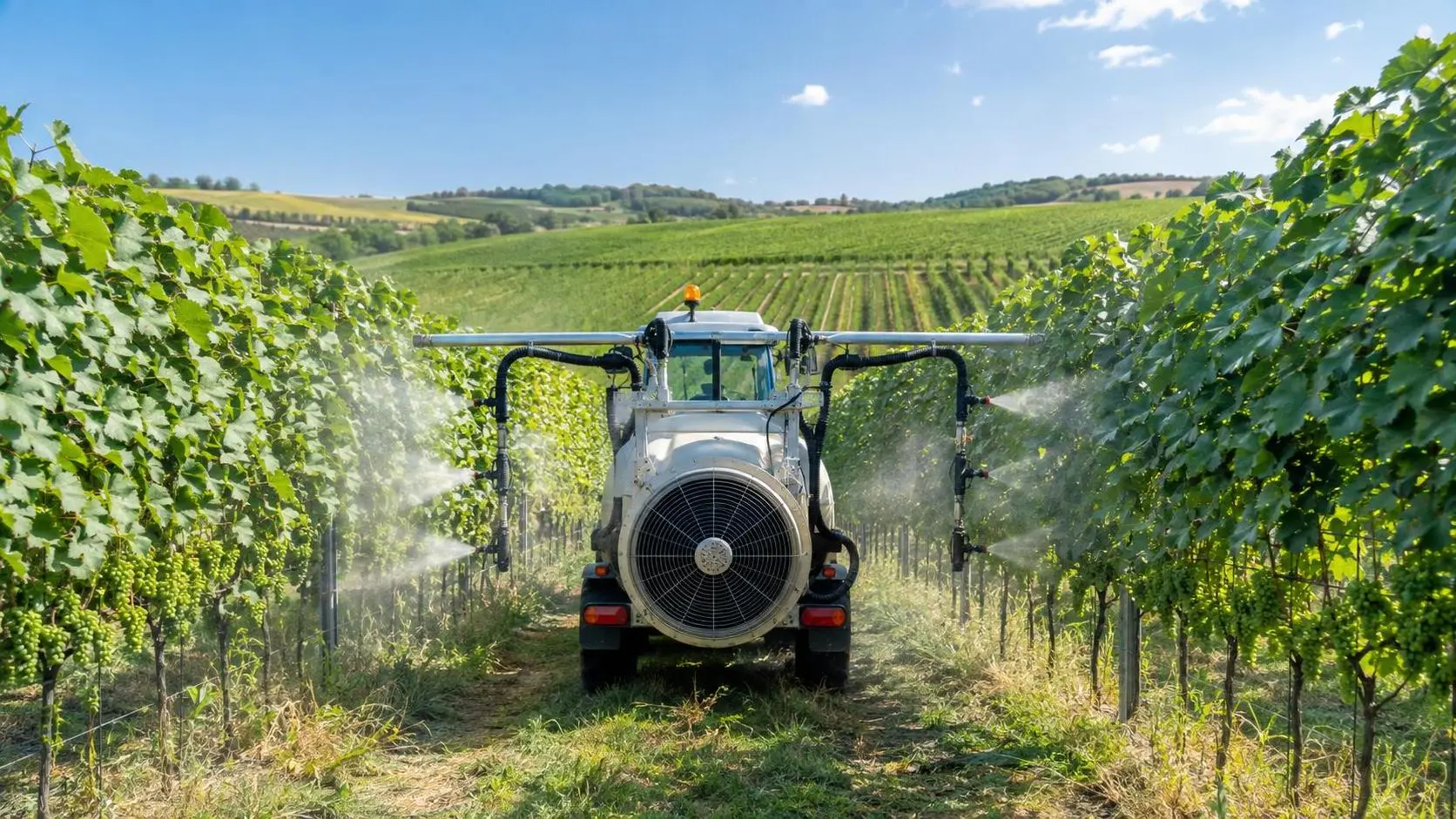
How to Choose Plant Protection Equipment for Vineyard Pests
How to choose the right plant protection equipment for vineyard pests: compare sprayers, nozzles, precision tools, drift control, and canopy coverage for smarter vineyard protection.
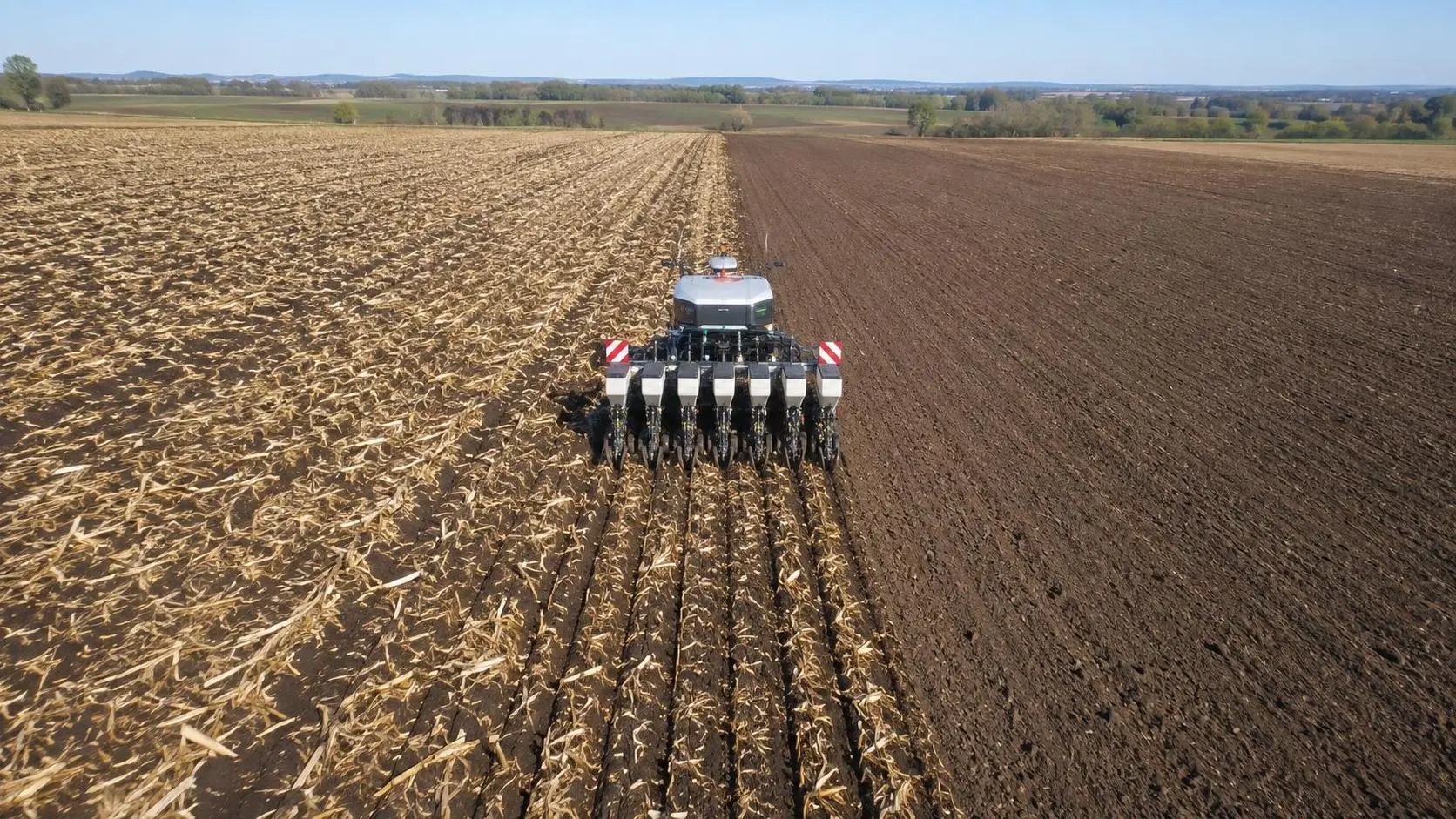
What Is the Difference Between No-Till and Conventional Tillage?
What is the difference between no-till and conventional soil preparation? Compare residue management, costs, erosion control, equipment, and planting performance.
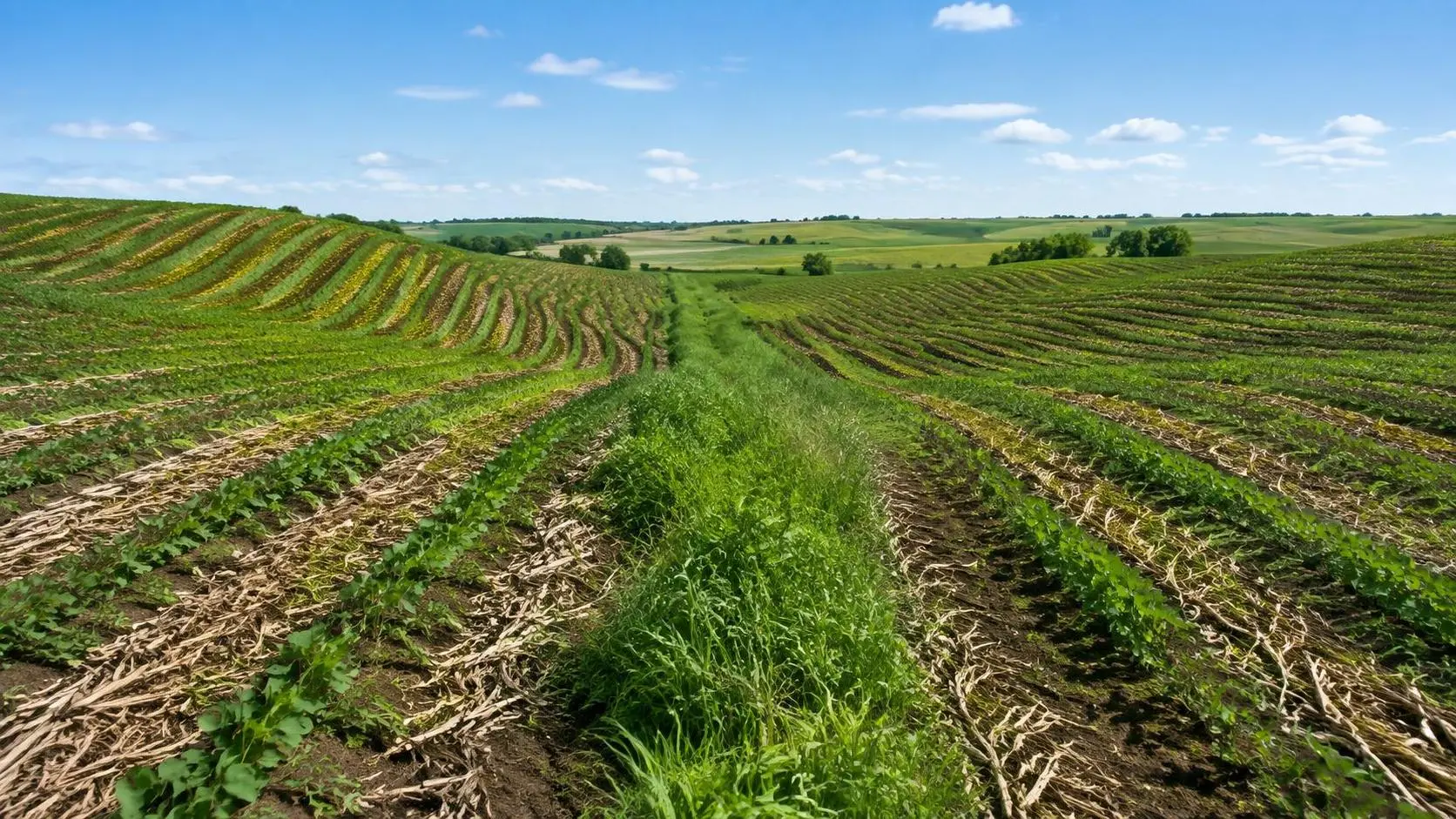
Does No-Till Farming Reduce Erosion on Hilly Farmland?
Does no-till soil preparation reduce erosion on hilly farmland? Discover how residue cover, soil structure, cover crops, and runoff management protect slopes.
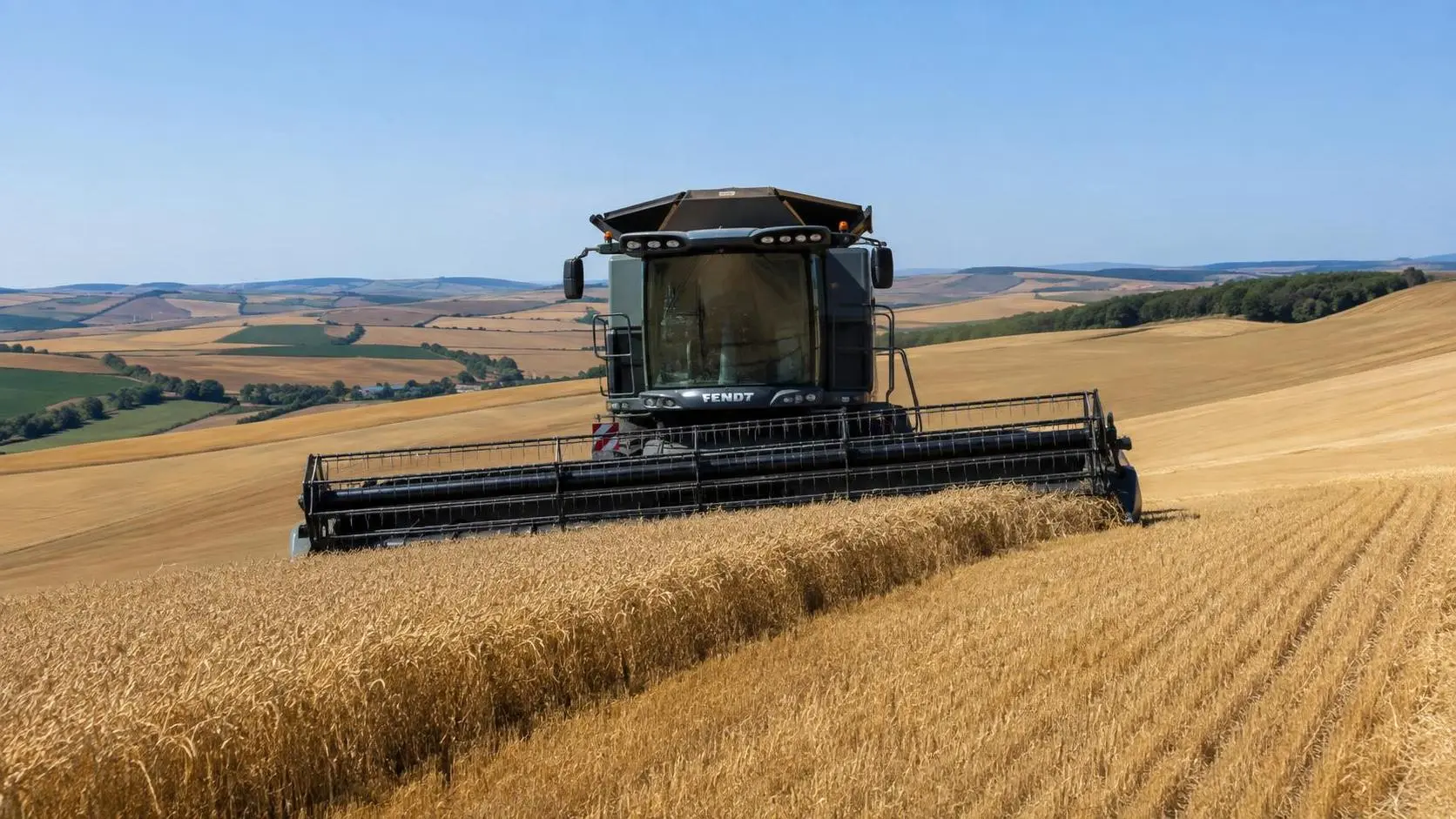
What Harvesting Machinery Works Best for Small Grains on Hills?
What harvesting machinery works best for small grain on hilly terrain? Compare hillside combines, compact models, headers, and traction options for safer, cleaner harvests.
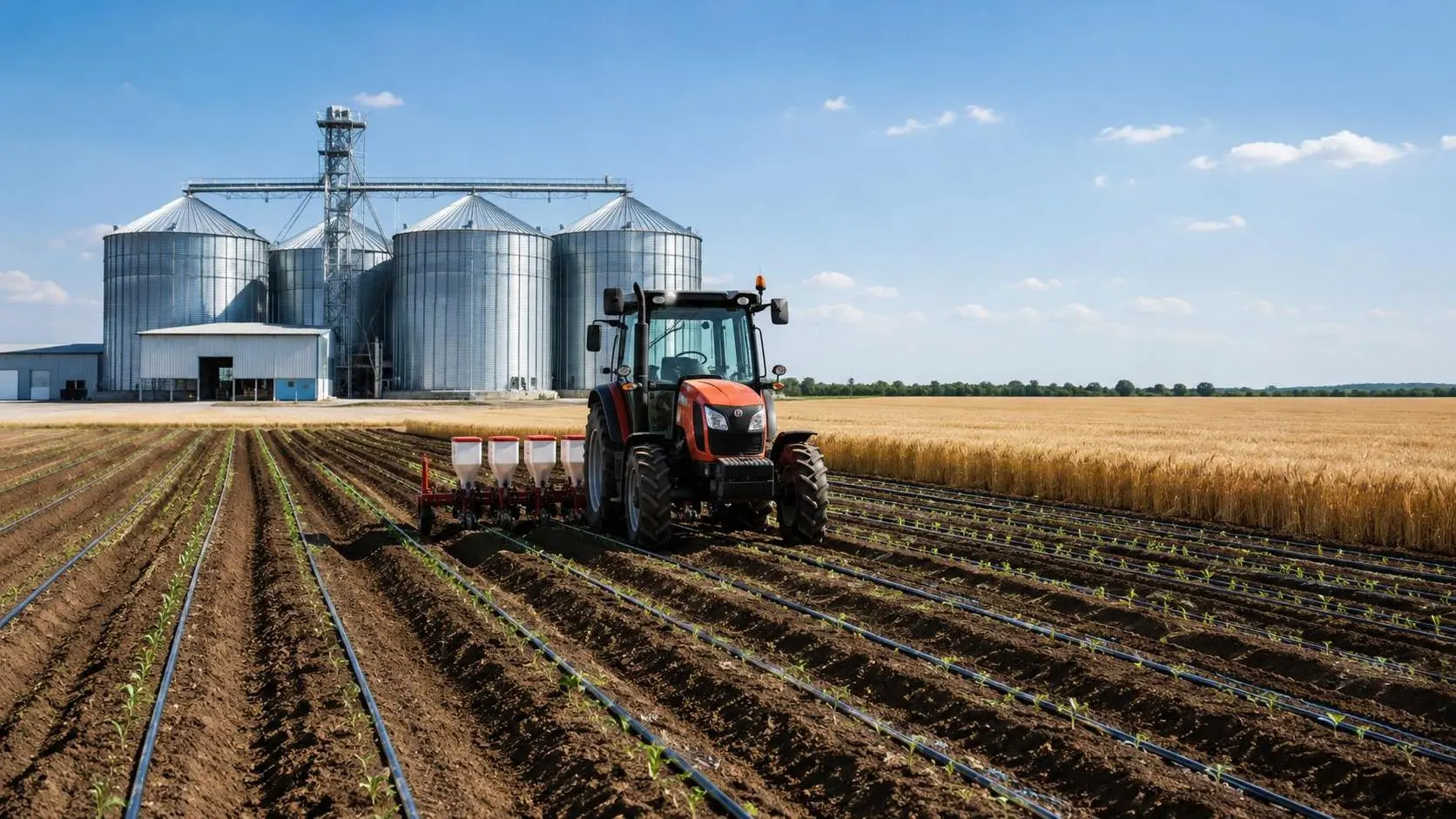
How Does Farm Mechanization Affect Food Security in Developing Regions?
How does farm mechanization impact food security in developing regions? Discover how right-sized equipment, service access, and loss reduction build resilient food systems.
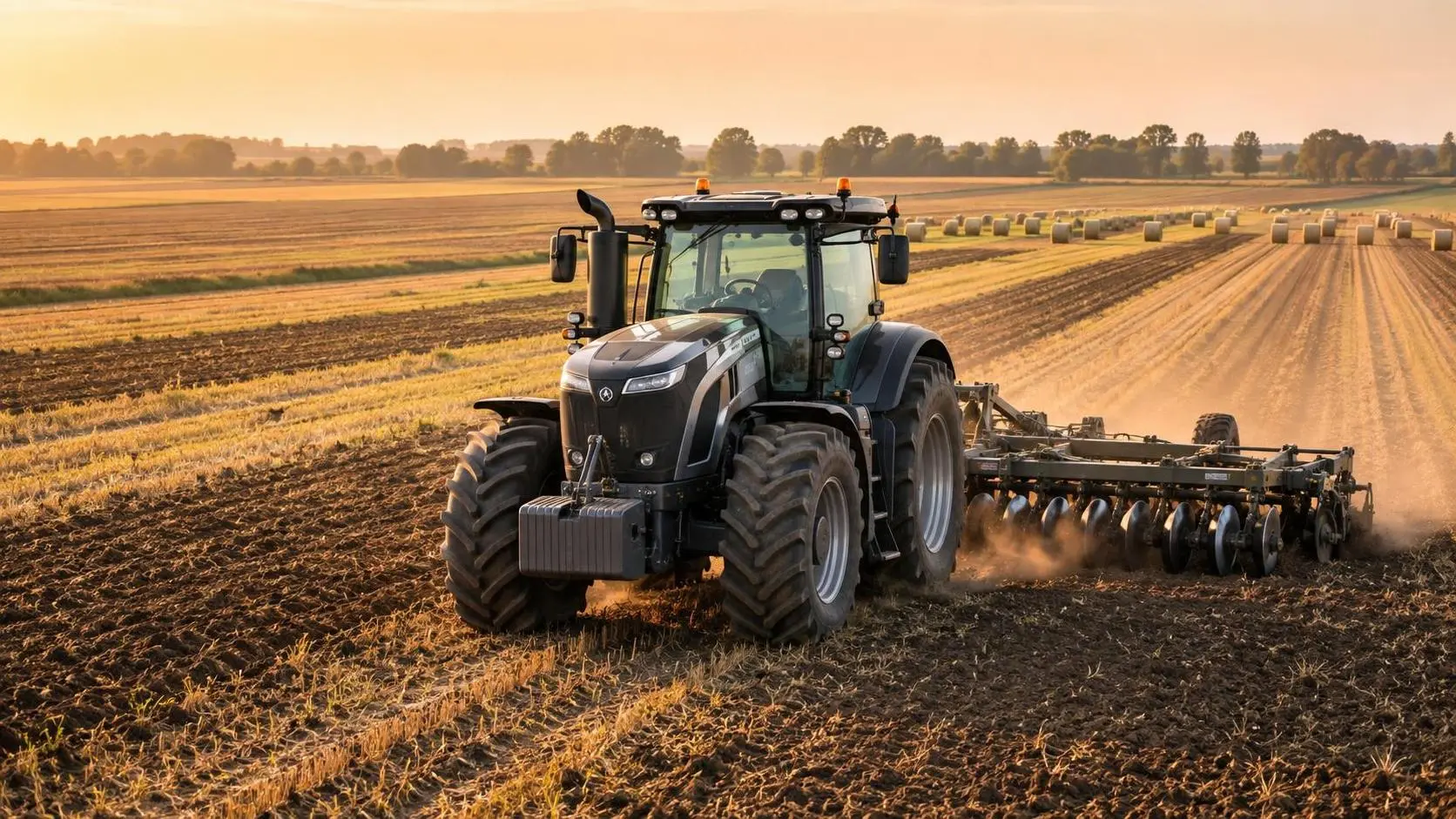
Which Implements Are Compatible With a 200 HP Tractor for Mixed Cropping?
What implements are compatible with a 200HP tractor for mixed cropping? Explore practical matches for tillage, drilling, baling, spraying, and hauling.
Related News
- 00
0000-00
Agricultural Product Information Market Guide: Key Data for Sourcing Decisions - 00
0000-00
Large-Scale Farm Equipment Cost Comparison: Price, Fuel, and Lifecycle Value - 00
0000-00
A Procurement Specification Preparation Example for Buying Farm Equipment - 00
0000-00
What Are the Risks of Switching to Climate-Smart Farming Mid-Season? - 00
0000-00
Agricultural Technology Specifications: A Practical Guide to Evaluating Farm Equipment
Popular Tags
Ms. Elena Rodriguez
Weekly Insights
Stay ahead with our curated technology reports delivered every Monday.