
When agricultural machinery category intelligence reveals sourcing risk




When Agricultural Machinery Category Intelligence Reveals Sourcing Risk
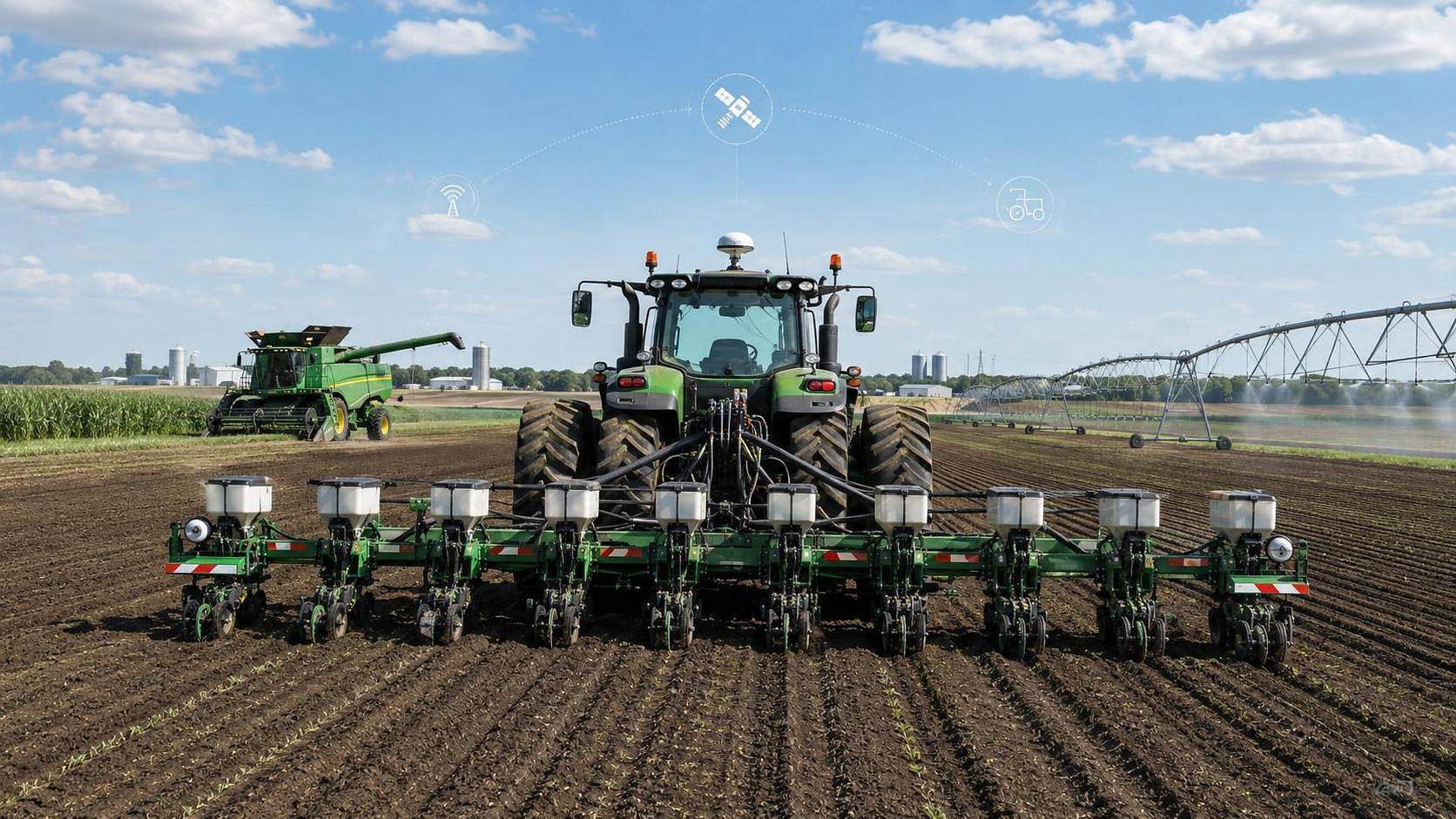
Agricultural machinery category intelligence is becoming essential for business evaluators assessing sourcing risk across tractors, combine harvesters, precision tools, and irrigation systems. As supply chains face technology shifts, regulatory pressure, and climate-driven demand changes, category-level insight helps buyers identify supplier vulnerabilities, benchmark capabilities, and make more resilient procurement decisions.
The difficult part is that farm equipment is often evaluated as a collection of individual products: a tractor quotation, a harvester specification sheet, a pump catalogue, or a guidance-system demonstration. That approach can miss the wider exposure. A supplier may be strong in engine integration but weak in hydraulic components. A manufacturer may offer a credible combine platform while relying on limited sources for sensors, electronic control units, or wear parts. An irrigation system may perform well in a controlled demonstration yet create long-term maintenance risk if filters, emitters, telemetry hardware, and local water conditions were not assessed together.
Category intelligence changes the question from “Is this machine acceptable?” to “What market, technical, and supply-chain conditions sit behind this machine?” That shift matters because agricultural equipment is bought for seasons, not just for delivery dates. A delayed replacement component during planting or harvest can be more consequential than a small difference in initial purchase price.
Why category-level visibility is now a sourcing discipline
Agriculture 4.0 is making machinery categories more interconnected. Heavy equipment still depends on mechanical durability, service access, traction, power transmission, and hydraulic performance. Yet the value proposition increasingly includes satellite positioning, sensor feedback, software updates, data interfaces, variable-rate control, and remote diagnostics. Procurement teams therefore need to examine both the physical machine and the digital system around it.
This is especially visible in tractor chassis. A chassis is not simply a structural platform beneath an engine. It affects load capacity, ride behavior, transmission integration, front-linkage options, hydraulic output, implement compatibility, and repairability. When hybrid or electrified auxiliary systems enter the category, sourcing exposure expands further: buyers may need visibility into battery architecture, power electronics, technician capability, thermal management, and replacement-part pathways. A feature that looks progressive in a launch announcement may be commercially premature in a market without suitable support infrastructure.
The same pattern applies to combines. Harvest capacity alone does not define suitability. The relationship between crop conditions, header configuration, threshing and separation design, cleaning performance, grain-loss monitoring, operator skill, and service responsiveness can determine whether a machine is an asset or an operational bottleneck. In regions where harvest windows are short or weather volatility is high, resilience in the support model deserves as much attention as headline throughput.
Agricultural machinery category intelligence brings these dependencies into one view. It does not eliminate uncertainty, but it makes uncertainty visible early enough to influence supplier selection, contract structure, inventory planning, and technical validation.
The risk signals hidden behind a competitive quotation
A low quotation can be legitimate. It can also conceal a different risk allocation. Business evaluators should avoid treating price, stated capacity, and shipping terms as a complete comparison. The most useful signals tend to appear in the gaps between commercial documents, technical claims, and local operating reality.
One signal is component concentration. If a machine depends on a narrow group of externally sourced transmissions, engines, controllers, GNSS modules, bearings, pumps, or injectors, disruption at one component level can affect deliveries and after-sales availability. The issue is not that external components are inherently risky; many are proven and widely serviceable. The relevant question is whether the supplier can clearly identify alternatives, stocking practices, service procedures, and expected lead times for critical parts.
Another is configuration instability. Agricultural equipment is often customized for crop type, field scale, climate, road rules, fuel quality, and local implements. A supplier that frequently changes controllers, attachments, hydraulic layouts, or software environments may be responding to market demand, but changing configurations can complicate fleet standardization. For distributors and large operators, the cost emerges later in technician training, parts inventory, documentation control, and inconsistent machine behavior across units.
Digital dependency is a third signal. Precision functions may depend on subscriptions, correction services, cloud platforms, proprietary displays, or software licenses. These elements should be reviewed as operational dependencies rather than optional add-ons. Buyers need clarity on who owns field data, whether machine functions remain available during connectivity interruptions, how updates are approved, and whether third-party implements can exchange data with the tractor or application controller.
Finally, there is the risk of apparent similarity. Two machines can share engine power bands or nominal working widths while having very different duty-cycle capability. Frame design, cooling margin, filtration, hydraulic architecture, axle rating, material quality, and access for routine maintenance often matter more than the broad category label. Category intelligence helps evaluators compare the operating system, not merely the sales specification.
Different categories carry different sourcing exposures
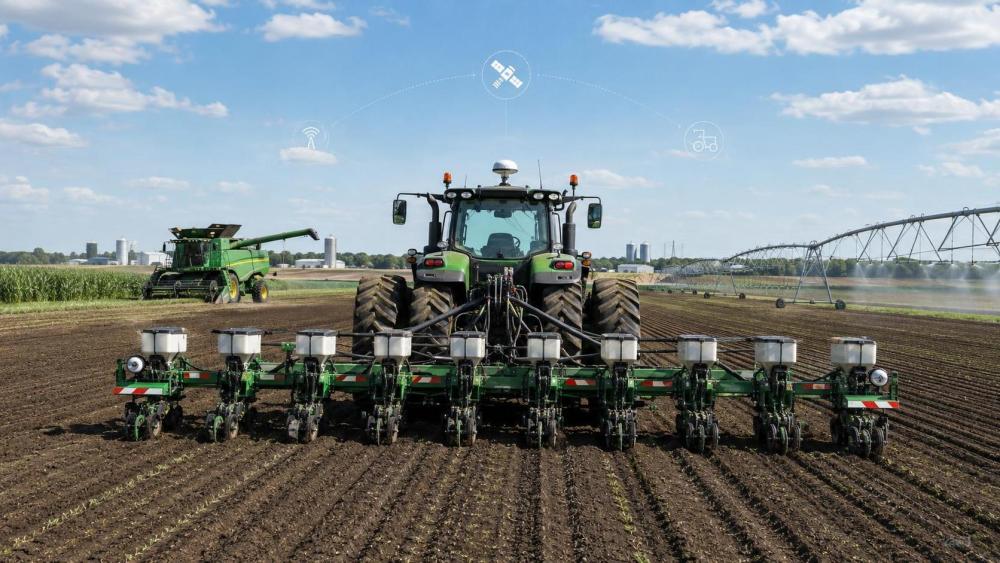
Not every agricultural equipment category should be assessed with the same risk lens. A practical review separates the commercial dependency from the operating dependency.
Irrigation shows why a category view is necessary. A buyer may compare emitter spacing, pump capacity, and controller functions, then overlook water chemistry, filtration discipline, pressure variation, and field topography. Those factors can determine whether a system delivers uniform application over time. Smart irrigation introduces another layer: transpiration models and sensor-based scheduling can improve decision quality, but only when field measurements, connectivity, and agronomic interpretation are reliable enough for the project.
From market trend to sourcing decision
The global market is moving toward more autonomous, connected, resource-efficient equipment, but adoption will not be uniform. Farm scale, labor availability, financing conditions, crop economics, infrastructure, environmental requirements, and technician capacity all influence the pace. Evaluators should be cautious when a market trend is presented as a universal procurement answer.
Autonomous machinery offers a useful example. The strategic direction is clear: many operations are exploring automation to address labor constraints, improve repeatability, and extend working windows. Yet the sourcing question is more practical. Is the automation designed for supervised operation, controlled environments, or varied open-field conditions? What happens when sensors are obstructed by dust, residue, or weather? Who can diagnose a fault in the field? Is the supplier’s support model designed for the buyer’s geography and farming calendar?
Precision fertilization and spraying systems require the same discipline. Their commercial value depends on agronomic data quality, implement calibration, application rules, operator workflows, and compatible digital platforms. Buying the most advanced controller without confirming these conditions can produce a technically impressive but underused asset. In contrast, a less complex solution with dependable calibration and local service may be the lower-risk choice for a given operation.
This is where intelligence should be converted into decision gates. Before final supplier selection, teams can ask for evidence that relates directly to their project: configuration lists, maintenance schedules, critical-parts plans, interface documentation, operator-training scope, warranty boundaries, and confirmation of applicable local requirements. These are not administrative extras. They show whether the supplier understands the machinery as a long-cycle operating commitment.
A more useful way to benchmark suppliers
Supplier benchmarking is often reduced to brand recognition, production scale, price, and reference lists. Those factors matter, but they are incomplete. A stronger assessment examines capability across five connected dimensions: machine performance under intended conditions; supply continuity for critical systems; service readiness; digital and implement interoperability; and exposure to market or regulatory change.
The assessment should distinguish between evidence and reassurance. “Parts are available” is reassurance unless it is supported by stocking logic, regional service arrangements, or a clear escalation process. “The platform is compatible” requires a definition of the relevant interface and operating conditions. “The system saves water” needs to be tied to irrigation design, water-source quality, crop requirements, and management practice rather than treated as a universal outcome.
For multi-market sourcing, comparison also needs to account for localization. Machines designed for broad export markets may require adjustments for road transport rules, safety requirements, lighting, hitch standards, fuel characteristics, or local implement ecosystems. None of these issues automatically disqualifies a supplier. They simply change the work required before deployment and should be reflected in both technical due diligence and commercial risk planning.
Intelligence that connects field performance with market exposure
The Global Agri-Pulse Hub, AP-Strategy, approaches this landscape through the connected pillars of large-scale agri-machinery, combine harvesting technology, tractor chassis, intelligent farm tools, and water-saving irrigation systems. Its Strategic Intelligence Center brings together perspectives from agri-mechanization, precision agriculture, and hydrological resource strategy because sourcing risk rarely stays inside a single product category.
That connected view is particularly relevant when market developments affect equipment decisions indirectly. Grain-market movement can reshape investment timing. Environmental policies can influence demand for efficient irrigation or precision application. Advances in chassis hybridization, harvester cleaning-loss feedback, or irrigation prediction models may affect the future service and data requirements attached to a purchase made today. Good intelligence does not promise certainty; it helps evaluators understand which assumptions deserve challenge.
For sourcing teams, the next step is not necessarily a larger supplier list. It is a sharper set of questions. Confirm which components are critical to seasonal uptime, where digital functions depend on external services, how configurations fit local crops and water conditions, and what support exists after commissioning. Agricultural machinery category intelligence becomes valuable when it turns a broad market trend into a decision that can withstand a difficult season.
- combine harvesting technology
- Agriculture 4.0
- tractor chassis
- intelligent farm tools
- satellite positioning
- water-saving irrigation
- autonomous machinery
- agri-mechanization
- agricultural machinery
- farm equipment
- combine harvesters
- water-saving irrigation systems
- agricultural equipment
- large-scale agri-machinery
- irrigation systems
Related News
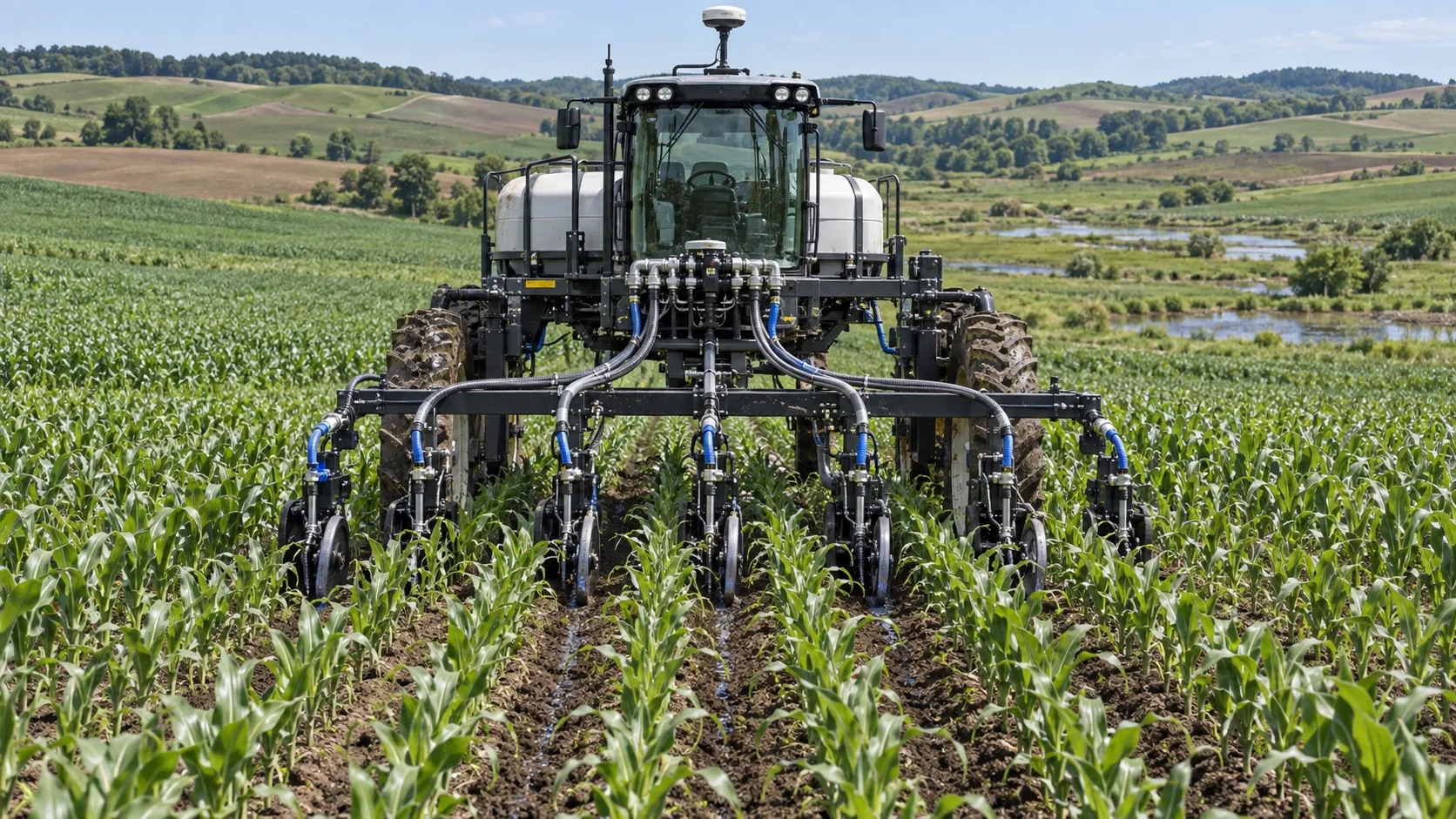
How to Select a Precision Fertilization System for Variable Corn Field Conditions
Precision fertilization systems for corn farming: learn how to match data, placement, control accuracy, and ROI to variable field conditions for better results.
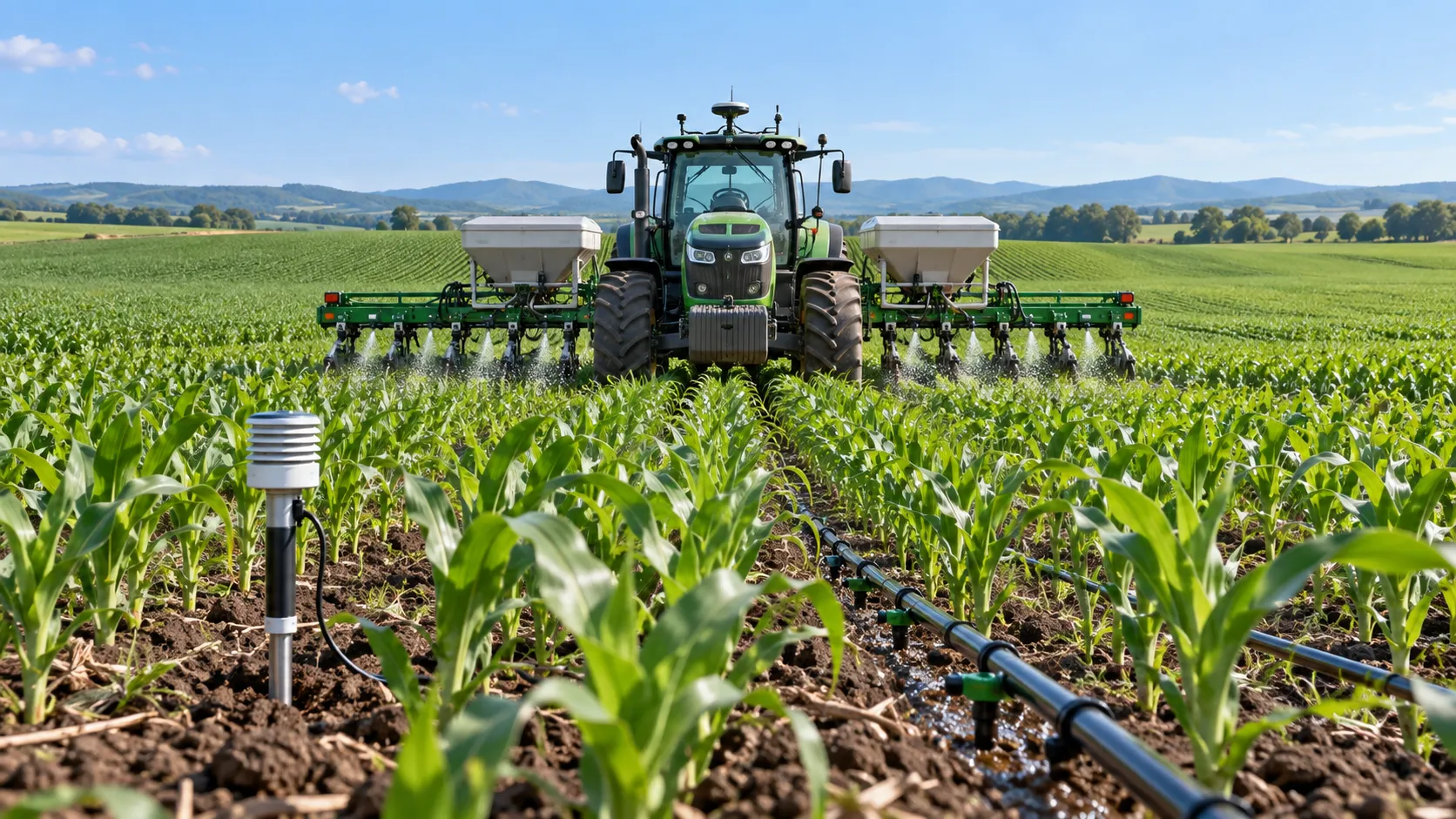
Selecting Precision Farming Products by Application: Field Conditions, Crops, and ROI
Application-based product selection for precision farming: match technology to field conditions, crops, machinery, and ROI for smarter, reliable farm investments.
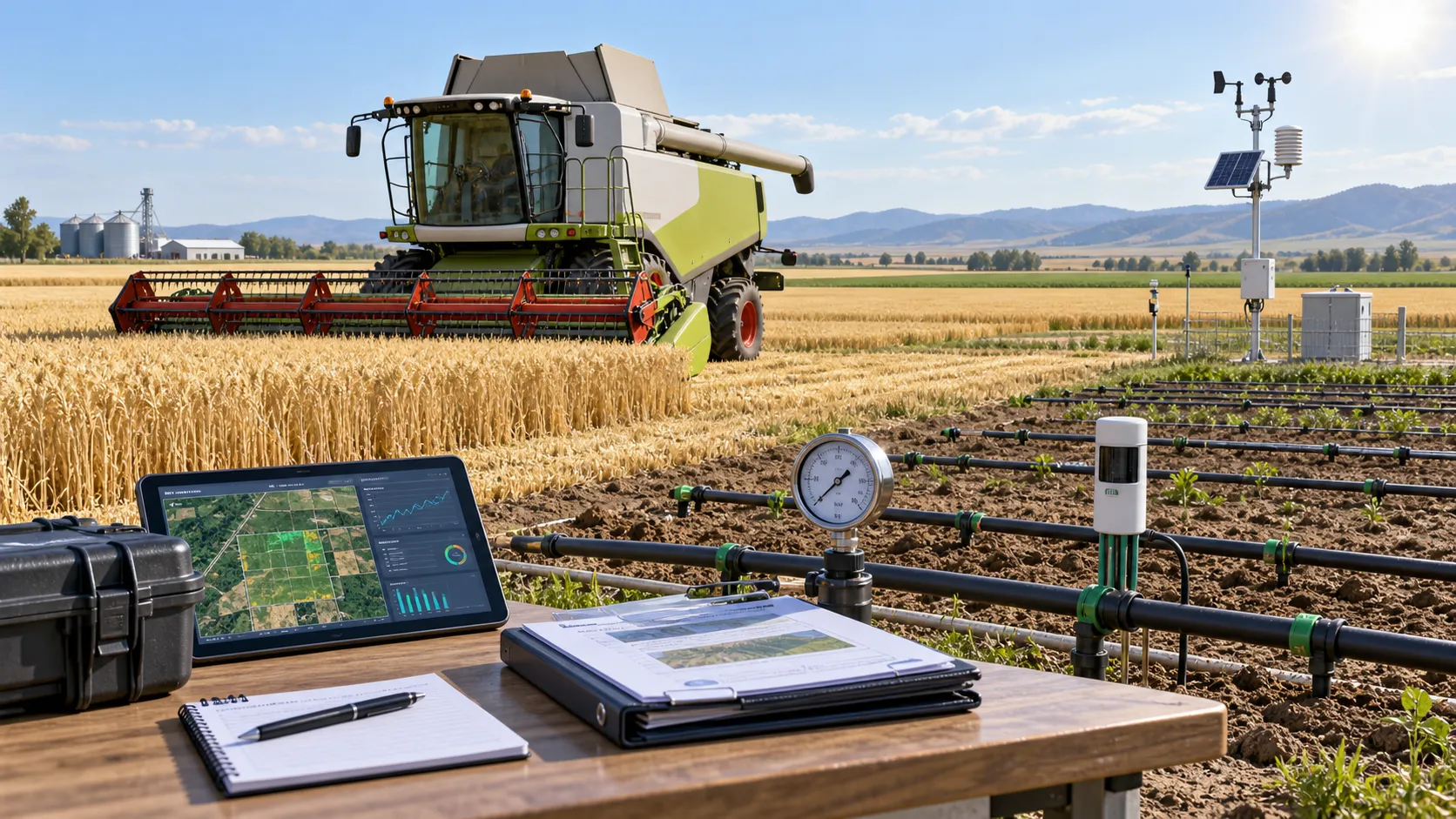
How to Evaluate Agricultural Product Information Sources for Reliable Farm Decisions
Agricultural product information reference guide: evaluate reliable farm data, verify claims, and make smarter machinery, irrigation, and crop decisions.
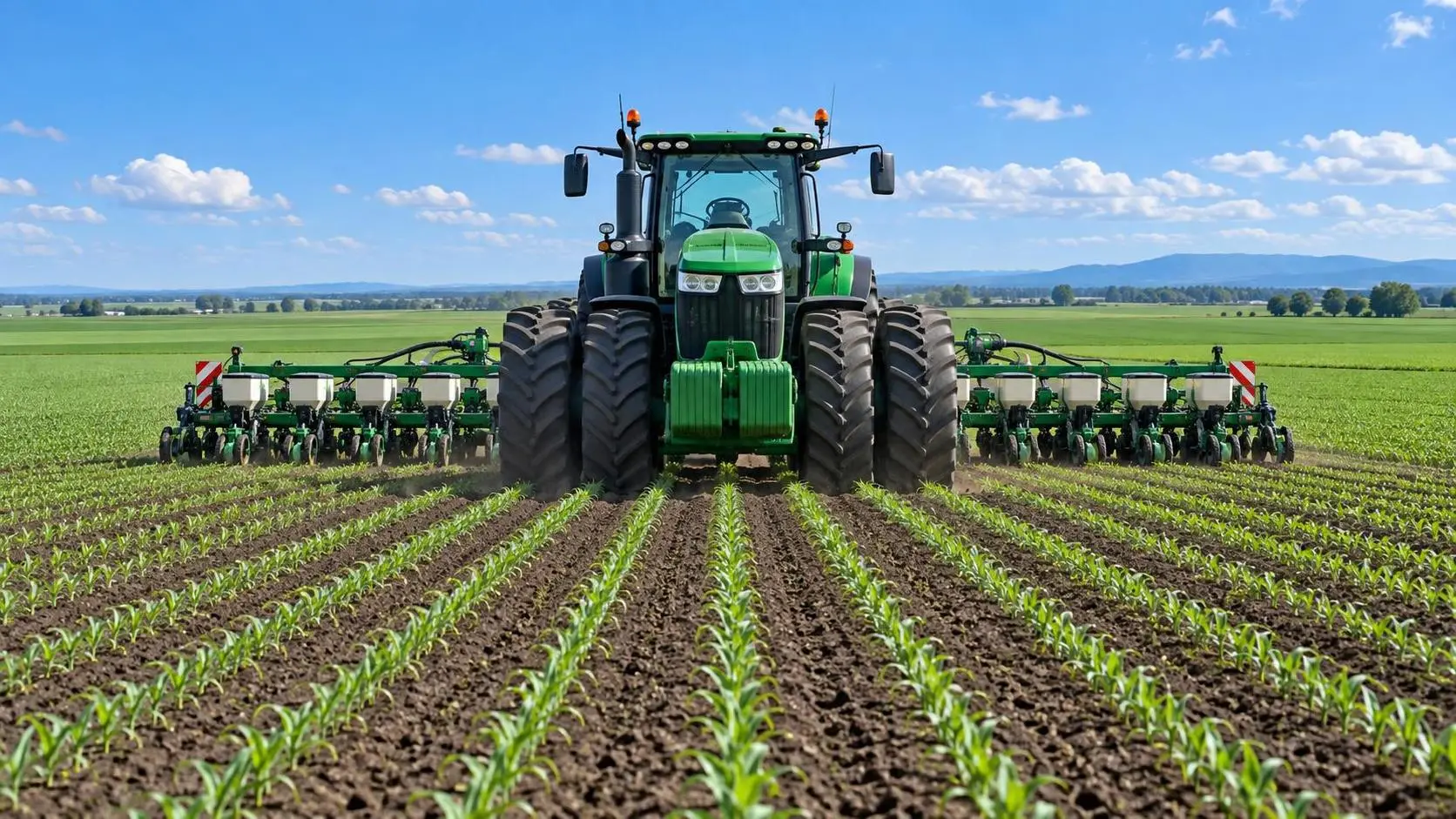
Farm Machinery Guide: Matching Tractor Horsepower and Implements to Farm Size
Farm machinery guide for tractors: match horsepower, implement width, hydraulics, traction, and fleet capacity to farm size for lower costs and reliable field performance.
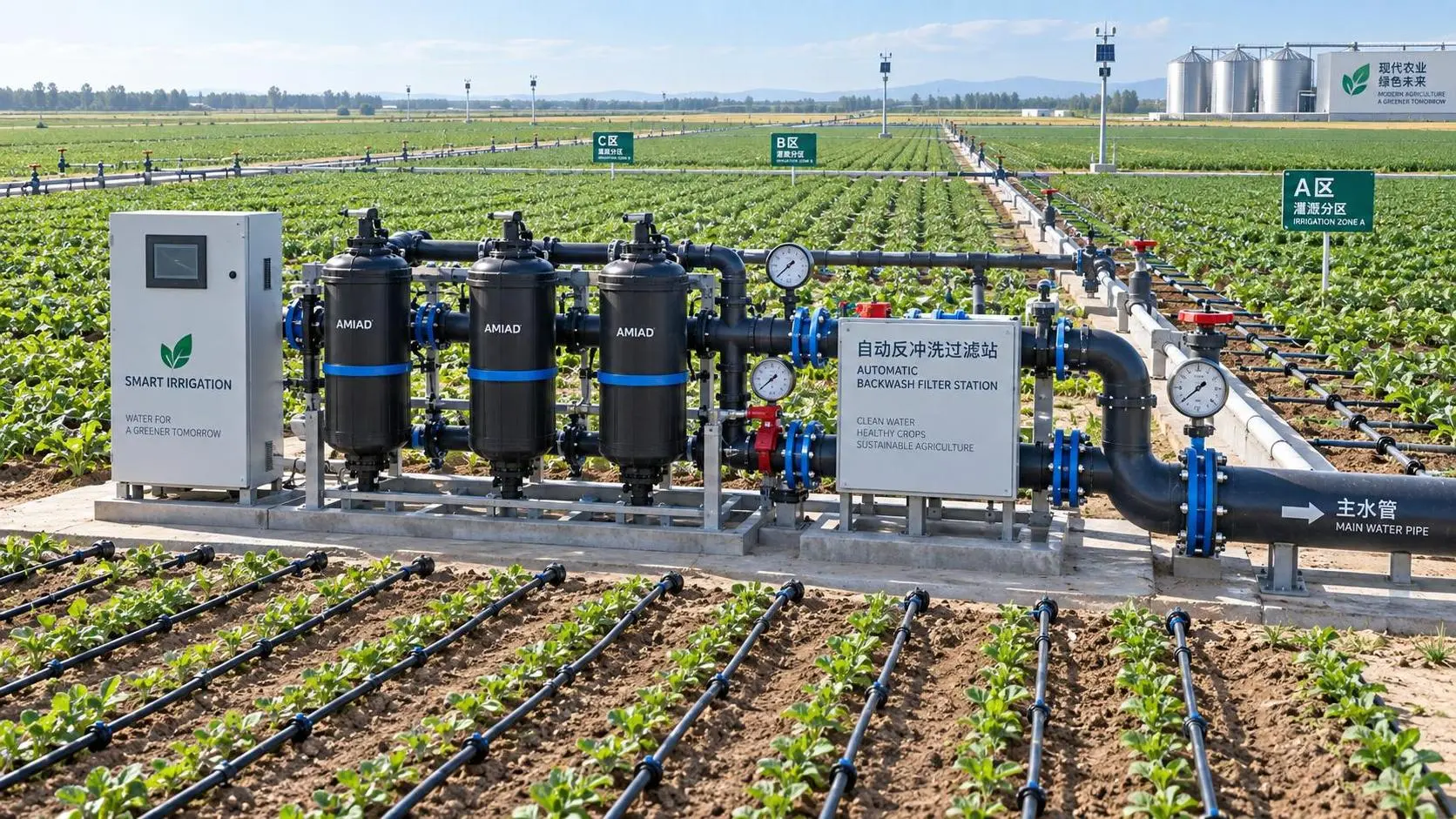
How to Evaluate Drip Irrigation System Manufacturers for Large Farm Projects
Drip irrigation systems manufacturer evaluation guide for large farms: compare hydraulic design, filtration, quality control, scalability, delivery, and support.
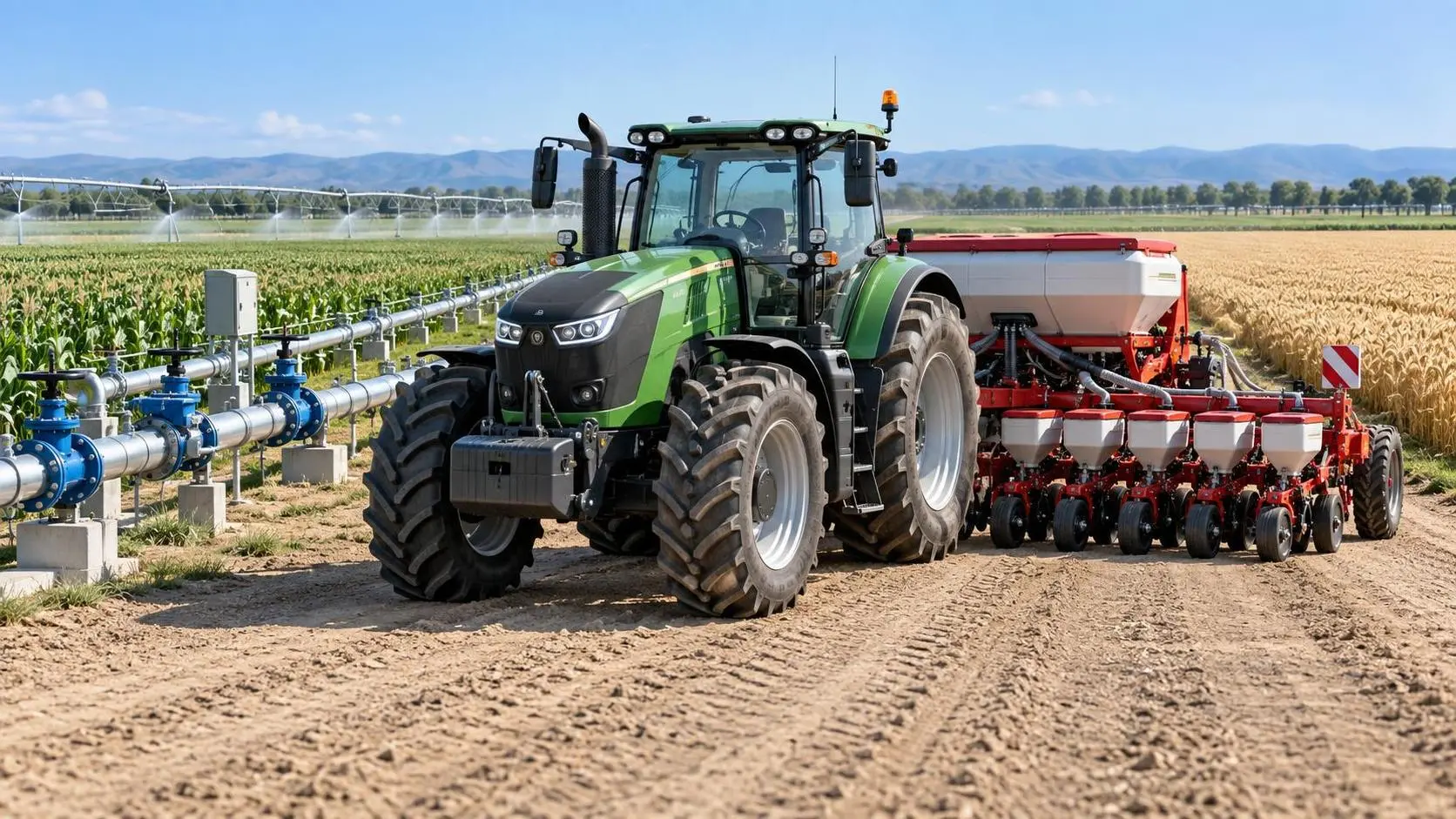
Specification Planning: A Practical Framework for Defining Equipment Requirements
Application guidance for specification planning: define measurable equipment requirements, prioritize performance, and avoid costly procurement mistakes.

How North American Farms Can Select Crop Monitoring Systems by Acreage and Connectivity
Crop monitoring systems North America: learn how to match acreage, connectivity, sensors, and data workflows for reliable, actionable farm decisions.

Where to Find Reliable Product Information for Comparing Farm Equipment
Product information resources agriculture buyers can trust: compare farm equipment with technical specs, manuals, field data, dealer support, and lifecycle insights.
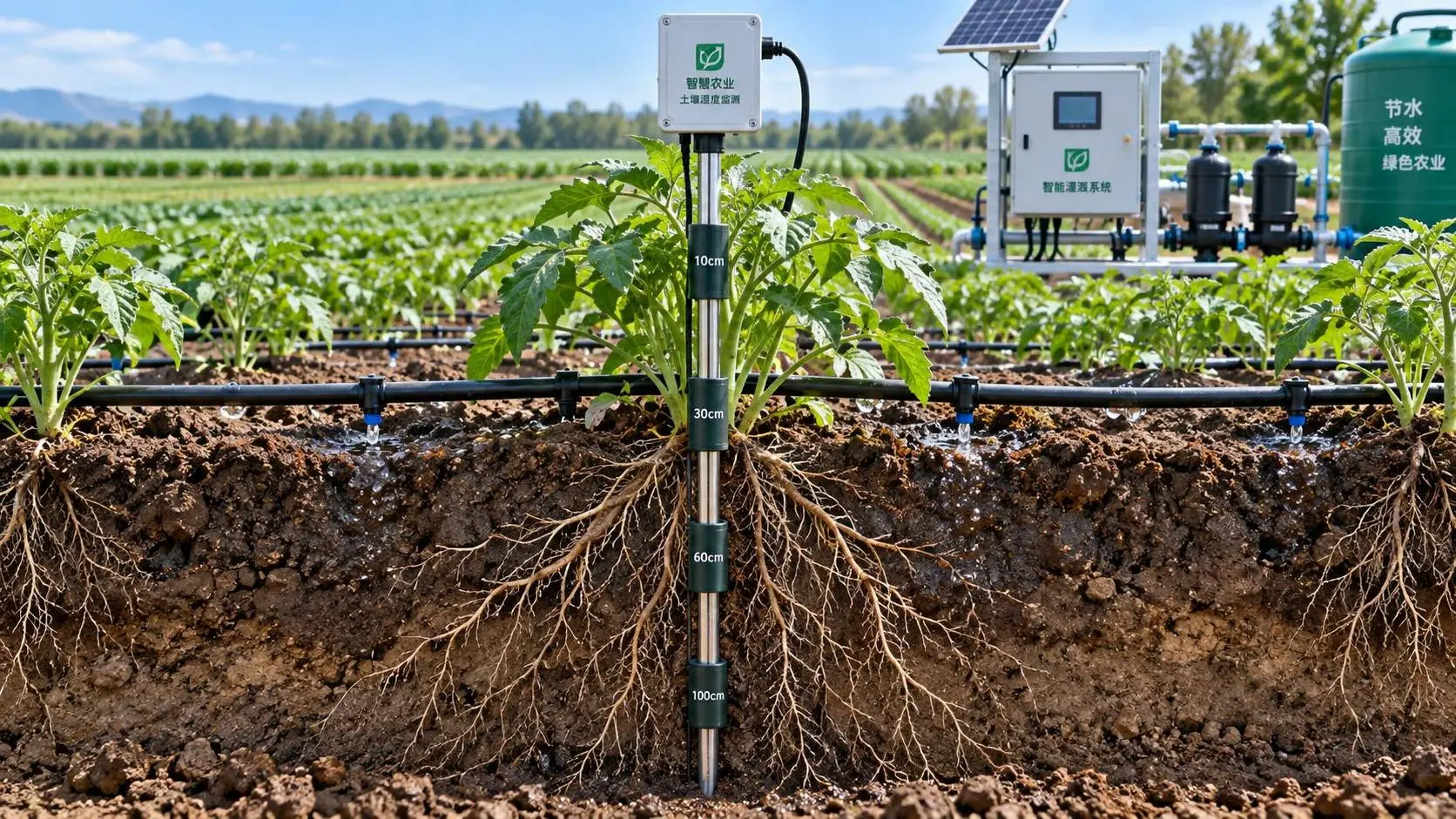
Selecting Real-Time Soil Moisture Sensors for Irrigation Zone Control
Soil moisture sensors real time: learn how to select reliable probes, optimize zone control, improve irrigation decisions, and scale precision water management.
Related News
- 00
0000-00
Selecting Precision Farming Products by Application: Field Conditions, Crops, and ROI - 00
0000-00
How to Evaluate Agricultural Product Information Sources for Reliable Farm Decisions - 00
0000-00
Farm Machinery Guide: Matching Tractor Horsepower and Implements to Farm Size - 00
0000-00
Specification Planning: A Practical Framework for Defining Equipment Requirements - 00
0000-00
Where to Find Reliable Product Information for Comparing Farm Equipment
Popular Tags
Ms. Elena Rodriguez
Weekly Insights
Stay ahead with our curated technology reports delivered every Monday.