
How agricultural tractors category intelligence supports supplier negotiations
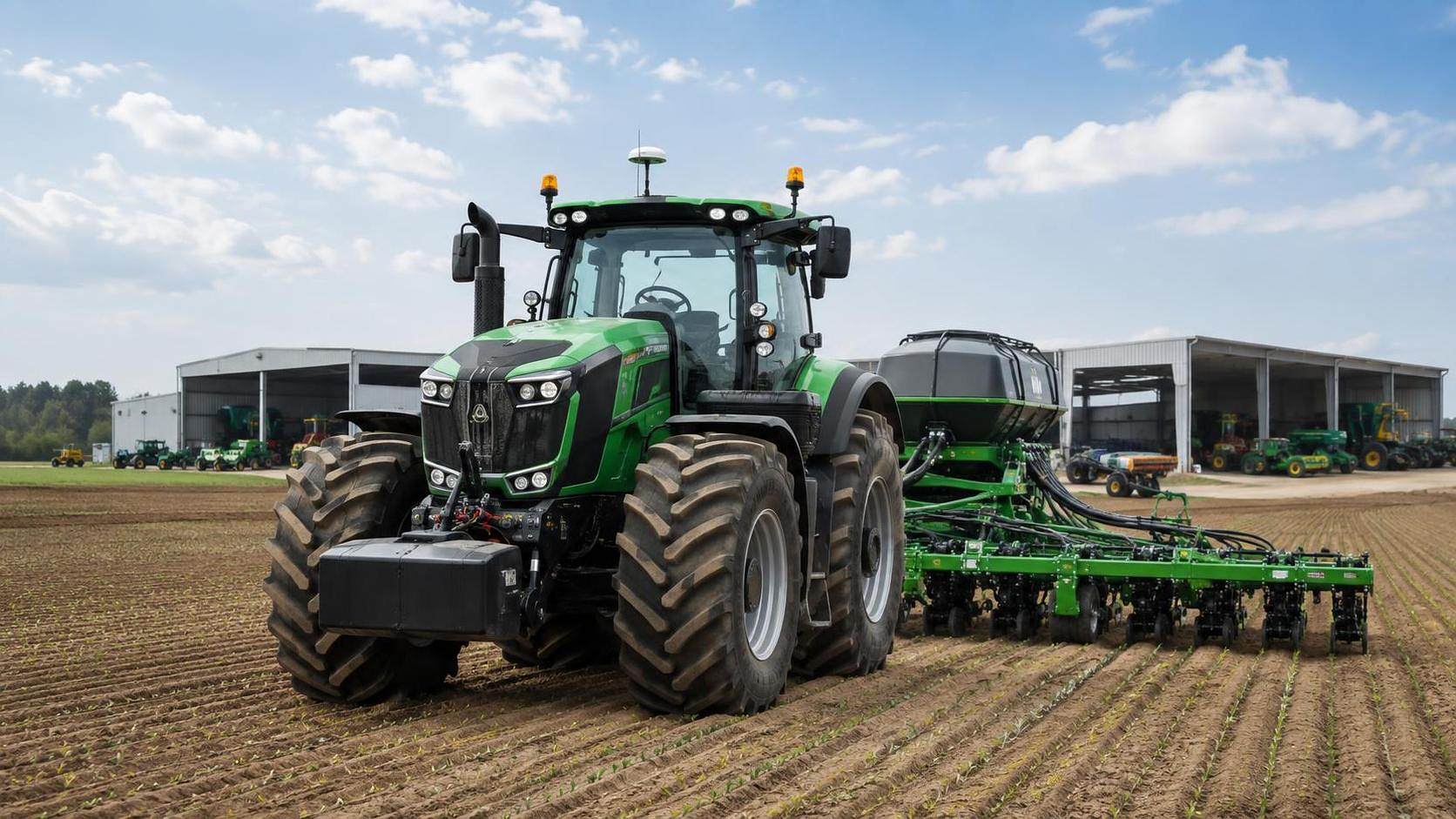




How Agricultural Tractors Category Intelligence Changes the Negotiation Room
A tractor negotiation often begins with an apparently simple question: what is the best unit price for the required horsepower range? That question matters, but it is rarely the one that determines whether the purchase performs well over the next five or seven years. Two tractors with similar rated power, similar tire packages, and comparable headline specifications can create very different operating costs once they are matched to implements, operators, soil conditions, service networks, and precision-farming systems.
That is where agricultural tractors category intelligence becomes useful. It gives procurement teams a structured view of what is changing in the category, where suppliers differ in practical terms, and which costs are being pushed out of sight during a price-focused tender. The point is not to turn every buyer into a tractor engineer. It is to prevent negotiations from being led by a brochure comparison that ignores transmission behavior, hydraulic duty cycles, electronic architecture, spare-parts exposure, and local service capacity.
For large farms, contractors, distributors, and public procurement programs, the tractor is not an isolated asset. It is the power platform for tillage, planting, spraying, hauling, baling, and increasingly for guidance, variable-rate operations, and machine data workflows. A supplier that looks competitive on the tractor invoice may become expensive when the fleet needs compatible implements, reliable diagnostics, or quick access to a failed hydraulic component during a narrow planting or harvest window.
Price Benchmarking Is Only the Starting Point
A sound negotiation starts by separating the tractor’s base price from the operating configuration actually required in the field. Suppliers frequently quote a nominal model, while the buyer needs a particular transmission, front linkage, hydraulic pump capacity, tire specification, guidance-ready package, remote valve count, ballast arrangement, or cab filtration level. Those options can materially change both the delivered price and the machine’s suitability.
This sounds obvious, yet it is a common point of failure. A farm comparing a mechanical transmission tractor with a continuously variable transmission model is not comparing like with like. Nor is a high-hydraulic-demand planter setup comparable with light transport work. The relevant benchmark is not “cost per tractor”; it is cost for a defined work package under a defined annual utilization pattern.
Category intelligence helps establish that baseline before commercial discussions become entrenched. It can show whether a requested feature is now widely available in the relevant segment, whether it remains supplier-specific, and whether an apparently premium option is necessary for the intended implement load. This changes the buyer’s position. Rather than asking a supplier to “improve the price,” the procurement team can ask why a configuration essential to the operating requirement is being treated as a costly add-on.
It also helps avoid a different mistake: demanding features because competitors advertise them. A sophisticated autonomy-ready interface has limited near-term value for a fleet that lacks stable correction signals, trained operators, compatible implements, or a plan for farm data management. Buyers should negotiate for capability they can deploy, not for a technology checklist that merely makes the tender look modern.
The Technical Details That Usually Matter in Cost Discussions
In agricultural tractors, the drivetrain and hydraulic system deserve more negotiation attention than cosmetic options or peak-power claims. The correct configuration depends on field tasks, but several questions consistently reveal whether a supplier understands the working requirement.
The most useful technical conversations are tied to actual field operations. A tractor intended for deep tillage in variable soils should not be assessed in the same way as a tractor used primarily for grain-cart work or high-speed spraying. Procurement teams should ask suppliers to confirm the assumptions behind their recommendation: implement weight, hydraulic draw, working width, expected terrain, road transport frequency, and local fuel quality. If those assumptions are not written down, it becomes difficult to hold anyone accountable when the chosen specification is inadequate.
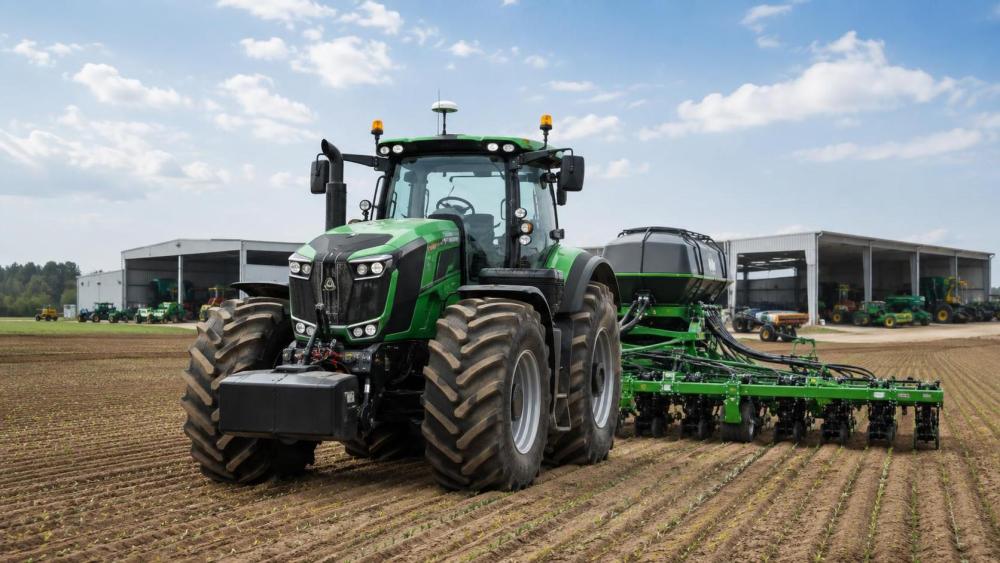
Use Market Context to Test Supplier Claims
Supplier negotiations improve when buyers understand the wider category rather than treating every claim as unique. Agricultural machinery demand can shift with crop prices, financing conditions, weather patterns, replacement cycles, and changes in farm labor availability. These shifts affect production scheduling, dealer inventory, lead times, and a supplier’s willingness to negotiate on price, financing, extended coverage, or bundled support.
Regional context matters just as much. A configuration that is common in a large-scale row-crop market may be less practical in areas with smaller fields, steep terrain, different road regulations, or limited dealer coverage. The same is true for emissions-related systems and fuel requirements: buyers should verify local applicability rather than assuming that a specification developed for another market will translate cleanly.
This is one reason an intelligence source such as AP-Strategy can be more useful than generic product news. Its focus across large-scale machinery, tractor chassis, combine harvesting technology, intelligent farm tools, and water-saving irrigation places the tractor inside the wider production system. A buyer considering precision seeding, automated steering, or sensor-led irrigation does not need isolated machinery commentary. They need to know whether the proposed power unit, hydraulic controls, connectivity arrangement, and dealer support model can work with the farm’s intended direction.
The practical lesson is to challenge broad claims with category-specific questions. If a supplier states that a transmission improves efficiency, ask under which load profile and operating range. If a digital package is said to reduce downtime, ask what diagnostic access is available locally, who owns the machine data, and whether remote support is included in the commercial offer. A claim may still be valid, but its value depends on the buyer’s own conditions.
Negotiating Beyond the Tractor Invoice
The supplier’s quoted tractor price is only one part of the financial commitment. In some fleets, the bigger commercial risk lies in parts availability, dealer response, operator training, software access, and residual-value uncertainty. These are difficult to compare because suppliers package them differently, but they should not be left as informal assurances.
A useful approach is to identify the few events that would be most damaging during the operating season: a transmission fault, an electronic control issue, a hydraulic failure, delayed seasonal delivery, or loss of guidance functionality. Then negotiate the contractual response to those events. That might include response-time expectations, escalation contacts, parts stocking commitments where appropriate, substitute-machine arrangements, training sessions, or clarity on what is and is not included in digital services.
Do not assume that an extended warranty automatically solves availability risk. Coverage terms may be valuable, but a covered repair is still disruptive if the correct technician or component is not available when the machine is needed. For this reason, local dealer capability deserves due diligence. Buyers should ask practical questions: Which service personnel are qualified to work on the proposed platform? Where are major parts held? What diagnostic equipment is available? How are peak-season calls prioritized? A supplier should be able to answer without relying on vague assurances.
There is also a negotiation trade-off worth acknowledging. A low initial price can be sensible when the operation has its own workshop capacity, standardized equipment, and tolerance for planned maintenance. It is less attractive for a contractor whose revenue depends on completing work in tight weather windows. Category intelligence does not produce one universal answer; it makes the buyer’s risk tolerance visible before a contract is signed.
Build a Comparable Supplier Scorecard Before Final Bids
A final supplier scorecard should be concise enough to use in a negotiation meeting, but detailed enough to expose non-comparable offers. It is often better to score a few critical requirements than to create a long spreadsheet where every minor feature receives equal weight.
For a heavy-duty tractor purchase, the core areas usually include configured acquisition cost, suitability for priority implements, fuel and fluid requirements, transmission and hydraulic fit, service reach, parts support, operator acceptance, digital compatibility, and contract protections. Each category should have an evidence source: a written supplier response, configuration sheet, service proposal, demonstration record, or internal technical review. Verbal claims belong in the discussion, not in the final scoring evidence.
This discipline is particularly important when suppliers propose substitutions. A substitute may be technically acceptable, but it can affect training, existing attachments, parts commonality, fleet telematics, or resale planning. The question is not whether the substitute is a good tractor in general. The question is whether it preserves the economics and operational logic of the original requirement.
Where Buyers Commonly Lose Leverage
Leverage is usually lost before negotiations begin. It disappears when the specification is vague, when only one supplier understands the technical need, or when the farm’s planting and harvest calendar leaves no room for alternative delivery plans. Buyers also weaken their position by disclosing a preferred brand too early, particularly when that preference is based on familiarity rather than a documented fleet strategy.
Another weak point is accepting “standard equipment” language without a full configuration list. Standard varies by market, model year, and supplier package. Require a clear schedule of included equipment, exclusions, software or connectivity conditions, delivery obligations, commissioning responsibilities, and any required customer-provided infrastructure. A detailed schedule may feel administrative, but it prevents the most expensive misunderstandings.
Agricultural tractors category intelligence is most valuable when it is used early: before specifications are fixed, before a supplier shapes the requirements around its own range, and before seasonal urgency takes away options. It allows procurement teams to negotiate a machine-and-support package that fits the work rather than simply winning a discount on a tractor that was never configured correctly in the first place.
Related News

How to Select a Precision Fertilization System for Variable Corn Field Conditions
Precision fertilization systems for corn farming: learn how to match data, placement, control accuracy, and ROI to variable field conditions for better results.

Selecting Precision Farming Products by Application: Field Conditions, Crops, and ROI
Application-based product selection for precision farming: match technology to field conditions, crops, machinery, and ROI for smarter, reliable farm investments.

How to Evaluate Agricultural Product Information Sources for Reliable Farm Decisions
Agricultural product information reference guide: evaluate reliable farm data, verify claims, and make smarter machinery, irrigation, and crop decisions.

Farm Machinery Guide: Matching Tractor Horsepower and Implements to Farm Size
Farm machinery guide for tractors: match horsepower, implement width, hydraulics, traction, and fleet capacity to farm size for lower costs and reliable field performance.
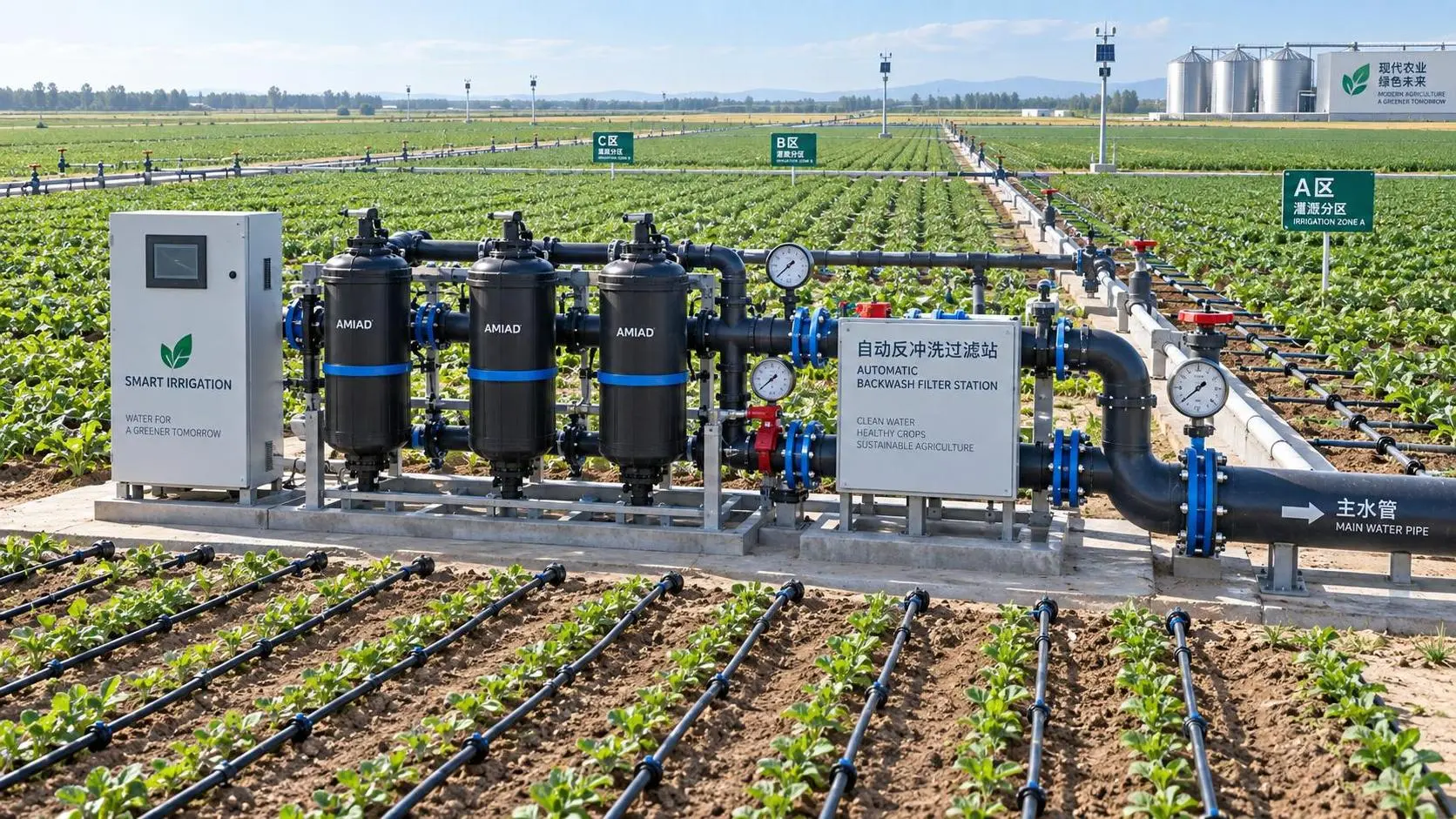
How to Evaluate Drip Irrigation System Manufacturers for Large Farm Projects
Drip irrigation systems manufacturer evaluation guide for large farms: compare hydraulic design, filtration, quality control, scalability, delivery, and support.
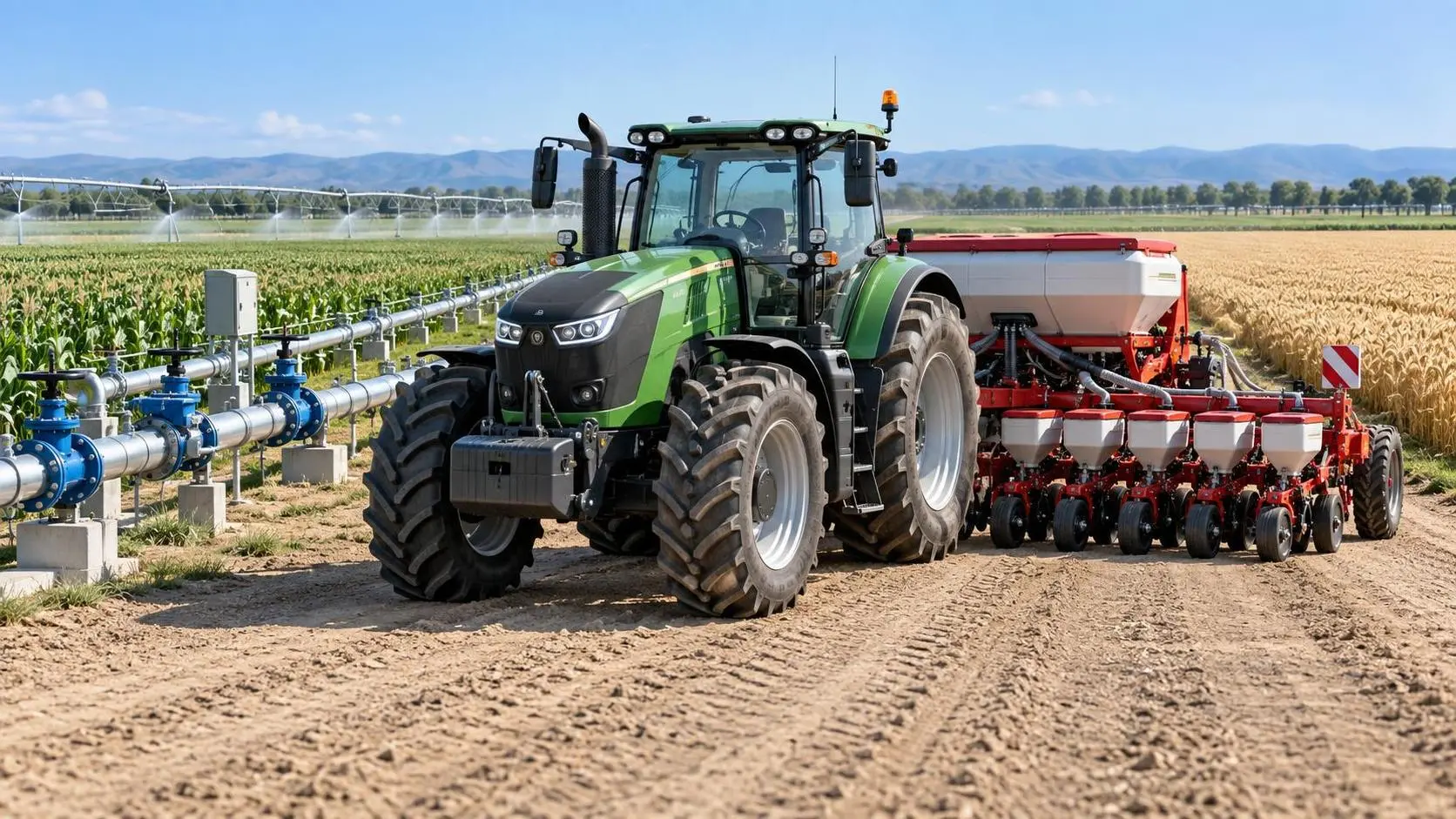
Specification Planning: A Practical Framework for Defining Equipment Requirements
Application guidance for specification planning: define measurable equipment requirements, prioritize performance, and avoid costly procurement mistakes.

How North American Farms Can Select Crop Monitoring Systems by Acreage and Connectivity
Crop monitoring systems North America: learn how to match acreage, connectivity, sensors, and data workflows for reliable, actionable farm decisions.

Where to Find Reliable Product Information for Comparing Farm Equipment
Product information resources agriculture buyers can trust: compare farm equipment with technical specs, manuals, field data, dealer support, and lifecycle insights.
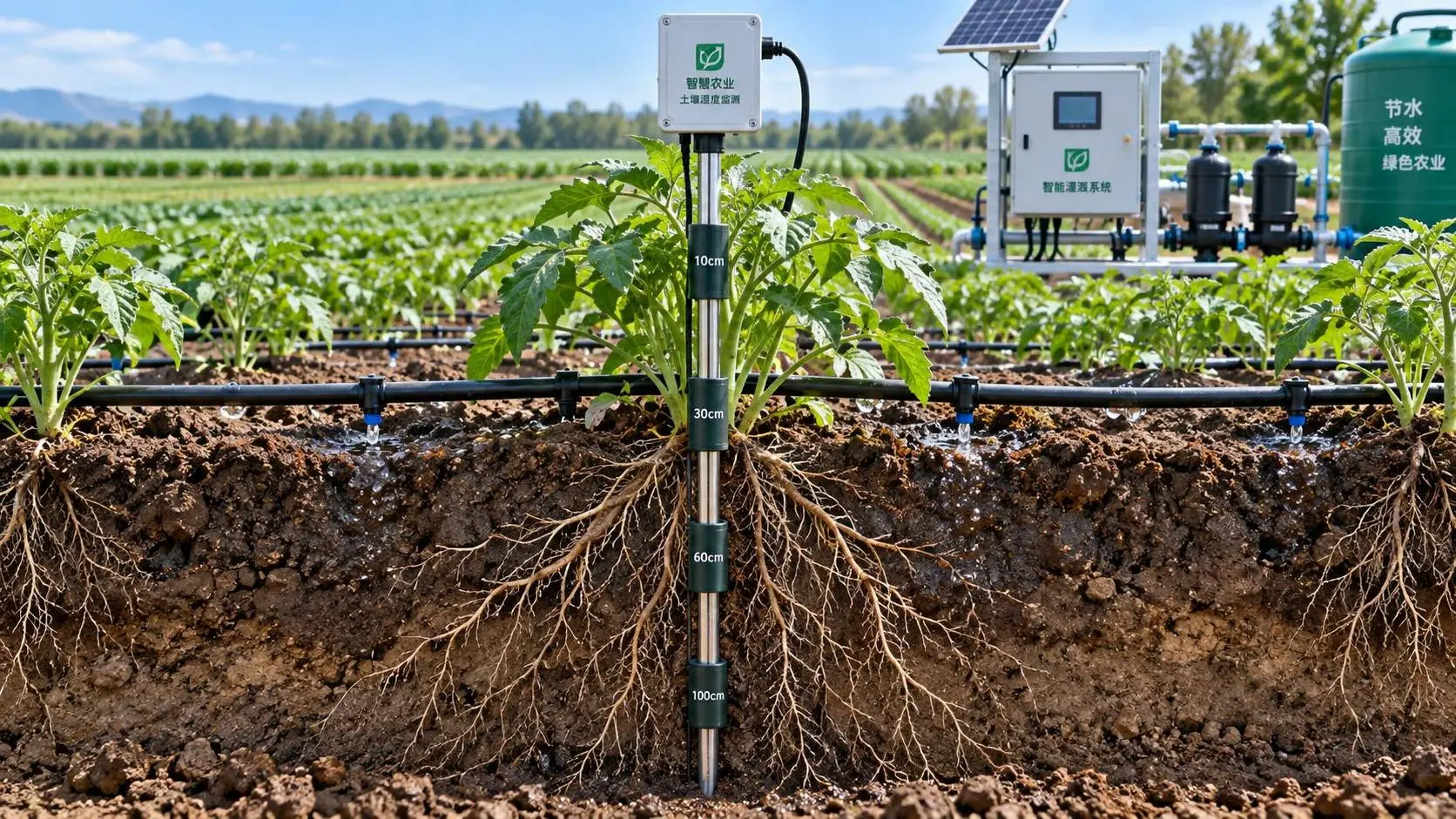
Selecting Real-Time Soil Moisture Sensors for Irrigation Zone Control
Soil moisture sensors real time: learn how to select reliable probes, optimize zone control, improve irrigation decisions, and scale precision water management.
Related News
- 00
0000-00
Selecting Precision Farming Products by Application: Field Conditions, Crops, and ROI - 00
0000-00
How to Evaluate Agricultural Product Information Sources for Reliable Farm Decisions - 00
0000-00
Farm Machinery Guide: Matching Tractor Horsepower and Implements to Farm Size - 00
0000-00
Specification Planning: A Practical Framework for Defining Equipment Requirements - 00
0000-00
Where to Find Reliable Product Information for Comparing Farm Equipment
Popular Tags
Ms. Elena Rodriguez
Weekly Insights
Stay ahead with our curated technology reports delivered every Monday.