
Sustainable Farming Practices for Climate Resilience: What Works in Drought-Prone Regions?
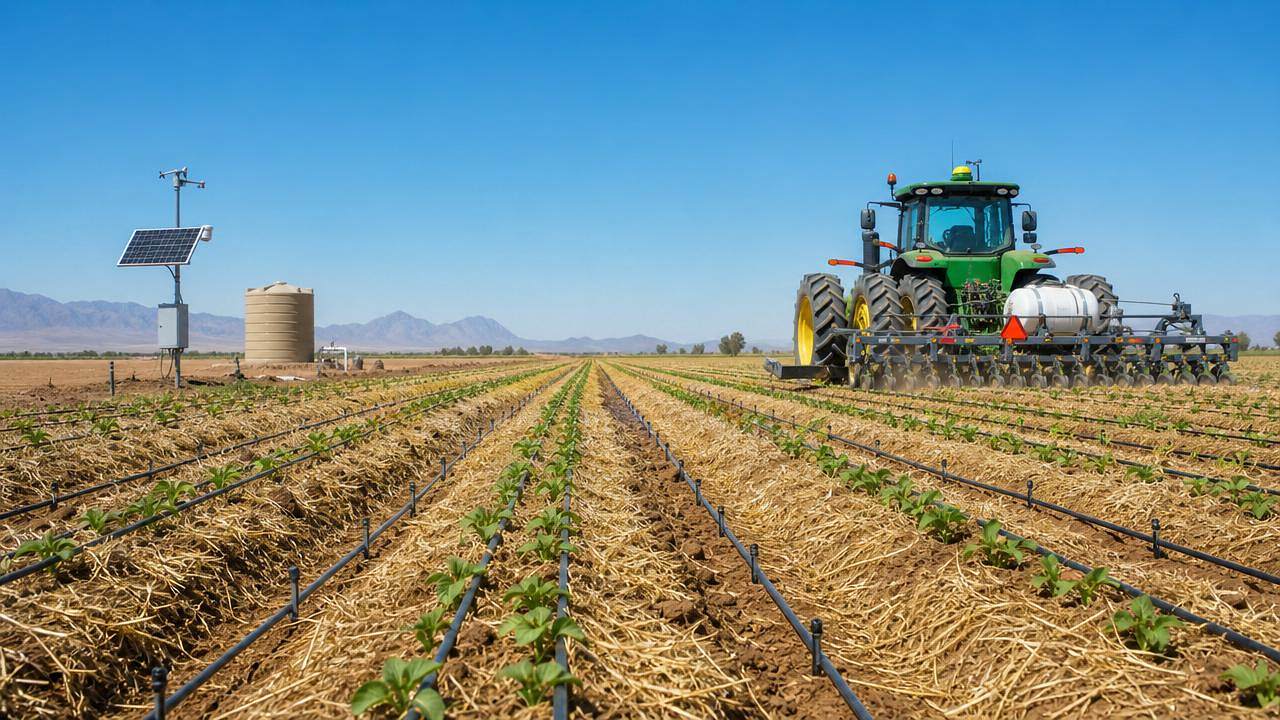




Sustainable Farming Practices for Climate Resilience: What Works in Drought-Prone Regions?
In drought-prone regions, climate pressure now shapes every field decision.
Rainfall is less predictable, heat arrives earlier, and water costs keep rising.
That is why sustainable farming practices for climate resilience matter beyond compliance or branding.
They protect yield stability, operating margins, and long-term land productivity.
In practical terms, the best results come from combining agronomy, water strategy, and machinery efficiency.
The goal is simple: grow more with less water, less waste, and fewer climate-related shocks.
This article looks at what actually works and how to implement it with discipline.
Why Drought Resilience Starts with System Design
Many farms still react to drought after losses appear.
A stronger approach builds resilience before the dry season begins.
Sustainable farming practices for climate resilience work best when treated as a connected operating system.
Soil, irrigation, crop planning, harvesting speed, and equipment timing all affect water productivity.
If one part fails, the whole field becomes less efficient.
From recent field trends, the clearest signal is this: fragmented improvements rarely deliver durable resilience.
Integrated decisions outperform isolated upgrades.
The Core Performance Targets
- Lower water use per ton of output.
- Higher soil moisture retention between irrigation cycles.
- Lower field loss during planting, spraying, and harvesting.
- Faster response to heat stress and rainfall variability.
- More predictable returns on capital investments.
These targets create a practical framework for sustainable farming practices for climate resilience.
What Works Best in Drought-Prone Regions
Not every solution fits every crop or geography.
Still, several sustainable farming practices for climate resilience perform consistently across dry environments.
1. Precision Irrigation Instead of Fixed Scheduling
Fixed irrigation calendars often waste water or miss crop stress windows.
Sensor-based irrigation responds to actual field conditions.
Soil moisture probes, weather feeds, and evapotranspiration models improve timing and dosage.
This reduces overwatering and protects root-zone moisture when heat spikes hit.
In real operations, smart irrigation usually delivers the fastest resilience gains.
2. Soil Cover and Residue Management
Bare soil loses moisture quickly under wind and high temperatures.
Mulch, crop residue, and cover crops reduce evaporation and improve surface protection.
They also help moderate soil temperature and reduce crusting.
This makes rainfall infiltration more effective when brief storms occur.
3. Reduced Tillage or Conservation Tillage
Excessive tillage can break soil structure and accelerate moisture loss.
Reduced tillage preserves organic matter and improves water-holding capacity over time.
It also lowers fuel use and machinery passes.
That combination strengthens both ecological and financial resilience.
4. Drought-Tolerant Crop Planning
Crop and variety selection remains one of the most overlooked levers.
Shorter-season varieties, deeper-rooting crops, and diversified rotations spread climate risk.
This is especially valuable where seasonal forecasts remain uncertain.
Good planning reduces the need for emergency interventions later.
5. High-Efficiency Field Operations
Machinery efficiency matters more than many teams expect.
Delayed planting, uneven application, or harvesting losses can erase water-efficiency gains.
Reliable tractors, precise implements, and calibrated harvesters support sustainable farming practices for climate resilience.
The principle is straightforward: every missed pass or loss point wastes embedded water.
How Smart Equipment Strengthens Climate Resilience
In large-scale operations, resilience depends on execution quality.
That is where intelligent machinery delivers measurable value.
AP-Strategy closely tracks this shift across Agriculture 4.0 systems.
The strongest projects combine agronomic logic with mechanical precision.
Where Equipment Creates Real Advantage
- GPS-guided tractors reduce overlap, fuel use, and compaction.
- Variable-rate tools match input delivery to field variability.
- Intelligent irrigation systems automate water delivery by zone.
- Modern combine settings reduce grain loss during dry harvest conditions.
- Hydraulic and transmission efficiency improves timeliness during short field windows.
This also means technology selection should follow field constraints, not marketing claims.
The best sustainable farming practices for climate resilience are always site-specific in execution.
A Practical Implementation Framework
The most common mistake is trying to change everything at once.
A phased rollout lowers risk and improves internal alignment.
Step 1: Build a Drought Exposure Baseline
Map water sources, pumping costs, soil types, and historic yield volatility.
Then identify blocks with the highest water stress or the lowest irrigation efficiency.
Step 2: Prioritize High-Return Interventions
Start with actions that improve both resilience and operating economics.
Precision irrigation, soil cover, and traffic control often rank high.
Step 3: Align Equipment with Agronomic Goals
Do not buy technology before defining the field outcome.
Choose equipment that supports water efficiency, timeliness, and low-loss handling.
Step 4: Track Metrics That Matter
Use clear indicators to judge progress.
This kind of measurement keeps sustainable farming practices for climate resilience tied to results, not assumptions.
Common Risks That Undermine Good Strategy
Even strong plans fail when execution gaps go unmanaged.
- Installing sensors without staff routines for response.
- Adding drip systems while ignoring filtration and maintenance.
- Reducing tillage without a residue or weed management plan.
- Upgrading equipment without operator calibration training.
- Tracking yield only, while missing water productivity trends.
In practice, climate resilience is less about one breakthrough tool.
It is more about disciplined coordination across people, processes, and equipment.
Turning Strategy into Resilient Field Performance
The most effective sustainable farming practices for climate resilience are practical, measurable, and scalable.
They protect water first, then strengthen soil, then improve operational precision.
For drought-prone regions, that sequence usually creates the best return profile.
The next step is not a generic sustainability pledge.
It is a field-level action plan with clear metrics, accountable teams, and technology that fits the operating reality.
When that happens, climate pressure becomes easier to manage, and resilient agricultural performance becomes far more achievable.
Related News
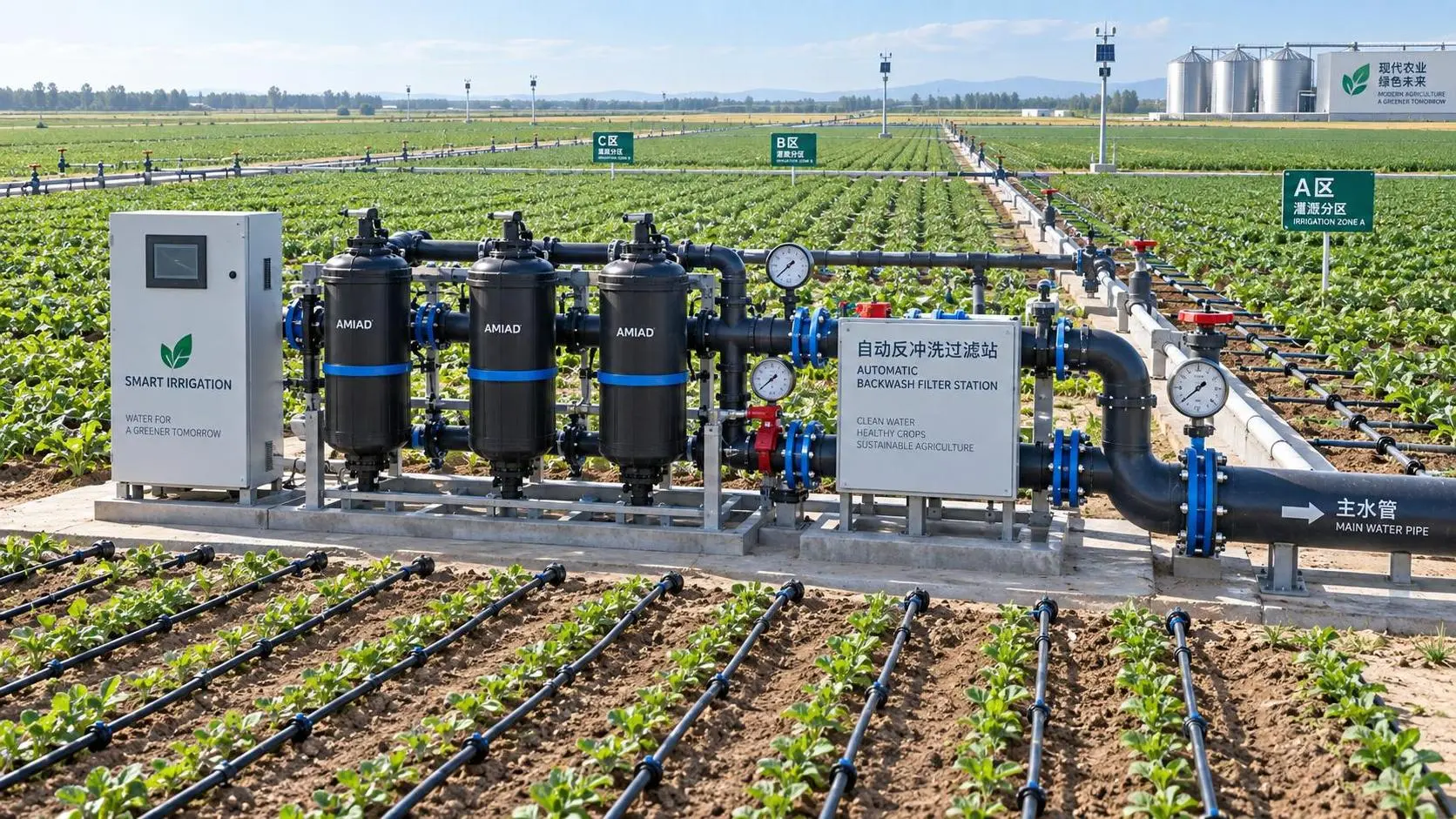
How to Evaluate Drip Irrigation System Manufacturers for Large Farm Projects
Drip irrigation systems manufacturer evaluation guide for large farms: compare hydraulic design, filtration, quality control, scalability, delivery, and support.
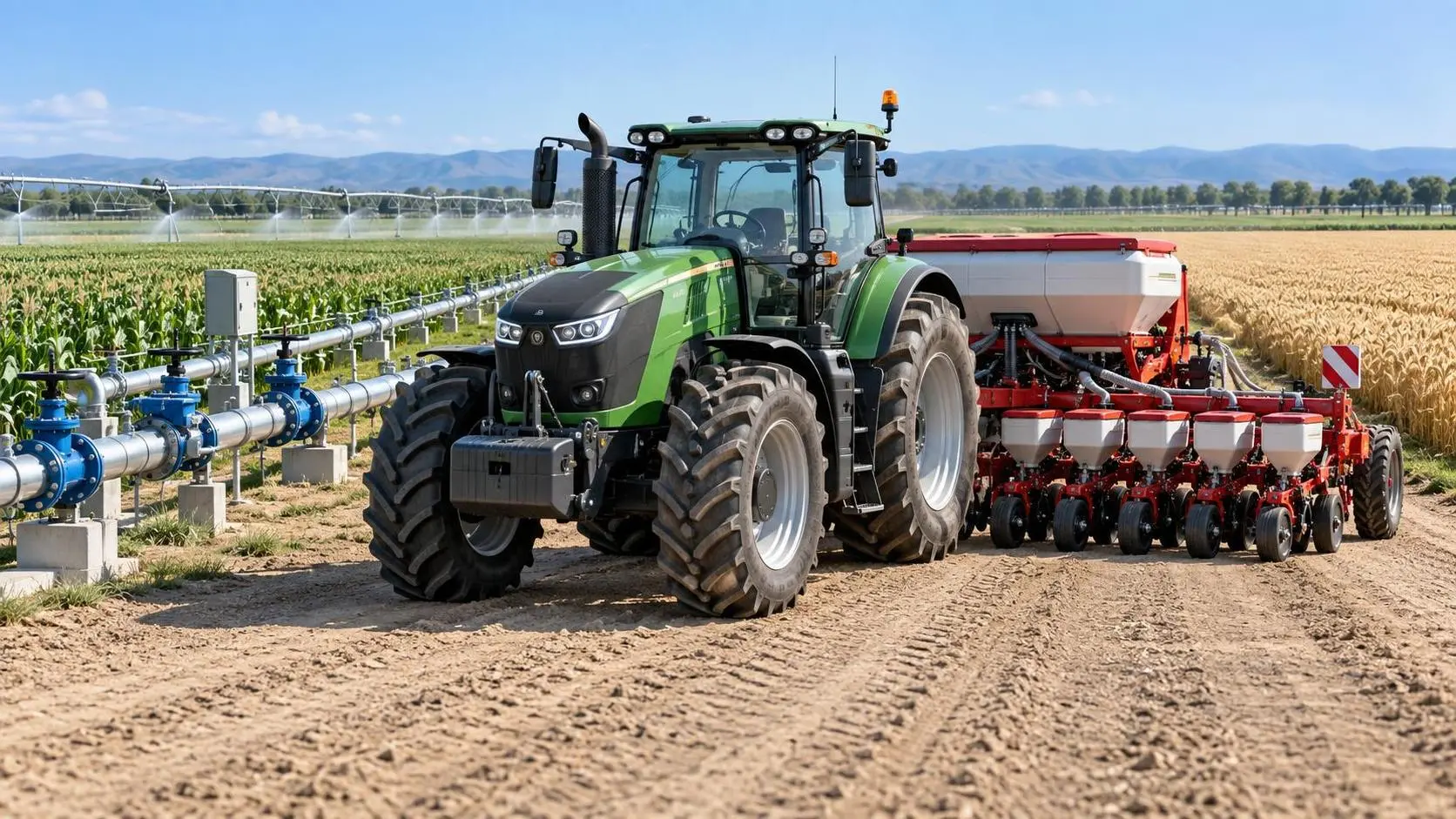
Specification Planning: A Practical Framework for Defining Equipment Requirements
Application guidance for specification planning: define measurable equipment requirements, prioritize performance, and avoid costly procurement mistakes.

How North American Farms Can Select Crop Monitoring Systems by Acreage and Connectivity
Crop monitoring systems North America: learn how to match acreage, connectivity, sensors, and data workflows for reliable, actionable farm decisions.

Where to Find Reliable Product Information for Comparing Farm Equipment
Product information resources agriculture buyers can trust: compare farm equipment with technical specs, manuals, field data, dealer support, and lifecycle insights.
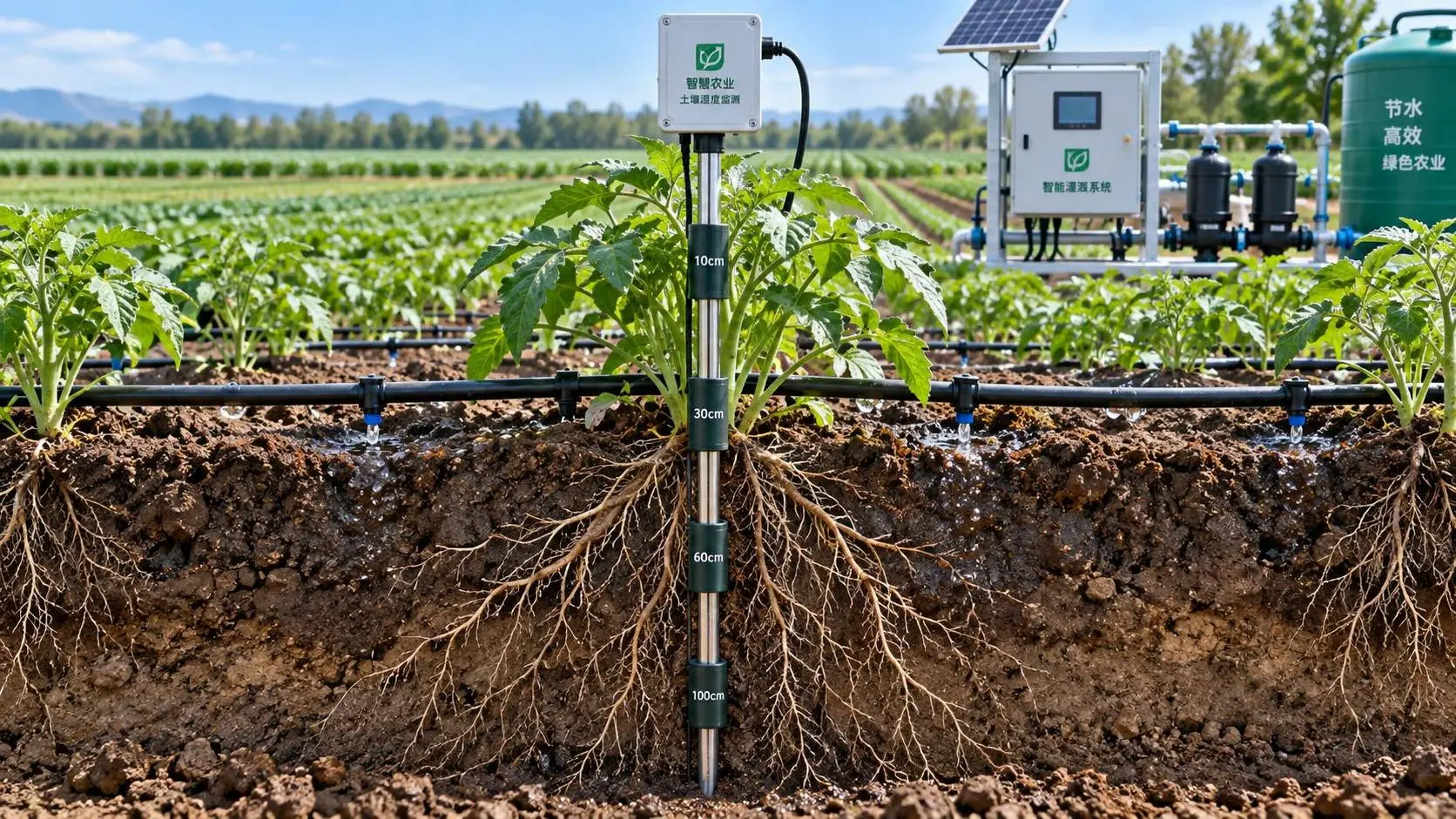
Selecting Real-Time Soil Moisture Sensors for Irrigation Zone Control
Soil moisture sensors real time: learn how to select reliable probes, optimize zone control, improve irrigation decisions, and scale precision water management.
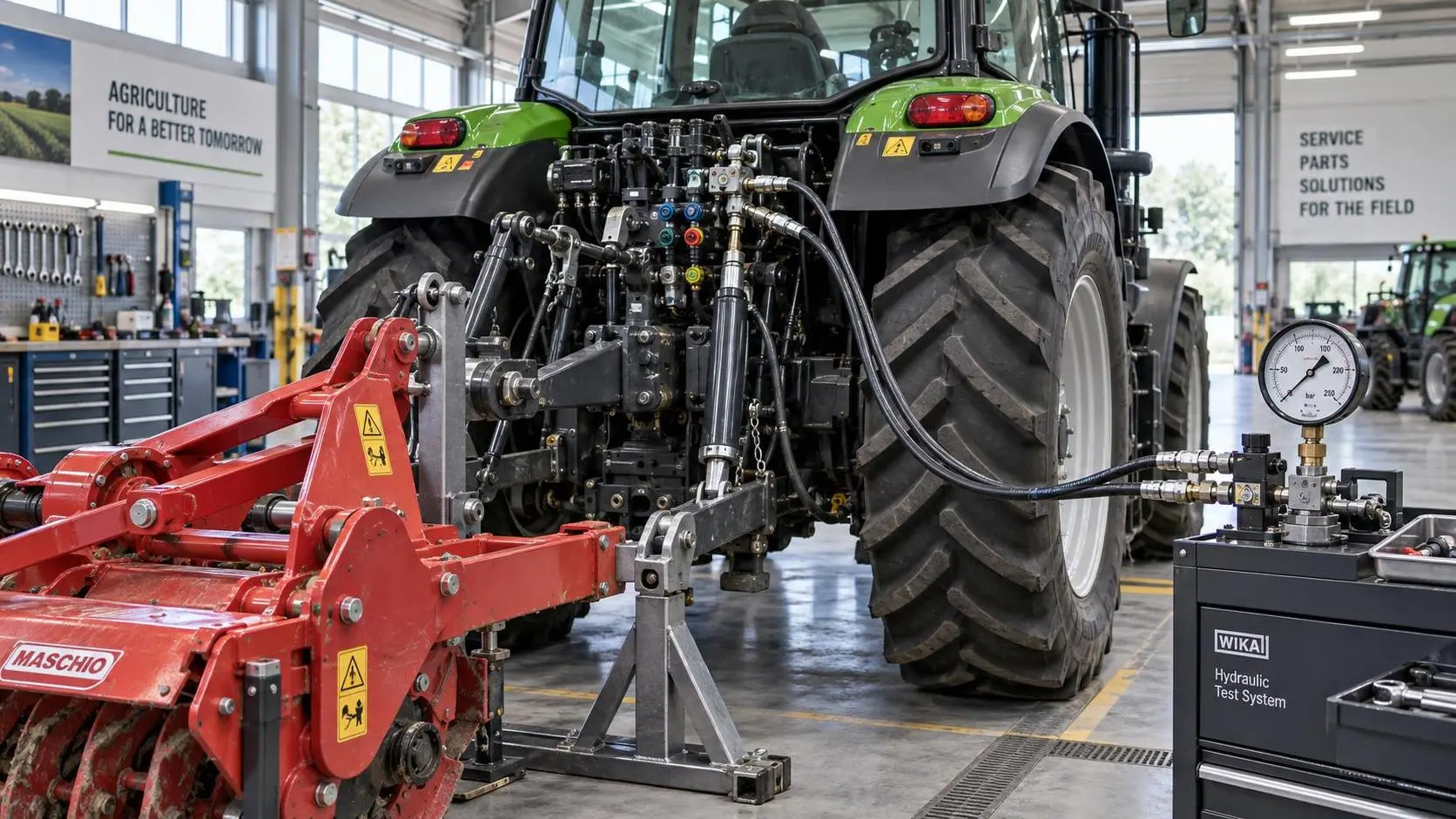
Tractor Hydraulic Systems Troubleshooting: Diagnosing Weak Lift and Slow Implements
Tractor hydraulic systems troubleshooting made practical: diagnose weak lifts and slow implements with proven pressure, flow, valve, and oil-supply checks.
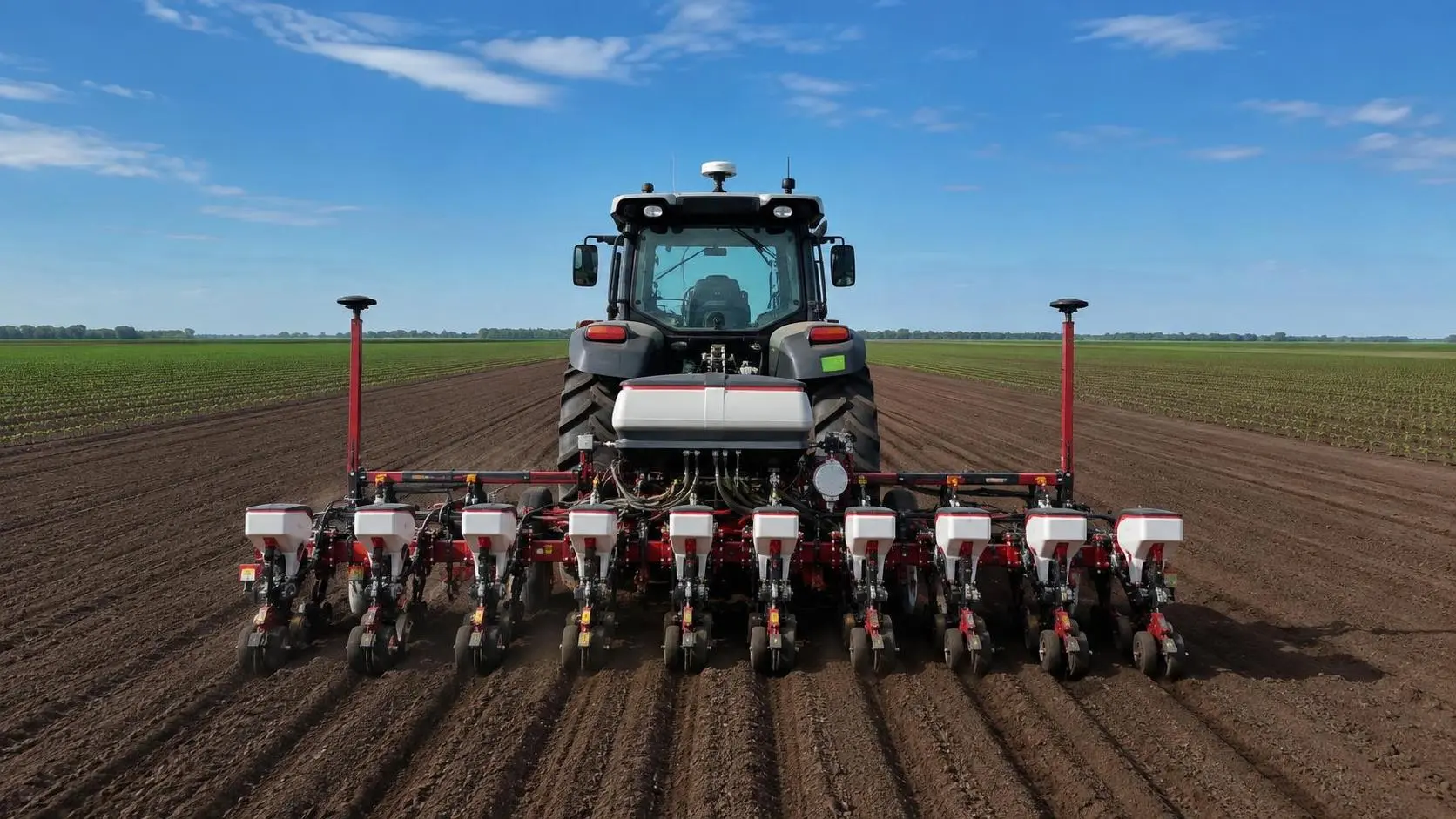
How Tractor Intelligence Systems Improve Field Efficiency and Input Accuracy
Agricultural machinery intelligence for tractors improves field efficiency, input accuracy, data traceability, and implement control. Explore smarter evaluation strategies.
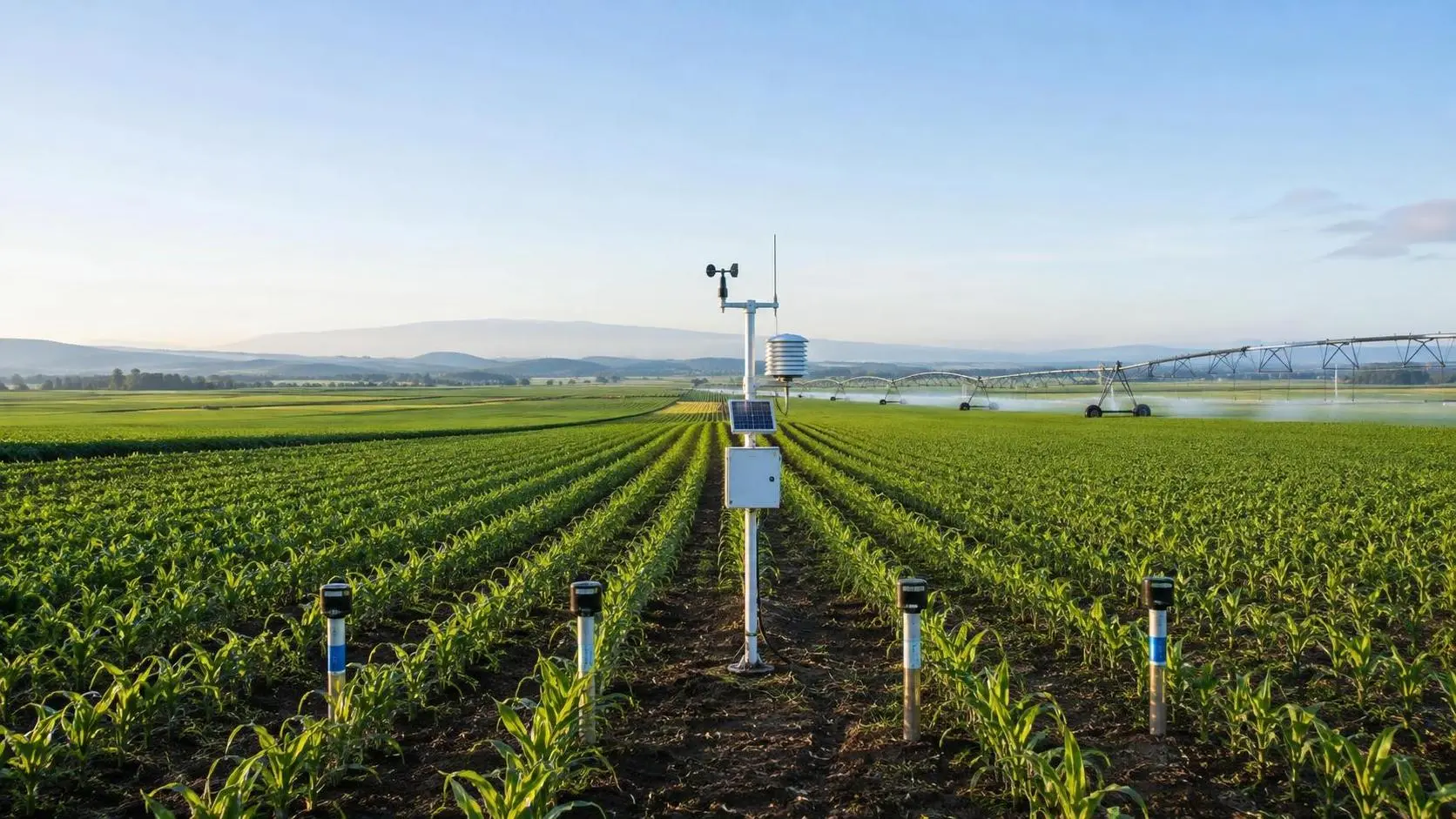
How to Evaluate Crop Monitoring System Manufacturers for Large-Scale Farms
Compare crop monitoring systems manufacturers for large-scale farms. Evaluate data quality, integration, durability, lifecycle costs, support, and pilots for smarter decisions.
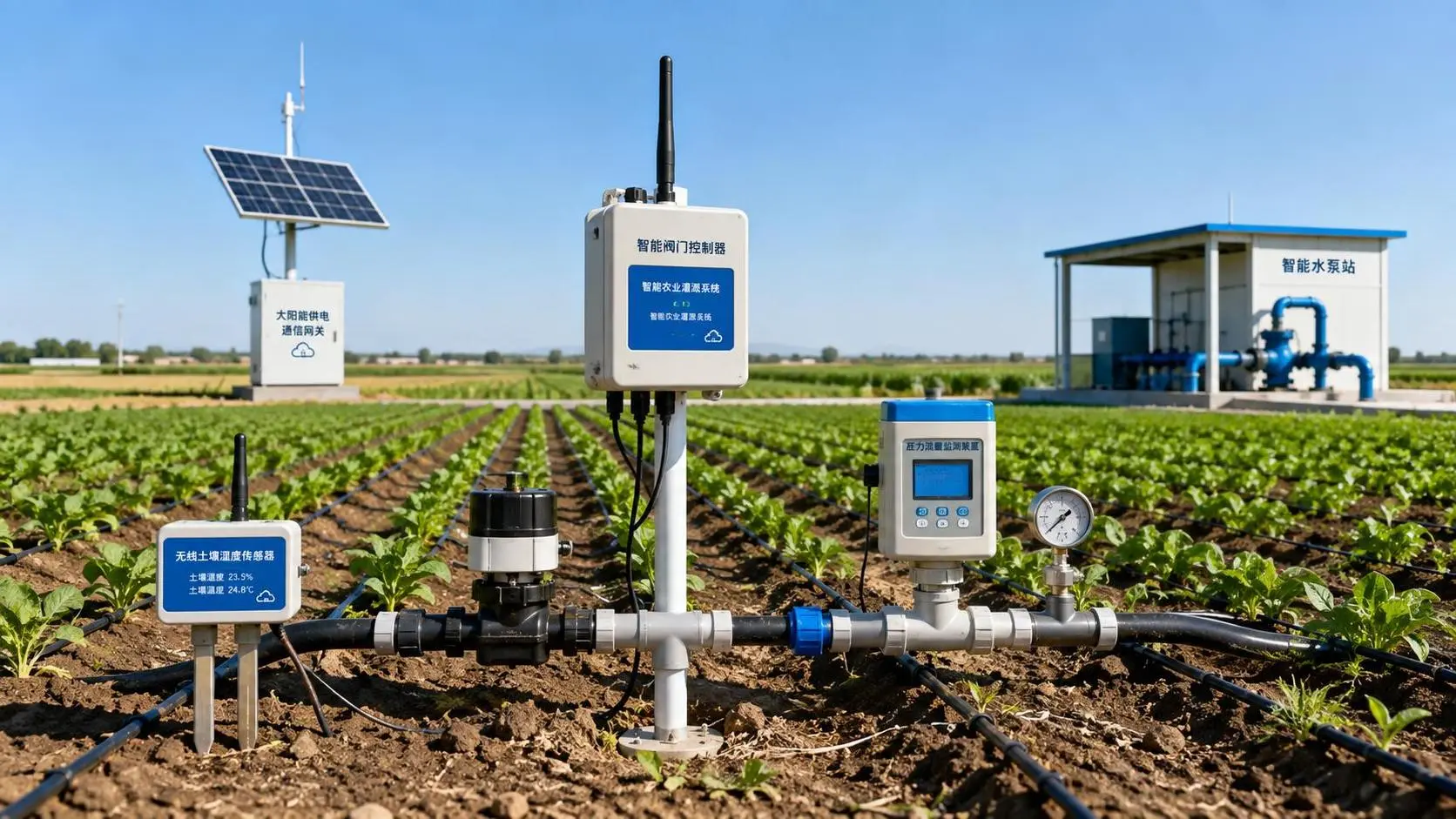
Wireless Agricultural Automation for Remote Irrigation and Field Monitoring
Agricultural automation wireless solutions improve remote irrigation with reliable field data, local control, flow verification, and smarter monitoring. Explore resilient deployment strategies.
Related News
- 00
0000-00
Specification Planning: A Practical Framework for Defining Equipment Requirements - 00
0000-00
Where to Find Reliable Product Information for Comparing Farm Equipment - 00
0000-00
How to Evaluate Crop Monitoring System Manufacturers for Large-Scale Farms - 00
0000-00
Agricultural Product Information Market Guide: Key Data for Sourcing Decisions - 00
0000-00
Large-Scale Farm Equipment Cost Comparison: Price, Fuel, and Lifecycle Value
Popular Tags
Ms. Elena Rodriguez
Weekly Insights
Stay ahead with our curated technology reports delivered every Monday.