
Digital Agriculture Platforms Compared: Data Integration, ROI, and Vendor Evaluation Checklist




Digital Agriculture Platforms Compared: Data Integration, ROI, and Vendor Evaluation Checklist
Choosing among digital agriculture platforms is no longer just a software decision. It shapes equipment efficiency, data visibility, and long-term profit across modern farming operations.
For buying teams, the challenge is not finding options. The real challenge is comparing digital agriculture platforms in a way that links technology features to field results.
That is where a practical framework matters. You need to know how data moves, where value appears, and which vendor claims deserve closer inspection.
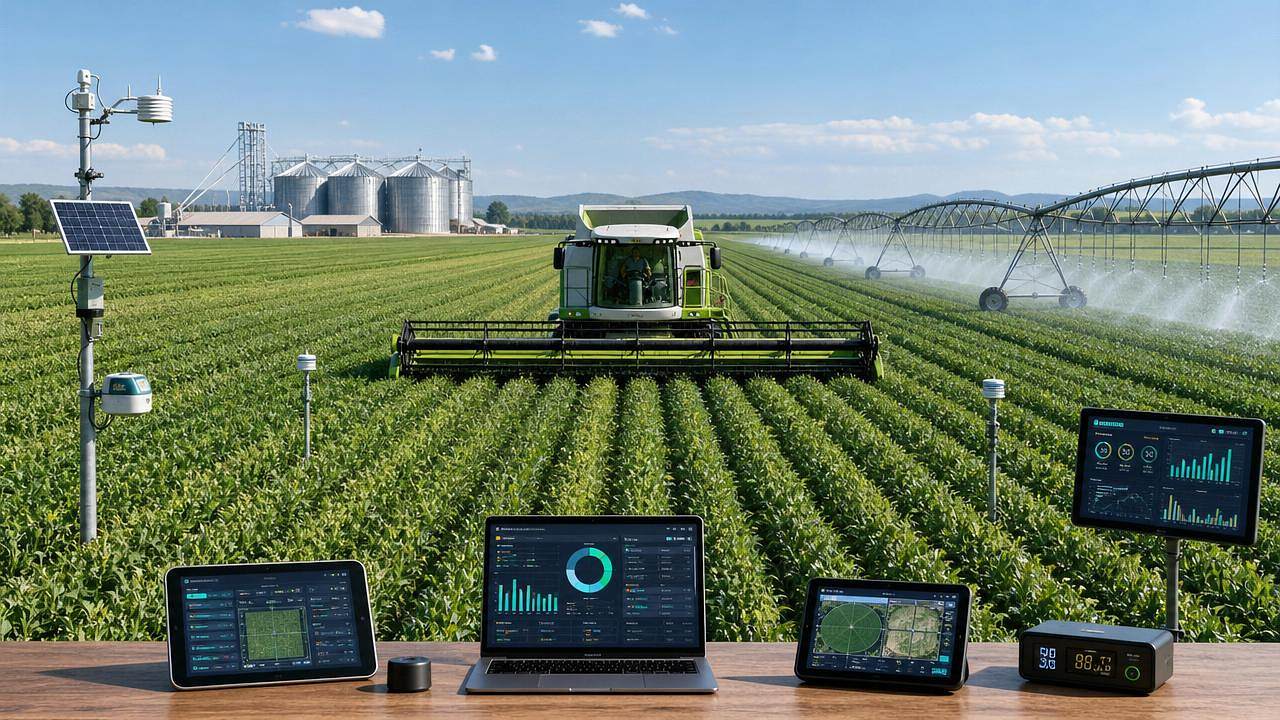
In real operations, the best digital agriculture platforms support machinery, agronomy, irrigation, and reporting together. They should reduce friction, not add another isolated dashboard.
Why Digital Agriculture Platforms Matter More Than Ever
Recent market changes make this decision more urgent. Input costs remain volatile, labor remains tight, and weather pressure keeps pushing operations toward faster, smarter decisions.
At the same time, farms now run a mix of tractors, harvesters, irrigation controllers, guidance systems, sensors, and mobile apps. Data is everywhere, but useful coordination is still rare.
Strong digital agriculture platforms act as the operating layer across that complexity. They connect machine data, field records, weather inputs, and work orders into one usable environment.
For procurement decisions, this also means platform selection affects more than IT. It influences equipment utilization, maintenance timing, irrigation control, fuel use, and reporting speed.
If the platform is weak, teams chase files, re-enter data, and miss insights. If it is strong, managers can act faster with fewer blind spots.
What to Compare First in Digital Agriculture Platforms
Many buyers start with feature lists. That is understandable, but it often leads to poor comparisons. A better starting point is operational fit.
When comparing digital agriculture platforms, focus on five core dimensions before pricing discussions go too far.
- Data integration depth across machinery, agronomy, irrigation, and finance systems.
- Usability for field teams, managers, and service partners.
- Scalability across locations, crop types, and mixed equipment fleets.
- Analytics quality, including alerts, benchmarking, and forecasting support.
- Commercial stability, support quality, and implementation risk.
This approach makes evaluation more grounded. It also helps separate digital agriculture platforms built for sales demos from those built for real operating pressure.
Integration Is Usually the Make-or-Break Factor
Data integration is often the biggest source of hidden cost. A platform may look polished, yet still struggle to connect older equipment or third-party systems.
Ask whether the platform supports telematics from major OEM fleets, irrigation controllers, weather feeds, GIS layers, and ERP or farm management software.
Also check how data actually flows. Batch syncing once a day is very different from near real-time updates during harvesting or irrigation events.
The more clearly digital agriculture platforms unify data, the more valuable their analytics become. Without integration, reporting may look modern but remain operationally shallow.
How to Evaluate ROI Without Oversimplifying the Case
ROI should never rely on one savings claim. The strongest business case combines direct cost reduction, performance gains, and lower decision risk.
In practice, digital agriculture platforms create value across several operating areas. Some returns appear quickly, while others build over multiple seasons.
Short-Term ROI Levers
- Lower fuel waste through route optimization and idle-time tracking.
- Reduced overlap in planting, spraying, or fertilizing tasks.
- Faster maintenance response through equipment alerts and service scheduling.
- Improved irrigation timing that cuts water and energy consumption.
- Less manual reporting work for operators and managers.
Longer-Term ROI Levers
- Better asset allocation across farms, seasons, and machine categories.
- Higher yield stability through more consistent agronomic execution.
- Stronger compliance records for sustainability and traceability demands.
- Improved replacement planning for tractors, harvesters, and tools.
- Better negotiating power with suppliers through stronger operating data.
When comparing digital agriculture platforms, build ROI models around your actual pain points. For one operation, irrigation savings may dominate. For another, machine uptime may matter more.
That also means vendors should not control the assumptions alone. Internal baseline data is essential if you want a credible investment case.
A Simple ROI Structure That Works
- List measurable costs today, including downtime, labor hours, water loss, and reporting delays.
- Estimate realistic improvement ranges, not best-case promises.
- Include implementation cost, integration cost, training time, and support fees.
- Model payback over one season, three years, and five years.
- Stress-test the model against weak adoption or delayed integration.
This keeps the ROI discussion honest. It also makes digital agriculture platforms easier to compare on equal commercial terms.
Vendor Evaluation Checklist for Procurement Decisions
A useful vendor checklist should reduce surprises after contract signing. It should test technical fit, service quality, and long-term viability at the same time.
Below is a practical checklist for comparing digital agriculture platforms in a structured buying process.
Technical and Data Questions
- Which machine brands and controller protocols are supported today?
- What integrations are native, and what requires custom development?
- Who owns the data, and how easily can it be exported?
- How often does the platform sync field and equipment data?
- Can the system work offline in remote farm areas?
- What cybersecurity controls protect operational and commercial data?
Operational and User Questions
- How long does implementation typically take for a mixed fleet?
- What training is included for operators, managers, and administrators?
- How are support tickets handled during peak harvest periods?
- Are dashboards configurable by role, site, or crop program?
- How much manual data cleanup is still required after deployment?
Commercial and Vendor Risk Questions
- Is pricing based on acreage, users, machines, modules, or data volume?
- What annual increases, renewal terms, and exit clauses apply?
- Can the vendor provide reference cases with similar equipment complexity?
- What product roadmap exists for autonomy, irrigation intelligence, and analytics?
- How financially stable is the vendor over the expected contract horizon?
This checklist helps turn broad interest into disciplined evaluation. More importantly, it reveals whether digital agriculture platforms can scale with future operating demands.
Common Comparison Mistakes to Avoid
Several buying mistakes appear again and again. Avoiding them can save time, budget, and implementation pain.
- Choosing based on interface design alone, without testing field data accuracy.
- Ignoring integration limits until after contract approval.
- Using generic ROI assumptions that do not match the operation.
- Underestimating training needs during seasonal labor turnover.
- Overlooking data portability and future switching costs.
One clearer signal is this: digital agriculture platforms should simplify coordination across machinery, crops, and water management. If they add friction, the platform fit is weak.
In actual procurement workflows, pilot projects often reveal the truth faster than presentations do. A short pilot with defined metrics is usually worth the effort.
How to Make the Final Selection
The final decision should combine strategic fit and practical execution. That means balancing current operational needs with future expansion plans.
A strong process usually includes a weighted scorecard. Integration, ROI credibility, service response, and contract flexibility should carry more weight than presentation polish.
For many organizations, the best digital agriculture platforms are not the broadest. They are the ones that connect the most critical systems with the least operational disruption.
This is especially true where harvesting efficiency, tractor utilization, and smart irrigation performance all affect seasonal margins. Platform decisions must reflect that operational reality.
AP-Strategy tracks these shifts closely across large-scale agri-machinery, combine harvesting technology, tractor chassis development, intelligent farm tools, and water-saving irrigation systems.
That broader view matters because digital agriculture platforms do not exist in isolation. Their value depends on how well they support the evolving Agriculture 4.0 equipment ecosystem.
A practical next step is simple. Shortlist vendors, demand integration proof, build an operation-specific ROI model, and run a pilot with success metrics before full rollout.
When digital agriculture platforms are evaluated this way, procurement becomes less risky, more measurable, and far more aligned with long-term farm performance.
Related News
Specification Planning: A Practical Framework for Defining Equipment Requirements
Application guidance for specification planning: define measurable equipment requirements, prioritize performance, and avoid costly procurement mistakes.

How North American Farms Can Select Crop Monitoring Systems by Acreage and Connectivity
Crop monitoring systems North America: learn how to match acreage, connectivity, sensors, and data workflows for reliable, actionable farm decisions.

Where to Find Reliable Product Information for Comparing Farm Equipment
Product information resources agriculture buyers can trust: compare farm equipment with technical specs, manuals, field data, dealer support, and lifecycle insights.
Selecting Real-Time Soil Moisture Sensors for Irrigation Zone Control
Soil moisture sensors real time: learn how to select reliable probes, optimize zone control, improve irrigation decisions, and scale precision water management.
Tractor Hydraulic Systems Troubleshooting: Diagnosing Weak Lift and Slow Implements
Tractor hydraulic systems troubleshooting made practical: diagnose weak lifts and slow implements with proven pressure, flow, valve, and oil-supply checks.
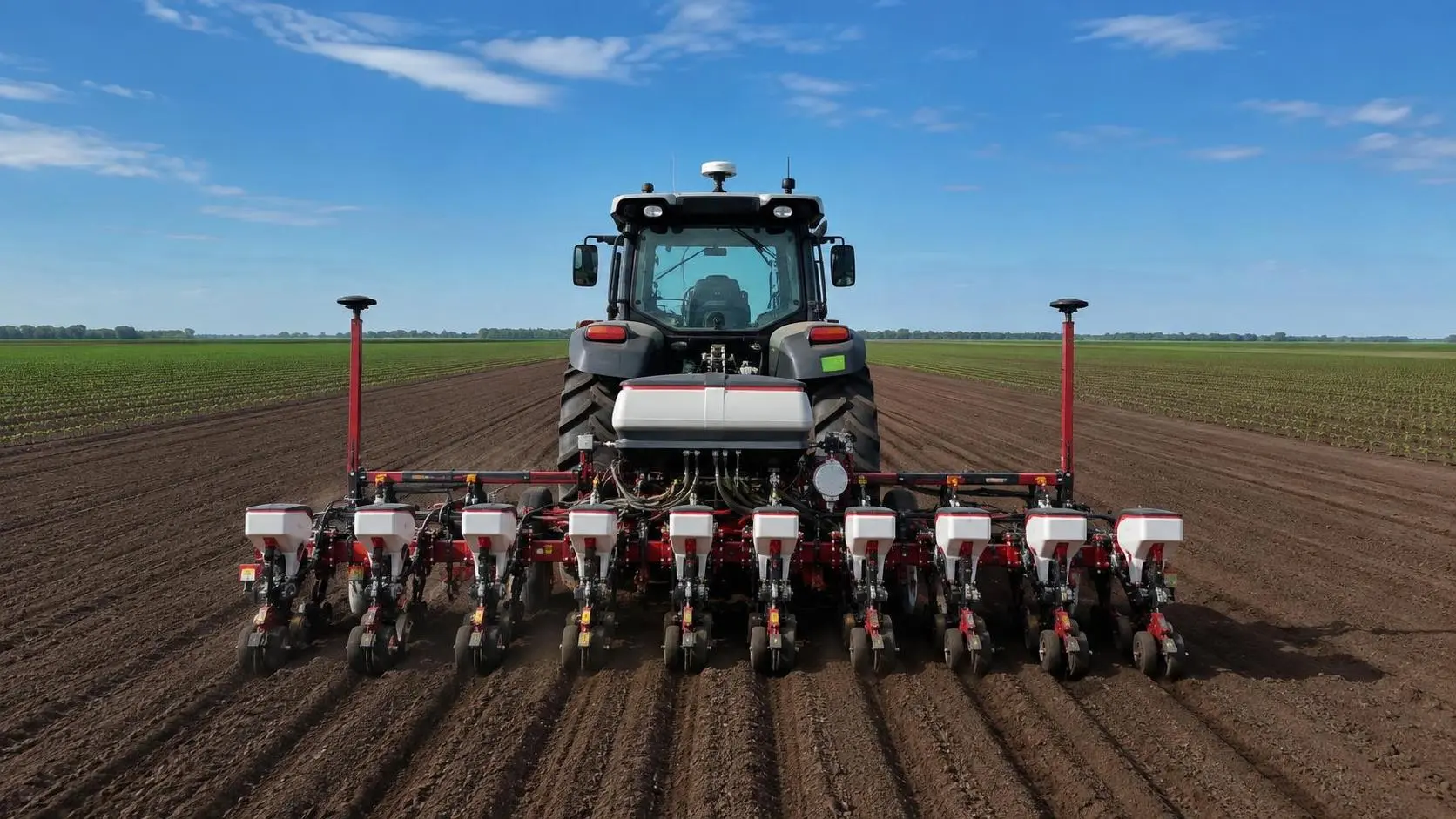
How Tractor Intelligence Systems Improve Field Efficiency and Input Accuracy
Agricultural machinery intelligence for tractors improves field efficiency, input accuracy, data traceability, and implement control. Explore smarter evaluation strategies.
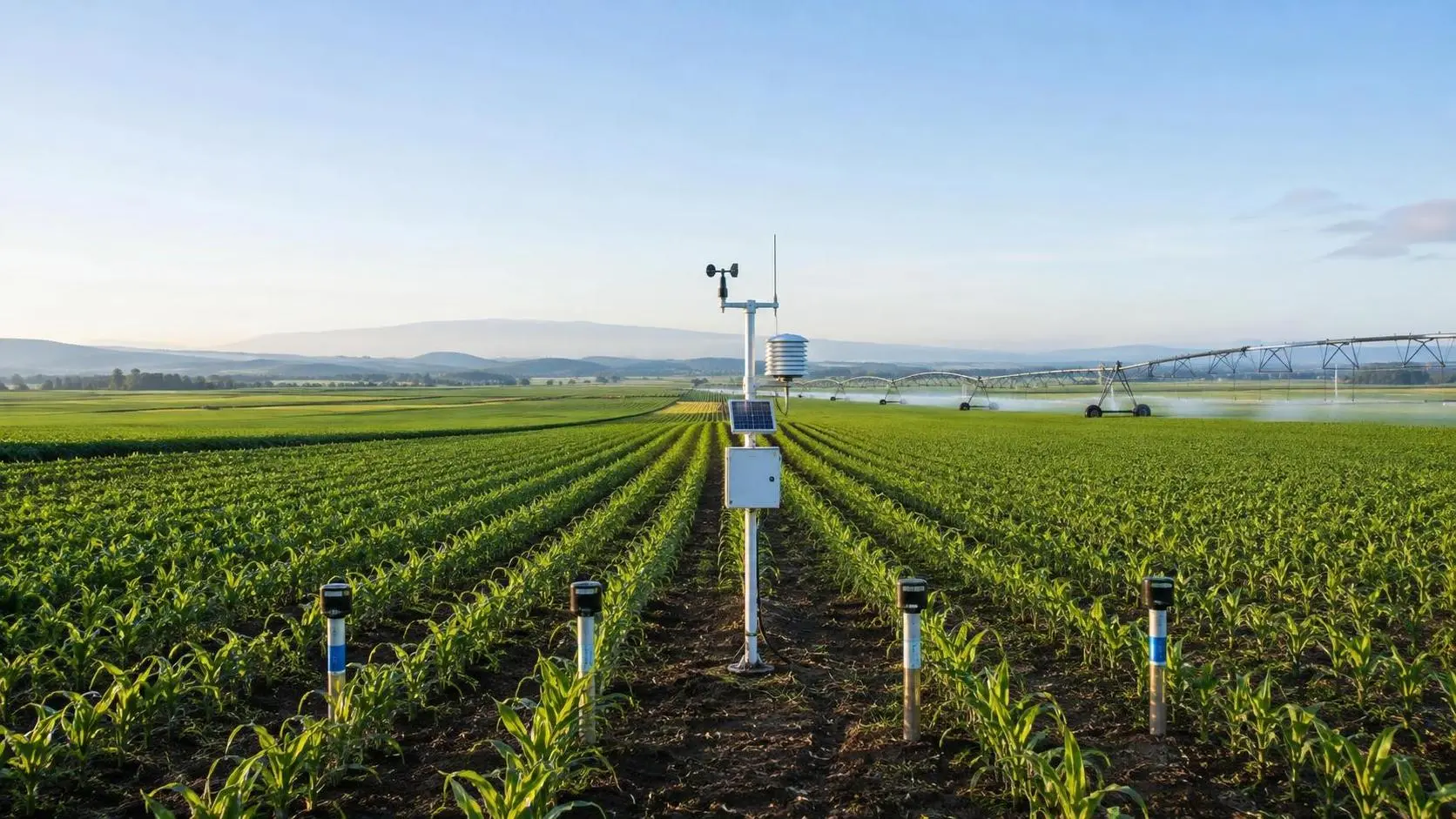
How to Evaluate Crop Monitoring System Manufacturers for Large-Scale Farms
Compare crop monitoring systems manufacturers for large-scale farms. Evaluate data quality, integration, durability, lifecycle costs, support, and pilots for smarter decisions.
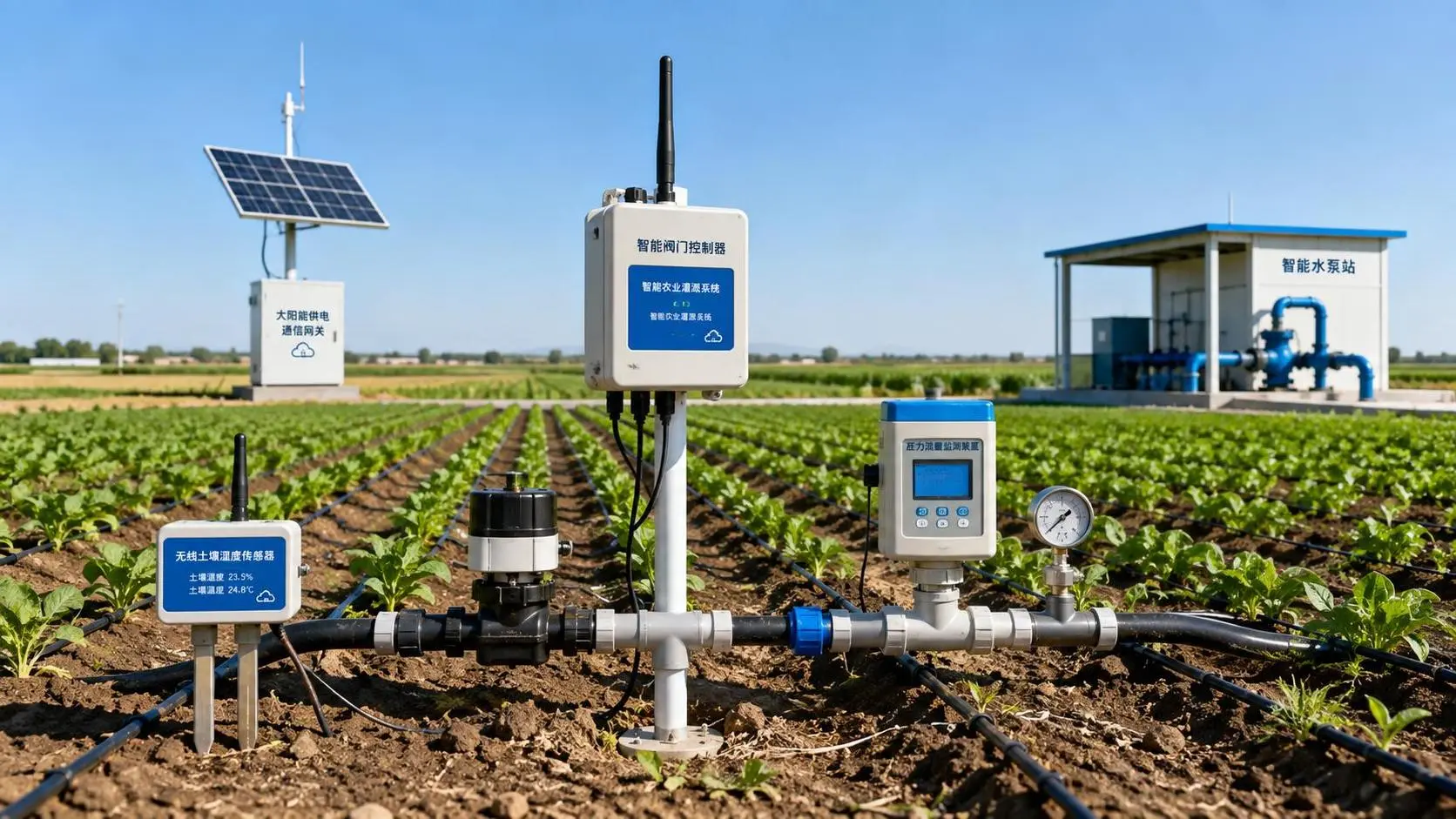
Wireless Agricultural Automation for Remote Irrigation and Field Monitoring
Agricultural automation wireless solutions improve remote irrigation with reliable field data, local control, flow verification, and smarter monitoring. Explore resilient deployment strategies.
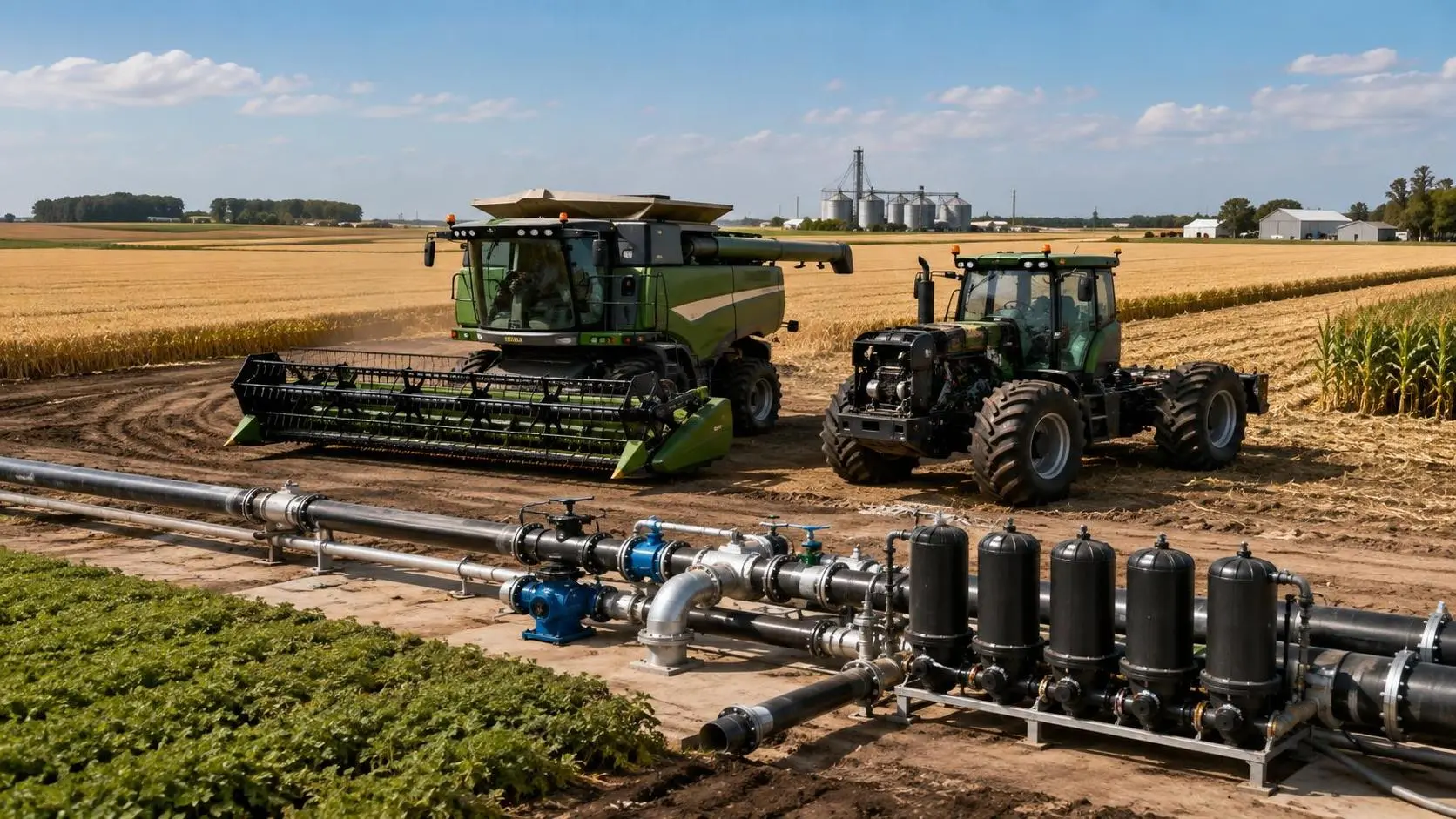
Agricultural Product Information Market Guide: Key Data for Sourcing Decisions
Agricultural product information market guide for smarter sourcing—compare machinery, irrigation, precision tools, lifecycle costs, and supplier risk.
Related News
- 00
0000-00
Specification Planning: A Practical Framework for Defining Equipment Requirements - 00
0000-00
Where to Find Reliable Product Information for Comparing Farm Equipment - 00
0000-00
How to Evaluate Crop Monitoring System Manufacturers for Large-Scale Farms - 00
0000-00
Agricultural Product Information Market Guide: Key Data for Sourcing Decisions - 00
0000-00
Large-Scale Farm Equipment Cost Comparison: Price, Fuel, and Lifecycle Value
Popular Tags
Ms. Elena Rodriguez
Weekly Insights
Stay ahead with our curated technology reports delivered every Monday.