
How Global Sustainability Demands Are Reshaping Farm Equipment Buying Criteria
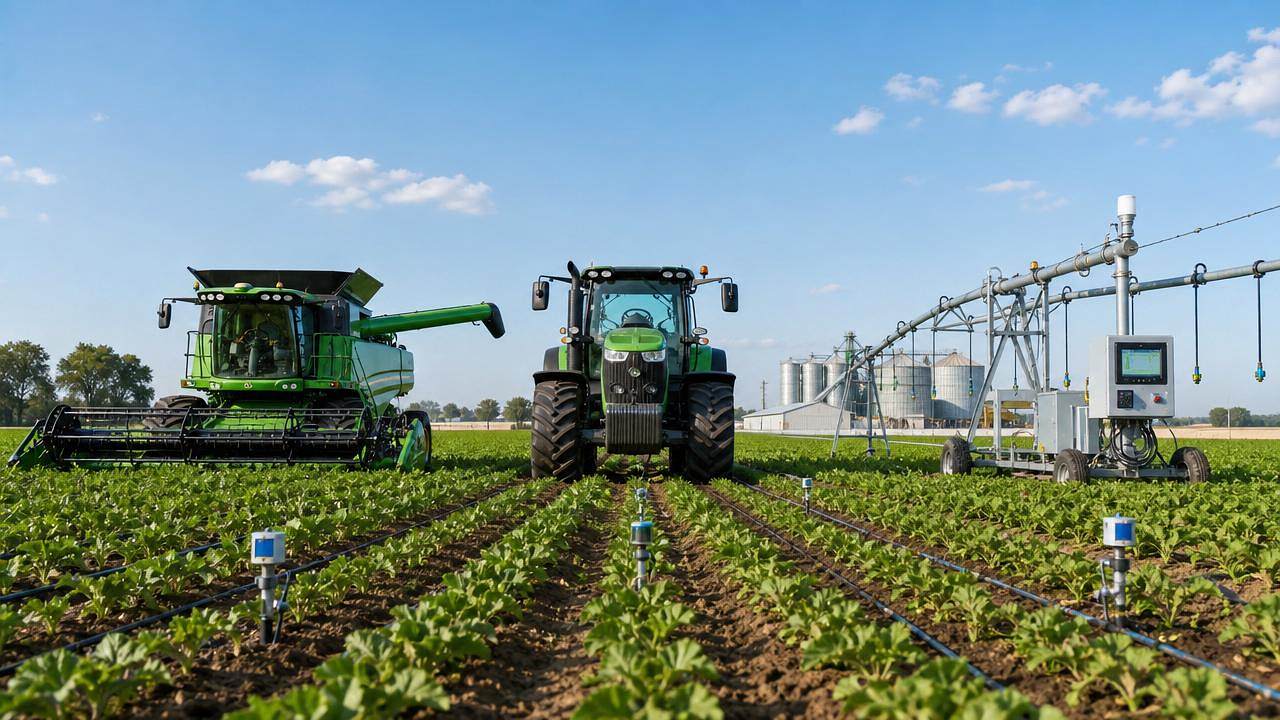




Farm equipment buying criteria are shifting faster than many expected
Global sustainability demands now shape farm equipment decisions at a strategic level, not at the margins.
That change is visible across tractors, combine harvesters, irrigation systems, and intelligent farm tools.
What once centered on horsepower, throughput, and acquisition cost now includes emissions profiles, water productivity, data traceability, and lifecycle efficiency.
The shift is not purely regulatory.
It is also tied to food security pressure, climate volatility, investor scrutiny, input inflation, and rising expectations around measurable resource use.
In the Agriculture 4.0 landscape, equipment value is increasingly judged by how well machines convert fuel, water, labor, and agronomic data into resilient output.
That is why global sustainability demands are moving from a branding topic to a hard selection filter.
From AP-Strategy’s field intelligence perspective, the bigger story is not a single green feature.
It is the growing expectation that mechanical performance, precision algorithms, and sustainability outcomes must work together.
Why this change is becoming more visible now
Recent demand signals show that global sustainability demands are intensifying from several directions at once.
Equipment buyers are no longer reacting to one policy headline or one bad weather season.
They are responding to a stacked risk environment.
- Carbon and emissions rules are tightening in major agricultural and export markets.
- Water stress is changing irrigation economics in both mature and emerging production regions.
- Retailers and processors increasingly request traceable sustainability performance from upstream operations.
- Fuel, fertilizer, and labor volatility make waste reduction financially urgent.
- Financing and insurance terms are starting to reflect environmental resilience indicators.
This combination changes the definition of a good machine.
A high-capacity unit that performs well only in stable conditions is losing appeal.
More attention is going to machines that can maintain output while reducing losses, overapplication, idle time, and avoidable field passes.
That is especially clear in large-scale agri-machinery, where total operating efficiency now matters more than raw rated power.
The buying checklist is expanding beyond performance alone
Global sustainability demands are reshaping evaluation models in practical, measurable ways.
Procurement discussions increasingly compare not just machine specifications, but operational consequences over several seasons.
This is where AP-Strategy’s intelligence model becomes relevant.
The market is no longer separating hardcore machinery from agronomic intelligence.
Machines are being assessed as performance systems inside a larger sustainability equation.
Water, fuel, and field loss are now board-level variables
One of the clearest effects of global sustainability demands is the elevation of resource efficiency from operational detail to investment priority.
Water-saving irrigation is a strong example.
In many regions, irrigation equipment is no longer judged only by coverage or durability.
It is judged by how well it integrates flow control, sensor feedback, and predictive scheduling.
The same pattern appears in harvesting.
A combine that reduces grain loss and adjusts cleaning performance in real time creates both immediate yield value and a stronger sustainability profile.
Even tractor chassis decisions are changing.
Transmission efficiency, hydraulic responsiveness, and soil impact are now linked to fuel burn, field productivity, and long-term land stewardship.
These are not soft metrics.
They affect cost models, compliance exposure, and operational resilience in seasons where weather windows are narrowing.
The strongest demand is for measurable sustainability, not symbolic sustainability
Another important shift is the move from claims to proof.
Global sustainability demands increasingly require equipment to produce usable data, not just better narratives.
That means telemetry, sensor validation, machine utilization records, and field-level performance benchmarks are becoming part of equipment value.
This matters across the agricultural value chain.
- Lenders want more confidence in long-cycle asset performance.
- Supply chain partners want clearer sustainability reporting inputs.
- Operators need evidence that precision functions reduce waste in real conditions.
- Strategy teams need comparable indicators across regions and crop systems.
This is why intelligent farm tools are gaining weight in equipment portfolios.
They do more than automate tasks.
They help turn sustainability performance into something visible, auditable, and improvable.
In practical terms, global sustainability demands favor machines that can show what they saved, where they adapted, and how reliably they performed.
Regional differences remain, but the direction is converging
Not every market is moving at the same speed.
Yet the direction created by global sustainability demands is increasingly consistent.
Europe often pushes emissions, traceability, and water governance earlier.
North America often emphasizes productivity-linked sustainability and technology integration.
Parts of Latin America, Africa, and Asia are balancing mechanization expansion with rising efficiency pressure.
Still, recent equipment demand shows a common pattern.
Buyers want assets that stay relevant under future standards, future weather risks, and future reporting expectations.
That makes future-proofing more valuable than low upfront cost alone.
For this reason, AP-Strategy’s Strategic Intelligence Center is well positioned in the conversation.
Its coverage of hybrid tractor technology, harvester loss algorithms, and transpiration prediction reflects where selection logic is actually moving.
What deserves closer attention over the next planning cycle
The next phase of global sustainability demands will likely deepen selection pressure rather than relax it.
Three questions are becoming more important in equipment planning.
- Can the machine reduce resource intensity without sacrificing field performance?
- Can its data support compliance, financing, and operational decisions later?
- Can the platform adapt to stricter standards and more variable growing conditions?
That suggests a different approach to comparison.
Instead of evaluating machines as isolated capital items, it makes more sense to assess them as parts of a resilient production architecture.
In many cases, the better decision is not the most advanced machine on paper.
It is the platform with the best balance between mechanical durability, precision control, and sustainability evidence.
A practical next step is to map current equipment against water efficiency, fuel performance, emissions exposure, data readiness, and loss reduction potential.
That kind of review makes global sustainability demands easier to translate into realistic investment priorities.
The wider lesson is clear.
Sustainability has become a design logic for agricultural equipment, not an optional feature set.
Those tracking the market closely should keep watching standards, field data quality, and resource-efficiency benchmarks together.
That is where the next competitive gap is likely to open.
Related News
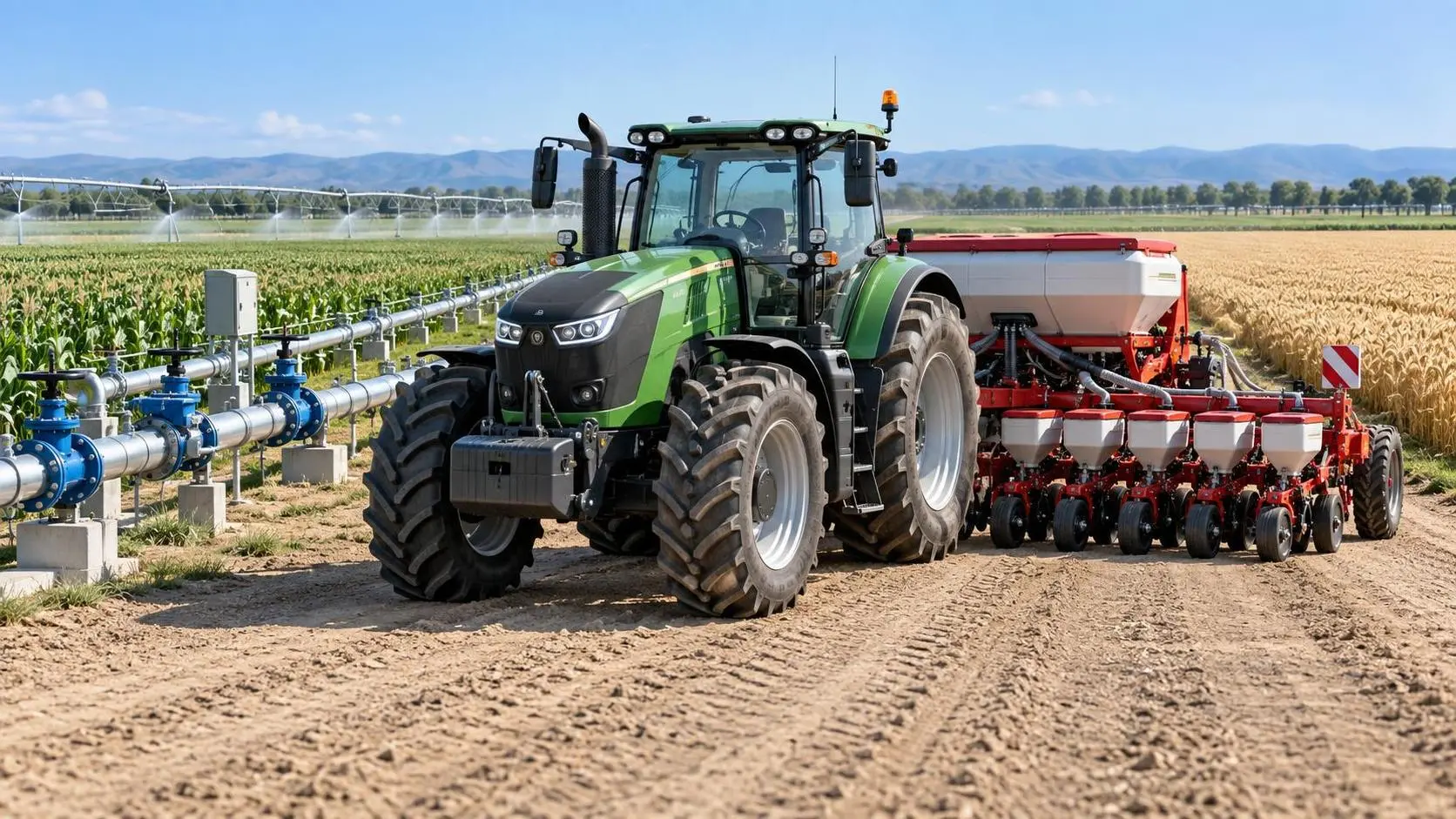
Specification Planning: A Practical Framework for Defining Equipment Requirements
Application guidance for specification planning: define measurable equipment requirements, prioritize performance, and avoid costly procurement mistakes.

How North American Farms Can Select Crop Monitoring Systems by Acreage and Connectivity
Crop monitoring systems North America: learn how to match acreage, connectivity, sensors, and data workflows for reliable, actionable farm decisions.

Where to Find Reliable Product Information for Comparing Farm Equipment
Product information resources agriculture buyers can trust: compare farm equipment with technical specs, manuals, field data, dealer support, and lifecycle insights.
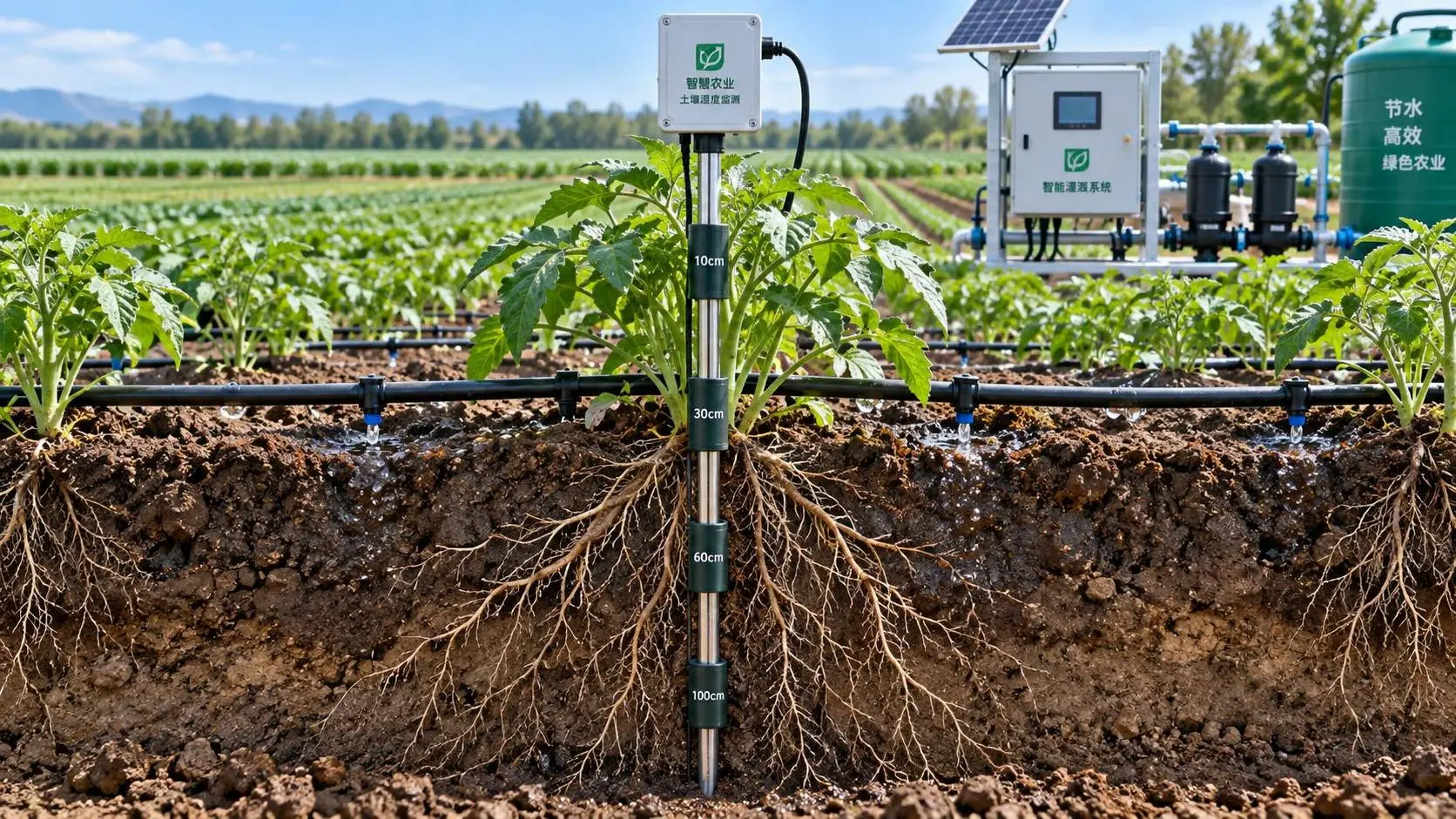
Selecting Real-Time Soil Moisture Sensors for Irrigation Zone Control
Soil moisture sensors real time: learn how to select reliable probes, optimize zone control, improve irrigation decisions, and scale precision water management.
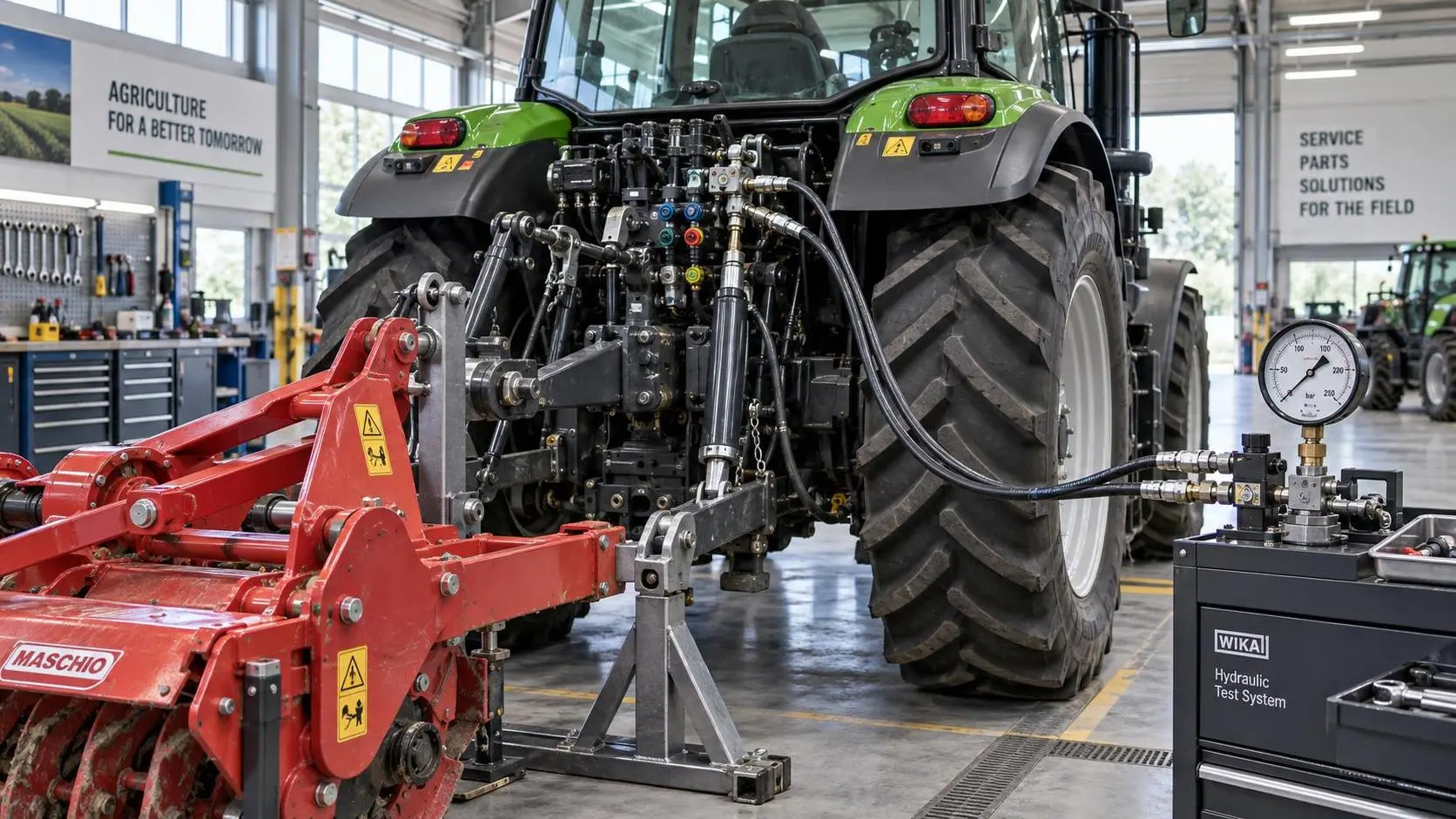
Tractor Hydraulic Systems Troubleshooting: Diagnosing Weak Lift and Slow Implements
Tractor hydraulic systems troubleshooting made practical: diagnose weak lifts and slow implements with proven pressure, flow, valve, and oil-supply checks.
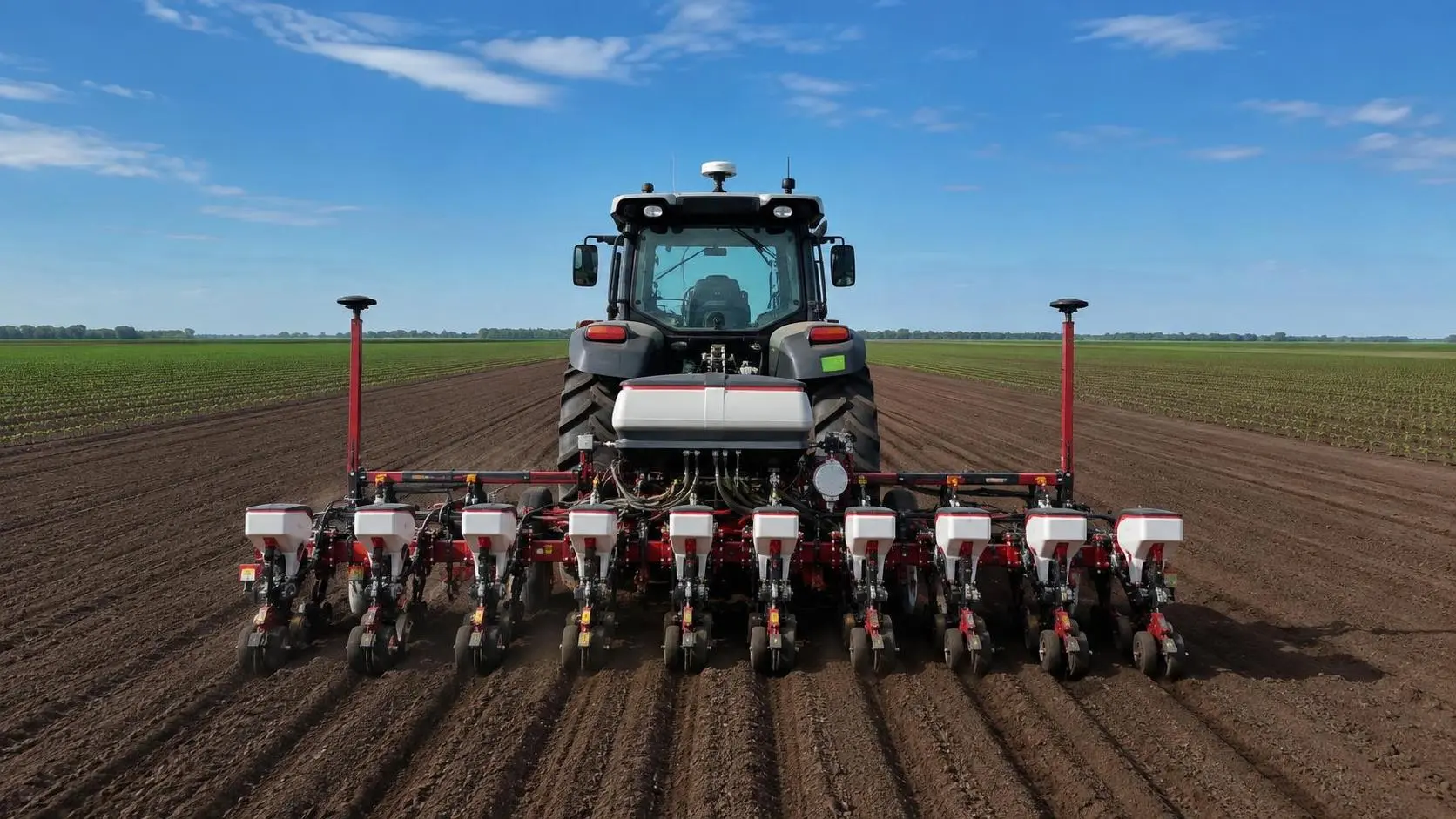
How Tractor Intelligence Systems Improve Field Efficiency and Input Accuracy
Agricultural machinery intelligence for tractors improves field efficiency, input accuracy, data traceability, and implement control. Explore smarter evaluation strategies.
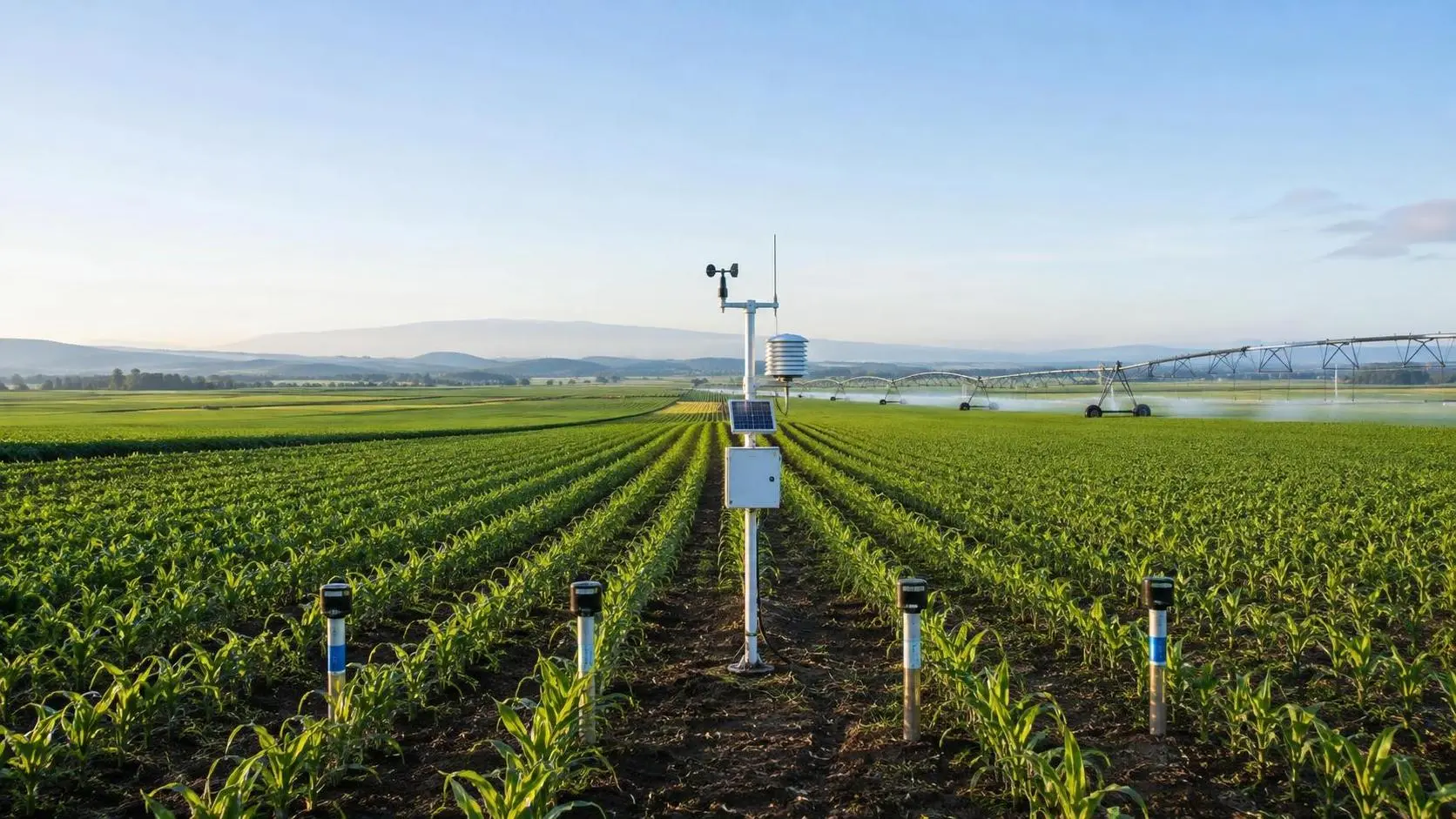
How to Evaluate Crop Monitoring System Manufacturers for Large-Scale Farms
Compare crop monitoring systems manufacturers for large-scale farms. Evaluate data quality, integration, durability, lifecycle costs, support, and pilots for smarter decisions.
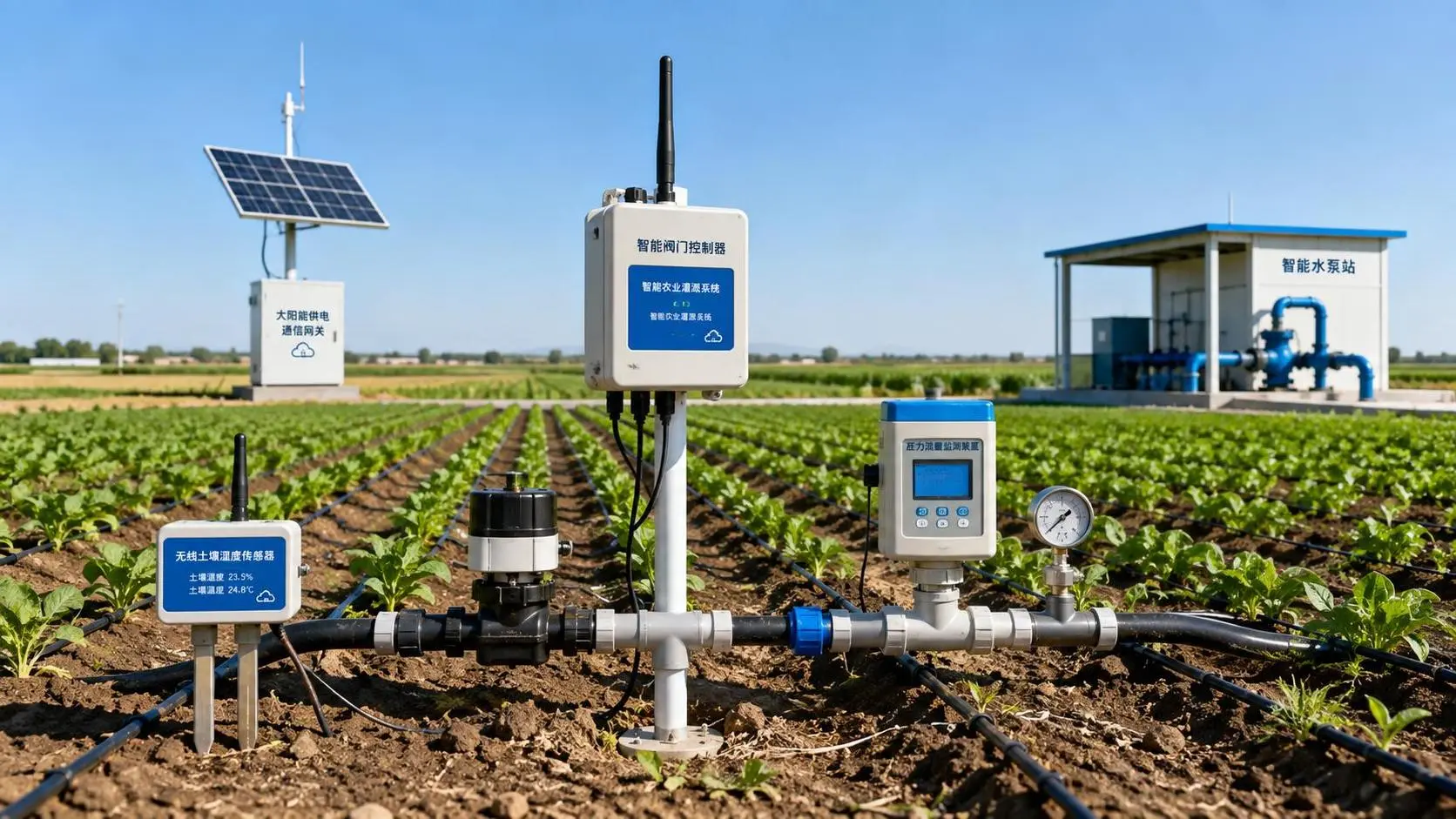
Wireless Agricultural Automation for Remote Irrigation and Field Monitoring
Agricultural automation wireless solutions improve remote irrigation with reliable field data, local control, flow verification, and smarter monitoring. Explore resilient deployment strategies.
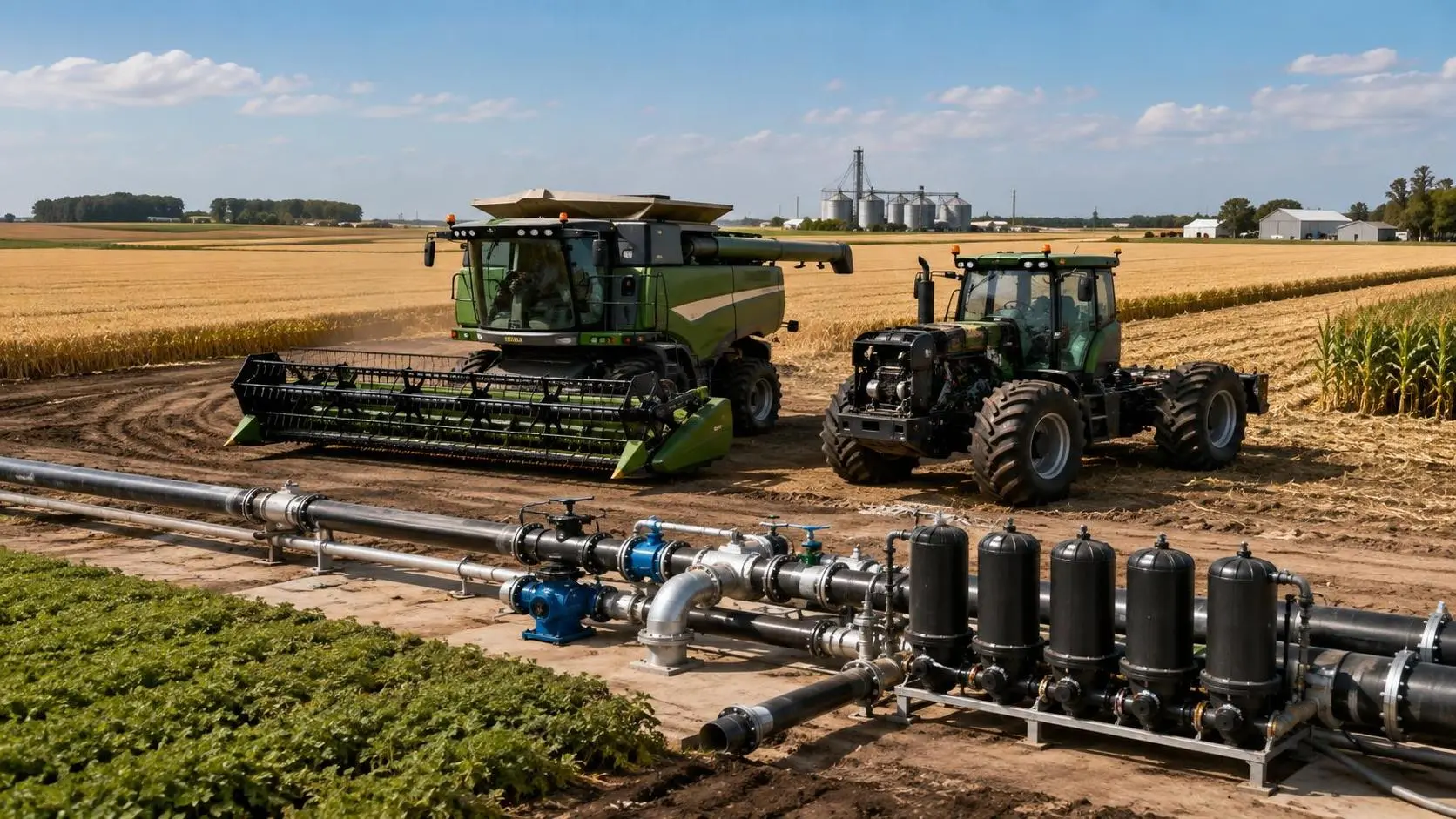
Agricultural Product Information Market Guide: Key Data for Sourcing Decisions
Agricultural product information market guide for smarter sourcing—compare machinery, irrigation, precision tools, lifecycle costs, and supplier risk.
Related News
- 00
0000-00
Specification Planning: A Practical Framework for Defining Equipment Requirements - 00
0000-00
Where to Find Reliable Product Information for Comparing Farm Equipment - 00
0000-00
How to Evaluate Crop Monitoring System Manufacturers for Large-Scale Farms - 00
0000-00
Agricultural Product Information Market Guide: Key Data for Sourcing Decisions - 00
0000-00
Large-Scale Farm Equipment Cost Comparison: Price, Fuel, and Lifecycle Value
Popular Tags
Ms. Elena Rodriguez
Weekly Insights
Stay ahead with our curated technology reports delivered every Monday.