
Smart Farming Equipment ROI: What Buyers Should Compare Before Requesting Quotes
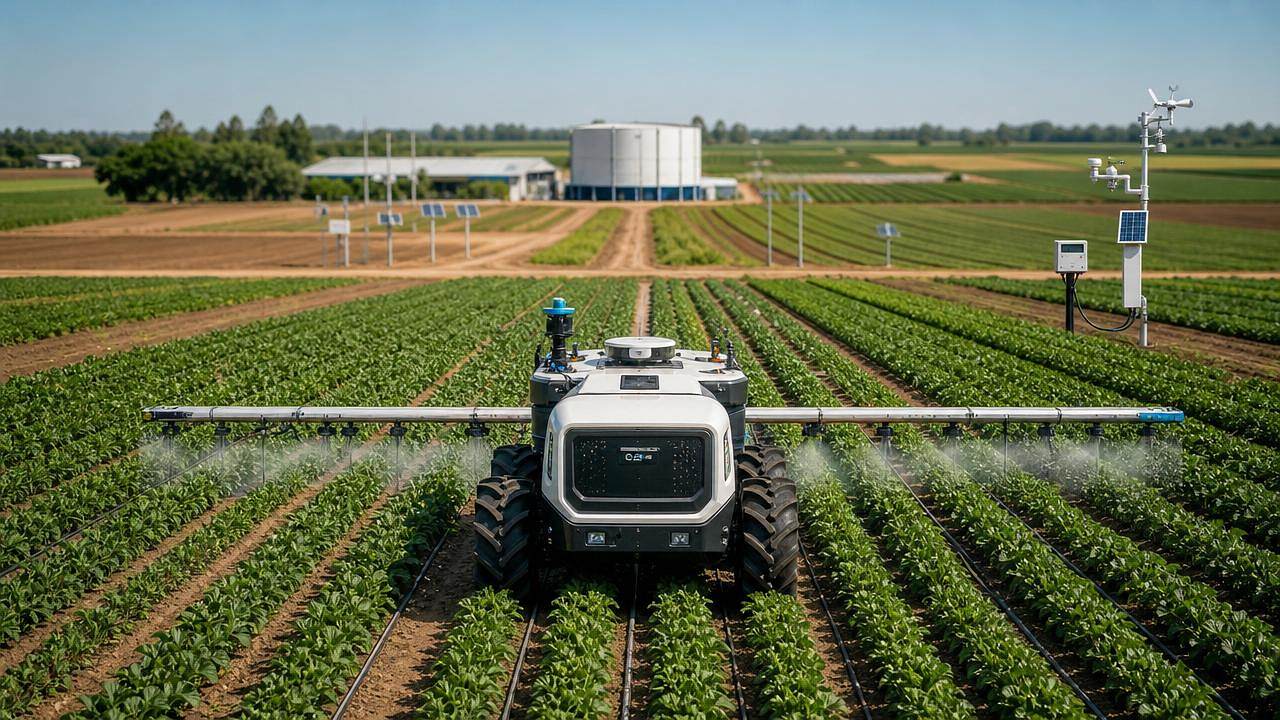




Smart Farming Equipment ROI: What Buyers Should Compare Before Requesting Quotes
Before requesting quotes, most teams focus on purchase price first. That is understandable, but it is rarely enough for a sound investment decision.
The real value of smart farming equipment comes from how it performs across seasons, labor conditions, fuel use, data flow, and maintenance cycles.
In practical terms, ROI is not only about cost recovery. It is also about uptime, field precision, operational visibility, and the ability to scale without creating new bottlenecks.
That is why smart farming equipment should be compared through a broader framework before any supplier pricing discussion begins.
From AP-Strategy’s view of Agriculture 4.0, the strongest procurement decisions connect machine capability, digital intelligence, and long-term field economics.
Start With ROI Drivers, Not Sticker Price
A low quote can look attractive in a procurement meeting. Yet smart farming equipment often delivers value through hidden drivers that only appear after deployment.
For example, one machine may cost more upfront but reduce overlap, fuel burn, and operator hours. Another may be cheaper, yet require more service visits and software workarounds.
A better comparison starts with five core ROI questions.
- How much productive field time does the equipment add?
- How much labor dependency does it remove?
- How efficiently does it use fuel, water, seed, or inputs?
- How well does it integrate with existing data systems?
- How stable are maintenance costs over five years?
When those answers are clear, quote comparison becomes more rational. It also becomes much harder for short-term pricing to distort a strategic purchase.
Compare Productivity at the Field Level
The first benchmark for smart farming equipment is measurable output in real field conditions. Brochure speed means little if terrain, crop density, or operator variation erodes performance.
Look at work rate per hour, coverage consistency, and time lost during setup, calibration, refilling, or repositioning.
In large-scale operations, small performance gaps become major economic differences across thousands of hectares.
Key productivity metrics to request
- Average field capacity per hour
- Overlap reduction through guidance systems
- Downtime during shift changes or setup
- Accuracy under variable soil or crop conditions
- Seasonal throughput during peak windows
This is where smart farming equipment proves its practical worth. Better precision usually means less rework, less waste, and more acres completed on schedule.
Measure Labor Savings and Operator Efficiency
Labor pressure is now one of the strongest reasons to invest in smart farming equipment. Skilled operators are harder to find, and seasonal labor volatility continues to affect planning.
Equipment with auto-guidance, prescription control, sensor feedback, and simpler interfaces can lower dependency on highly specialized labor.
That does not mean labor disappears. It means one operator can manage more output with fewer mistakes and less fatigue.
Buyers should compare labor ROI in direct and indirect ways.
- Direct savings from fewer operator hours per hectare.
- Reduced training time for new staff.
- Lower error rates in seeding, spraying, or irrigation.
- Safer operation during long shifts and peak seasons.
This also affects retention. When smart farming equipment is easier to operate, teams tend to perform more consistently through stressful seasonal windows.
Look Closely at Fuel, Input, and Water Efficiency
Fuel efficiency is still a major cost lever, especially in high-acreage operations. But today, resource efficiency should be evaluated more broadly.
Smart farming equipment can improve how diesel, seed, fertilizer, chemicals, and water are used. That creates a more complete ROI picture than engine performance alone.
For irrigation systems, compare pressure control, leak detection, scheduling logic, and evapotranspiration-based response. For field tools, compare variable-rate accuracy and section control performance.
The strongest systems cut waste without sacrificing yield potential. That is where sustainability goals and commercial returns begin to support each other.
Useful comparison points
- Fuel consumption per productive hour
- Input savings from variable-rate application
- Water use per irrigation cycle
- Reduction in overlap and skipped zones
- Cost impact per hectare over one season
Check Data Integration Before You Check Discounts
One of the most overlooked smart farming equipment risks is poor data compatibility. A machine may perform well mechanically, yet create problems if it cannot connect to the wider operation.
This matters more as operations rely on guidance systems, telematics, irrigation control platforms, and farm management software.
If data stays locked in one vendor ecosystem, reporting gets slower and decision-making becomes fragmented.
Before requesting quotes, ask suppliers how their smart farming equipment handles the following.
- API or platform interoperability
- Real-time telemetry access
- Historical data export formats
- Compatibility with existing sensors and controllers
- Cybersecurity update policies
A discount may improve the first invoice. Strong integration improves operational visibility for years.
Evaluate Maintenance, Uptime, and Service Networks
Reliable smart farming equipment is not simply equipment that rarely fails. It is equipment that can be restored quickly when something goes wrong.
That distinction matters during narrow planting, spraying, or harvest windows. A short delay can quickly become a revenue problem.
Ask suppliers for service response times, parts availability, remote diagnostics capability, and software support commitments.
Also compare maintenance design. Some machines make routine service easier, which reduces downtime and technician dependency.
In many cases, service quality shapes ROI more than the original equipment discount.
Test Scalability and Upgrade Paths
A purchase that works for current acreage may become restrictive in three years. That is why smart farming equipment should be compared against future operating models, not just today’s workload.
Expansion may involve more land, more crops, stricter reporting, or tighter sustainability targets. Equipment that cannot scale will force expensive replacement earlier than planned.
Ask whether additional sensors, software modules, automation functions, or hydraulic capacity can be added later.
The best smart farming equipment often protects future options. That flexibility matters when markets, climate patterns, and policy requirements shift quickly.
Build a Smarter Quote Request Framework
Once the comparison criteria are clear, the quote request itself becomes more useful. Suppliers respond better when requirements are specific and commercially relevant.
Instead of asking for price only, request structured answers around ownership cost, performance guarantees, and integration assumptions.
Include these items in the RFQ
- Expected output per hour and per season
- Fuel, water, or input consumption benchmarks
- Software licensing and update costs
- Training, commissioning, and support scope
- Warranty terms and uptime commitments
- Integration compatibility with current systems
This approach creates apples-to-apples comparison. It also exposes where one smart farming equipment supplier is shifting costs outside the headline quote.
From a strategic intelligence perspective, this is where procurement becomes less reactive and more performance-driven.
Final Takeaway
Smart farming equipment should never be judged by upfront price alone. The stronger comparison is built around productivity, labor efficiency, resource savings, interoperability, uptime, and future scalability.
That wider lens reduces procurement risk and produces better long-term returns. It also helps align equipment investment with sustainability goals and operational resilience.
For organizations evaluating smart farming equipment in a fast-changing market, the best next move is simple. Define your ROI criteria first, then request quotes that answer those criteria directly.
When that happens, every quote becomes more than a price sheet. It becomes a clearer signal of long-term field value.
Related News

How North American Farms Can Select Crop Monitoring Systems by Acreage and Connectivity
Crop monitoring systems North America: learn how to match acreage, connectivity, sensors, and data workflows for reliable, actionable farm decisions.

Where to Find Reliable Product Information for Comparing Farm Equipment
Product information resources agriculture buyers can trust: compare farm equipment with technical specs, manuals, field data, dealer support, and lifecycle insights.
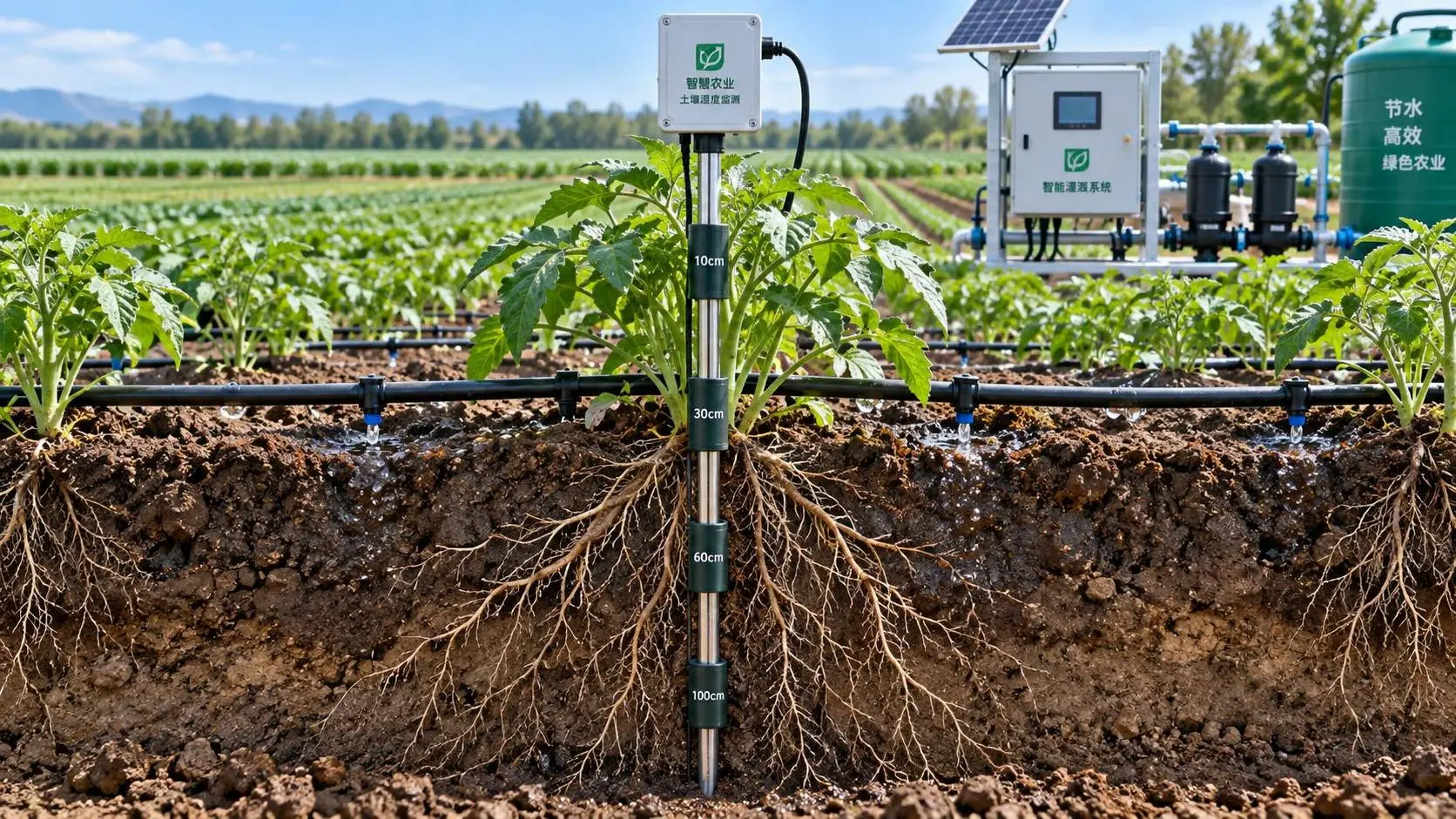
Selecting Real-Time Soil Moisture Sensors for Irrigation Zone Control
Soil moisture sensors real time: learn how to select reliable probes, optimize zone control, improve irrigation decisions, and scale precision water management.
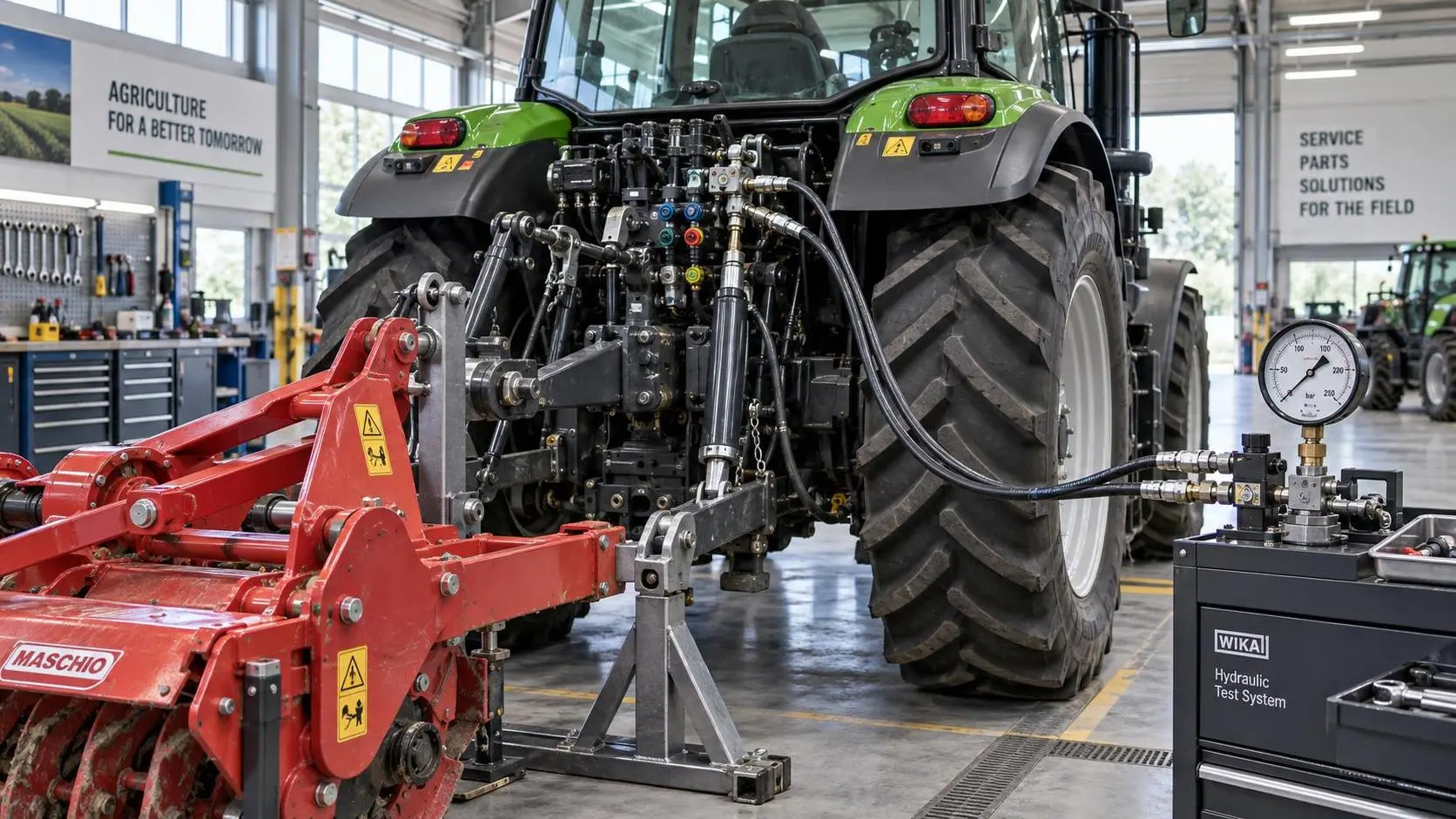
Tractor Hydraulic Systems Troubleshooting: Diagnosing Weak Lift and Slow Implements
Tractor hydraulic systems troubleshooting made practical: diagnose weak lifts and slow implements with proven pressure, flow, valve, and oil-supply checks.
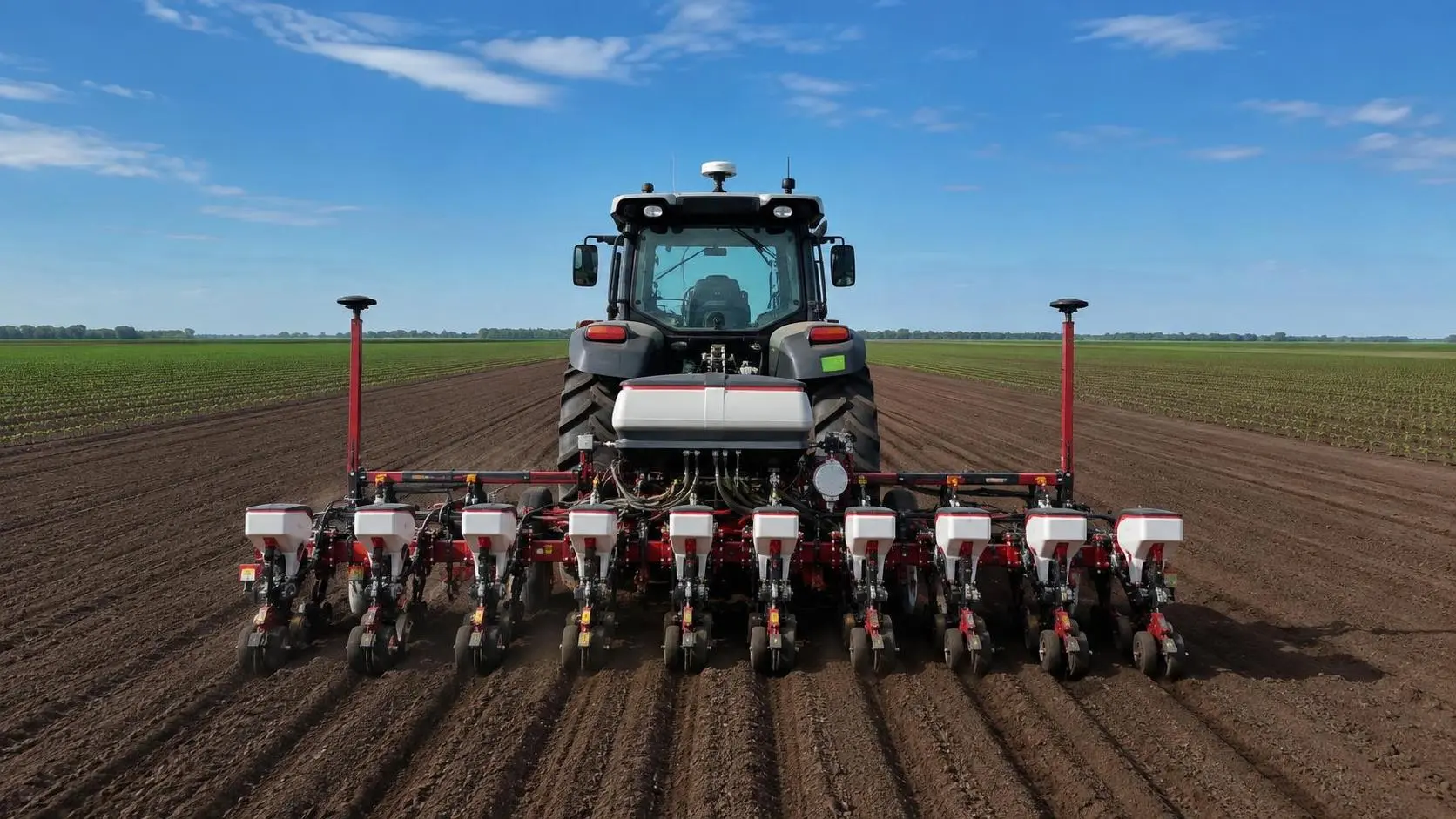
How Tractor Intelligence Systems Improve Field Efficiency and Input Accuracy
Agricultural machinery intelligence for tractors improves field efficiency, input accuracy, data traceability, and implement control. Explore smarter evaluation strategies.
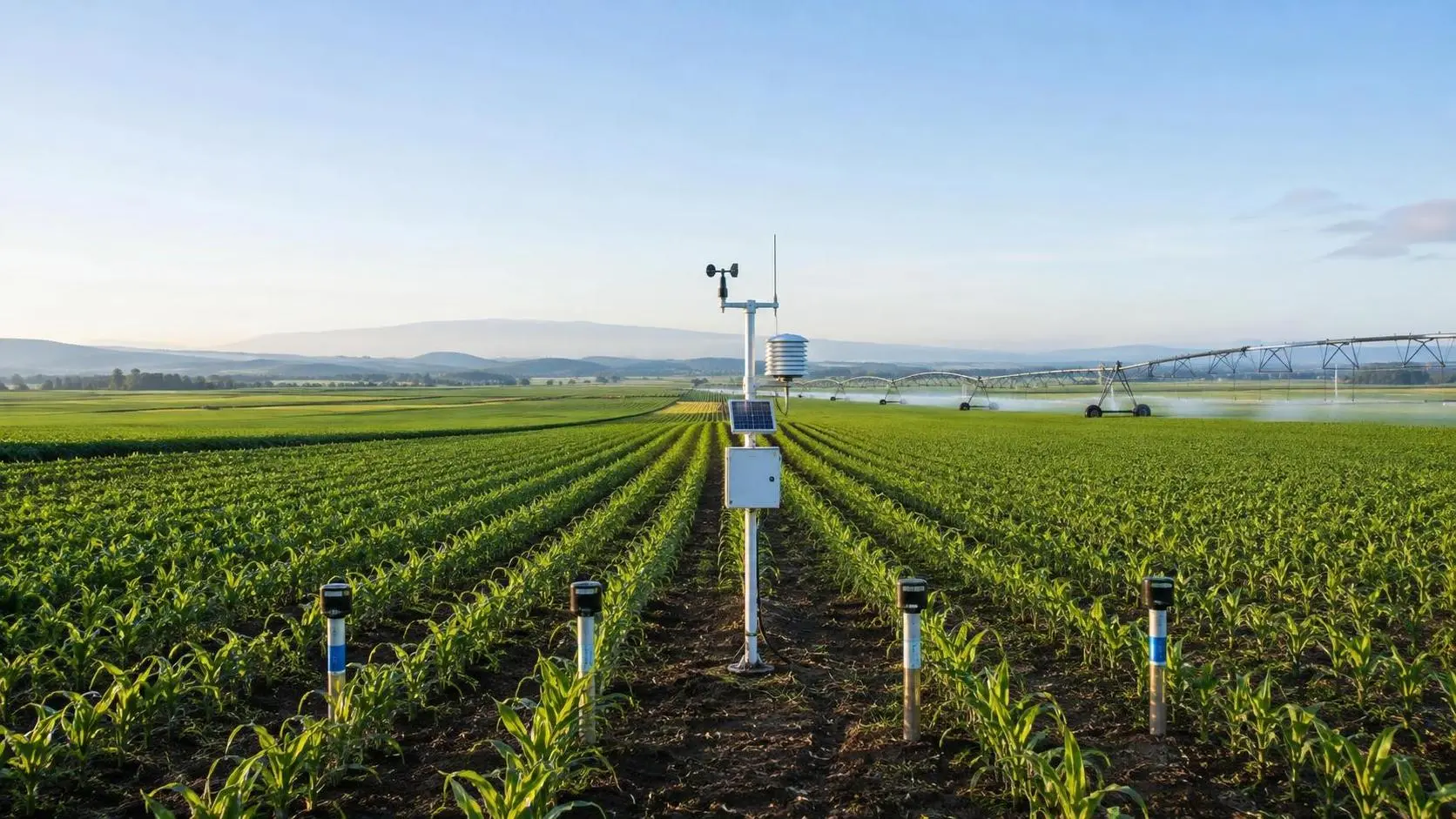
How to Evaluate Crop Monitoring System Manufacturers for Large-Scale Farms
Compare crop monitoring systems manufacturers for large-scale farms. Evaluate data quality, integration, durability, lifecycle costs, support, and pilots for smarter decisions.
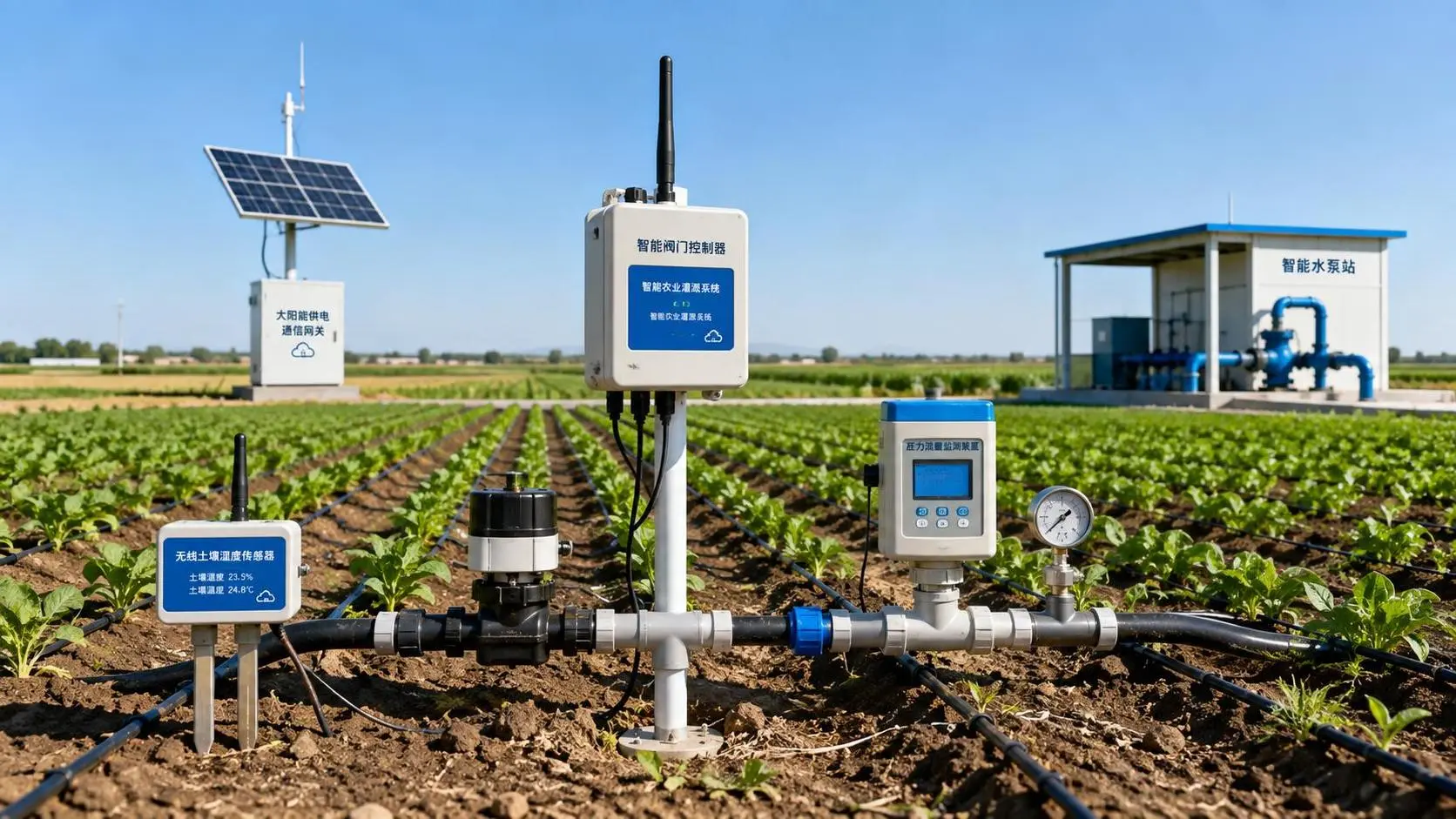
Wireless Agricultural Automation for Remote Irrigation and Field Monitoring
Agricultural automation wireless solutions improve remote irrigation with reliable field data, local control, flow verification, and smarter monitoring. Explore resilient deployment strategies.
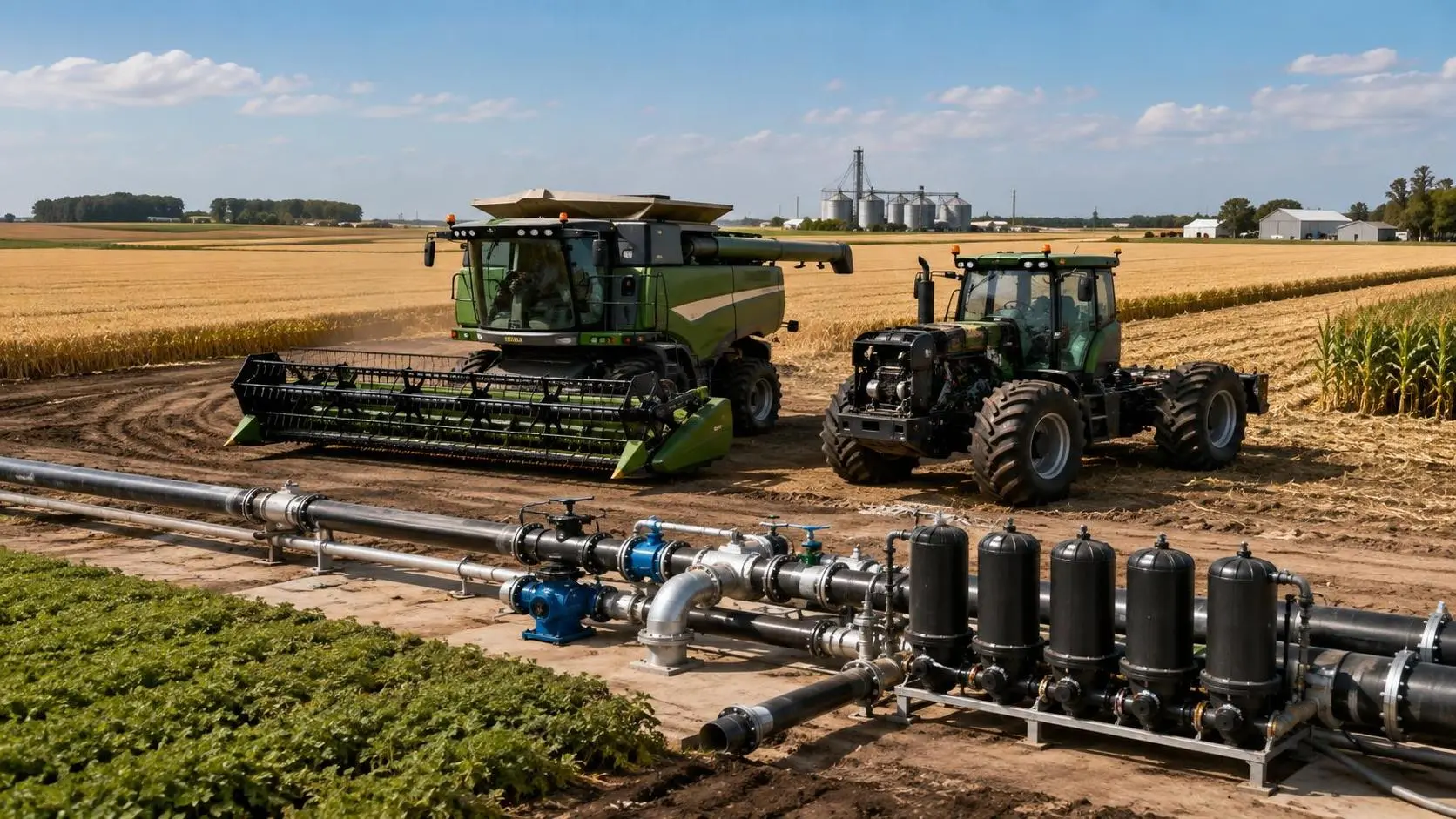
Agricultural Product Information Market Guide: Key Data for Sourcing Decisions
Agricultural product information market guide for smarter sourcing—compare machinery, irrigation, precision tools, lifecycle costs, and supplier risk.
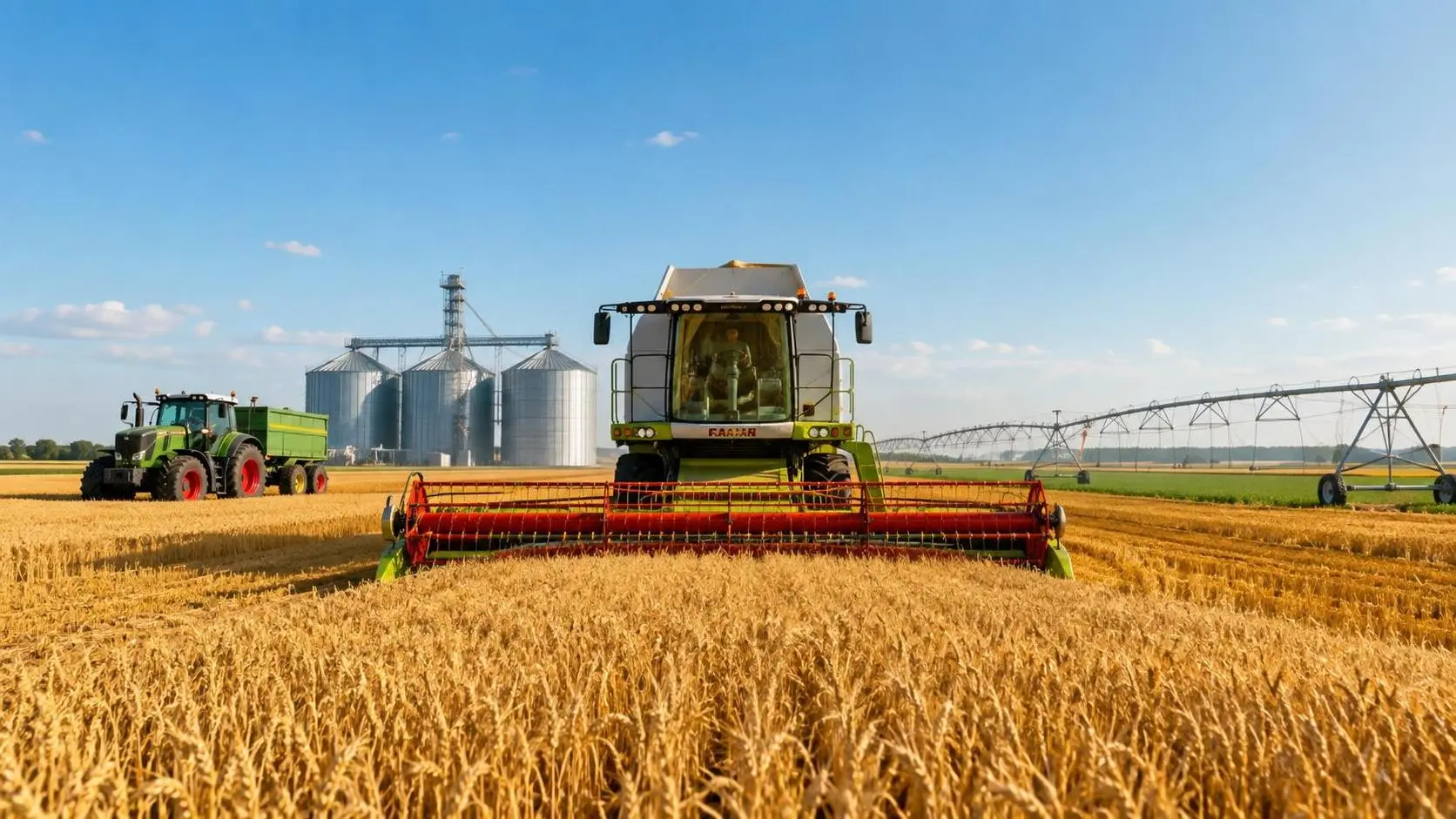
Large-Scale Farm Equipment Cost Comparison: Price, Fuel, and Lifecycle Value
Large-scale farm equipment cost comparison: evaluate price, fuel, maintenance, downtime, and lifecycle value to choose tractors, combines, irrigation, and smart tools with confidence.
Related News
- 00
0000-00
Where to Find Reliable Product Information for Comparing Farm Equipment - 00
0000-00
How to Evaluate Crop Monitoring System Manufacturers for Large-Scale Farms - 00
0000-00
Agricultural Product Information Market Guide: Key Data for Sourcing Decisions - 00
0000-00
Large-Scale Farm Equipment Cost Comparison: Price, Fuel, and Lifecycle Value - 00
0000-00
A Procurement Specification Preparation Example for Buying Farm Equipment
Popular Tags
Ms. Elena Rodriguez
Weekly Insights
Stay ahead with our curated technology reports delivered every Monday.