
Digital Agriculture Platforms Explained: Key Features, Data Sources, and Integration Points




Why are digital agriculture platforms getting so much attention?
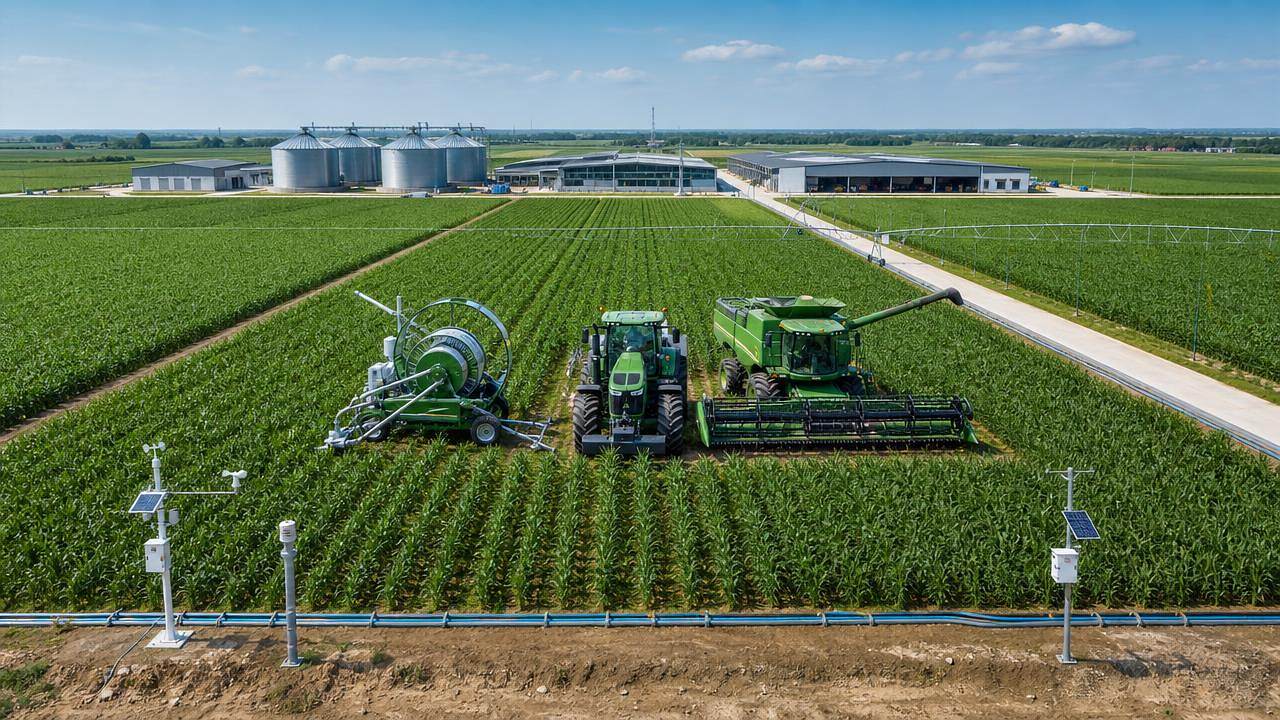
Digital agriculture platforms matter because modern farming no longer runs on machinery alone. It runs on connected decisions, timed actions, and usable field intelligence.
That is why digital agriculture platforms sit at the center of Agriculture 4.0 discussions. They combine equipment data, crop observations, weather signals, and workflow records in one place.
In practical terms, a platform helps turn scattered information into operational choices. That may mean adjusting seeding rates, tracking harvester loss, or improving irrigation timing.
This is also where AP-Strategy’s perspective becomes useful. Its focus on large-scale machinery, combine harvesting, tractor systems, intelligent tools, and water-saving irrigation reflects the exact areas where platform value becomes measurable.
The bigger point is simple. Digital agriculture platforms are not just dashboards. They are coordination systems for machinery performance, agronomic logic, and resource efficiency.
So what exactly is a digital agriculture platform?
A useful definition is this: a digital agriculture platform is a software environment that collects, organizes, analyzes, and shares farm-related data across operations.
Some platforms are built around machine telematics. Others begin with agronomy, irrigation, or farm management records. The stronger ones connect all of those layers.
In real deployments, digital agriculture platforms often support questions such as:
- Which field zones need different input rates?
- Why did one combine show higher grain loss?
- Is irrigation responding to crop demand or only to schedule?
- Can tractor, implement, and sensor records be viewed together?
That range is important. A platform is valuable when it helps compare causes, not merely store data. Storage alone rarely changes performance.
More advanced digital agriculture platforms also support benchmarking. For example, equipment intelligence can be tied to field conditions, fuel use, moisture patterns, and task quality.
Which features actually matter, and which ones are often overrated?
A common mistake is judging digital agriculture platforms by interface polish alone. A clean screen helps, but field value usually depends on data depth and integration reliability.
The most useful features tend to be the ones that connect action to outcome. That is especially true in mechanized cropping systems.
Overrated features usually look impressive in demos but add little in season. Examples include generic AI labels, decorative maps, or analytics that cannot trigger a field action.
In equipment-heavy operations, the better question is not “How many features?” It is “Which features reduce uncertainty during planting, harvesting, or irrigation?”
Where does the data come from, and how reliable is it?
This is where many evaluations become more realistic. Digital agriculture platforms are only as useful as the quality, frequency, and compatibility of their data sources.
The main inputs usually include satellite imagery, in-field sensors, machine telematics, weather feeds, irrigation controls, and manual records.
Each source has strengths and limits. Satellite data offers broad visibility, but cloud cover and timing gaps can reduce value. Sensor data is detailed, but placement quality matters.
Telematics can reveal machine behavior in near real time. Still, if equipment brands use different formats, comparison becomes harder unless the platform normalizes them.
That normalization layer is often underestimated. For farms using multiple tractor chassis, combines, and smart implements, data consistency can matter more than data volume.
AP-Strategy’s intelligence approach highlights this clearly. Harvester cleaning loss algorithms, irrigation prediction models, and equipment performance signals only become strategic when they can be read together.
A practical reliability check usually includes:
- How often is the data refreshed?
- What happens when records are missing or delayed?
- Are sensor readings calibrated and traceable?
- Can machine data be matched to field events and crop stages?
Why do integration points decide whether a platform works in real life?
Because most agricultural operations do not start from zero. They already use machines, irrigation hardware, farm records, GPS guidance, and external market or weather information.
If digital agriculture platforms cannot integrate with those tools, they often create more manual work than clarity. That is usually where enthusiasm fades.
The most critical integration points are rarely glamorous. They include API access, file compatibility, telematics connectors, prescription import, irrigation controller links, and maintenance data exchange.
In harvest operations, integration may mean connecting yield maps, grain loss indicators, moisture data, and machine settings. In irrigation, it may mean linking evapotranspiration models with valve control records.
The real test is whether one decision can move across systems without being rebuilt by hand. If not, the platform remains informative but not operational.
A useful way to judge integration readiness is to ask four questions:
- Can it connect with mixed equipment fleets?
- Does it support agronomic and mechanical data together?
- Can irrigation and resource data enter the same workflow?
- Will exports remain usable if systems change later?
How do you compare digital agriculture platforms without getting lost in vendor claims?
A grounded comparison starts with workflow pressure points. Look at where delays, waste, uncertainty, or repeated manual steps currently happen.
Then compare digital agriculture platforms against those operational gaps, not against abstract promises. This keeps the evaluation tied to measurable outcomes.
In many cases, the best platform is not the one with the broadest marketing language. It is the one that fits the operation’s data maturity and machinery reality.
What are the common mistakes during implementation?
One frequent error is assuming that software alone creates precision. It does not. Precision comes from correct inputs, clean workflows, and disciplined use over time.
Another mistake is trying to digitize everything at once. A phased rollout often works better, especially when machine fleets, irrigation systems, and data habits vary.
It also helps to avoid vague success metrics. Better outcomes should be defined in operational terms, such as lower fuel waste, fewer harvesting losses, faster anomaly detection, or tighter irrigation control.
More subtle risks include poor ownership of data governance, weak training, and overreliance on default settings. In actual field conditions, those issues appear faster than expected.
For that reason, experienced observers often track implementation through a mix of mechanical, agronomic, and resource indicators. That cross-view is consistent with AP-Strategy’s intelligence model.
- Start with one high-impact workflow, not every workflow.
- Verify data quality before trusting automated recommendations.
- Match integration plans to real equipment and irrigation assets.
- Review results by season, task, and field variability.
In short, digital agriculture platforms succeed when they become part of operating discipline, not just part of reporting.
What should be the next step if you are still evaluating the space?
Begin by mapping three things: the decisions that matter most, the data already available, and the systems that must connect without friction.
From there, compare digital agriculture platforms against real operational needs in harvesting, machinery management, precision input control, and water-saving irrigation.
A strong evaluation usually combines feature review, data-source validation, and integration testing. Looking at only one of those layers gives an incomplete picture.
For ongoing market understanding, intelligence-led sources such as AP-Strategy help frame platform choices within larger shifts in mechanization, sustainability, and global agri-equipment demand.
The key takeaway is not simply that digital agriculture platforms are important. It is that their value depends on how well they connect field reality, machine behavior, and decision logic into one usable system.
If the next review focuses on those links, platform selection becomes far more practical, and long-term value becomes easier to judge.
Related News

How North American Farms Can Select Crop Monitoring Systems by Acreage and Connectivity
Crop monitoring systems North America: learn how to match acreage, connectivity, sensors, and data workflows for reliable, actionable farm decisions.

Where to Find Reliable Product Information for Comparing Farm Equipment
Product information resources agriculture buyers can trust: compare farm equipment with technical specs, manuals, field data, dealer support, and lifecycle insights.
Selecting Real-Time Soil Moisture Sensors for Irrigation Zone Control
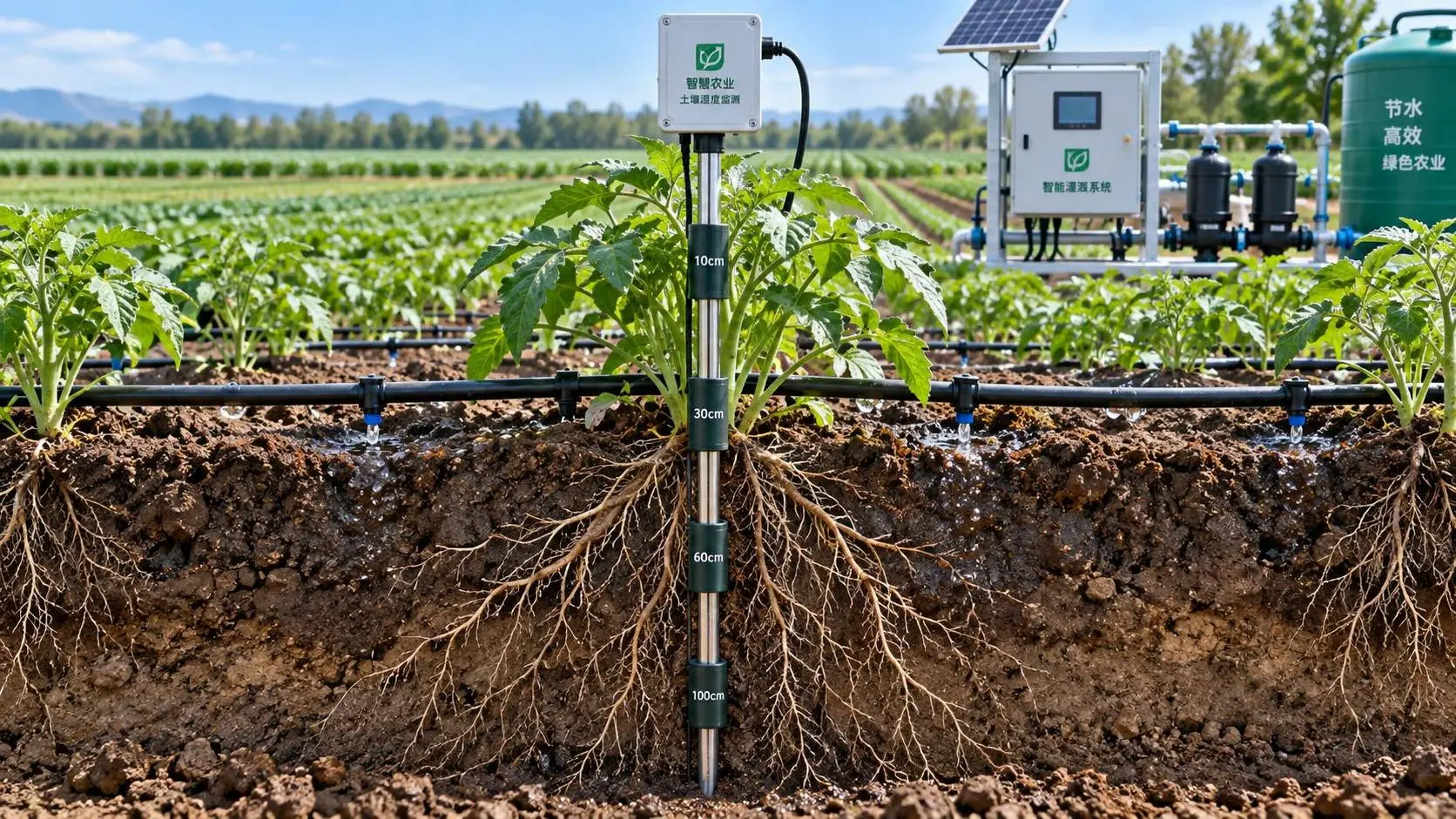
Soil moisture sensors real time: learn how to select reliable probes, optimize zone control, improve irrigation decisions, and scale precision water management.
Tractor Hydraulic Systems Troubleshooting: Diagnosing Weak Lift and Slow Implements
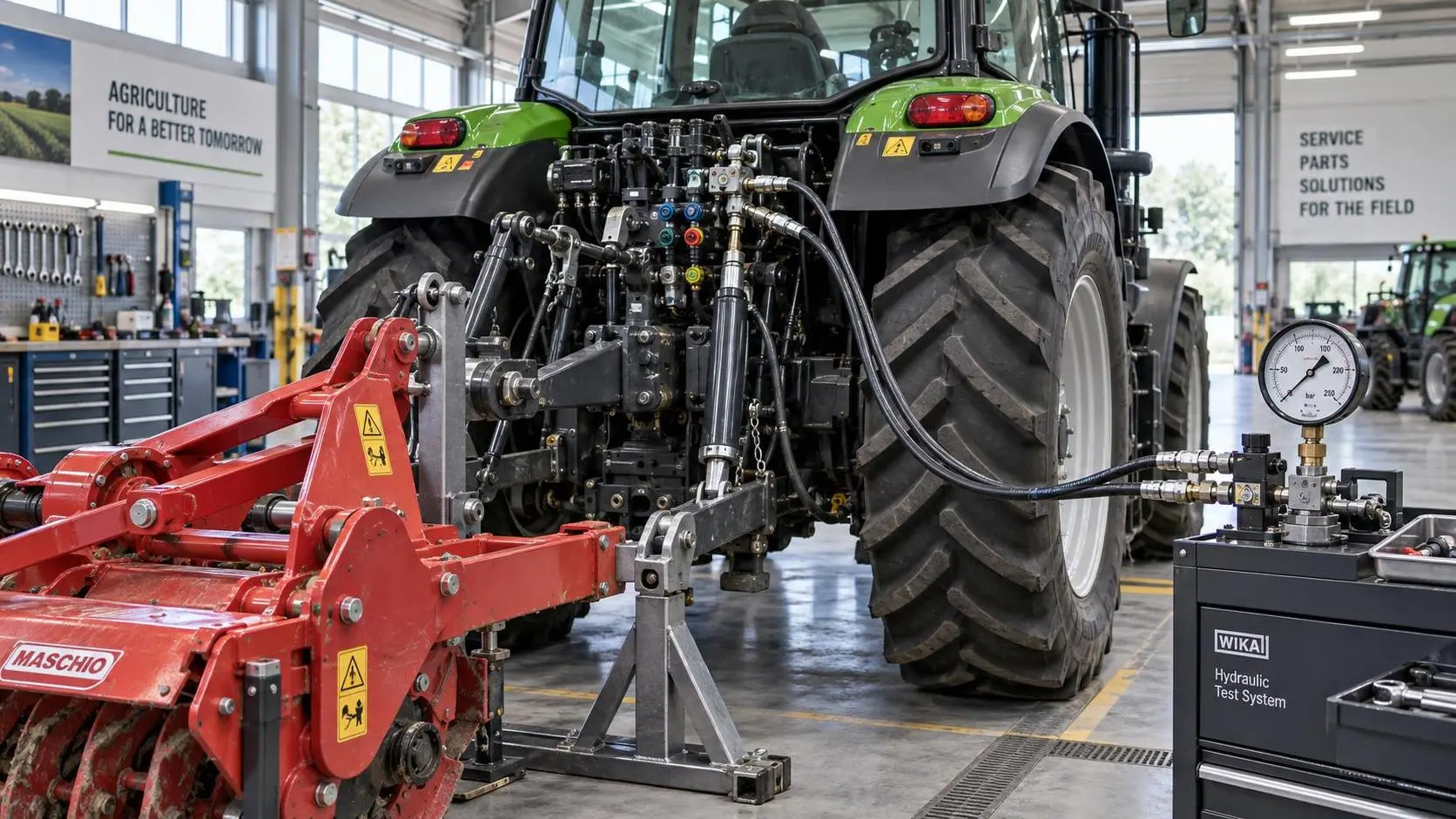
Tractor hydraulic systems troubleshooting made practical: diagnose weak lifts and slow implements with proven pressure, flow, valve, and oil-supply checks.
How Tractor Intelligence Systems Improve Field Efficiency and Input Accuracy
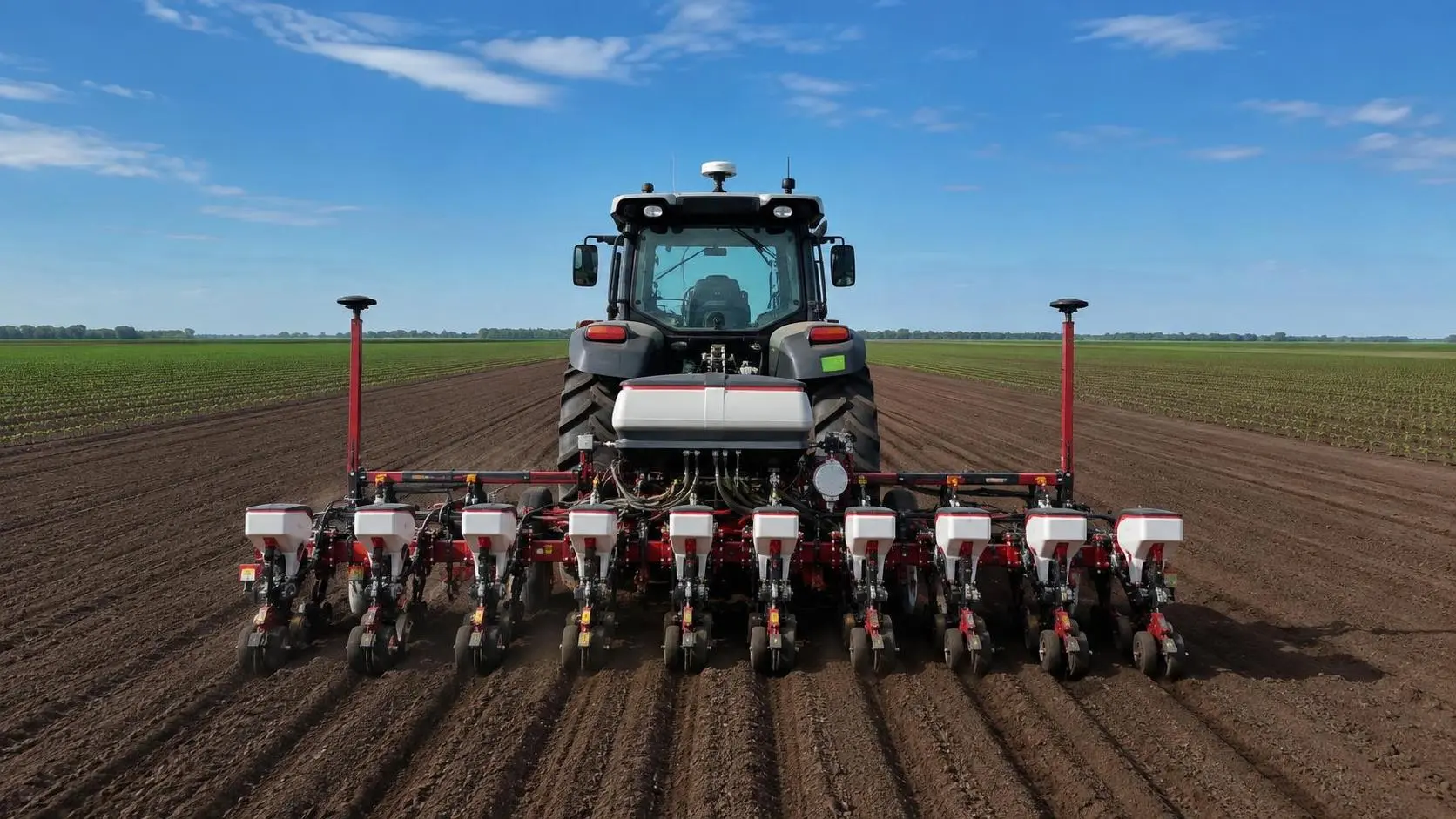
Agricultural machinery intelligence for tractors improves field efficiency, input accuracy, data traceability, and implement control. Explore smarter evaluation strategies.
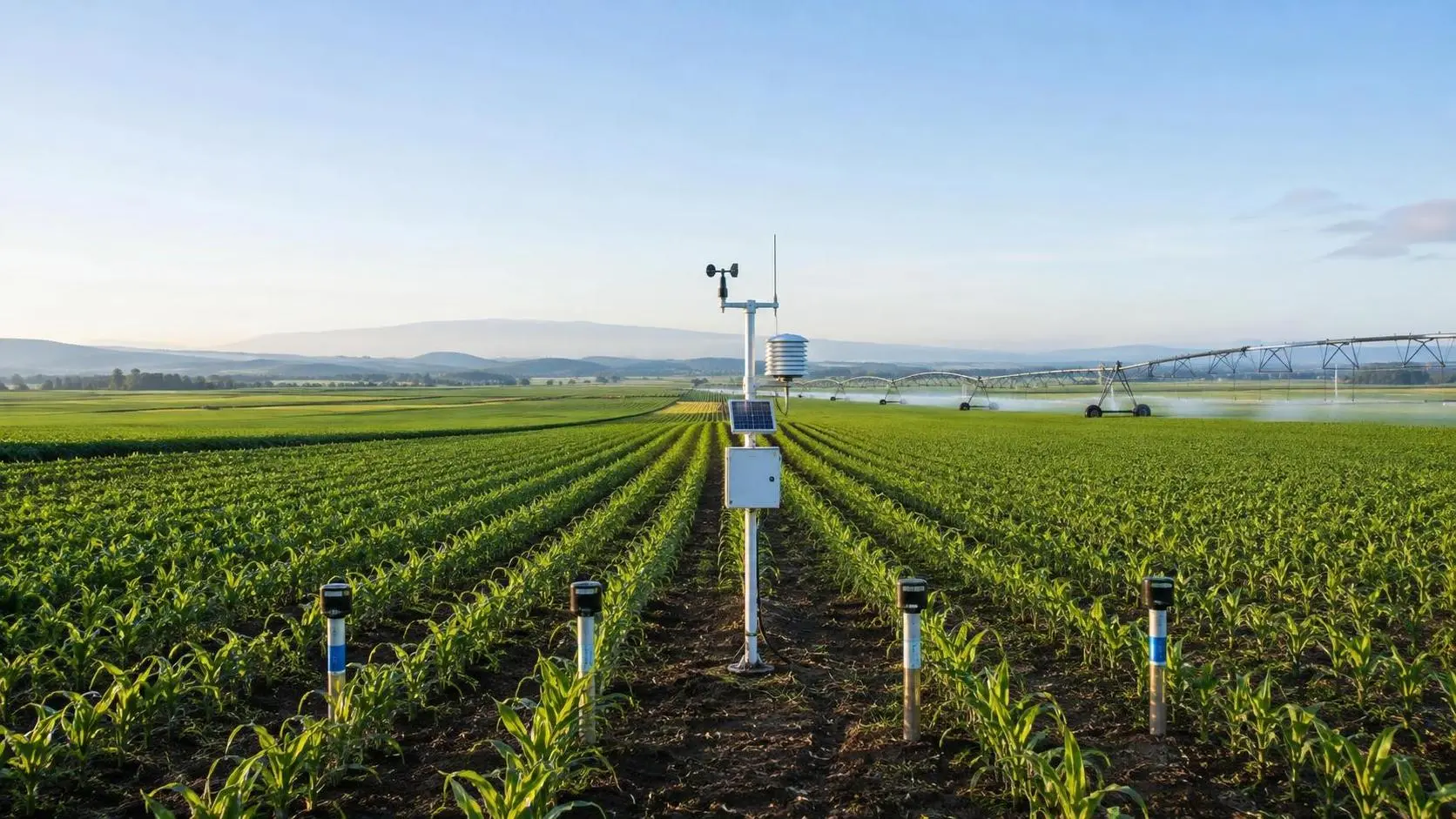
How to Evaluate Crop Monitoring System Manufacturers for Large-Scale Farms
Compare crop monitoring systems manufacturers for large-scale farms. Evaluate data quality, integration, durability, lifecycle costs, support, and pilots for smarter decisions.
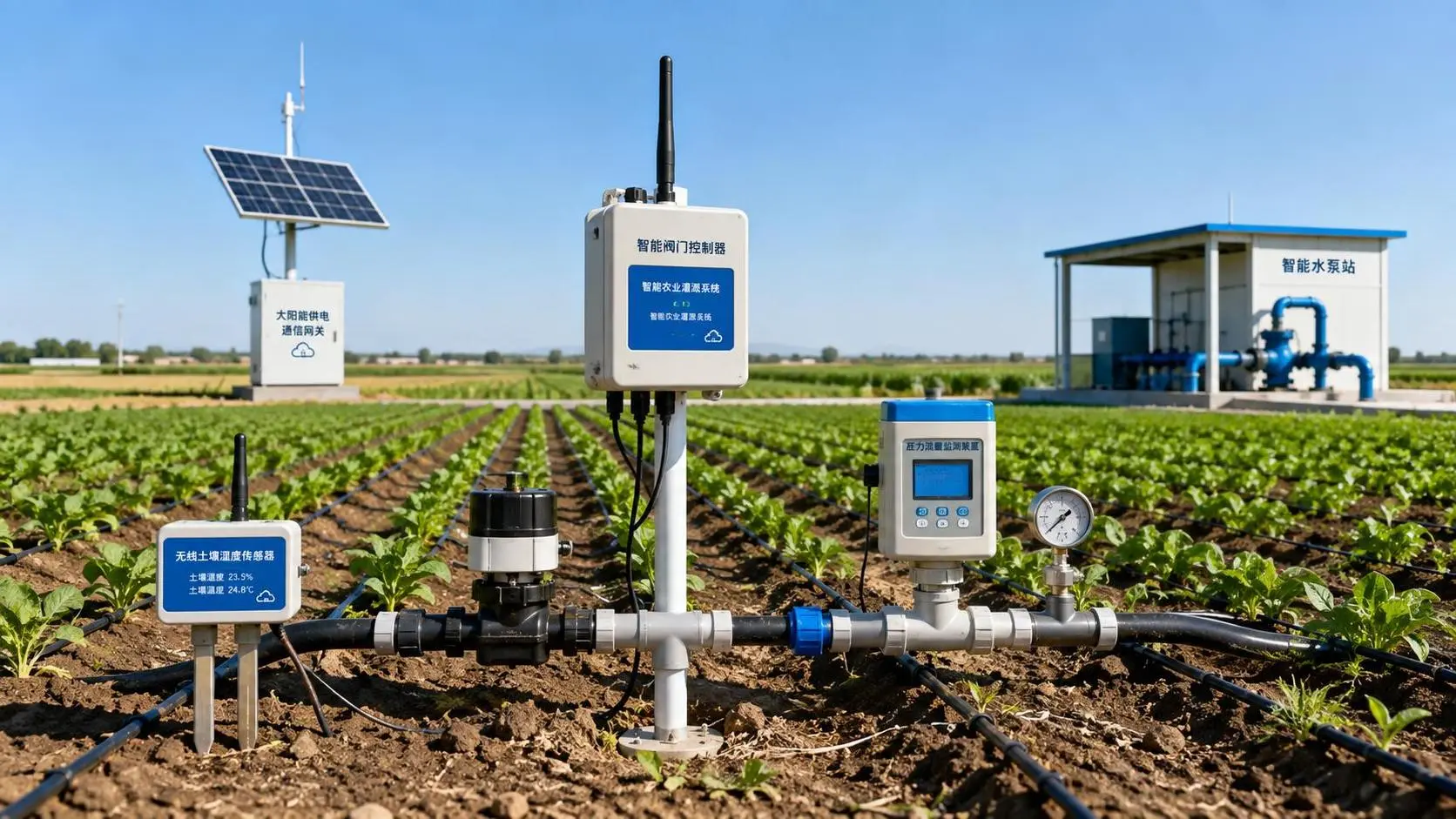
Wireless Agricultural Automation for Remote Irrigation and Field Monitoring
Agricultural automation wireless solutions improve remote irrigation with reliable field data, local control, flow verification, and smarter monitoring. Explore resilient deployment strategies.
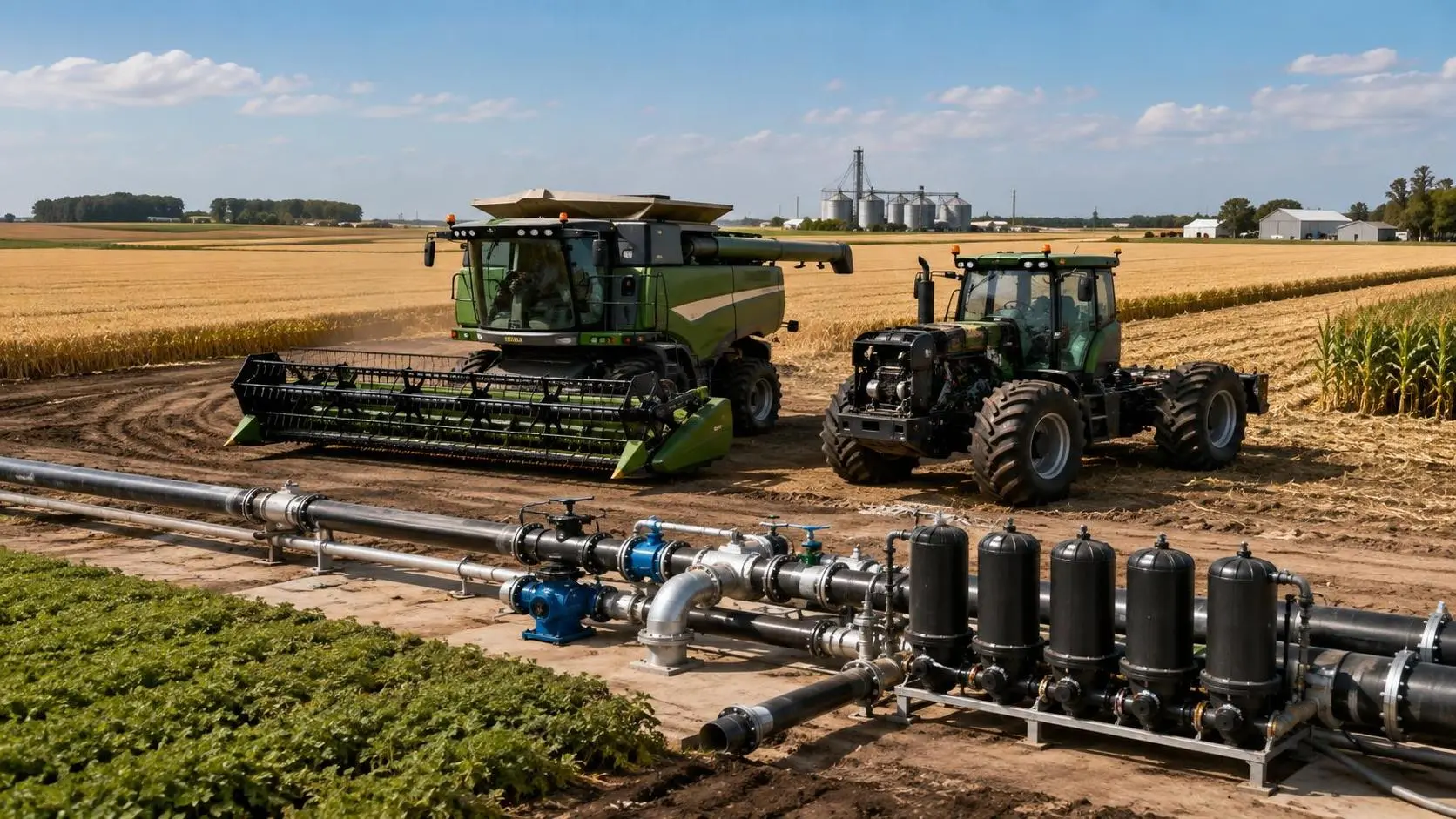
Agricultural Product Information Market Guide: Key Data for Sourcing Decisions
Agricultural product information market guide for smarter sourcing—compare machinery, irrigation, precision tools, lifecycle costs, and supplier risk.
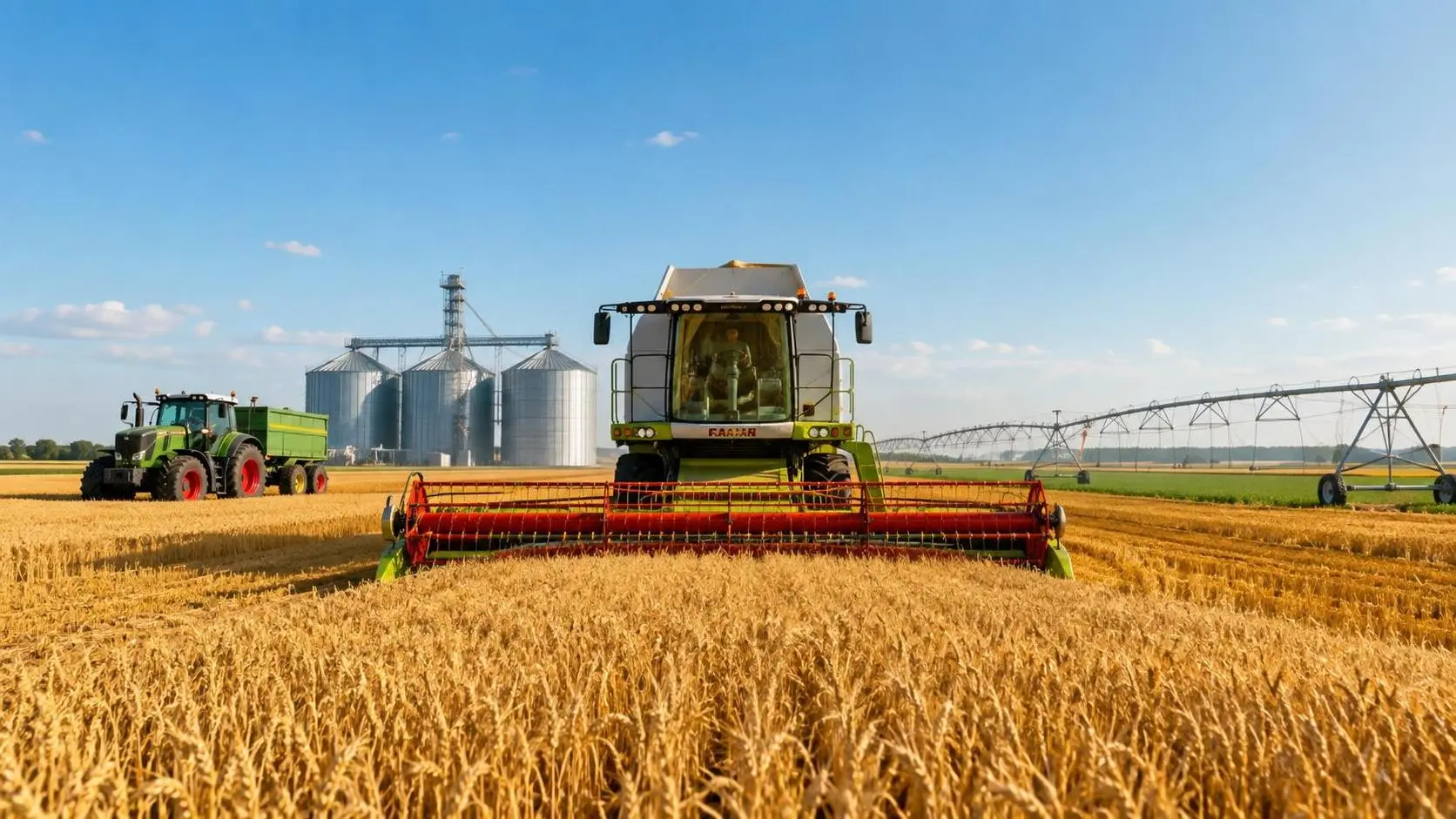
Large-Scale Farm Equipment Cost Comparison: Price, Fuel, and Lifecycle Value
Large-scale farm equipment cost comparison: evaluate price, fuel, maintenance, downtime, and lifecycle value to choose tractors, combines, irrigation, and smart tools with confidence.
Related News
- 00
0000-00
Where to Find Reliable Product Information for Comparing Farm Equipment - 00
0000-00
How to Evaluate Crop Monitoring System Manufacturers for Large-Scale Farms - 00
0000-00
Agricultural Product Information Market Guide: Key Data for Sourcing Decisions - 00
0000-00
Large-Scale Farm Equipment Cost Comparison: Price, Fuel, and Lifecycle Value - 00
0000-00
A Procurement Specification Preparation Example for Buying Farm Equipment
Popular Tags
Ms. Elena Rodriguez
Weekly Insights
Stay ahead with our curated technology reports delivered every Monday.