
Why Hydrological Resource Strategists Matter in Irrigation Planning and Water Allocation
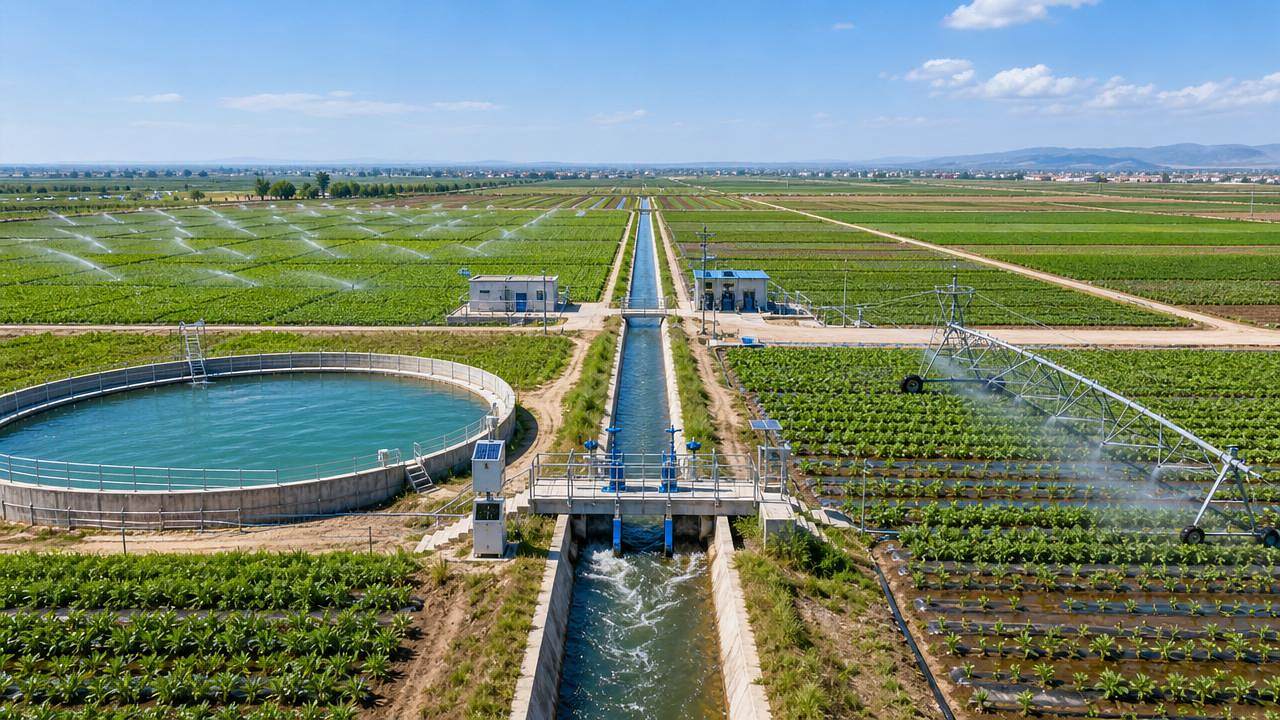




Why hydrological resource strategists are moving to the center of irrigation decisions
Water planning is no longer a back-office calculation in modern agriculture.
It now shapes asset value, operating stability, and long-term field performance.
That shift explains why hydrological resource strategists matter more in irrigation planning and water allocation.
Their role is not limited to reading rainfall maps or reservoir levels.
They translate scattered water data into decisions that affect crop timing, irrigation system design, and resource resilience.
In large-scale farming, one weak allocation assumption can distort the economics of pumps, drip networks, pivots, and digital control systems.
This is especially visible across the Agriculture 4.0 landscape tracked by AP-Strategy.
Mechanization, intelligent farm tools, and water-saving irrigation systems are becoming more interconnected than many forecasts assumed.
As a result, hydrological resource strategists increasingly influence not only water allocation, but also capital planning and operational confidence.
The market signal is clear: irrigation planning now depends on better water intelligence
Recent demand patterns show a deeper concern with water reliability, not just irrigation coverage.
That difference matters.
Coverage asks whether water can reach the field.
Reliability asks whether water can be supplied at the right time, volume, and quality under unstable conditions.
This is where hydrological resource strategists become commercially relevant.
They assess runoff, recharge, extraction pressure, seasonal variability, and competing use across the wider basin.
Those inputs shape realistic irrigation planning rather than idealized engineering layouts.
More importantly, they help prevent overbuilding in water-stressed areas and underestimating capacity in high-potential zones.
In practical terms, better water intelligence changes how planners evaluate return on irrigation infrastructure.
- It improves crop-water matching across variable seasons.
- It reduces the risk of stranded irrigation assets.
- It supports stronger compliance with local extraction rules.
- It sharpens assumptions behind productivity and payback models.
Why this change became more visible across agriculture
Several forces are converging, and none of them are short-term.
Climate volatility is the obvious driver, but it is not the only one.
The stronger signal is the interaction between climate pressure, precision equipment, and tighter resource governance.
This is one reason AP-Strategy places hydrological resource strategists inside its Strategic Intelligence Center.
Water allocation now affects the performance logic of machinery, intelligent tools, and irrigation systems as one operating chain.
The impact does not stop at irrigation equipment
A common mistake is to treat water strategy as an isolated irrigation issue.
In reality, its impact spreads across field scheduling, machinery utilization, and crop management intensity.
If allocation windows shift, planting plans may change.
If water pressure falls, application precision changes.
If drought controls tighten, autonomous equipment economics may also shift.
That broader operational effect is why hydrological resource strategists are increasingly relevant in cross-functional evaluation.
For example, a high-performance drip system may look attractive on paper.
Yet its value falls if source volatility prevents stable seasonal delivery.
Likewise, precision tools that depend on transpiration prediction only perform well when water allocation logic is credible.
This is where hydrological resource strategists create hidden value.
They reduce the gap between system capability and real operating conditions.
Where their influence becomes most visible
- Irrigation network sizing in regions with uneven seasonal recharge.
- Crop portfolio decisions where water productivity differs sharply.
- Expansion planning for large-scale mechanized farming blocks.
- Sustainability reporting tied to water-use efficiency claims.
- Scenario testing for drought years and policy restrictions.
What stronger water allocation work now looks like
The best irrigation planning is becoming less static and more scenario-based.
That is another reason hydrological resource strategists matter today.
They do not simply estimate water demand and stop there.
They test how allocation performs under different rainfall patterns, crop mixes, pumping constraints, and regulatory thresholds.
This approach fits the broader evolution of agricultural intelligence.
AP-Strategy’s coverage of combine harvesting technology, tractor chassis, intelligent farm tools, and water-saving systems reflects this same pattern.
Individual technologies are no longer judged in isolation.
They are judged by how well they perform inside an uncertain resource environment.
In that setting, hydrological resource strategists serve as interpreters between environmental limits and operating ambition.
Signals worth tracking in current evaluations
- How water source diversity affects seasonal reliability.
- Whether allocation models include extreme-year stress testing.
- How irrigation controls connect with field sensor feedback.
- Whether basin-level constraints are reflected in project assumptions.
- How water efficiency claims are validated over full crop cycles.
What deserves closer attention over the next planning cycle
The next phase will likely reward integration, not isolated optimization.
Fields, machines, sensors, and water systems are starting to share one performance language.
That makes the work of hydrological resource strategists even more strategic.
Their assessments help determine whether water-saving claims can survive real seasonal volatility.
They also clarify whether a smart irrigation upgrade supports durable output or merely short-term efficiency optics.
A useful next step is to compare irrigation projects through a wider lens.
Look beyond equipment specifications and ask how allocation assumptions were built.
Check whether climate variability, policy friction, and crop-water responsiveness were modeled together.
That is often where stronger judgments begin.
In a market shaped by food security pressure and smarter cultivation standards, hydrological resource strategists are no longer peripheral specialists.
They are becoming central to how irrigation planning, water allocation, and agricultural productivity are valued over time.
The more water risk enters strategic decisions, the more their role will define which systems remain efficient, credible, and resilient.
Related News
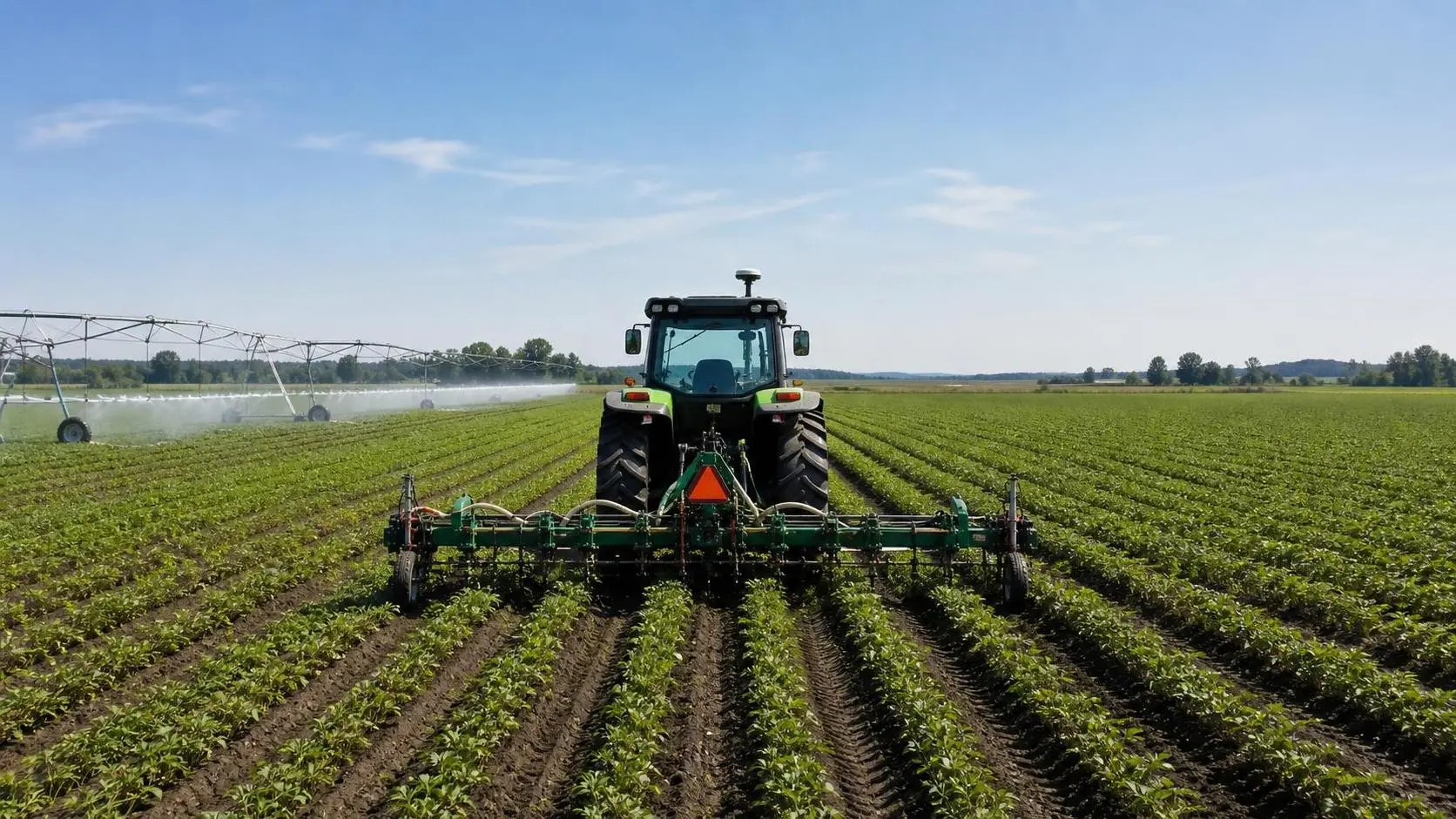
How RTK Satellite Positioning Improves Accuracy in Precision Farming Operations
RTK satellite positioning boosts precision farming with repeatable guidance, lower overlap, and better field data. Learn what to verify before choosing an RTK system.
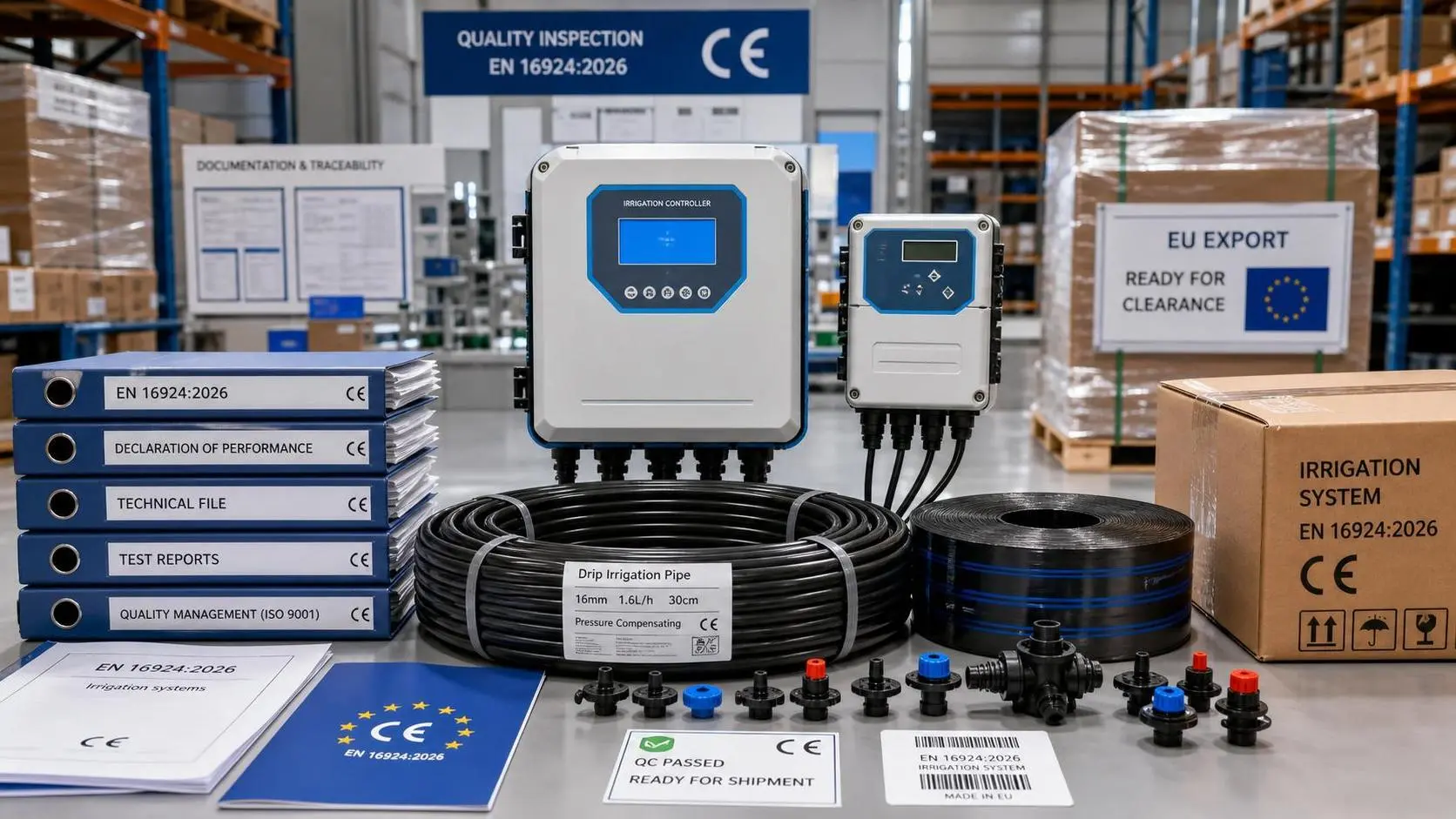
EU Rule Takes Effect: EN 16924:2026 for Drip Irrigation Logic
EN 16924:2026 now reshapes EU access for Drip Irrigation Logic products. Learn how certification, CE marking, customs, and warehouse risks impact exporters and buyers.
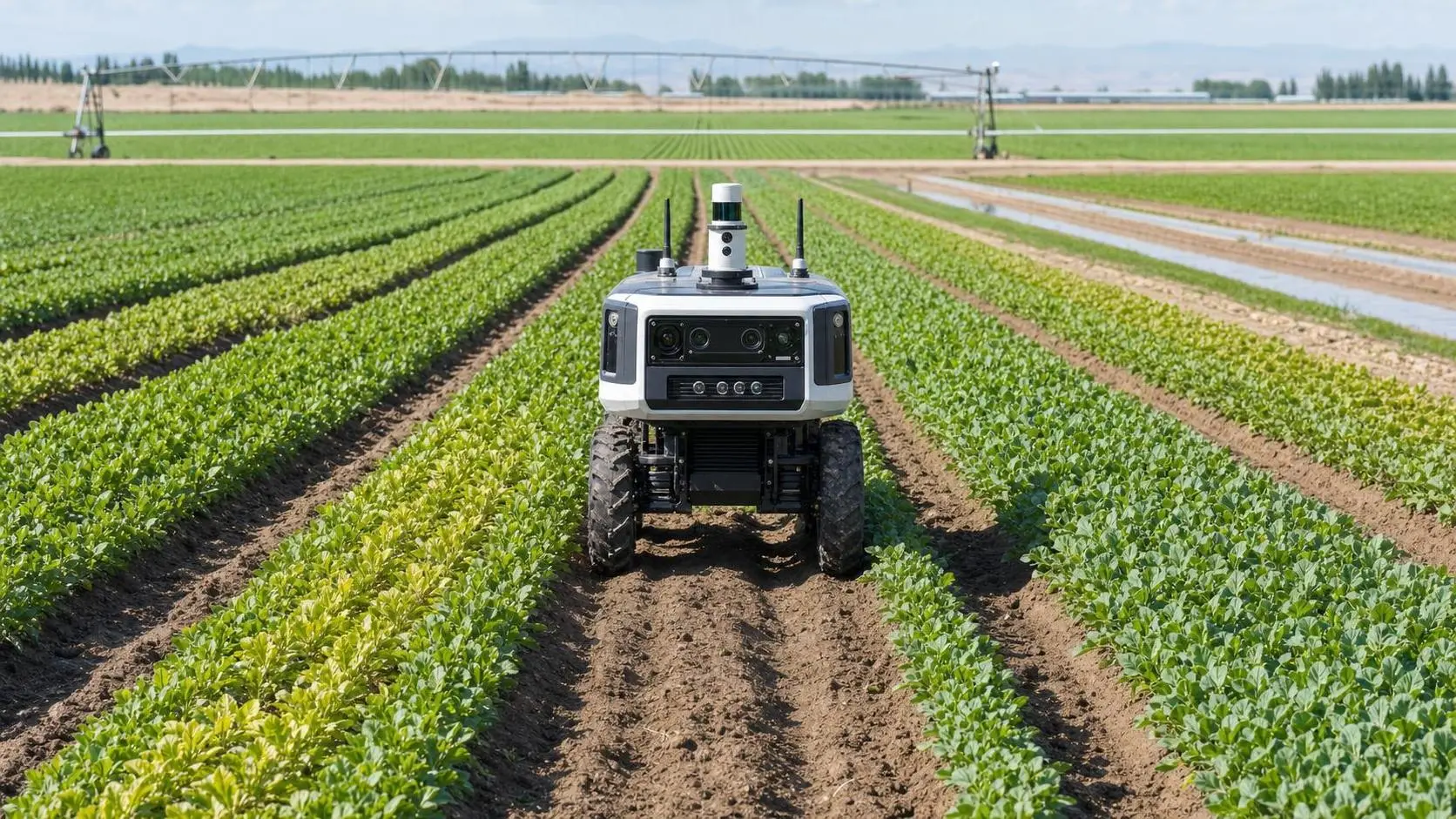
How Autonomous Machinery for Crop Scouting Helps Growers Detect Field Issues Earlier
Autonomous machinery for crop scouting helps growers spot irrigation gaps, pest pressure, and crop stress earlier, turning field data into faster decisions and smarter action.
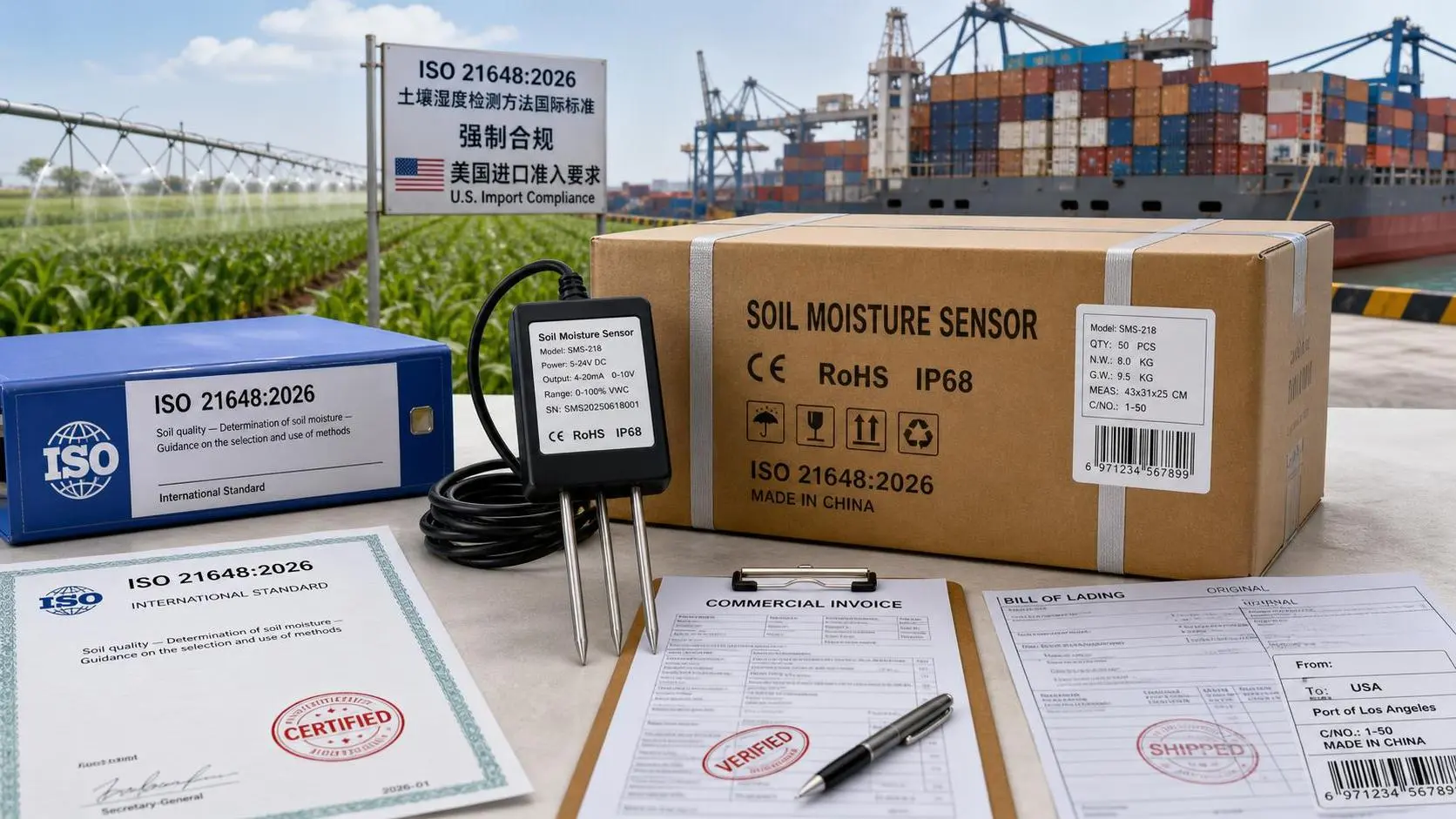
USDA Rule Makes ISO 21648:2026 Mandatory
USDA Rule Makes ISO 21648:2026 Mandatory for soil moisture sensors entering the U.S. Learn how the new USDA import compliance guide impacts certification, CBP entry, suppliers, and delivery plans.
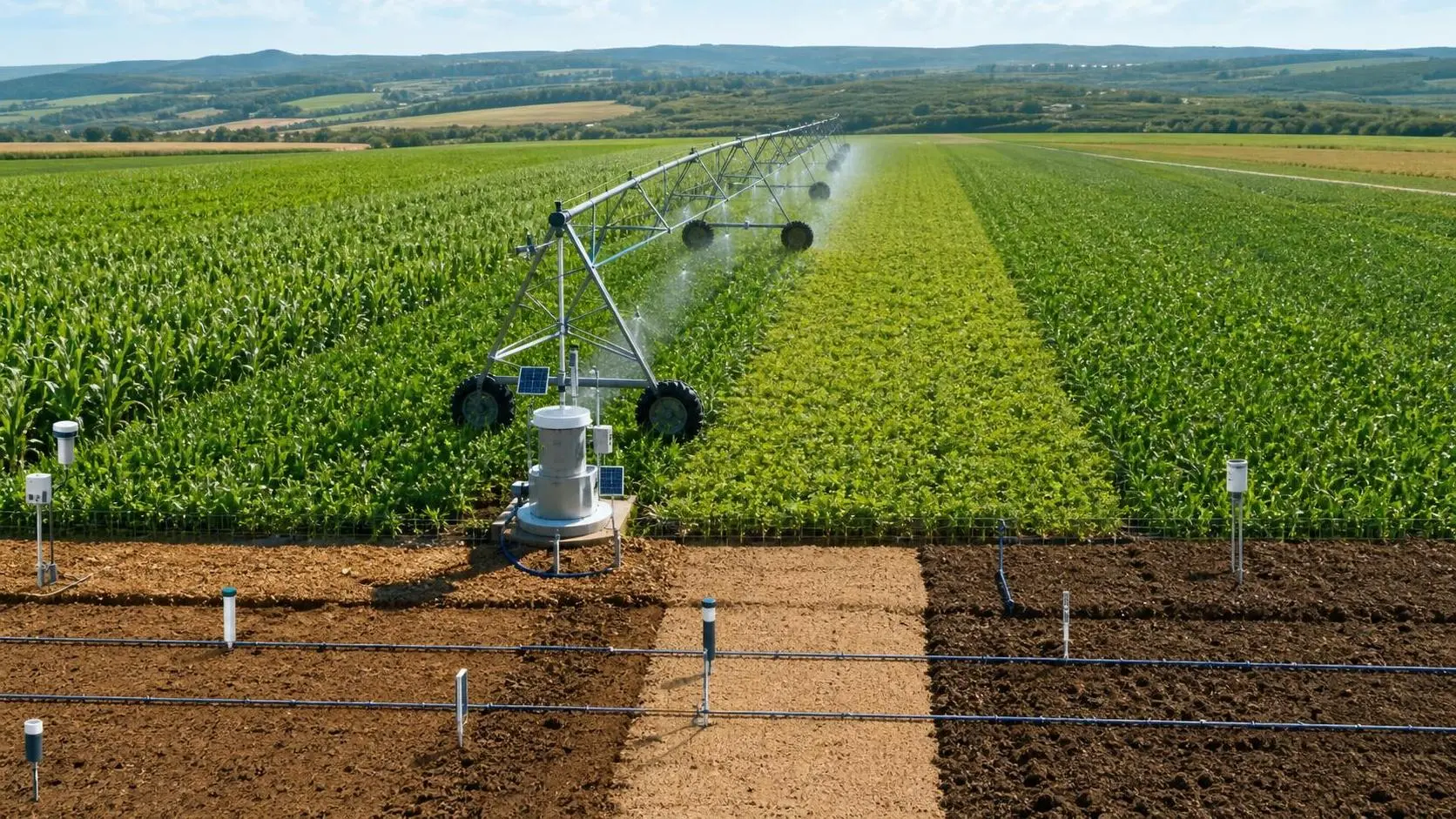
How Digital Farming Improves Irrigation Planning With Soil Data and GPS Mapping
Digital farming for irrigation planning turns soil data and GPS mapping into smarter watering decisions, helping farms reduce waste, improve field precision, and boost operational efficiency.
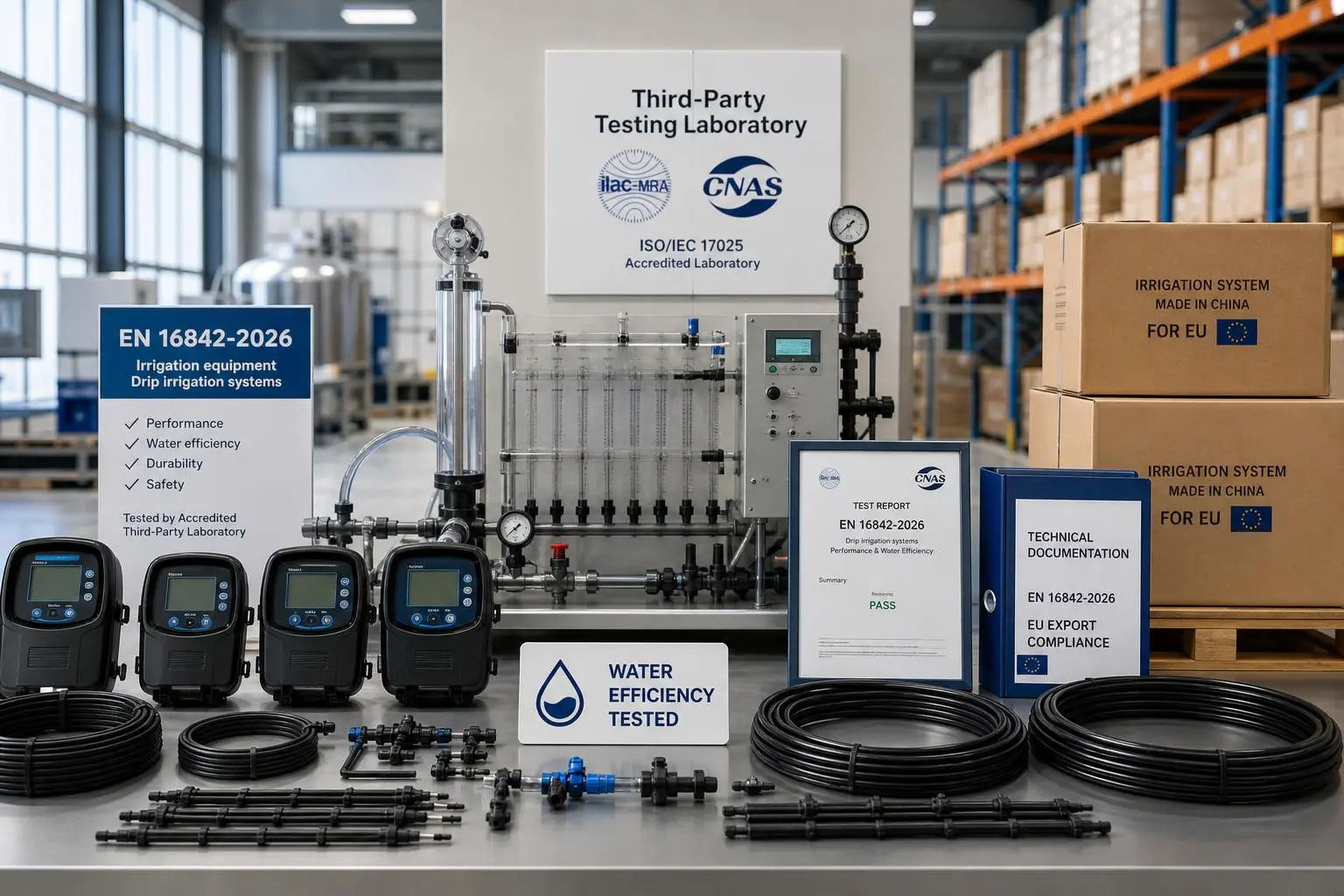
EU Rule Takes Effect: EN 16842-2026 Required for Drip Irrigation Logic Exports
EN 16842-2026 now makes third-party certification mandatory for Drip Irrigation Logic exports to the EU. Learn the compliance risks, customs impact, and supplier checks now.
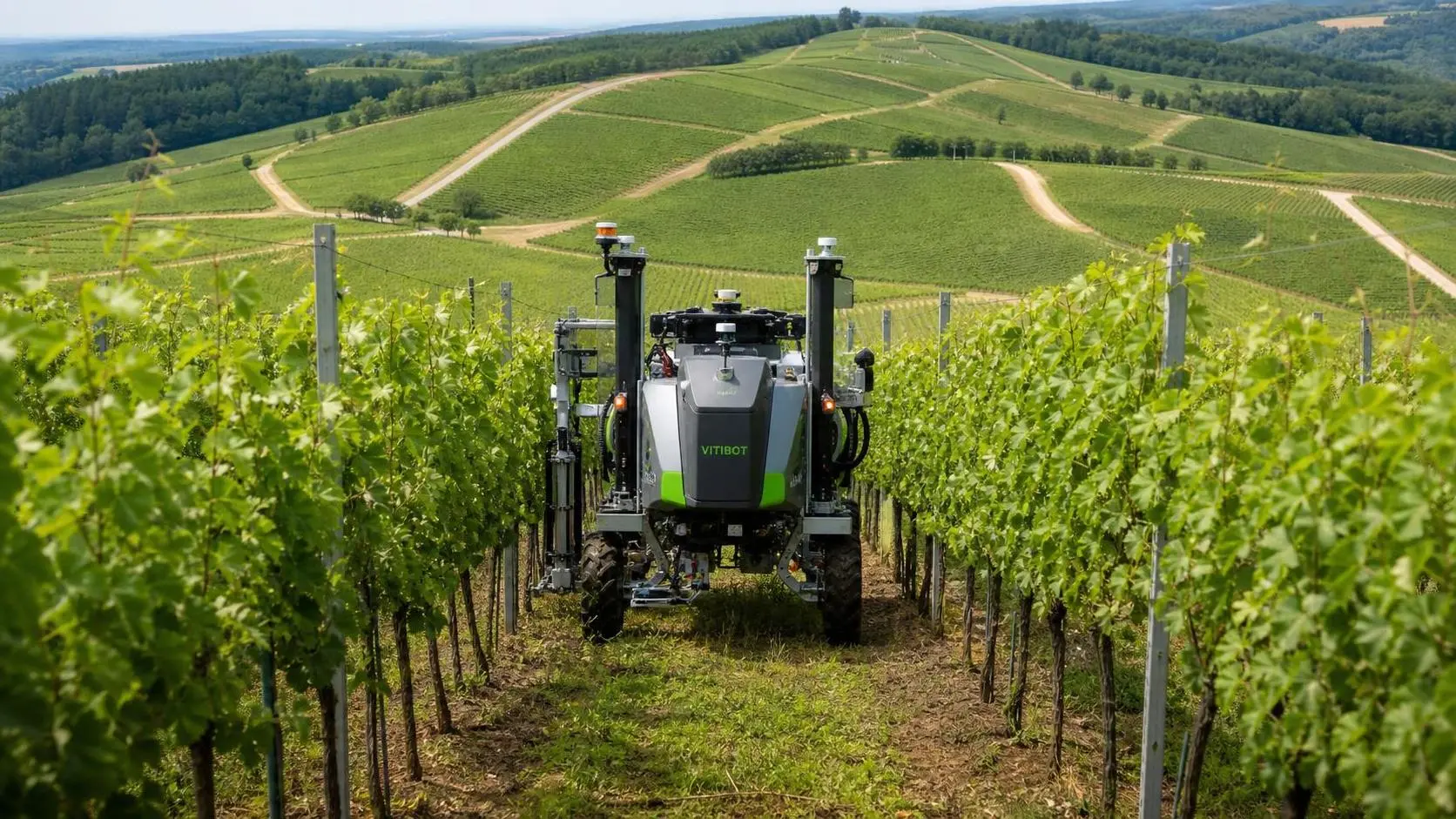
How to Evaluate Autonomous Machinery for Vineyards by Terrain, Tasks, and ROI
Autonomous machinery for vineyards: learn how to evaluate terrain fit, task suitability, safety, and ROI to choose the right solution and reduce procurement risk.
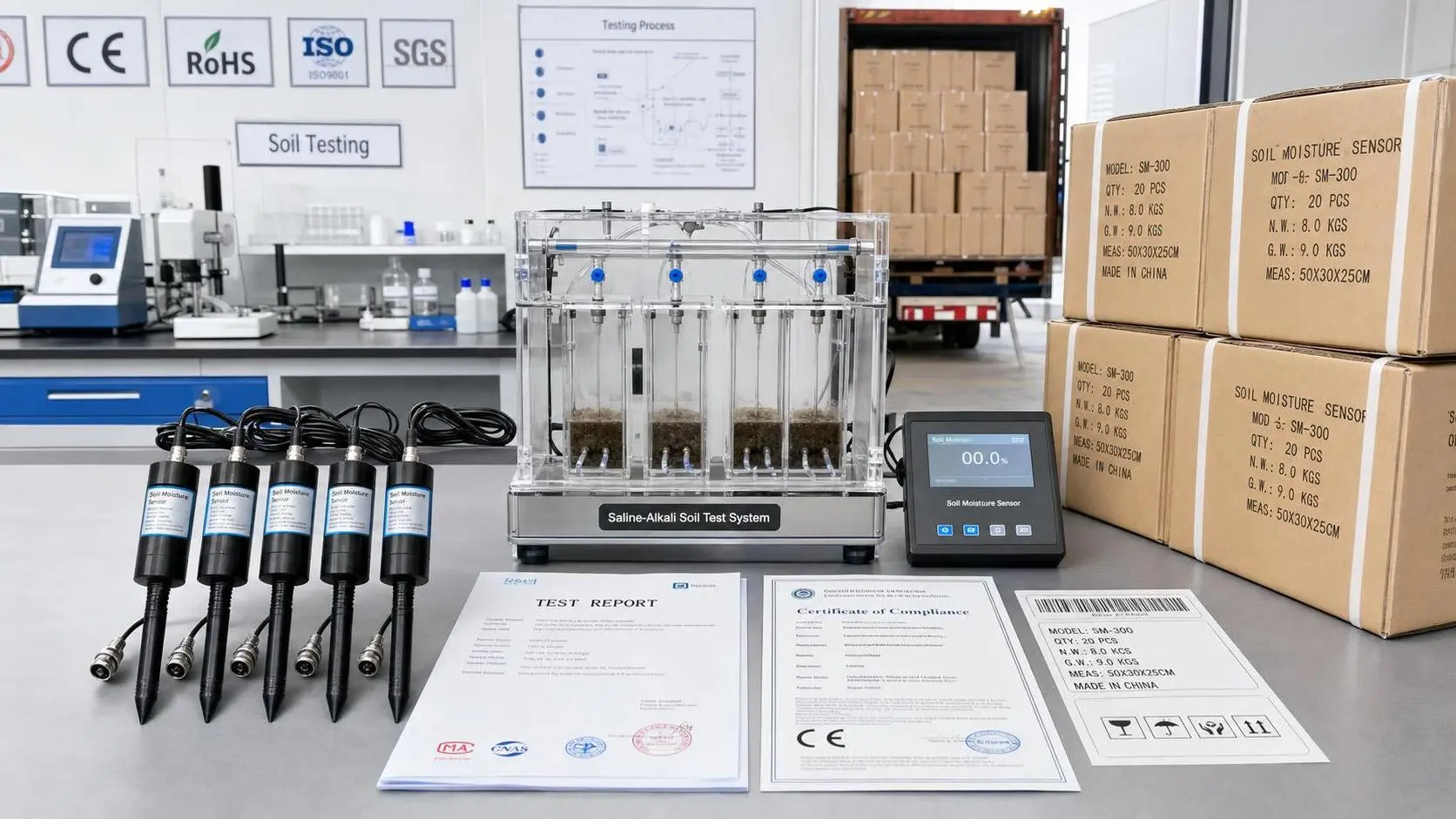
USDA Tightens Import Rules for Soil Moisture Sensors
Soil Moisture Sensors face new USDA import rules from Oct. 1, 2026. Learn how ISO 11274-3:2026 testing may impact customs clearance, lead times, and supplier planning.
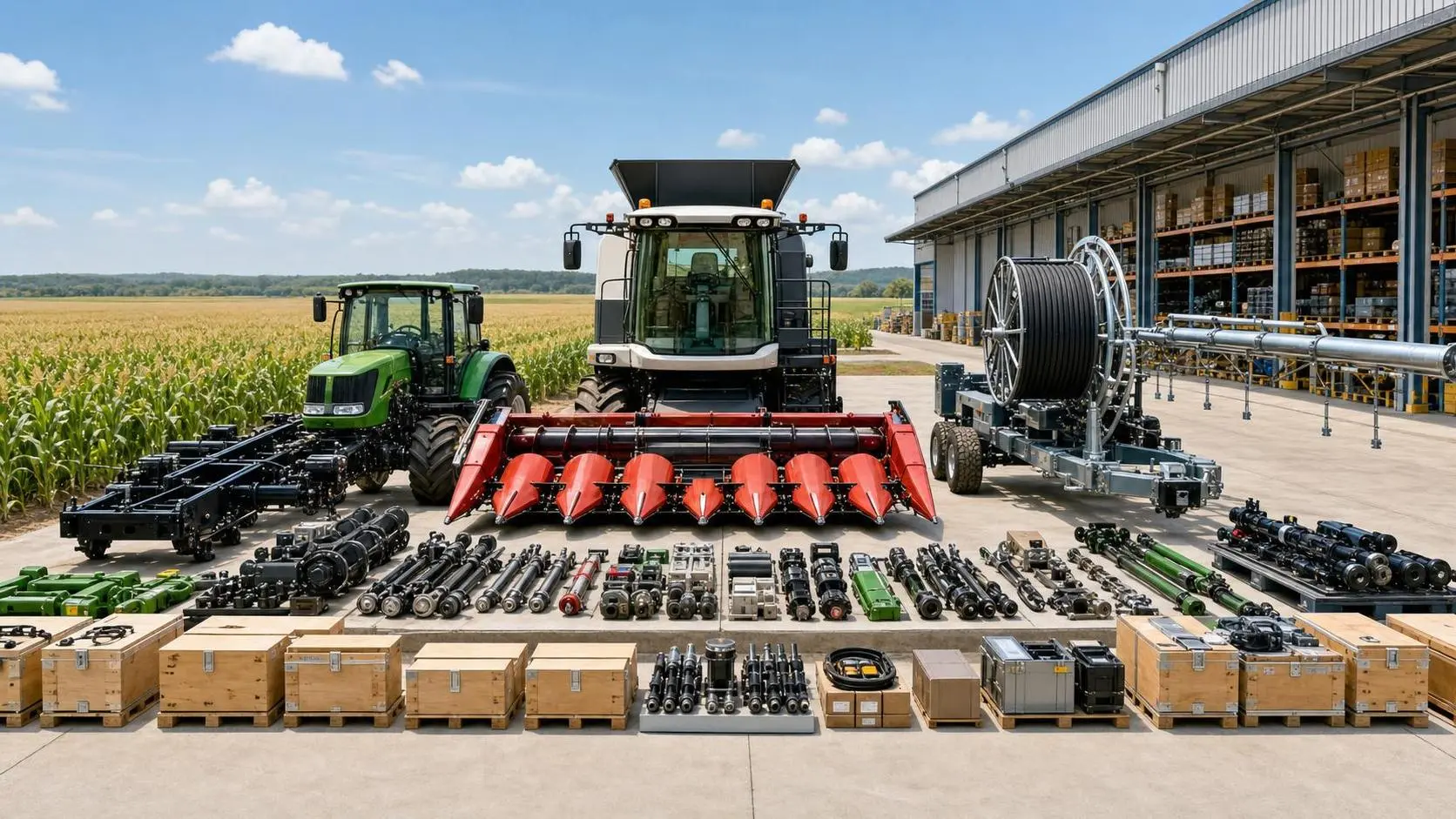
How to Use a Global Agricultural Equipment Directory to Compare Suppliers and Reduce Sourcing Risk
Agricultural equipment directory global sourcing starts with smarter supplier comparison. Learn how to assess fit, compliance, support, and market readiness to reduce sourcing risk.
Related News
- 00
0000-00
How to Use a Global Agricultural Equipment Directory to Compare Suppliers and Reduce Sourcing Risk - 00
0000-00
Spraying Equipment Industry Category Guide: Types, Applications, and Buying Factors - 00
0000-00
How to Evaluate a Farm Implements Exporter for Product Range, Compliance, and Delivery - 00
0000-00
How to Choose Agricultural Equipment for Farm Size, Crops, Terrain, and Budget - 00
0000-00
Market Insight Content: How to Track Price Trends and Spot Demand Shifts Early
Popular Tags
Ms. Elena Rodriguez
Weekly Insights
Stay ahead with our curated technology reports delivered every Monday.