
Climate-Smart Farming in Practice: How to Match Methods to Drought, Flood, and Heat Risk
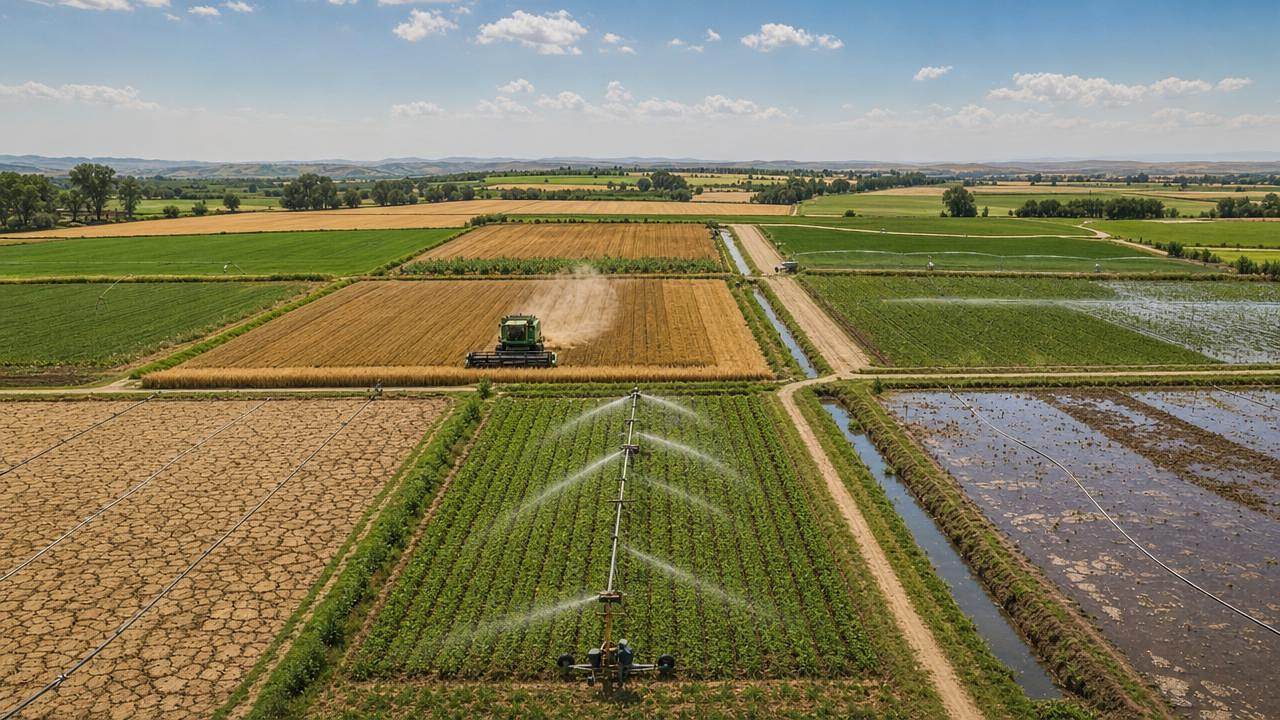




Climate-Smart Farming in Practice: How to Match Methods to Drought, Flood, and Heat Risk
Climate-smart farming is no longer a policy phrase. It is a field-level operating model for unstable weather, tighter margins, and rising performance pressure.
The real question is not whether climate risk matters. It is how to match methods, machines, water systems, and schedules to specific risk patterns.
That shift matters because drought, flood, and heat do not damage farms in the same way. Each hazard weakens a different part of the production system.
In practice, climate-smart farming works best when decisions start with exposure mapping. Then teams can link field methods to machinery, irrigation, and labor plans.
For operations tied to large equipment, combine harvesting, and intelligent irrigation, this risk-based approach improves resilience without turning planning into theory.
Why Climate-Smart Farming Must Start With Risk Matching
Many resilience plans fail because they apply one solution everywhere. Climate-smart farming is more effective when each field block gets a different operating logic.
A drought-prone zone needs water efficiency, low-disturbance passes, and timing precision. A flood-prone zone needs drainage, traffic control, and faster recovery windows.
Heat risk adds another layer. It changes crop stress curves, equipment downtime risk, operator safety exposure, and irrigation demand peaks.
This is where climate-smart farming becomes operational. It turns weather variability into a matrix of assets, thresholds, and response rules.
- Map hazard by field, season, and crop stage.
- Rank system weak points before peak season.
- Match machines and tools to likely failure modes.
- Define trigger points for fast operational changes.
A Practical Framework for Drought Risk
Drought risk is not only about less rainfall. It is about poor soil moisture retention, uneven irrigation delivery, and delayed field action.
Climate-smart farming under drought pressure should protect every unit of available water. That means managing both application efficiency and loss avoidance.
Priority methods for dry conditions
- Use precision irrigation zones instead of uniform watering.
- Reduce unnecessary soil disturbance to limit moisture loss.
- Schedule passes to avoid compaction during fragile moisture windows.
- Adopt sensor-guided irrigation based on root-zone data.
- Track evapotranspiration trends, not just rainfall totals.
In large-scale operations, water-saving irrigation systems often create the fastest gains. Drip, variable-rate pivots, and automated valves reduce avoidable over-application.
Machinery choices matter too. Heavy repeated passes can break soil structure and reduce infiltration. Climate-smart farming should therefore link water strategy with traffic strategy.
A practical checkpoint is to compare irrigation uniformity, pump efficiency, and soil moisture response by zone. If one fails, the others rarely compensate.
What to monitor during drought
How Climate-Smart Farming Changes Under Flood Risk
Flood risk is often treated as a drainage issue only. In reality, it is also a machinery access, harvest timing, and soil recovery issue.
Climate-smart farming in wet conditions focuses on moving water away fast, protecting soil structure, and preserving a workable traffic window.
Core methods for flood-prone operations
- Improve surface drainage and outlet maintenance before storms.
- Use controlled traffic lanes to limit deep rutting.
- Prepare flexible planting and harvest windows.
- Select equipment setups suited to soft-field mobility.
- Build rapid post-flood inspection routines.
For large farms, one overlooked issue is delayed re-entry. Even after standing water drops, poor access can postpone spraying, fertilizing, or harvesting.
That delay multiplies losses. Climate-smart farming should therefore include route planning, flotation options, and contingency machine allocation.
Combine harvesting systems need special attention in wet years. High moisture crops, muddy entry, and unstable field surfaces increase fuel use and grain loss risk.
The better approach is to predefine moisture thresholds, unloading routes, and turnaround areas. This reduces last-minute decisions under field pressure.
Managing Heat Risk Without Losing Operational Speed
Heat risk is becoming more visible across crop growth and machine performance. It stresses plants, people, engines, hydraulics, and irrigation demand at once.
Climate-smart farming under heat stress should combine crop protection with asset protection. One without the other creates a weak link.
Heat-focused field adjustments
- Shift field operations toward cooler hours.
- Use irrigation timing that supports plant recovery, not midday loss.
- Monitor engine cooling and hydraulic load more closely.
- Adjust harvest scheduling when grain quality is heat sensitive.
A common mistake is treating heat as a short-term weather event. In reality, repeated heat waves change maintenance intervals and irrigation peak loads.
This is why climate-smart farming should be tied to predictive scheduling. If the weather window narrows, every machine hour becomes more valuable.
On farms using intelligent equipment, temperature-linked alerts can support faster intervention. The goal is not more data. The goal is earlier action.
Building a Risk-Based Climate-Smart Farming System
The strongest results come from combining methods into one operating system. Climate-smart farming works when water, machinery, agronomy, and timing follow one logic.
In practical terms, that means creating a risk matrix before the season starts. Each high-risk field should have a predefined response package.
A workable planning sequence
- Classify fields by drought, flood, and heat exposure.
- Identify machinery bottlenecks for each risk type.
- Define irrigation and traffic rules by zone.
- Set trigger thresholds using field and weather data.
- Review performance after each major weather event.
This approach makes climate-smart farming measurable. Teams can compare resilience outcomes using downtime, water use efficiency, harvest loss, and recovery speed.
It also supports smarter capital planning. Instead of buying equipment for average seasons, operations invest around the most damaging constraints.
That is especially relevant in Agriculture 4.0 environments, where connected machines and intelligent irrigation systems can turn risk signals into operating decisions.
Where Technology Adds Real Value
Technology helps when it removes uncertainty or shortens response time. It does not help when it adds dashboards without changing field action.
For climate-smart farming, the best tools usually support four decisions: when to irrigate, when to enter fields, when to harvest, and when to hold back.
- Soil sensors improve irrigation accuracy.
- Telematics reveal machine stress and downtime patterns.
- Satellite layers highlight variable field response.
- Loss monitoring helps optimize combine settings during unstable seasons.
At AP-Strategy, this is where strategic intelligence becomes useful. The value lies in connecting mechanical performance, precision algorithms, and climate response into one decision path.
Turning Climate Pressure Into Better Farm Decisions
Climate-smart farming is most effective when it stops being abstract. The goal is not to prepare for every scenario equally. The goal is to prepare for the right risks.
Drought needs water discipline and soil protection. Flood risk needs access control and drainage readiness. Heat risk needs timing discipline and asset protection.
When these methods are matched correctly, climate-smart farming becomes a practical growth strategy, not just a resilience label.
The next step is simple. Review your highest-risk fields, link each risk to a machine and water response, and test the triggers before the season tightens.
That is how climate-smart farming moves from concept to field performance, with stronger output, lower disruption, and better control under pressure.
Related News
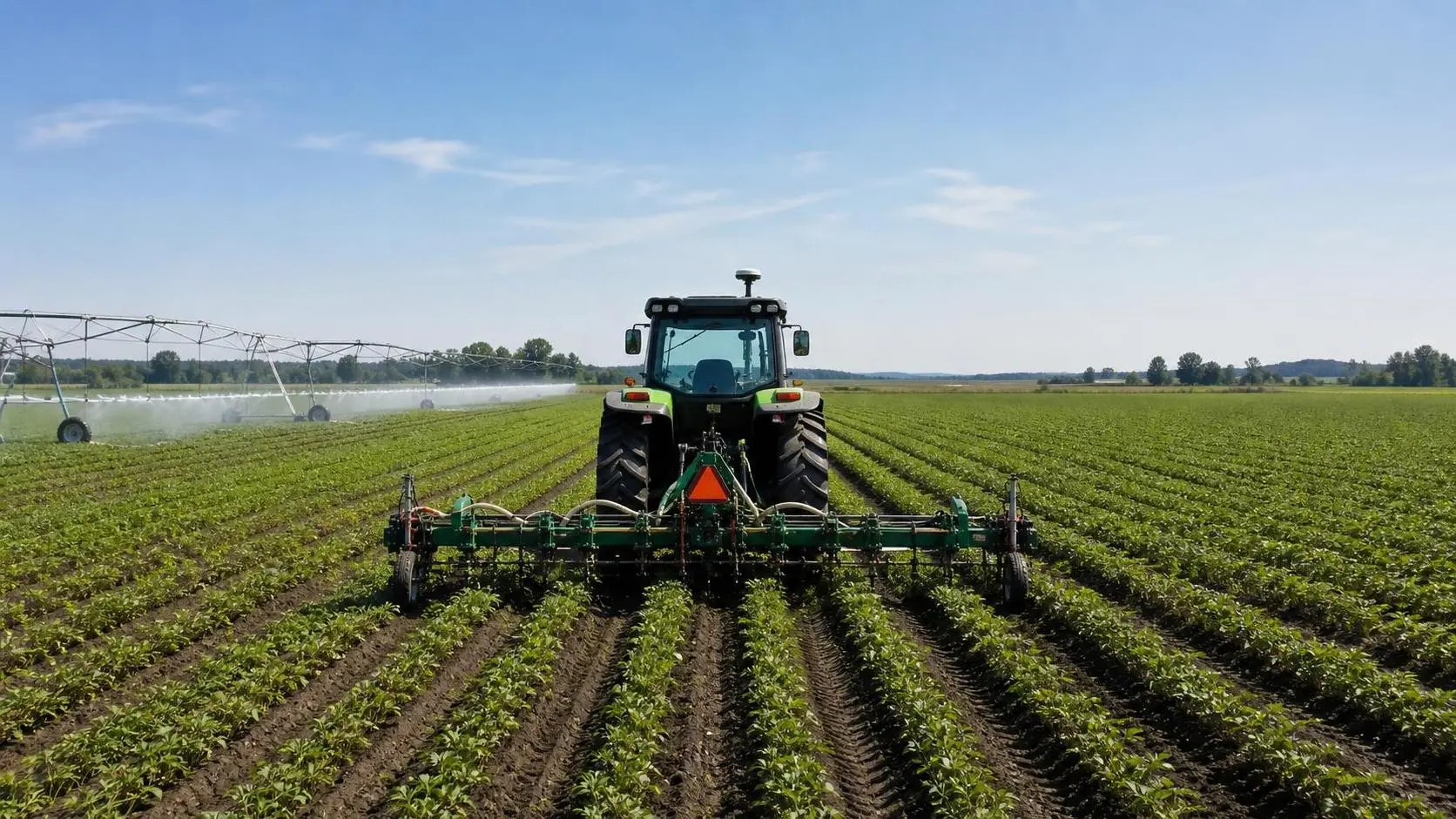
How RTK Satellite Positioning Improves Accuracy in Precision Farming Operations
RTK satellite positioning boosts precision farming with repeatable guidance, lower overlap, and better field data. Learn what to verify before choosing an RTK system.
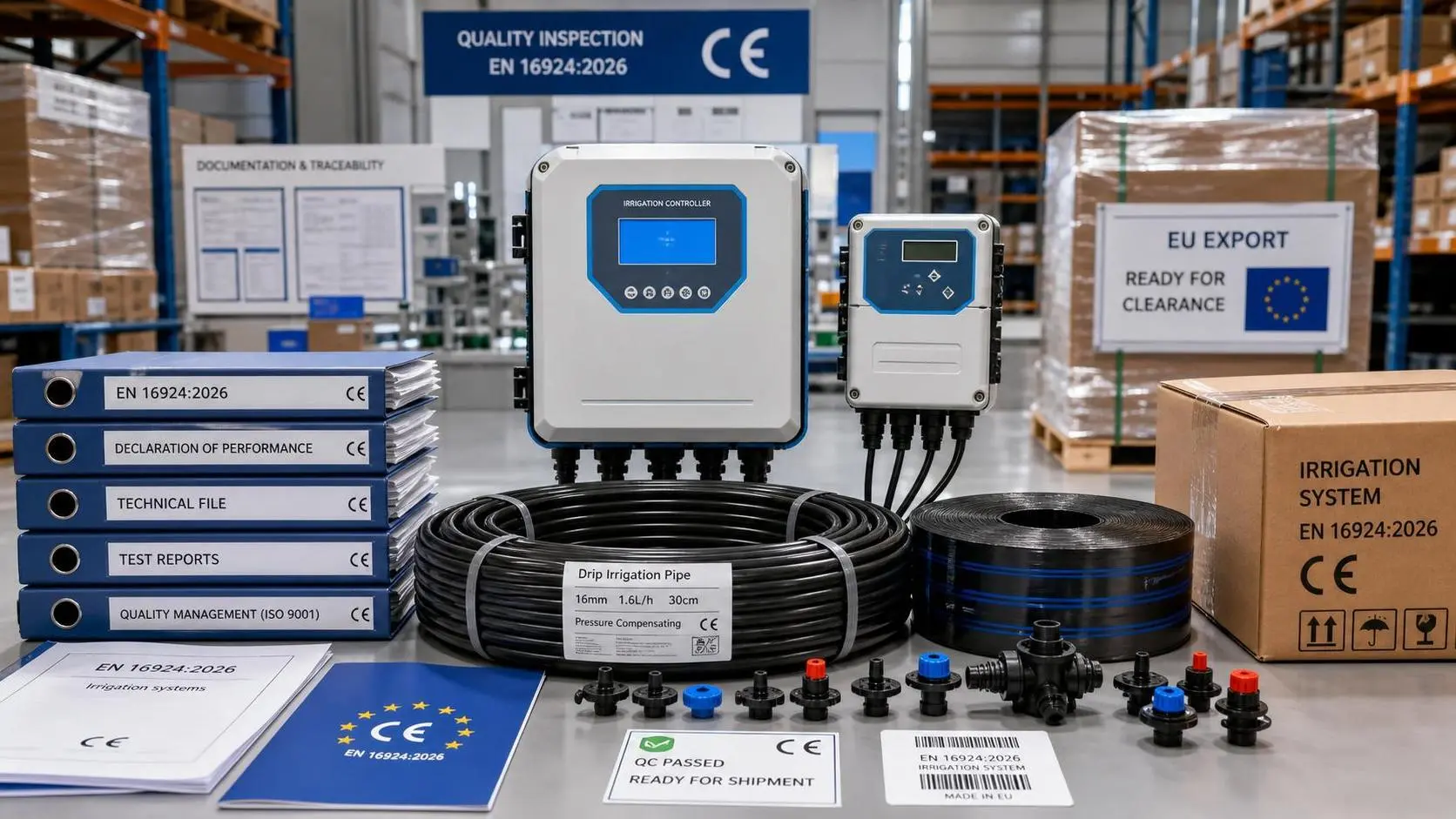
EU Rule Takes Effect: EN 16924:2026 for Drip Irrigation Logic
EN 16924:2026 now reshapes EU access for Drip Irrigation Logic products. Learn how certification, CE marking, customs, and warehouse risks impact exporters and buyers.
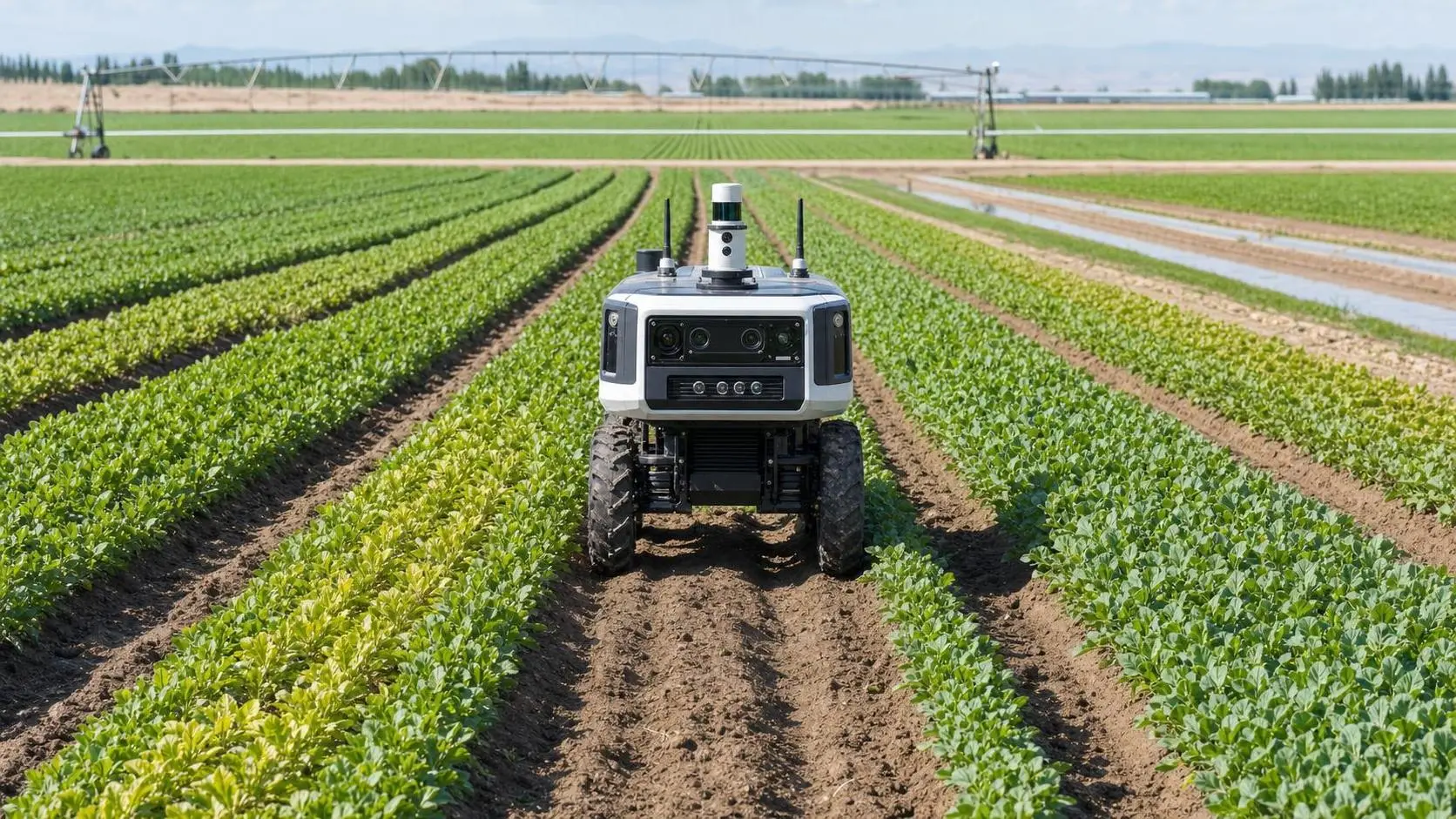
How Autonomous Machinery for Crop Scouting Helps Growers Detect Field Issues Earlier
Autonomous machinery for crop scouting helps growers spot irrigation gaps, pest pressure, and crop stress earlier, turning field data into faster decisions and smarter action.
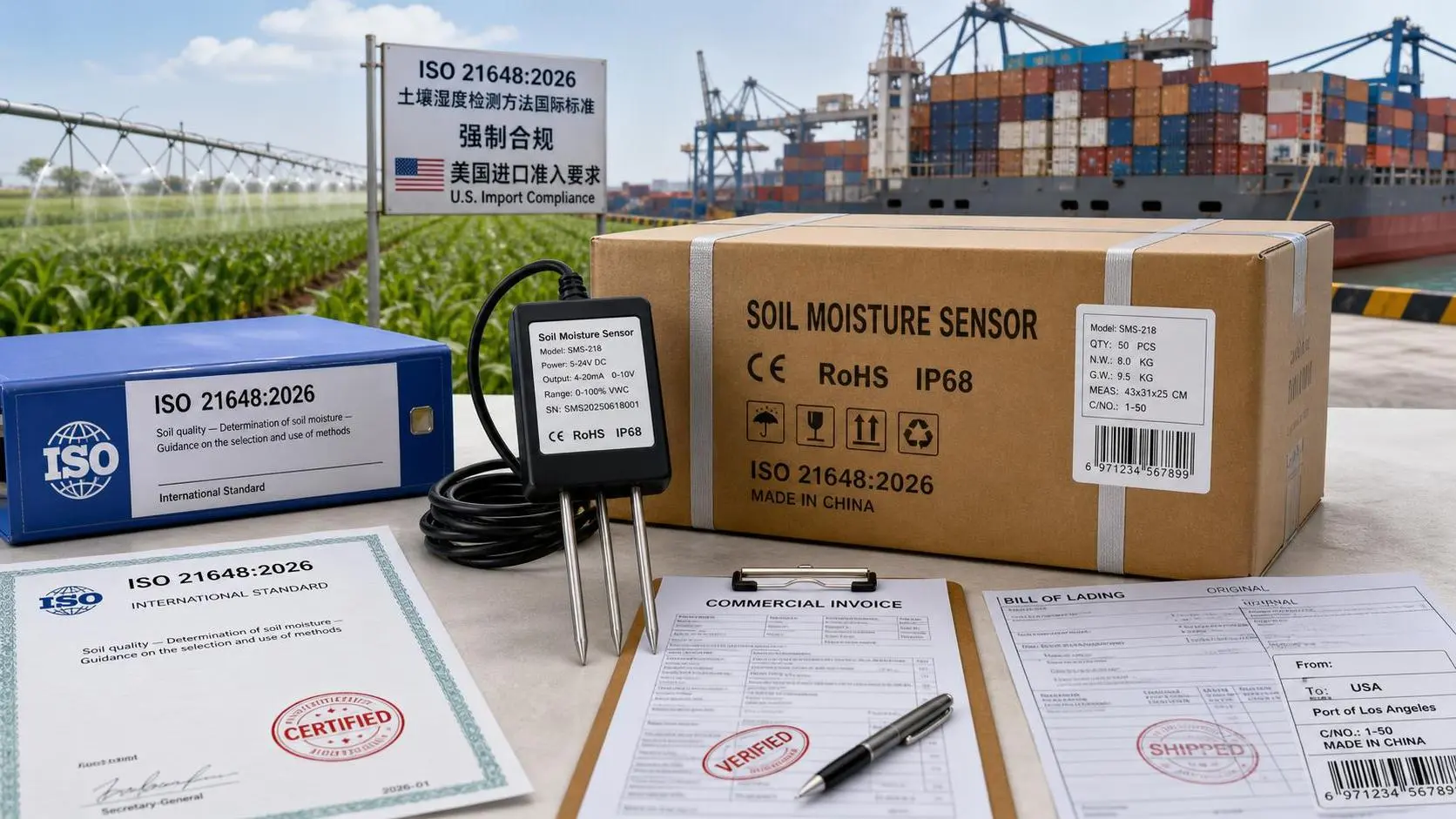
USDA Rule Makes ISO 21648:2026 Mandatory
USDA Rule Makes ISO 21648:2026 Mandatory for soil moisture sensors entering the U.S. Learn how the new USDA import compliance guide impacts certification, CBP entry, suppliers, and delivery plans.
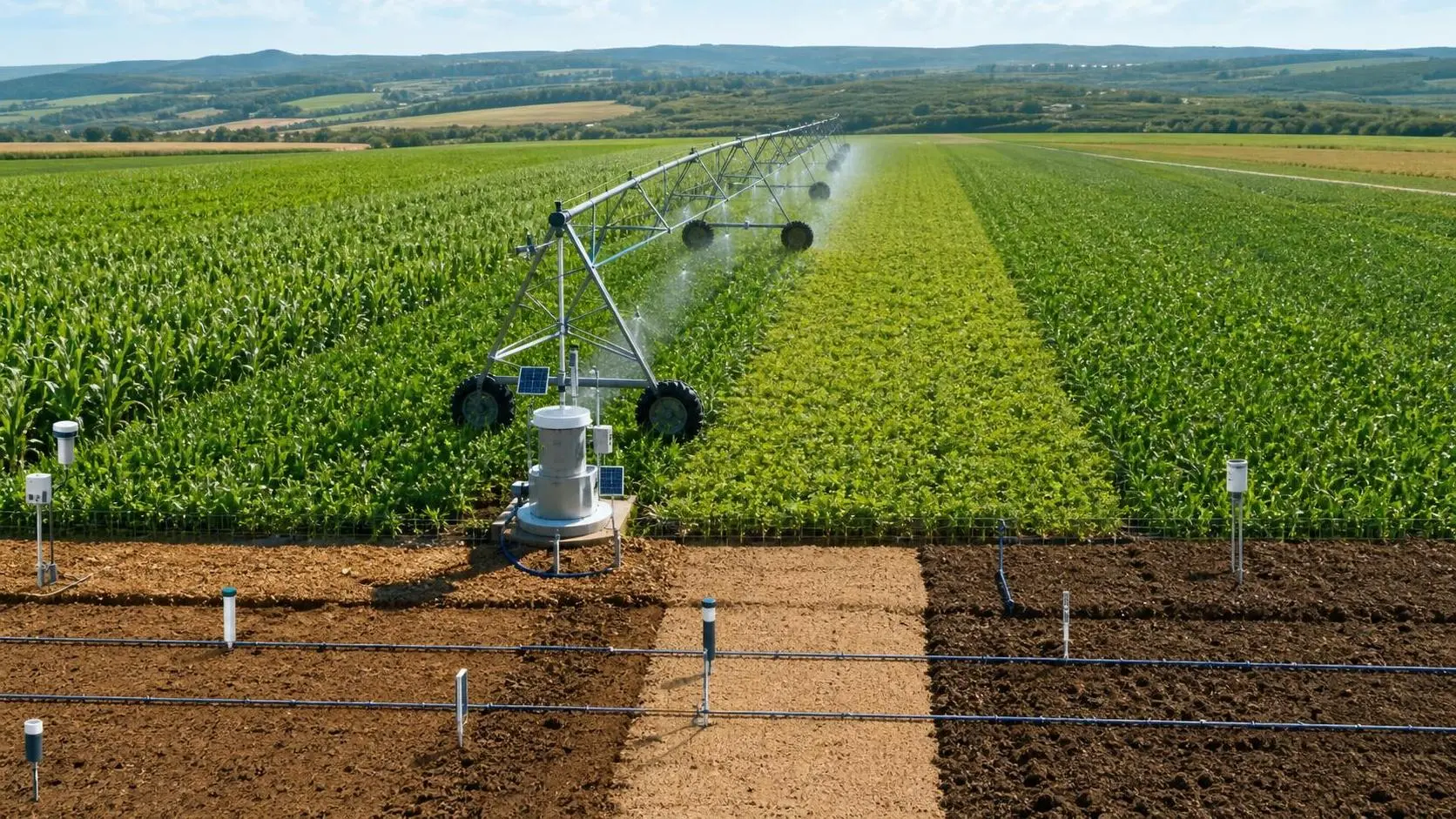
How Digital Farming Improves Irrigation Planning With Soil Data and GPS Mapping
Digital farming for irrigation planning turns soil data and GPS mapping into smarter watering decisions, helping farms reduce waste, improve field precision, and boost operational efficiency.
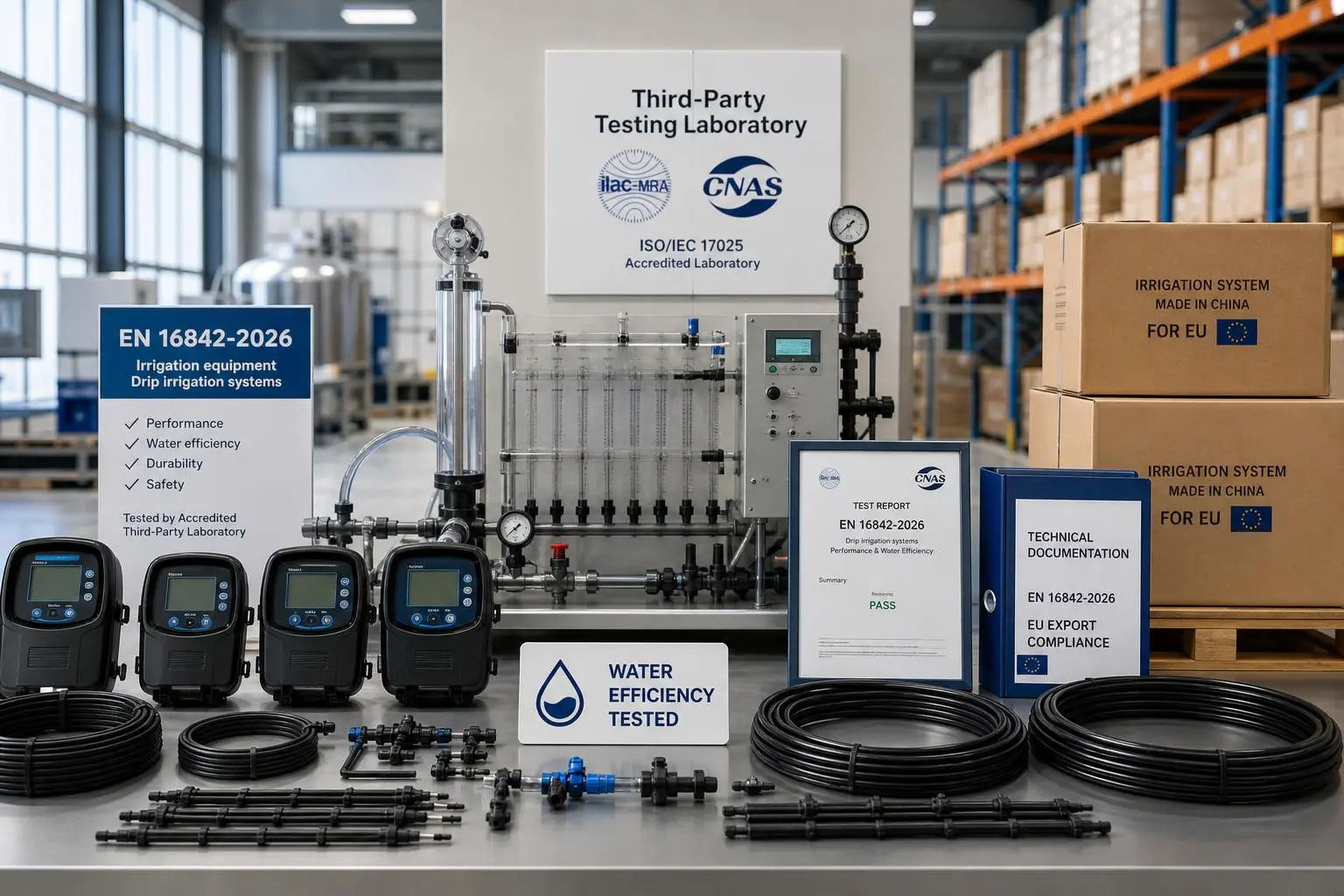
EU Rule Takes Effect: EN 16842-2026 Required for Drip Irrigation Logic Exports
EN 16842-2026 now makes third-party certification mandatory for Drip Irrigation Logic exports to the EU. Learn the compliance risks, customs impact, and supplier checks now.
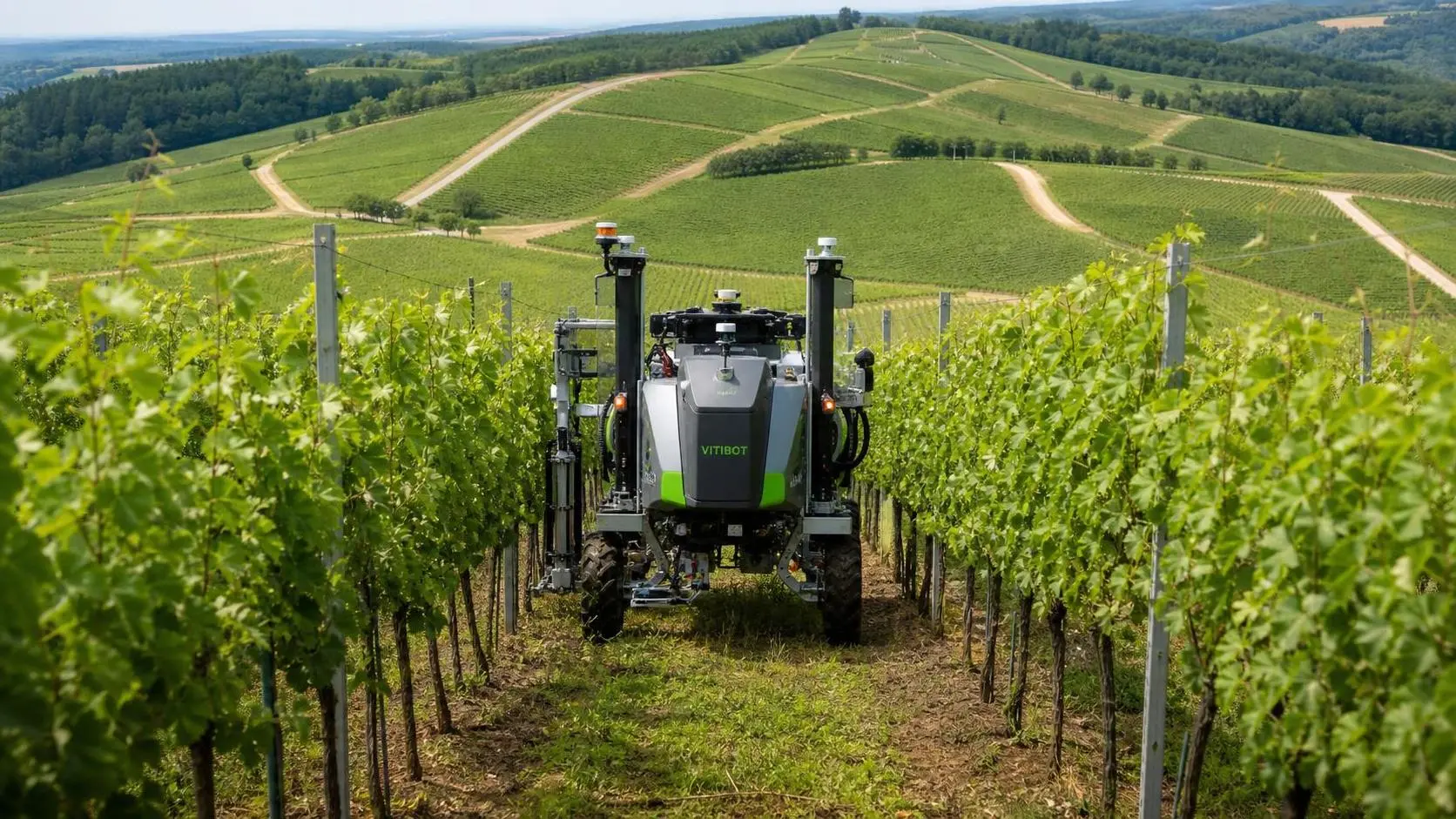
How to Evaluate Autonomous Machinery for Vineyards by Terrain, Tasks, and ROI
Autonomous machinery for vineyards: learn how to evaluate terrain fit, task suitability, safety, and ROI to choose the right solution and reduce procurement risk.
USDA Tightens Import Rules for Soil Moisture Sensors
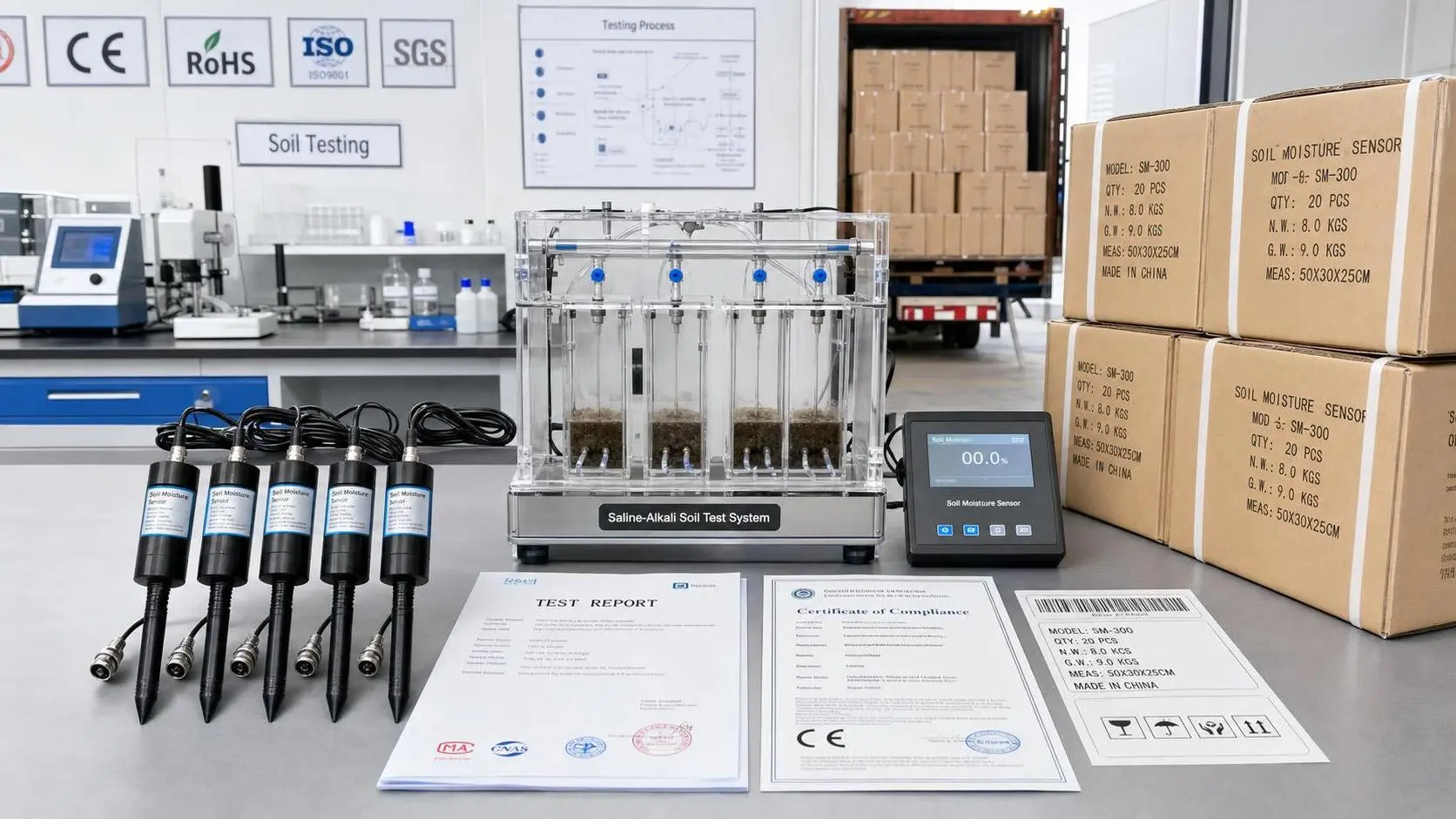
Soil Moisture Sensors face new USDA import rules from Oct. 1, 2026. Learn how ISO 11274-3:2026 testing may impact customs clearance, lead times, and supplier planning.
How to Use a Global Agricultural Equipment Directory to Compare Suppliers and Reduce Sourcing Risk
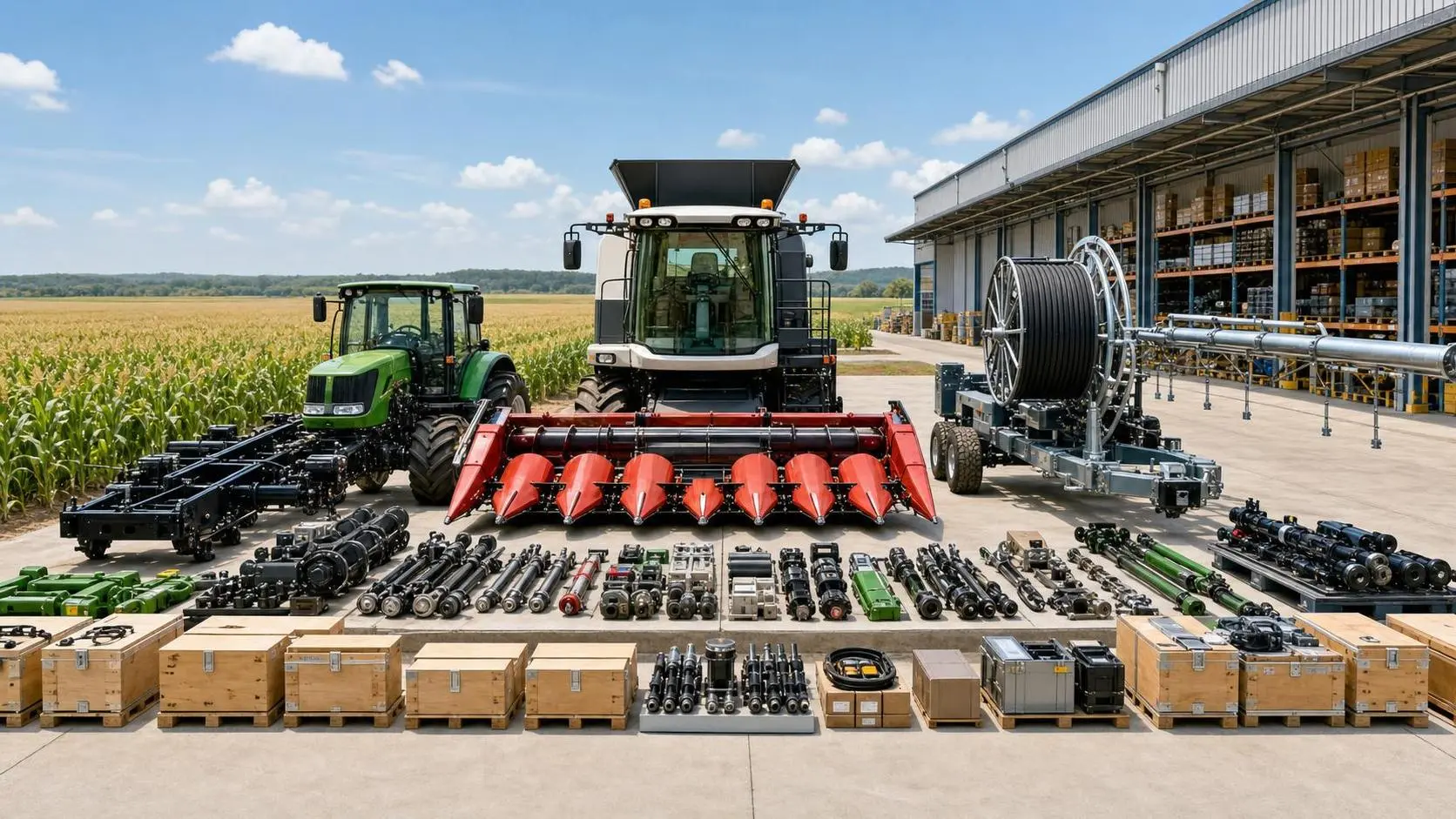
Agricultural equipment directory global sourcing starts with smarter supplier comparison. Learn how to assess fit, compliance, support, and market readiness to reduce sourcing risk.
Related News
- 00
0000-00
How to Use a Global Agricultural Equipment Directory to Compare Suppliers and Reduce Sourcing Risk - 00
0000-00
Spraying Equipment Industry Category Guide: Types, Applications, and Buying Factors - 00
0000-00
How to Evaluate a Farm Implements Exporter for Product Range, Compliance, and Delivery - 00
0000-00
How to Choose Agricultural Equipment for Farm Size, Crops, Terrain, and Budget - 00
0000-00
Market Insight Content: How to Track Price Trends and Spot Demand Shifts Early
Popular Tags
Ms. Elena Rodriguez
Weekly Insights
Stay ahead with our curated technology reports delivered every Monday.