
What Is Agricultural Machinery Intelligence and Which Farm Tasks Benefit Most?
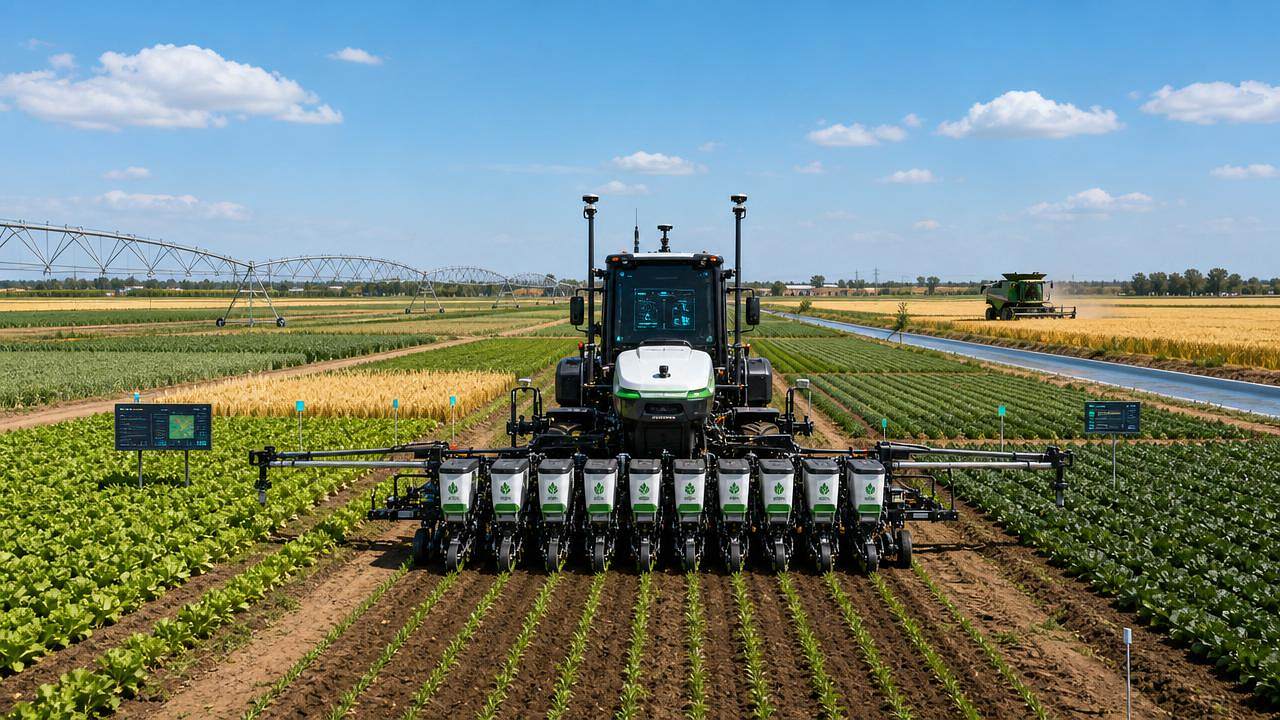




Why is agricultural machinery intelligence becoming a central topic in farming?
Agricultural machinery intelligence is no longer a niche idea attached to futuristic tractors.
It describes how machines, sensors, software, and field data work together to guide real farm decisions.
That may sound technical, but the practical goal is simple.
Use equipment more precisely, reduce waste, and respond faster to changing field conditions.
In the Agriculture 4.0 conversation, this shift matters because farms are facing tighter margins, labor shortages, water pressure, and sustainability demands.
Agricultural machinery intelligence helps connect those pressures with measurable machine performance.
A smart sprayer that adjusts flow by zone, for example, is doing more than automating work.
It is turning field variability into action.
This is also why intelligence platforms such as AP-Strategy pay close attention to machinery, combine systems, tractor chassis, smart tools, and irrigation networks together.
The real value rarely comes from one machine alone.
It comes from how hardware and decision logic are stitched across the whole production cycle.
So what does agricultural machinery intelligence actually include?
A common misunderstanding is that it only means autonomous driving.
In practice, the concept is broader and more useful than that.
Agricultural machinery intelligence usually combines four layers.
- Positioning and sensing, such as GNSS, cameras, moisture probes, yield monitors, and machine load sensors.
- Control systems, including auto-steering, variable-rate application, section control, and hydraulic response logic.
- Data interpretation, where software turns field readings into maps, alerts, or task recommendations.
- Operational feedback, where the machine adjusts performance during work instead of after the season ends.
This matters because intelligence is valuable only when it changes an outcome.
A tractor with advanced telemetry is interesting.
A tractor that uses that telemetry to reduce overlap, fuel burn, and compaction is strategically useful.
That same logic applies to combines and intelligent irrigation systems.
The machine becomes part of a decision loop, not just a power unit.
Which farm tasks benefit most from agricultural machinery intelligence?
Not every task gains the same value.
The strongest returns usually appear where timing, repeatability, and field variability directly affect cost or yield.
Planting is a leading example.
Seed depth, spacing, travel speed, and row accuracy all influence emergence quality.
Intelligent planters can maintain more stable placement and reduce skips or doubles.
Irrigation also ranks high.
When weather, soil moisture, and crop stage are linked to smart control, water use becomes more targeted.
That is especially important in regions where water availability is now a strategic constraint.
Crop protection is another major beneficiary.
Section control, nozzle management, and prescription spraying reduce overlap and help control application drift.
Harvesting may be the most visible case because losses are immediate and measurable.
An intelligent combine can adjust threshing, separation, and cleaning settings based on crop conditions.
That reduces grain loss, protects sample quality, and supports steadier throughput.
Even soil preparation benefits when guidance, implement depth control, and traction monitoring are integrated.
The benefit is often less visible than harvest loss reduction, but still significant over large acreage.
A quick task-by-task view
The table below helps compare where agricultural machinery intelligence tends to create the clearest operational value.
If one area consistently stands out, it is the point where a small control error causes a large seasonal loss.
Does every operation need the same level of intelligence?
Usually, no.
That is where many evaluations go off track.
Agricultural machinery intelligence should match task complexity, scale, and sensitivity to timing.
A simple broadacre operation may gain fast value from guidance and overlap control.
A high-value crop system may justify deeper sensor integration and prescription workflows.
More common than full autonomy is layered adoption.
One season starts with auto-steering and machine monitoring.
Later, the operation adds variable-rate inputs, then irrigation automation, then harvest analytics.
That staged approach often produces better results than buying every smart feature at once.
It also makes it easier to identify whether the bottleneck is hardware, data quality, operator workflow, or agronomic planning.
AP-Strategy’s broader view of farm equipment systems is useful here.
Performance cannot be judged only by electronics.
Tractor chassis stability, hydraulic response, harvester cleaning efficiency, and irrigation network reliability still shape the result.
What mistakes do people make when judging agricultural machinery intelligence?
The first mistake is confusing connectivity with intelligence.
A connected machine sends data.
An intelligent machine uses data to improve execution.
The second mistake is ignoring data reliability.
Poor calibration, weak signal coverage, or inconsistent sensor maintenance can undermine the whole system.
The third mistake is expecting identical returns across all tasks.
In reality, agricultural machinery intelligence pays back faster in some operations than others.
A final mistake is evaluating features without looking at workflow fit.
If prescription maps are hard to use, or machine interfaces interrupt field work, adoption slows down quickly.
A better evaluation method is to ask a few direct questions.
- Which task currently loses the most money through variability or timing errors?
- Can the machine sense the condition that matters most?
- Can it respond in real time, not just report later?
- Will the resulting data support next-season planning?
These questions reveal whether the system is genuinely intelligent or simply well instrumented.
How should agricultural machinery intelligence be assessed before deeper adoption?
A useful assessment starts with the task, not the brochure.
Look first at where field variability creates operational friction.
Then connect that problem to a machine function, a data source, and a measurable outcome.
For planting, that outcome may be singulation quality or emergence consistency.
For irrigation, it may be water use per yield unit.
For combine harvesting, it may be loss reduction under changing crop moisture.
It also helps to separate short-cycle value from strategic value.
Short-cycle value includes fuel savings, overlap reduction, and labor efficiency.
Strategic value includes better agronomic decisions, more resilient water management, and stronger asset planning.
This is why intelligence portals like AP-Strategy focus on both machine mechanics and algorithmic trends.
A farm task benefits most when control precision and physical machine capability advance together.
A practical checklist for the next step
- Map the two or three field tasks where inconsistency causes the highest seasonal loss.
- Identify which data source drives the decision: location, moisture, biomass, load, or yield.
- Check whether the machine can act on that data during the task, not after it.
- Review mechanical constraints, especially chassis control, implement response, and service reliability.
- Compare expected gains in efficiency, resource use, and crop outcome over more than one season.
In the end, agricultural machinery intelligence is most valuable where it sharpens timing, precision, and repeatability at scale.
Planting, irrigation, input application, and harvesting usually show the clearest benefits first.
The smartest next move is to evaluate those tasks one by one, compare decision quality before and after machine intervention, and watch the signals that matter most.
That approach turns agricultural machinery intelligence from a trend term into a usable framework for future equipment and system decisions.
Related News
How RTK Satellite Positioning Improves Accuracy in Precision Farming Operations
RTK satellite positioning boosts precision farming with repeatable guidance, lower overlap, and better field data. Learn what to verify before choosing an RTK system.
EU Rule Takes Effect: EN 16924:2026 for Drip Irrigation Logic
EN 16924:2026 now reshapes EU access for Drip Irrigation Logic products. Learn how certification, CE marking, customs, and warehouse risks impact exporters and buyers.
How Autonomous Machinery for Crop Scouting Helps Growers Detect Field Issues Earlier
Autonomous machinery for crop scouting helps growers spot irrigation gaps, pest pressure, and crop stress earlier, turning field data into faster decisions and smarter action.
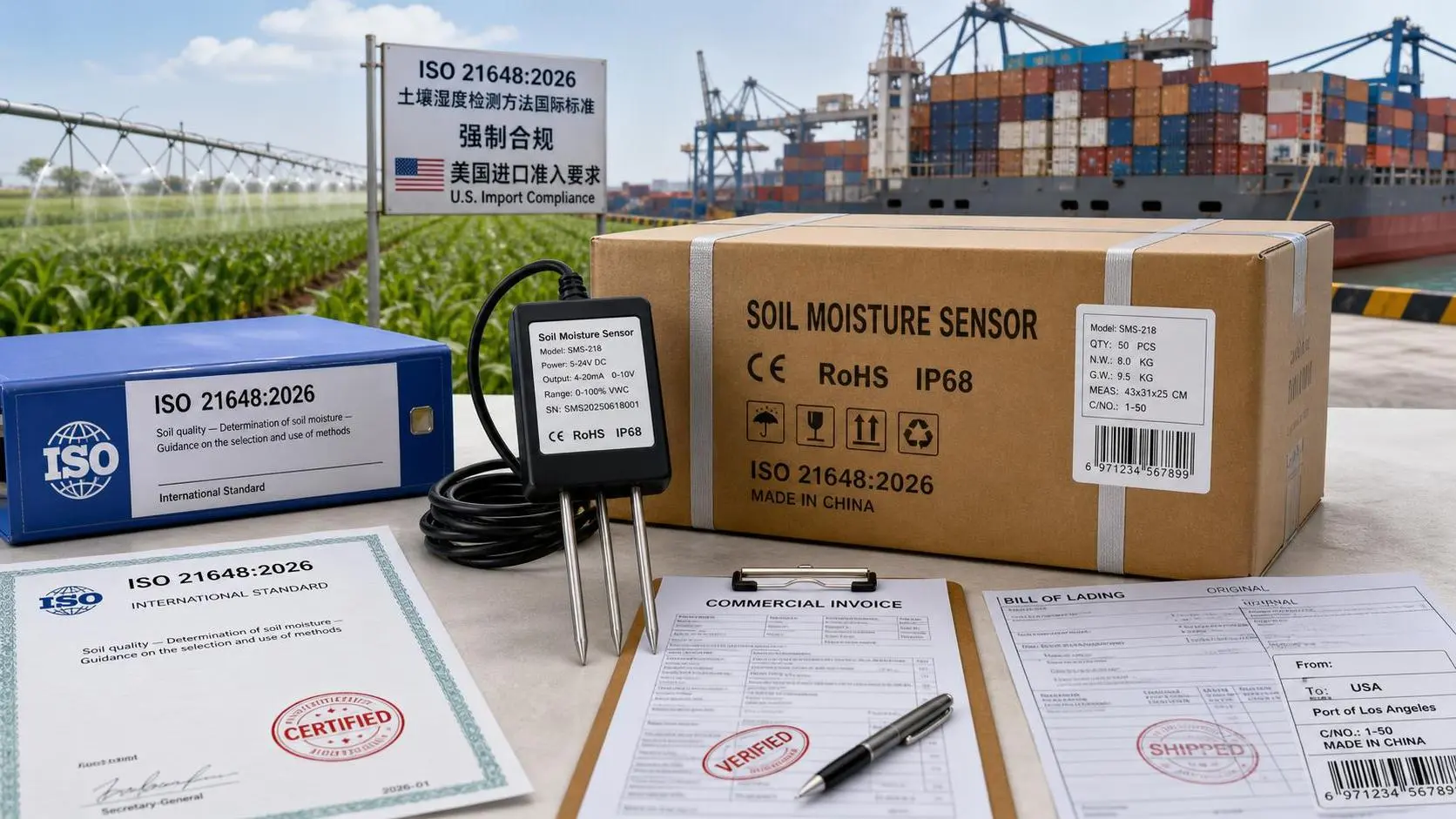
USDA Rule Makes ISO 21648:2026 Mandatory
USDA Rule Makes ISO 21648:2026 Mandatory for soil moisture sensors entering the U.S. Learn how the new USDA import compliance guide impacts certification, CBP entry, suppliers, and delivery plans.
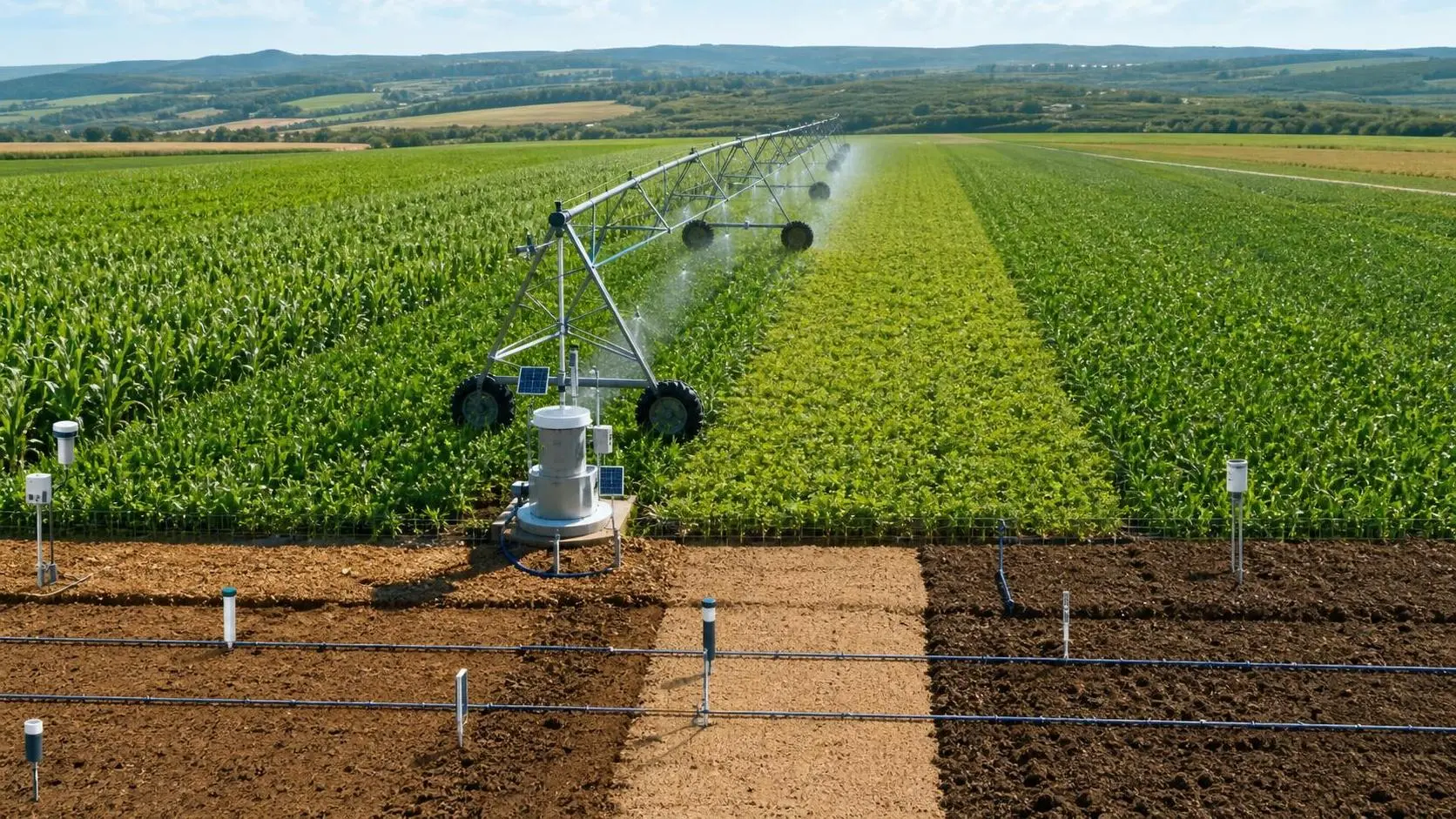
How Digital Farming Improves Irrigation Planning With Soil Data and GPS Mapping
Digital farming for irrigation planning turns soil data and GPS mapping into smarter watering decisions, helping farms reduce waste, improve field precision, and boost operational efficiency.
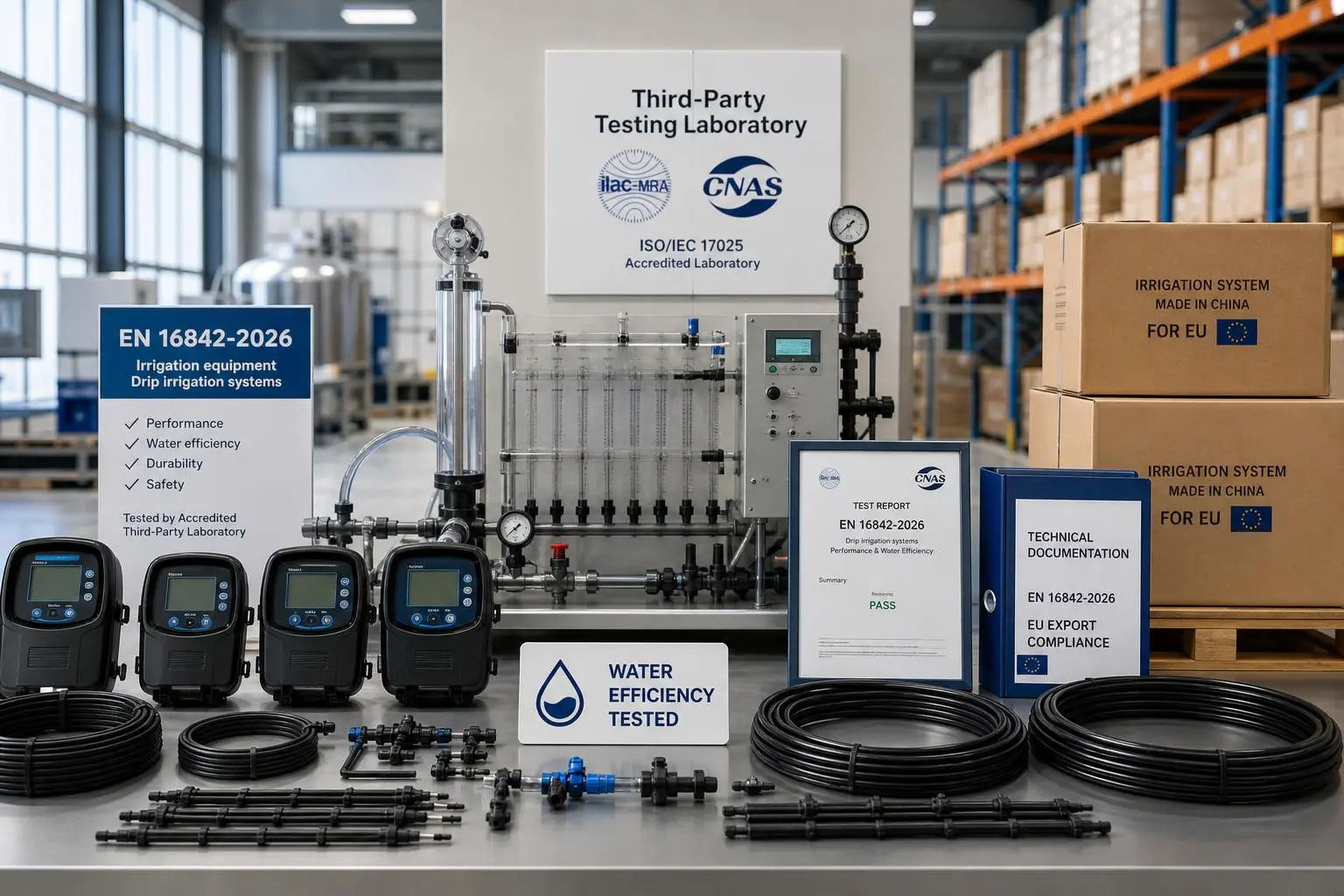
EU Rule Takes Effect: EN 16842-2026 Required for Drip Irrigation Logic Exports
EN 16842-2026 now makes third-party certification mandatory for Drip Irrigation Logic exports to the EU. Learn the compliance risks, customs impact, and supplier checks now.
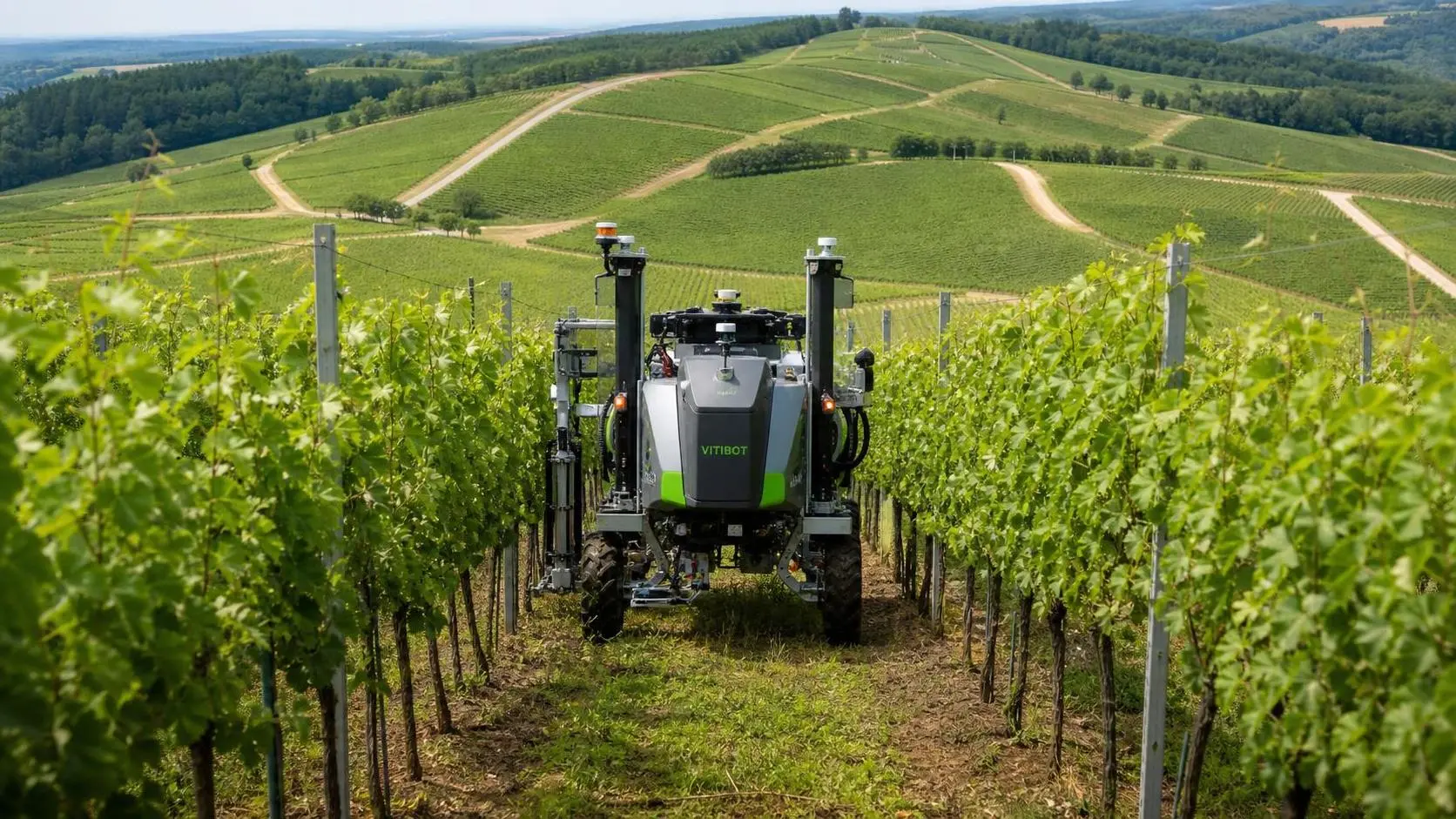
How to Evaluate Autonomous Machinery for Vineyards by Terrain, Tasks, and ROI
Autonomous machinery for vineyards: learn how to evaluate terrain fit, task suitability, safety, and ROI to choose the right solution and reduce procurement risk.
USDA Tightens Import Rules for Soil Moisture Sensors
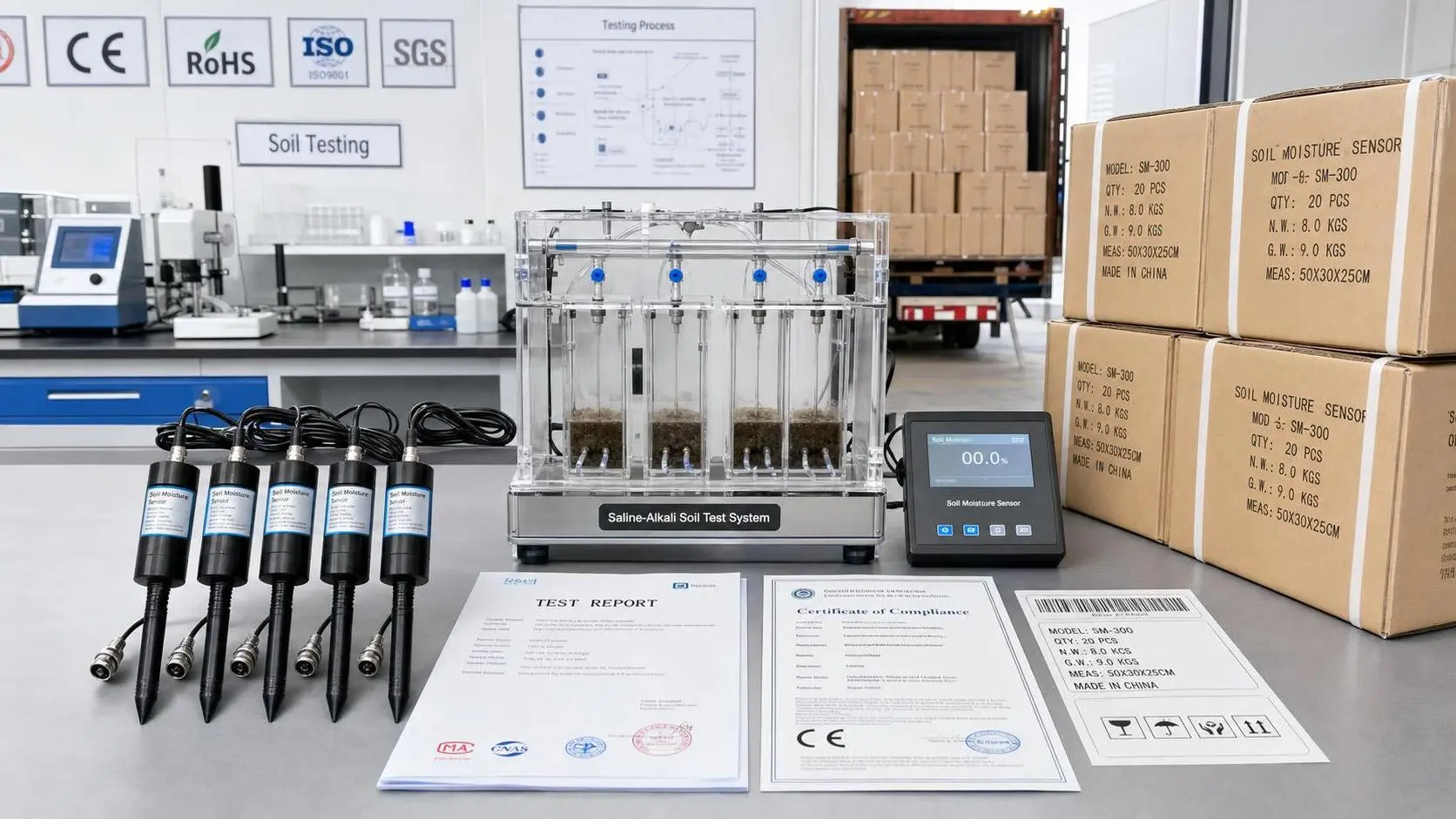
Soil Moisture Sensors face new USDA import rules from Oct. 1, 2026. Learn how ISO 11274-3:2026 testing may impact customs clearance, lead times, and supplier planning.
How to Use a Global Agricultural Equipment Directory to Compare Suppliers and Reduce Sourcing Risk
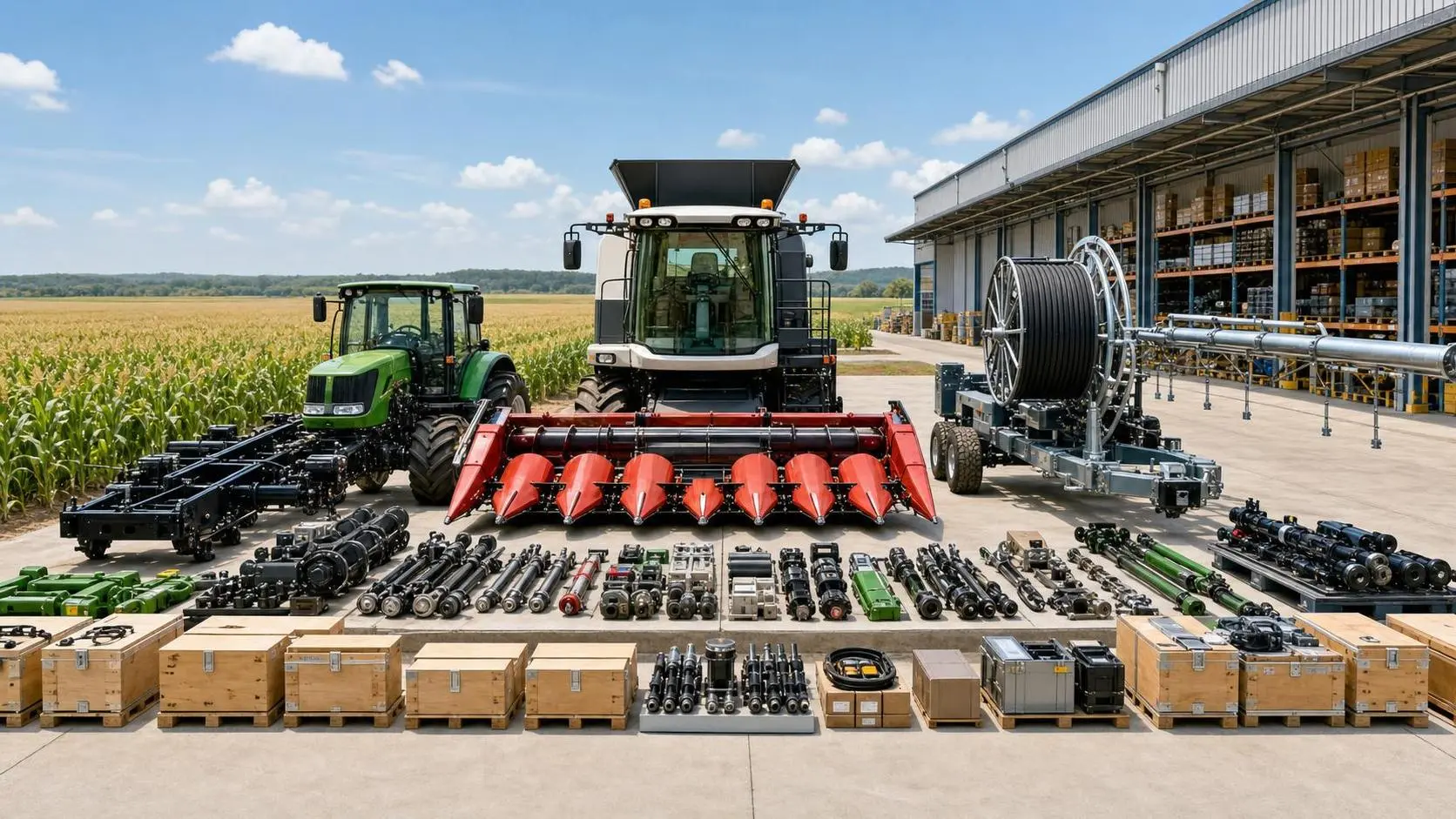
Agricultural equipment directory global sourcing starts with smarter supplier comparison. Learn how to assess fit, compliance, support, and market readiness to reduce sourcing risk.
Related News
- 00
0000-00
How to Use a Global Agricultural Equipment Directory to Compare Suppliers and Reduce Sourcing Risk - 00
0000-00
Spraying Equipment Industry Category Guide: Types, Applications, and Buying Factors - 00
0000-00
How to Evaluate a Farm Implements Exporter for Product Range, Compliance, and Delivery - 00
0000-00
How to Choose Agricultural Equipment for Farm Size, Crops, Terrain, and Budget - 00
0000-00
Market Insight Content: How to Track Price Trends and Spot Demand Shifts Early
Popular Tags
Ms. Elena Rodriguez
Weekly Insights
Stay ahead with our curated technology reports delivered every Monday.