
Digital Agriculture Platforms: Which Features Matter for Multi-Field Farm Management?
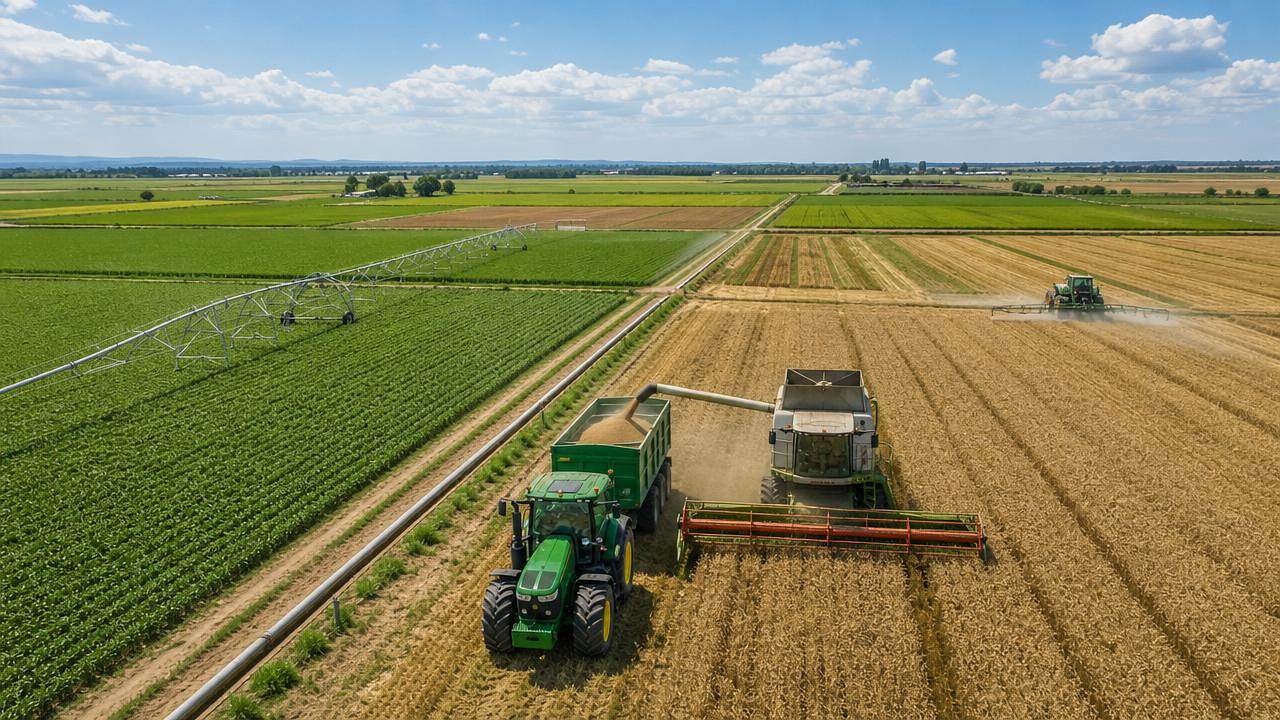




Why are digital agriculture platforms now central to multi-field farm management?
Large farms rarely struggle with data shortage. They struggle with disconnected decisions across fields, machines, crews, and irrigation zones.
That is why digital agriculture platforms matter. They turn field maps, machine telemetry, weather signals, and input records into one operating picture.
For multi-field management, the value is practical. One delayed harvest window or one missed irrigation cycle can affect margins across the entire season.
The better digital agriculture platforms do not only collect information. They help coordinate machinery timing, labor movement, irrigation scheduling, and field-level priorities.
In real operations, that means fewer blind spots between the agronomy team, equipment managers, and commercial planning functions.
This is also where AP-Strategy’s industry perspective becomes useful. Its coverage of large-scale machinery, combine harvesting, tractor chassis, and intelligent irrigation reflects how modern farms actually operate as connected systems.
So the key question is not whether a platform has many dashboards. The real issue is whether it improves control across scattered land blocks.
Which features really matter when fields are spread across different locations?
Not every function deserves equal weight. For multi-field operations, some capabilities directly affect output, while others are mostly cosmetic.
The first priority is field-level visibility. Managers need live status by block, crop stage, task progress, and risk alerts.
The second is machinery integration. If tractors, sprayers, and combine harvesters cannot feed reliable usage data into the system, planning stays fragmented.
The third is irrigation intelligence. Water-saving decisions now depend on sensor feedback, forecast models, and zone-specific execution.
A fourth feature often underestimated is task orchestration. Multi-field farms need a platform that links schedules, crews, inputs, and machine availability.
Another critical point is spatial accuracy. Poor mapping, weak GPS alignment, or delayed syncing can distort application records and machine routes.
It helps to compare features by operational effect rather than by software language.
When comparing digital agriculture platforms, this kind of table usually reveals more than a long feature brochure.
How important is integration with machinery, harvest systems, and irrigation networks?
It is often the deciding factor. A platform may look impressive, but weak integration limits its value almost immediately.
For large-scale agriculture, machine data is not a side feature. It is the operating backbone for fuel use, downtime tracking, route efficiency, and task confirmation.
That is especially true during harvest. Combine harvesting performance depends on timing, moisture conditions, transport coordination, and loss monitoring.
If the platform cannot connect harvesting data with field progress, decisions arrive too late to protect yield and machine productivity.
The same applies to tractor chassis and attached tools. Transmission load, hydraulic behavior, and implement activity all influence execution quality in heavy-duty conditions.
On the irrigation side, integration should go beyond pump on or off status. Better digital agriculture platforms combine soil data, evapotranspiration estimates, weather shifts, and zone response.
AP-Strategy’s focus on harvesting systems, intelligent tools, and water-saving irrigation highlights an important lesson: technology selection should follow operational linkage, not software aesthetics.
- Check whether the platform supports mixed fleets, not just one equipment brand.
- Confirm whether field records can be tied to real machine activity logs.
- Review how irrigation events are verified and reported by zone.
- Ask whether historical machine and agronomic data can be analyzed together.
How can you tell whether a platform improves decisions instead of just storing data?
This is where many evaluations become too superficial. Storage is easy. Decision support is harder.
A useful system should shorten the time between field change and management action. That is the simplest test.
For example, if weather risk rises in one cluster of fields, can the platform recommend a harvest sequence change?
If irrigation pressure drops in one zone, can it flag likely causes and show the fields most exposed to stress?
If machinery use is unbalanced, can it identify idle assets, overloaded units, and transport inefficiencies by day or season?
The strongest digital agriculture platforms also support scenario comparisons. That matters for input planning, water allocation, and fleet investment decisions.
This is where intelligence sources like AP-Strategy can support internal evaluation. Its reporting on grain markets, environmental policy, and equipment evolution helps frame software choices within wider capital planning.
A decision platform should answer not only what happened, but what should happen next.
What are the most common selection mistakes with digital agriculture platforms?
One common mistake is overvaluing presentation. Attractive dashboards do not guarantee usable field logic or reliable machine records.
Another is buying for a single season pain point. A platform chosen only for spraying or only for irrigation may create new data silos later.
A third mistake is ignoring implementation friction. If crews cannot use the mobile workflow easily, data quality collapses within weeks.
More complex farms should also watch for weak interoperability. Closed systems may limit future integration with autonomous equipment or precision tools.
Cybersecurity and ownership terms deserve attention too. Farm data increasingly influences supplier negotiations, service contracts, and financing assumptions.
In practice, the safer approach is to review risk before contract details are finalized.
How should implementation, cost, and rollout timing be judged?
Cost should be viewed in layers. License fees matter, but integration effort, training time, and data cleanup often shape total value more strongly.
A realistic rollout usually begins with a few priority workflows. Field mapping, machine tracking, and irrigation monitoring often provide the fastest operational proof.
Trying to digitize every process at once usually slows adoption. More common success comes from phased deployment tied to seasonal milestones.
Timing also matters. Introducing a new platform in peak harvest is rarely ideal unless the team already knows the workflow.
Many teams now ask one practical question: will this system still fit when autonomous machinery, precision fertilization, and tighter sustainability reporting become standard?
That long-view question aligns well with AP-Strategy’s intelligence model, which links current machinery performance with future resource-saving and automation standards.
- Define three measurable outcomes before vendor comparison begins.
- Run a pilot on fields with different water, terrain, and machine conditions.
- Score each platform on usability, interoperability, and reporting quality.
- Review contract terms for data access, export rights, and support response.
- Plan a phased rollout linked to crop calendar realities.
In the end, the best digital agriculture platforms are not the ones with the most features. They are the ones that keep dispersed fields working like one coordinated enterprise.
A sound next step is to map current pain points, list required integrations, and compare platforms against actual field decisions rather than generic software claims.
Related News
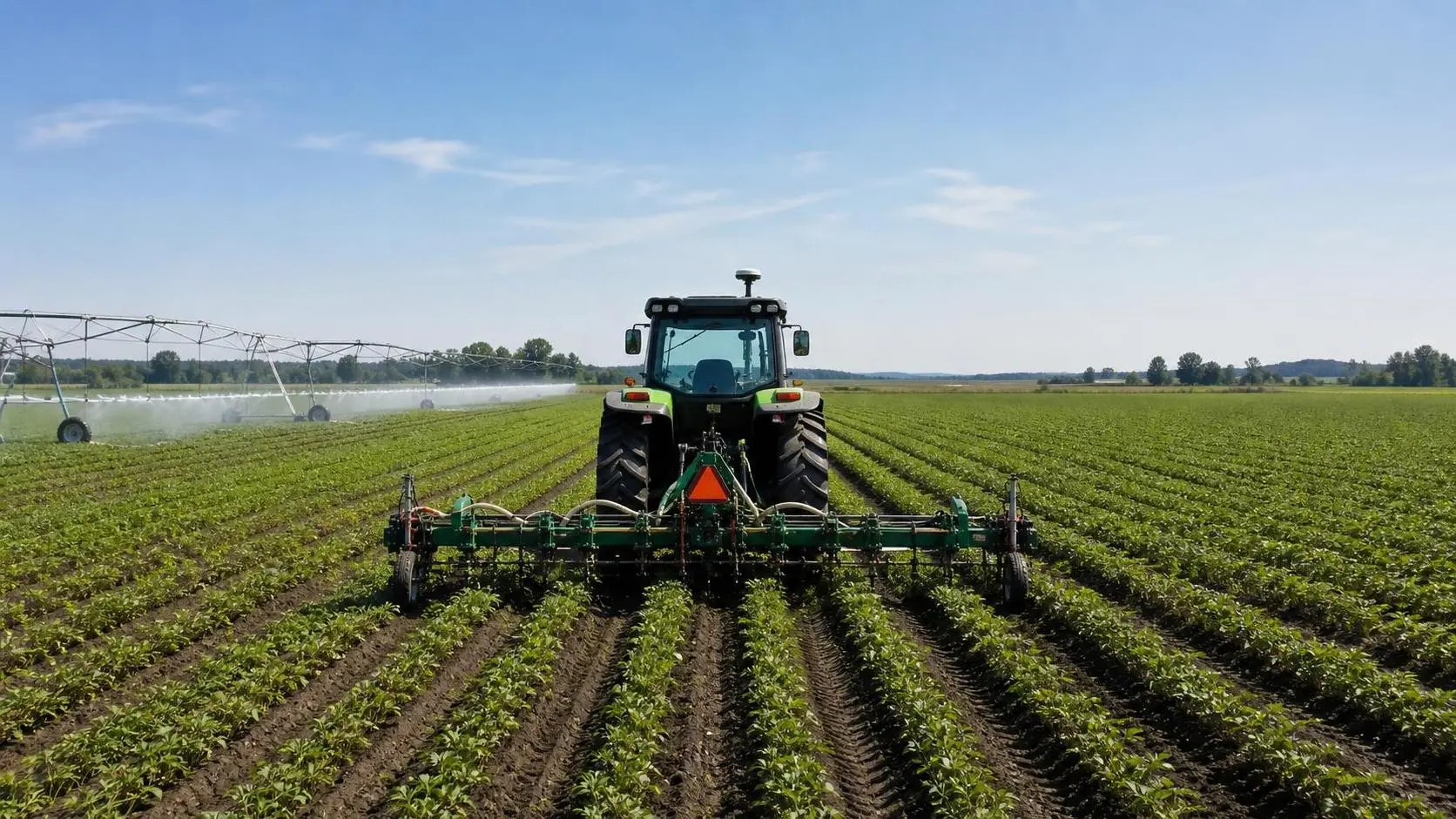
How RTK Satellite Positioning Improves Accuracy in Precision Farming Operations
RTK satellite positioning boosts precision farming with repeatable guidance, lower overlap, and better field data. Learn what to verify before choosing an RTK system.
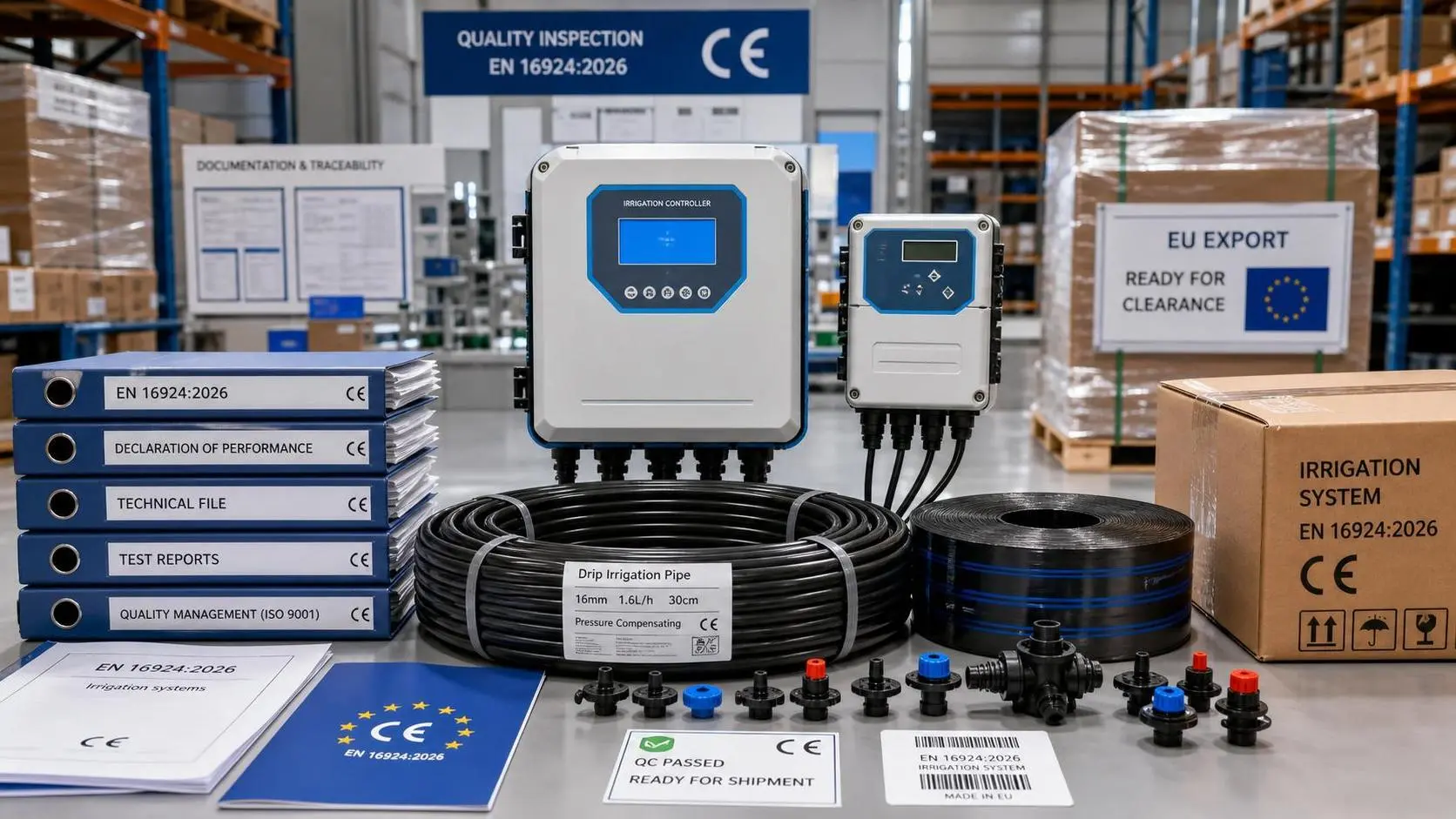
EU Rule Takes Effect: EN 16924:2026 for Drip Irrigation Logic
EN 16924:2026 now reshapes EU access for Drip Irrigation Logic products. Learn how certification, CE marking, customs, and warehouse risks impact exporters and buyers.
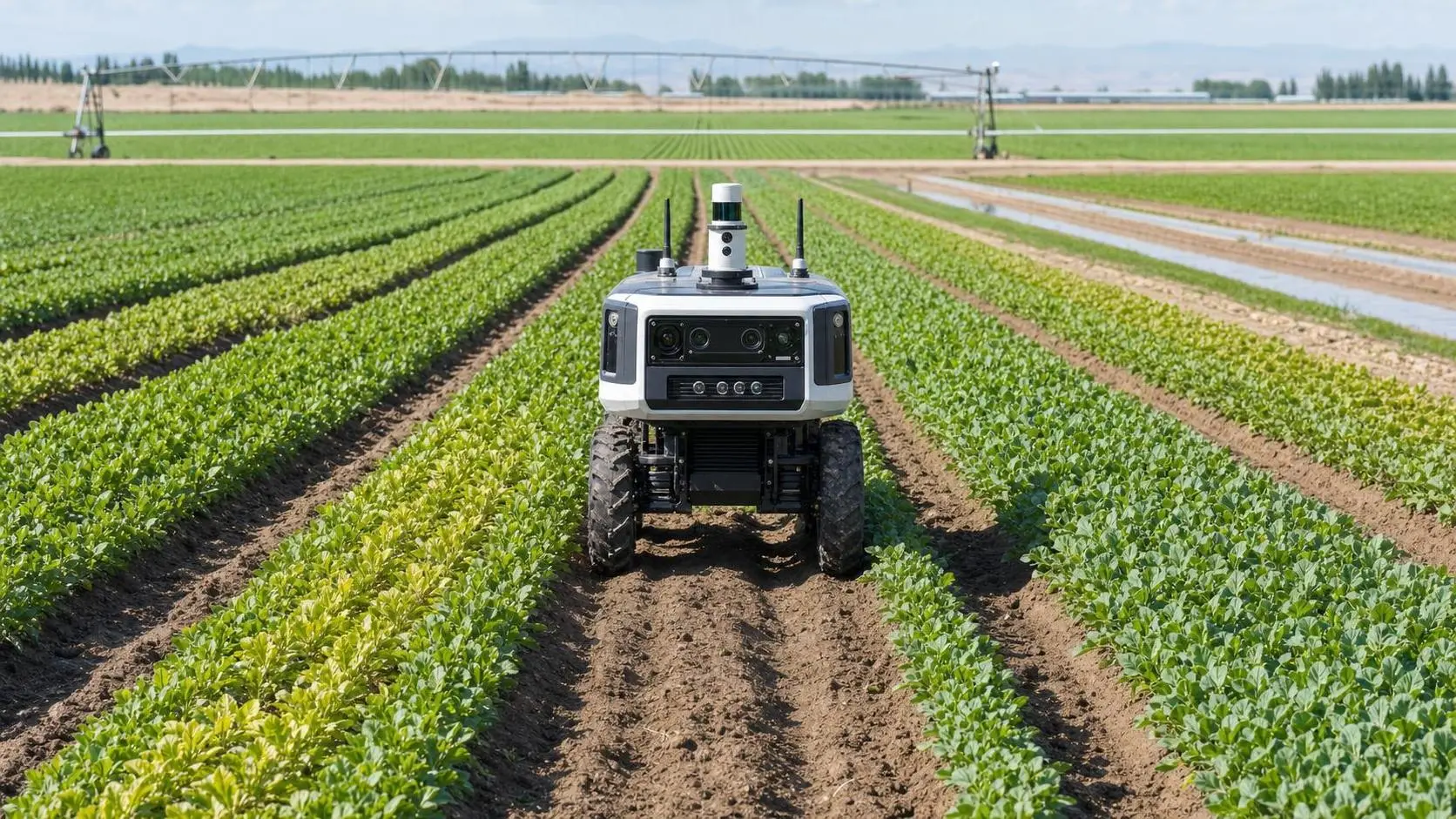
How Autonomous Machinery for Crop Scouting Helps Growers Detect Field Issues Earlier
Autonomous machinery for crop scouting helps growers spot irrigation gaps, pest pressure, and crop stress earlier, turning field data into faster decisions and smarter action.
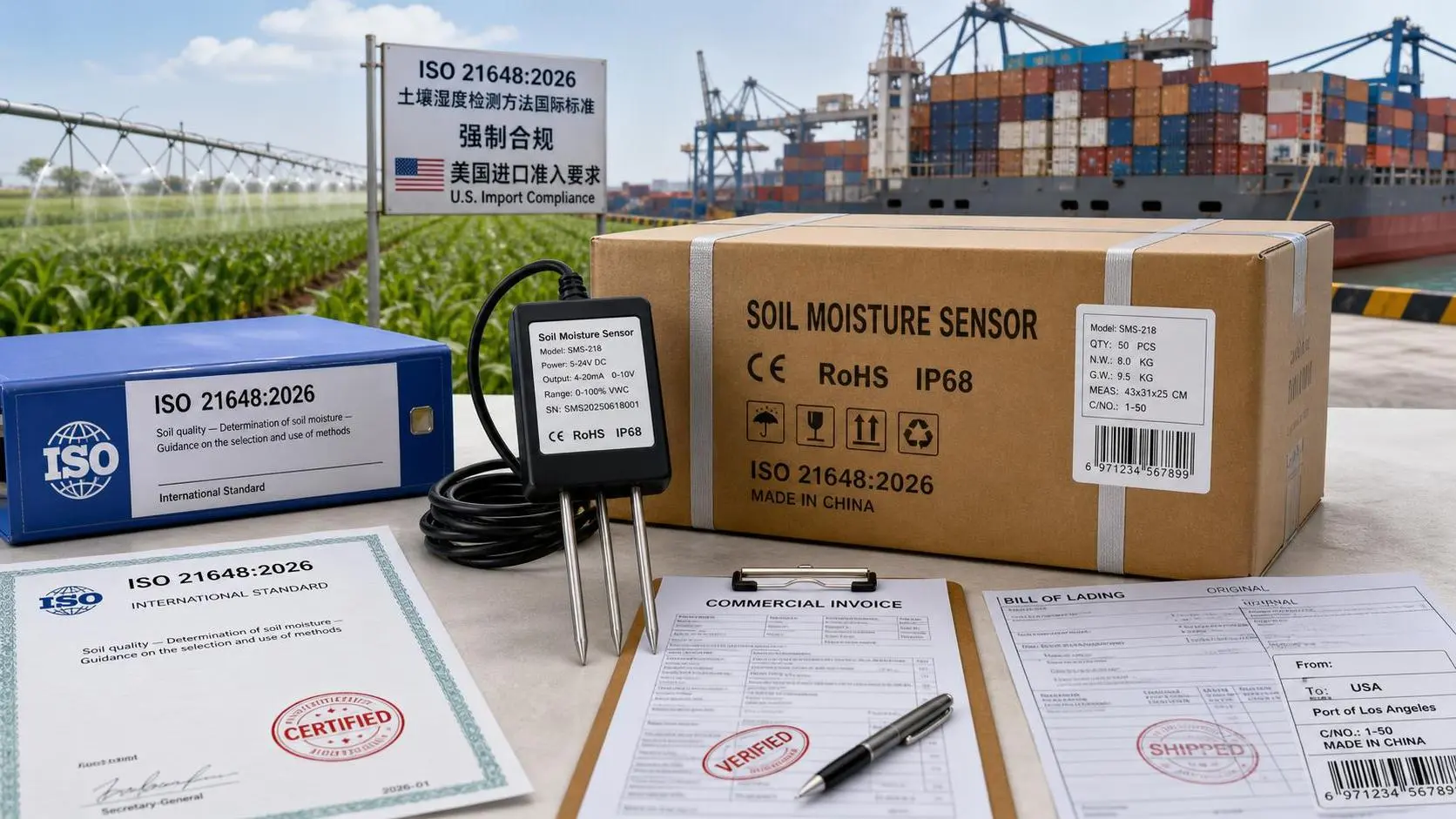
USDA Rule Makes ISO 21648:2026 Mandatory
USDA Rule Makes ISO 21648:2026 Mandatory for soil moisture sensors entering the U.S. Learn how the new USDA import compliance guide impacts certification, CBP entry, suppliers, and delivery plans.
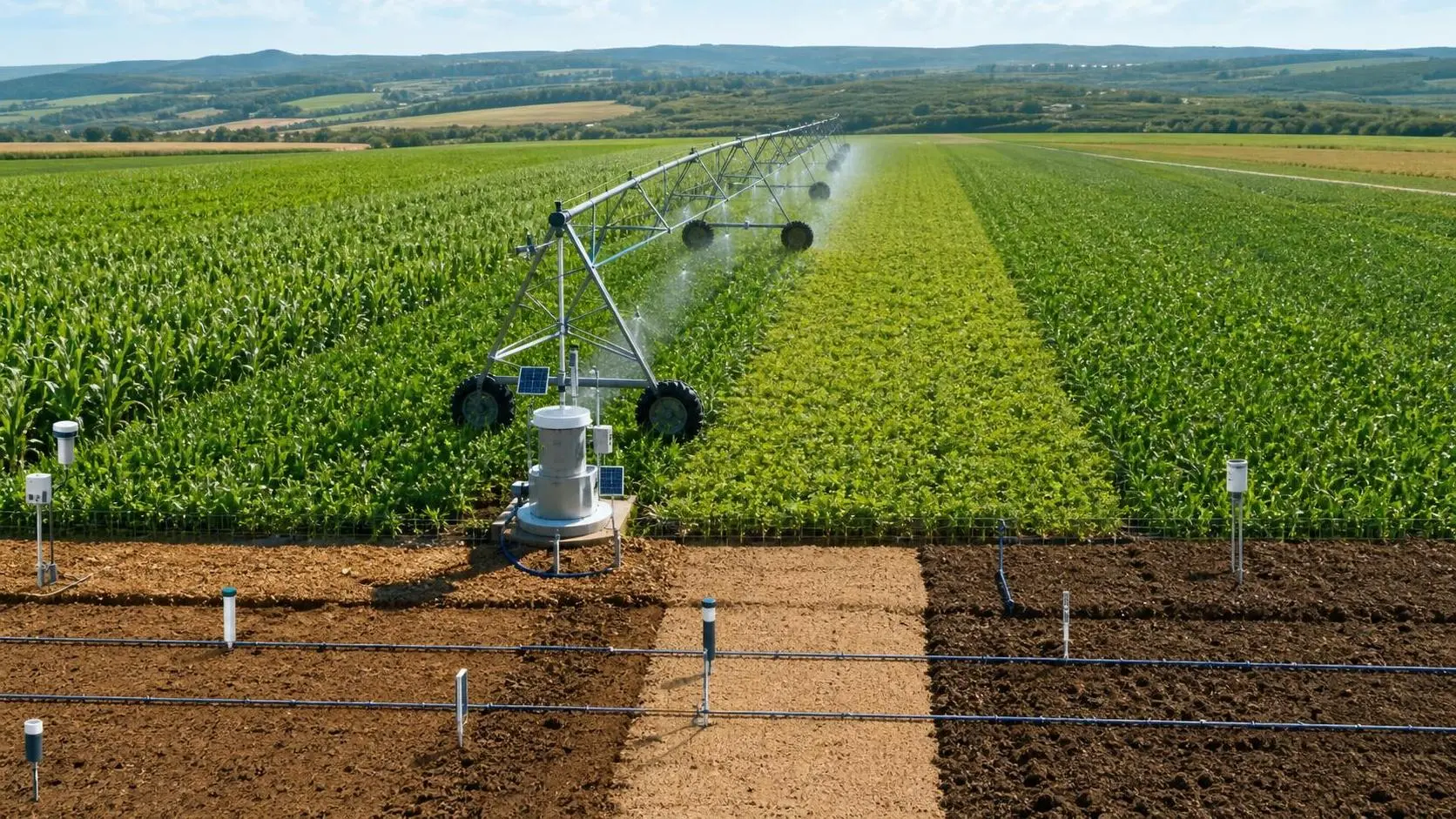
How Digital Farming Improves Irrigation Planning With Soil Data and GPS Mapping
Digital farming for irrigation planning turns soil data and GPS mapping into smarter watering decisions, helping farms reduce waste, improve field precision, and boost operational efficiency.
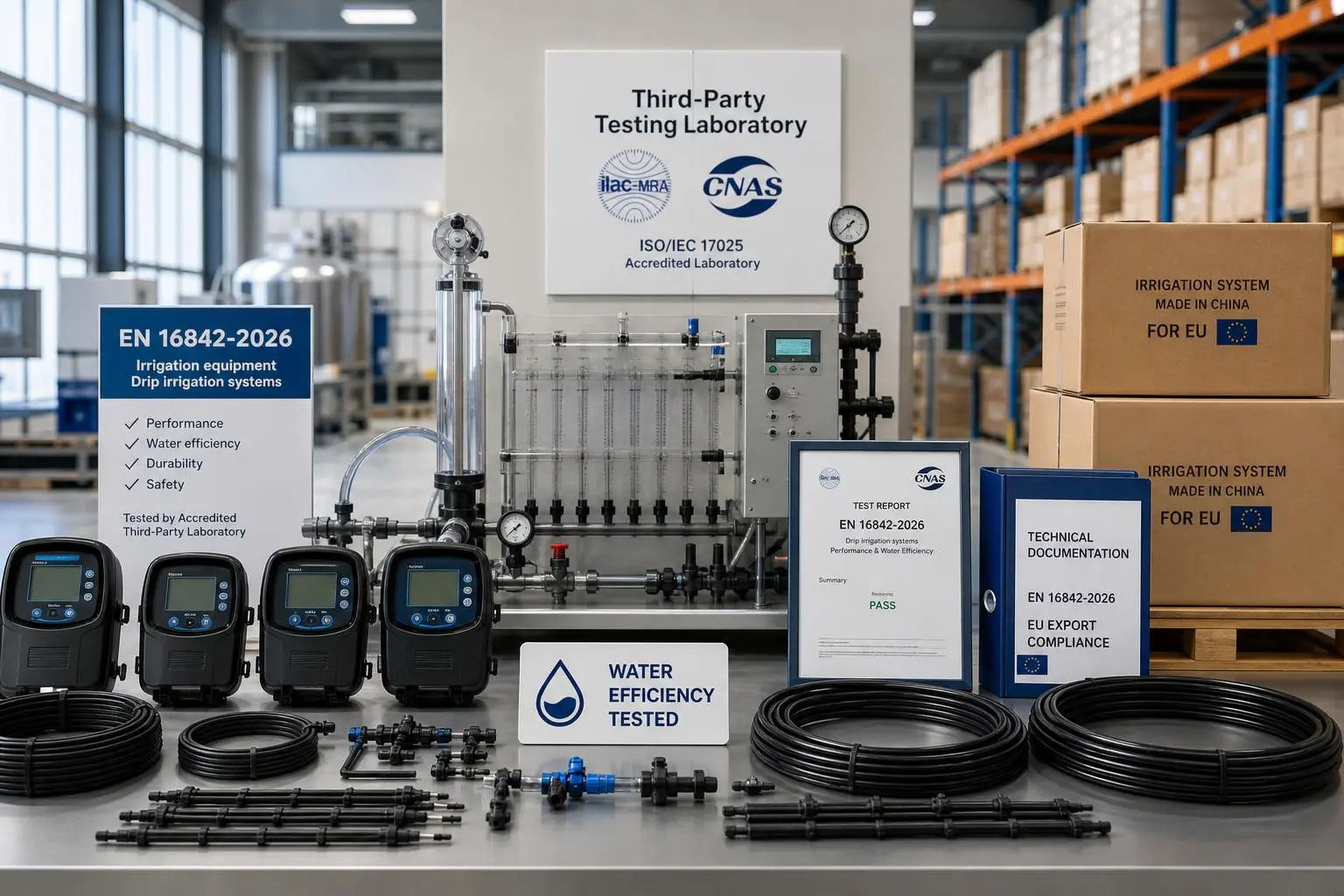
EU Rule Takes Effect: EN 16842-2026 Required for Drip Irrigation Logic Exports
EN 16842-2026 now makes third-party certification mandatory for Drip Irrigation Logic exports to the EU. Learn the compliance risks, customs impact, and supplier checks now.
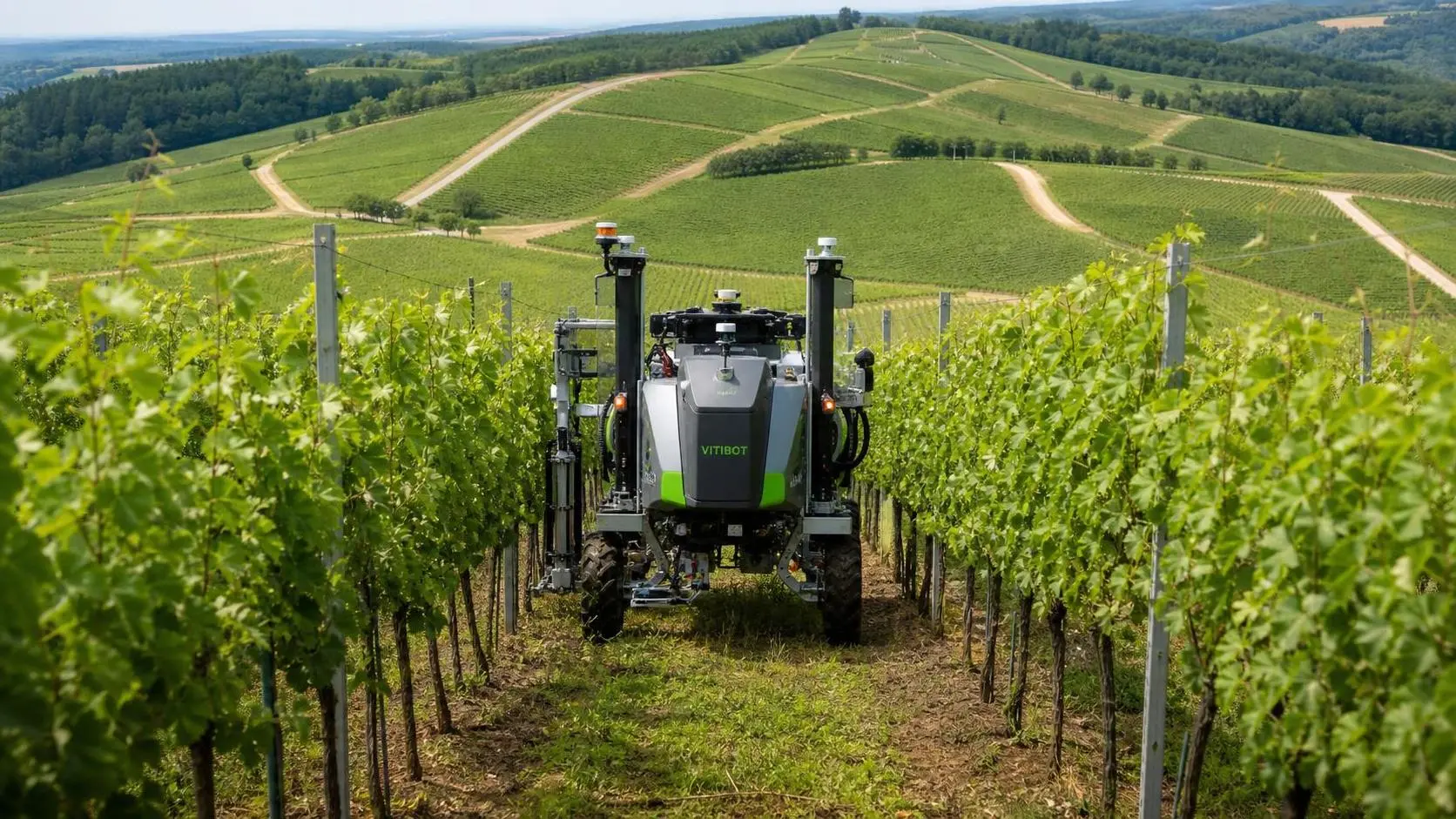
How to Evaluate Autonomous Machinery for Vineyards by Terrain, Tasks, and ROI
Autonomous machinery for vineyards: learn how to evaluate terrain fit, task suitability, safety, and ROI to choose the right solution and reduce procurement risk.
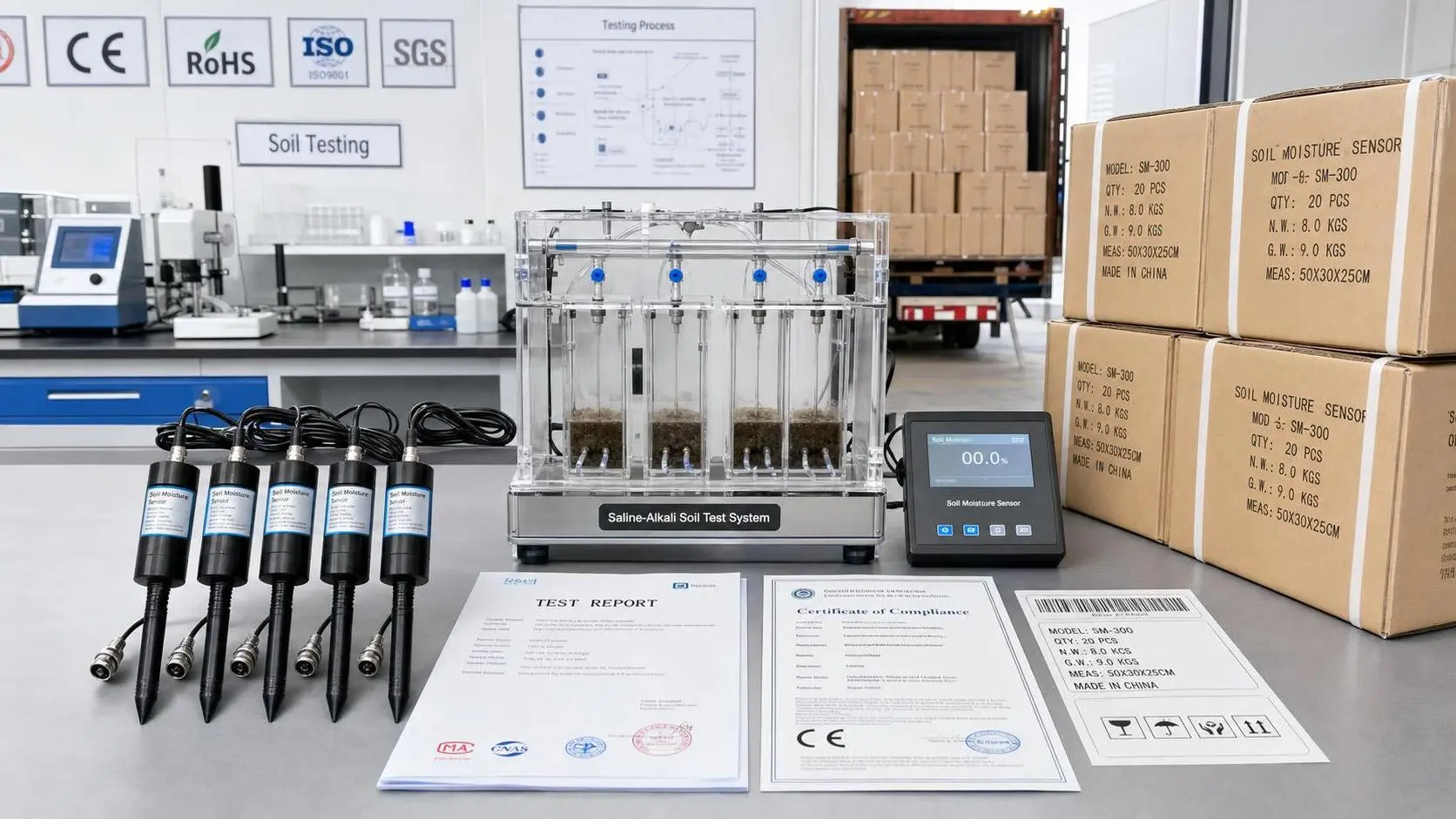
USDA Tightens Import Rules for Soil Moisture Sensors
Soil Moisture Sensors face new USDA import rules from Oct. 1, 2026. Learn how ISO 11274-3:2026 testing may impact customs clearance, lead times, and supplier planning.
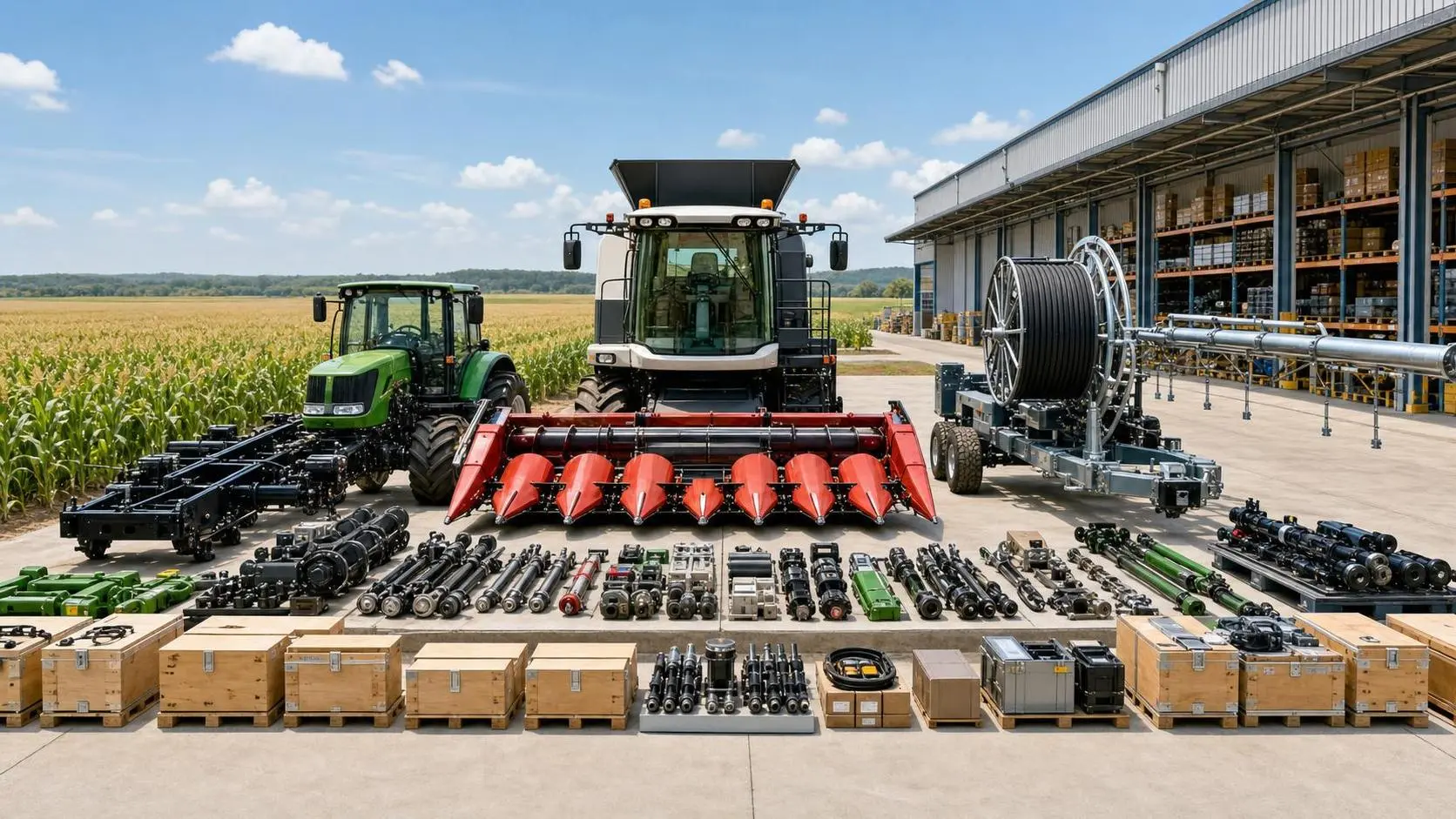
How to Use a Global Agricultural Equipment Directory to Compare Suppliers and Reduce Sourcing Risk
Agricultural equipment directory global sourcing starts with smarter supplier comparison. Learn how to assess fit, compliance, support, and market readiness to reduce sourcing risk.
Related News
- 00
0000-00
How to Use a Global Agricultural Equipment Directory to Compare Suppliers and Reduce Sourcing Risk - 00
0000-00
Spraying Equipment Industry Category Guide: Types, Applications, and Buying Factors - 00
0000-00
How to Evaluate a Farm Implements Exporter for Product Range, Compliance, and Delivery - 00
0000-00
How to Choose Agricultural Equipment for Farm Size, Crops, Terrain, and Budget - 00
0000-00
Market Insight Content: How to Track Price Trends and Spot Demand Shifts Early
Popular Tags
Ms. Elena Rodriguez
Weekly Insights
Stay ahead with our curated technology reports delivered every Monday.