
What Is Agricultural Automation? Systems, Use Cases, and Limits for Modern Farms
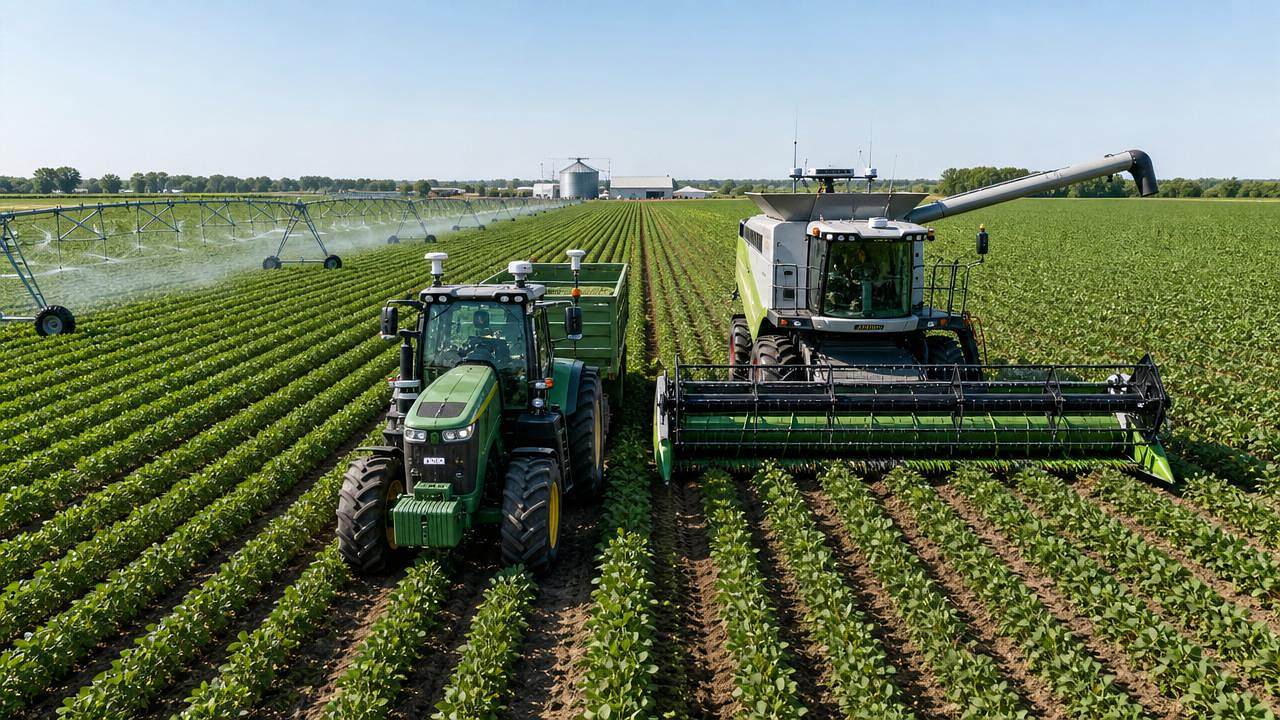




Why is agricultural automation getting so much attention now?
Agricultural automation has moved beyond experimental robotics and niche farm software. It now sits at the center of modern decisions about labor, water, fuel, yield stability, and machine productivity.
In simple terms, agricultural automation means using machines, sensors, control systems, and software to complete farm tasks with less manual intervention.
That sounds broad because it is. A guidance-ready tractor, an irrigation controller, a yield-mapping combine, and an auto-steering sprayer can all belong to agricultural automation.
The reason interest is rising is practical, not theoretical. Farms face tighter margins, weather volatility, labor shortages, and stronger pressure to use inputs with greater precision.
At the same time, machine hardware, GNSS positioning, telematics, and field analytics have matured enough to deliver repeatable value in real operations.
This is also why platforms such as AP-Strategy follow agricultural automation closely. The topic connects large-scale agri-machinery, combine harvesting, tractor chassis performance, intelligent farm tools, and water-saving irrigation.
In other words, automation is not one device. It is a working system that links mechanical capability with data-driven field execution.
So what actually counts as agricultural automation?
A useful way to understand agricultural automation is to separate it into task layers rather than brand categories.
Field movement and machine control
This includes auto-steering, headland turning support, path planning, speed control, and machine coordination across tractors, sprayers, and harvesters.
Input application and crop response
Here, agricultural automation manages seeding rates, spray timing, fertilizer placement, and irrigation scheduling using maps, sensors, and prescriptions.
Monitoring and feedback loops
Yield monitors, soil probes, moisture sensors, machine health alerts, and cleaning-loss feedback on combines help the system adjust based on real conditions.
This distinction matters because many farms are not buying “full autonomy.” More often, they are adopting partial agricultural automation where each layer solves a measurable problem.
That gradual path is usually more realistic than an all-at-once transformation.
Where does agricultural automation deliver the clearest value?
The strongest use cases appear where timing, repeatability, and resource control matter most. Not every field task benefits equally.
In practice, irrigation and harvesting often show the difference most clearly. Water is expensive, and harvest delays can erase gains quickly.
That is why AP-Strategy places strong attention on intelligent irrigation networks and combine harvesting benchmarks. These are areas where agricultural automation can be measured in saved inputs, lower losses, and cleaner operational decisions.
Is agricultural automation only for very large farms?
Not necessarily, although scale does affect payback speed. The better question is whether the operation has repeatable tasks, narrow timing windows, and enough data discipline to use the system well.
Large farms often benefit first because they cover more hectares, run more machines, and lose more money when coordination fails.
Still, smaller or mid-sized operations can gain from agricultural automation when the pain point is specific. A smart irrigation controller in a water-stressed area may justify itself faster than a full autonomous fleet.
The same applies to guidance systems, section control, or telematics on high-value equipment. Focused adoption often works better than chasing the most advanced headline technology.
- Good fit: repetitive field passes, labor constraints, costly overlap, or water-sensitive crop management
- Weak fit: irregular plots, poor connectivity, unstable workflows, or limited maintenance capacity
- Best starting point: one process with clear baseline data and visible room for improvement
That is usually the smartest way to judge agricultural automation: not by farm size alone, but by operational friction.
What are the common limits people underestimate?
The biggest misunderstanding is assuming agricultural automation works like a consumer device. In farming, field conditions change faster than software menus can explain.
Machines still depend on traction, weather, crop density, topography, maintenance quality, and operator judgment. Automation reduces variability, but it does not remove agronomic complexity.
Data quality can break the promise
Bad boundaries, weak calibration, and misplaced sensors create confident-looking outputs that lead to poor decisions.
Machine compatibility matters more than expected
A strong tractor chassis, hydraulic stability, and implement communication can determine whether automation performs smoothly or becomes an operational burden.
Human oversight still matters
Autonomous functions are most useful when operators understand what the system is optimizing and when to intervene.
This is particularly true in combine harvesting. Throughput targets, grain cleanliness, and cleaning-loss adjustments can conflict under changing crop moisture or lodging conditions.
In short, agricultural automation has limits in sensing, integration, terrain adaptation, and decision transparency. Those limits do not cancel value, but they do shape realistic expectations.
How should you compare systems before adopting agricultural automation?
A useful comparison should go beyond feature lists. The real question is whether the system improves one important workflow without creating two new bottlenecks.
Before comparing brands or platforms, define the target outcome. That may be fewer skipped rows, better water scheduling, lower harvesting loss, or tighter machine utilization.
In many cases, the best agricultural automation choice is not the most autonomous one. It is the one that fits the field system, staff habits, and machinery stack already in use.
What does a realistic next step look like?
Start with one process that already causes measurable waste or uncertainty. That keeps evaluation grounded in field performance rather than marketing claims.
For some operations, that process is irrigation scheduling. For others, it is harvesting loss control, fleet coordination, or precise application timing.
Then build a short checklist:
- Define the target metric before deployment
- Confirm machine and data compatibility
- Check calibration and service routines
- Decide when manual override is necessary
- Review results after one crop cycle or season
Agricultural automation is most valuable when it is treated as an operating discipline, not just a hardware upgrade.
That is also the broader lesson reflected in AP-Strategy’s coverage of Agriculture 4.0. Progress comes from stitching together mechanical performance, precision algorithms, and resource constraints into one decision framework.
If the goal is informed judgment, the next move is clear: map the farm task, compare system limits, verify data quality, and measure value where agricultural automation should actually earn its place.
Related News
How RTK Satellite Positioning Improves Accuracy in Precision Farming Operations
RTK satellite positioning boosts precision farming with repeatable guidance, lower overlap, and better field data. Learn what to verify before choosing an RTK system.
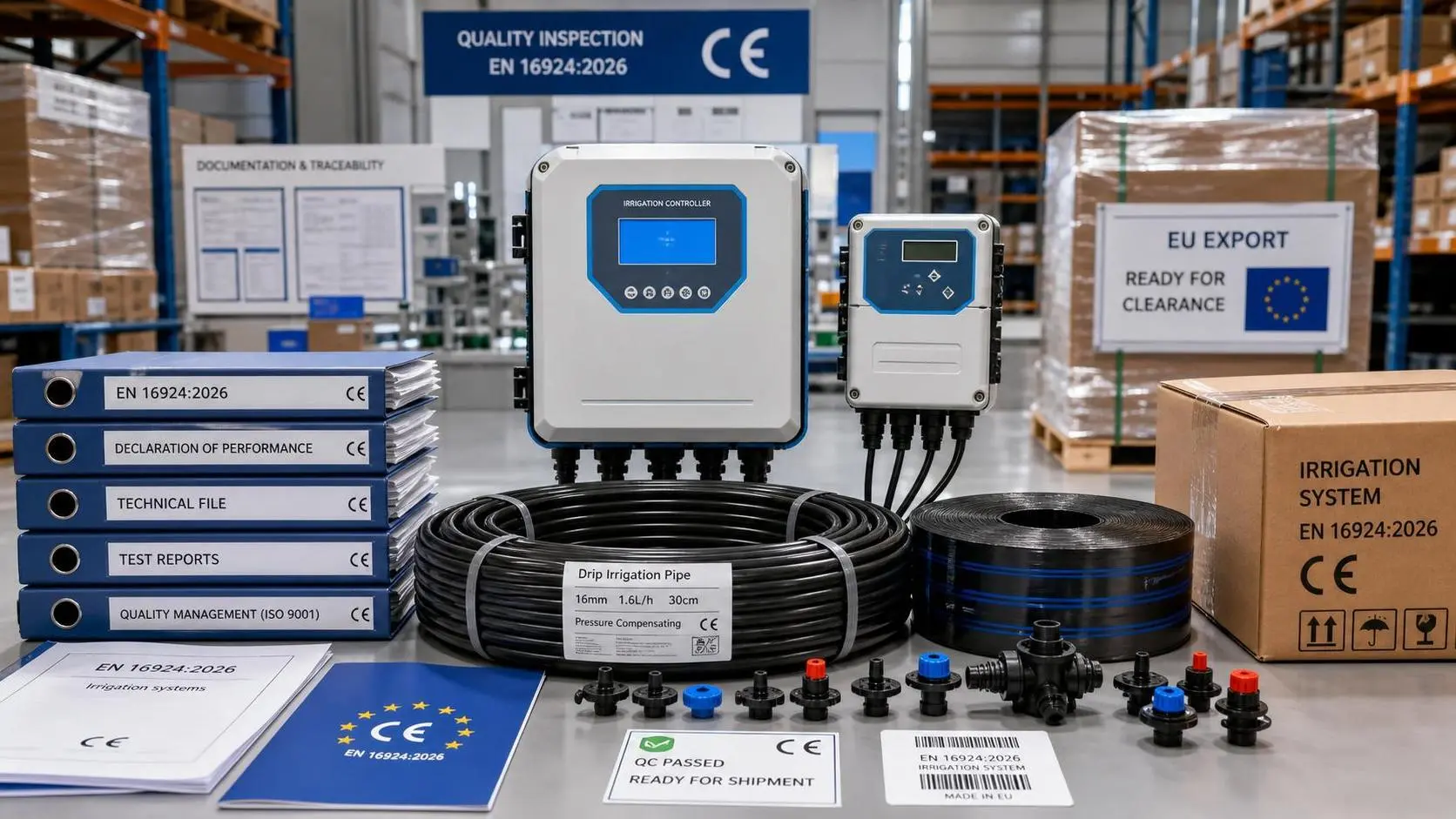
EU Rule Takes Effect: EN 16924:2026 for Drip Irrigation Logic
EN 16924:2026 now reshapes EU access for Drip Irrigation Logic products. Learn how certification, CE marking, customs, and warehouse risks impact exporters and buyers.
How Autonomous Machinery for Crop Scouting Helps Growers Detect Field Issues Earlier
Autonomous machinery for crop scouting helps growers spot irrigation gaps, pest pressure, and crop stress earlier, turning field data into faster decisions and smarter action.
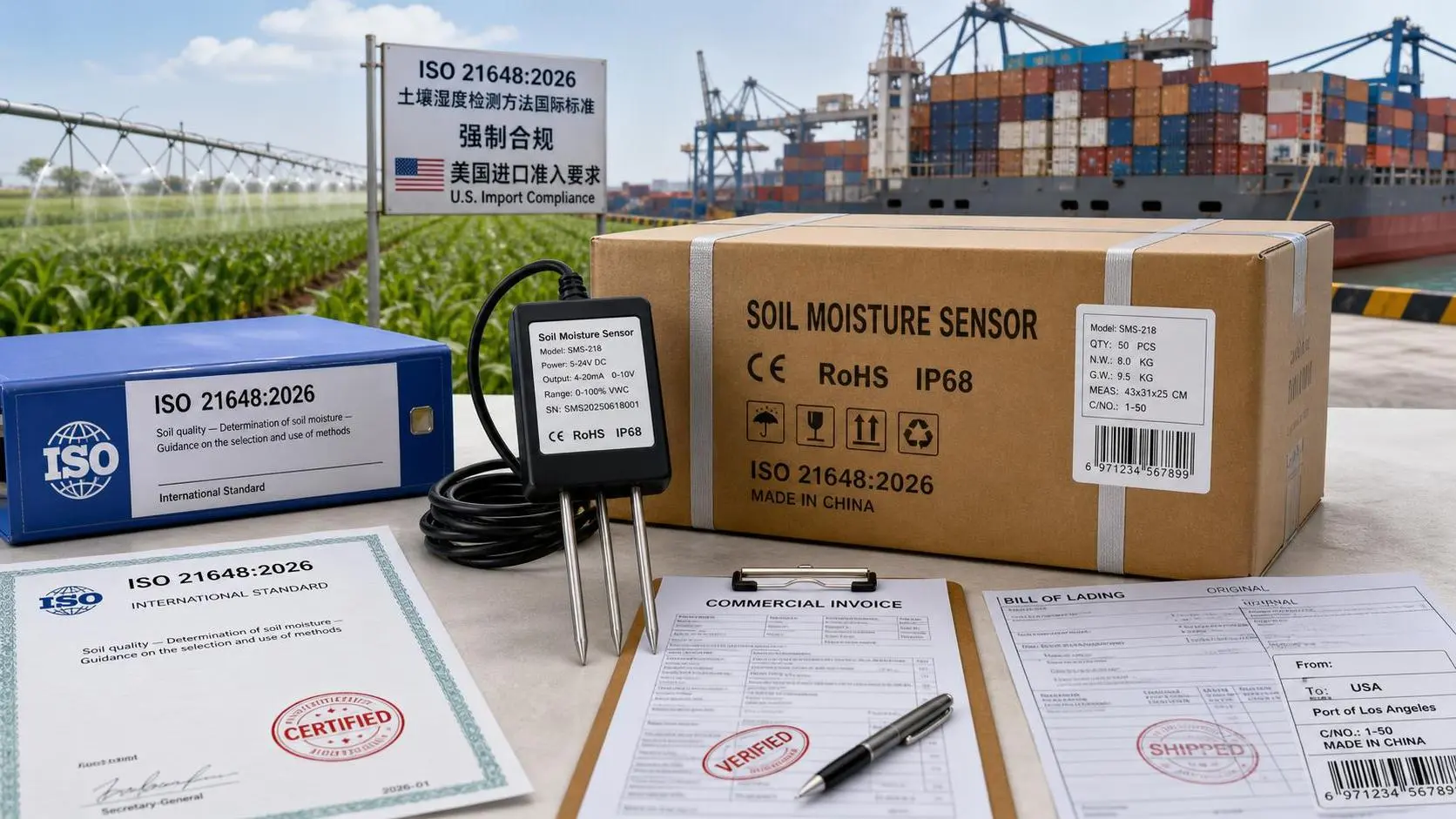
USDA Rule Makes ISO 21648:2026 Mandatory
USDA Rule Makes ISO 21648:2026 Mandatory for soil moisture sensors entering the U.S. Learn how the new USDA import compliance guide impacts certification, CBP entry, suppliers, and delivery plans.
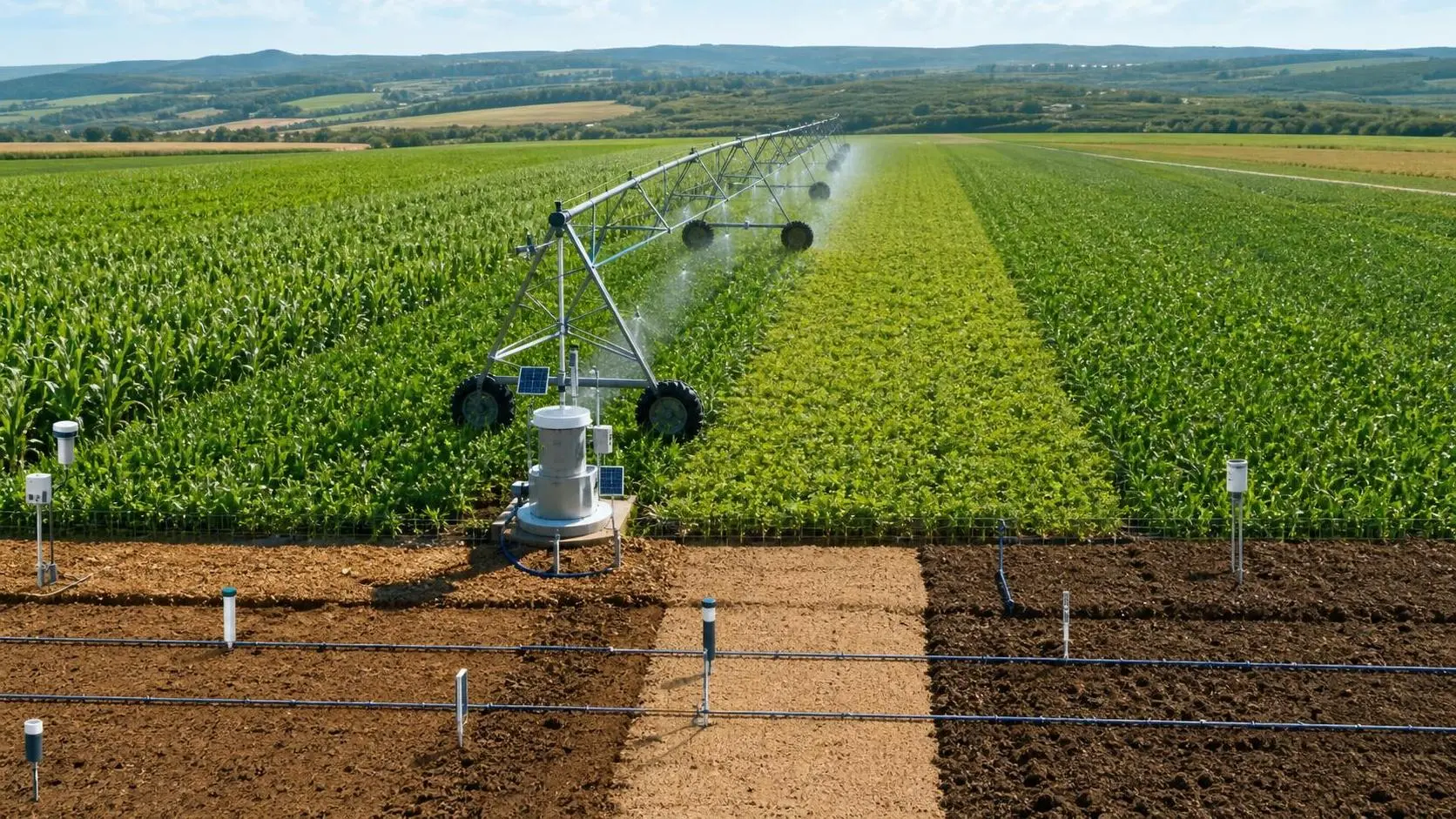
How Digital Farming Improves Irrigation Planning With Soil Data and GPS Mapping
Digital farming for irrigation planning turns soil data and GPS mapping into smarter watering decisions, helping farms reduce waste, improve field precision, and boost operational efficiency.
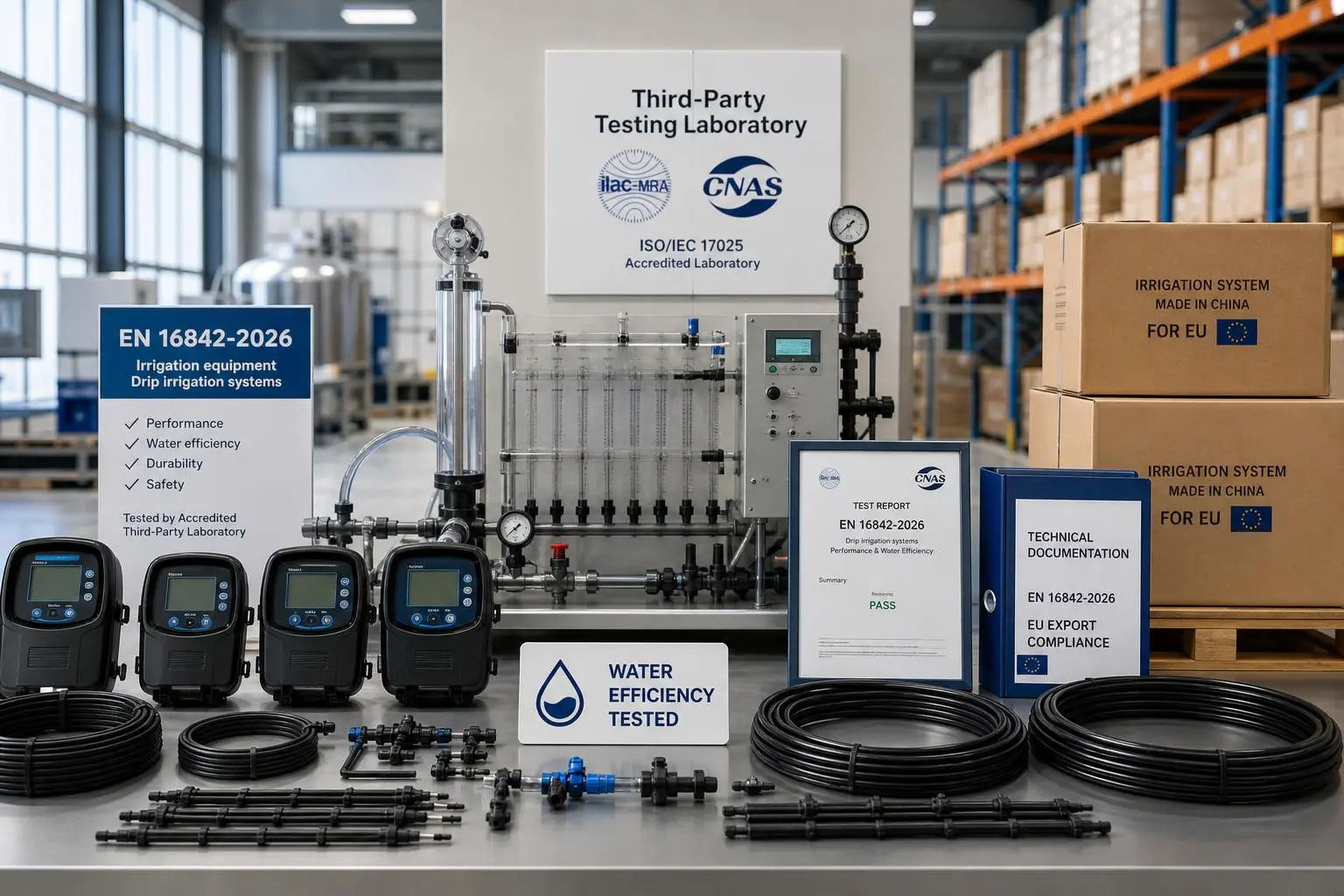
EU Rule Takes Effect: EN 16842-2026 Required for Drip Irrigation Logic Exports
EN 16842-2026 now makes third-party certification mandatory for Drip Irrigation Logic exports to the EU. Learn the compliance risks, customs impact, and supplier checks now.
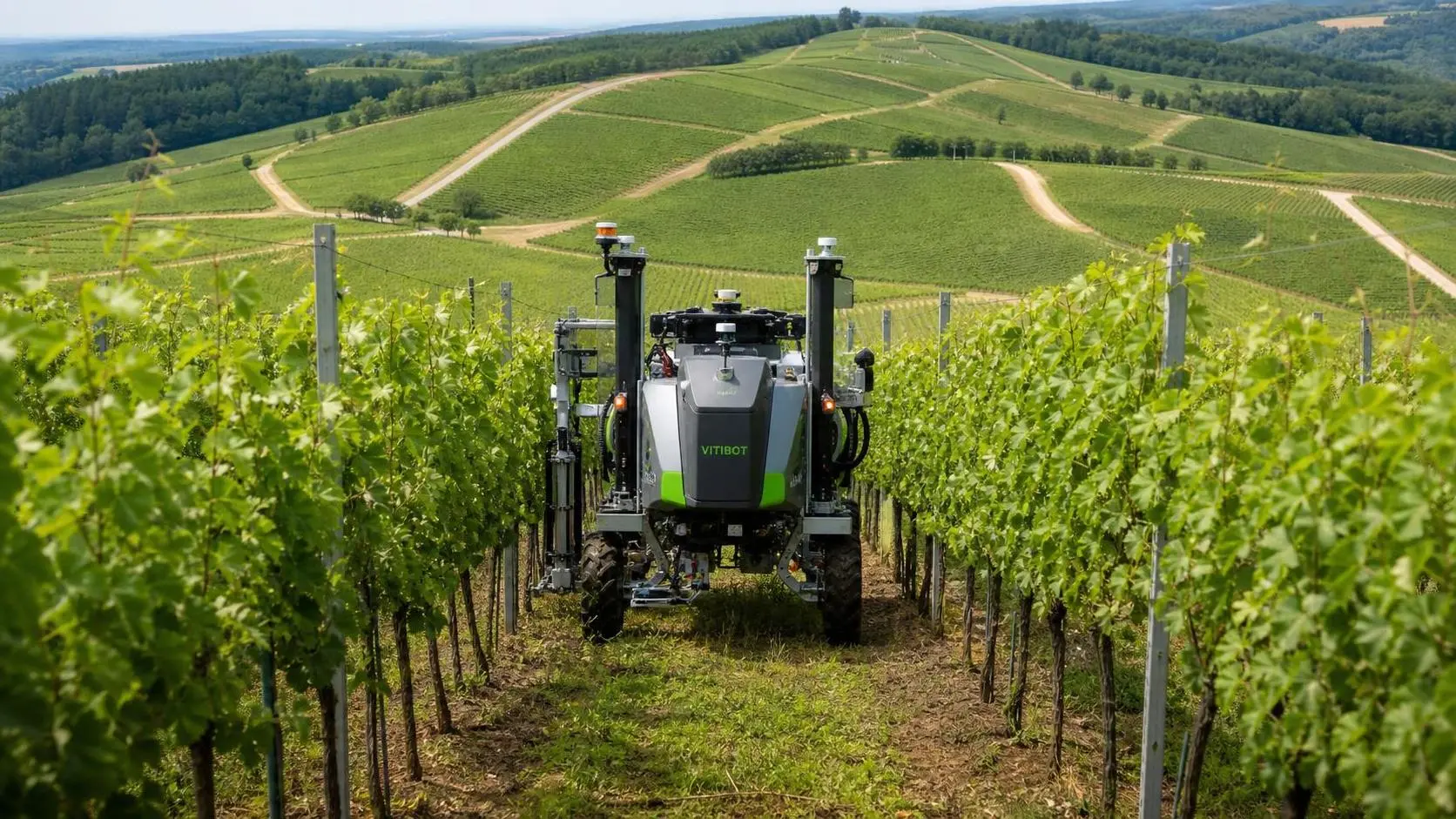
How to Evaluate Autonomous Machinery for Vineyards by Terrain, Tasks, and ROI
Autonomous machinery for vineyards: learn how to evaluate terrain fit, task suitability, safety, and ROI to choose the right solution and reduce procurement risk.
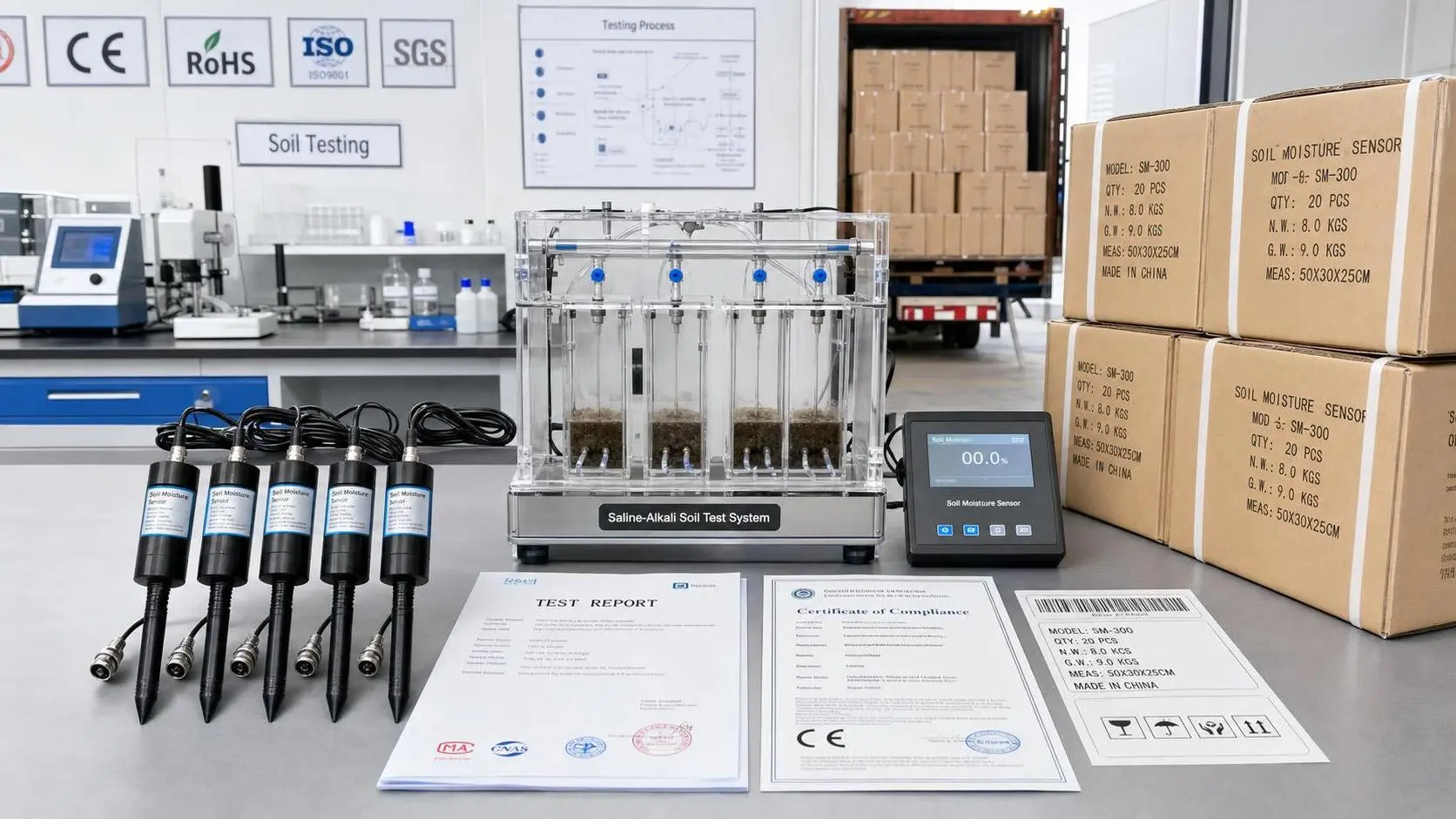
USDA Tightens Import Rules for Soil Moisture Sensors
Soil Moisture Sensors face new USDA import rules from Oct. 1, 2026. Learn how ISO 11274-3:2026 testing may impact customs clearance, lead times, and supplier planning.
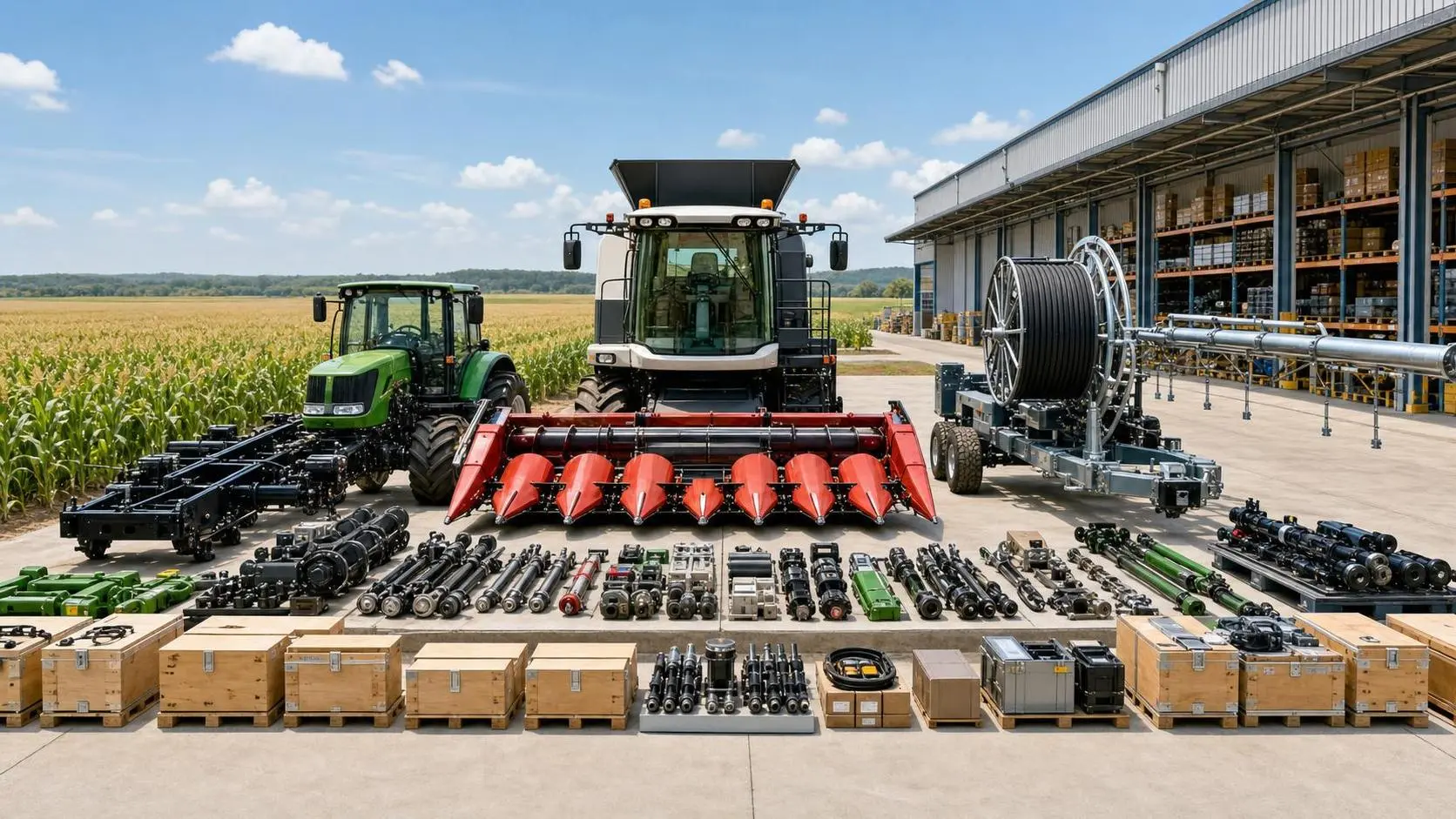
How to Use a Global Agricultural Equipment Directory to Compare Suppliers and Reduce Sourcing Risk
Agricultural equipment directory global sourcing starts with smarter supplier comparison. Learn how to assess fit, compliance, support, and market readiness to reduce sourcing risk.
Related News
- 00
0000-00
How to Use a Global Agricultural Equipment Directory to Compare Suppliers and Reduce Sourcing Risk - 00
0000-00
Spraying Equipment Industry Category Guide: Types, Applications, and Buying Factors - 00
0000-00
How to Evaluate a Farm Implements Exporter for Product Range, Compliance, and Delivery - 00
0000-00
How to Choose Agricultural Equipment for Farm Size, Crops, Terrain, and Budget - 00
0000-00
Market Insight Content: How to Track Price Trends and Spot Demand Shifts Early
Popular Tags
Ms. Elena Rodriguez
Weekly Insights
Stay ahead with our curated technology reports delivered every Monday.