
Sustainable Farming Practices That Improve Soil Health and Reduce Water Use
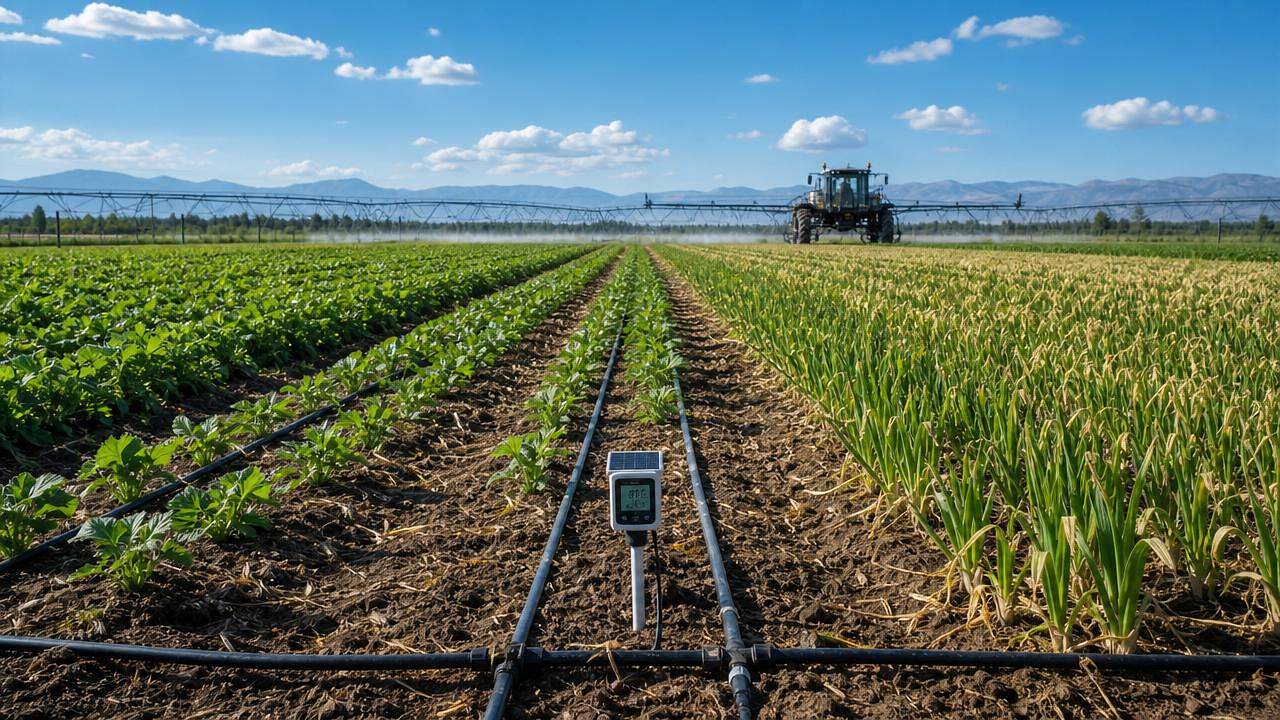




Why are sustainable farming practices getting so much attention now?
Sustainable farming practices matter because they connect productivity, resource efficiency, and long-term land performance in one system.
That combination is especially relevant when soil fatigue, water stress, and input volatility affect field decisions at the same time.
In practical terms, these methods improve soil structure, protect organic matter, and reduce unnecessary irrigation losses.
They also fit the wider Agriculture 4.0 shift, where machinery, sensors, and irrigation controls work from field data rather than guesswork.
This is why intelligence platforms such as AP-Strategy keep tracking the link between mechanization, precision farming, and sustainability standards.
The focus is no longer just higher yield per season. A more useful question is whether the field stays productive with less water and lower soil degradation.
What actually counts as sustainable farming practices in the field?
The term covers management choices that protect soil function while using water, energy, and inputs more carefully.
It is not one technology or one certification label. More often, it is a stack of practices that reinforce each other.
- Reduced or conservation tillage to limit soil disturbance
- Cover crops to protect bare ground and feed soil biology
- Crop rotation to break pest cycles and diversify root activity
- Precision irrigation to match water delivery with crop demand
- Variable-rate nutrient application guided by field data
- Controlled traffic or lighter passes to reduce compaction
Notice that some practices are biological, while others depend on equipment settings, telemetry, and irrigation design.
That is where large-scale agri-machinery and intelligent farm tools become part of the sustainability discussion.
A low-disturbance seeding pass, for example, only works well when chassis stability, depth control, and traffic planning are aligned.
How do these practices improve soil health instead of just reducing inputs?
Healthy soil is not simply soil with more fertilizer. It holds water better, resists crusting, supports roots, and stays biologically active.
Sustainable farming practices improve those qualities by protecting aggregates and feeding below-ground life over time.
Reduced tillage leaves pore networks more intact. Cover crops add residue and root channels. Rotation lowers repetitive stress from single-crop systems.
When soil structure improves, infiltration usually improves as well. That means rainfall enters the root zone more effectively instead of running off.
Another overlooked factor is compaction control. Heavy equipment is essential, but repeated passes under poor conditions can compress the soil profile.
This is why AP-Strategy often frames sustainability through machine performance, transmission control, and traffic management, not only through agronomy terms.
The soil response becomes clearer when machinery, field timing, and residue management are evaluated together.
A quick way to judge field impact
The table below summarizes how common sustainable farming practices influence soil and water outcomes in real operations.
Can sustainable farming practices really reduce water use at scale?
Yes, but usually not through one change alone. Water savings appear when soil management and irrigation management start reinforcing each other.
If the soil absorbs and stores water better, irrigation schedules can become more precise and less frequent.
If irrigation systems respond to moisture data and crop stage, the field receives water when it is useful, not simply when it is available.
That is why smart drip networks, variable-rate application, and transpiration models are attracting attention across the agri-equipment sector.
In many regions, the main waste is not leakage alone. It is poor timing, uneven distribution, and shallow assumptions about crop need.
Sustainable farming practices reduce those losses by combining three layers of control:
- Better soil retention through residue and organic matter management
- Better irrigation accuracy through sensors and scheduling tools
- Better machine execution through stable passes and lower disturbance
In other words, water efficiency is often a systems result, not a single-device result.
Where do people misjudge implementation, costs, or timelines?
A common mistake is expecting immediate results from every field and every season.
Some sustainable farming practices show quick water-use gains, especially when irrigation scheduling improves fast.
Soil health gains, however, often build gradually through repeated seasons of residue retention, rotation, and lower disturbance.
Another misjudgment is treating equipment upgrades as separate from field management. In reality, both sides affect the outcome.
For example, controlled traffic planning may require operational discipline more than major new capital spending.
By contrast, intelligent irrigation may need investment in controllers, sensors, and data interpretation.
The better question is not “What is the cheapest practice?” but “Which practice removes the most waste under current field limits?”
Signs that the rollout plan needs adjustment
- Residue levels rise, but seeding quality becomes inconsistent
- Sensor data is collected, but irrigation decisions still follow fixed calendars
- Compaction zones persist despite reduced tillage claims
- Water use declines, but yield variability increases without explanation
These signals usually point to coordination gaps rather than failure of sustainable farming practices themselves.
How should sustainable farming practices be evaluated before wider adoption?
Start with field-specific constraints instead of broad claims. Soil texture, rainfall pattern, irrigation method, and machinery footprint all matter.
It also helps to compare practices by measurable outcomes rather than by trend value.
A practical evaluation framework often includes:
- Infiltration and soil moisture consistency across representative zones
- Irrigation volume per growth stage instead of seasonal totals alone
- Traffic intensity, axle load, and pass frequency in sensitive periods
- Residue handling quality during planting and harvesting operations
- Yield stability, not only peak yield in favorable conditions
This is where AP-Strategy’s field intelligence perspective becomes useful. It connects machinery behavior, irrigation logic, and sustainability targets in a comparable framework.
That kind of comparison helps separate promising ideas from practices that look efficient on paper but fail under real operational pressure.
What is the clearest next step if the goal is healthier soil and lower water demand?
Begin with diagnosis, not slogans. Identify whether the bigger issue is runoff, compaction, evaporation loss, uneven irrigation, or weak rooting depth.
From there, match sustainable farming practices to the actual bottleneck.
If infiltration is poor, focus on soil structure and traffic control. If irrigation is wasteful, improve scheduling accuracy and distribution uniformity.
If both issues overlap, combine reduced disturbance, residue management, and smart irrigation monitoring in one phased plan.
The strongest results usually come from small, measurable changes that scale after field evidence is clear.
Sustainable farming practices are most effective when they are treated as an operating system for the field, not as isolated tactics.
For deeper evaluation, it makes sense to track machinery setup, irrigation data, and soil response together, then refine decisions season by season.
Related News
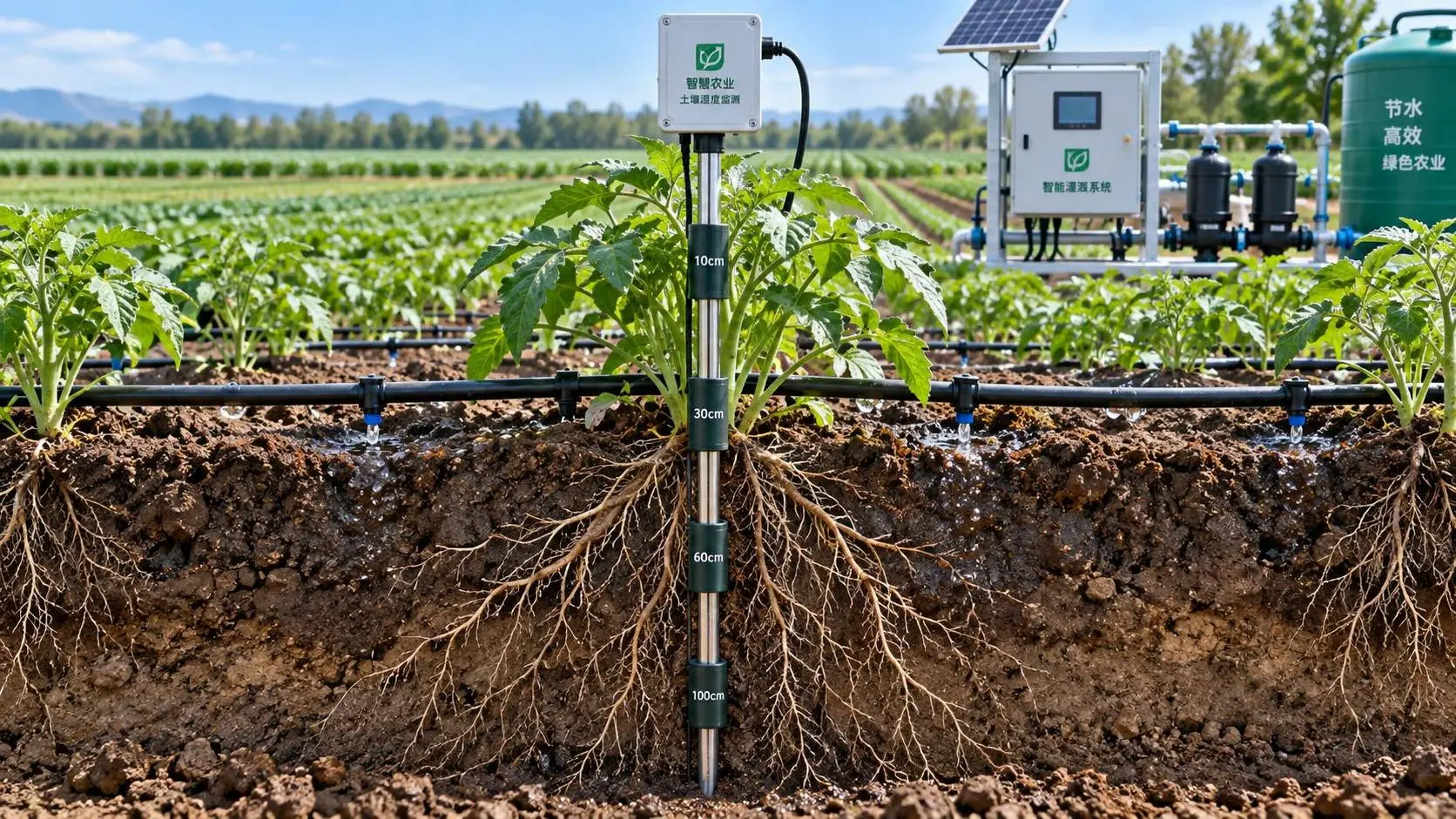
Selecting Real-Time Soil Moisture Sensors for Irrigation Zone Control
Soil moisture sensors real time: learn how to select reliable probes, optimize zone control, improve irrigation decisions, and scale precision water management.
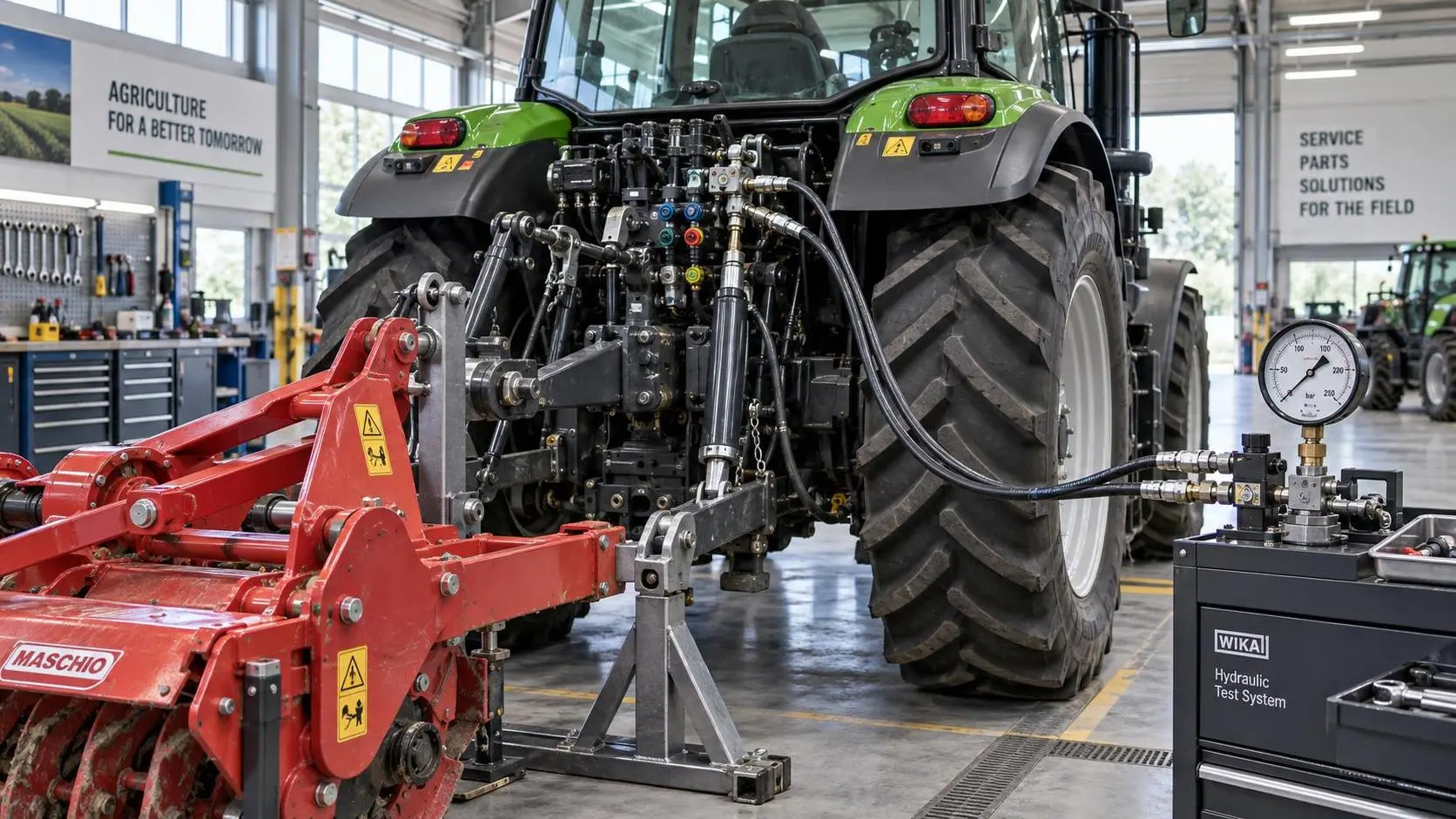
Tractor Hydraulic Systems Troubleshooting: Diagnosing Weak Lift and Slow Implements
Tractor hydraulic systems troubleshooting made practical: diagnose weak lifts and slow implements with proven pressure, flow, valve, and oil-supply checks.
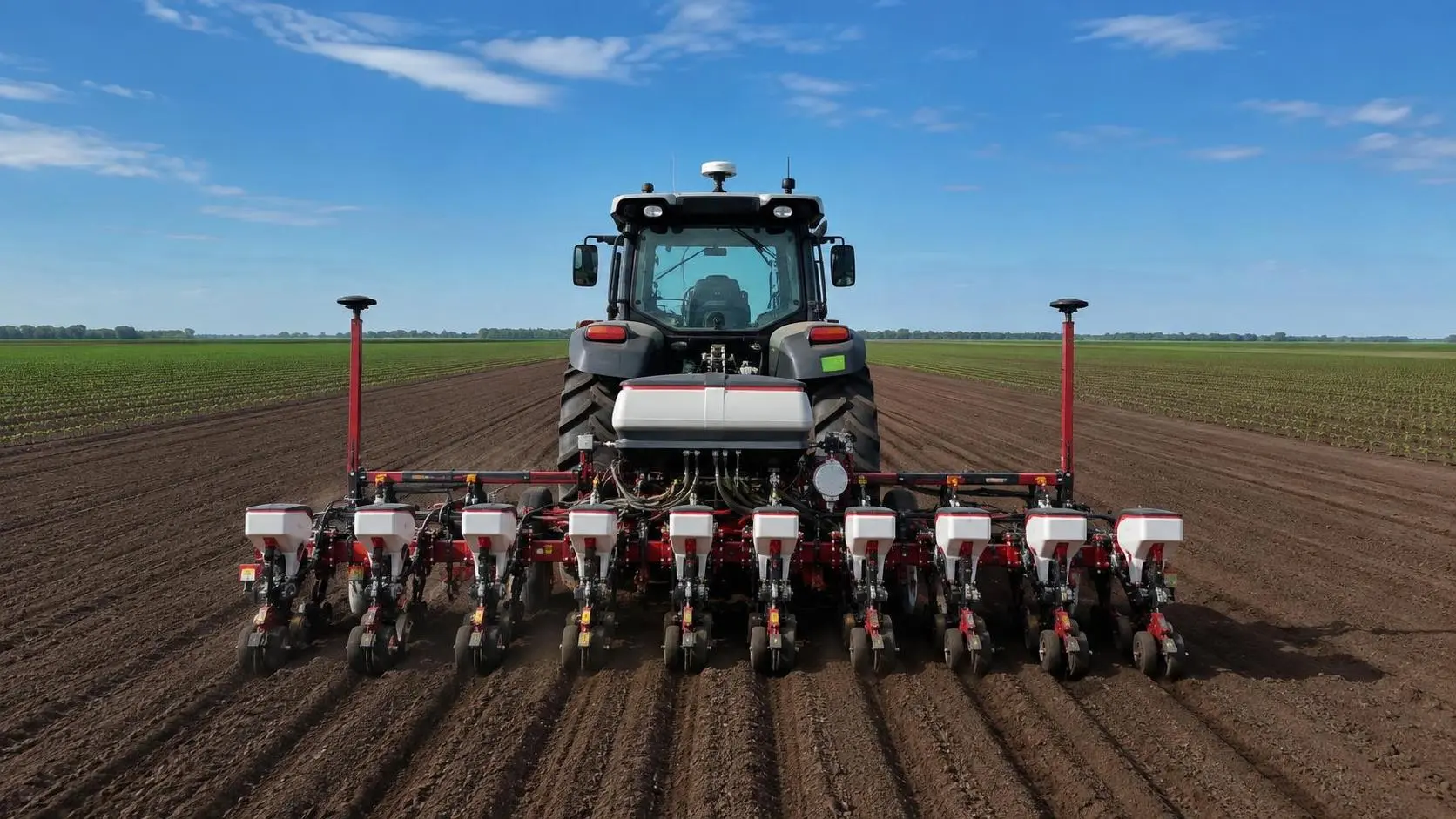
How Tractor Intelligence Systems Improve Field Efficiency and Input Accuracy
Agricultural machinery intelligence for tractors improves field efficiency, input accuracy, data traceability, and implement control. Explore smarter evaluation strategies.
How to Evaluate Crop Monitoring System Manufacturers for Large-Scale Farms
Compare crop monitoring systems manufacturers for large-scale farms. Evaluate data quality, integration, durability, lifecycle costs, support, and pilots for smarter decisions.
Wireless Agricultural Automation for Remote Irrigation and Field Monitoring
Agricultural automation wireless solutions improve remote irrigation with reliable field data, local control, flow verification, and smarter monitoring. Explore resilient deployment strategies.
Agricultural Product Information Market Guide: Key Data for Sourcing Decisions
Agricultural product information market guide for smarter sourcing—compare machinery, irrigation, precision tools, lifecycle costs, and supplier risk.
Large-Scale Farm Equipment Cost Comparison: Price, Fuel, and Lifecycle Value
Large-scale farm equipment cost comparison: evaluate price, fuel, maintenance, downtime, and lifecycle value to choose tractors, combines, irrigation, and smart tools with confidence.
A Procurement Specification Preparation Example for Buying Farm Equipment
Procurement specification preparation example for farm equipment: learn to define requirements, compare suppliers, control lifecycle costs, and buy with confidence.
What Tractor Horsepower Is Needed for a Three-Bottom Moldboard Plow?
What tractor horsepower is needed for three-bottom moldboard plow? Compare 60–100 hp needs by soil, depth, traction, and plow width for a confident equipment match.
Related News
- 00
0000-00
How to Evaluate Crop Monitoring System Manufacturers for Large-Scale Farms - 00
0000-00
Agricultural Product Information Market Guide: Key Data for Sourcing Decisions - 00
0000-00
Large-Scale Farm Equipment Cost Comparison: Price, Fuel, and Lifecycle Value - 00
0000-00
A Procurement Specification Preparation Example for Buying Farm Equipment - 00
0000-00
Can Sustainable Farming Be Profitable Without Reducing Yields?
Popular Tags
Ms. Elena Rodriguez
Weekly Insights
Stay ahead with our curated technology reports delivered every Monday.