
How to Choose Sustainable Farming Equipment for Small and Mid-Size Farms
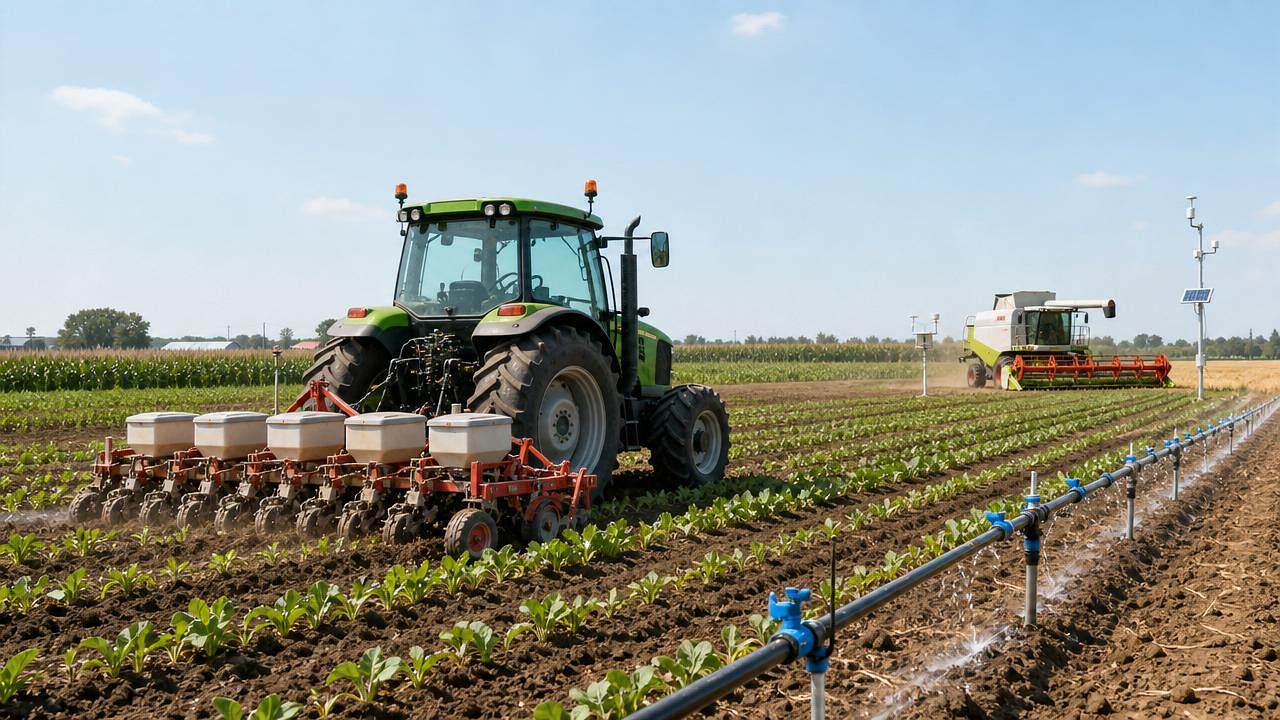




Choosing sustainable farming equipment has become a capital decision, not a branding exercise. For small and mid-size farms, every machine, irrigation line, and digital tool must balance field performance, operating cost, labor efficiency, and environmental pressure.
That shift matters because farms now buy into a tighter system. Fuel prices move quickly, water access is less predictable, labor remains constrained, and buyers increasingly expect traceable production standards.
In that context, sustainable farming equipment means more than low emissions. It refers to equipment that reduces waste, protects soil and water, supports precise input use, and still performs reliably during peak workloads.
Across the broader agri-equipment market, this is also where intelligence platforms such as AP-Strategy add value. Their focus on machinery performance, precision agriculture, and water-saving systems reflects how purchasing decisions now connect technology with long-term resilience.
What sustainable equipment really means on the farm
The term often gets narrowed to electric tractors or cleaner engines. In practice, the definition is wider and more useful than that.
Sustainable farming equipment should lower resource intensity per hectare or per ton harvested. It should also fit the size, crop mix, and work rhythm of the operation.
A smaller planter with accurate section control may be more sustainable than a larger unit used inefficiently. A smart drip system may create more value than a headline-grabbing autonomous platform.
The key question is simple: does the equipment improve output quality while reducing avoidable losses in fuel, water, seed, fertilizer, crop, or labor time?
Why this topic is gaining urgency
Several pressures are converging at once. Farms must control costs while adapting to weather variability and tighter sustainability expectations from markets, lenders, and regulators.
At the same time, equipment technology is improving fast. Sensors, variable-rate systems, lighter chassis designs, efficient hydraulics, and irrigation automation are no longer limited to very large operations.
AP-Strategy’s coverage of tractor chassis, combine harvesting, intelligent tools, and irrigation systems mirrors this reality. The market is no longer choosing between productivity and sustainability. It is trying to secure both.
That makes procurement more demanding. Decisions need to account for lifecycle value, compatibility, service support, and agronomic results, not just purchase price.
The main categories worth comparing
Most sustainable farming equipment decisions fall into a few practical groups. Each group affects a different part of resource efficiency.
This comparison matters because the best purchase mix often combines one durable core machine with selective precision upgrades, rather than replacing everything at once.
How to judge value beyond the sticker price
Lower-cost equipment can become expensive if it burns more fuel, causes overlap, compacts soil, or creates downtime during narrow operating windows.
A better approach is to score sustainable farming equipment against total operational impact. That includes direct costs, field outcomes, and long-term risk.
Focus on five cost layers
- Acquisition cost, including attachments, software licenses, and installation
- Operating cost, especially fuel, energy, water, and consumables
- Labor cost, including setup time, operator learning, and seasonal staffing pressure
- Maintenance cost, with attention to wear parts, service intervals, and local parts availability
- Loss cost, such as crop damage, grain loss, runoff, overapplication, and avoidable passes
The last item is often underestimated. In harvesting, for example, small percentage losses can outweigh modest fuel savings. In irrigation, uneven distribution can erase the value of a cheaper system.
Fit matters more than size
Small and mid-size farms usually operate across mixed conditions. Field shape, soil variability, crop rotation, and storage capacity can differ sharply within one business.
That is why sustainable farming equipment should be matched to real operating patterns, not only maximum capacity. Oversized machines can raise compaction, idle time, transport complexity, and financing pressure.
Undersized equipment creates another problem. It may force extra passes or delayed harvesting, which increases fuel use and threatens crop quality.
The strongest fit usually comes from matching machine width, engine power, tank size, and automation level to annual acres, crop calendar, and labor availability.
Useful fit questions
- Can the machine finish critical jobs within weather-sensitive windows?
- Will field conditions support its weight without repeated compaction damage?
- Does it work with current implements, guidance systems, and data platforms?
- Is service support close enough for peak-season reliability?
Where sustainability gains usually come from
In real operations, the biggest gains rarely come from a single headline feature. They come from reducing repeatable losses across the season.
For power equipment, efficient transmission and hydraulic control improve output per liter of fuel. For harvesting, better cleaning and monitoring reduce crop losses that are difficult to recover later.
For irrigation, pressure regulation, automated scheduling, and sensor feedback directly improve water productivity. AP-Strategy’s attention to transpiration models and intelligent water systems reflects how central irrigation efficiency has become.
Precision tools matter as well. Guidance systems, prescription application, and sensor-based adjustments reduce overlap and improve timing, which turns sustainability goals into measurable field practice.
Signals of good equipment in supplier comparisons
Supplier documents often emphasize power, speed, or digital features. Those metrics matter, but they do not tell the full story.
When comparing sustainable farming equipment, stronger offers usually show a credible relationship between engineering design and agronomic outcome.
- Test data on fuel efficiency under field load, not only lab conditions
- Clear documentation on application accuracy, grain loss, or water distribution uniformity
- Open compatibility with farm management software and sensor networks
- Practical maintenance access and transparent wear-part schedules
- Evidence of local training, calibration support, and parts continuity
This is also where market intelligence becomes useful. Broader reporting on equipment trends, policy shifts, and commercial demand can help separate durable technologies from short-lived claims.
A practical way to build a decision path
A disciplined buying process keeps sustainability criteria tied to operational needs. It also prevents attractive features from distracting attention from farm constraints.
Start with the loss points in the current system. That could be fuel burn, irrigation inefficiency, harvest losses, labor bottlenecks, or poor application accuracy.
Then rank equipment options by how directly they solve those losses. A mid-price machine with stronger reliability and measurable savings is often the better strategic purchase.
It also helps to phase investment. One season may justify irrigation automation first. Another may favor a tractor upgrade, header improvement, or precision retrofit.
Decision checkpoints
- Measure current waste before comparing new equipment claims
- Ask for field-based performance evidence in comparable crops and conditions
- Calculate payback with labor, input, and loss reduction included
- Review software access, update policies, and ownership of operating data
- Prioritize systems that can scale with future precision upgrades
Moving from interest to a workable shortlist
The most useful next step is not to chase the broadest technology package. It is to create a shortlist around the few performance indicators that matter most in the field.
For some farms, sustainable farming equipment will mean lower-loss harvesting and efficient tractor power. For others, the priority will be smart irrigation, precise input placement, or reduced soil disturbance.
The common thread is disciplined selection. Strong purchases connect machine capability, agronomic need, service support, and measurable resource savings.
A clear evaluation matrix, backed by market intelligence and field-level evidence, turns sustainable farming equipment from a broad concept into a practical investment standard.
Related News
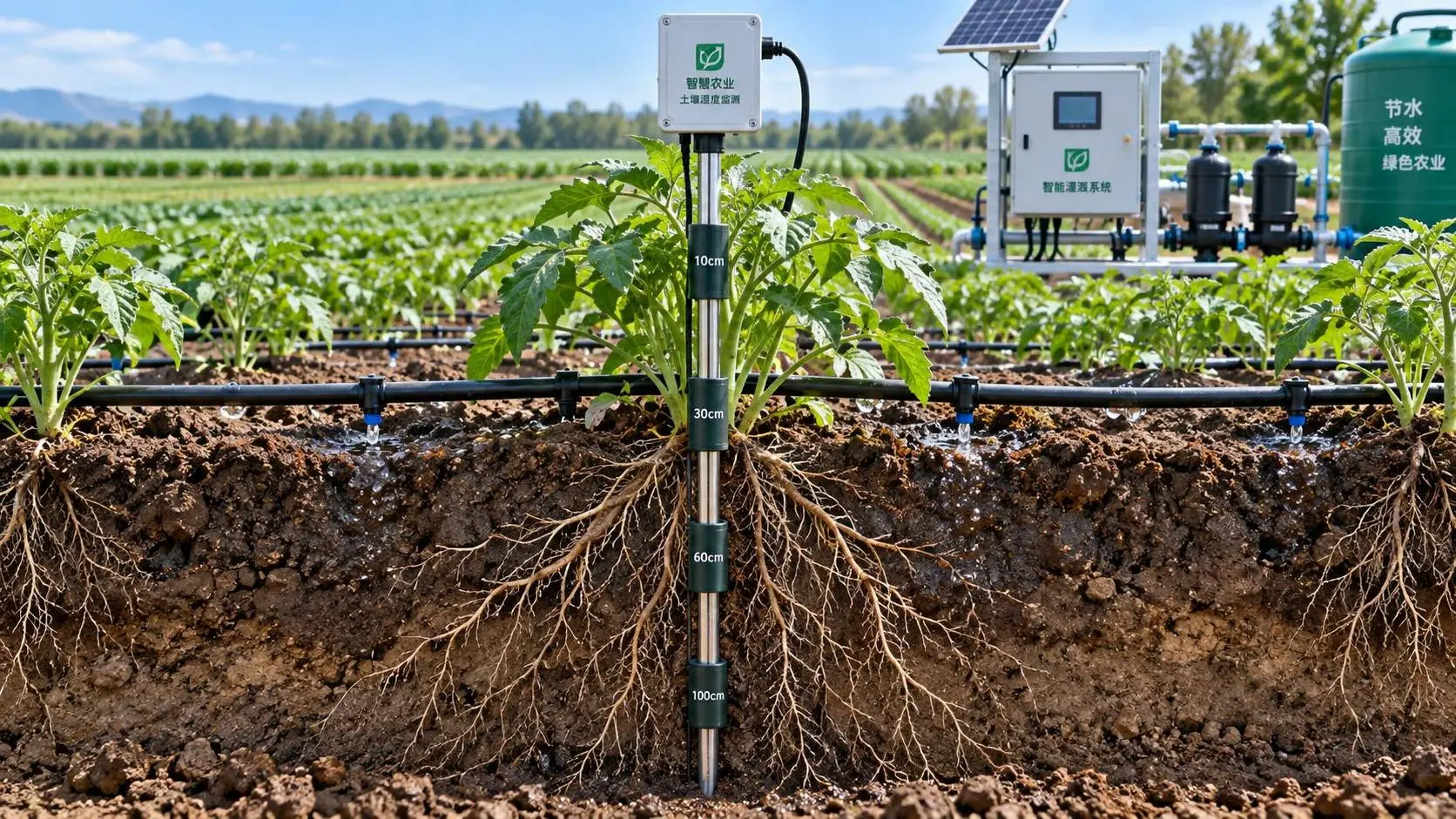
Selecting Real-Time Soil Moisture Sensors for Irrigation Zone Control
Soil moisture sensors real time: learn how to select reliable probes, optimize zone control, improve irrigation decisions, and scale precision water management.
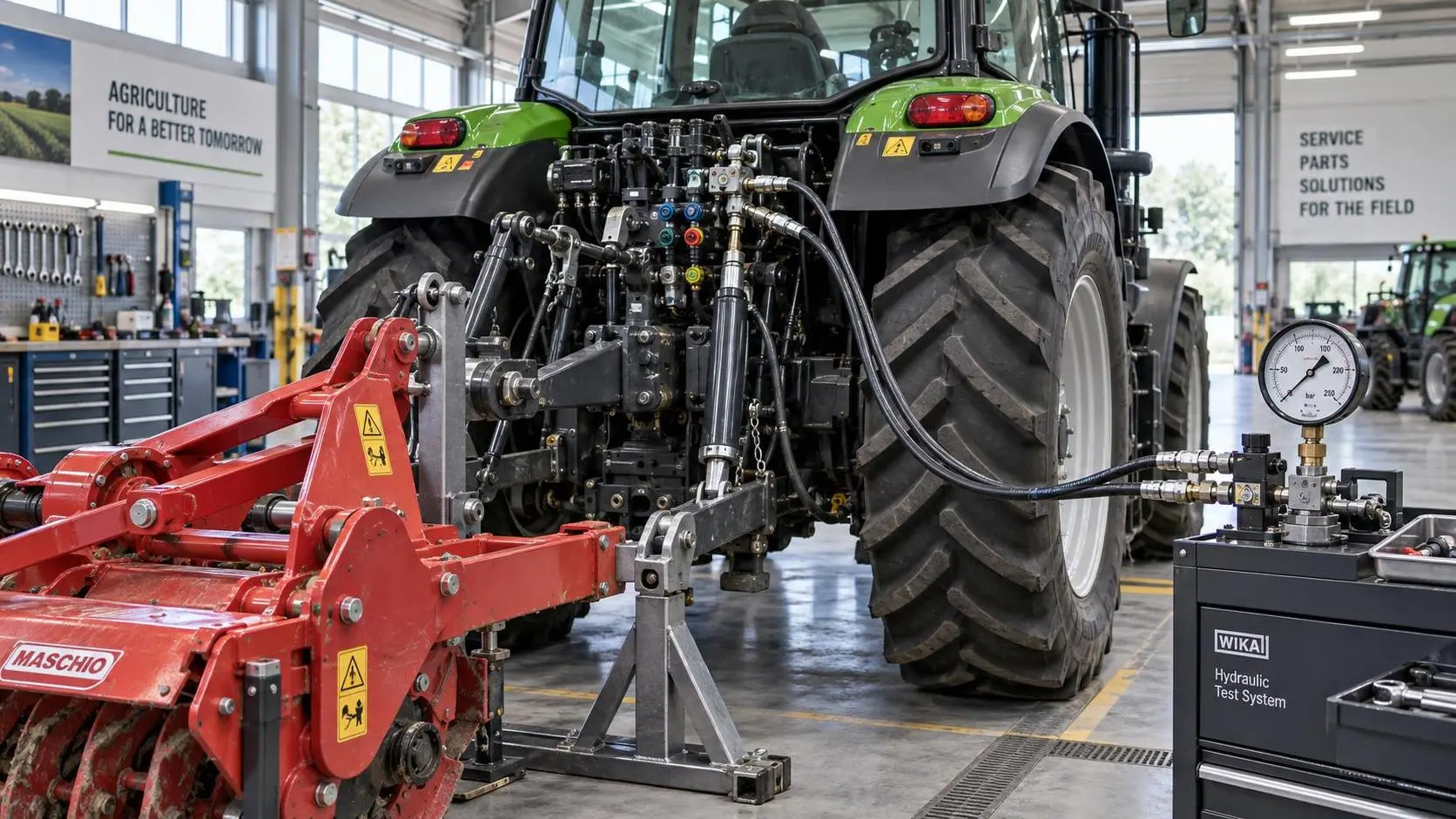
Tractor Hydraulic Systems Troubleshooting: Diagnosing Weak Lift and Slow Implements
Tractor hydraulic systems troubleshooting made practical: diagnose weak lifts and slow implements with proven pressure, flow, valve, and oil-supply checks.
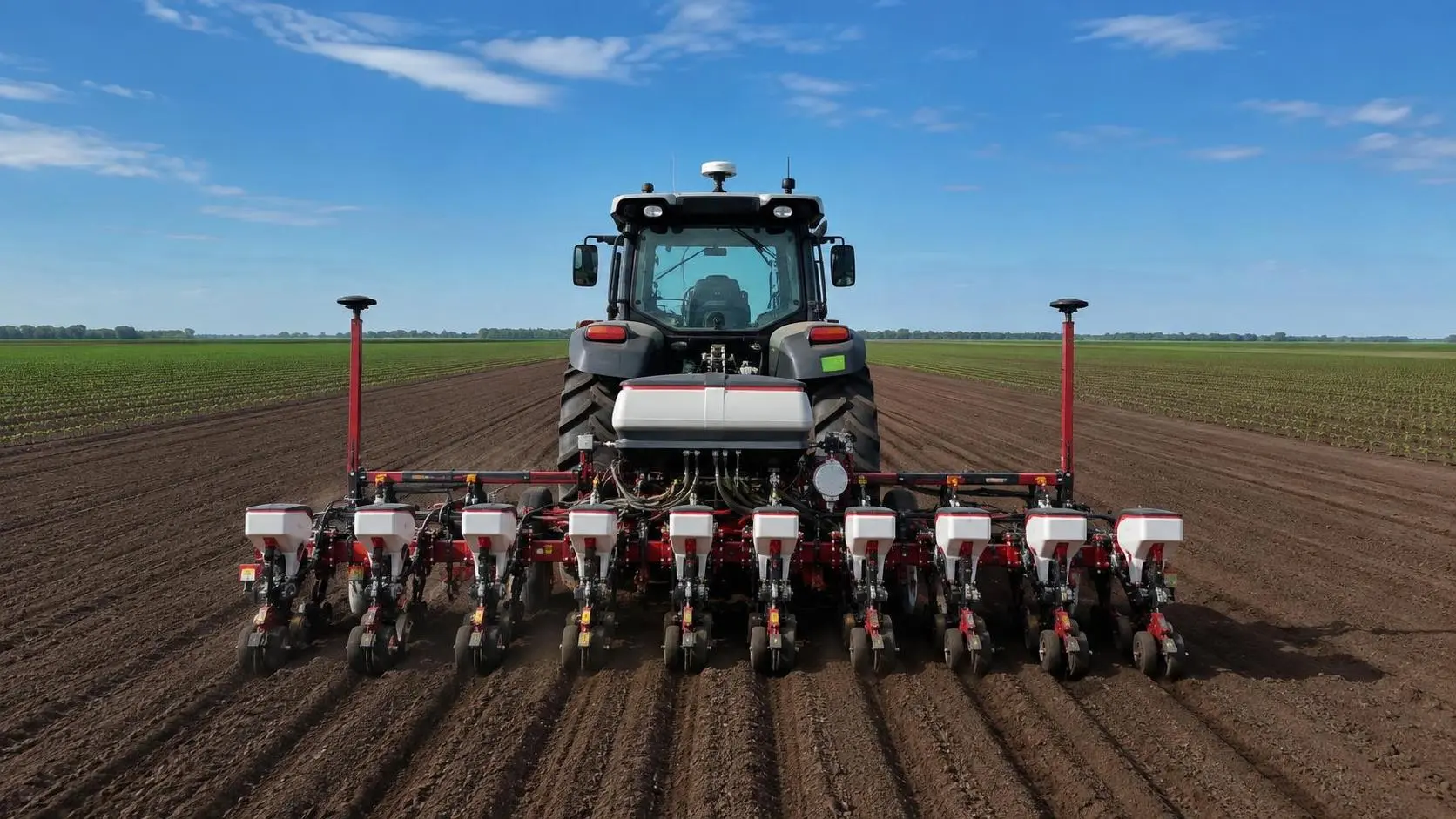
How Tractor Intelligence Systems Improve Field Efficiency and Input Accuracy
Agricultural machinery intelligence for tractors improves field efficiency, input accuracy, data traceability, and implement control. Explore smarter evaluation strategies.
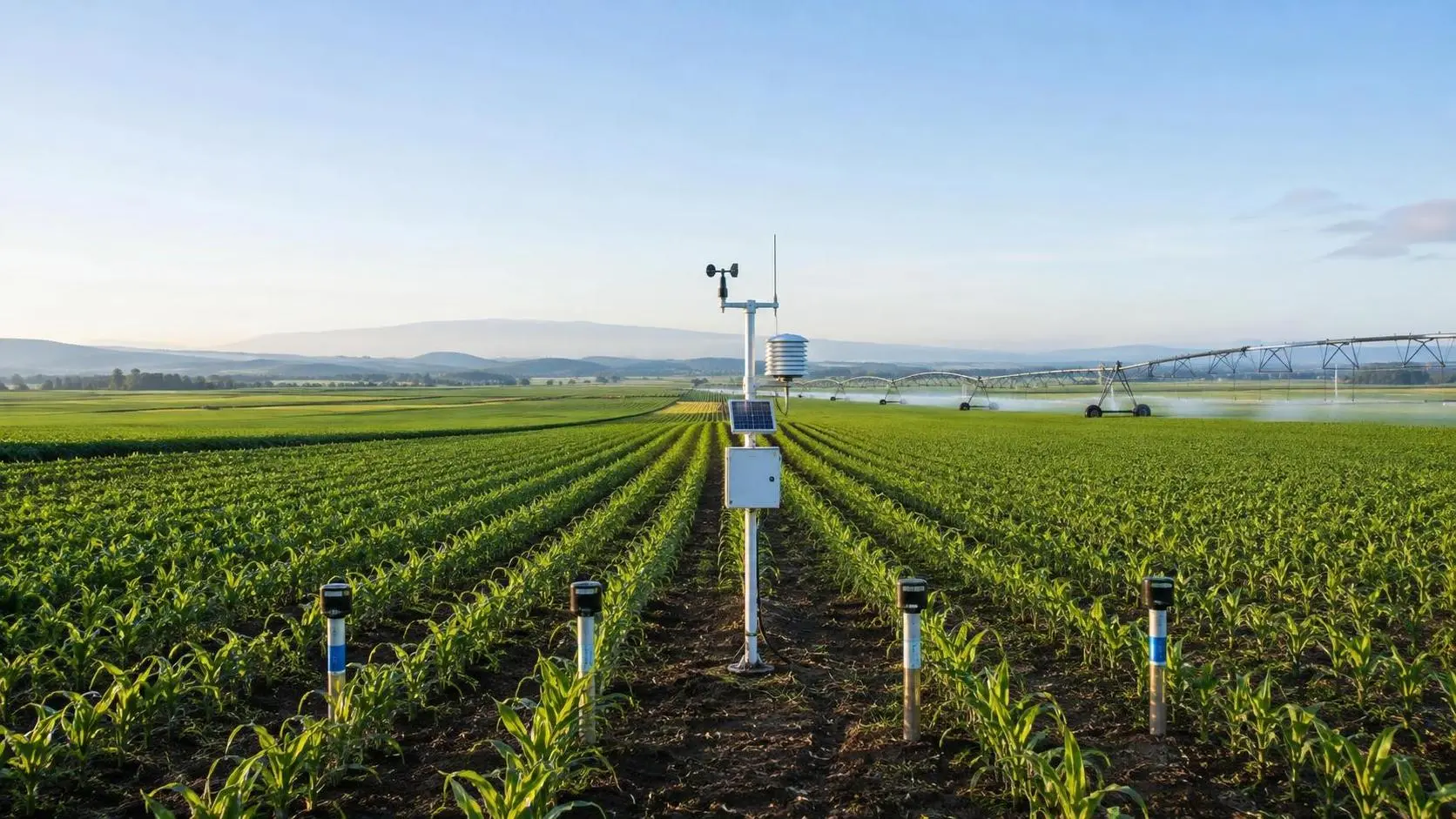
How to Evaluate Crop Monitoring System Manufacturers for Large-Scale Farms
Compare crop monitoring systems manufacturers for large-scale farms. Evaluate data quality, integration, durability, lifecycle costs, support, and pilots for smarter decisions.
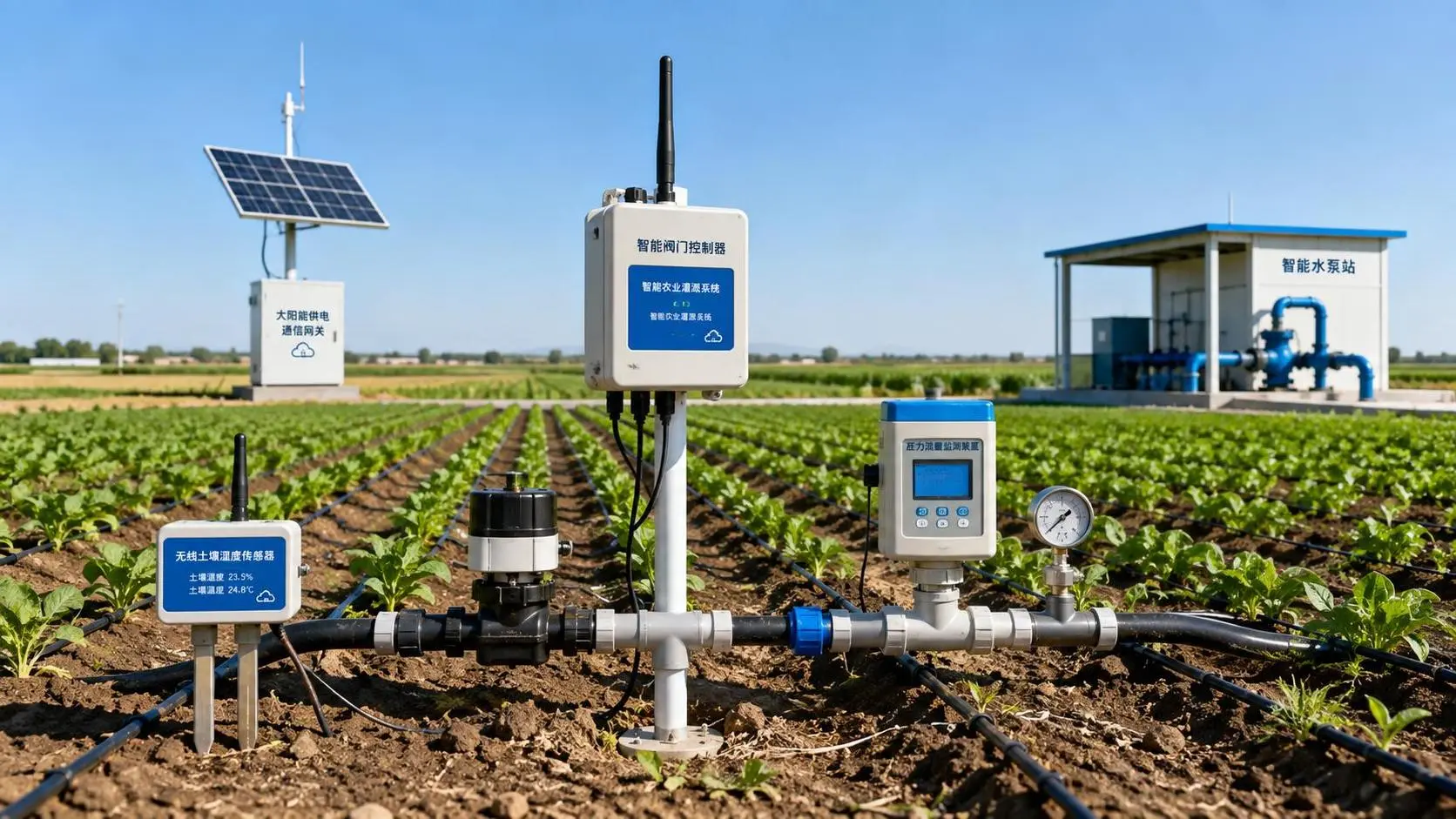
Wireless Agricultural Automation for Remote Irrigation and Field Monitoring
Agricultural automation wireless solutions improve remote irrigation with reliable field data, local control, flow verification, and smarter monitoring. Explore resilient deployment strategies.
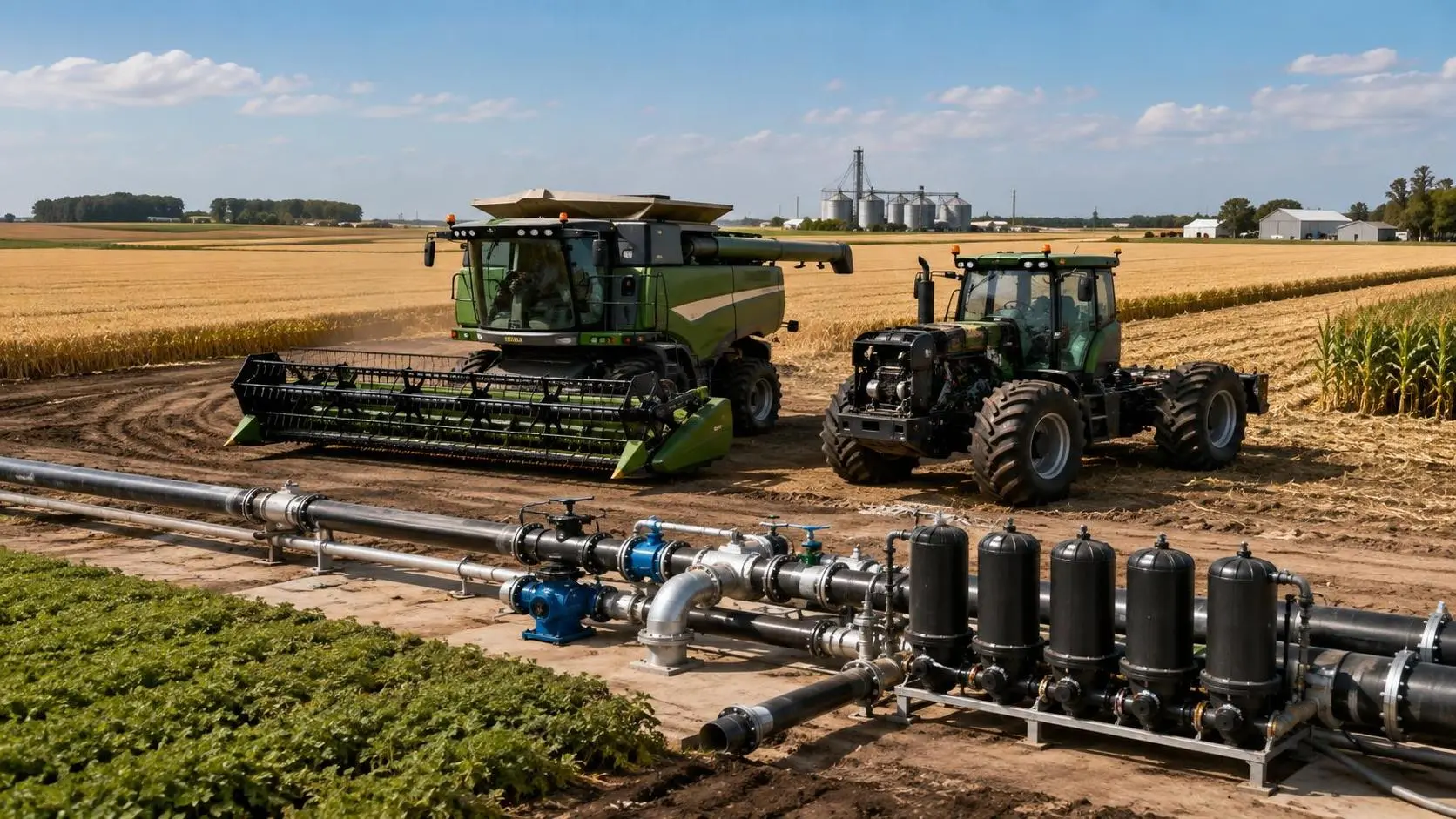
Agricultural Product Information Market Guide: Key Data for Sourcing Decisions
Agricultural product information market guide for smarter sourcing—compare machinery, irrigation, precision tools, lifecycle costs, and supplier risk.
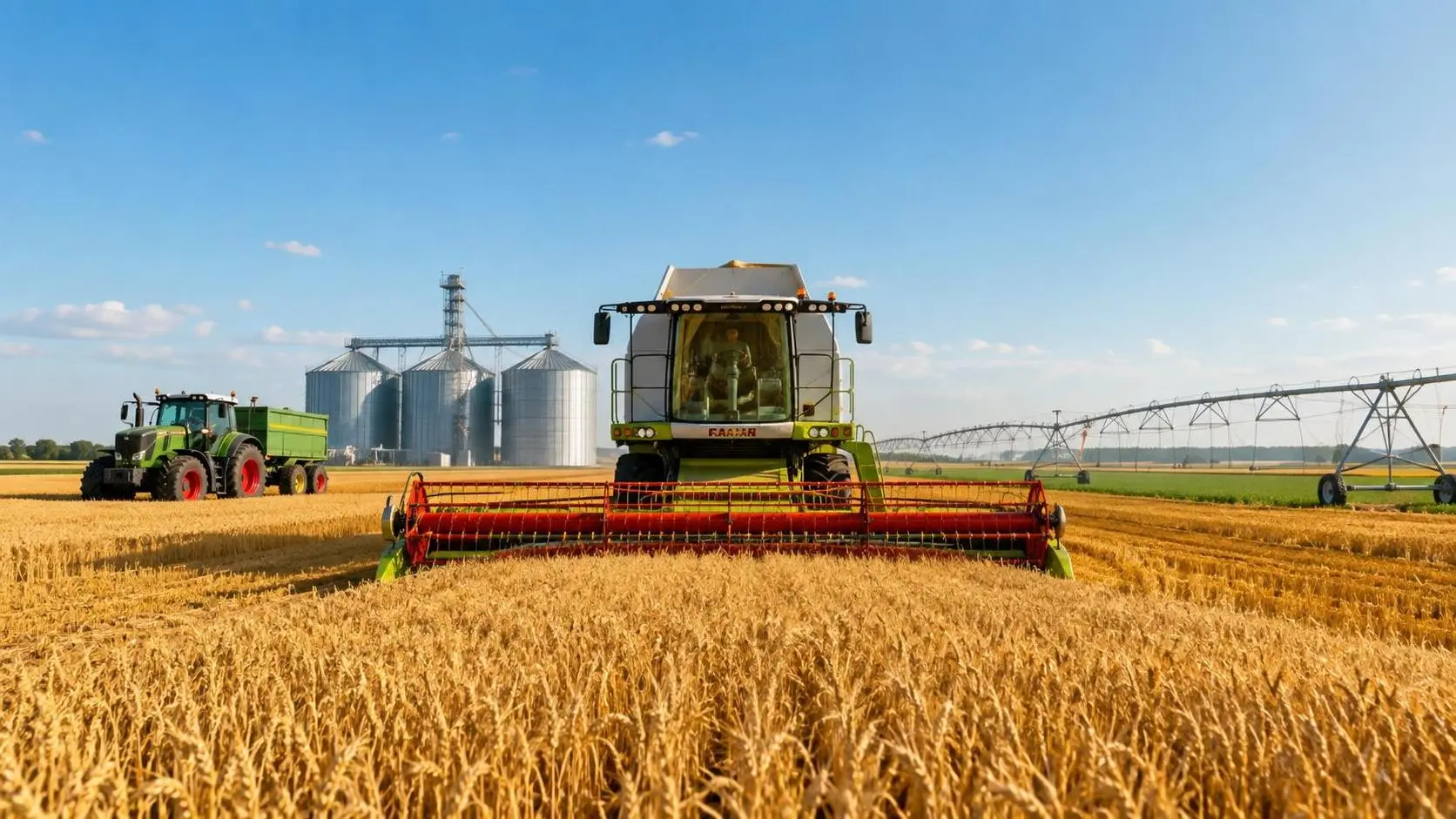
Large-Scale Farm Equipment Cost Comparison: Price, Fuel, and Lifecycle Value
Large-scale farm equipment cost comparison: evaluate price, fuel, maintenance, downtime, and lifecycle value to choose tractors, combines, irrigation, and smart tools with confidence.
A Procurement Specification Preparation Example for Buying Farm Equipment
Procurement specification preparation example for farm equipment: learn to define requirements, compare suppliers, control lifecycle costs, and buy with confidence.
What Tractor Horsepower Is Needed for a Three-Bottom Moldboard Plow?
What tractor horsepower is needed for three-bottom moldboard plow? Compare 60–100 hp needs by soil, depth, traction, and plow width for a confident equipment match.
Related News
- 00
0000-00
How to Evaluate Crop Monitoring System Manufacturers for Large-Scale Farms - 00
0000-00
Agricultural Product Information Market Guide: Key Data for Sourcing Decisions - 00
0000-00
Large-Scale Farm Equipment Cost Comparison: Price, Fuel, and Lifecycle Value - 00
0000-00
A Procurement Specification Preparation Example for Buying Farm Equipment - 00
0000-00
Can Sustainable Farming Be Profitable Without Reducing Yields?
Popular Tags
Ms. Elena Rodriguez
Weekly Insights
Stay ahead with our curated technology reports delivered every Monday.