
What Do Precision Ag Scientists Actually Do in Modern Farm Technology?
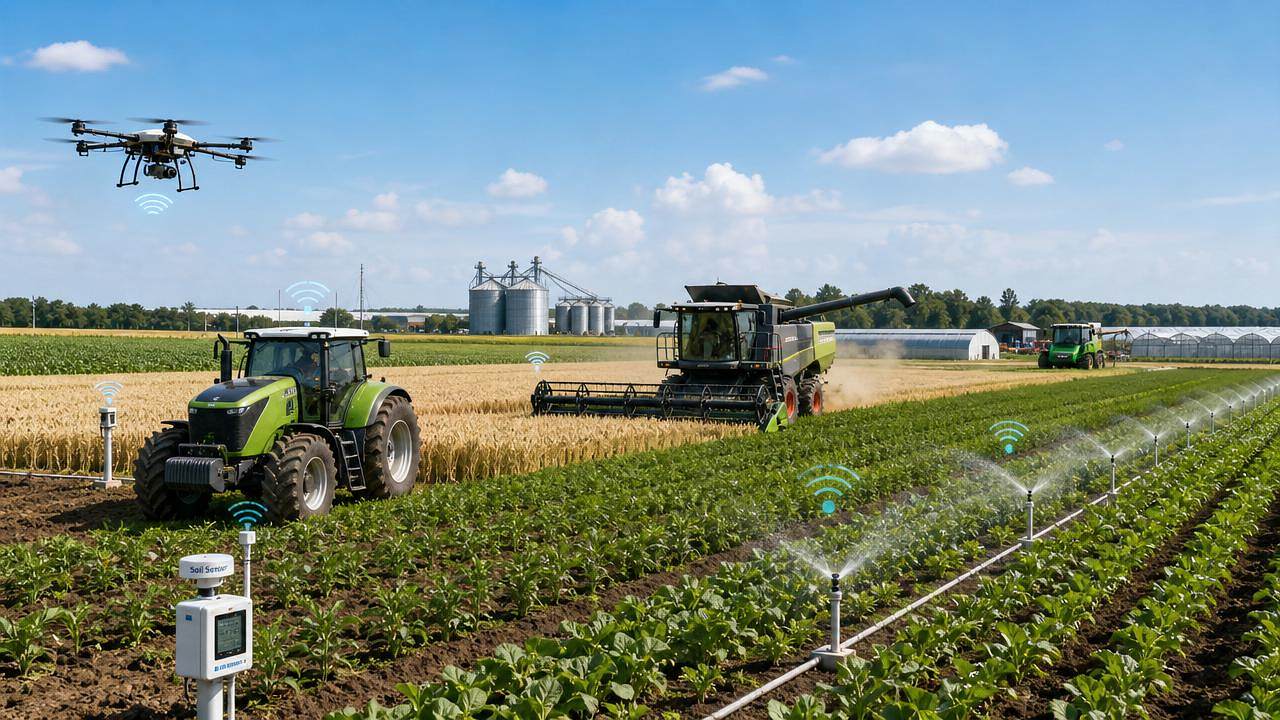




What do precision ag scientists actually do, beyond the buzzwords?
Precision ag scientists sit between field reality and digital decision-making.
They do not simply collect data.
They translate soil variation, machine behavior, crop response, and weather risk into usable farm actions.
That is why the role matters in modern farm technology.
A smart seeding map or irrigation schedule looks simple on screen.
Behind it, someone must test assumptions, clean sensor inputs, and judge whether a recommendation fits the field.
In practice, precision ag scientists combine agronomy, geospatial analysis, machinery knowledge, and predictive modeling.
Their work supports yield stability, input efficiency, harvest quality, and water management.
This is also why platforms such as AP-Strategy pay close attention to them.
In Agriculture 4.0, farm performance depends on linking equipment intelligence with field biology and sustainability targets.
Precision ag scientists help make that link credible, measurable, and operational.
Where does their work show up on an actual farm?
A common misunderstanding is that precision ag scientists only work with software dashboards.
More often, their value appears in very physical farm decisions.
They help decide where variable-rate seeding makes sense.
They evaluate whether fertilizer zones reflect real crop potential.
They check if harvester loss data points to machine adjustment or field moisture variation.
They also support irrigation timing by combining evapotranspiration models with local sensor feedback.
On large farms, this work becomes even more important.
Once field size grows, small inefficiencies multiply across labor, fuel, water, and crop protection passes.
- During planting, they refine population maps based on soil texture, drainage, and historical yield layers.
- During the season, they analyze imagery, scouting records, and sensor signals for stress patterns.
- During harvest, they compare machine output, grain loss, and moisture to improve settings and logistics.
- After harvest, they review results and rebuild prescriptions for the next cycle.
In short, precision ag scientists work across the full production loop, not at one isolated stage.
Are they data analysts, agronomists, or machinery specialists?
The honest answer is that they borrow from all three.
That mix is exactly what makes precision ag scientists different from a single-discipline expert.
A pure agronomist may understand crop nutrition deeply.
A machinery engineer may understand hydraulic control or header performance.
A data analyst may build strong models.
Precision ag scientists connect these pieces and ask one practical question:
Will this recommendation improve field outcomes under real operating conditions?
That is especially relevant in sectors tracked by AP-Strategy.
Large-scale agri-machinery, combine harvesters, intelligent tools, and water-saving irrigation all generate data.
But data alone does not create value.
Someone must relate engine load, cleaning loss, soil moisture, and satellite positioning to field decisions.
That is where precision ag scientists become central.
This table also shows why precision ag scientists are not doing abstract science.
They are making field intelligence usable.
What technologies do precision ag scientists rely on most?
The toolset is broad, but the logic is consistent.
They use technologies that improve measurement, comparison, and prediction.
Satellite positioning is one foundation.
Without accurate location data, prescriptions and machine guidance lose precision quickly.
Remote sensing is another major layer.
Satellite and drone imagery can reveal plant stress, uneven vigor, or drainage patterns before they are obvious from the road.
Machine telematics also matter.
For combine harvesters and tractor chassis, operating data can expose fuel inefficiency, slip, losses, or unstable throughput.
Then come predictive models.
These models estimate crop response, water demand, disease risk, or performance under changing weather.
Still, one important point is often missed.
Precision ag scientists do not treat every model as truth.
They validate it against field records, local variability, and machinery constraints.
That judgment is what turns modern farm technology into something practical instead of merely impressive.
What mistakes do people make when judging this role?
The biggest mistake is assuming precision ag scientists are only there to maximize yield.
Yield matters, but it is not the only target.
In many cases, they are balancing yield, input cost, machine efficiency, water availability, and sustainability pressure at the same time.
Another mistake is trusting raw data too quickly.
Field sensors drift.
Yield monitors need calibration.
Maps can look precise while hiding weak assumptions.
That is why good precision ag scientists spend time on data quality, not just output graphics.
- They question whether field zones are agronomically meaningful.
- They check whether a machinery recommendation can be executed at scale.
- They compare short-term gains with long-term soil and water consequences.
- They watch for technology adoption gaps between equipment brands and data platforms.
This is one reason why strategic intelligence matters in the wider agri-equipment market.
Observing only machine specifications is not enough.
The stronger question is whether the machine can support better decisions in the field.
How can you tell whether precision ag science is creating real value?
A useful test is to look for measurable changes, not attractive dashboards.
Real value usually appears in tighter decision cycles and fewer hidden losses.
For example, a stronger seeding strategy should improve stand consistency in target zones.
A better irrigation model should reduce unnecessary water application without stressing the crop.
A smarter harvest analysis should lower grain loss or stabilize machine throughput.
The most reliable indicators are usually specific.
- Fewer rework passes caused by poor prescriptions
- Better alignment between field zones and actual crop response
- Lower combine losses in difficult moisture conditions
- Improved water-use efficiency during heat stress periods
- Faster comparison of field performance across seasons
In practical terms, precision ag scientists create value when they reduce uncertainty.
They help farms decide what to scale, what to test, and what to stop doing.
Why is this role becoming more visible in Agriculture 4.0?
Modern agriculture is producing more connected signals than ever before.
Machinery platforms, irrigation networks, remote sensing tools, and policy pressures are all moving together.
That creates opportunity, but also confusion.
Precision ag scientists help interpret which signals deserve action.
This explains their growing importance in intelligence ecosystems such as AP-Strategy.
When a portal tracks combine technology, tractor systems, precision tools, and smart irrigation together, it needs people who understand their shared logic.
That shared logic is field performance under real constraints.
So, what do precision ag scientists actually do in modern farm technology?
They turn scattered measurements into better timing, better rates, better machine settings, and better risk control.
If you are evaluating this field, the next step is not to chase every new tool.
Start by mapping decisions that matter most.
Then compare which data sources, models, and equipment signals can improve those decisions reliably.
That is usually the clearest way to understand where precision ag scientists make the biggest difference.
Related News
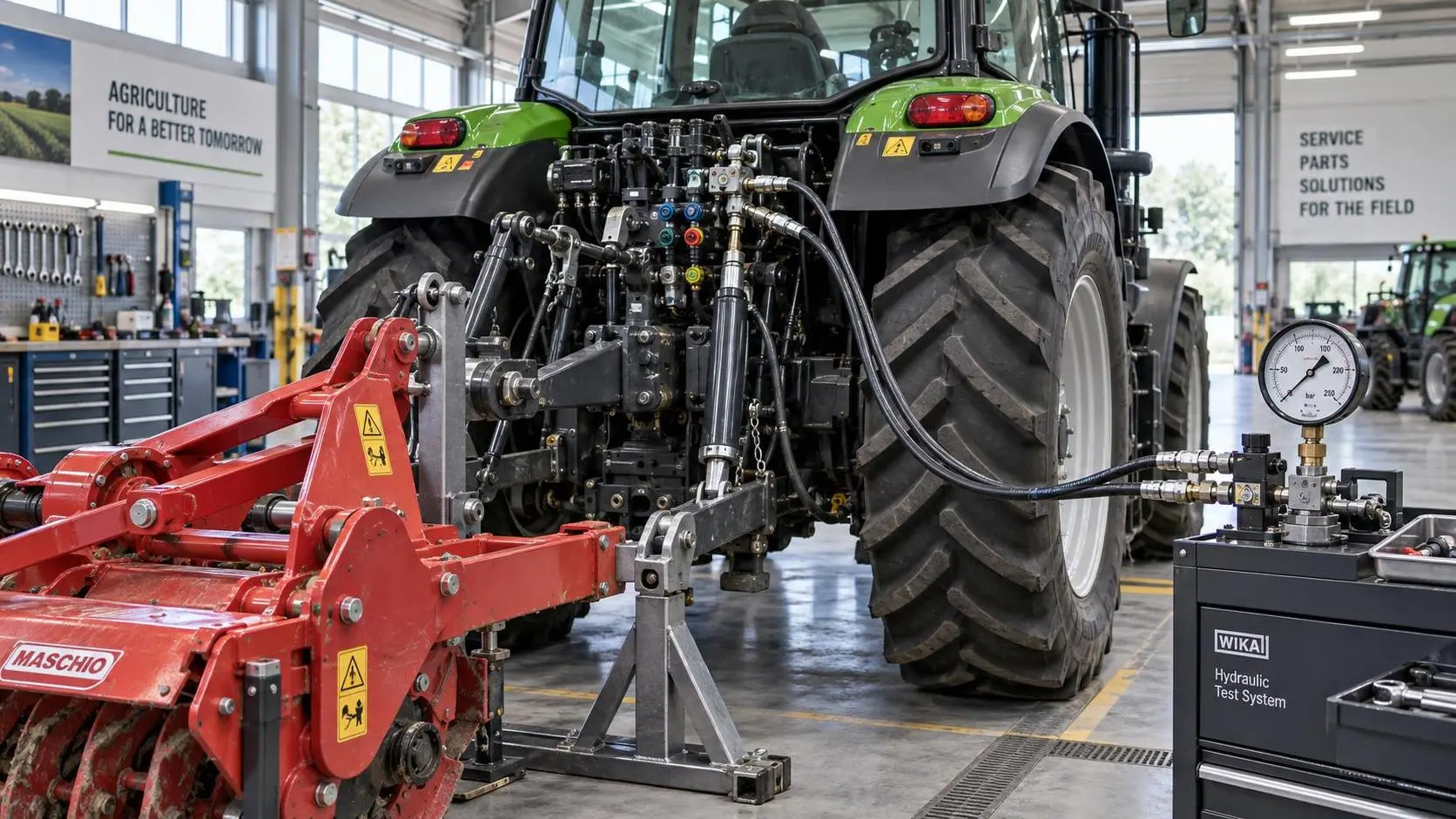
Tractor Hydraulic Systems Troubleshooting: Diagnosing Weak Lift and Slow Implements
Tractor hydraulic systems troubleshooting made practical: diagnose weak lifts and slow implements with proven pressure, flow, valve, and oil-supply checks.
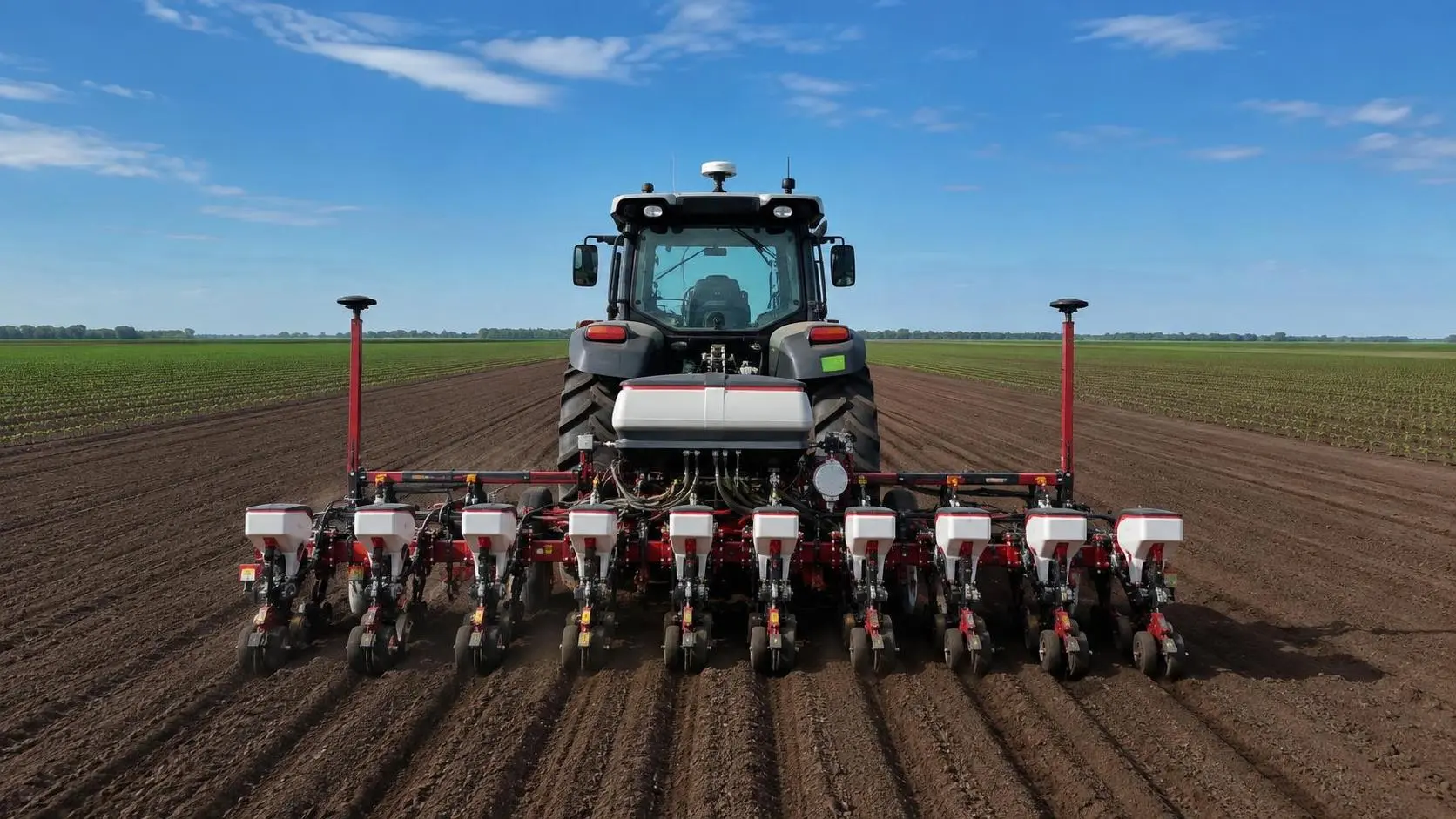
How Tractor Intelligence Systems Improve Field Efficiency and Input Accuracy
Agricultural machinery intelligence for tractors improves field efficiency, input accuracy, data traceability, and implement control. Explore smarter evaluation strategies.
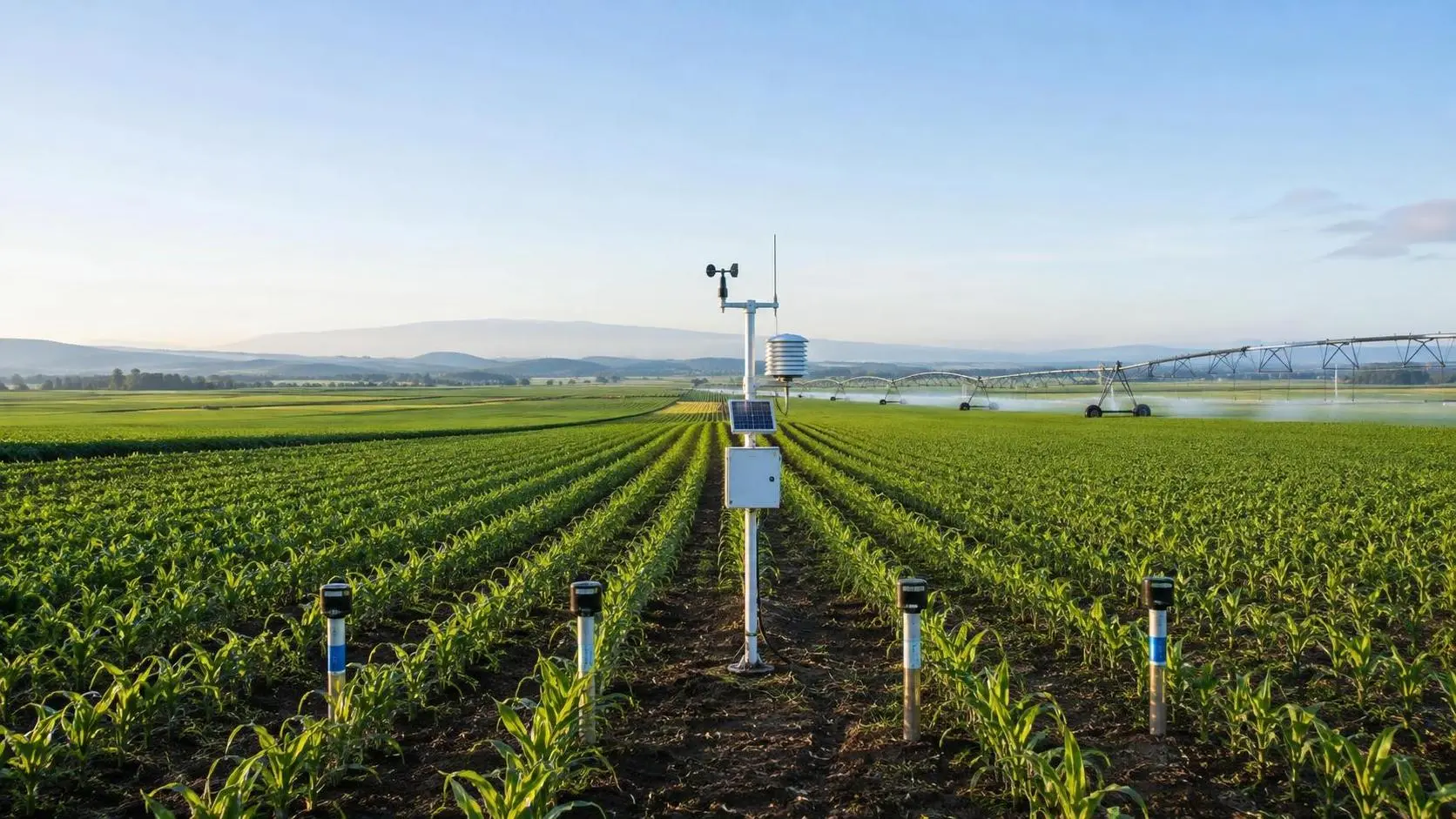
How to Evaluate Crop Monitoring System Manufacturers for Large-Scale Farms
Compare crop monitoring systems manufacturers for large-scale farms. Evaluate data quality, integration, durability, lifecycle costs, support, and pilots for smarter decisions.
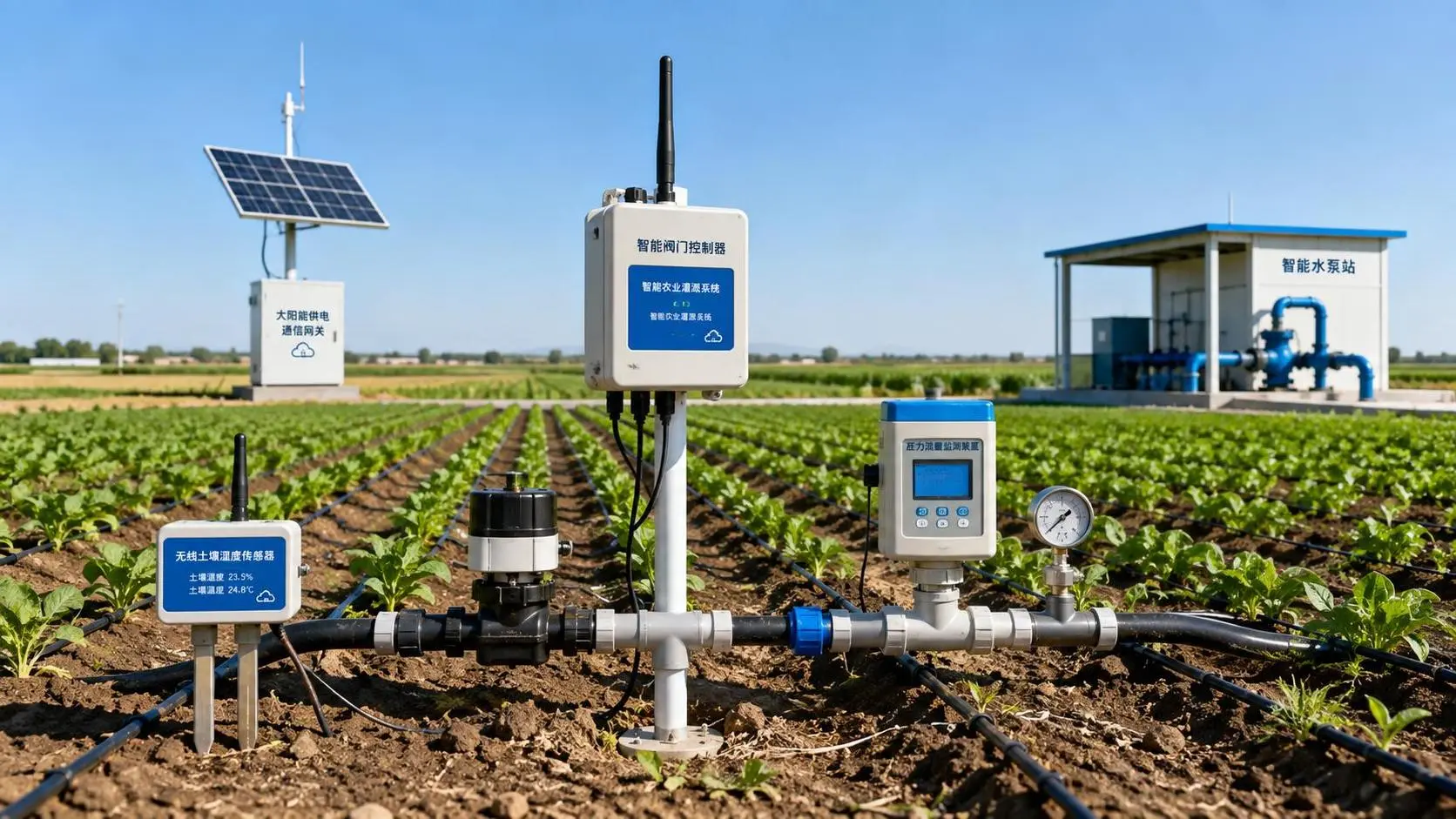
Wireless Agricultural Automation for Remote Irrigation and Field Monitoring
Agricultural automation wireless solutions improve remote irrigation with reliable field data, local control, flow verification, and smarter monitoring. Explore resilient deployment strategies.
Agricultural Product Information Market Guide: Key Data for Sourcing Decisions
Agricultural product information market guide for smarter sourcing—compare machinery, irrigation, precision tools, lifecycle costs, and supplier risk.
Large-Scale Farm Equipment Cost Comparison: Price, Fuel, and Lifecycle Value
Large-scale farm equipment cost comparison: evaluate price, fuel, maintenance, downtime, and lifecycle value to choose tractors, combines, irrigation, and smart tools with confidence.
A Procurement Specification Preparation Example for Buying Farm Equipment
Procurement specification preparation example for farm equipment: learn to define requirements, compare suppliers, control lifecycle costs, and buy with confidence.
What Tractor Horsepower Is Needed for a Three-Bottom Moldboard Plow?
What tractor horsepower is needed for three-bottom moldboard plow? Compare 60–100 hp needs by soil, depth, traction, and plow width for a confident equipment match.
How Does Climate-Smart Farming Reduce Water Use in Semi-Arid Areas?
How does climate-smart farming reduce water use in semi-arid zones? Discover precision irrigation, soil monitoring, and smarter crop planning for resilient yields.
Related News
- 00
0000-00
How to Evaluate Crop Monitoring System Manufacturers for Large-Scale Farms - 00
0000-00
Agricultural Product Information Market Guide: Key Data for Sourcing Decisions - 00
0000-00
Large-Scale Farm Equipment Cost Comparison: Price, Fuel, and Lifecycle Value - 00
0000-00
A Procurement Specification Preparation Example for Buying Farm Equipment - 00
0000-00
Can Sustainable Farming Be Profitable Without Reducing Yields?
Popular Tags
Ms. Elena Rodriguez
Weekly Insights
Stay ahead with our curated technology reports delivered every Monday.