
Smart Farming Equipment Cost Breakdown: Hardware, Software, Training, and ROI Factors





Smart Farming Equipment Cost Breakdown: Hardware, Software, Training, and ROI Factors
For enterprise planning, smart farming equipment costs never stop at the sticker price.
The real budget includes machinery, software subscriptions, training, connectivity, support, and upgrade cycles.
That is why a smart farming equipment investment should be measured as a system decision, not a single procurement line.
From recent market shifts, the clearer signal is simple.
Buyers now want predictable ROI, smoother integration, and less operational risk across large-scale farming environments.
Why Smart Farming Equipment Costs Are Often Underestimated
Many cost discussions focus only on tractors, sensors, drones, harvest systems, or irrigation controllers.
In practice, smart farming equipment works through connected layers.
Hardware captures field activity, software interprets it, and trained operators turn data into action.
If one layer is weak, the entire investment delivers less value.
This also means two farms can buy similar smart farming equipment and still see very different returns.
The difference usually comes from implementation quality, team readiness, and data usage discipline.
Hardware Costs: The Most Visible Part of the Budget
Hardware is the starting point for any smart farming equipment rollout.
It often includes guidance systems, telematics modules, variable-rate controllers, field sensors, drones, and irrigation automation units.
For large operations, combine harvester upgrades and tractor chassis compatibility also affect total spend.
A lower initial quote can be misleading if attachments, calibration tools, or rugged terminals are sold separately.
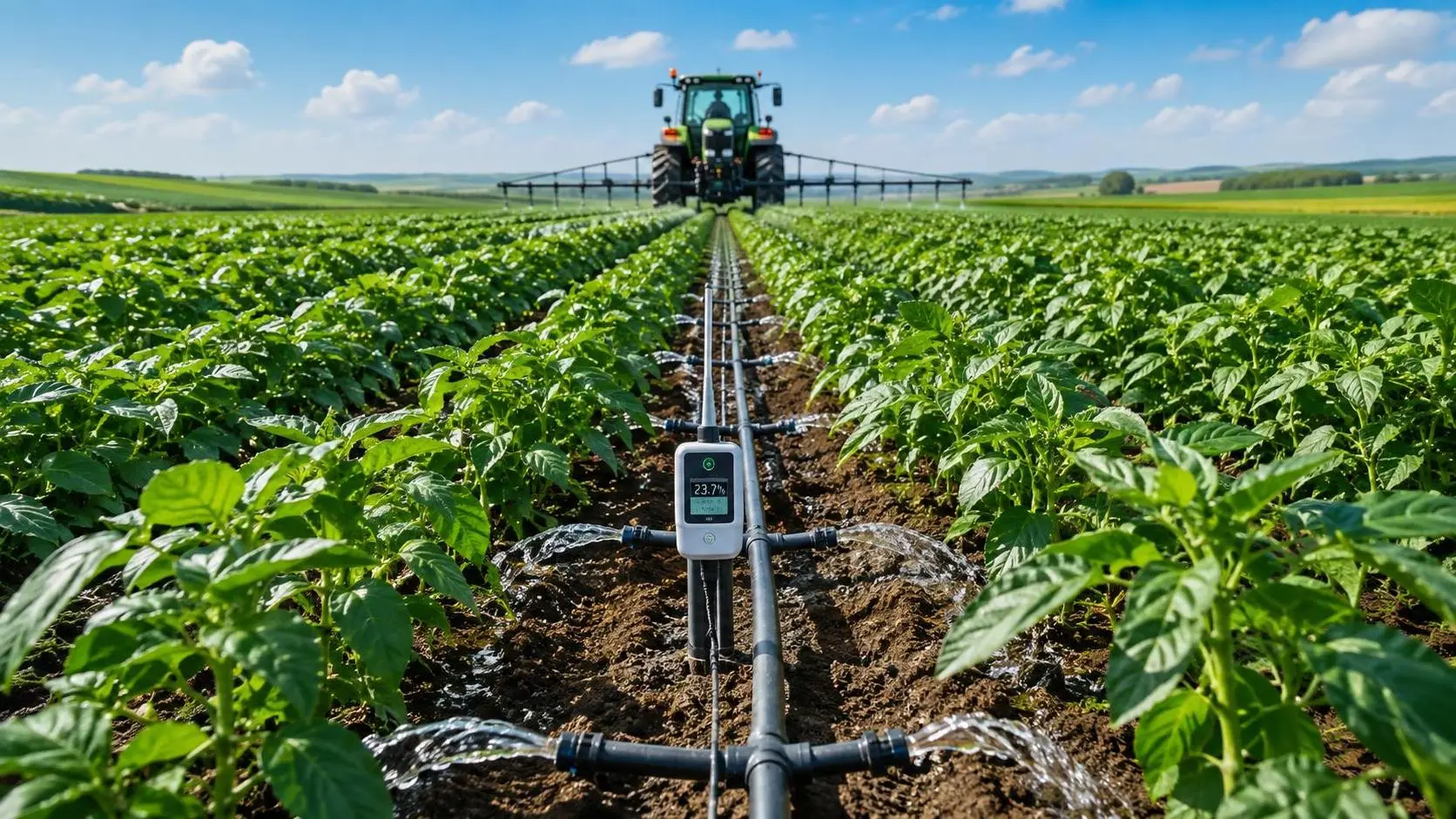
The same applies to intelligent irrigation networks.
Pumps, valves, emitters, flow meters, and weather-linked controllers may come from different vendors, raising integration costs.
Key Hardware Cost Drivers
- Machine size and fleet count across sites
- Retrofit needs for existing tractors or combines
- Sensor density by crop, soil, and climate condition
- Connectivity hardware for remote or low-signal areas
- Durability requirements in dust, moisture, and heat
- Service parts, batteries, and replacement intervals
A good purchasing review asks not only what the hardware does, but how long it stays accurate, connected, and serviceable.
Software Costs: Small Line Item, Big Long-Term Impact
Software is where many smart farming equipment budgets become harder to forecast.
Licensing models vary widely.
Some vendors charge per machine, some per acre, and others per user or analytics module.
At first glance, software may look affordable compared with machinery.
Over three to five years, however, subscriptions, cloud storage, support tiers, and API fees can become a major share of ownership cost.
This matters even more when smart farming equipment is deployed across multi-region operations.
Data governance, user permissions, and reporting consistency start to affect productivity just as much as field performance.
Common Software Cost Elements
- Farm management platform subscriptions
- Precision mapping and prescription tools
- Fleet monitoring dashboards and telematics access
- Data integration with ERP or procurement systems
- Cybersecurity, backups, and compliance controls
- Version upgrades and premium analytics functions
In actual business use, the best software is not always the one with the most features. It is the one teams use consistently.
Training Costs: The Hidden Multiplier in Smart Farming Equipment ROI
Training is often treated as a secondary item, yet it strongly shapes ROI.
Smart farming equipment only creates value when operators trust the system and know how to act on its outputs.
Without practical training, auto-guidance may be underused, variable-rate settings may stay conservative, and field data may remain unread.
That leads to slower adoption and weaker performance gains.
Training costs usually include onboarding sessions, field demonstrations, supervisor coaching, travel, and refresher programs.
Turnover also matters, especially in seasonal operations where recurring operator education becomes part of the annual budget.
What Strong Training Should Cover
- Daily machine operation and setup routines
- Calibration for seed, spray, harvest, or irrigation tasks
- Interpretation of dashboards, alerts, and field recommendations
- Basic troubleshooting before service calls
- Data entry discipline and reporting workflows
When training is solid, smart farming equipment adoption becomes faster, and support tickets usually decline.
Integration and Infrastructure Costs That Change the Business Case
Integration is where many procurement plans need a second look.
New smart farming equipment must often connect with legacy machinery, existing irrigation systems, procurement software, and agronomic databases.
If data standards differ, extra middleware or custom development may be required.
Connectivity infrastructure also deserves attention.
Remote farms may need gateways, private networks, satellite links, or edge devices for stable data flow.
These costs can shift a promising smart farming equipment proposal into a much larger transformation project.
Integration Questions Worth Asking Early
- Can current machines support the new control architecture?
- Will agronomic data move automatically into reports?
- Are software APIs open, limited, or premium-priced?
- How much downtime is expected during rollout?
- Who owns the field data after implementation?
A practical vendor comparison should score interoperability just as seriously as machine performance.
How to Evaluate ROI for Smart Farming Equipment
ROI should be linked to measurable operational outcomes, not broad innovation claims.
The most reliable smart farming equipment ROI models track gains in efficiency, input control, yield protection, and labor productivity.
For example, better guidance reduces overlaps.
Variable-rate tools lower unnecessary seed, fertilizer, or chemical use.
Harvest analytics can reduce grain loss.
Smart irrigation can cut water and energy consumption while protecting crop consistency.
These are concrete value points, and they are easier to defend in capital approval discussions.
Core ROI Factors to Measure
- Fuel use per hectare or acre
- Labor hours saved per season
- Input savings from precision application
- Reduction in harvest loss or rework
- Water efficiency improvements in irrigation
- Asset uptime and maintenance predictability
A realistic model should include both direct savings and strategic gains, such as better planning visibility across seasons.
A Simple Cost Framework for Procurement Teams
To compare smart farming equipment options fairly, use a total-cost framework instead of a unit-price view.
How AP-Strategy Helps Clarify Smart Farming Equipment Decisions
In a market crowded with claims, procurement quality depends on better intelligence.
AP-Strategy follows the full smart farming equipment chain, from large-scale agri-machinery and combine harvesting systems to intelligent farm tools and water-saving irrigation networks.
That broader perspective matters.
A hardware decision affects software architecture, operator workload, maintenance planning, and long-cycle asset value.
By stitching together sector news, technology evolution, and commercial insight, AP-Strategy supports more grounded smart farming equipment evaluations.
This leads to better timing, stronger vendor comparisons, and fewer surprises after deployment.
Final Takeaway
The smartest way to buy smart farming equipment is to treat cost as a lifecycle equation.
Hardware starts the investment, but software, training, integration, and performance tracking determine whether value actually shows up.
In practical terms, better procurement comes from asking sharper questions early.
What is the full ownership cost?
How fast can teams adopt the system?
Which metrics will prove return?
When those answers are clear, smart farming equipment becomes a strategic asset, not just another capital expense.
Related News
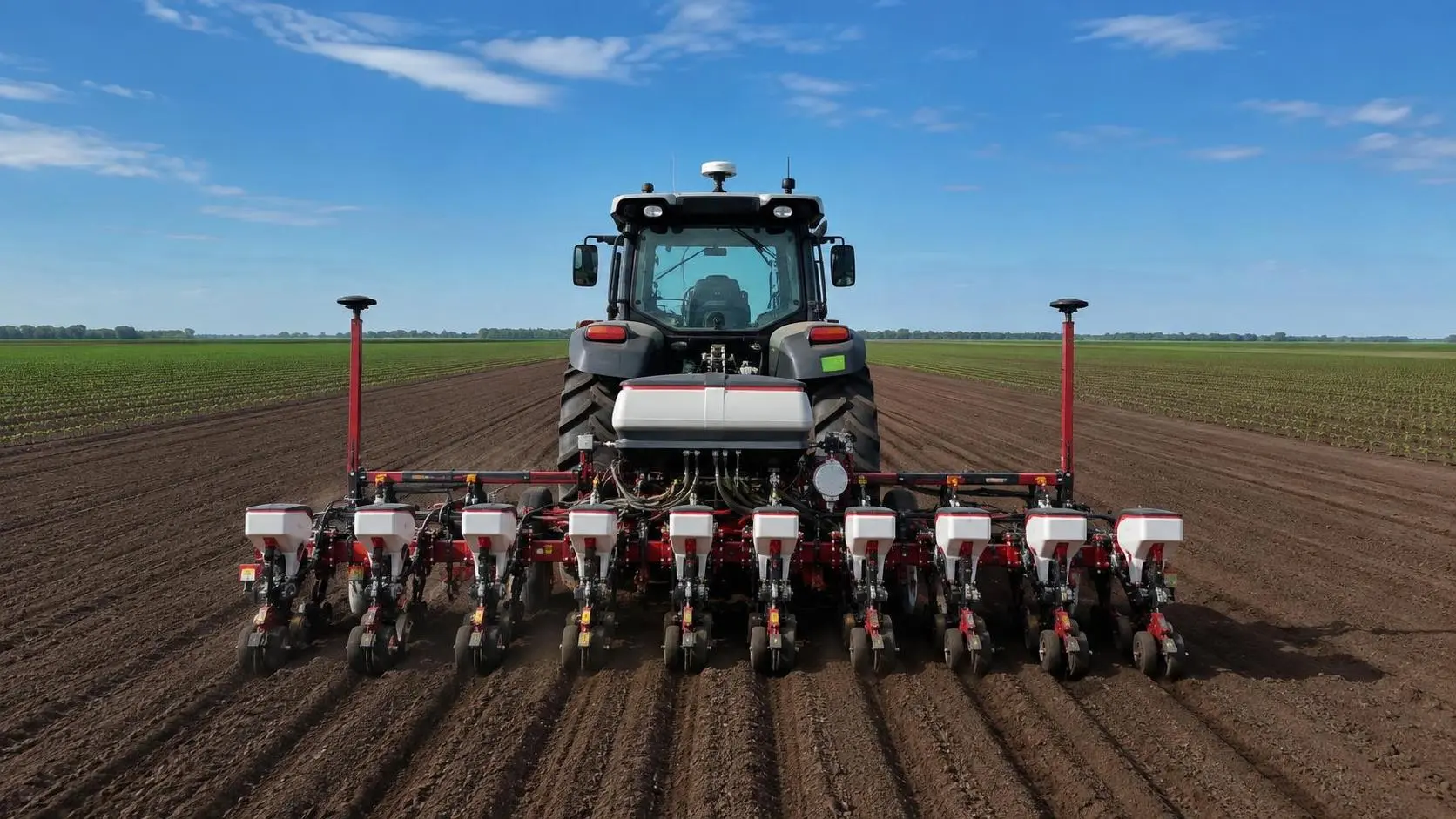
How Tractor Intelligence Systems Improve Field Efficiency and Input Accuracy
Agricultural machinery intelligence for tractors improves field efficiency, input accuracy, data traceability, and implement control. Explore smarter evaluation strategies.
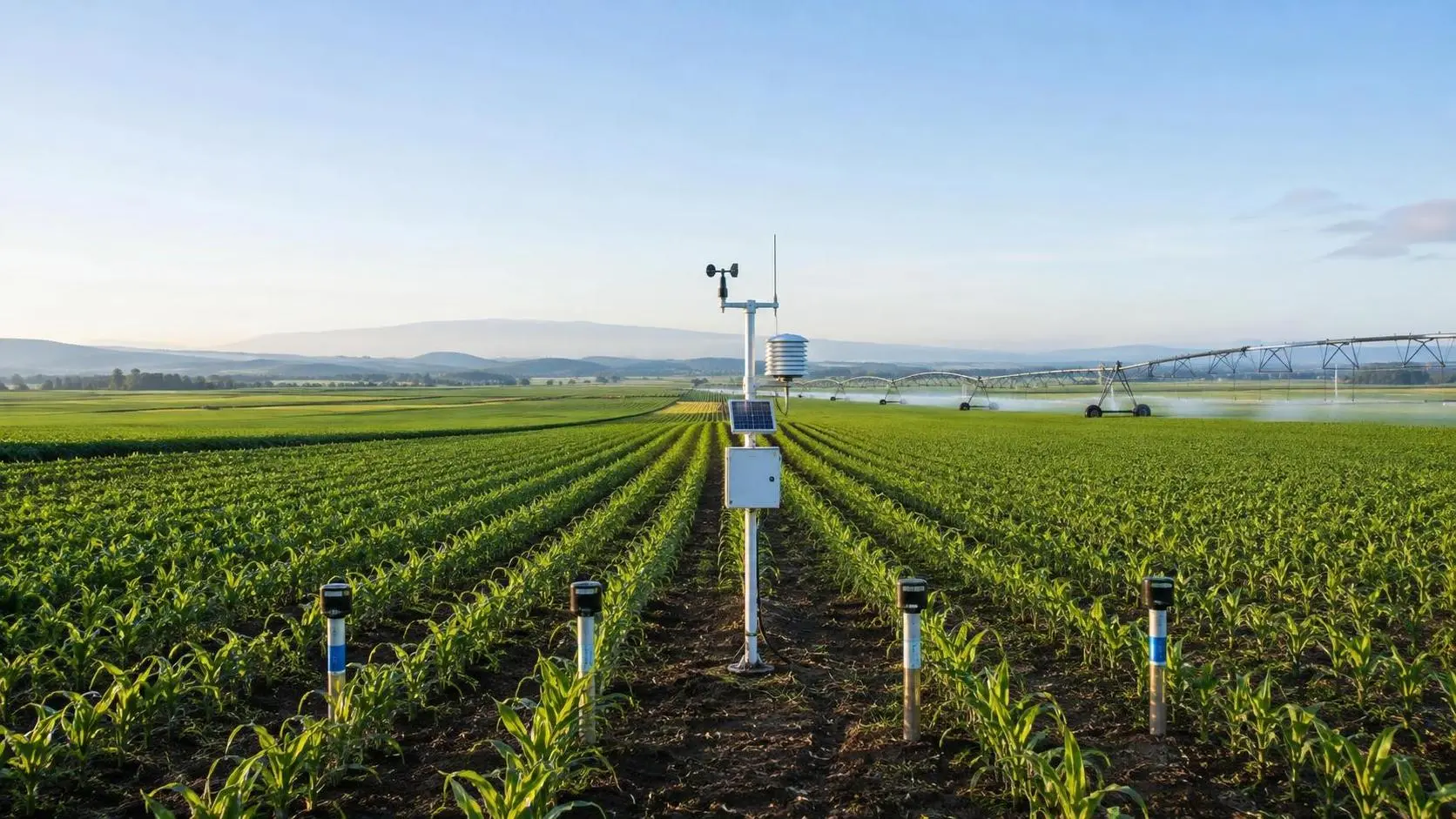
How to Evaluate Crop Monitoring System Manufacturers for Large-Scale Farms
Compare crop monitoring systems manufacturers for large-scale farms. Evaluate data quality, integration, durability, lifecycle costs, support, and pilots for smarter decisions.
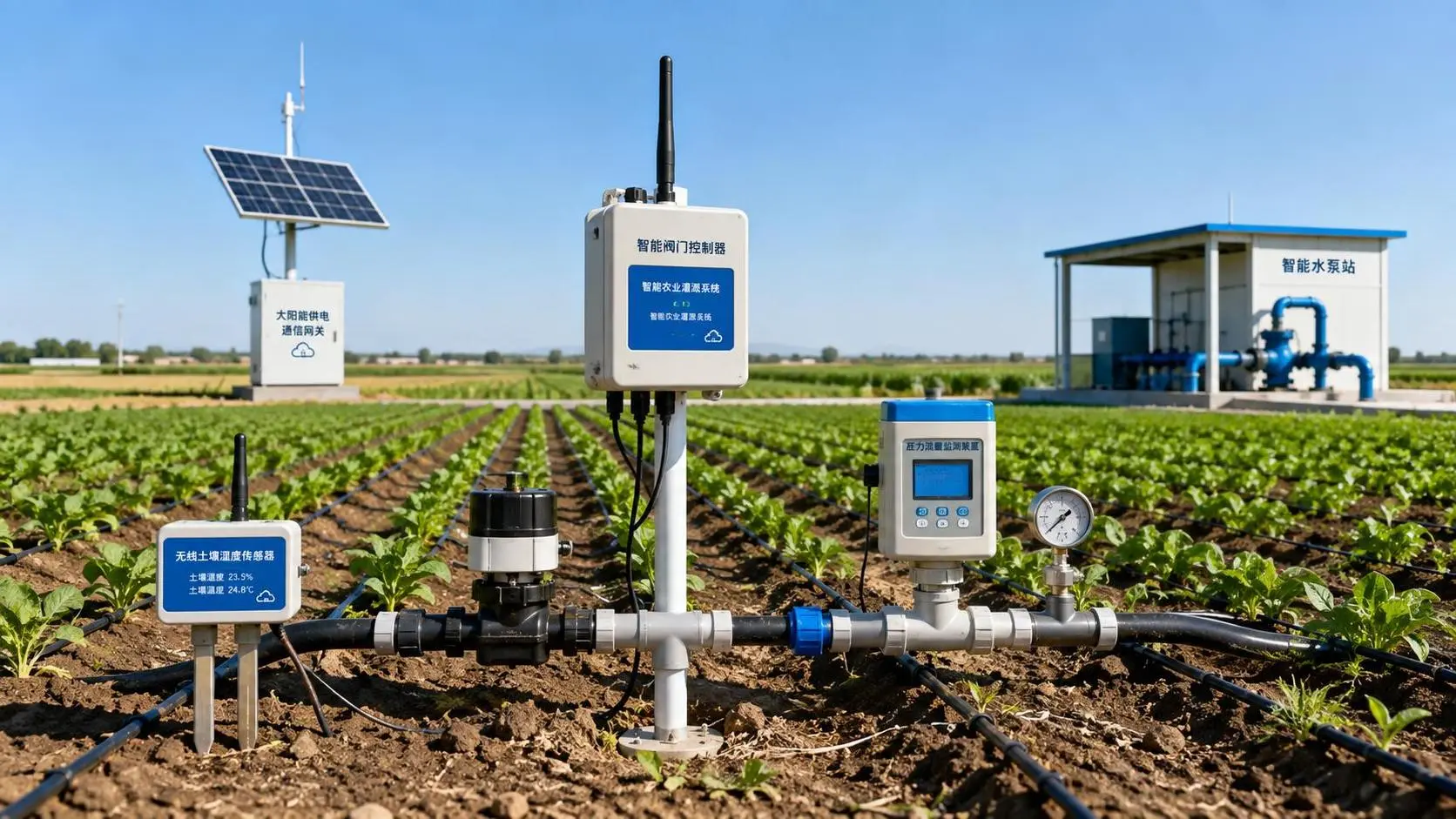
Wireless Agricultural Automation for Remote Irrigation and Field Monitoring
Agricultural automation wireless solutions improve remote irrigation with reliable field data, local control, flow verification, and smarter monitoring. Explore resilient deployment strategies.
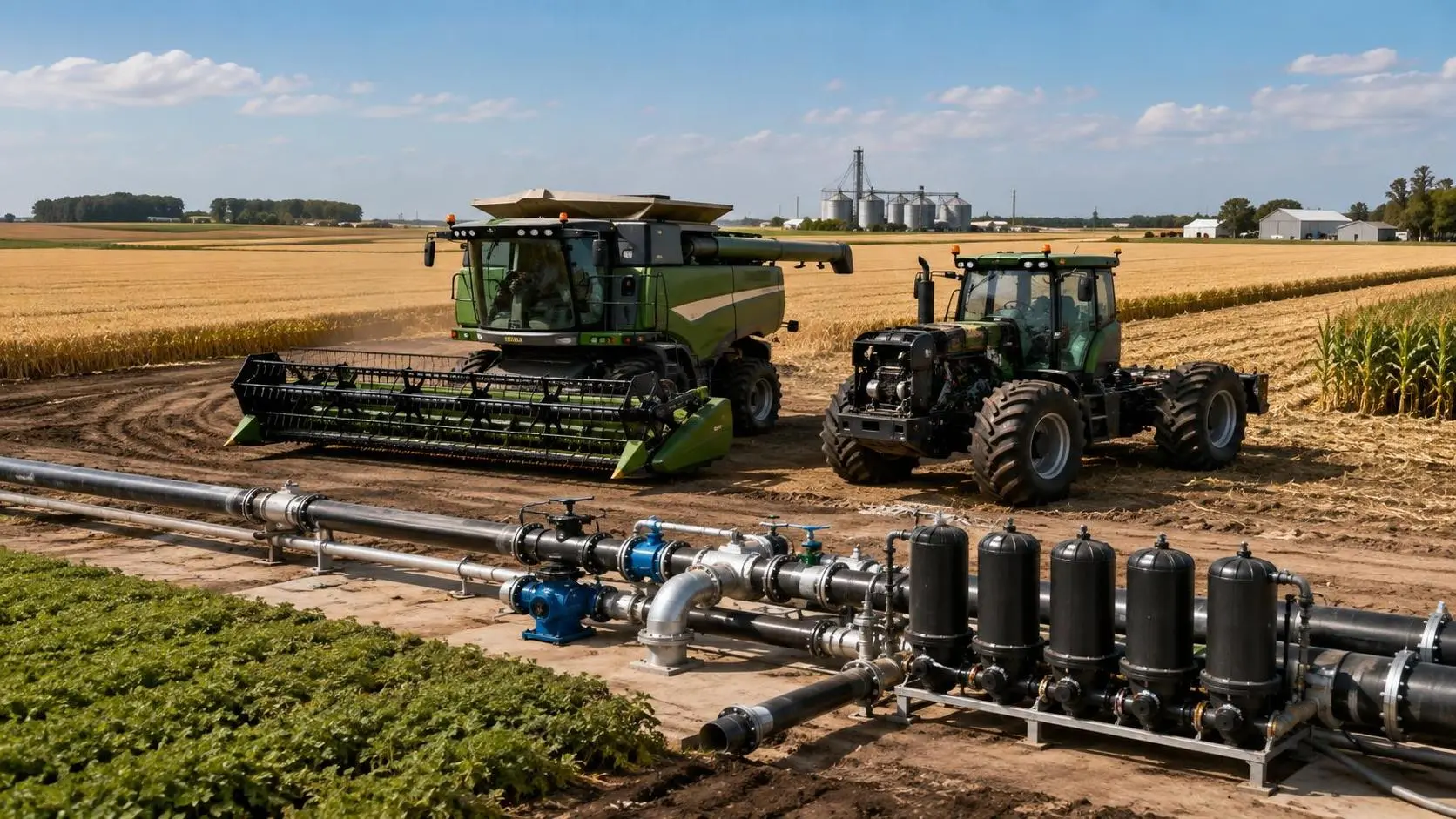
Agricultural Product Information Market Guide: Key Data for Sourcing Decisions
Agricultural product information market guide for smarter sourcing—compare machinery, irrigation, precision tools, lifecycle costs, and supplier risk.
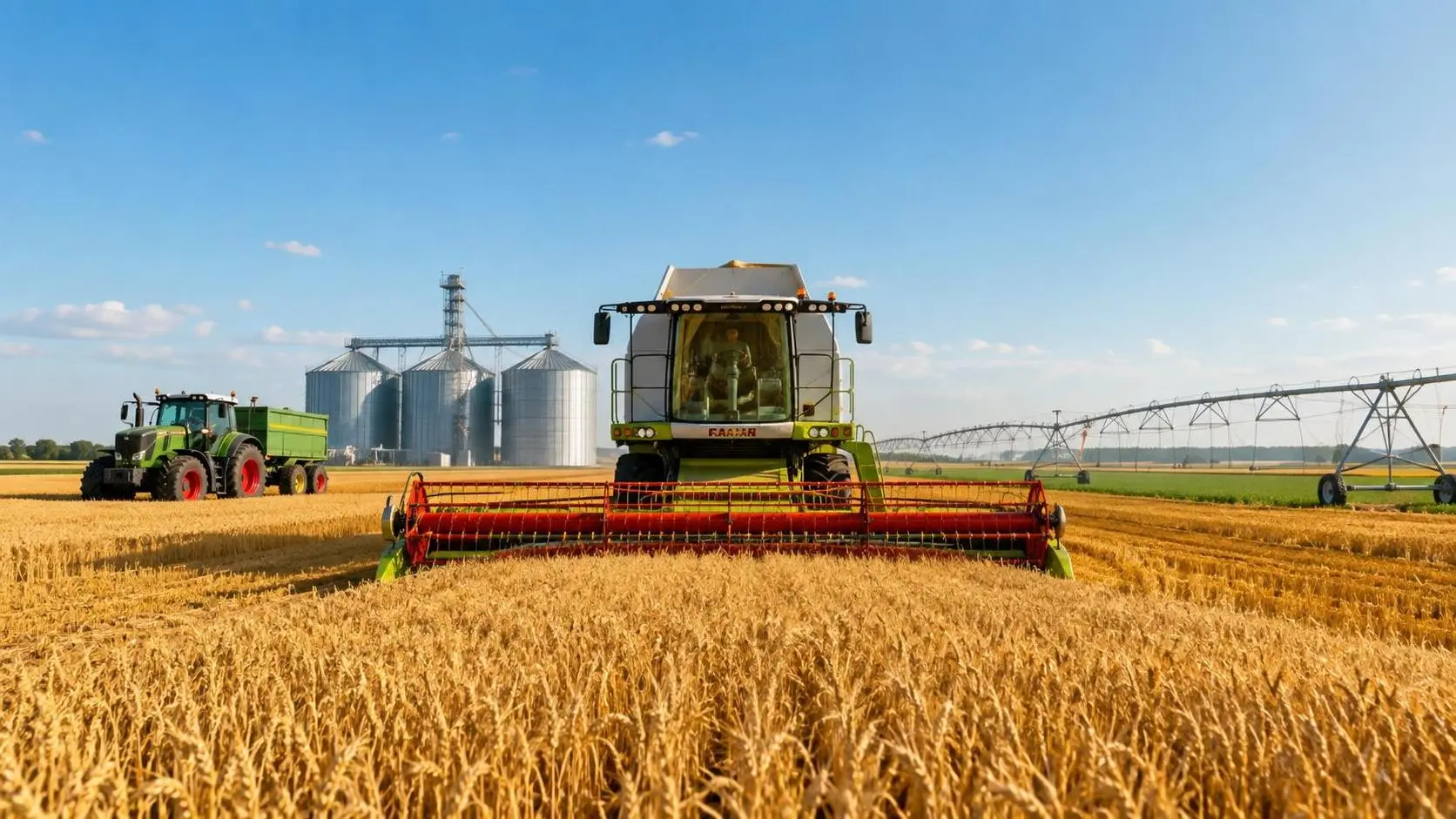
Large-Scale Farm Equipment Cost Comparison: Price, Fuel, and Lifecycle Value
Large-scale farm equipment cost comparison: evaluate price, fuel, maintenance, downtime, and lifecycle value to choose tractors, combines, irrigation, and smart tools with confidence.
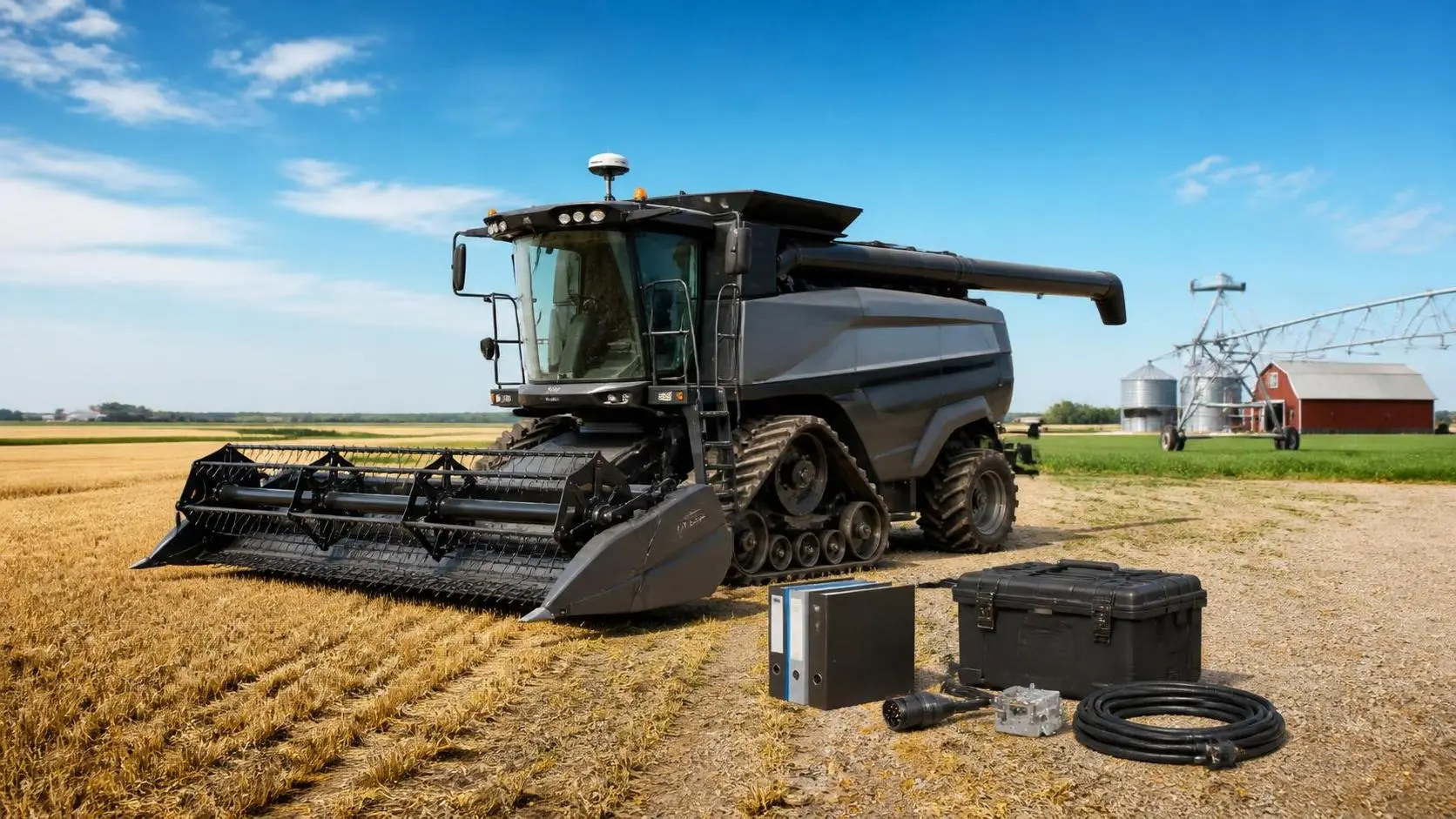
A Procurement Specification Preparation Example for Buying Farm Equipment
Procurement specification preparation example for farm equipment: learn to define requirements, compare suppliers, control lifecycle costs, and buy with confidence.
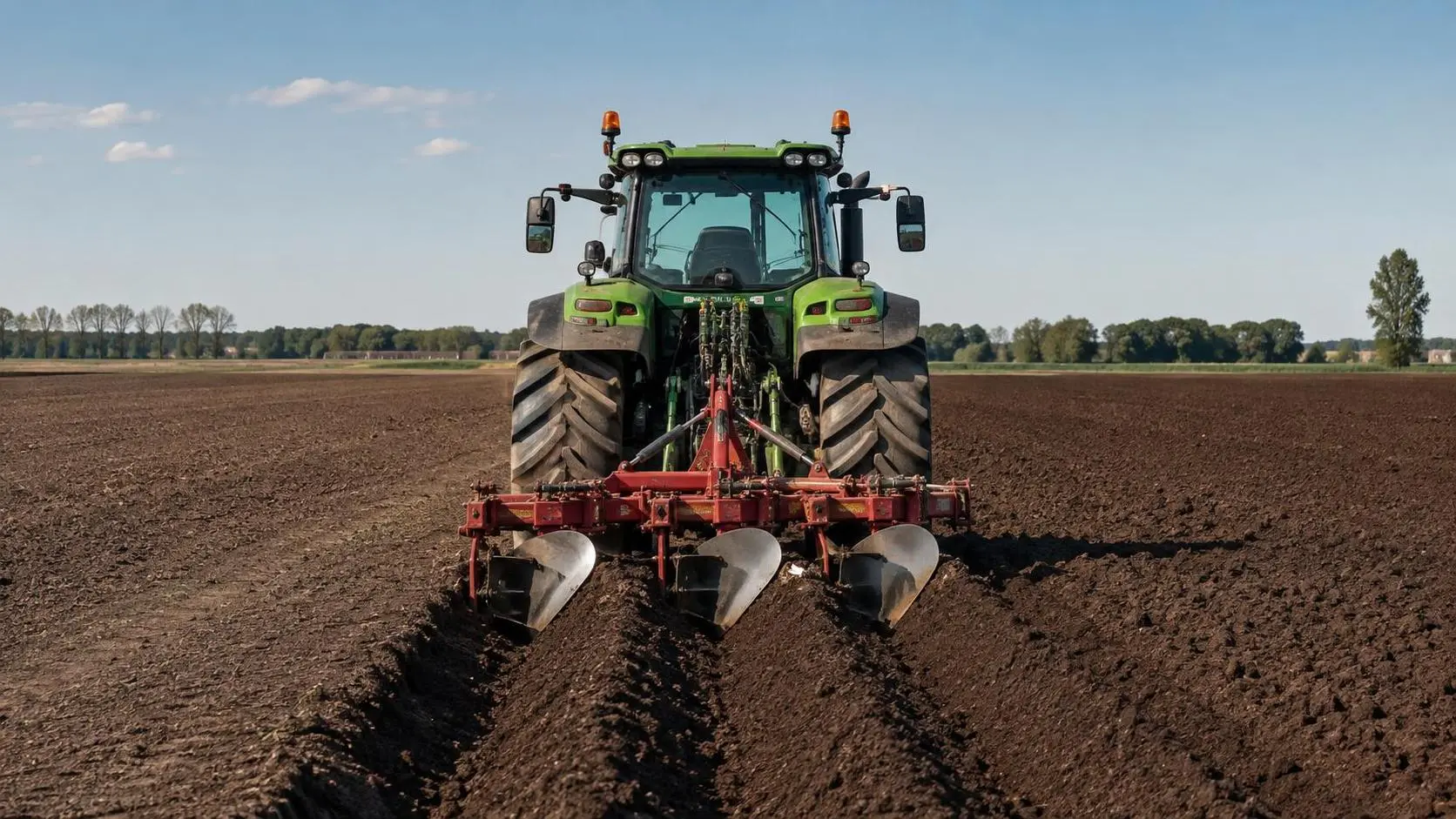
What Tractor Horsepower Is Needed for a Three-Bottom Moldboard Plow?
What tractor horsepower is needed for three-bottom moldboard plow? Compare 60–100 hp needs by soil, depth, traction, and plow width for a confident equipment match.
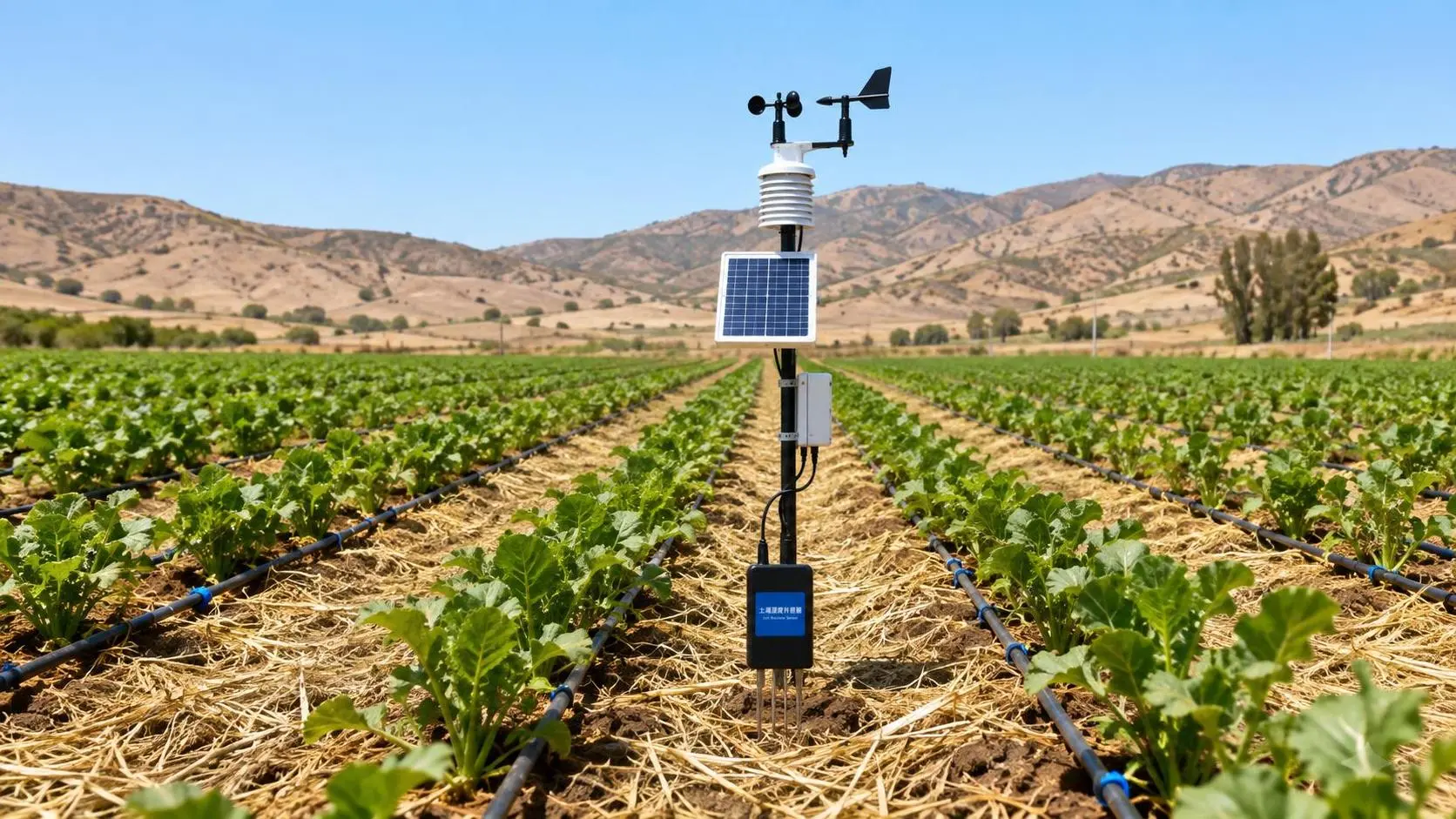
How Does Climate-Smart Farming Reduce Water Use in Semi-Arid Areas?
How does climate-smart farming reduce water use in semi-arid zones? Discover precision irrigation, soil monitoring, and smarter crop planning for resilient yields.
Can Sustainable Farming Be Profitable Without Reducing Yields?
Are sustainable farming practices profitable without yield loss? Discover precision strategies that cut waste, protect yields, and improve farm margins.
Related News
- 00
0000-00
How to Evaluate Crop Monitoring System Manufacturers for Large-Scale Farms - 00
0000-00
Agricultural Product Information Market Guide: Key Data for Sourcing Decisions - 00
0000-00
Large-Scale Farm Equipment Cost Comparison: Price, Fuel, and Lifecycle Value - 00
0000-00
A Procurement Specification Preparation Example for Buying Farm Equipment - 00
0000-00
Can Sustainable Farming Be Profitable Without Reducing Yields?
Popular Tags
Ms. Elena Rodriguez
Weekly Insights
Stay ahead with our curated technology reports delivered every Monday.