
EU CE Guide Adds RTK Interference Tests for GPS Systems





On July 23, 2026, the European Commission updated its implementation guide for CE compliance of smart agricultural navigation equipment, adding a new mandatory requirement for GPS Guidance Systems: laboratory verification of dynamic RTK signal interference resistance. For manufacturers, exporters, testing providers, and buyers involved in agricultural navigation products, this matters because the change applies to all newly declared models from October 1, 2026 and directly affects certification preparation, product access timing, and type-testing cost.
What the updated CE guidance now requires
According to the information provided, the updated document is the Implementation Guide for CE Compliance of Smart Agricultural Navigation Equipment (REF: EU/AGRI-NAV/2026/07), revised by the European Commission on July 23, 2026. The guide for the first time makes dynamic RTK signal anti-interference laboratory verification mandatory within CE certification for GPS Guidance Systems.
The required verification covers multi-band GNSS spoofing and simulated urban canyon conditions. The new requirement will apply from October 1, 2026 to all newly declared models. The provided summary also states that the change will directly affect product market-entry timing and type-testing cost for Chinese exporters.
Where the pressure is likely to appear first
New-model exporters face a tighter pre-market compliance sequence
From an industry perspective, exporters of GPS Guidance Systems are likely to be affected first because the new requirement is tied to CE certification for newly declared models. The immediate business impact is likely to appear in model launch planning, certification scheduling, and delivery commitments tied to EU market entry. What deserves closer attention is whether existing technical files, test arrangements, and declaration timelines are sufficient once dynamic RTK anti-interference validation becomes part of the process.
Manufacturers may need to revisit test preparation and technical documentation
For manufacturing companies, the rule change matters because anti-interference performance is no longer only a product design issue but also part of a mandatory laboratory verification path for CE compliance. Analysis shows that engineering teams, certification teams, and documentation staff will need to pay closer attention to whether product specifications, validation records, and technical files align with the new testing scope covering multi-band GNSS spoofing and urban canyon simulation.
Testing and certification service providers will be drawn into earlier project stages
Certification-related companies and laboratory service providers are also likely to feel the impact in workflow and customer demand. Observably, once a new laboratory verification item becomes mandatory, testing arrangements may need to move earlier in the project cycle for new declarations. The practical focus for these service providers will be the test scope, report structure, and how the new guidance is interpreted during CE submission support.
Buyers and procurement teams may need to check compliance evidence more closely
For procurement parties and channel participants, the change may affect supplier screening, order timing, and acceptance documentation. Analysis shows that buyers sourcing GPS Guidance Systems for the EU market may need to pay more attention to whether a supplier's new model has completed the required CE-related laboratory verification under the updated guidance, especially where delivery timing is linked to a pending declaration.
Practical points companies should track now
Review which declared models fall inside the October 1 window
Analysis shows that one of the first practical steps is to identify which new product declarations will be submitted on or after October 1, 2026. This is less about broad strategy and more about managing declaration timing, certification sequencing, and customer commitments around models intended for the EU market.
Check whether current files are sufficient for the added test scope
What deserves closer attention is the readiness of existing compliance materials. Where technical files, test plans, or supporting reports were prepared before the guidance update, companies may need to examine whether they adequately address dynamic RTK anti-interference verification, including the newly referenced multi-band GNSS spoofing and urban canyon simulation elements.
Reassess delivery promises and procurement schedules
Observably, the provided summary already points to effects on market-access timing and type-testing cost. Companies involved in export delivery, procurement planning, or supply coordination should therefore review whether current schedules assume a certification path that no longer matches the updated CE guidance. At this stage, this should be treated as a compliance planning issue rather than as a confirmed uniform market outcome.
Continue watching for execution language and market use in documents
The input does not provide detailed enforcement wording beyond the new mandatory verification requirement and effective date. For that reason, companies should continue tracking how the updated requirement is reflected in certification communication, technical documentation requests, tender materials, and buyer-side compliance checks. This remains a monitoring point rather than a settled execution conclusion.
Why this looks more like an execution signal than a distant policy discussion
Analysis shows that this update is more appropriately understood as an operational compliance signal rather than a general policy direction. The reason is straightforward: the guidance introduces a mandatory new laboratory verification item, defines the relevant test environments, and sets an effective date for newly declared models. At the same time, it would be premature to treat every downstream effect as fully settled, because the provided information does not include further detail on implementation practice, document templates, or how consistently the requirement will be reflected in procurement and certification workflows.
How the market should read this change for now
At this stage, the update is best read as a concrete tightening of CE compliance expectations for GPS Guidance Systems within smart agricultural navigation equipment. The confirmed change is narrow but commercially relevant: anti-interference verification under dynamic RTK conditions is becoming a mandatory part of CE certification for new declarations. A neutral reading is that companies should treat this as an active compliance development with immediate planning implications, while continuing to watch how certification practice and market-side document requirements evolve after the October 1 start date.
Basis of this article and what still needs verification
This article is generated from the user-provided news title, event date, and event summary. For developments of this kind, commonly relevant source types may include official notices, publications from regulatory authorities, trade or customs-related releases, industry association updates, standardization documents, and reporting by authoritative media. A specific official source link was not provided in the input, so the exact official publication path still requires follow-up verification. It remains necessary to continue checking later details such as implementation wording, certification interpretation, changes in tender documents, industry feedback, and how companies execute against the updated requirement in practice.
Related News

How to Evaluate Crop Monitoring System Manufacturers for Large-Scale Farms
Compare crop monitoring systems manufacturers for large-scale farms. Evaluate data quality, integration, durability, lifecycle costs, support, and pilots for smarter decisions.
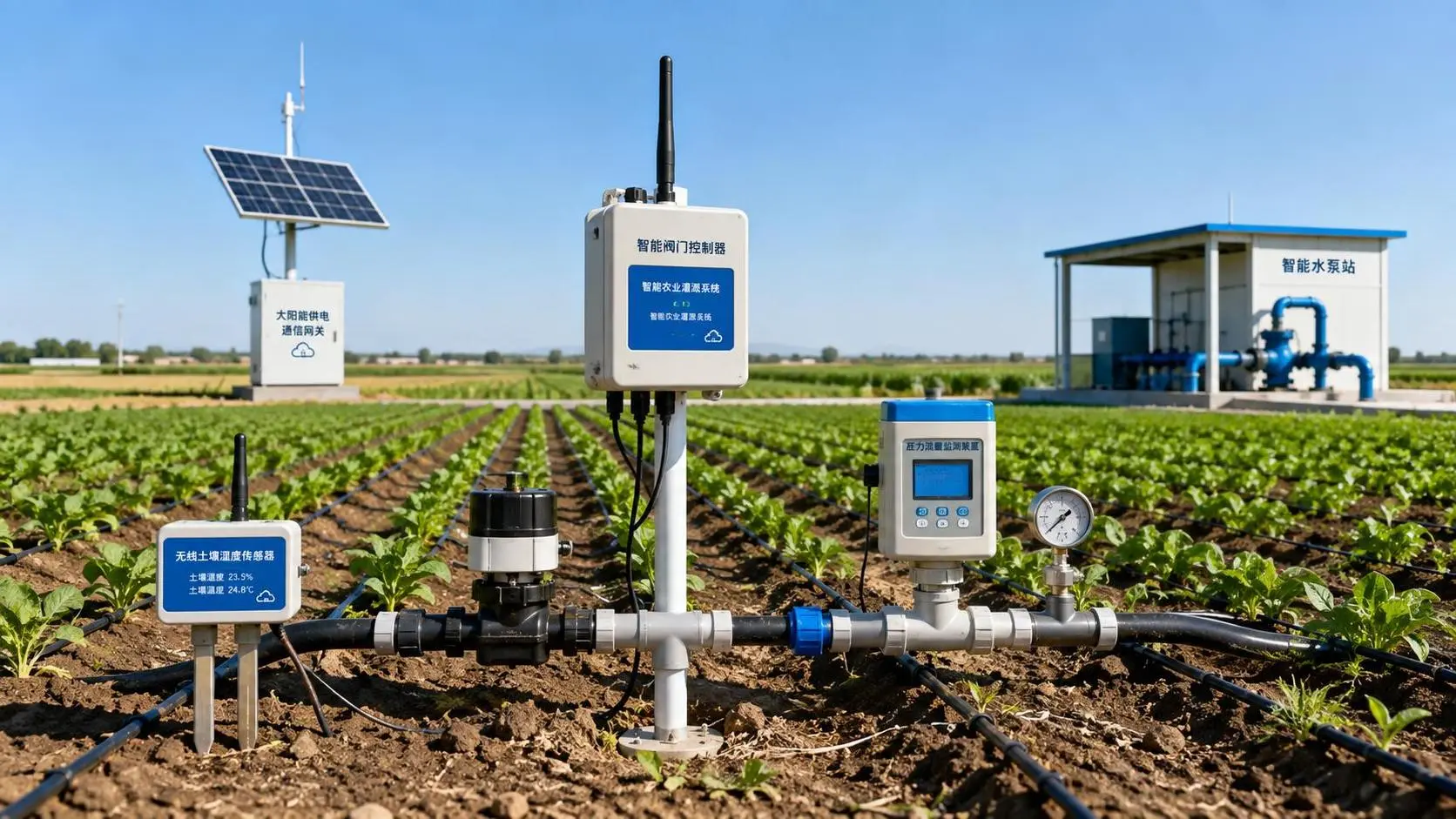
Wireless Agricultural Automation for Remote Irrigation and Field Monitoring
Agricultural automation wireless solutions improve remote irrigation with reliable field data, local control, flow verification, and smarter monitoring. Explore resilient deployment strategies.

Agricultural Product Information Market Guide: Key Data for Sourcing Decisions
Agricultural product information market guide for smarter sourcing—compare machinery, irrigation, precision tools, lifecycle costs, and supplier risk.

Large-Scale Farm Equipment Cost Comparison: Price, Fuel, and Lifecycle Value
Large-scale farm equipment cost comparison: evaluate price, fuel, maintenance, downtime, and lifecycle value to choose tractors, combines, irrigation, and smart tools with confidence.

A Procurement Specification Preparation Example for Buying Farm Equipment
Procurement specification preparation example for farm equipment: learn to define requirements, compare suppliers, control lifecycle costs, and buy with confidence.

What Tractor Horsepower Is Needed for a Three-Bottom Moldboard Plow?
What tractor horsepower is needed for three-bottom moldboard plow? Compare 60–100 hp needs by soil, depth, traction, and plow width for a confident equipment match.
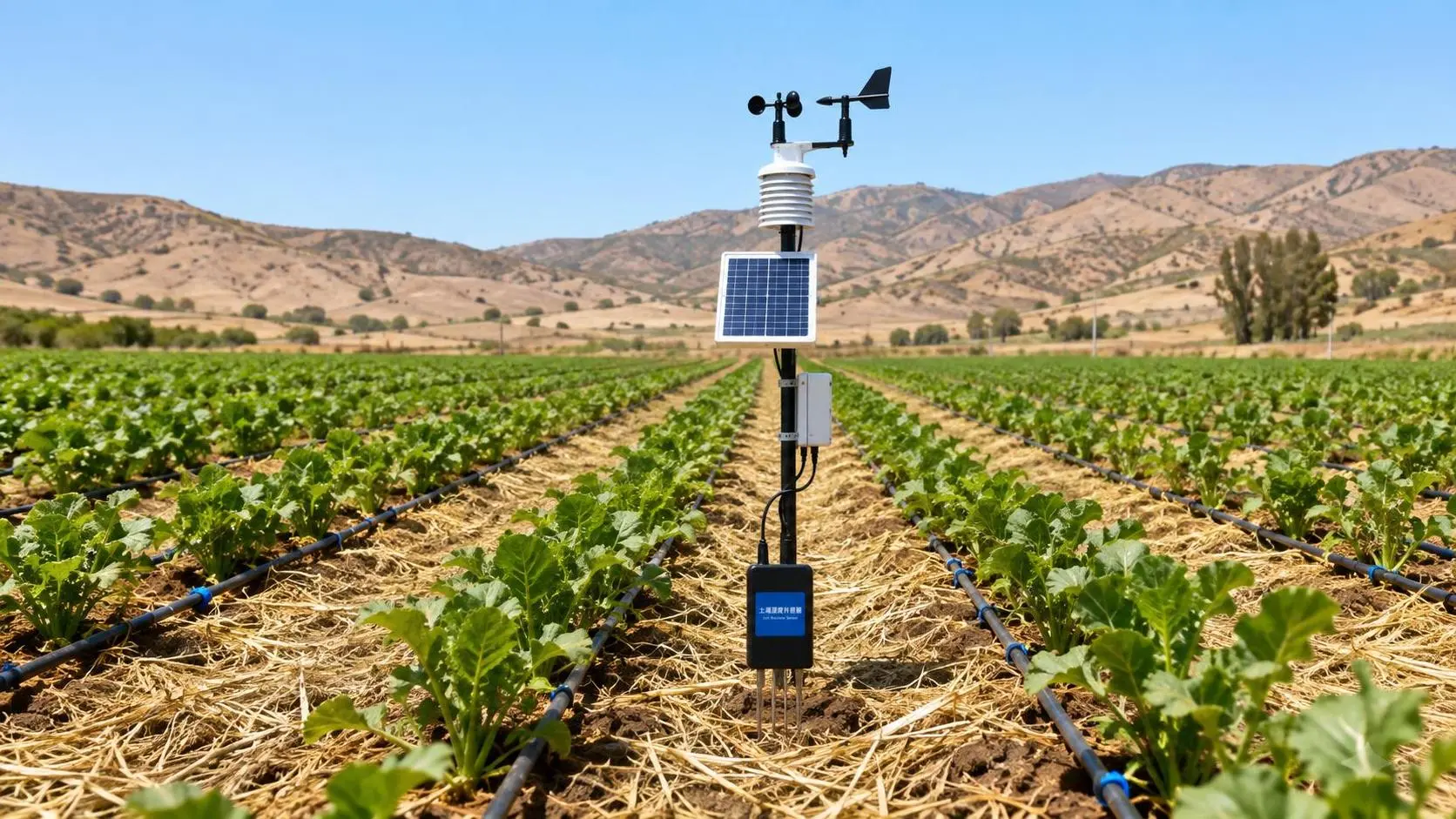
How Does Climate-Smart Farming Reduce Water Use in Semi-Arid Areas?
How does climate-smart farming reduce water use in semi-arid zones? Discover precision irrigation, soil monitoring, and smarter crop planning for resilient yields.

Can Sustainable Farming Be Profitable Without Reducing Yields?
Are sustainable farming practices profitable without yield loss? Discover precision strategies that cut waste, protect yields, and improve farm margins.
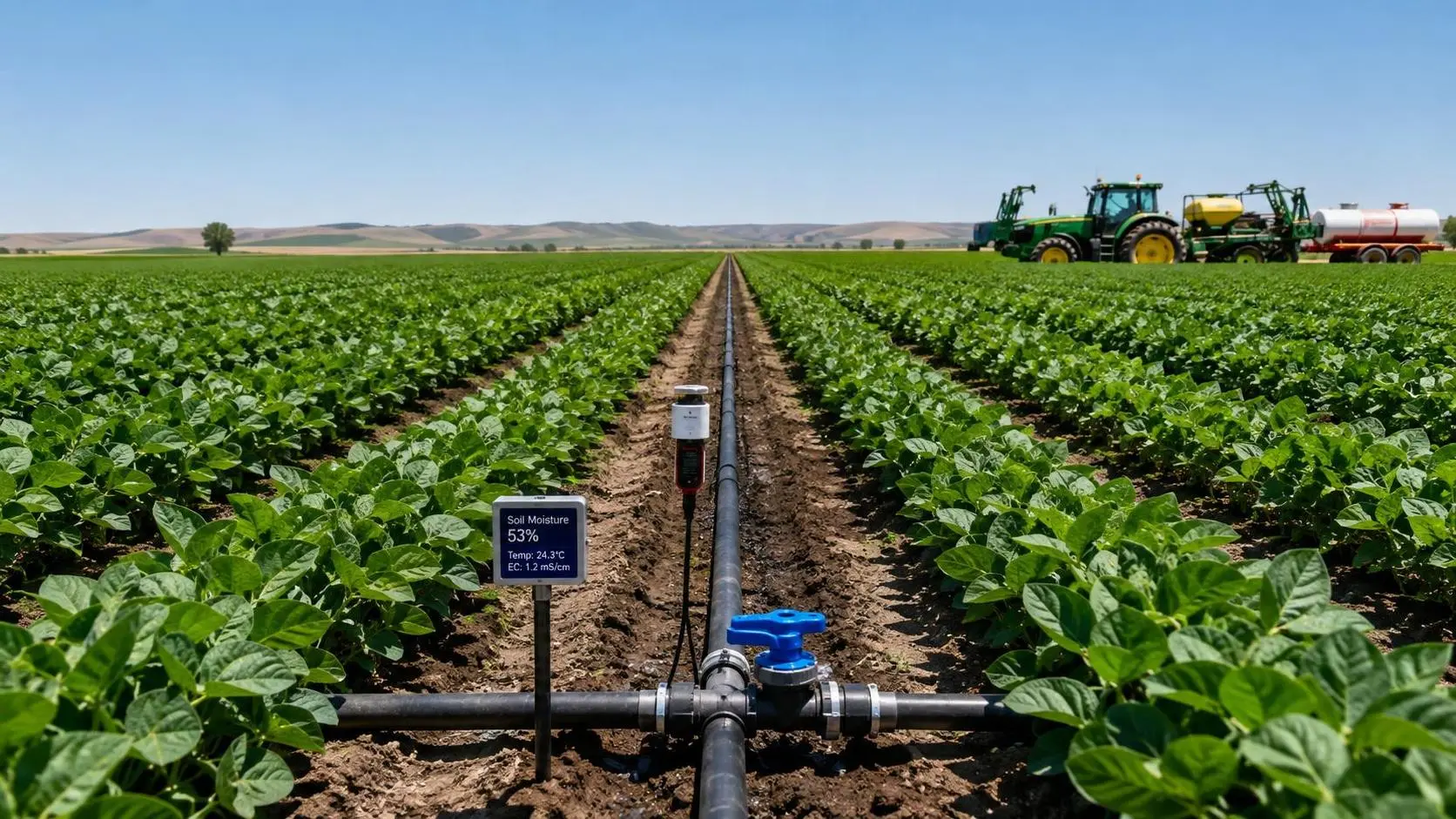
What Are the Risks of Switching to Climate-Smart Farming Mid-Season?
What are the main risks of switching to climate-smart agriculture mid-season? Explore yield, irrigation, equipment, cost, and labor risks with practical steps for safer adoption.
Related News
- 00
0000-00
China’s Temporary Helium Export Ban Reshapes Irrigation Supply Chains - 00
0000-00
Tianjin to Host 2026 China Farm Machinery Expo - 00
0000-00
Guangxi Subsidy Plan Signals Smarter Farm Machinery Supply Shift - 00
0000-00
EU Rule Takes Effect for GPS Guidance System Imports - 00
0000-00
EU Tightens CE Testing for GPS Guidance Systems
Popular Tags
Tractor Power Architect
Weekly Insights
Stay ahead with our curated technology reports delivered every Monday.