
US Import Rule Tightens for GPS Guidance Systems
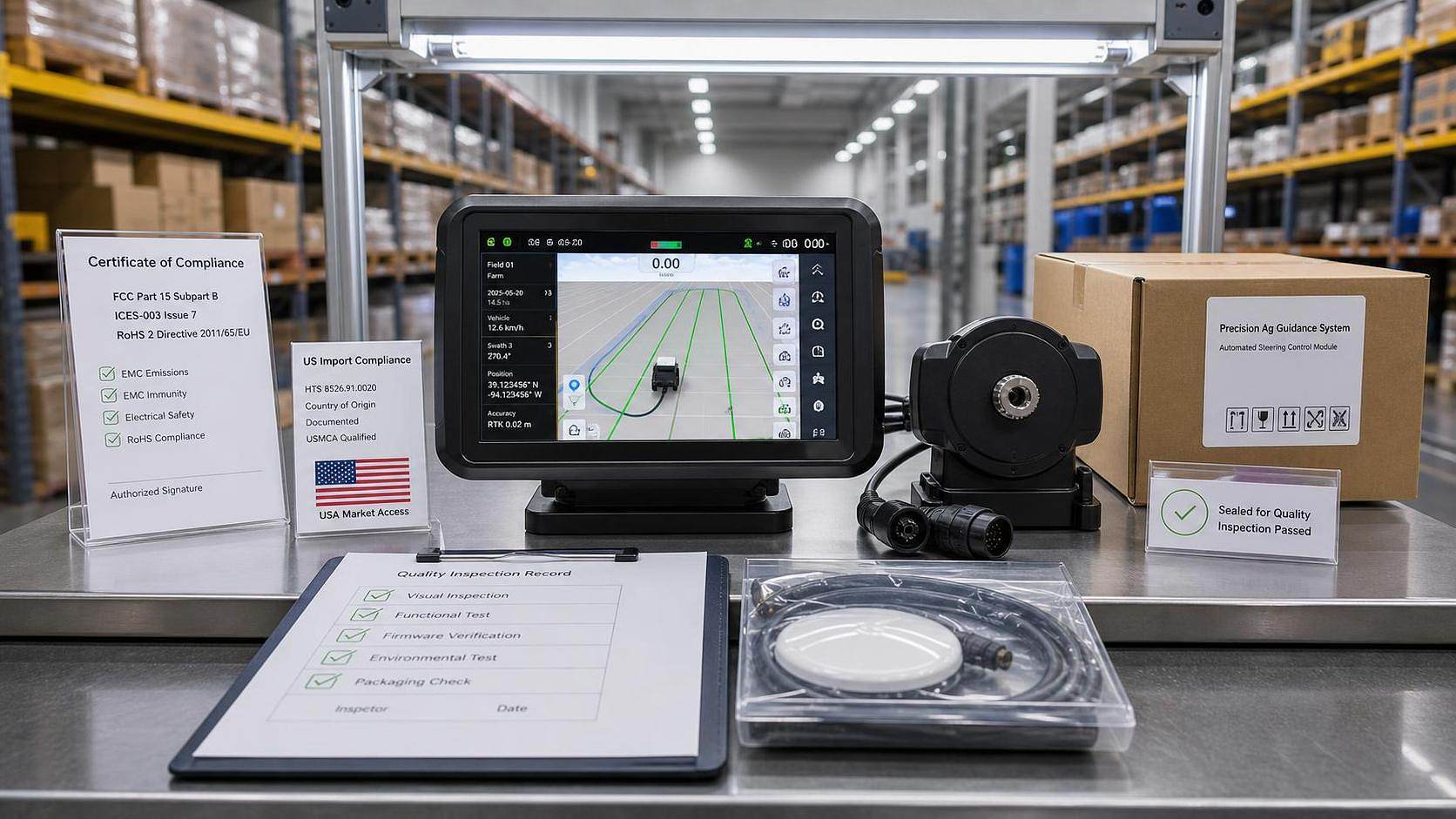




On July 20, 2026, the USDA issued an interim compliance notice that changes the entry threshold for imported GPS Guidance Systems in the US market. Starting October 1, 2026, imported units must come with firmware certified to ISO 11783-10:2025 already installed, together with a third-party type inspection certificate. For exporters, manufacturers, importers, and customs-facing supply chain teams, the issue is no longer limited to product performance; factory firmware configuration, programming workflow, and clearance documentation are now part of immediate compliance risk because non-compliant shipments may be refused entry or detained by CBP.
What the USDA Notice Requires
The confirmed facts are narrow but operationally significant. The USDA released the interim compliance notice on July 20, 2026, and set October 1, 2026 as the enforcement date for all GPS Guidance Systems imported into the United States. The notice requires these devices to be pre-installed with agricultural machinery communication protocol firmware that complies with ISO 11783-10:2025. It also requires a third-party type inspection certificate. According to the provided information, products that do not meet the requirement may be denied entry or held by CBP. The scope of the rule covers core functional modules including fully automatic guidance, AB line generation, and auto-steering control.
Where the Pressure Will Be Felt First
Export-oriented manufacturers face a factory-side compliance shift
Manufacturers shipping GPS Guidance Systems to the US are likely to feel the most direct impact at the production stage. From an industry perspective, the main pressure point is that compliance now extends into factory default settings and firmware programming before shipment, rather than being treated as a later service adjustment. What deserves closer attention is whether products intended for the US market are clearly separated in production and release processes so that non-compliant firmware is not loaded onto export units.
Importers and trading companies take on higher documentation risk
For importers and trading companies, the operational issue is not only product sourcing but also whether supporting compliance documents are complete at the time of customs clearance. Analysis shows that the third-party type inspection certificate becomes a practical gatekeeping document, especially when CBP detention risk is explicitly tied to non-compliance. These businesses need to focus on document readiness, consistency between declared product configuration and shipped firmware, and communication with upstream suppliers before cargo departs.
Customs and logistics support providers will need cleaner handoff processes
Supply chain service providers involved in booking, clearance coordination, and delivery scheduling may also be affected because shipment delays can now stem from firmware and certification issues, not only tariff or documentation errors in the traditional sense. Observably, the key concern for this group is whether compliance evidence can be verified early enough in the shipment cycle to avoid cargo being held after arrival.
Buyers of guidance-enabled systems should watch module-level coverage
For downstream buyers and channel partners, the stated coverage of fully automatic guidance, AB line generation, and auto-steering control matters because these are core selling and operational functions. From an industry perspective, the practical question is whether product variants marketed into the US contain any affected modules and therefore need the required firmware and certificate package before import.
What Companies Should Review Now
Separate compliance language from actual shipment readiness
The notice sets a clear enforcement date, but companies should distinguish between general awareness of the rule and true shipment readiness. Analysis shows that having a compliant design concept is not the same as having firmware pre-installed in the exported device and backed by the required certificate. Internal reviews should focus on what is physically loaded on the unit before export, not only what is planned or declared.
Recheck firmware programming and factory release procedures
The provided information specifically points to factory configuration and firmware burning processes as affected areas for Chinese exporters. What deserves closer attention is whether existing programming, verification, and final inspection steps are aligned with US-bound shipments. If those procedures were previously designed around broader global SKUs, the US requirement may force a separate release path.
Prepare customs-facing files earlier in the delivery cycle
Because non-compliant products may be refused or detained, documentation timing becomes a commercial issue, not just an administrative one. Importers, exporters, and service providers should pay attention to whether the third-party type inspection certificate is available, consistent, and linked to the shipped configuration before customs filing begins. Delayed document assembly could translate into delayed market entry.
Pay close attention to affected product definitions
The notice explicitly covers fully automatic guidance, AB line generation, and auto-steering control. Companies should therefore review product lines, variants, and bundles sold into the US to determine where these functions are present. Observably, this matters not only for complete systems but also for product positioning, customer communication, and shipment planning around the October 1, 2026 date.
How This Should Be Read at This Stage
Analysis shows that this is more than a routine documentation update, because the requirement reaches into firmware status inside the device itself. At the same time, it is more appropriate to understand this as an immediate compliance signal with operational consequences rather than as a fully mapped long-term market restructuring event. The confirmed facts already point to a near-term change in export preparation and customs risk. What remains worth watching is how companies interpret the scope of affected models and how consistently the requirement is reflected in practical trade execution after the effective date.
A Short-Term Rule With Longer Compliance Meaning
At this point, the most balanced reading is that the USDA notice creates a concrete short-term compliance threshold for GPS Guidance Systems entering the US, while also signaling a stricter expectation around embedded firmware traceability and certification support. It should not be overstated beyond the provided facts, but it should not be treated as a minor paperwork adjustment either. For the industry, the immediate significance lies in shipment eligibility, factory-side process control, and customs documentation discipline.
Basis of This Article
This article is based on the user-provided news title, event date, and event summary concerning the USDA interim compliance notice issued on July 20, 2026. For this type of development, commonly relevant source categories may include official government notices, company compliance communications, industry association updates, authoritative media coverage, and standard-organization documents. A specific official source link was not provided in the input, so that point still requires ongoing verification. Continued attention should be placed on any later official wording, implementation clarifications, and compliance interpretations tied to covered product functions and import documentation.
Related News

Choosing Precision Agriculture Controllers: ISOBUS and Variable-Rate Compatibility
Compare precision agriculture controllers for ISOBUS functionality, variable-rate compatibility, and data exchange. Discover what to test before buying to find the right fit for your fleet.

Choosing Drip Irrigation Systems for Open Fields: Soil, Slope, and Water Quality
Choose drip irrigation systems for open fields with confidence. Discover how soil, slope, and water quality shape emitter spacing, pressure, and filtration—and avoid costly design mistakes.

Choosing Crop Protection Equipment for Hot, Windy Middle Eastern Farms
Compare crop protection equipment Middle East farms need for hot, windy conditions. Discover key nozzle, drift-control, and durability checks to choose the right sprayer.

Choosing an Agriculture 4.0 Supplier: Compatibility, Support, and Total Cost
Choose an Agriculture 4.0 supplier with confidence. Learn how to verify compatibility, assess support, and compare total ownership costs to avoid hidden fees and costly downtime.
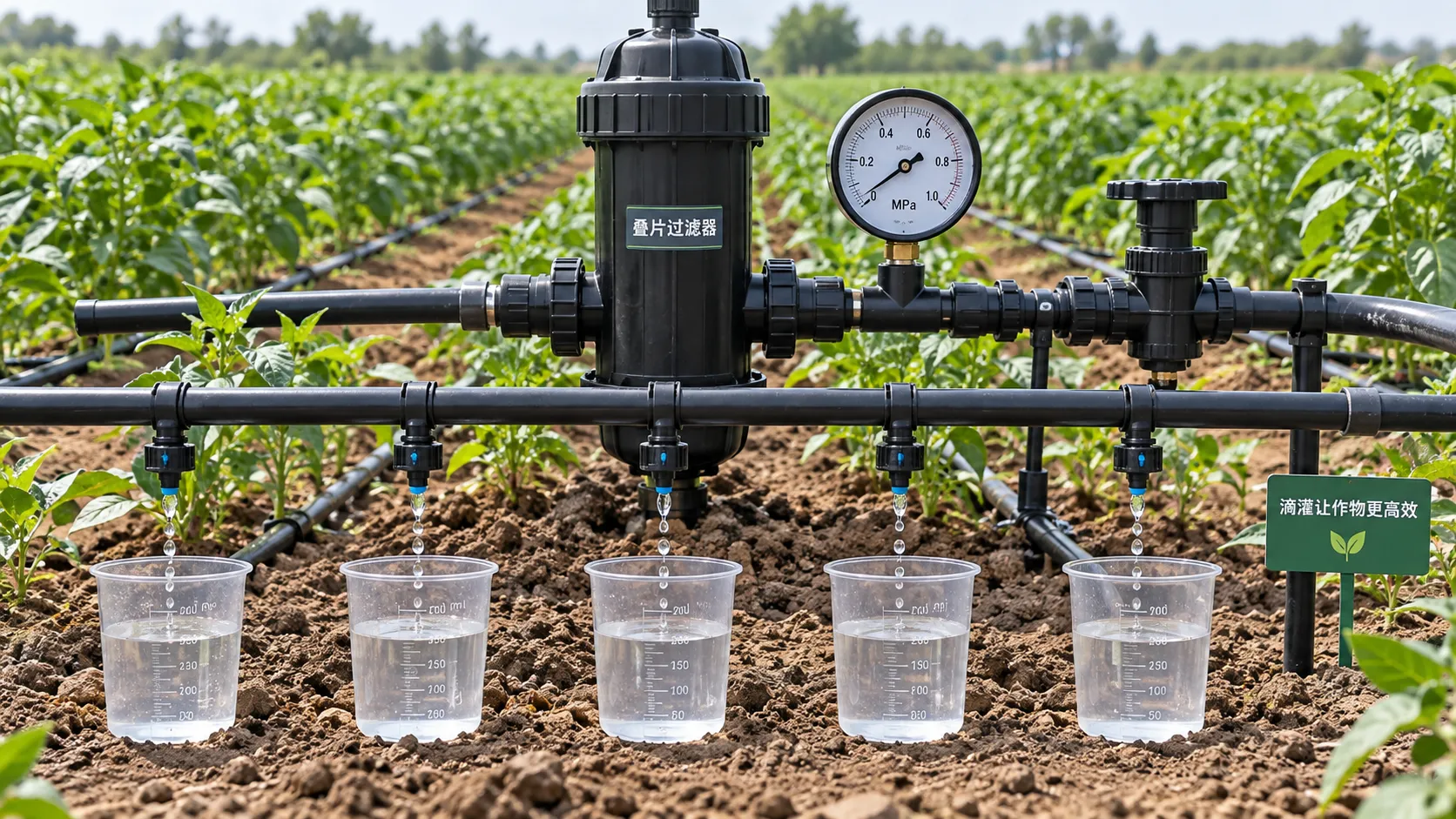
Low-Pressure Drip Irrigation: How to Fix Uneven Watering Without Raising Pressure
Optimize low pressure water-saving irrigation systems: discover how to fix uneven watering, clear blockages, and reduce hydraulic losses without raising supply pressure.

Comparing Farm Equipment Supplier Quotes: Price, Freight, and Warranty
Simplify supplier comparison for farm equipment price: assess freight, field-ready costs, and warranty coverage. Learn how to avoid hidden charges and choose a reliable supplier.
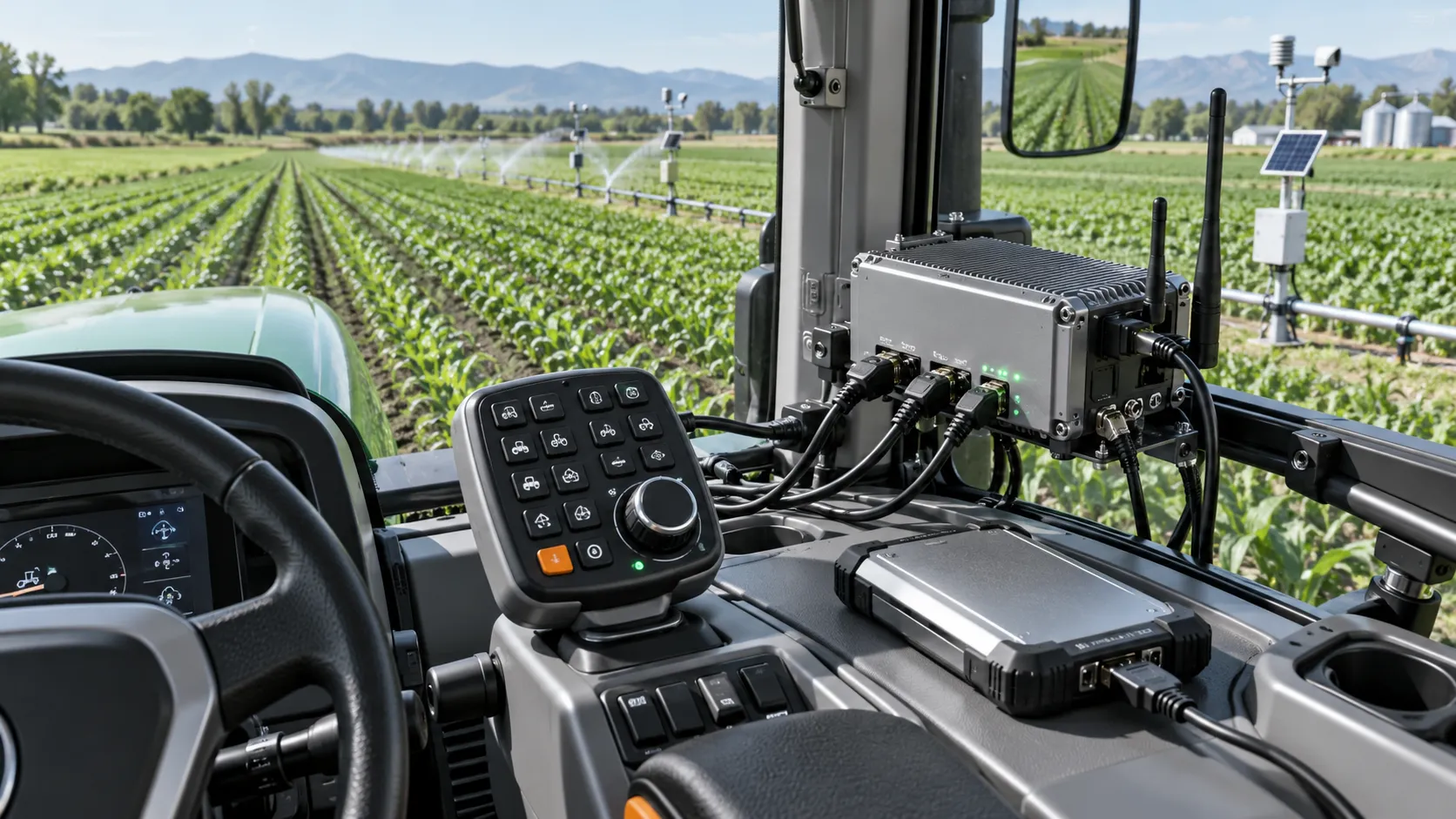
Choosing a Digital Farming Platform Provider: Compatibility and Data Ownership
Compare digital farming platforms providers on equipment compatibility, data ownership, and export rights. Discover practical checks to avoid lock-in and choose with confidence.
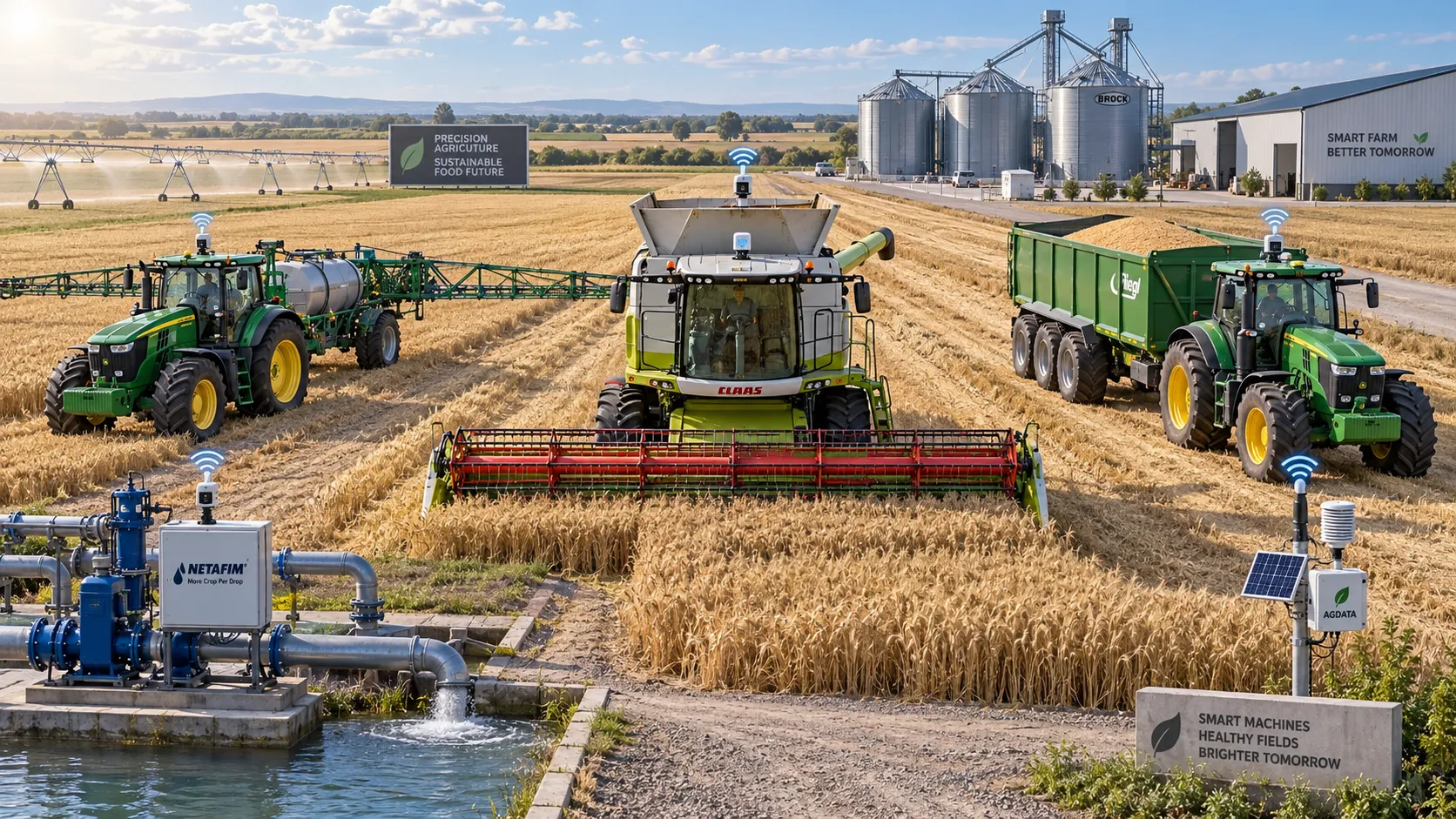
How Large-Scale Farm Telematics Cuts Downtime Across Mixed Fleets
Large-scale farm equipment telematics cuts mixed-fleet downtime with real-time alerts, smarter maintenance, and stronger operational control. Learn how to protect critical farm workflows.
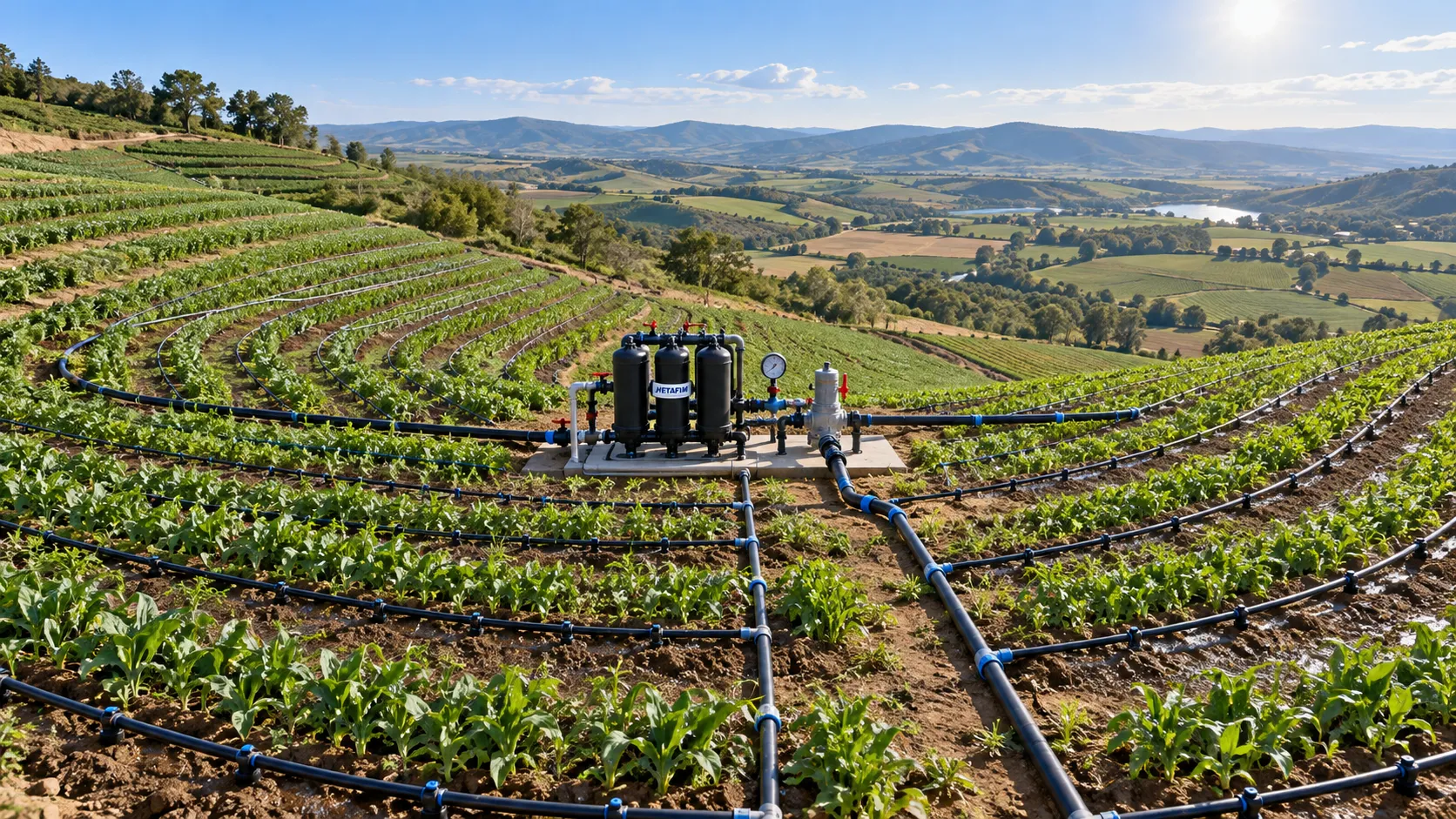
How to Size Low-Pressure Water-Saving Irrigation Systems for Uneven Fields
Low pressure water-saving irrigation systems for uneven fields: learn zoning, pressure mapping, pipe sizing, and pump selection to improve uniformity and reduce water waste.
Related News
- 00
0000-00
Is GPS RTK precision agriculture accurate enough for row planting? - 00
0000-00
How an automatic guidance system reduces overlap during spraying - 00
0000-00
GPS-Guided Farm Machinery: Where It Delivers Measurable Field Efficiency Gains - 00
0000-00
ISOBUS for Smart Agriculture: How It Connects Tractors, Implements, and Farm Data - 00
0000-00
How North American Farms Can Select Crop Monitoring Systems by Acreage and Connectivity
Popular Tags
Tractor Power Architect
Weekly Insights
Stay ahead with our curated technology reports delivered every Monday.