
USDA Sets Dual Certification Rule for GPS Guidance Systems
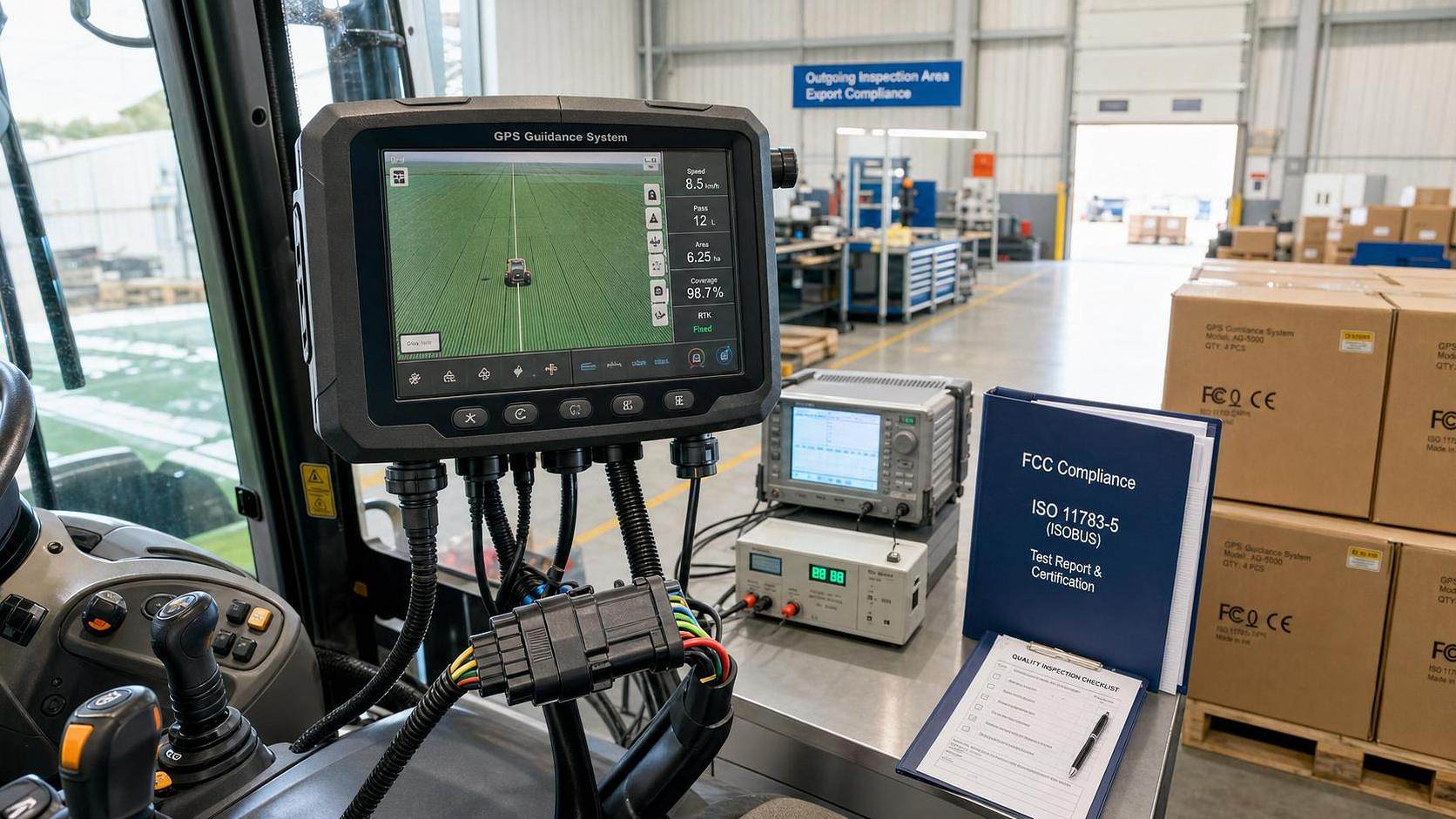




On July 16, 2026, the U.S. Department of Agriculture issued an urgent notice that will change market access requirements for smart agricultural navigation equipment entering the United States. From October 1, 2026, products including GPS Guidance Systems must carry both FCC radio compliance certification and ISO 11783-5:2025 in-vehicle communication protocol certification. This is a development that exporters, manufacturers, import-facing supply chain teams, and buyers should watch closely because it directly affects delivery timing, compliance preparation, and the risk of goods being rejected or returned at the border.
What the New Entry Requirement Confirms
The confirmed facts are limited but clear. According to the information provided, the USDA released an urgent notice on July 16, 2026. The notice states that, starting October 1, 2026, all smart agricultural navigation equipment entering the U.S. market, including GPS Guidance Systems, must meet two certification requirements at the same time: FCC radio compliance certification and ISO 11783-5:2025 certification for the onboard communication protocol.
The same notice also indicates a direct impact on Chinese exporters shipping such products to the United States. Products that do not obtain both certifications will face refusal or return by U.S. Customs and Border Protection.
Where the Pressure May Appear Across the Supply Chain
Export delivery schedules face a tighter compliance gate
From an industry perspective, direct trading companies are likely to feel the effect first because the rule is tied to U.S. market entry rather than only to product promotion or post-sale compliance. The main pressure point is shipment readiness: whether goods can be released for export on time will depend on whether certification documents are complete before the October 1, 2026 deadline.
Manufacturers may need to revisit product release timing
For equipment manufacturers, the issue is not only whether a product is technically ready for sale, but whether it is certification-ready for U.S. entry. Analysis shows that product launch planning, model allocation for the U.S. market, and factory-to-export handoff could all be affected if certification status is not aligned with shipment schedules.
Import-facing logistics and customs coordination become more sensitive
Supply chain service providers handling export documentation, customs coordination, and delivery execution may also be affected. The rule raises the importance of checking certification status before shipment, because the stated consequence for non-compliant products is refusal or return by CBP. In practical terms, document accuracy and timing will matter more in the pre-shipment stage.
Buyers and channel partners may need clearer qualification checks
For procurement teams and downstream channel participants, the immediate issue is supply continuity. Observably, buyers dealing in smart agricultural navigation equipment for the U.S. market will need closer visibility into whether suppliers can meet both certification requirements within the required timeframe, especially where delivery commitments are already in place.
What Companies Should Track Now
Watch for any further official wording or implementation detail
What deserves closer attention is whether subsequent official communication adds clarification on scope, documentation expectations, or practical enforcement details. The current information confirms the dual-certification requirement and the enforcement consequence, but businesses will need to keep tracking any follow-up language that affects execution.
Identify affected product lines and shipments before the deadline
Companies involved in exporting to the United States should review which products fall within the category of smart agricultural navigation equipment, including GPS Guidance Systems, and compare that list against planned shipments after October 1, 2026. This is a practical screening step tied directly to the rule’s effective date.
Check supplier qualifications and document completeness early
For firms working with contract manufacturers or component-integrated product suppliers, the immediate concern is whether both certification tracks are already in place, in progress, or not yet started. The rule makes supplier qualification and certification paperwork a front-end business issue rather than a back-end compliance formality.
Prepare customer communication and delivery contingencies
Analysis shows that customer-facing teams should not treat this only as a technical compliance matter. If certification timing affects shipment release, contract delivery expectations and order communication may also need adjustment. That makes internal coordination between compliance, operations, and sales teams more important in the period leading up to implementation.
Why This Looks Like More Than a Routine Notice
This section is an editorial observation rather than a statement of fact. It is more appropriate to understand this as a near-term operational change with possible longer-term signaling value. In the short term, the rule creates a clear market-entry threshold: without both certifications, affected products risk refusal or return. That alone makes it commercially relevant.
At the same time, the notice may also be read as a signal that market access for smart agricultural equipment is being tied more closely to both radio compliance and communication protocol conformity. That broader reading still requires continued observation, because the input provided does not confirm how far such logic may extend beyond the stated product category and deadline.
How the Industry May Best Read This Development
At this stage, the most reasonable conclusion is that the update should be treated first as an immediate compliance and delivery issue, not merely as a headline policy change. Its significance lies in the direct connection between certification status and border acceptance. For affected businesses, the priority is not speculation about wider outcomes, but disciplined review of products, documents, supplier readiness, and shipment plans tied to the U.S. market.
In that sense, this is best understood as a rule change with immediate operational consequences and a policy signal that still merits follow-up monitoring.
Basis of This Article and What Still Needs Verification
This article is based on the user-provided news title, event date, and event summary. The confirmed factual basis used here is limited to the stated USDA urgent notice dated July 16, 2026, the October 1, 2026 implementation date, the requirement for FCC and ISO 11783-5:2025 dual certification, and the stated CBP refusal or return risk for products without both certifications.
For this type of industry update, source categories typically worth checking include official government notices, company compliance disclosures, industry association updates, authoritative media reporting, and standard-setting organization documents. A specific official source link was not provided in the input, so the precise text of the notice and any later implementation details still need ongoing verification. Continued attention should focus on any follow-up official clarification, documentation expectations, and enforcement interpretation affecting actual shipment execution.
Related News
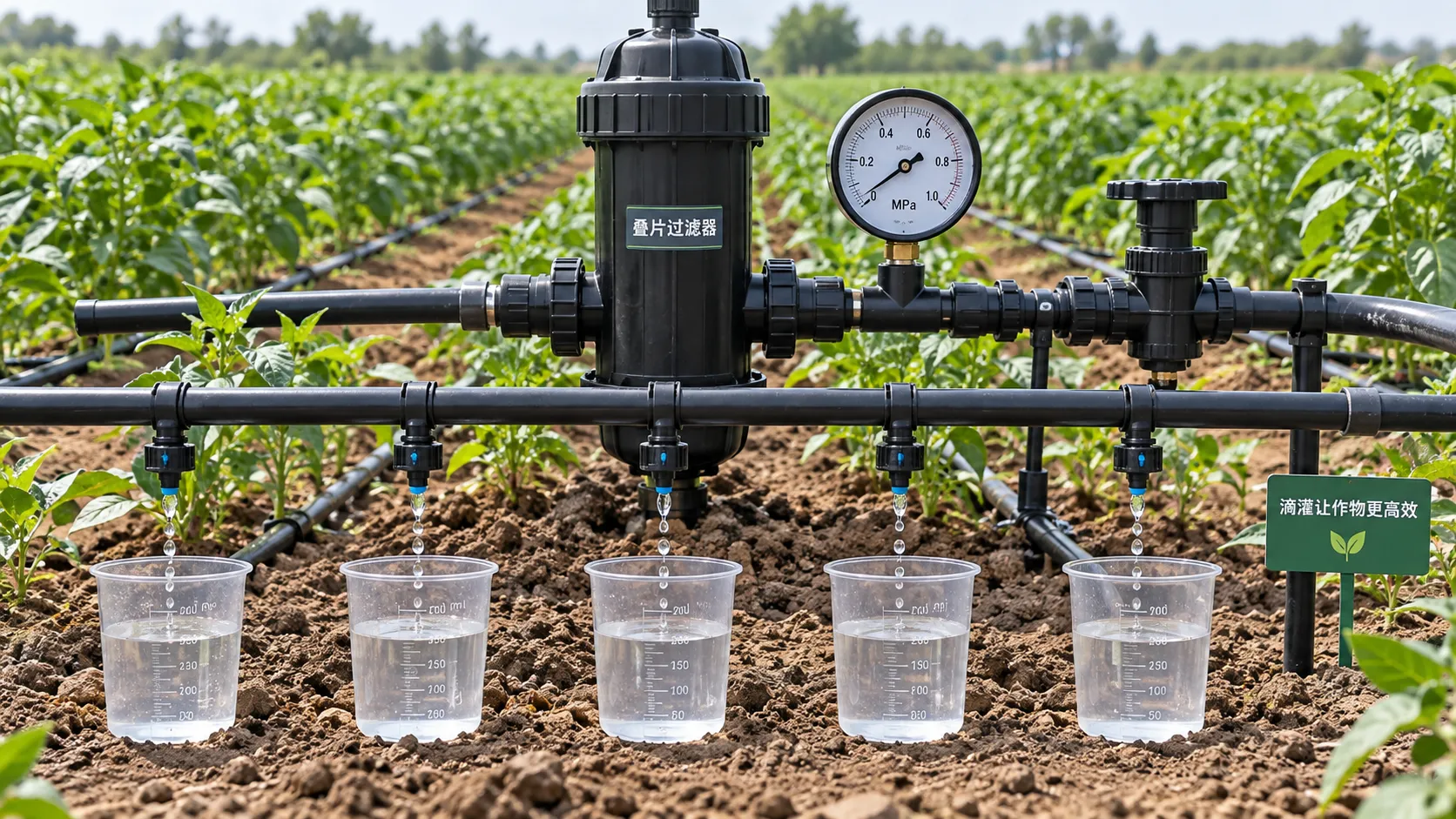
Low-Pressure Drip Irrigation: How to Fix Uneven Watering Without Raising Pressure
Optimize low pressure water-saving irrigation systems: discover how to fix uneven watering, clear blockages, and reduce hydraulic losses without raising supply pressure.

Comparing Farm Equipment Supplier Quotes: Price, Freight, and Warranty
Simplify supplier comparison for farm equipment price: assess freight, field-ready costs, and warranty coverage. Learn how to avoid hidden charges and choose a reliable supplier.
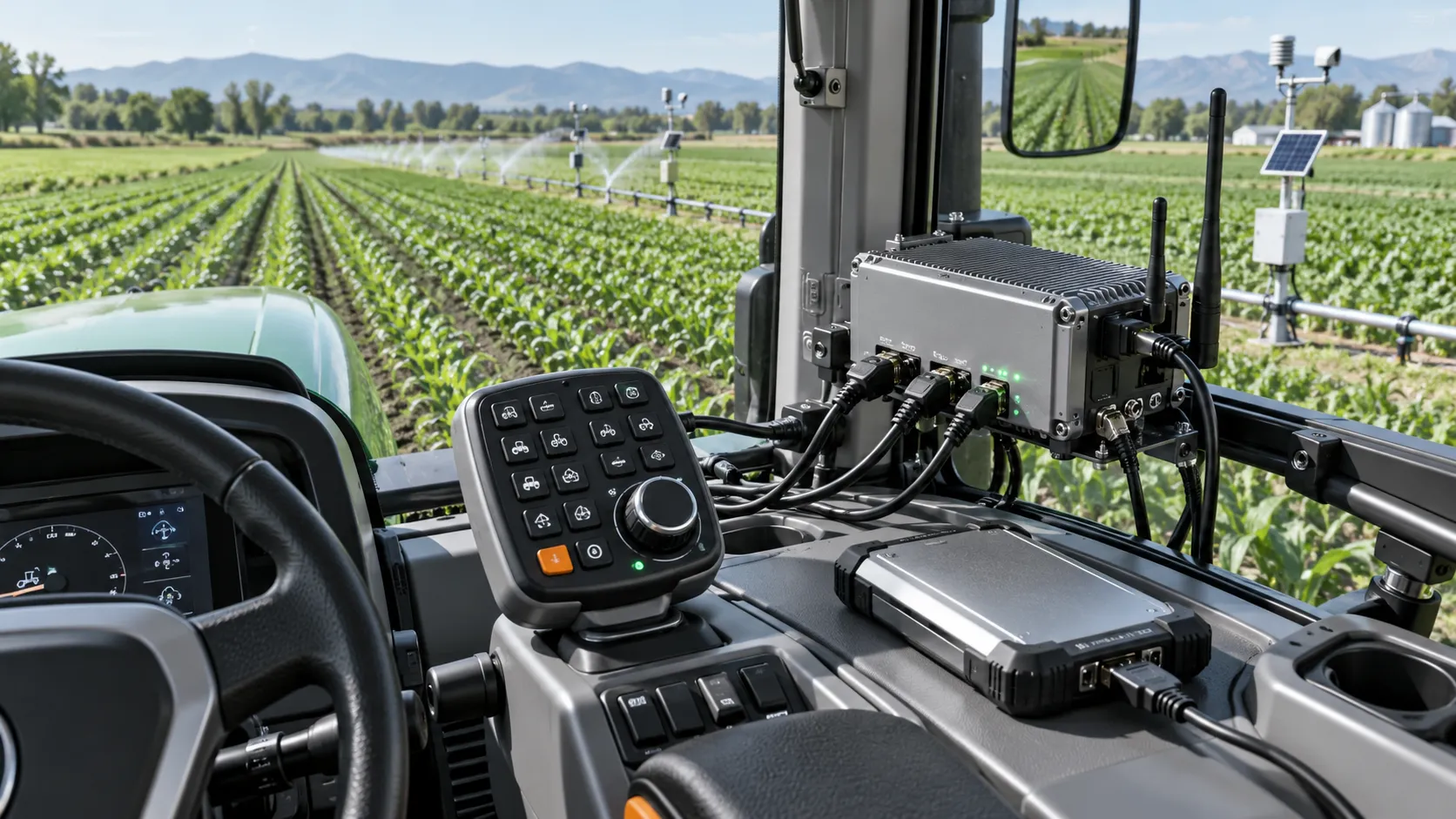
Choosing a Digital Farming Platform Provider: Compatibility and Data Ownership
Compare digital farming platforms providers on equipment compatibility, data ownership, and export rights. Discover practical checks to avoid lock-in and choose with confidence.
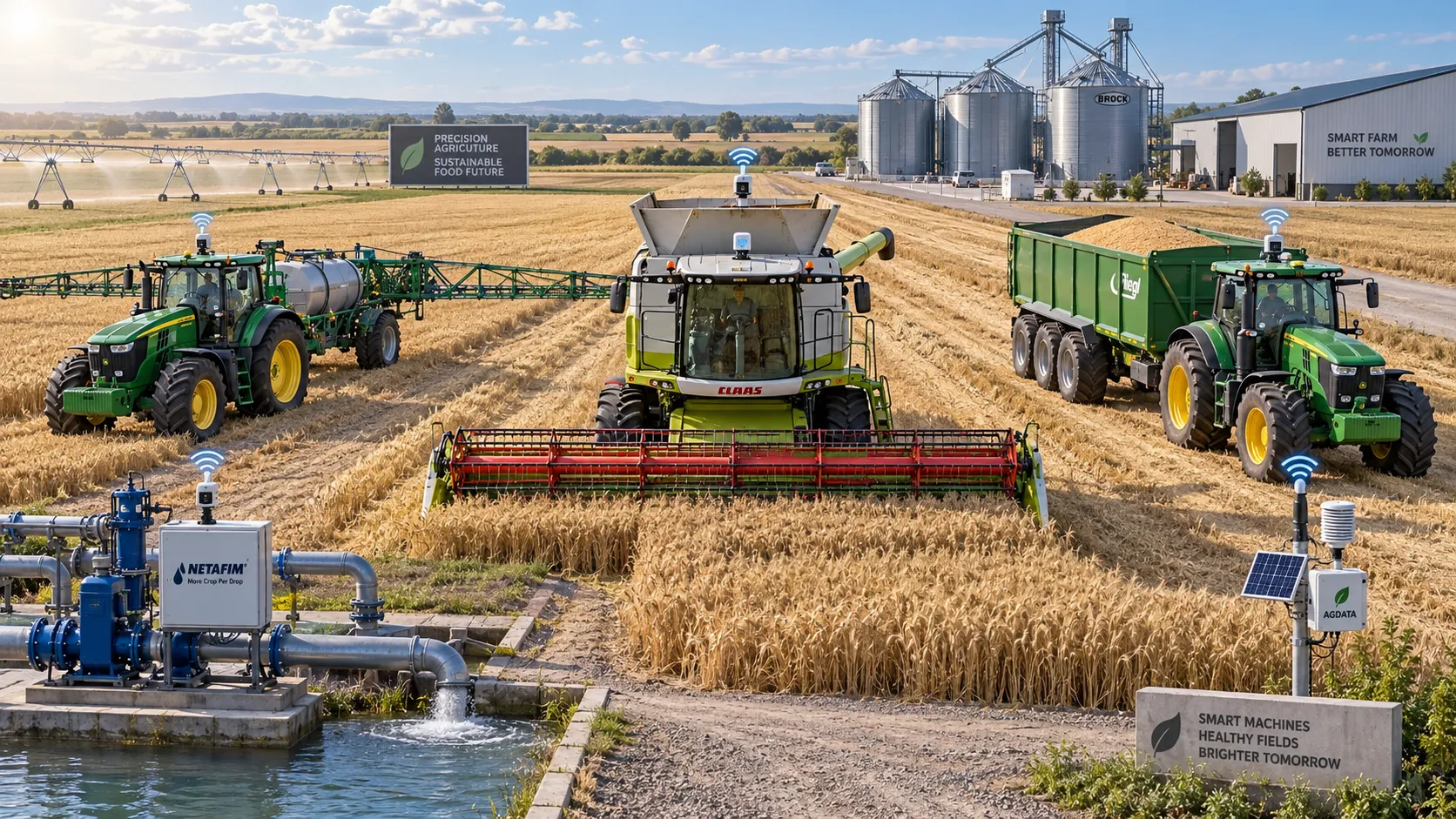
How Large-Scale Farm Telematics Cuts Downtime Across Mixed Fleets
Large-scale farm equipment telematics cuts mixed-fleet downtime with real-time alerts, smarter maintenance, and stronger operational control. Learn how to protect critical farm workflows.
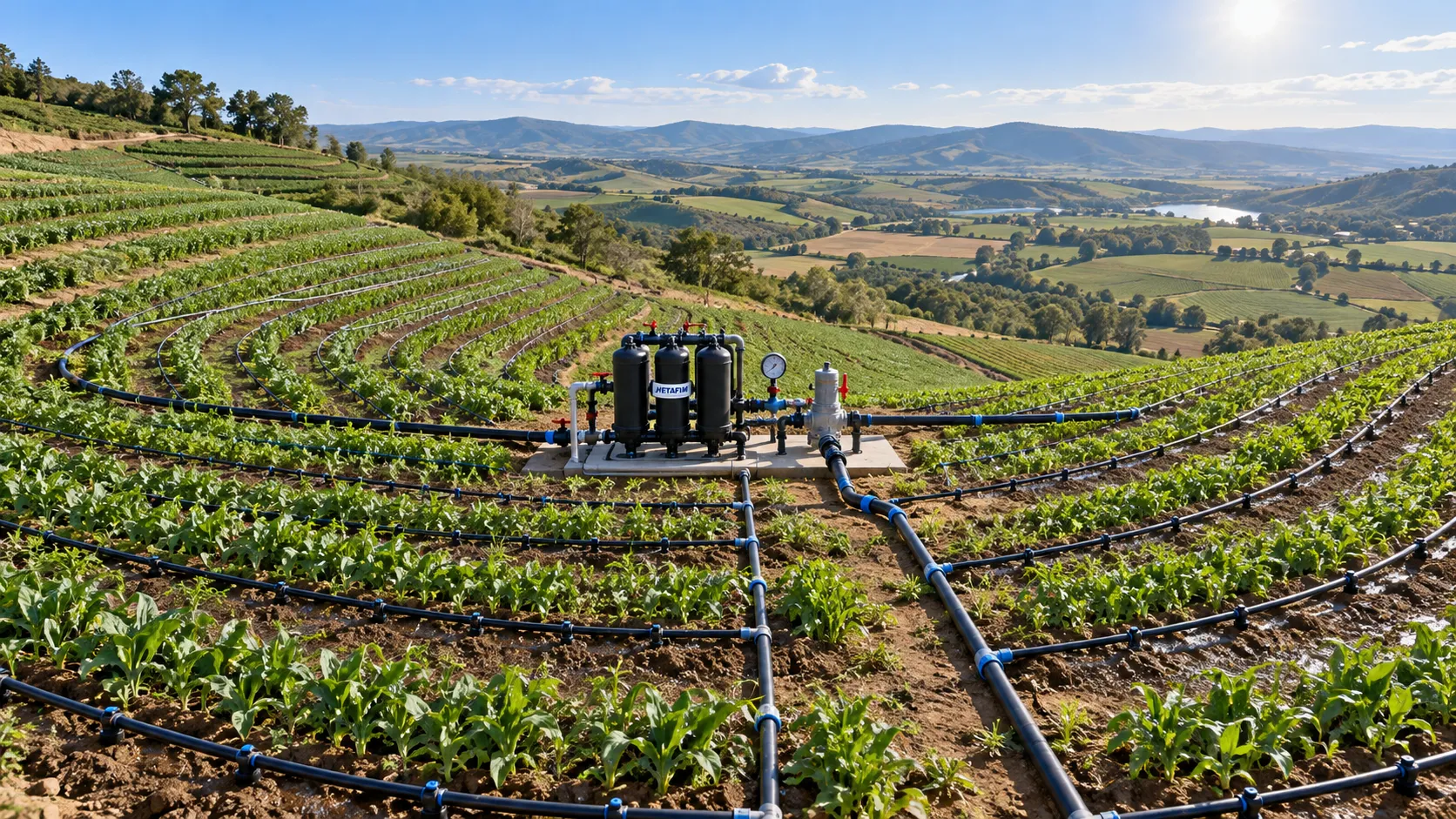
How to Size Low-Pressure Water-Saving Irrigation Systems for Uneven Fields
Low pressure water-saving irrigation systems for uneven fields: learn zoning, pressure mapping, pipe sizing, and pump selection to improve uniformity and reduce water waste.

Farm Machinery Sourcing: How to Vet Suppliers, Specs, and Lifecycle Costs
Farm machinery information for sourcing: learn to vet suppliers, compare specifications, control lifecycle costs, and secure reliable uptime for smarter equipment purchases.

What maintenance challenges come with hybrid agricultural machines?
Hybrid agricultural machines demand smarter maintenance. Discover key challenges in high-voltage safety, batteries, software diagnostics, cooling, and parts planning.

Can hybrid propulsion systems reduce fuel use in farm machinery?
Hybrid propulsion systems for agricultural machinery can cut fuel use and boost productivity. Explore savings potential, key trade-offs, and smart investment factors.
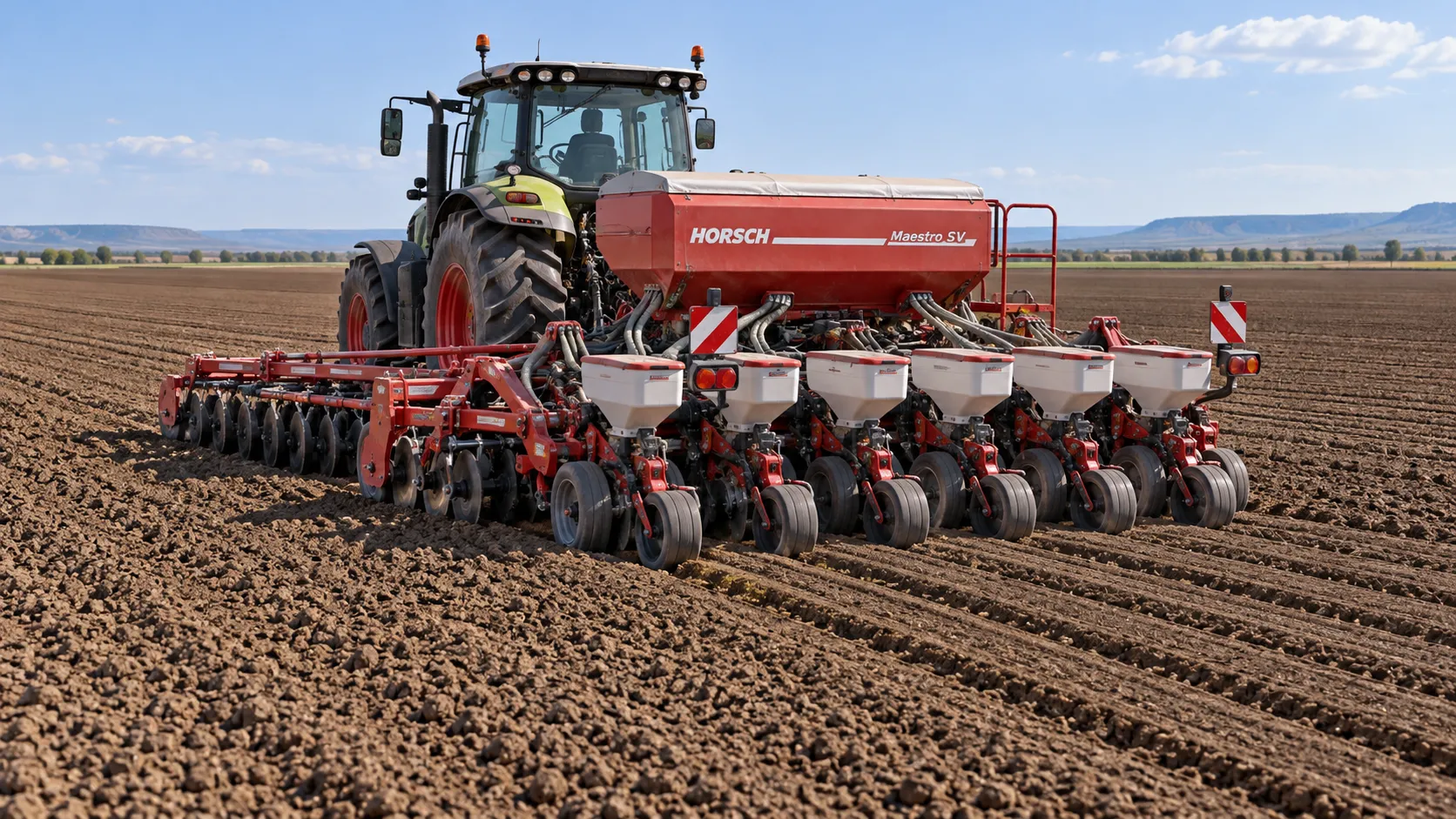
What to compare in integrated seeding combinations for heavy soils
Compare integrated seeding combinations for heavy soils: depth control, residue flow, consolidation, traction, and field capacity for more uniform crop establishment.
Related News
- 00
0000-00
GPS-Guided Farm Machinery: Where It Delivers Measurable Field Efficiency Gains - 00
0000-00
ISOBUS for Smart Agriculture: How It Connects Tractors, Implements, and Farm Data - 00
0000-00
How North American Farms Can Select Crop Monitoring Systems by Acreage and Connectivity - 00
0000-00
How Tractor Intelligence Systems Improve Field Efficiency and Input Accuracy - 00
0000-00
Which equipment for larger fields maintains accuracy at higher speeds?
Popular Tags
Tractor Power Architect
Weekly Insights
Stay ahead with our curated technology reports delivered every Monday.