
Canada Enforces ISED EMC Approval for GPS Guidance Systems
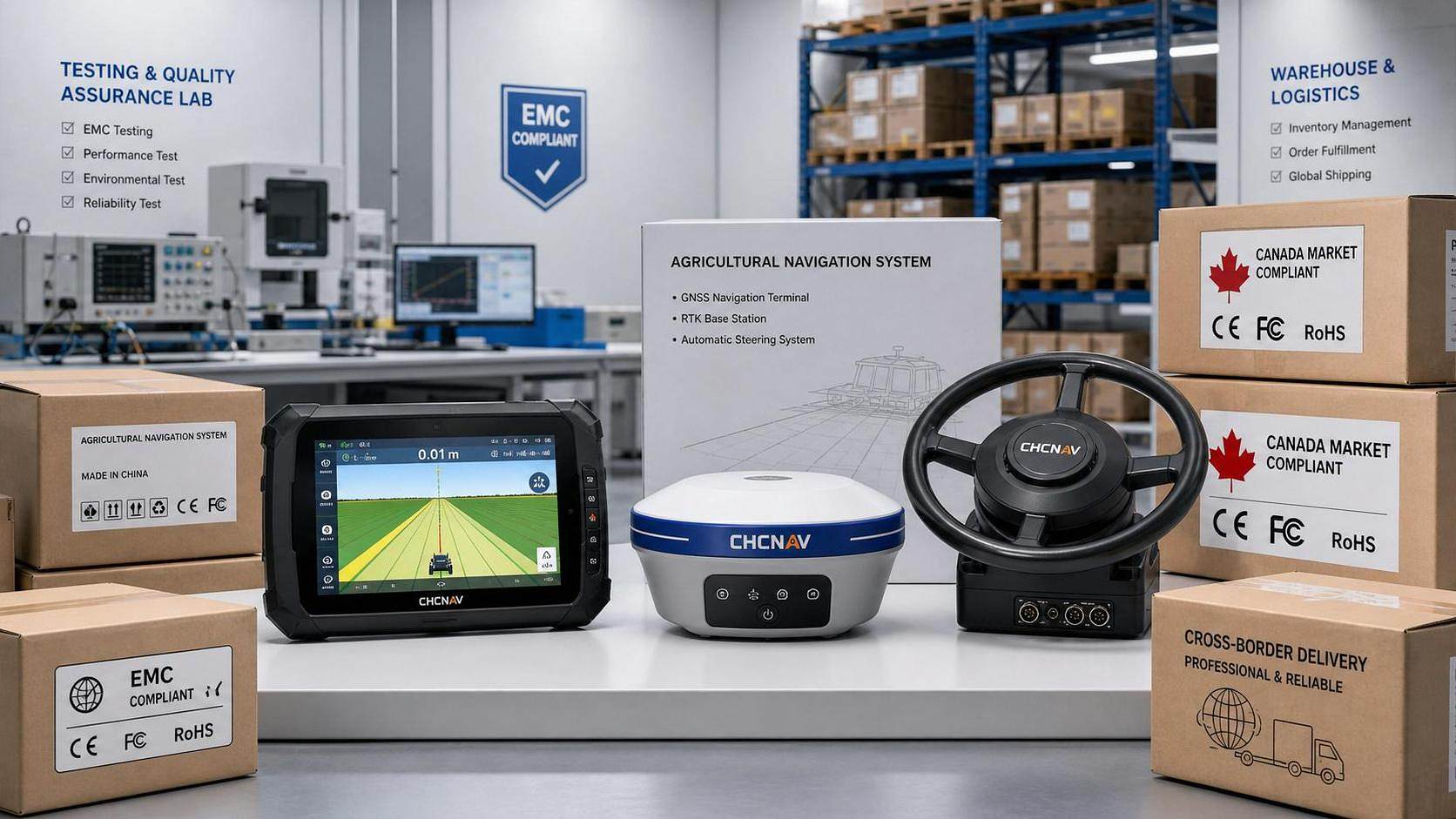




Effective July 11, 2026, Canada has put a new compliance condition into force for GPS Guidance Systems sold or imported into the market: covered products must complete ISED RSS-102 Issue 5 EMC type approval and carry an ISED ID label. The change matters for companies handling GNSS-based agricultural guidance terminals, RTK base stations, and integrated auto-steering controllers, because it affects import clearance, inventory replenishment, and delivery scheduling rather than remaining a technical requirement in the background.
What Has Taken Effect in Canada
The confirmed change is that, from July 11, 2026, the Innovation, Science and Economic Development Canada (ISED) requires all GPS Guidance Systems imported into or sold in Canada to obtain ISED RSS-102 Issue 5 electromagnetic compatibility certification in the form of type approval.
The rule also requires covered products to bear an ISED ID marking. Based on the provided information, the scope includes agricultural navigation terminals containing GNSS receiver modules, RTK base stations, and integrated automatic steering controllers.
The provided summary further states that non-compliant products will be refused customs clearance at the border. This creates a direct connection between certification status and market access for relevant products entering Canada.
Where the Pressure Will Likely Appear First
For importers and cross-border distributors
From an industry perspective, these companies are exposed first because the rule directly links compliance to customs clearance. The practical impact is likely to appear in inbound shipment planning, stock replenishment, and delivery commitments for the North American distribution chain. What deserves closer attention is whether each covered model already has the required approval status and labeling before goods are dispatched.
For equipment makers shipping GNSS-based products
Manufacturers of agricultural guidance terminals, RTK base stations, and integrated auto-steering controllers may be affected at the product release and market-entry stages. The relevant business issue is not only product design, but also whether the final saleable unit aligns with the required certification path and marking requirement. Companies in this position should pay close attention to compliance documentation, technical files, and the certification readiness of each product variant intended for Canada.
For procurement and project delivery teams
Buyers, project teams, and channel partners may face timing risk where delivery schedules depend on imported equipment. Analysis shows that a rule tied to border clearance can quickly turn into a scheduling issue for field deployment, installation windows, and replacement stock. Procurement reviews should therefore focus on whether suppliers can provide clear evidence of ISED certification status and labeling compliance for the affected product categories.
For testing and certification service providers
Observably, the new requirement also raises the importance of certification-related support functions. For laboratories, compliance consultants, and documentation service providers, the key issue is whether companies need additional testing, file preparation, or approval coordination to keep products moving into the Canadian market. The supplied information does not provide execution detail beyond the requirement itself, so this should be understood as an operational area to monitor rather than a confirmed bottleneck.
What Companies Should Check Now
Review product scope model by model
Companies should first determine whether their products fall within the described scope, especially where GNSS receiver modules are embedded in larger systems. This matters for product portfolios that include agricultural navigation terminals, RTK base stations, or integrated steering controllers, because scope misunderstandings can lead to shipment or listing errors.
Match certification status with labeling status
The provided information makes clear that the requirement is not limited to approval alone; an ISED ID mark must also be affixed. In practical terms, businesses should check whether certification records, product labels, packaging references, and shipment documents are aligned for the Canadian market version of each covered product.
Recheck shipment timing and replenishment plans
Because non-compliant products may be denied border clearance, delivery planning deserves immediate attention. Companies with inventory transfers, distributor replenishment cycles, or project-based delivery obligations should review whether current stock and pending shipments are exposed to compliance timing risk under the rule now in force.
Watch for execution language and market-side updates
The input confirms the rule change and its consequence for non-compliant goods, but it does not provide further detail on implementation language, document review practice, or downstream procurement wording. It is therefore advisable to keep tracking official expressions, customer-side specification updates, and any adjustments in tender or purchasing documents that begin referencing the new certification condition.
How This Change Is Best Understood
Analysis shows that this development is better understood as a rule now in force with immediate trade and delivery relevance, rather than as a policy direction that remains theoretical. The border-clearance consequence is what gives the requirement practical weight for the industry.
At the same time, Observably, some important aspects still require continued monitoring. The supplied information confirms the certification obligation, product scope, labeling requirement, and customs consequence, but it does not set out finer implementation details. For that reason, companies should treat this as an active compliance signal while continuing to watch how the rule is applied in purchasing, distribution, and project execution.
Why the Market Will Keep Following It
The immediate significance of this update is that compliance for covered GPS Guidance Systems in Canada now has a clearer market-access threshold. For affected businesses, the issue is no longer only technical conformity; it also reaches import release, distributor inventory continuity, and delivery planning.
It is more appropriate to understand this as a landed rule with operational consequences, while still recognizing that the full market response will depend on how certification checks, buyer requirements, and supply-chain practices develop in execution.
Basis of This Article
This article is based on the user-provided news title, event date, and event summary concerning the Canadian requirement for ISED RSS-102 Issue 5 EMC type approval and ISED ID labeling for GPS Guidance Systems effective July 11, 2026.
For developments of this kind, commonly relevant source categories may include official regulatory notices, releases from supervisory authorities, customs or trade administration updates, industry association information, standards documents, and reporting by authoritative trade media. A specific official source link was not provided in the input, so the exact official reference still needs to be verified on an ongoing basis.
What still warrants continued observation includes any further implementation detail, certification enforcement interpretation, changes in tender or procurement documents, market feedback from distributors and buyers, and how affected companies adjust their delivery and compliance arrangements.
Related News

Farm Machinery Sourcing: How to Vet Suppliers, Specs, and Lifecycle Costs
Farm machinery information for sourcing: learn to vet suppliers, compare specifications, control lifecycle costs, and secure reliable uptime for smarter equipment purchases.

How to calculate ROI on precision agriculture equipment before buying
Calculating ROI on precision agriculture equipment: learn to assess total ownership costs, savings, payback, NPV, risks, and farm-scale value before you buy.

Tractor Specification Sheets: Matching PTO, Hydraulics, and Weight to Farm Tasks
Specification-oriented articles for tractors: match PTO, hydraulics, lift capacity, ballast, and weight to real farm tasks for safer, more efficient equipment choices.

How to Evaluate Dynamic Feedback Algorithm Suppliers for Precision Farming Systems
Dynamic feedback algorithms supplier evaluation guide for precision farming—compare validation, integration, safety, and pilots to choose with confidence.

How to Specify Combine Harvester Systems for High-Moisture Grain and Variable Field Conditions
Combine harvester systems for high-moisture grain: learn how to specify threshing, cleaning, headers, traction, and automation for reliable harvests in variable fields.

How to Compare Agricultural Equipment Platforms for Fleet Management and ROI
Agricultural equipment platform comparison: evaluate fleet data, maintenance, precision workflows, and ROI to choose a system that delivers measurable results.
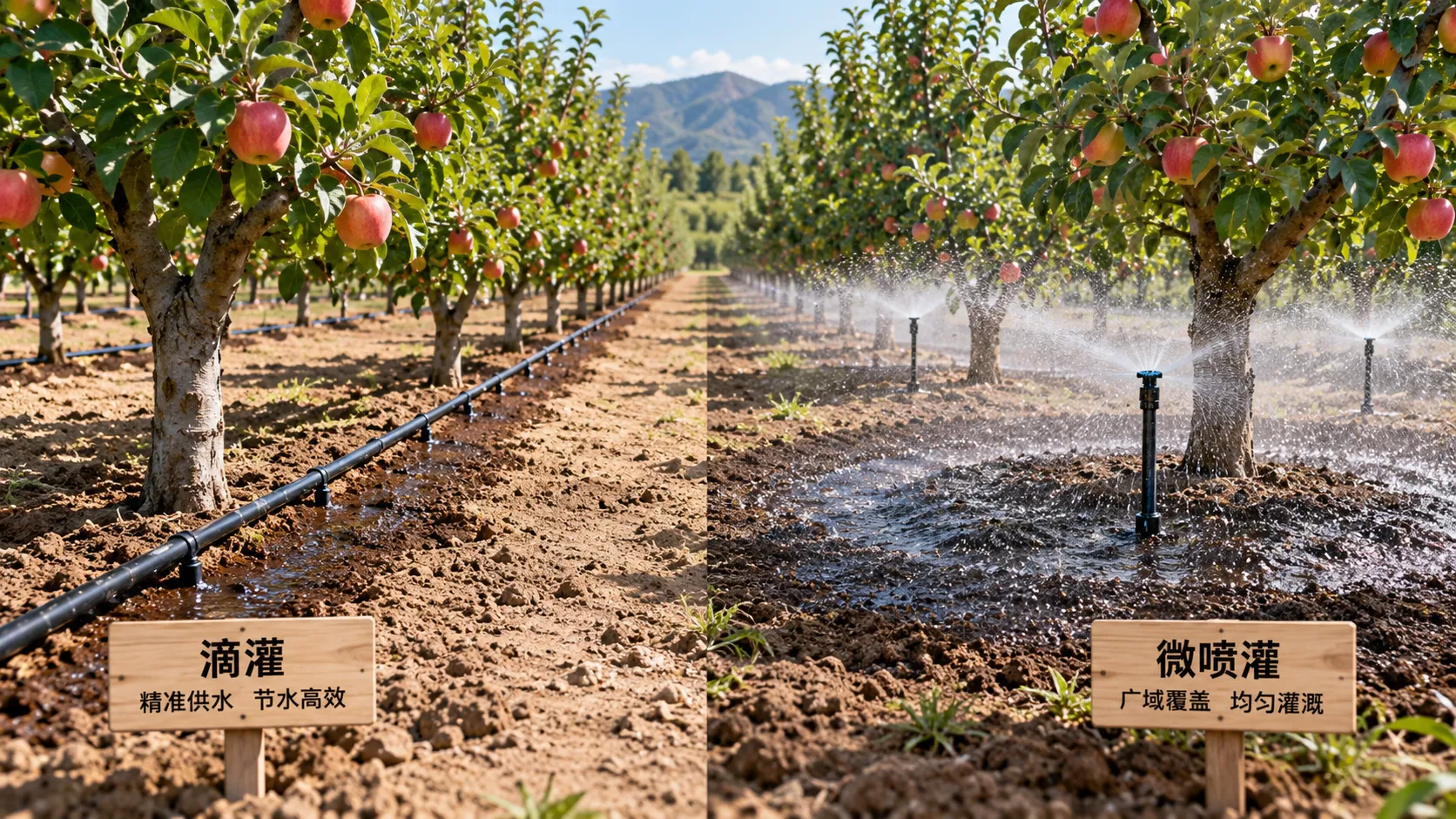
Drip vs. Micro-Sprinkler Irrigation: Which System Fits Your Orchard?
Irrigation solution comparison for orchards: discover whether drip or micro-sprinklers best match your water, soil, roots, fertigation, and frost needs.
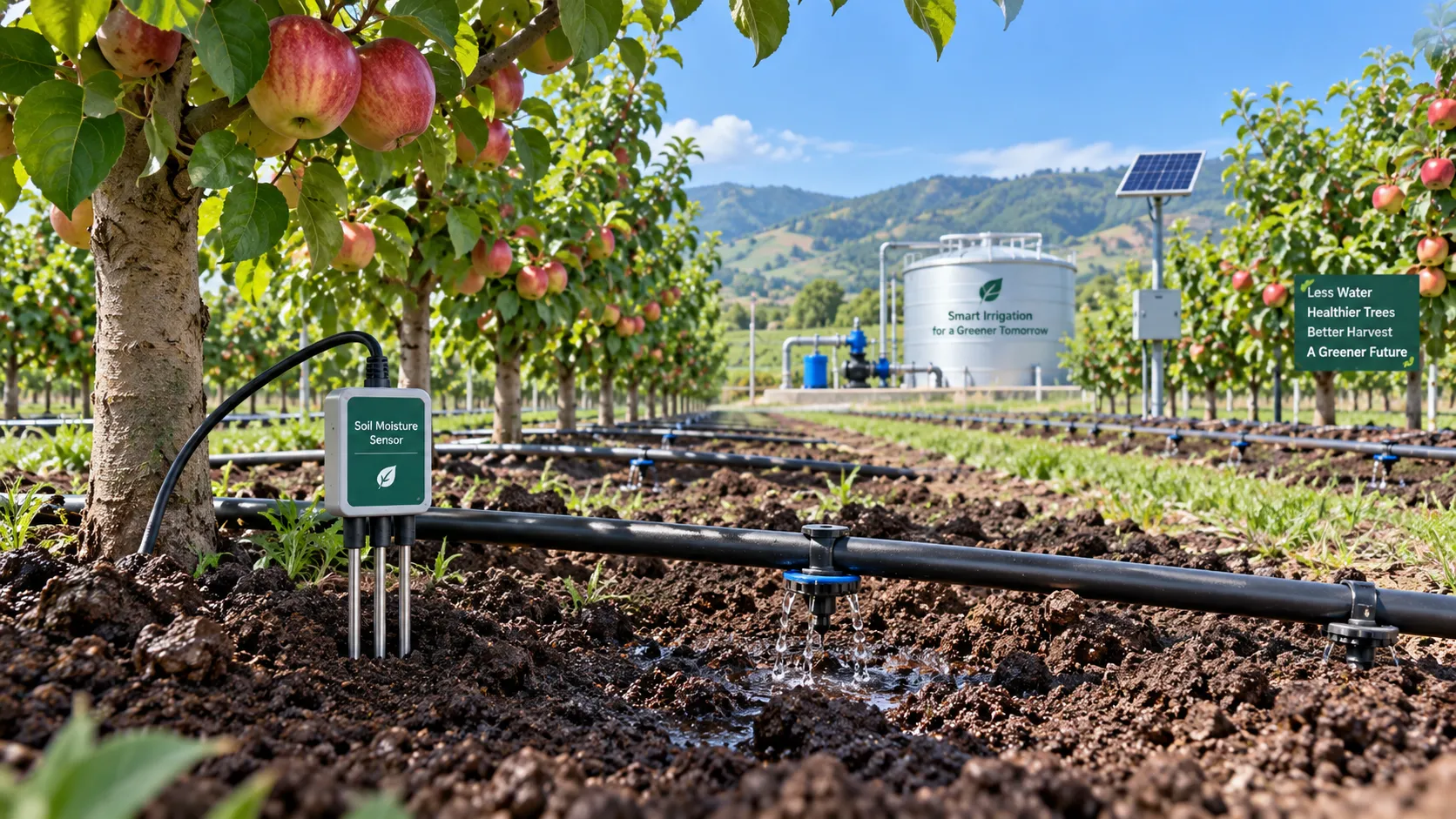
Orchard Water Management: Using Soil Moisture Data to Schedule Irrigation
Agricultural water management for orchards made practical: use soil moisture data to optimize irrigation timing, protect yield, reduce costs, and improve resilience.

Tractor Chassis Price: What Buyers Should Compare Beyond the Initial Quote
Tractor chassis price is only the start. Compare load capacity, compatibility, durability, and lifecycle costs to choose a reliable, high-value chassis.
Related News
- 00
0000-00
GPS-Guided Farm Machinery: Where It Delivers Measurable Field Efficiency Gains - 00
0000-00
ISOBUS for Smart Agriculture: How It Connects Tractors, Implements, and Farm Data - 00
0000-00
How North American Farms Can Select Crop Monitoring Systems by Acreage and Connectivity - 00
0000-00
How Tractor Intelligence Systems Improve Field Efficiency and Input Accuracy - 00
0000-00
Which equipment for larger fields maintains accuracy at higher speeds?
Popular Tags
Tractor Power Architect
Weekly Insights
Stay ahead with our curated technology reports delivered every Monday.