
Red Sea Shipping Shift Raises Middle East Freight 23%





On July 12, 2026, a freight rule change on the China-Middle East route became a practical trade issue for the drip irrigation supply chain. Based on a joint notice from Maersk and MSC, average direct container freight for Drip Irrigation Logic shipments to the Middle East increased by 23%, while some carriers also suspended calls at ports in Oman and Saudi Arabia. For importers, distributors, exporters, and procurement teams handling drip tapes, pressure-compensating drippers, and smart control valves, this is worth close attention because it affects landed cost, delivery timing, and near-term purchasing execution rather than remaining a distant logistics headline.
What Has Changed on the Route
The confirmed facts are limited but commercially significant. According to the joint notice cited in the input, the adjustment took effect on July 12, 2026, in response to continuing security risk in the Red Sea. The direct container freight rate on the China-Middle East route for Drip Irrigation Logic standard container shipments was raised by 23%. In parallel, some shipping companies suspended port calls in Oman and Saudi Arabia. The stated impact is direct: import cost and delivery timing for products such as drip tapes, pressure-compensating drippers, and smart control valves are affected, and Middle East distributors need to recalculate Q3 procurement budgets and consider earlier stocking.
Where the Pressure Moves Along the Supply Chain
Export quotations now face a narrower margin for error
From an industry perspective, exporters of irrigation products are likely to feel the change first in quotation management and delivery commitments. When direct freight rises and some port calls are suspended, the risk is not only higher transport cost but also weaker certainty around the route used to fulfill an order. What deserves closer attention is whether current offers, shipment schedules, and contract terms still reflect the new logistics baseline from July 12 onward.
Middle East distributors must revisit purchasing rhythm
For distributors in the destination market, the immediate issue is budget discipline and inventory timing. The input already indicates that Q3 procurement budgets may need to be recalculated and that earlier stocking may need to be considered. Analysis shows that this affects not just unit economics, but also order batching, replenishment timing, and the ability to maintain supply continuity for irrigation projects and seasonal demand.
Procurement teams need to check delivery-linked documents more carefully
For buyers and sourcing teams, the operational effect is likely to appear in delivery clauses, shipment planning, and supporting trade documentation. If route availability changes and freight rises from a defined date, procurement teams should pay closer attention to whether shipping assumptions in purchase orders, tender files, technical schedules, and delivery commitments remain aligned with actual carrier execution. This is less about a new product compliance rule and more about the trade and delivery conditions surrounding compliant products.
Supply chain service providers may see tighter coordination demands
Observably, logistics coordinators, freight partners, and after-sales support teams may face more coordination work where shipment timing affects installation planning or spare-part availability. The main pressure point is execution visibility: which route remains usable, whether port calls remain available, and how timing changes are communicated through the order chain. That makes document consistency and milestone tracking more important, even though the input does not provide further operational detail.
What Companies Should Watch in Current Execution
Recheck price validity and freight assumptions
Analysis shows that companies trading in the affected product categories should review whether existing quotations, budget models, and landed-cost calculations still reflect the 23% freight increase from the stated effective date. For ongoing transactions, the practical question is whether commercial documents already issued still match the new route conditions.
Track port-call changes in live order planning
Because some carriers have suspended calls at ports in Oman and Saudi Arabia, businesses should watch for follow-up carrier wording and execution practice that could affect shipment sequencing and promised delivery windows. The input does not provide a full implementation framework, so this should be treated as an area for continued monitoring rather than a settled operational outcome across all shipments.
Revisit Q3 procurement timing for affected product lines
For drip tapes, pressure-compensating drippers, and smart control valves, the immediate management issue is timing. Buyers and distributors should compare current stock positions, incoming shipments, and procurement plans against the new freight and routing conditions. What deserves closer attention is not only cost inflation but whether delayed replenishment could create avoidable gaps in supply planning.
Keep tender, technical, and delivery files aligned
Where orders are tied to bid documents, technical submittals, or delivery schedules, companies should verify that logistics assumptions used in those files remain realistic. Observably, this is especially relevant when delivery timing is commercially sensitive. The input does not indicate any change in certification status or technical standards, so companies should avoid overstating the issue as a product-compliance shift; the present concern is execution alignment under changing shipping conditions.
How This Signal Should Be Read
Analysis shows that this development is better understood as an executed trade and logistics signal than as a broad new regulatory framework for irrigation products. The freight increase has a defined effective date, and the suspension of some port calls points to a concrete operating change already affecting trade execution. At the same time, it is more appropriate to understand the broader market impact as still developing, because the input does not provide full details on duration, carrier-by-carrier application, or how buyers and suppliers will adjust their contracts and schedules.
From an industry perspective, the reason to keep watching is straightforward: in cross-border supply chains, commercial disruption often reaches the market first through freight cost, route availability, and delivery promises before it appears in formal procurement revisions or tender language. That makes follow-up wording, execution practice, and market feedback more important than headline reaction alone.
Why the Development Matters Now
The significance of this update lies in its immediate effect on trade execution for Drip Irrigation Logic-related products moving from China to the Middle East. It does not, based on the provided facts, establish a new product standard or certification requirement. Instead, it changes the operating conditions under which compliant products are bought, shipped, budgeted, and delivered. The most rational reading at this stage is that the market is dealing with a live logistics adjustment that has already taken effect, while the full extent of downstream commercial and scheduling impact still requires observation.
Basis of This Article and What Still Needs Verification
This article is generated from the user-provided news title, event date, and event summary. For events of this type, commonly relevant source categories may include official carrier notices, releases from regulatory or trade authorities, customs or trade administration information, industry association updates, standard-setting documents, and reporting by authoritative media. No specific official source link was provided in the input, so the exact official link still needs to be verified on an ongoing basis. Further observation is also needed regarding later implementation detail, carrier wording, procurement document adjustments, tender-file changes, market feedback, and how affected companies execute against the revised shipping conditions.
Related News

Farm Machinery Sourcing: How to Vet Suppliers, Specs, and Lifecycle Costs
Farm machinery information for sourcing: learn to vet suppliers, compare specifications, control lifecycle costs, and secure reliable uptime for smarter equipment purchases.

How to calculate ROI on precision agriculture equipment before buying
Calculating ROI on precision agriculture equipment: learn to assess total ownership costs, savings, payback, NPV, risks, and farm-scale value before you buy.

Tractor Specification Sheets: Matching PTO, Hydraulics, and Weight to Farm Tasks
Specification-oriented articles for tractors: match PTO, hydraulics, lift capacity, ballast, and weight to real farm tasks for safer, more efficient equipment choices.

How to Evaluate Dynamic Feedback Algorithm Suppliers for Precision Farming Systems
Dynamic feedback algorithms supplier evaluation guide for precision farming—compare validation, integration, safety, and pilots to choose with confidence.

How to Specify Combine Harvester Systems for High-Moisture Grain and Variable Field Conditions
Combine harvester systems for high-moisture grain: learn how to specify threshing, cleaning, headers, traction, and automation for reliable harvests in variable fields.

How to Compare Agricultural Equipment Platforms for Fleet Management and ROI
Agricultural equipment platform comparison: evaluate fleet data, maintenance, precision workflows, and ROI to choose a system that delivers measurable results.
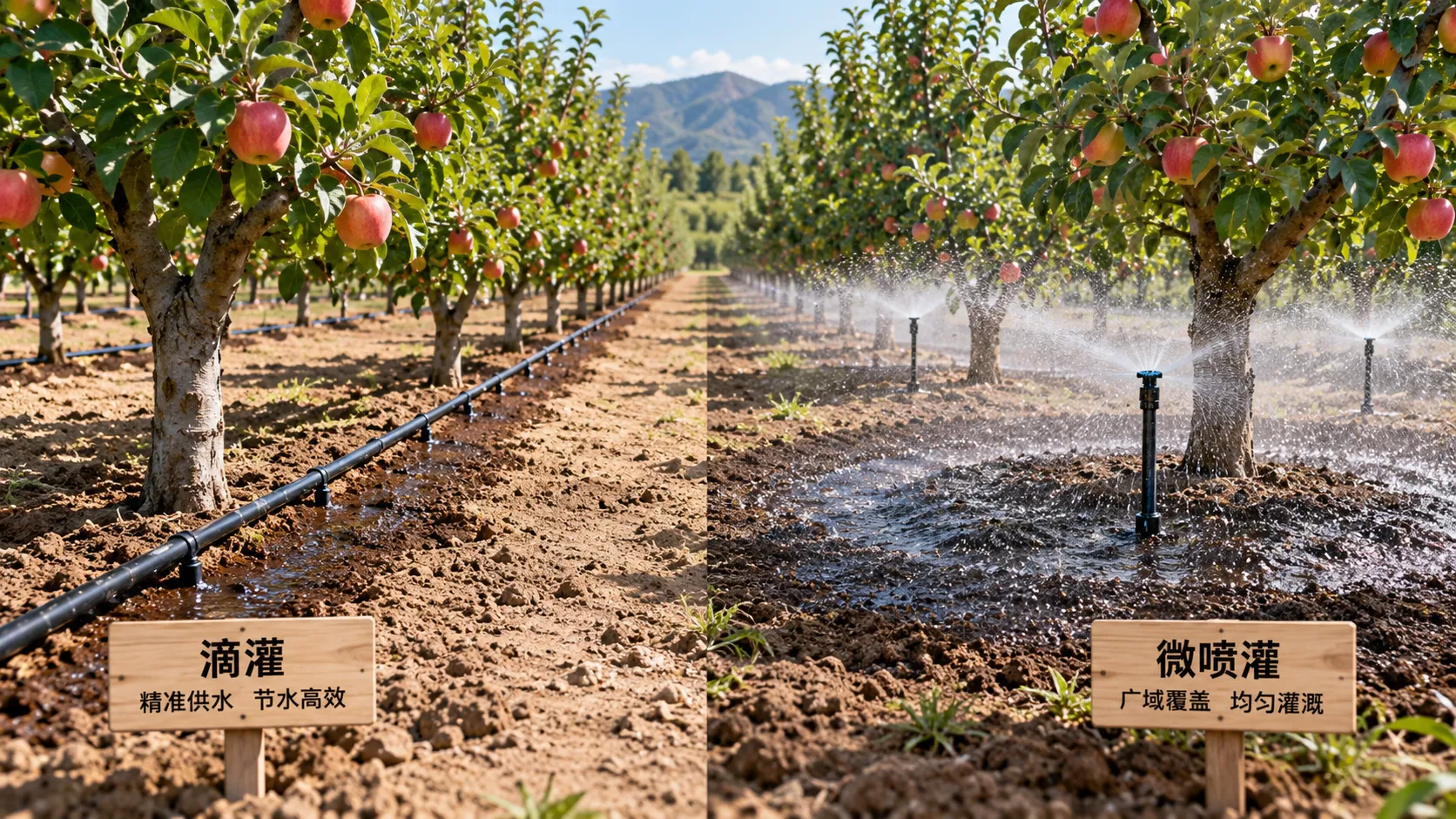
Drip vs. Micro-Sprinkler Irrigation: Which System Fits Your Orchard?
Irrigation solution comparison for orchards: discover whether drip or micro-sprinklers best match your water, soil, roots, fertigation, and frost needs.
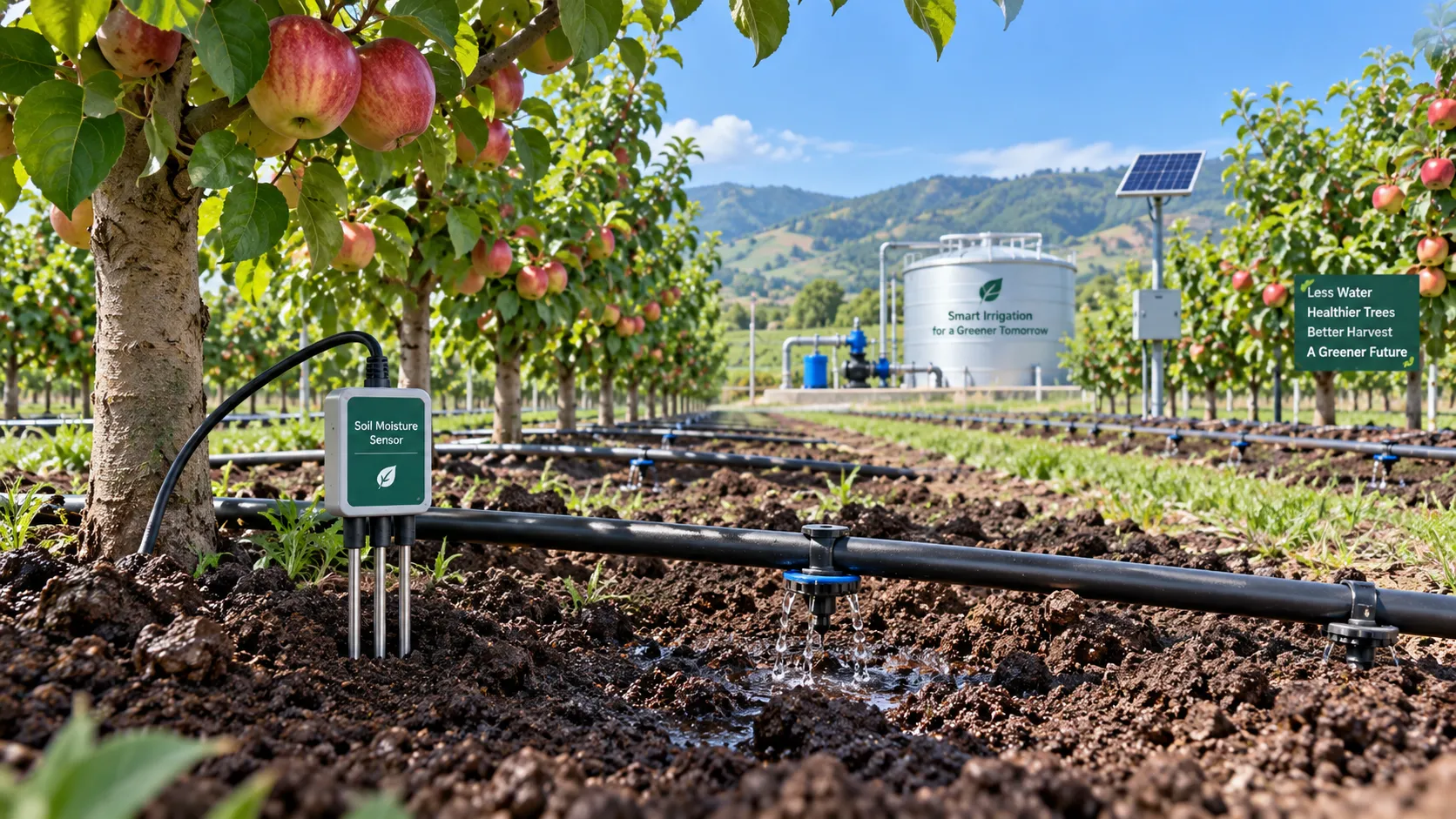
Orchard Water Management: Using Soil Moisture Data to Schedule Irrigation
Agricultural water management for orchards made practical: use soil moisture data to optimize irrigation timing, protect yield, reduce costs, and improve resilience.

Tractor Chassis Price: What Buyers Should Compare Beyond the Initial Quote
Tractor chassis price is only the start. Compare load capacity, compatibility, durability, and lifecycle costs to choose a reliable, high-value chassis.
Related News
- 00
0000-00
Drip vs. Micro-Sprinkler Irrigation: Which System Fits Your Orchard? - 00
0000-00
How to Select Smart Irrigation Valves for Multi-Zone Water Management? - 00
0000-00
Automated Water-Saving Irrigation: How to Cut Water Use Without Reducing Crop Yields - 00
0000-00
How to Evaluate Drip Irrigation System Manufacturers for Large Farm Projects - 00
0000-00
Wireless Agricultural Automation for Remote Irrigation and Field Monitoring
Popular Tags
Hydrological Resource Strategist
Weekly Insights
Stay ahead with our curated technology reports delivered every Monday.