
EU CE Transition Ends for Drip Irrigation Logic
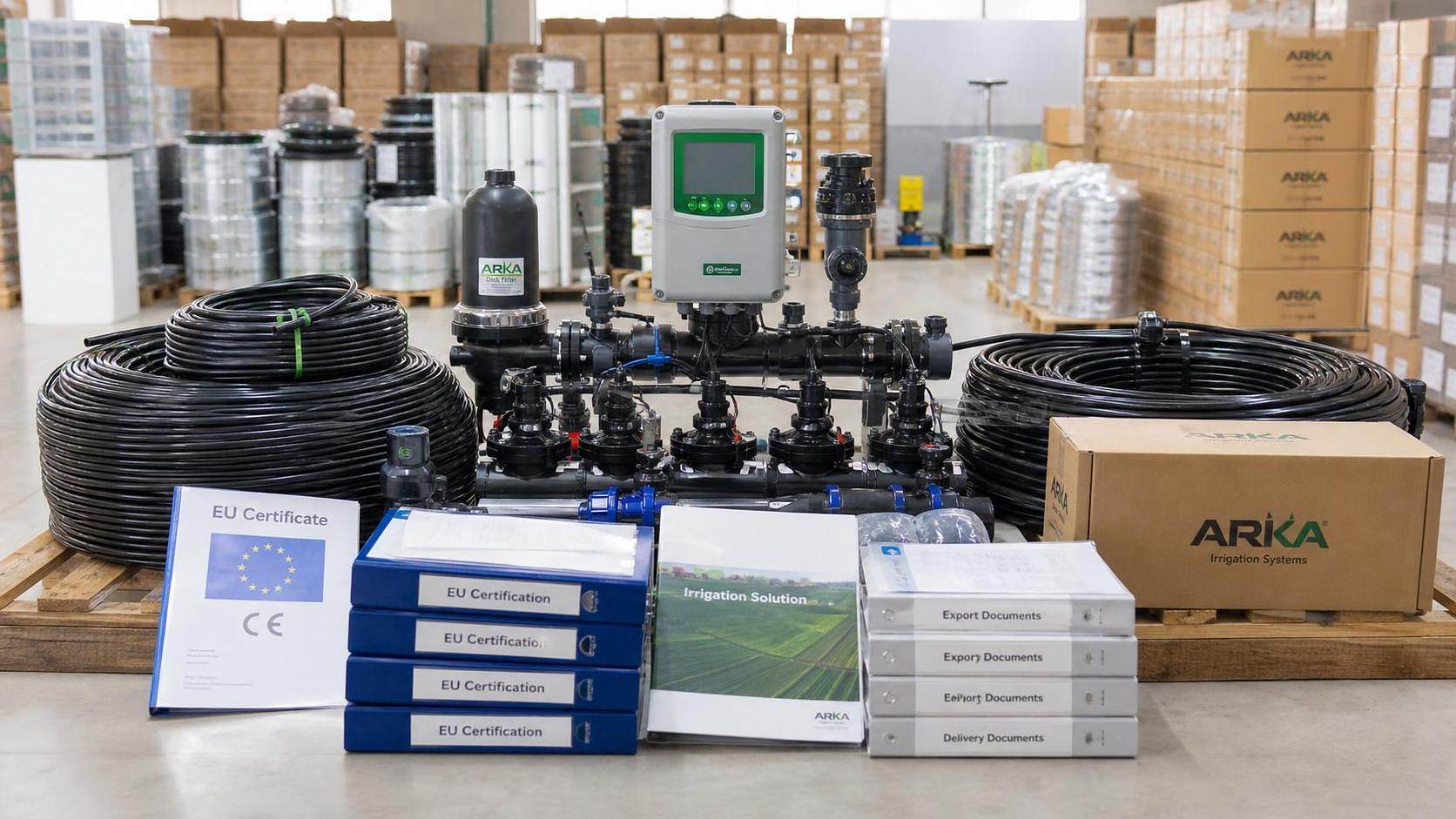




On July 10, 2026, the compliance threshold for Drip Irrigation Logic products entering the EU moved from transition to enforcement. According to the notice referenced in OJ L 185/2026, EN 16842-2:2026 now applies as a mandatory requirement, which means products in this category without the relevant certificate can no longer clear into the EU market. For exporters, certification bodies, procurement teams, and delivery functions, the issue is no longer only technical alignment; it now directly affects customs clearance, documentation readiness, and post-entry compliance exposure.
What the published notice confirms
The confirmed facts are limited but commercially significant. OJ L 185/2026, published on July 9, 2026, confirms that EN 16842-2:2026, titled General Requirements for Water Efficiency and Safety of Water-Saving Irrigation Systems, became mandatory on July 10, 2026. From that date, Drip Irrigation Logic products without this certificate cannot enter the EU market. The same input also states that Chinese exporters must update their DoC and technical documentation in parallel, or they may face customs detention and market recall.
Where the pressure shifts across the supply chain
Export shipments now face a document-linked market access check
For direct export businesses, the most immediate effect is at the border and pre-shipment stage. The rule change connects market access to possession of the EN 16842-2:2026 certificate, so shipment planning, customs preparation, and delivery scheduling are likely to depend on whether certification and supporting documents are already aligned.
Manufacturers need tighter coordination between product files and declarations
For manufacturing entities supplying Drip Irrigation Logic products, the impact is not limited to obtaining a certificate. The confirmed requirement to update the DoC and technical file means compliance work now extends into product documentation control, version management, and internal release procedures. From an industry perspective, this raises the practical importance of ensuring that the declared conformity basis and the technical dossier match the new mandatory standard.
Procurement and channel partners may need to reset acceptance conditions
Distributors, sourcing teams, and procurement-side stakeholders may be affected through supplier qualification and delivery acceptance. Where products are intended for the EU market, purchasing decisions and shipment release may need to be tied more closely to current certification status and document completeness. Analysis shows that the commercial risk is not only delayed supply, but also exposure created if products move forward with outdated declarations or incomplete technical support files.
Testing and certification support functions become part of delivery risk control
For certification-related service providers and compliance support teams, the rule change matters because certificate availability now sits closer to the delivery critical path. What deserves closer attention is that the input does not provide detailed enforcement mechanics, so the practical workload may center on helping exporters verify whether certificates, DoC language, and technical files are consistent with the mandatory date already in force.
What companies should check now
Confirm whether the certificate status matches the shipment plan
Companies handling Drip Irrigation Logic exports to the EU should review whether products intended for entry after July 10, 2026 are already backed by EN 16842-2:2026 certification. This is a practical checkpoint because the stated consequence of not holding the certificate is inability to enter the EU market.
Reconcile the DoC and technical file with the new mandatory basis
The input explicitly notes that Chinese exporters must update the DoC and technical documentation. Observably, this makes document reconciliation a current compliance task rather than a later cleanup step. Businesses should pay attention to whether internal product records, declarations, and technical files are aligned to the same compliance basis before shipment or tender submission.
Reassess delivery timing and trade risk in open orders
Where orders are already in production, transit, or awaiting customs handling, companies should examine whether document status could interfere with clearance or post-market exposure. Analysis shows that the immediate commercial concern is not abstract regulatory change, but whether shipments, acceptance milestones, or handover obligations are supported by the required certificate and updated files.
Keep watching for execution wording and downstream document changes
The input confirms the mandatory date and the compliance consequence, but it does not provide fuller detail on enforcement wording beyond that. It is therefore more appropriate to monitor how this requirement is reflected in customs practice, buyer documentation requests, specification packages, and tender file expectations, rather than assume every execution detail is already settled in the same way across all transactions.
Why this reads as an enforcement signal, not just a standards update
Analysis shows that this development is better understood as a rule now entering operational use, not merely as a technical standard being published for future reference. The transition has ended, the mandatory date is stated, and the market-access consequence is explicit. At the same time, it should not be overstated beyond the provided facts. The input does not establish broader market outcomes, volumes, or a full enforcement pattern, so continued observation is still needed around implementation practice, buyer response, and document scrutiny.
How the market is likely to read this change
At this stage, the event is most appropriately understood as a landed compliance change with direct trade relevance for Drip Irrigation Logic products bound for the EU. The main significance is that certification, DoC updates, and technical documentation are now tied more closely to customs clearance and downstream compliance risk. A measured reading is warranted: the rule change is already in force based on the provided input, while its detailed execution effects across contracts, procurement files, and market feedback still require close follow-up.
Basis of this article and what still needs verification
This article is generated from the user-provided news title, event date, and event summary. For events of this type, relevant source categories usually include official gazettes, regulator publications, customs or trade authority notices, industry association updates, standards organization documents, and reporting by authoritative trade media. The specific official source link was not provided in the input, so that link should still be verified on an ongoing basis. Further observation is also needed regarding detailed policy wording, certification enforcement practice, tender document updates, industry feedback, and how companies are implementing the requirement in actual export operations.
Related News
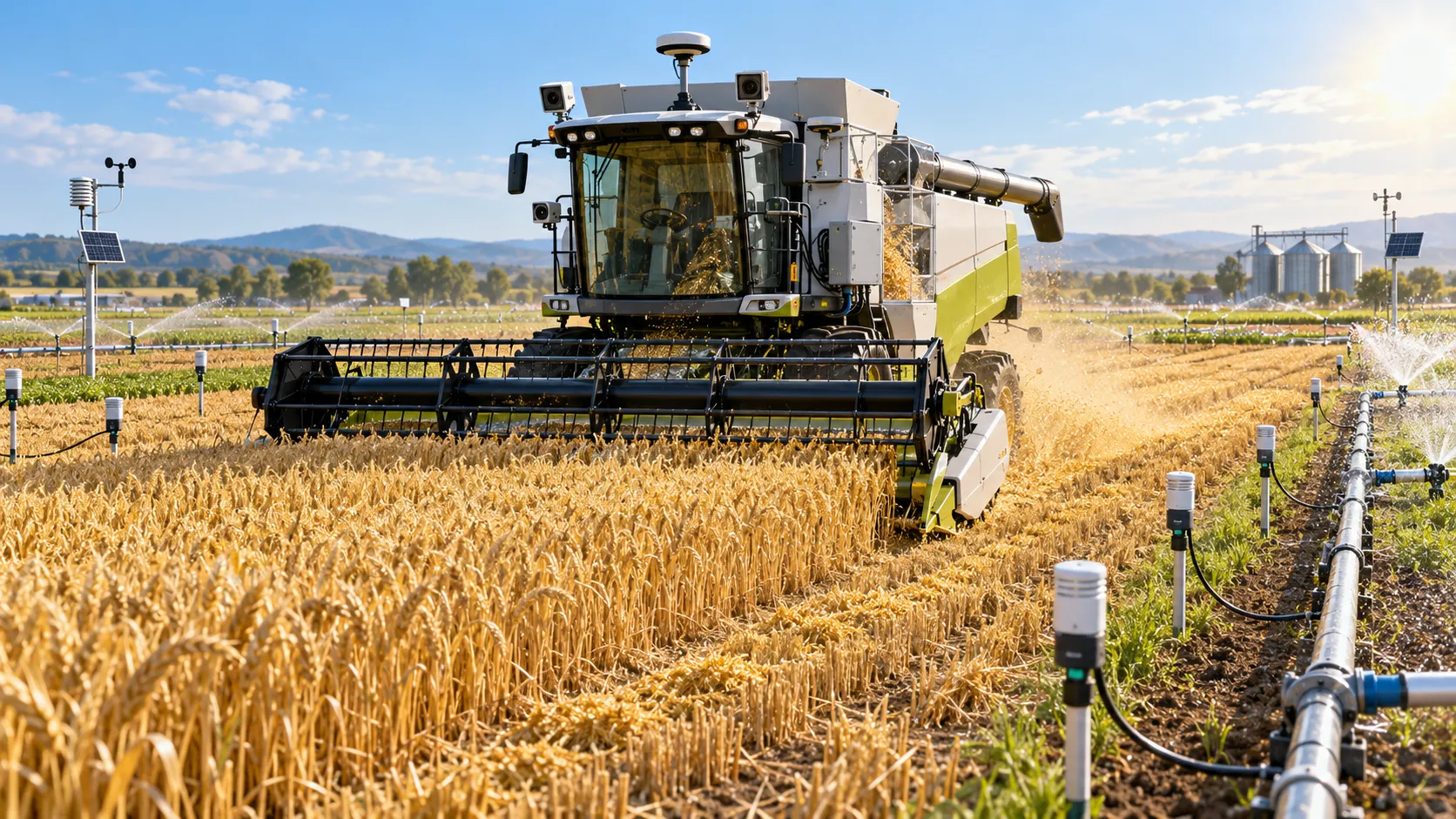
How to Evaluate Dynamic Feedback Algorithm Suppliers for Precision Farming Systems
Dynamic feedback algorithms supplier evaluation guide for precision farming—compare validation, integration, safety, and pilots to choose with confidence.

How to Specify Combine Harvester Systems for High-Moisture Grain and Variable Field Conditions
Combine harvester systems for high-moisture grain: learn how to specify threshing, cleaning, headers, traction, and automation for reliable harvests in variable fields.
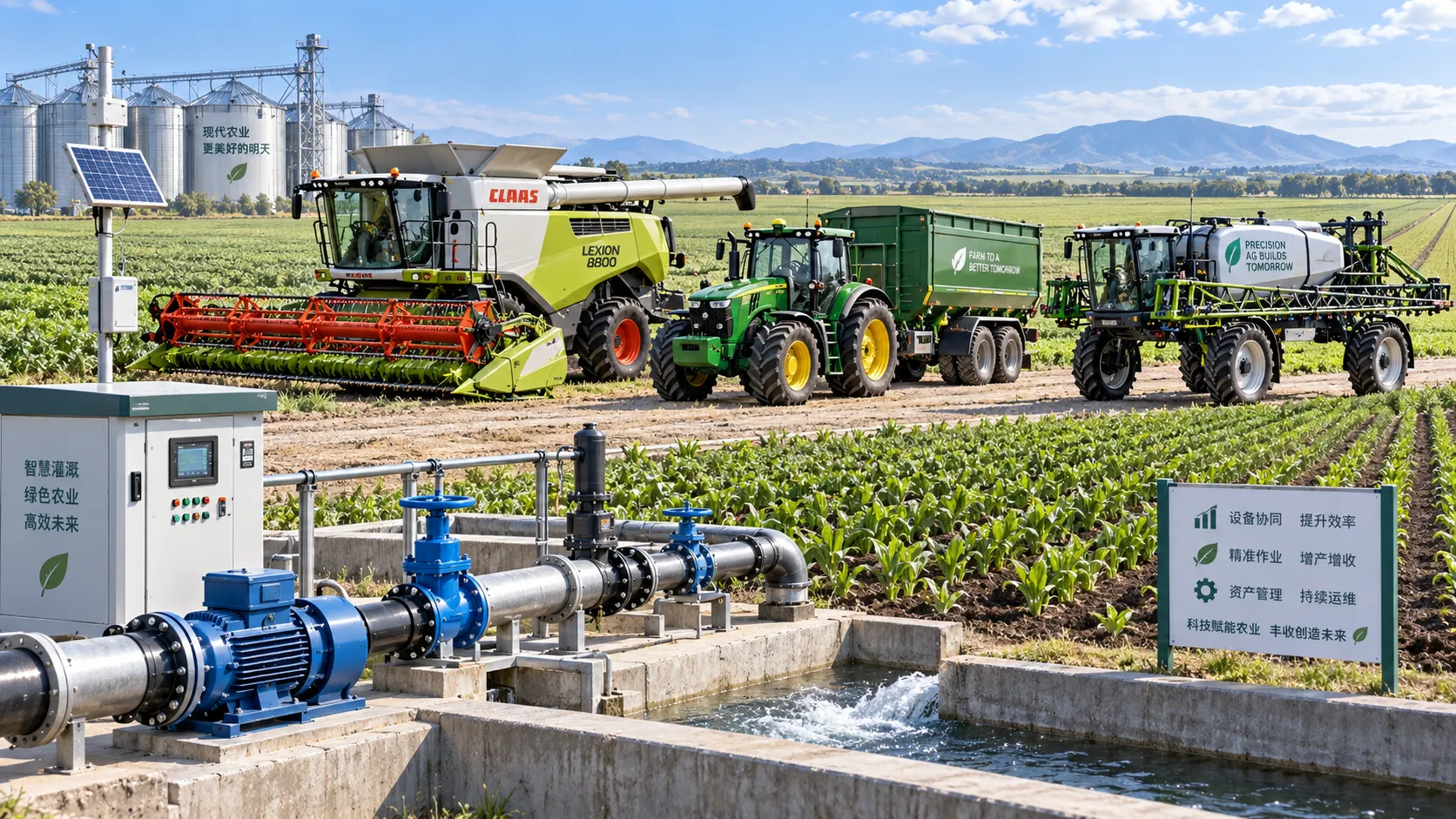
How to Compare Agricultural Equipment Platforms for Fleet Management and ROI
Agricultural equipment platform comparison: evaluate fleet data, maintenance, precision workflows, and ROI to choose a system that delivers measurable results.
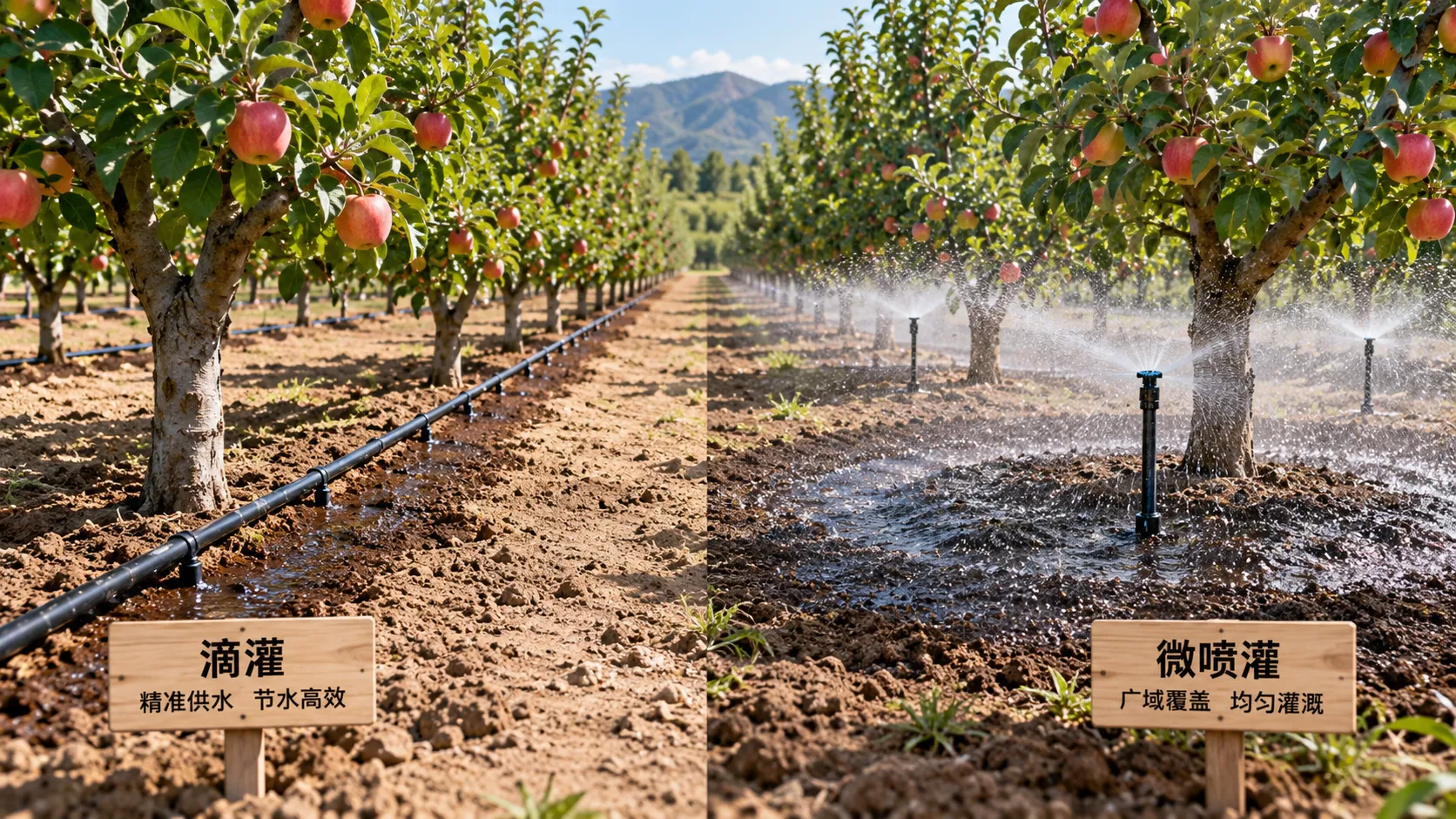
Drip vs. Micro-Sprinkler Irrigation: Which System Fits Your Orchard?
Irrigation solution comparison for orchards: discover whether drip or micro-sprinklers best match your water, soil, roots, fertigation, and frost needs.
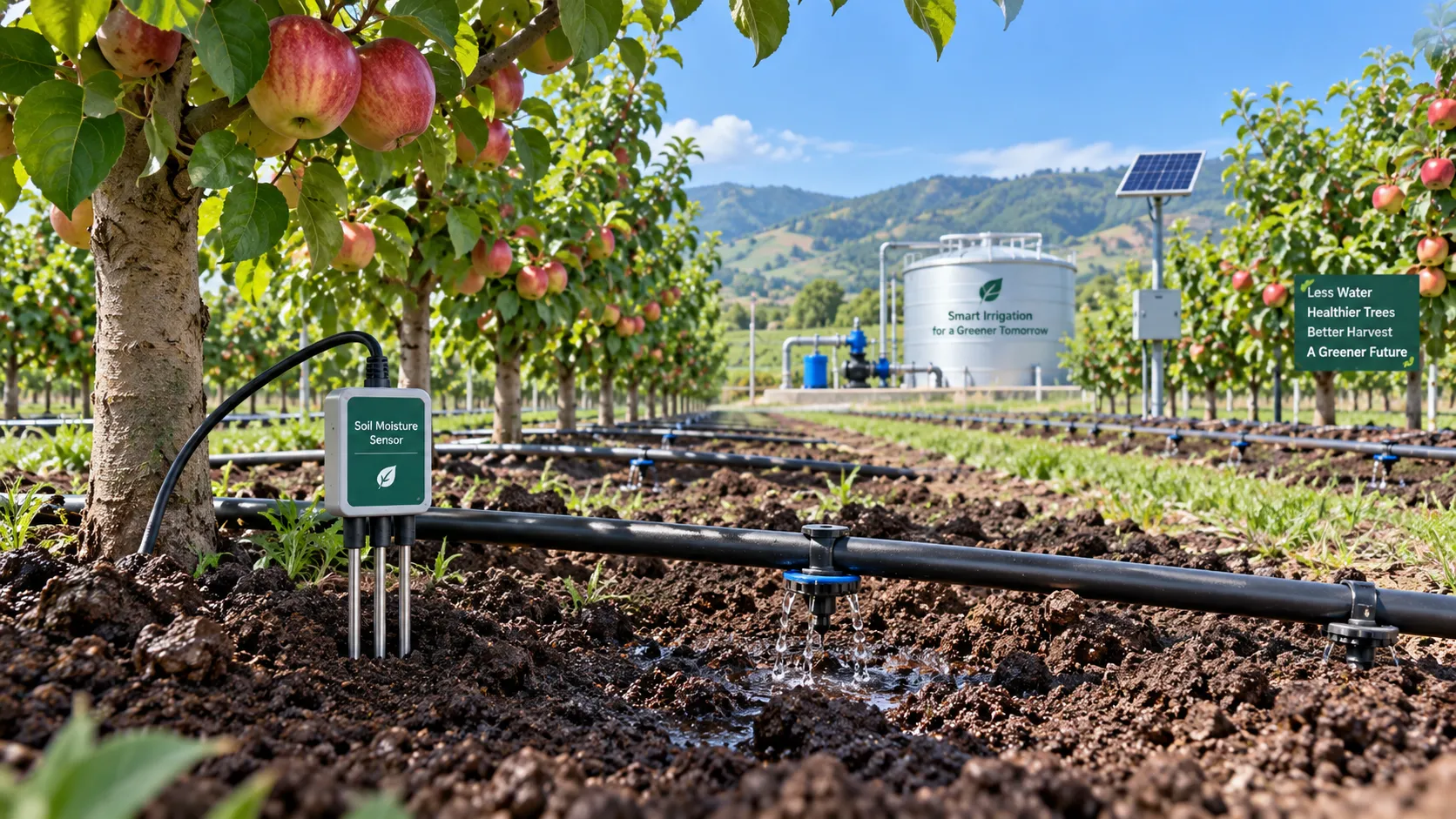
Orchard Water Management: Using Soil Moisture Data to Schedule Irrigation
Agricultural water management for orchards made practical: use soil moisture data to optimize irrigation timing, protect yield, reduce costs, and improve resilience.

Tractor Chassis Price: What Buyers Should Compare Beyond the Initial Quote
Tractor chassis price is only the start. Compare load capacity, compatibility, durability, and lifecycle costs to choose a reliable, high-value chassis.
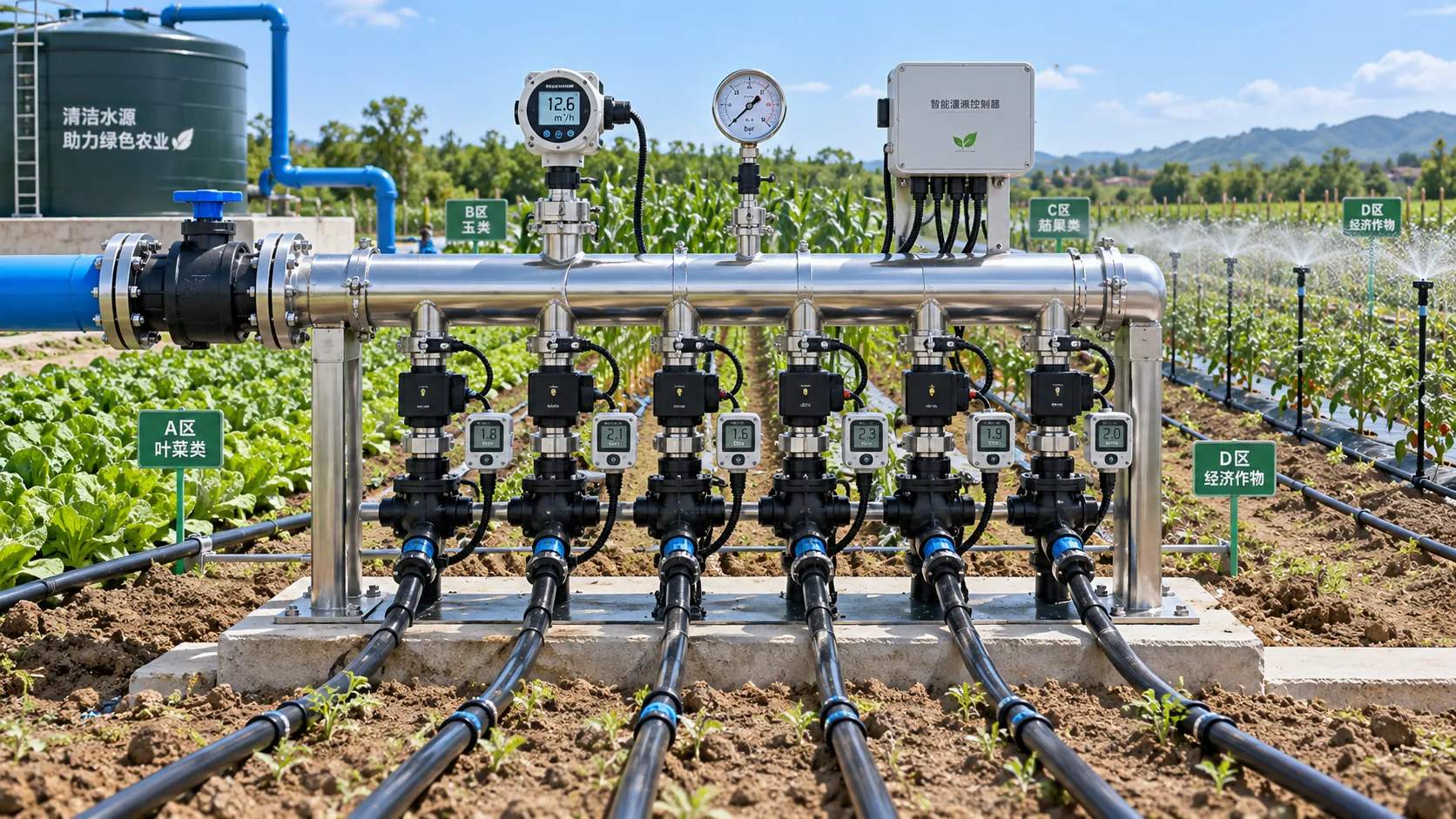
How to Select Smart Irrigation Valves for Multi-Zone Water Management?
Intelligent irrigation systems valves: learn how to match smart valves with multi-zone flow, pressure, control, feedback, and communication needs for reliable water management.
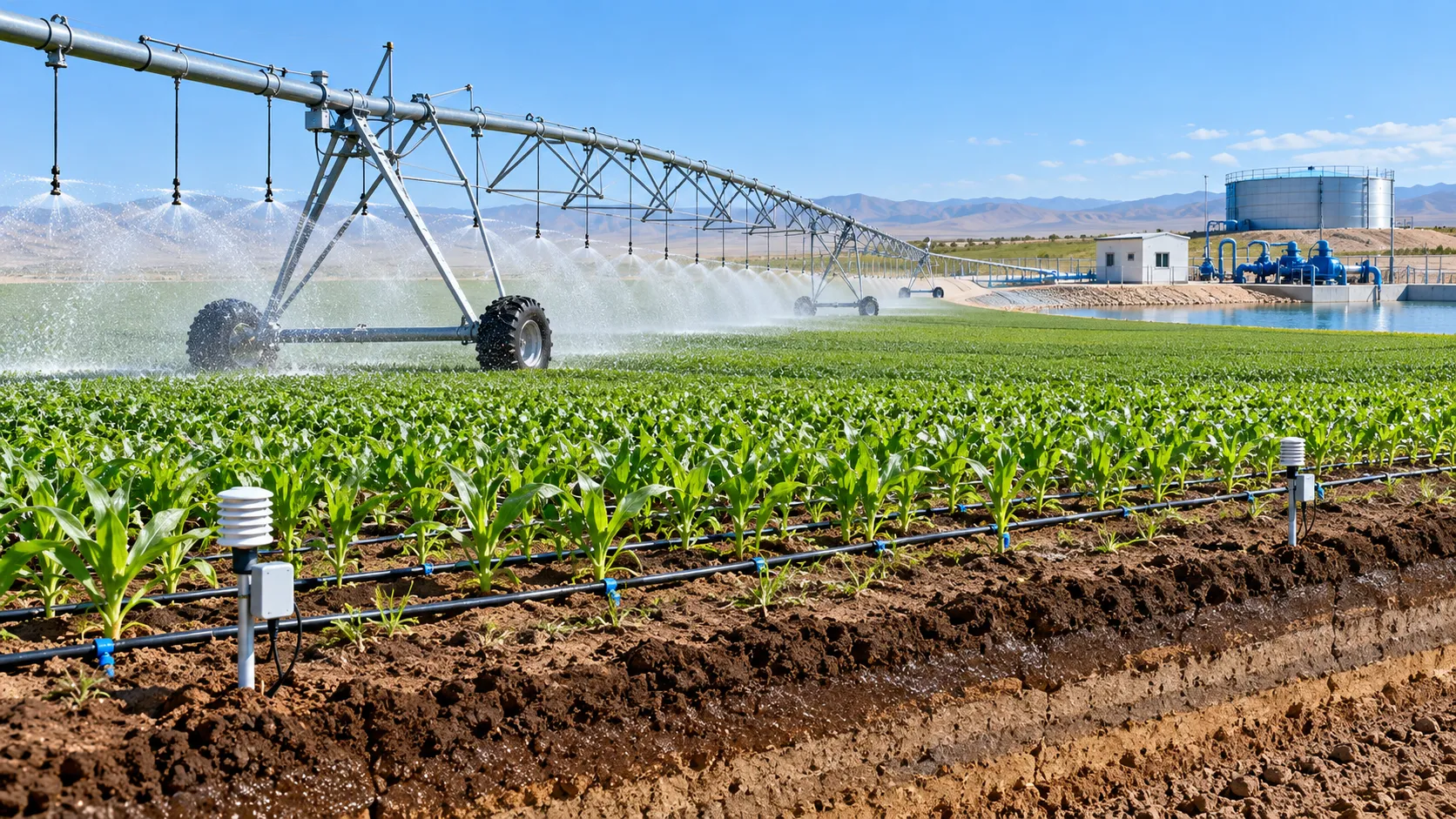
Climate-Smart Farming for Drought: A Practical Plan for Protecting Yields
Climate-smart farming for drought: build smarter water budgets, protect critical crop stages, improve irrigation uniformity, and safeguard yields with practical field-proven strategies.
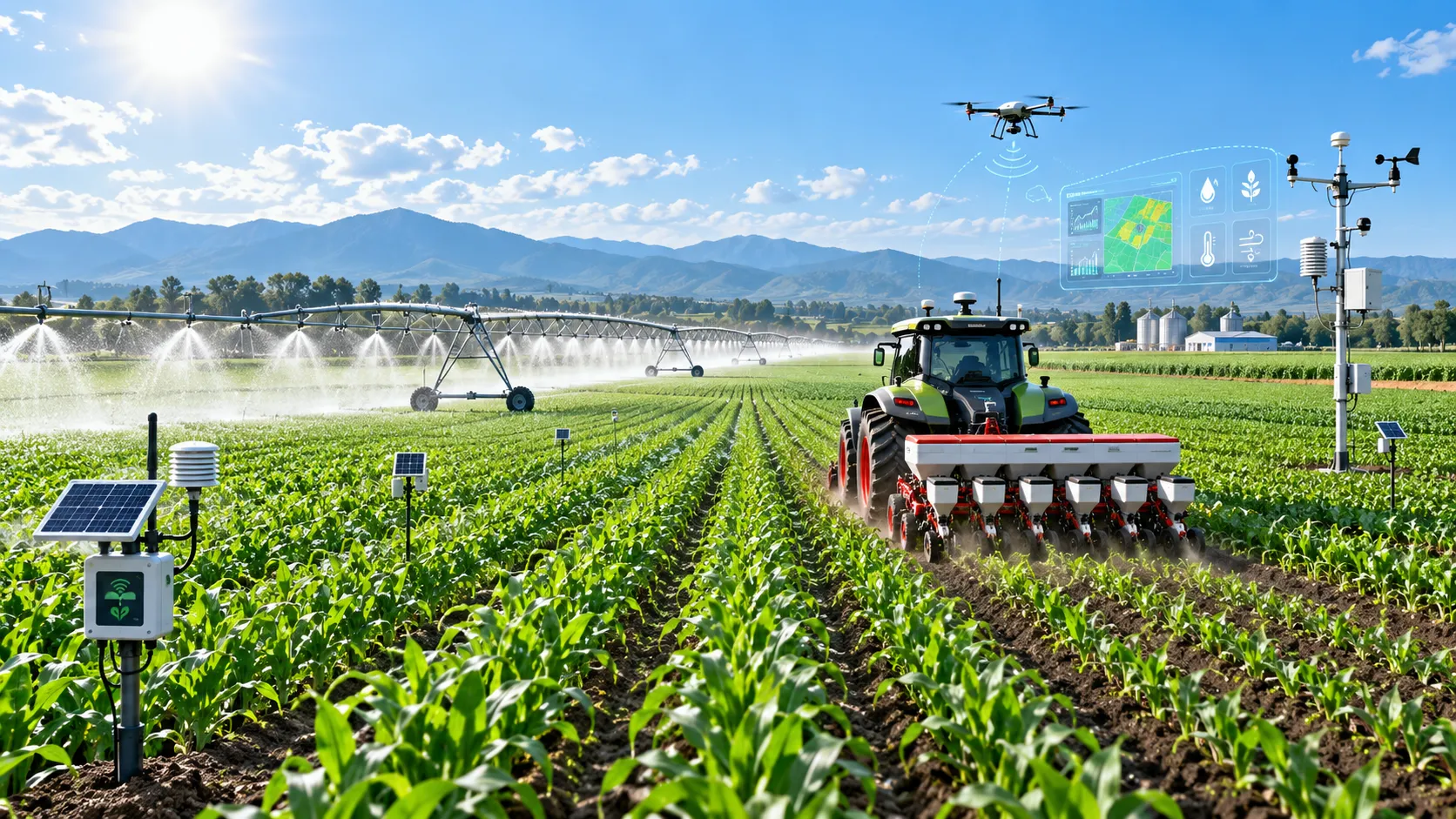
How Digital Agriculture Platforms Turn Field Data Into Better Input Decisions
Digital agriculture platforms turn field data into smarter fertilizer, water, seed, and equipment decisions—helping farms cut risk, improve margins, and scale sustainability.
Related News
- 00
0000-00
Drip vs. Micro-Sprinkler Irrigation: Which System Fits Your Orchard? - 00
0000-00
How to Select Smart Irrigation Valves for Multi-Zone Water Management? - 00
0000-00
Automated Water-Saving Irrigation: How to Cut Water Use Without Reducing Crop Yields - 00
0000-00
How to Evaluate Drip Irrigation System Manufacturers for Large Farm Projects - 00
0000-00
Wireless Agricultural Automation for Remote Irrigation and Field Monitoring
Popular Tags
Hydrological Resource Strategist
Weekly Insights
Stay ahead with our curated technology reports delivered every Monday.